THE IMAGINED FUTURE OF 2 AND 4 MEDAN PASAR THROUGH THOUGHTFUL CONSERVATION, ADAPTIVE REUSE AND ACTIVATION
The formation of the Federated Malay States in 1896 marked a decisive chapter in Malaya’s architectural evolution, as commerce and colonial governance converged to shape a new urban identity. At the heart of this transformation stood Medan Pasar—Kuala Lumpur’s early mercantile square near the confluence of the Klang and Gombak rivers. Here, trade, migration and administration intersected, giving rise to a civic landscape that expressed prosperity and cosmopolitan ambition.
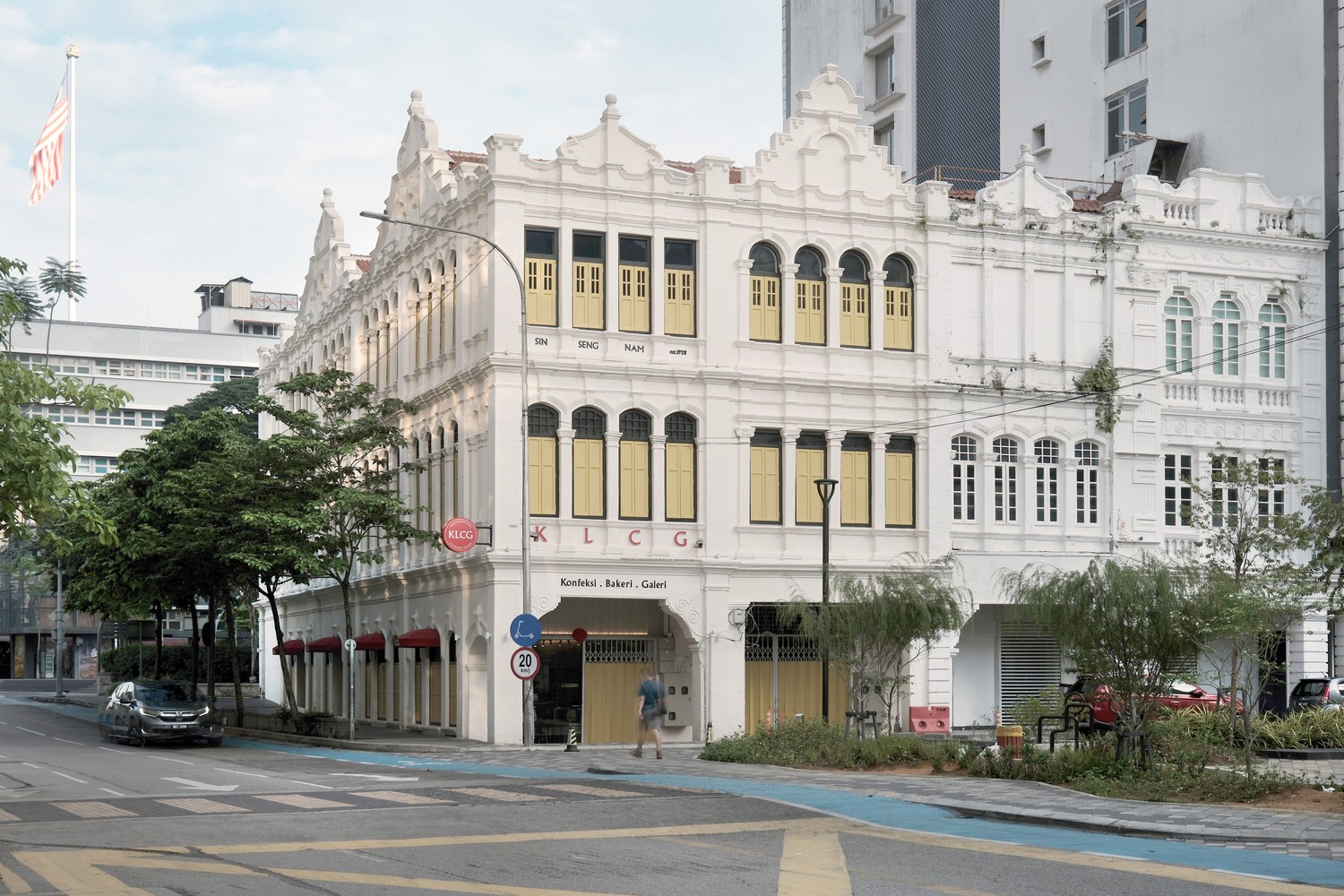
Built in 1906 by Loke Yew and designed by Indian-Anglo architect Abdul Kadier Moosdeen, Nos. 2 and 4 Medan Pasar were among the “earliest three-storey shophouses…. that came to define the scale and architectural language of the square.” Their distinctive Dutch-stepped gables, Ionic pilasters, stucco ornamentation, and semicircular windows reveal European revivalist influences adapted to the tropical shophouse typology. Together, they helped define the scale and architectural language of the square, projecting civic pride within a frontier town emerging as a capital.
The conservation of Nos. 2 and 4 may one day be recognised as a tipping point in the resuscitation of Kuala Lumpur’s historic core. Conceived not as an isolated restoration but as a catalyst, the project sought to recover the early heritage setting of Old Market Square circa 1893. Cultural placemaking was driven by a vision to evoke the Spirit of Place—understood not as aesthetic nostalgia, but as the articulation of cultural significance through the conservation process itself.
Cultural mapping began with archival research, cadastral analysis, materials testing, condition surveys and oral histories—an assessment of the square’s cultural DNA. This revealed not only architectural value but layers of material history embedded in the buildings’ fabric.
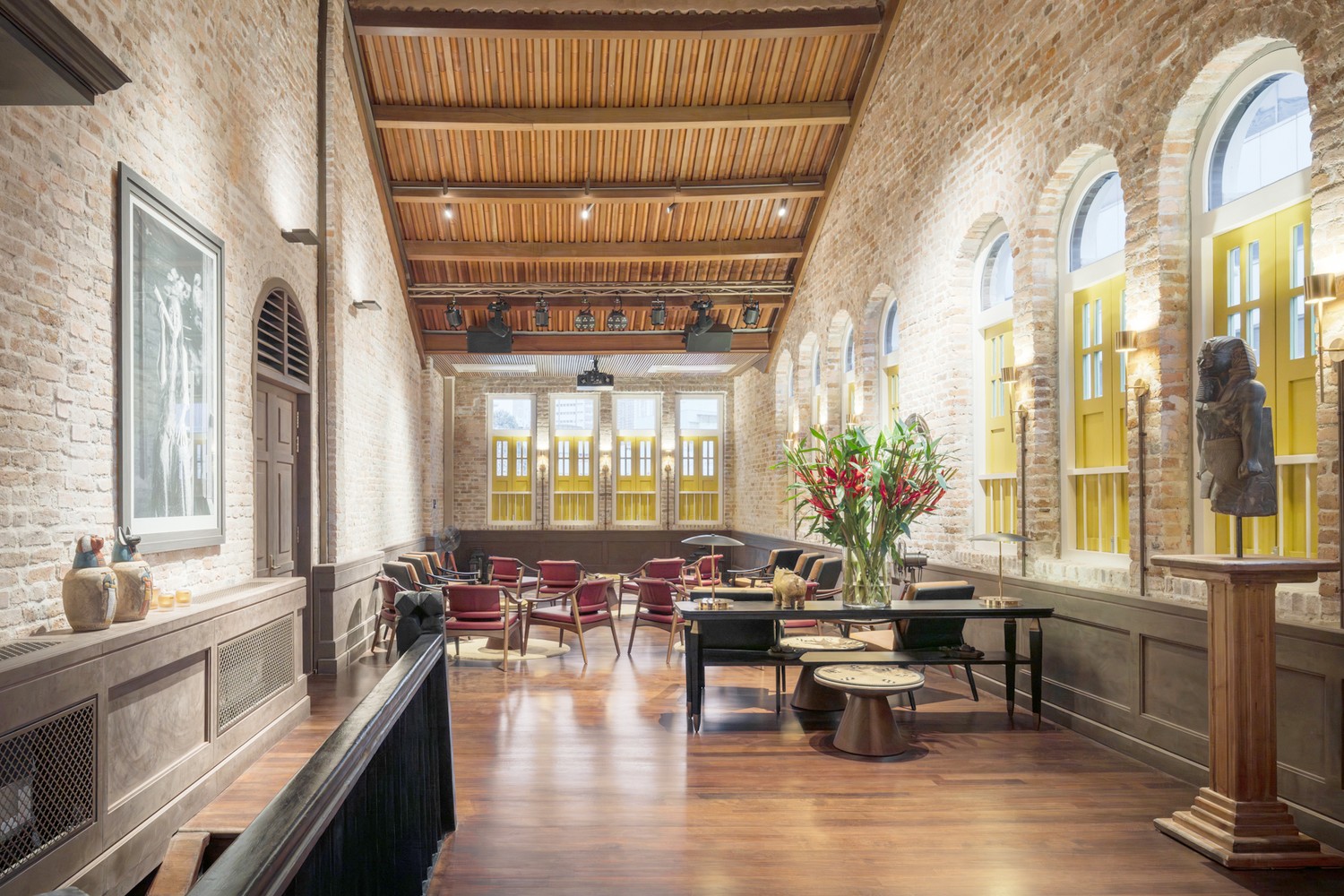
One of the most consequential discoveries lay above the ceiling line. Beneath postwar asbestos and later metal roofing sheets, remnants of original Indian terracotta furrow tiles were found embedded in the party wall ridges. A deliberate decision was made to restore the roof to its original state—a tacit declaration that authenticity would guide the project. The reinstatement of these tiles reconnected the buildings to early twentieth-century craftsmanship and regional trade networks, restoring an architectural expression not previously witnessed in contemporary Kuala Lumpur. In doing so, terracotta roofing became an established principle for subsequent conservation works within the square.
Equally transformative was the revival of traditional lime technology. Cement repairs had compromised breathability and surface integrity; their removal required a reintroduction of craft knowledge. A two-day workshop led by a master mason introduced contractors and clients to hydraulic lime plasters formulated with non-active aggregates—materials unfamiliar to contemporary practice. Initial scepticism gave way to conviction. The conservation site became a platform for knowledge transfer, embedding technical competence and aesthetic appreciation that extended beyond this single intervention.
The principle of continuity governed adaptive reuse. In a skyline increasingly dominated by later high-rise forms, what draws visitors back to Medan Pasar is paradoxically its preserved scale—a time capsule of early Kuala Lumpur. The square’s identity is shaped by layered contrasts: shophouses commissioned by a prominent Chinese towkay and designed by an Anglo-Indian architect in a Tropical Eclectic idiom with Dutch influences on the west bank; and, across the river, a grand government edifice in Moghul-Indo-Saracenic style favoured by British colonial administration. These juxtapositions articulate the cultural routes and roots that shaped the city’s urban DNA.
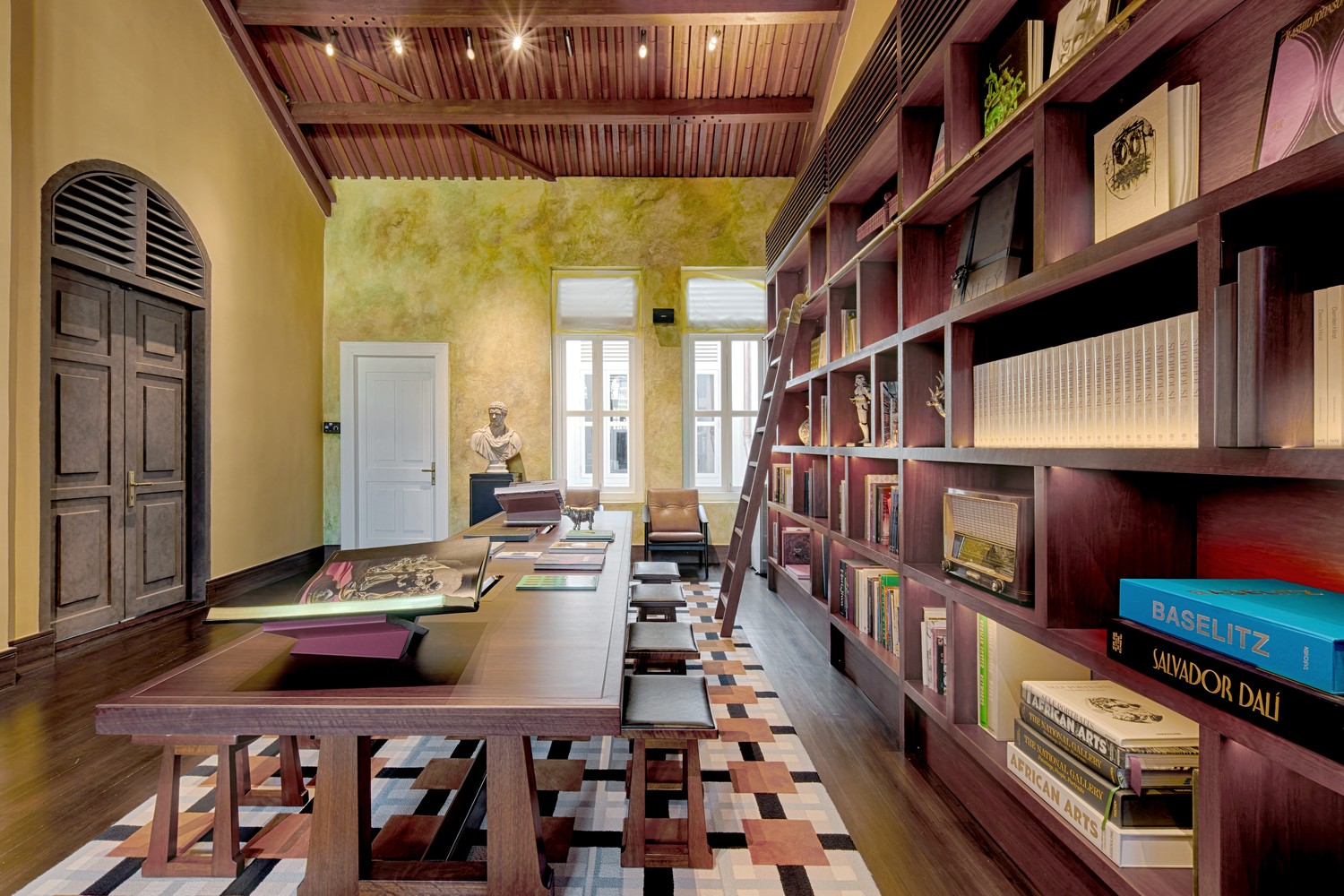
The project positioned Nos. 2 and 4 as a flagship for revitalisation. An excellence-driven client embraced long-term cultural value over short-term expediency, enabling a careful balance between preservation and contemporary functionality. New insertions were designed to remain legible and respectful, allowing old and new to coexist in dialogue rather than imitation. The ambition was not merely to conserve two buildings, but to reassert the square’s cultural and economic relevance.
Beyond physical restoration, the intervention elevates conservation consciousness. It demonstrates that adaptive reuse can be rigorous and regenerative—grounded in research, authenticity and craftsmanship. The process itself became an act of rediscovery, revealing narratives embedded in walls, roofs and ornament while building local capacity.
The true measure of success will unfold over time, as commerce, culture, tourism and academia once again converge within Medan Pasar’s arcades. Nos. 2 and 4 are not preserved as relics but reanimated as vessels of continuity—reaffirming heritage not as sentiment, but as the foundation of a resilient and vibrant urban future.
“Do as much as necessary, change as little as possible.”
A sensitive intervention that revitalises Medan Pasar through careful detailing, activated interiors, and renewed urban vibrancy.