Single Residential - Gold ARCHITECT: Formzero Architecture Sdn Bhd CLIENT: Anonymous CONTRACTOR: Sinar Sintek Sdn Bhd
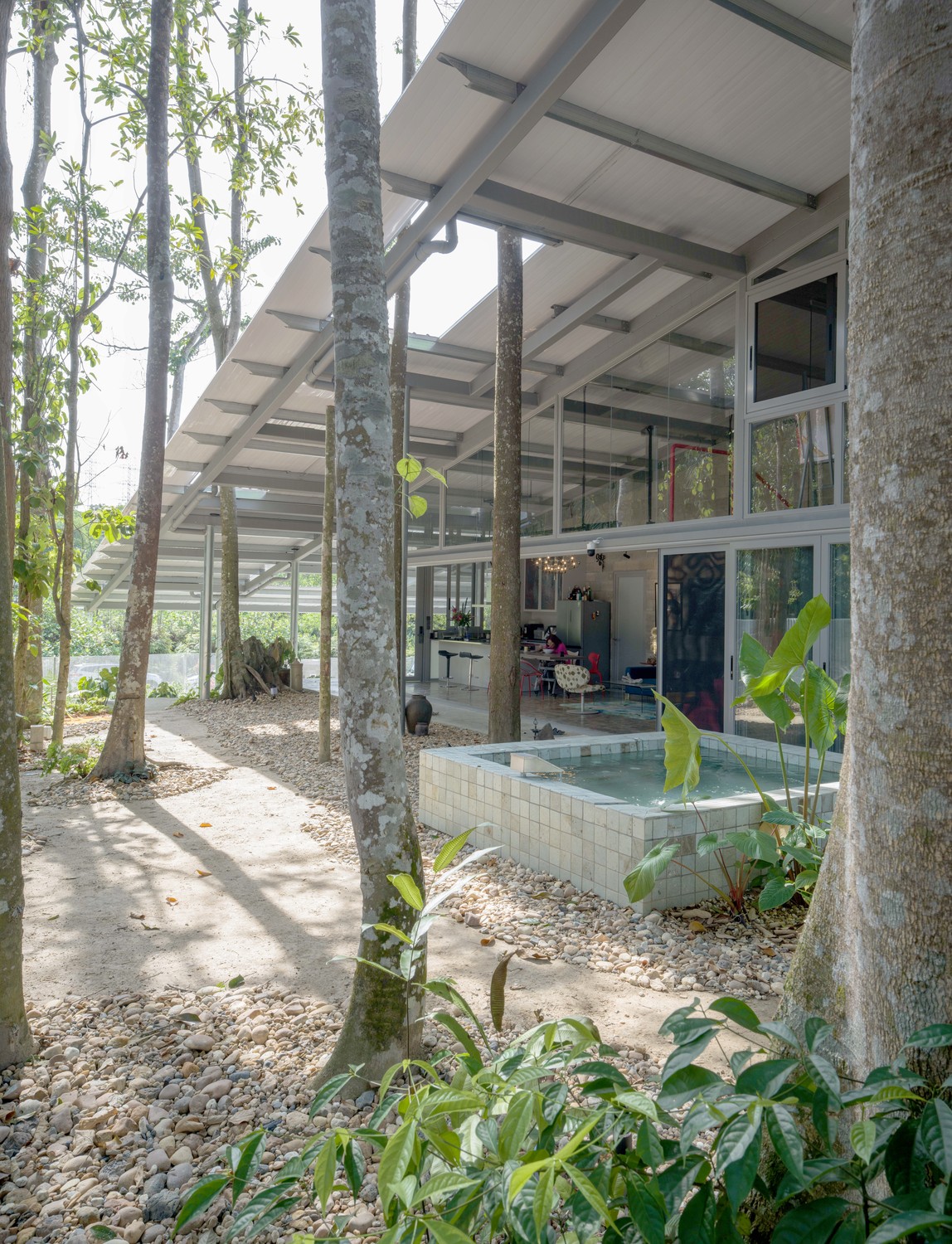
Forest garden
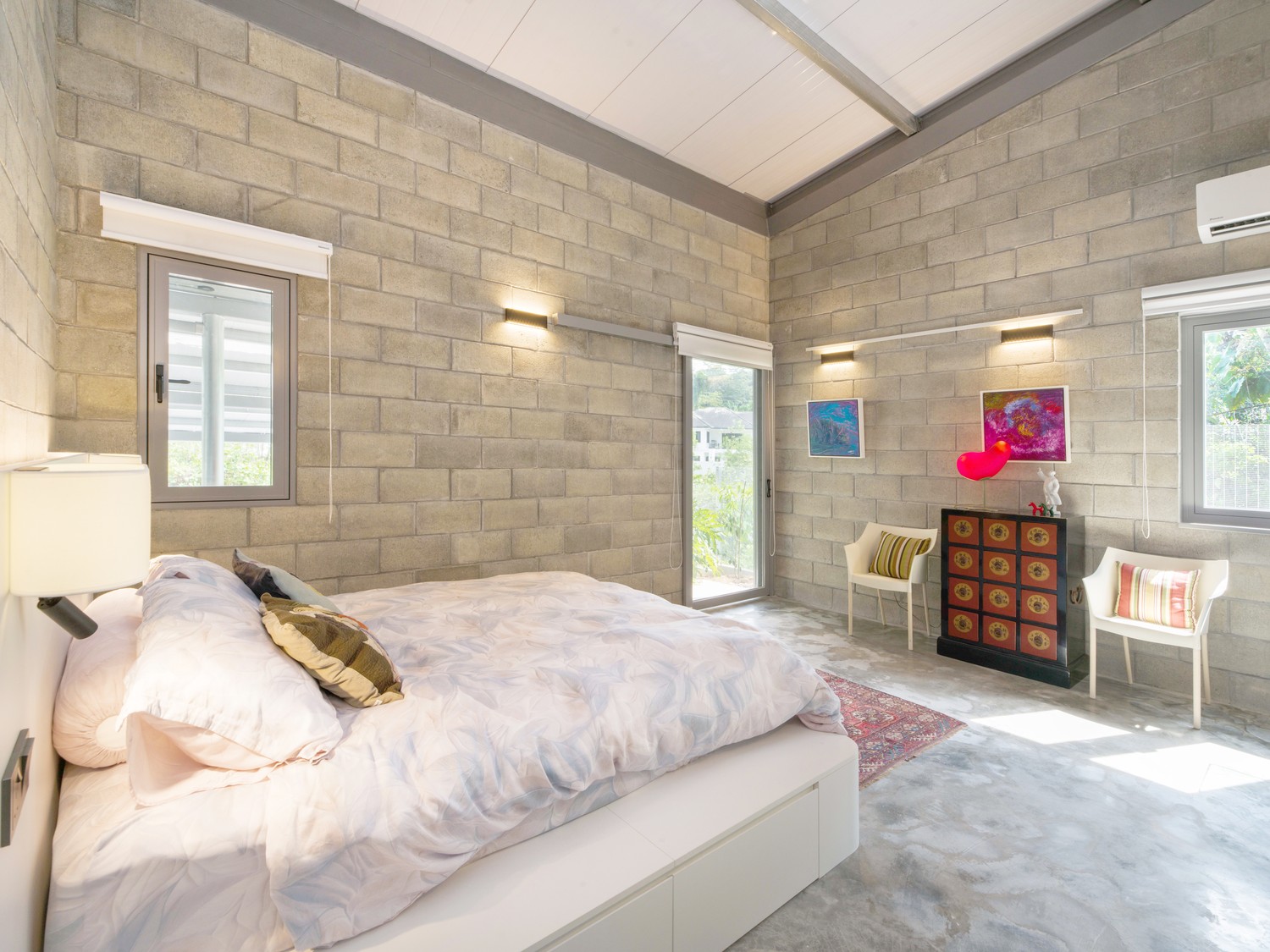
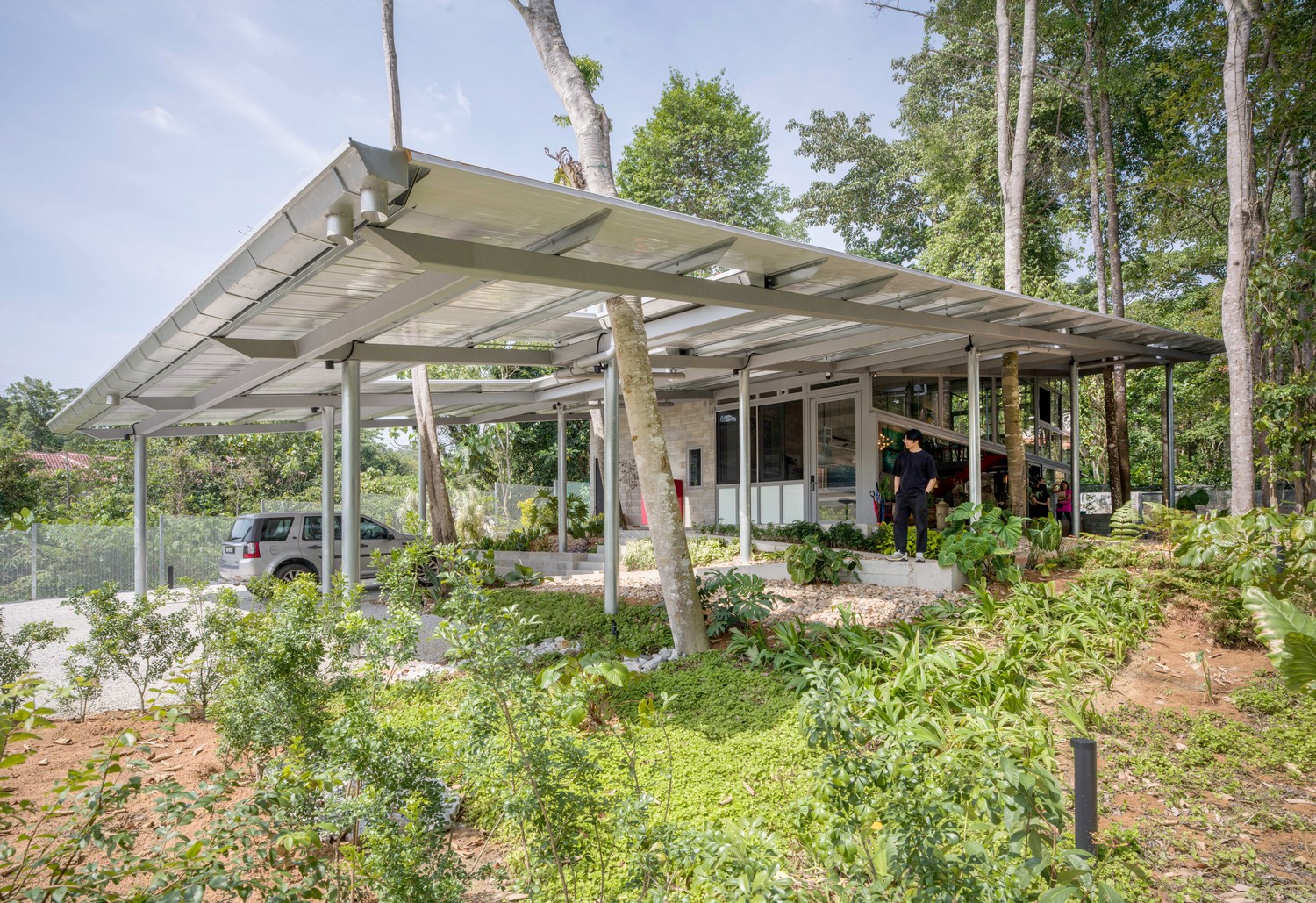
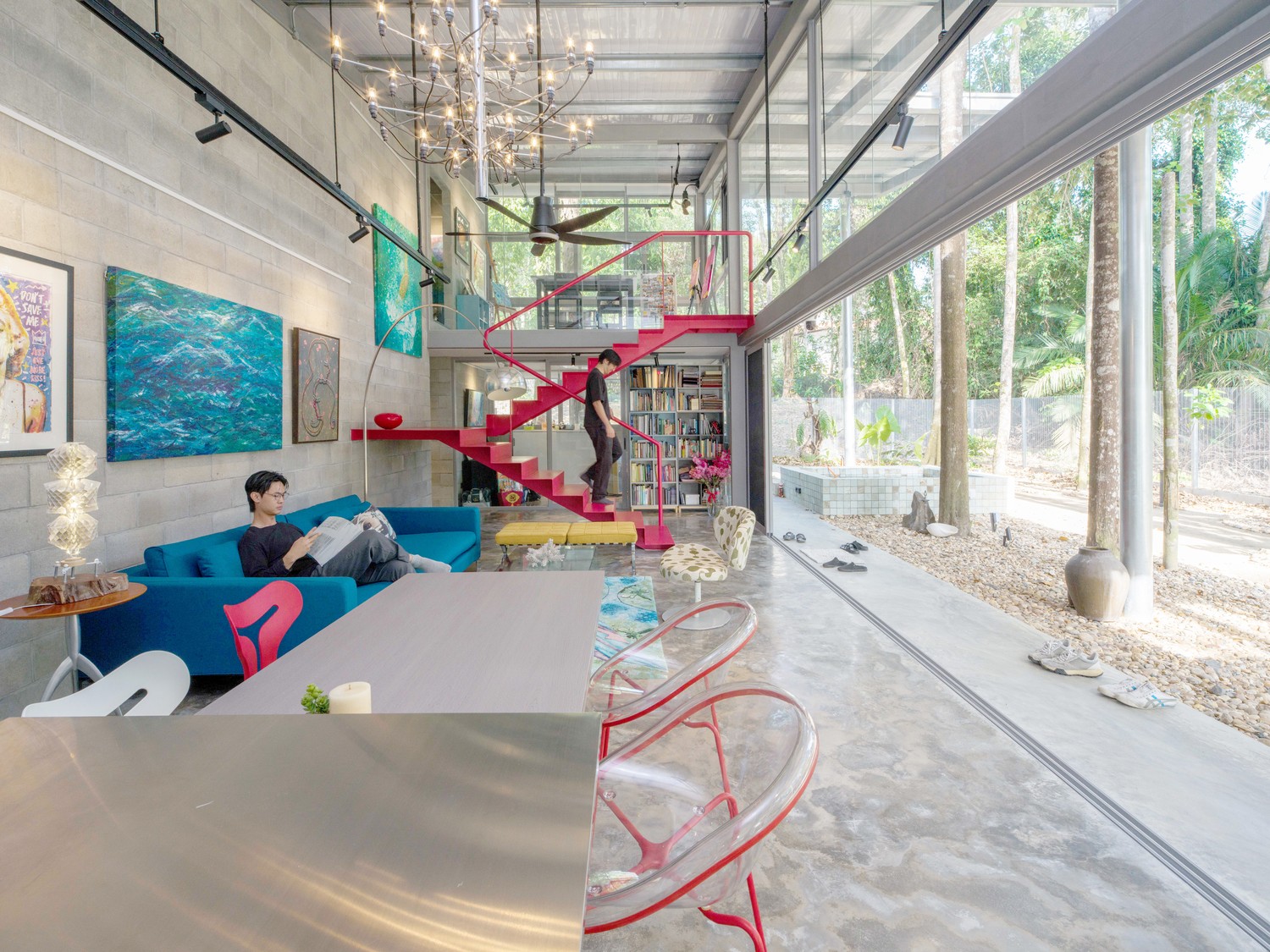
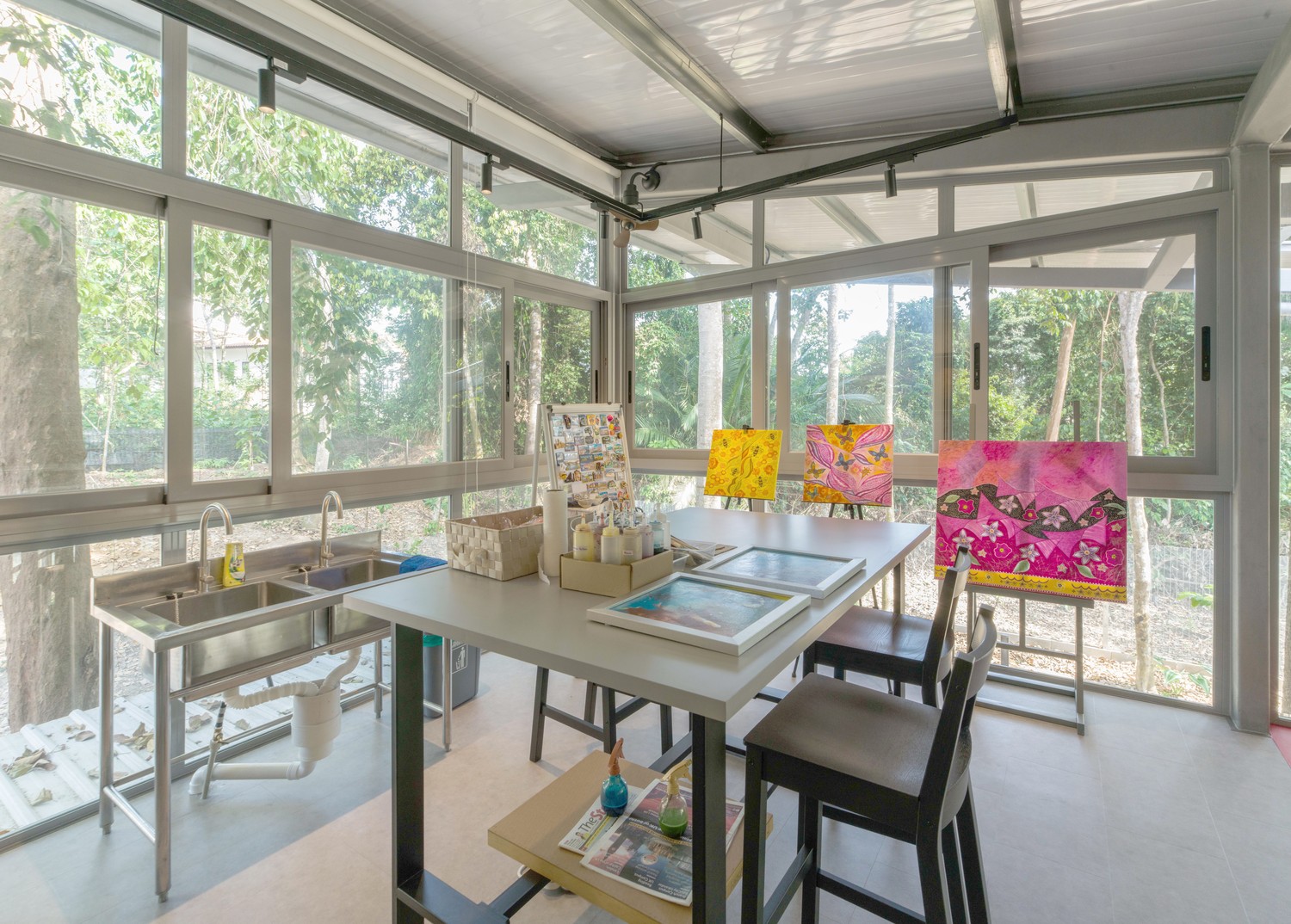
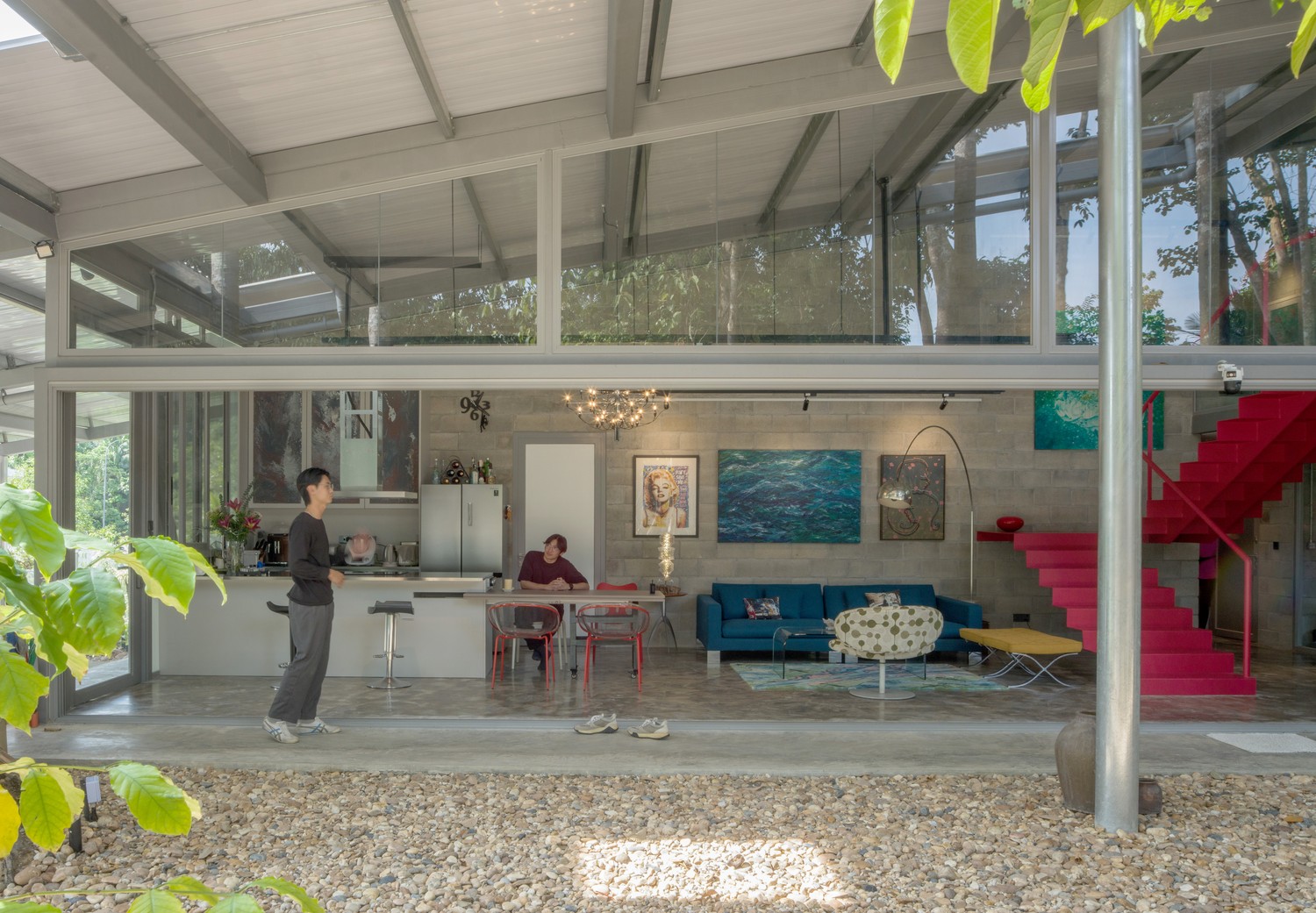
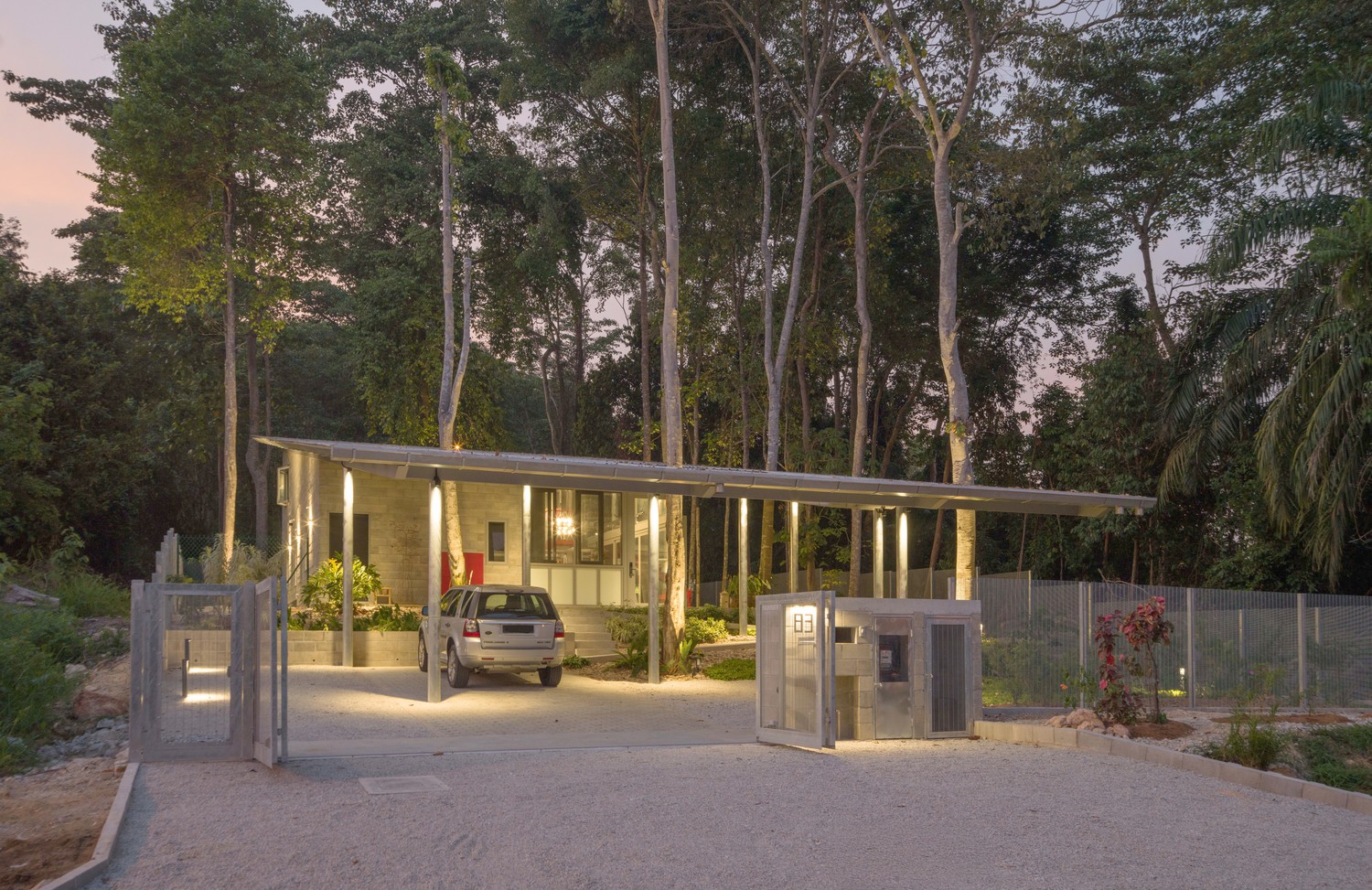
Canopy House is a 1.5-storey nature-centric home nestled at the edge of a forest reserve, defined by a sloping roof that wraps around existing trees and follows the natural terrain. With a building footprint of only 130sqm, 85% of the land is outdoor spaces. Most existing trees are retained and integrated into the design. Two private rooms anchor the daily life of a small artist family, while the transparent living space and art studio open fully to the forest. Exposed CMU walls operate as structural galleries for artwork, hosting creativity and gatherings. Canopy House exemplifies architecture harmoniously integrated with nature.
Bedroom
Forest garden
Canopy House is designed to intervene minimally within its natural context, strengthening the relationship between architecture, landscape, and art. Created for a small family of artists, the house integrates living spaces, an art studio and a gallery that open fluidly toward nature.
Living room
Inspired by the site’s tree canopies and sloping terrain, the design is organised beneath a singular roof plane that follows the natural topography. Supported by ten circular columns and punctuated by five strategic openings, the structure allows six mature trees to pass through, dissolving the boundary between built form and landscape. Privacy and openness are carefully balanced through glass partitions, deep overhangs, and passive ventilation.
Bedroom
Studio workshop
Composed of half-solid and half-transparent elements, the house promotes seamless indoor–outdoor living. With 85% of the site preserved as open green space, Canopy House proposes an ecological model of living that achieves more with less, restoring nature as a vital component of contemporary urban life.
Living space
An architectural marvel of sculpted planes and lush integration, this home redefines suburban living with bold forms, passive strategies, and seamless indoor-outdoor spatial flow.