Commercial Low Rise - Gold (Building Of The Year) ARCHITECT: EA Architects Sdn Bhd CLIENT: Perbadanan Ketua Menteri Pulau Pinang (CMI) CONTRACTOR: United Builders Sdn Bhd
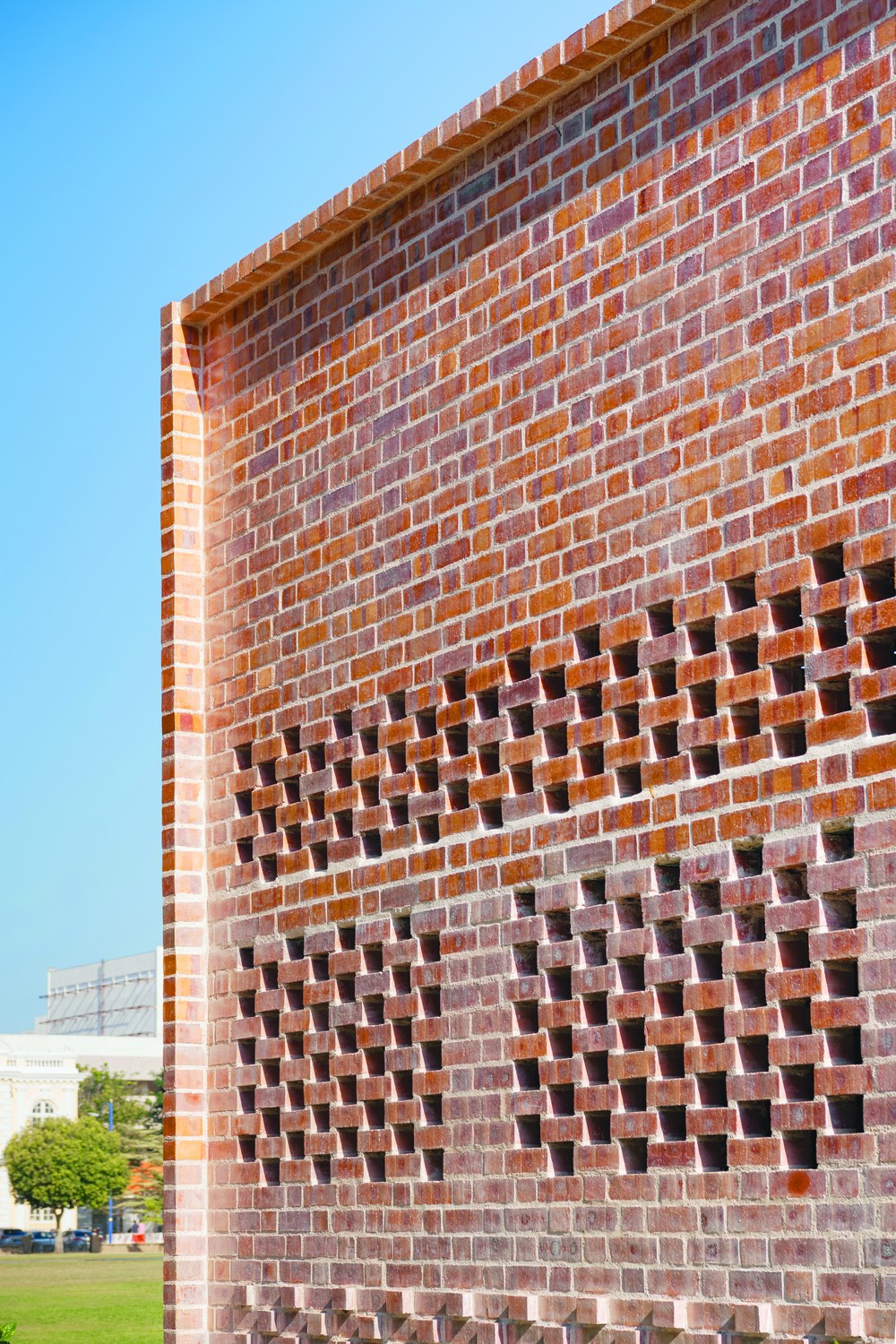
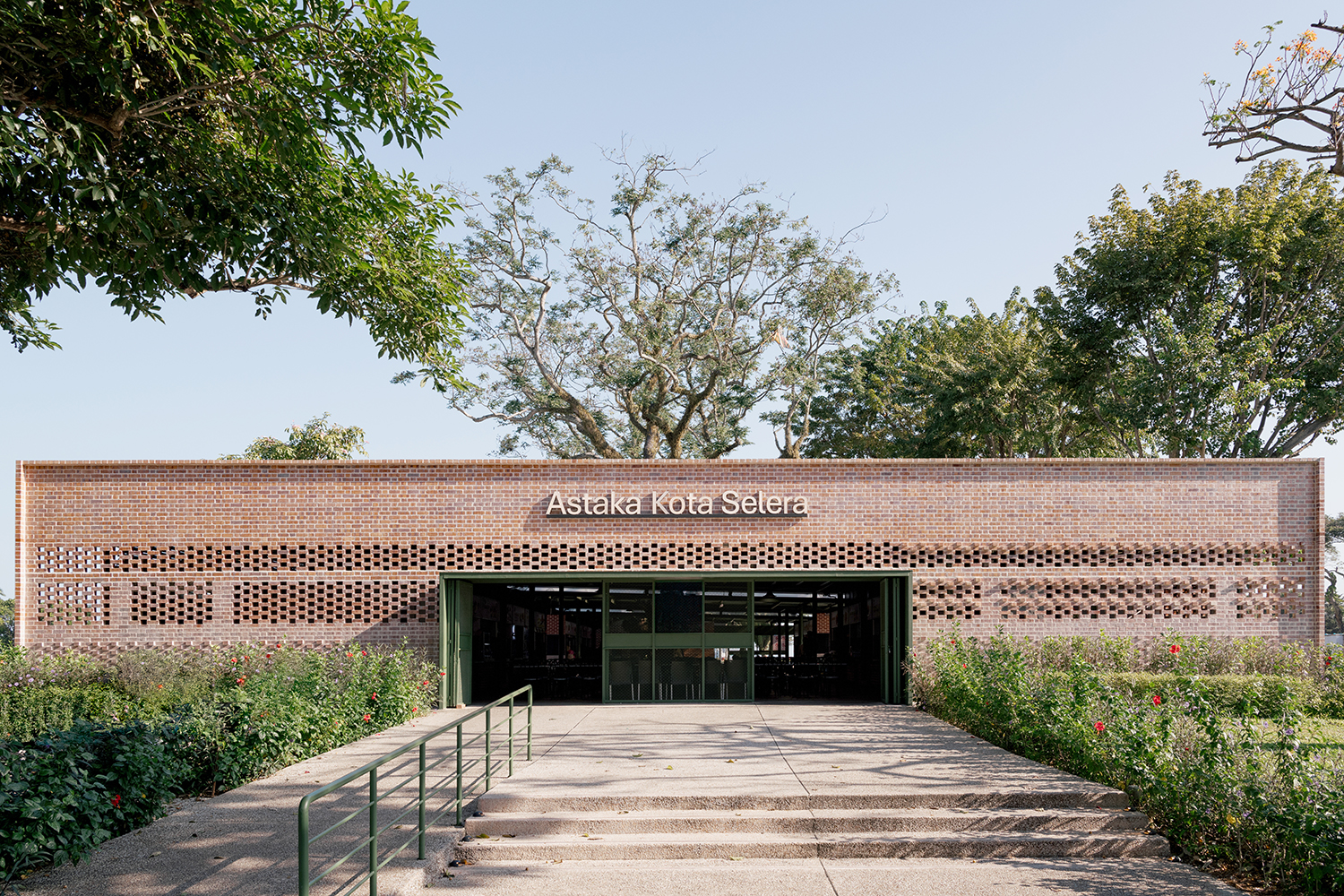
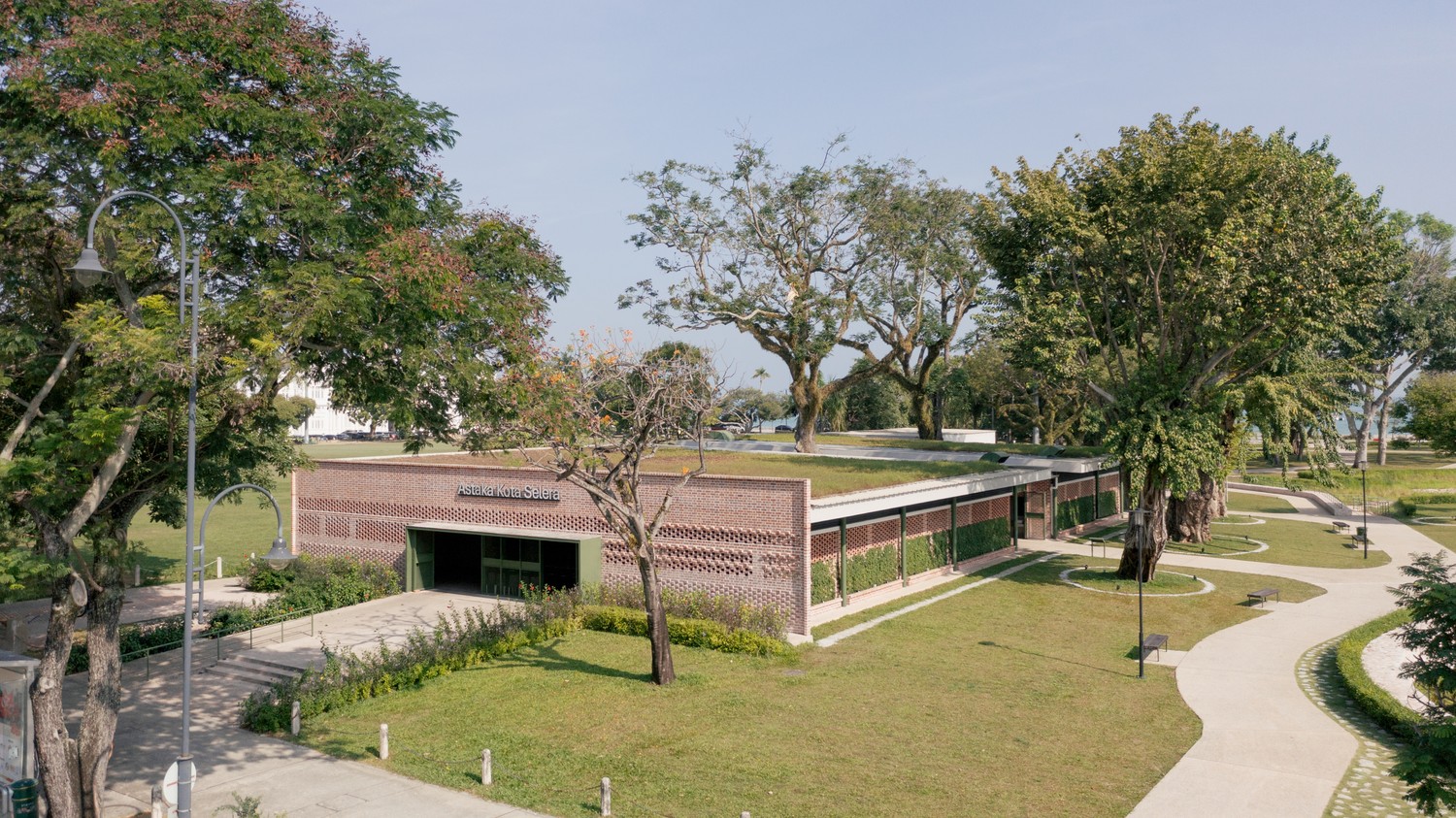
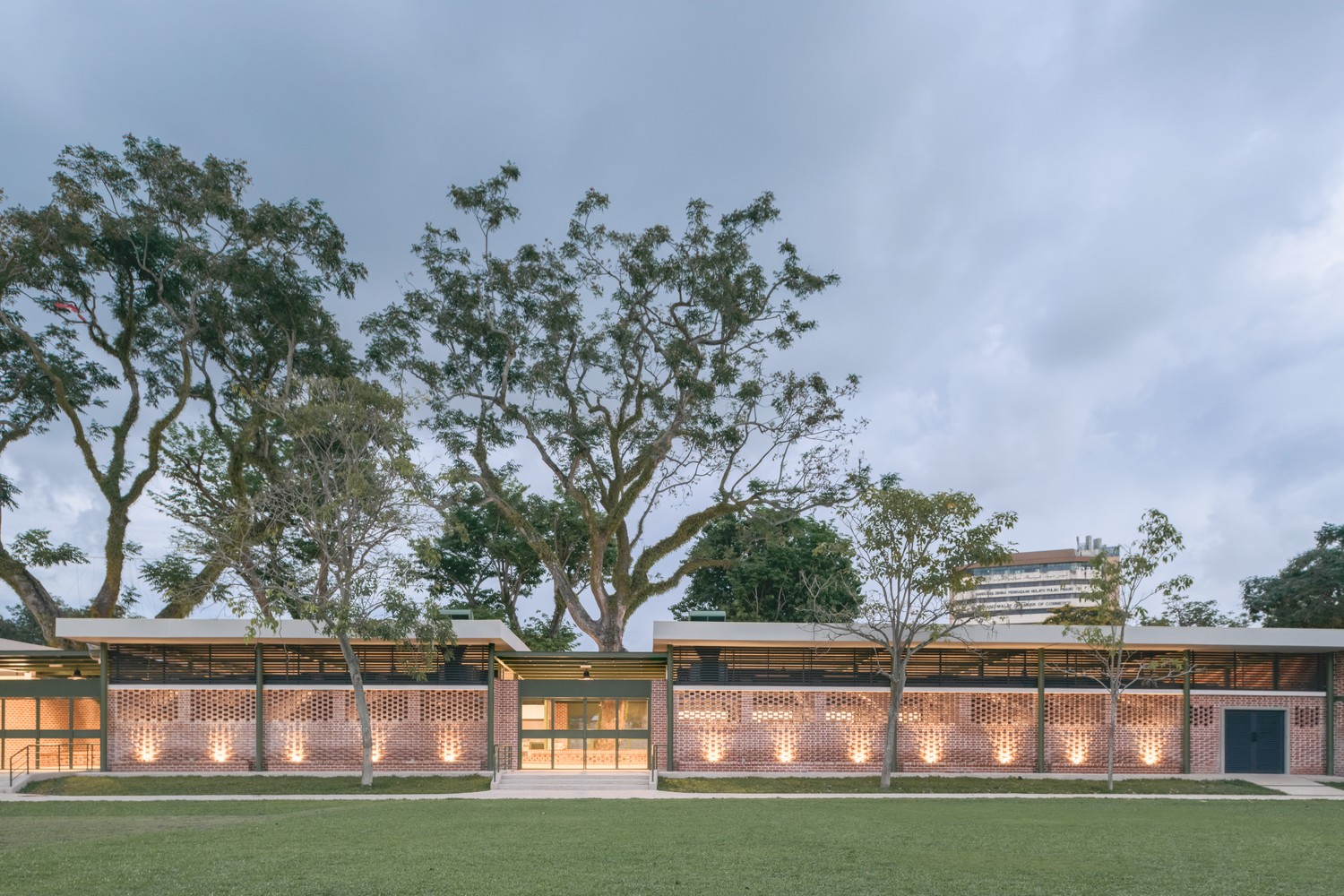
Evocative red brick references the fort’s defensive walls, anchoring the structure within its historic context
A CONTEXTUAL REBIRTH
The story of Astaka Kota Selera is one of delicate balance—a modern intervention within one of Malaysia’s most sensitive historical landscapes. As a key component of the North Seafront Improvement Programme, the project was born from the necessity to reinstate the Western Moat of Fort Cornwallis.
The original food court occupied the moat’s historic alignment; thus, to facilitate archaeological excavation and the eventual reconstruction of the moat, the facility was dismantled and strategically relocated westward.
The design brief was rigorous: the new structure had to harmonise with the site’s heritage qualities, ensuring that the bulk of the building did not obstruct views of the Padang, the fort’s west elevation, or the moat. The challenge lay in creating a high-functioning culinary hub that felt like a natural extension of the existing landscape rather than a contemporary intrusion.
Eschewing historical pastiche, the pavilion adopts a contemporary architectural language that harmonizes with its landmark surroundings without detracting from their monumental significance
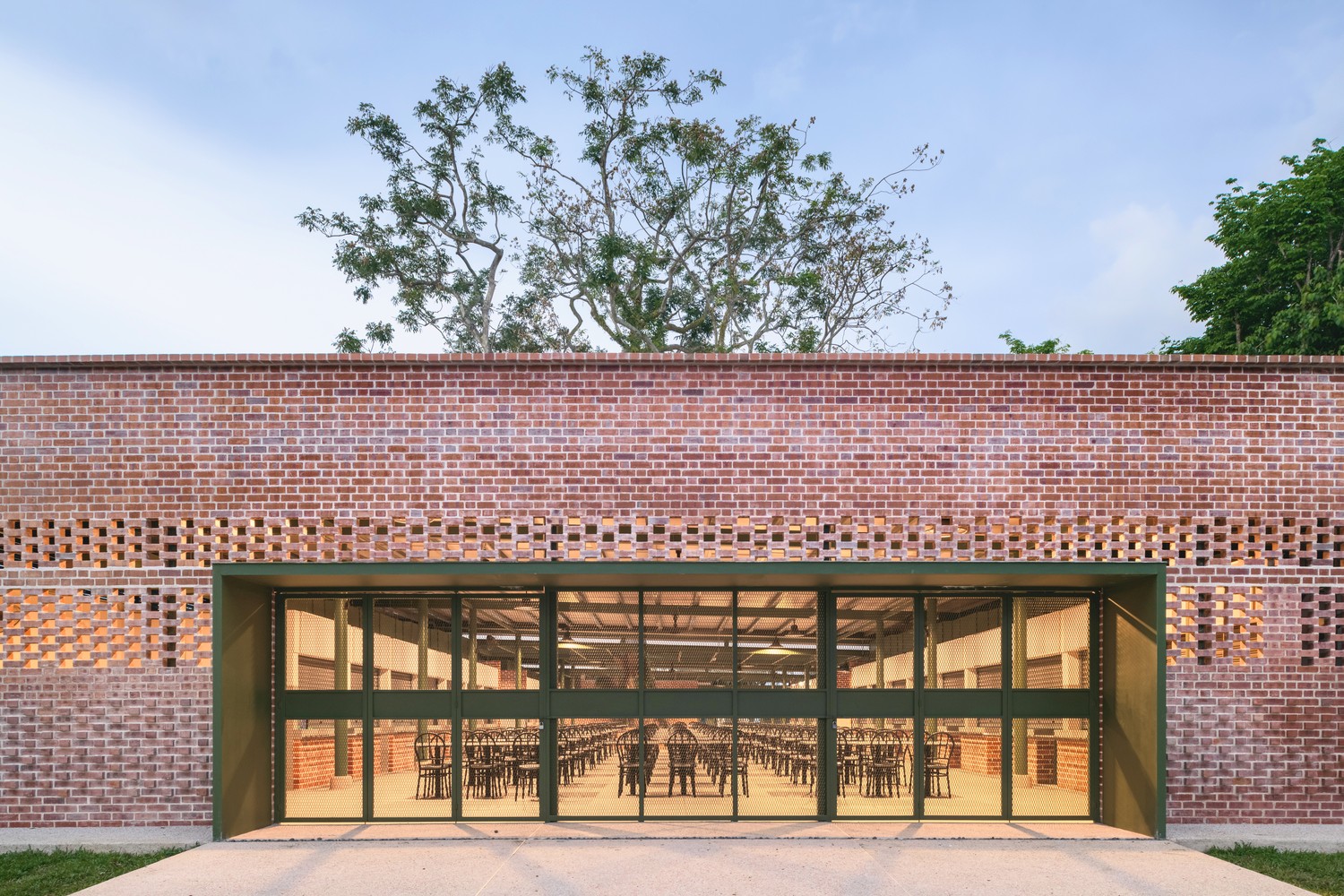
The building employs a material palette that harmonises with the heritage site's earthy tones, integrates green infrastructure and natural ventilation for a comfortable, sustainable dining experience, and ensures off-hours security
USER-CENTRIC SPATIAL ORGANISATION
The design process began with a collaborative approach. We conducted extensive interviews with existing food vendors and regular customers to determine the most effective floor layout. Two primary configurations were debated: perimeter stalls versus a centralised island.
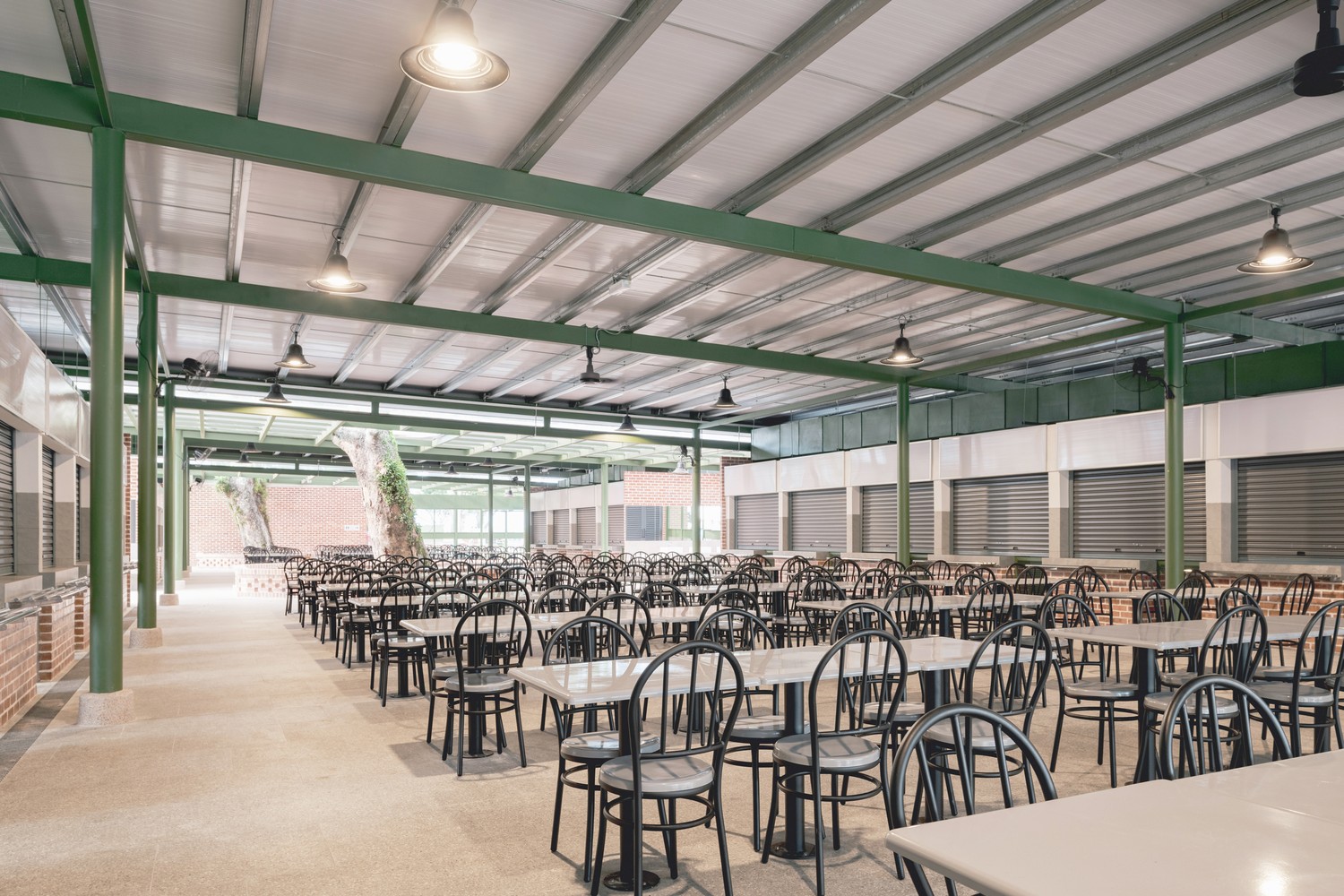
The consensus favoured the perimeter stall layout. This circular/peripheral orientation offers visitors a 360-degree visual sweep of the culinary offerings while simultaneously allowing vendors to maintain a clear line of sight to their customers. This transparency enhances the “theatre of street food” while improving operational efficiency and crowd flow. To manage the “back-of-house” requirements, natural vegetation and screening materials were integrated at the rear of the stalls, masking unsightly service activities and maintaining a clean aesthetic from all external angles.
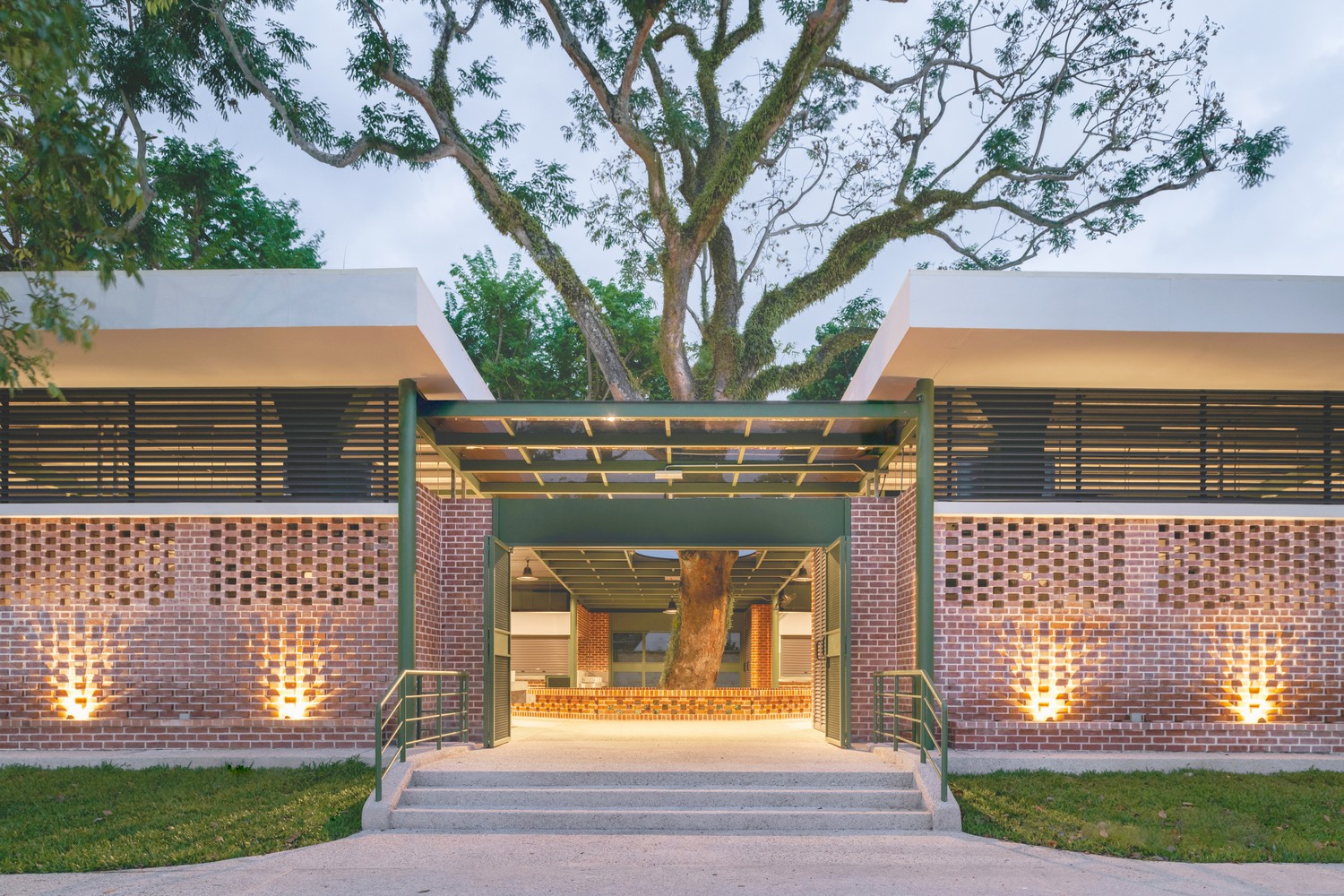
Entrances and exits are oriented along the existing trees, establishing them as visual anchors
A perimeter stall layout creates a 360-degree visual sweep of culinary offerings, enhancing the theatre of street food while optimising vendor visibility, operational efficiency, and crowd flow
ARCHITECTURE IN HARMONY WITH NATURE AND HISTORY
Two significant existing trees on the site became the project’s biological anchors. Rather than working around them, we designed the primary entrance and exit points along the axis of these trees, using them as focal points. This strategy does more than preserve greenery; it creates a deliberate visual corridor connecting the Town Hall to Fort Cornwallis through the food court’s openings, stitching the urban fabric together.
The building features a green roof that softens its presence within the historic landscape. From the vantage point of Fort Cornwallis, the structure visually blends seamlessly with the Padang Kota Lama, maintaining the integrity of the heritage setting.
Two existing trees anchor the entrance axis, framing a deliberate visual corridor that connects George Town City Hall to Fort Cornwallis and seamlessly extends the surrounding greenery and urban fabric through the food court
The architectural expression of the new Astaka deliberately avoids “mimicry” of traditional forms. Instead, it adopts a contemporary yet respectful design language. The facility features 26 stalls housed within a structure that prioritises:
Scale and Proportion
The building’s height and massing remain subordinate to the historic fort, using a palette of materials that blends sensitively with the earth tones and textures of the heritage site.
A refined and context-sensitive civic architecture that respectfully engages the historic fabric of Fort Cornwallis while revitalising Penang’s culture of communal dining.
The new structure is carefully scaled and positioned to preserve sightlines to Fort Cornwallis and the surrounding urban context, allowing the culinary hub to read as a natural extension of the historic landscape rather than a contemporary intrusion
Environmental Sensitivity
The design incorporates “green infrastructure” and improved natural ventilation, reducing the environmental footprint while ensuring a comfortable, breezy dining experience without the need for heavy mechanical cooling.
Visual Permeability
By carefully managing sight lines, the design preserves the public’s appreciation of the surrounding monuments, ensuring that the landmark status of Fort Cornwallis remains unchallenged. Astaka Kota Selera stands as a testament to adaptive heritage integration. It proves that modern, eco-conscious architecture can thrive in a historic setting, setting a new standard for public facilities that honour the past while serving the vibrant, modern community of today.
An unpretentious civic architecture that celebrates everyday public life through climatic sensitivity, historical context, and quiet architectural power beyond monumentality.
Clay bricks, inspired by Fort Cornwallis’s historic walls, are arranged in varied patterns to form perforated walls, seating, and planter walls, merging materiality with functional design