Adaptive Re-Use - Silver ARCHITECT: HL Architecture Sdn Bhd in collaboration with CGB Consultants Sdn Bhd CLIENT: Aset Warisan Satu Sdn Bhd CONTRACTOR: Jeram Saga Sdn Bhd
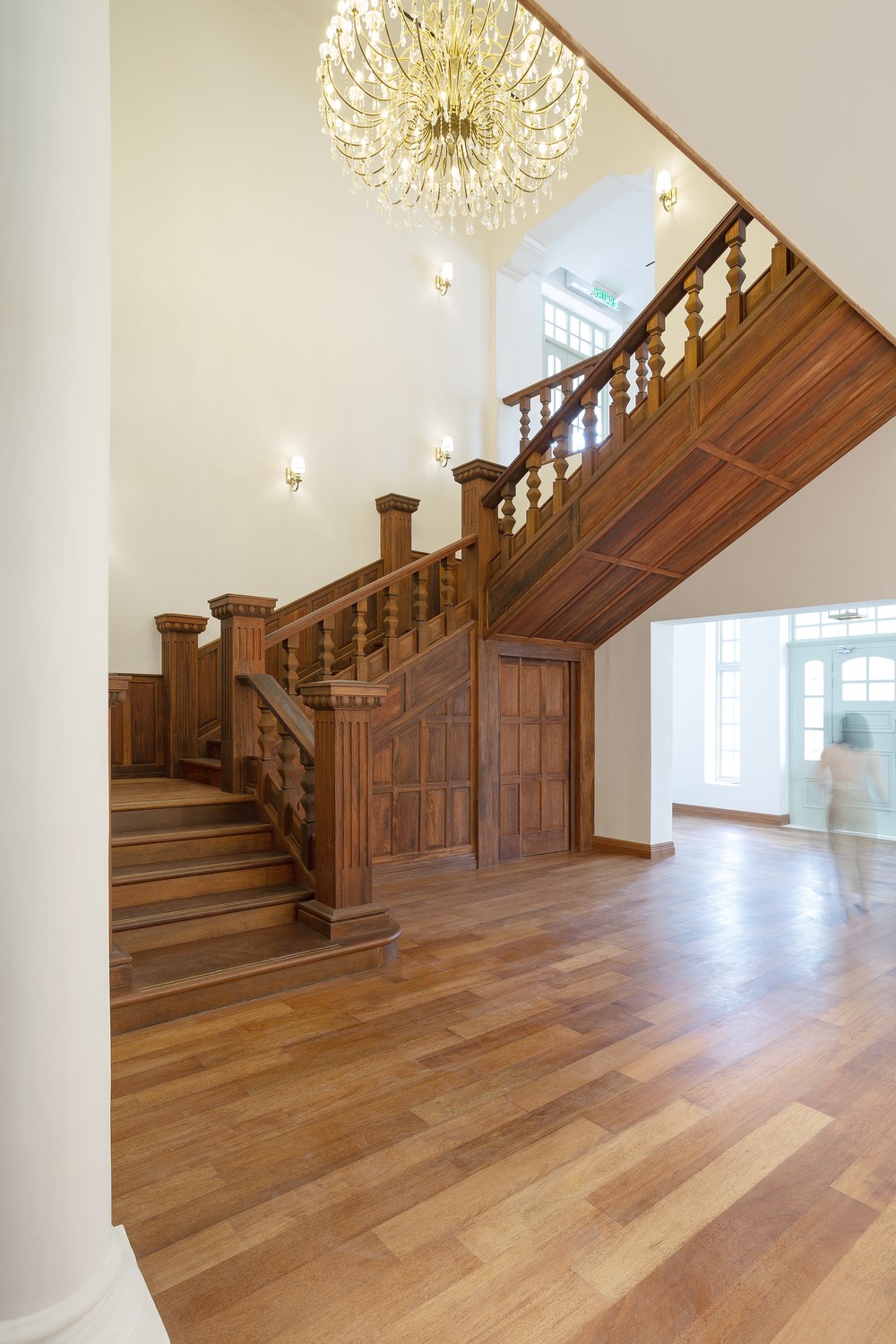
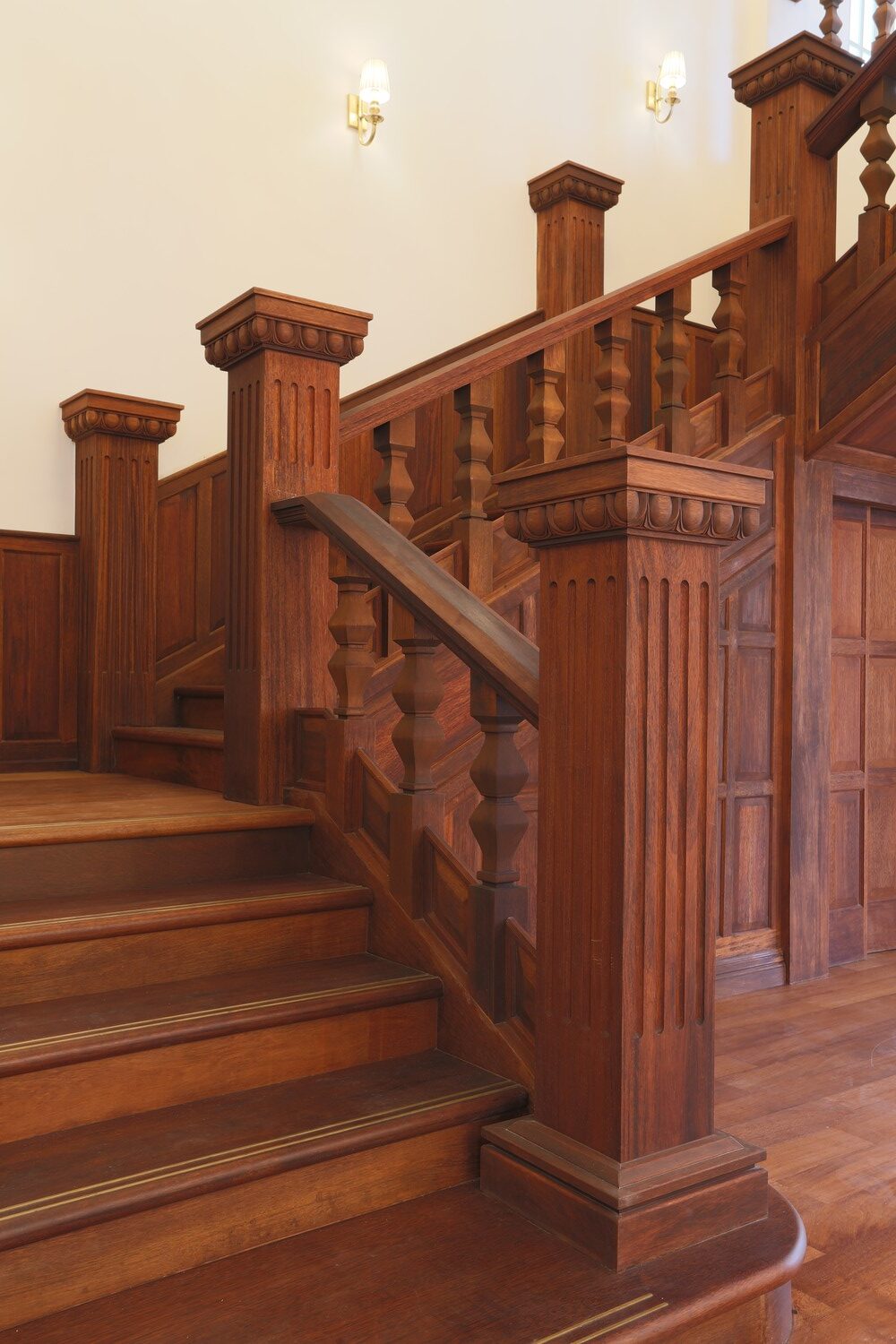
The majestic, restored main timber staircase of Seri Negara, meticulously rebuilt to its original ornate design using archival records, now stands once again as a defining symbol of the building’s historical craftsmanship and character
INTRODUCTION
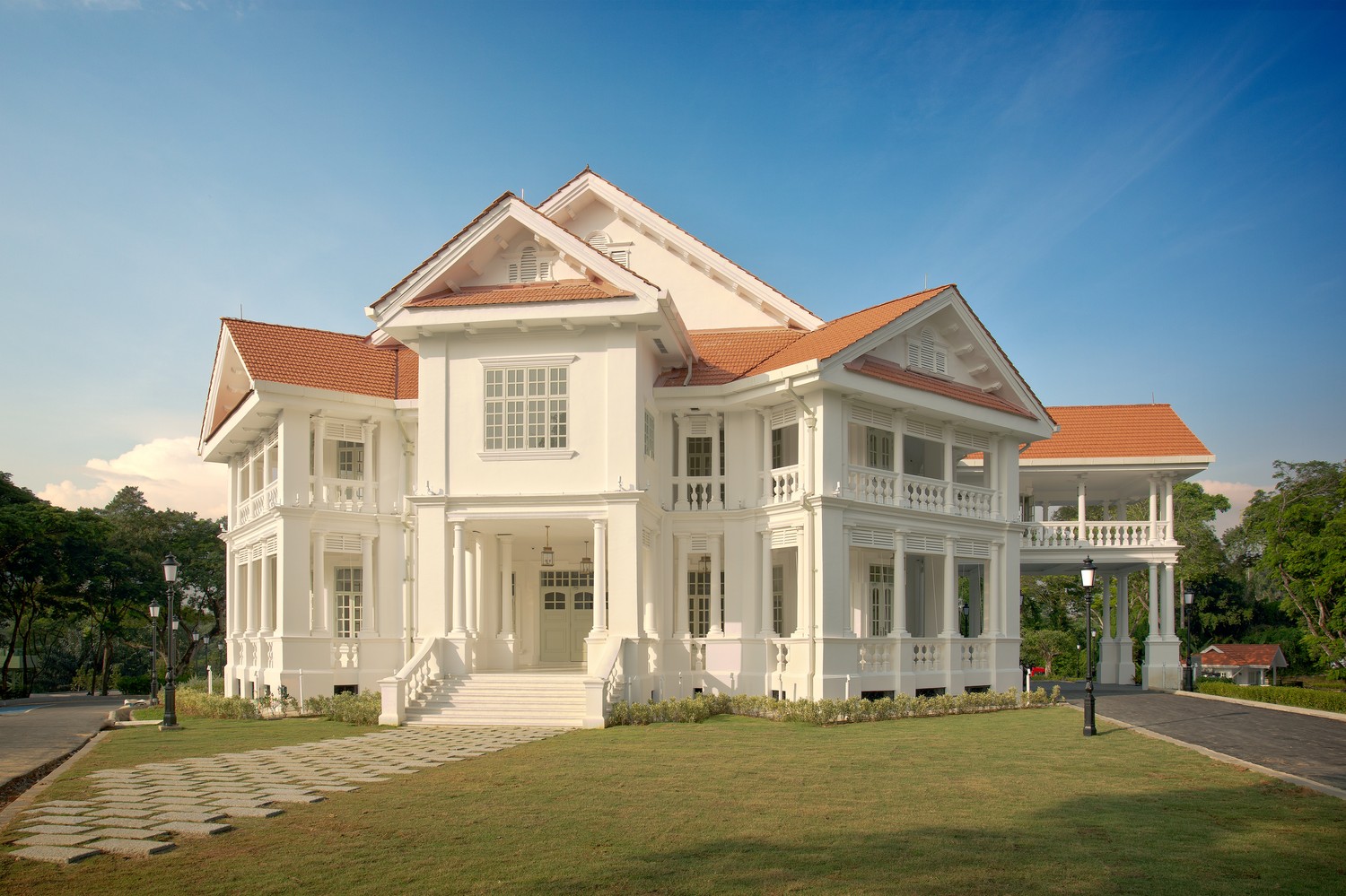
Perched above the Perdana Botanical Gardens, Seri Negara (formerly known as Government House and Istana Tetamu) stands as a profound symbol of Malaysia’s nationhood. Constructed in 1913, this National Heritage-listed building is deeply woven into the country’s historical consciousness, serving as the site where the Federation of Malaya Agreement was signed and the Constitution drafted. Reclaimed by Malaysia in 1984 and officially inscribed as a heritage site in 1986, the building has recently undergone a meticulous restoration program. Spearheaded by HL Architecture Sdn Bhd in close collaboration with heritage conservators CGB Consultants Sdn Bhd, the project re-imagines a formerly exclusive diplomatic residence as a vibrant, public-facing cultural landmark.
Main façade of Seri Negara building, featuring multiple gabled roofs and deep wrap-around verandahs, perfectly adapted for tropical living
CONSERVATION PHILOSOPHY AND METHODOLOGY
Operating under the Warisan KL initiative for client Aset Warisan Satu Sdn Bhd, the architectural approach strictly abides by conservation principles grounded in authenticity, reversibility, and minimum intervention. Rather than reverting the structure to a single historical epoch, the design team acknowledged its layered evolution. Extensive material sampling and heritage documentation informed every technical intervention, ensuring that any repairs or replacements utilised materials and craftsmanship matching the building’s original performance and aesthetic language.
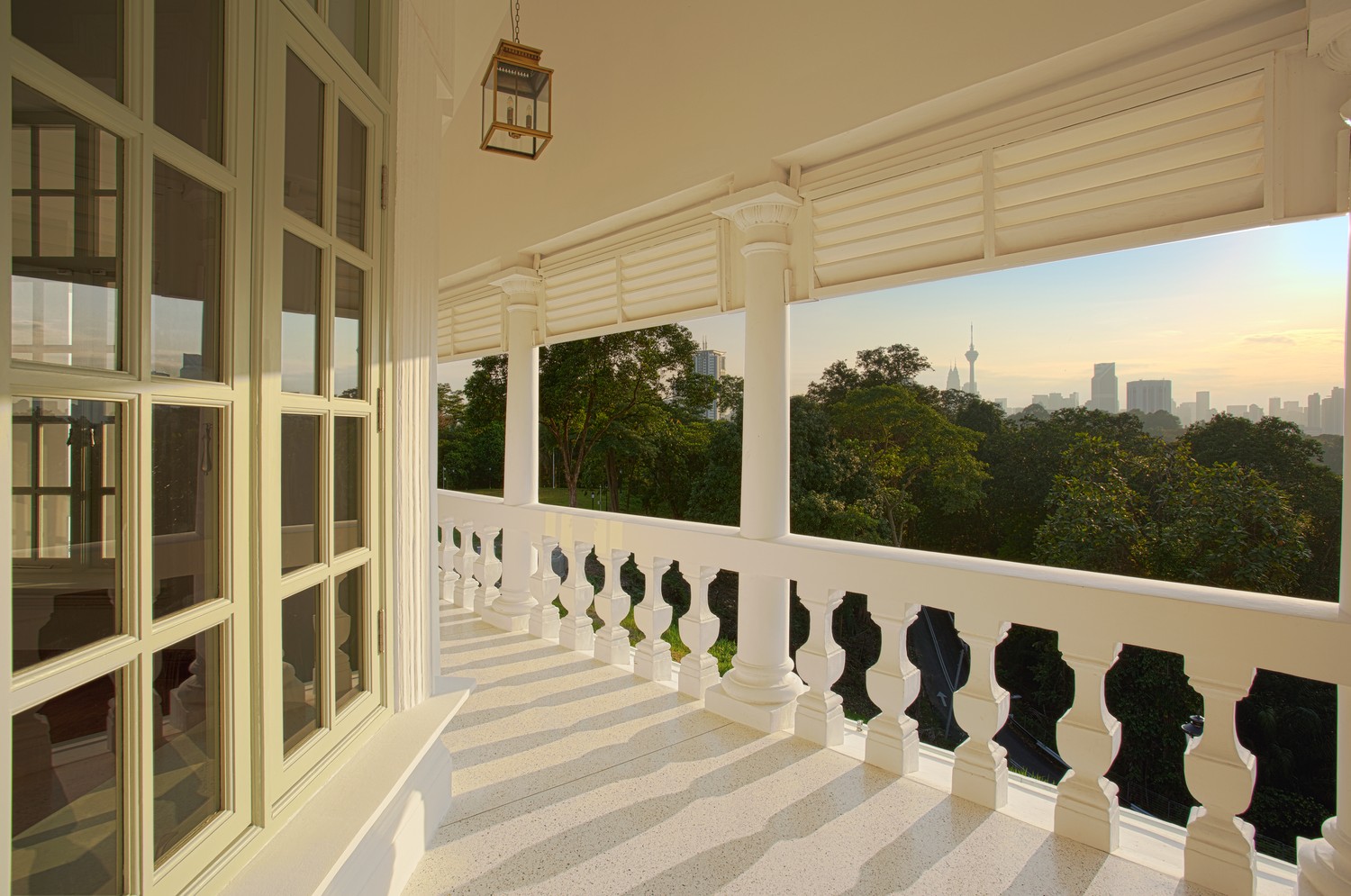
Built on elevated ground, Sri Negara offers commanding views overlooking the capital city of Kuala Lumpur
MATERIAL INTEGRITY AND ARCHITECTURAL INTERVENTIONS
A refined material palette of terracotta, lime plaster, and wrought iron was utilised to preserve the building’s historic character. To prevent the accelerated decay caused by moisture-trapping modern cement, the restoration team employed traditional, breathable lime mortar and plaster, which safeguards the structure’s historical integrity. The roof was meticulously restored using authentic, imported Marseilles clay roof tiles, echoing the prestige and global sourcing of its 1913 origins.
On the exterior, the deep wraparound verandas, a defining passive design strategy for tropical living, were carefully stripped of countless inauthentic finishes that had accumulated over decades. The surfaces were re-laid with in situ terrazzo, restoring the material integrity of the period alongside the building’s classical Tuscan columns, balustrades, and multi-paned French windows. Inside, the original timber floorboards were delicately lifted, and the joists were repaired.
A focal point of the interior restoration was the majestic main timber staircase, which had been lost to a fire in the 1980s and subsequently replaced with a simpler structure. Utilising archival photographs and drawings sourced from Malaysia and the United Kingdom, the staircase and its intricately detailed, solid-timber balusters were authentically reconstructed, reviving the building’s central circulation and historic craftsmanship.
The stunningly carved staircase and balustrades, resurrected through meticulous restoration work to showcase the building’s original, high-level craftsmanship
ADAPTIVE RE-USE AND MODERN INTEGRATION
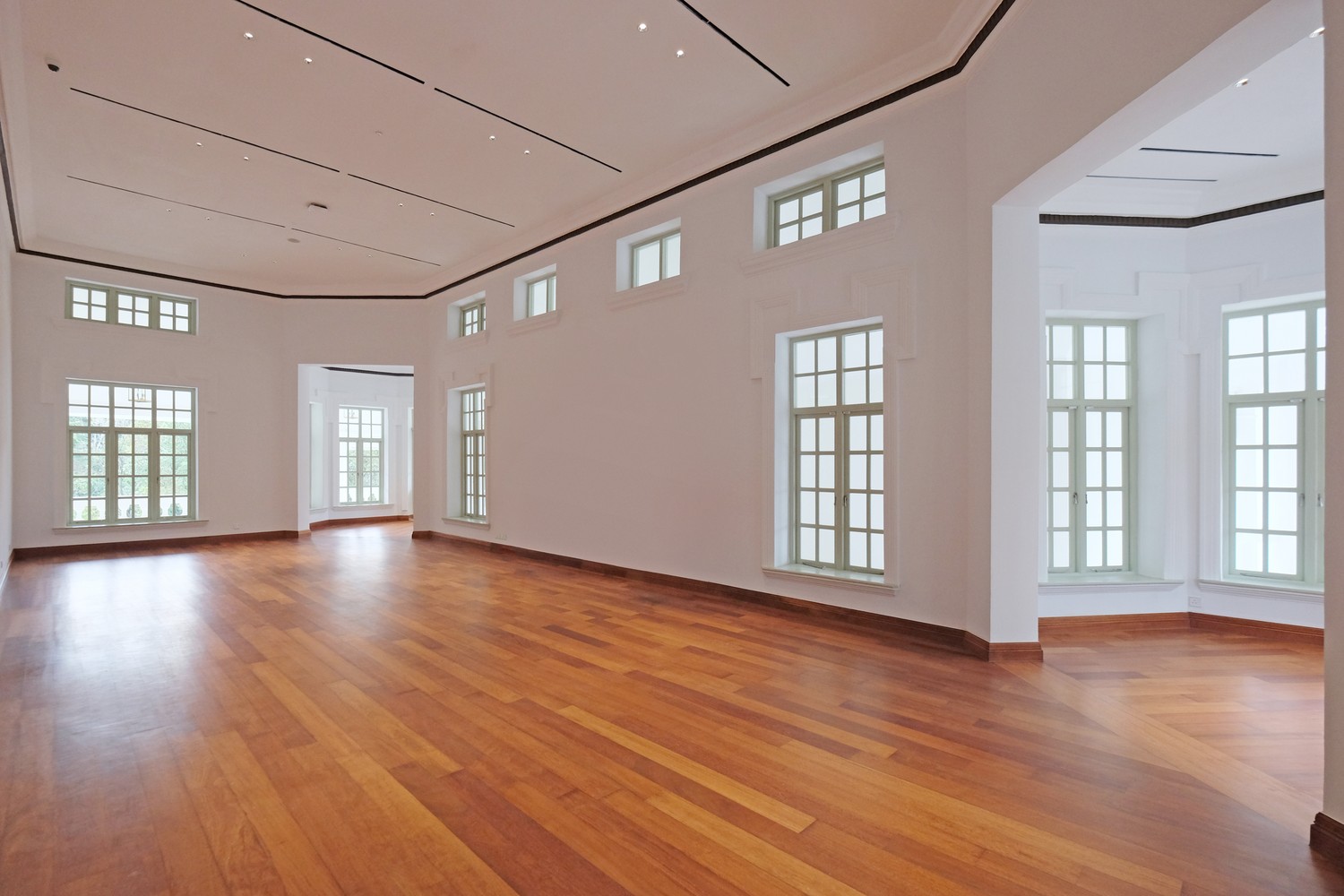
Transitioning the building into a modern cultural space, housing a Heritage Interpretation Gallery, the Semuka Café, and the Serai House restaurant, required technical ingenuity. Modern building services and mechanical ventilation were integrated with absolute discretion, routed invisibly or through reversible means. By concealing modern services in the attic, the architects maximised ceiling heights, serendipitously revealing original clerestory windows that had been hidden behind inauthentic renovations for decades. This careful integration enhanced the building’s climatic performance while retaining its passive design strategies, including high ceilings, shaded openings, and cross-ventilated corridors. Contemporary insertions were designed to be light, precise, and legible, ensuring they complement rather than compete with the historic fabric.
CONCLUSION
The Seri Negara restoration is a highly technical exercise in reclaiming national heritage through the built environment. By balancing stringent conservation methods with strategic adaptive reuse, the project facilitates a direct dialogue between Malaysia’s past and its future, successfully returning a monumental architectural legacy to the people.
A thoughtful restoration that carefully reinstates the dignity and historic character of a significant national landmark while introducing renewed cultural relevance and public accessibility.
Upper-level Gallery space with ceiling heights dramatically restored to reveal original clerestory windows hidden for decades behind previous inauthentic renovations