SUNGAI PETANI A Liveable City with Endless Opportunities
Reminiscence of the Past, Transforming the Present, Ramping up for the Future
Text by Adeline Chan Chienn Hwei, Lee Min Zhao | Videography by Wayang Pictures, Thor Yi Chun and Aw Siew Bee
Image on previous page: Dataran view
We would like to extend our heartfelt gratitude to all the amazing individuals that we have met and contributed with great enthusiasm and selflessness. Credits given to Mr. Neoh Eng Rock, Mdm. Pat Toh, Mr. Abdul Rahim Mohamad Amin, Mdm. Yusliza Mat Yusof, Mr Ooi Hun Peng, Ms. Chang Man Ying, Mr Wayne, Mr. Loi Soon Dong, Mr. Daniel Chong, Mr Fok Yong Hao, Mr Ooi Chee Seng, Dato Beh Huck Lee & Mr Ng Sun Boon
PUSHING FORWARD WITH PASSION
Unknown to non-locals, Sungai Petani (SP) and the adjacent district Bakar Arang were among the popular location investors circa 1970s to 1990s due to its proximity to Penang. SP was a booming township with Kedah State Development Corporation (KSDC) securing Japanese investors such as Yuasa Battery, Honda Motor, Sharp Roxy, and the famous textile firm Toyobo to venture here. Whilst still battling with the endemic, Sungai Petani is set out on another transformation – in line with Kedah’s vision for a thriving and liveable state, as encapsulated in the Kedah Strategic Development Plan 2035.
Local citizens are not shy to share and walk you through historical details of the town – from the emergence of steam locomotives and rubber estates, the Bujang Valley Civilisation, the deafening nights upon the arrival of the Japanese Imperial Army, the 1990s Industrialisation, finally – the best food in town.
Jalan Permatang Gedong, the main access towards Bakar Arang Industrial Estate and interconnecting the PKNK Industrial Estate via Sungai Petani Eastern Bypass
THE ECONOMICAL SHIFT – FROM AGRICULTURAL TO INDUSTRIAL
“I started my career in Kuala Lumpur but decided to return to my hometown in 1994. Back then, Sungai Petani was filled with rubber plantations but it was pacing fast to be a better industrial city,” as Ooi proudly said. The transition from an agricultural to an industrial economy on the efforts of KSDC saw an increase in demand for skilled employees and township development. The rapid growth of industrial and manufacturing sectors in Sungai Petani for the last two decades seems encouraging.
“Since the 1990s after the completion of the North-South highway, Sungai Petani has undergone a fast-paced transformation. At that time, it was ranked the second fastest-developed town in the country and with the Fourth Industrial Revolution (4IR) taking place, I hope SP will be tremendously benefited” as Ooi proudly said.
CITIZEN-CENTRED APPROACH TO LIVEABLE CITY
What makes the future so exciting for the locals is the completion of Kulim International Airport (KXP) in 2024. The infrastructure boost is a potential contender to Penang International Airport, as KXP will trigger a whole lot of booming development in various aspects.“SP has great accessibilities to and from other towns – the highway, railway and in future via air. KXP will be an economic game-changer and will support current development with spillover effects on future development in SP and other parts of the region,” Loi said convincingly.
But, a question on the means of commute within SP surfaced a missing gap in infrastructure. As Yong Hao said, “Public transport is still lacking and I do hope to see the return of intercity buses. There were attempts to improve the public transport system. It is not happening yet.”
There are hopes to improve the lifestyle, specifically from the younger generation. As Loi said, “SP is laid back and shall not just cater to the older generation. There must be some effort to reduce the aging population.”The young lads are indeed honest and generous in giving ideas.“Some suggestions for SP: we wish to have more franchised shops, bigger brands, and more entertainment places for the younger generation,” Yong Hao said.“We have seen some good initiatives at the Riverfront City. This needs to keep going.”
Sungai Petani is laid back and shall not just cater to the older generation. There must be some effort to reduce the aging population.
CO-EXISTING – THE OLD AND NEW LANDMARKS
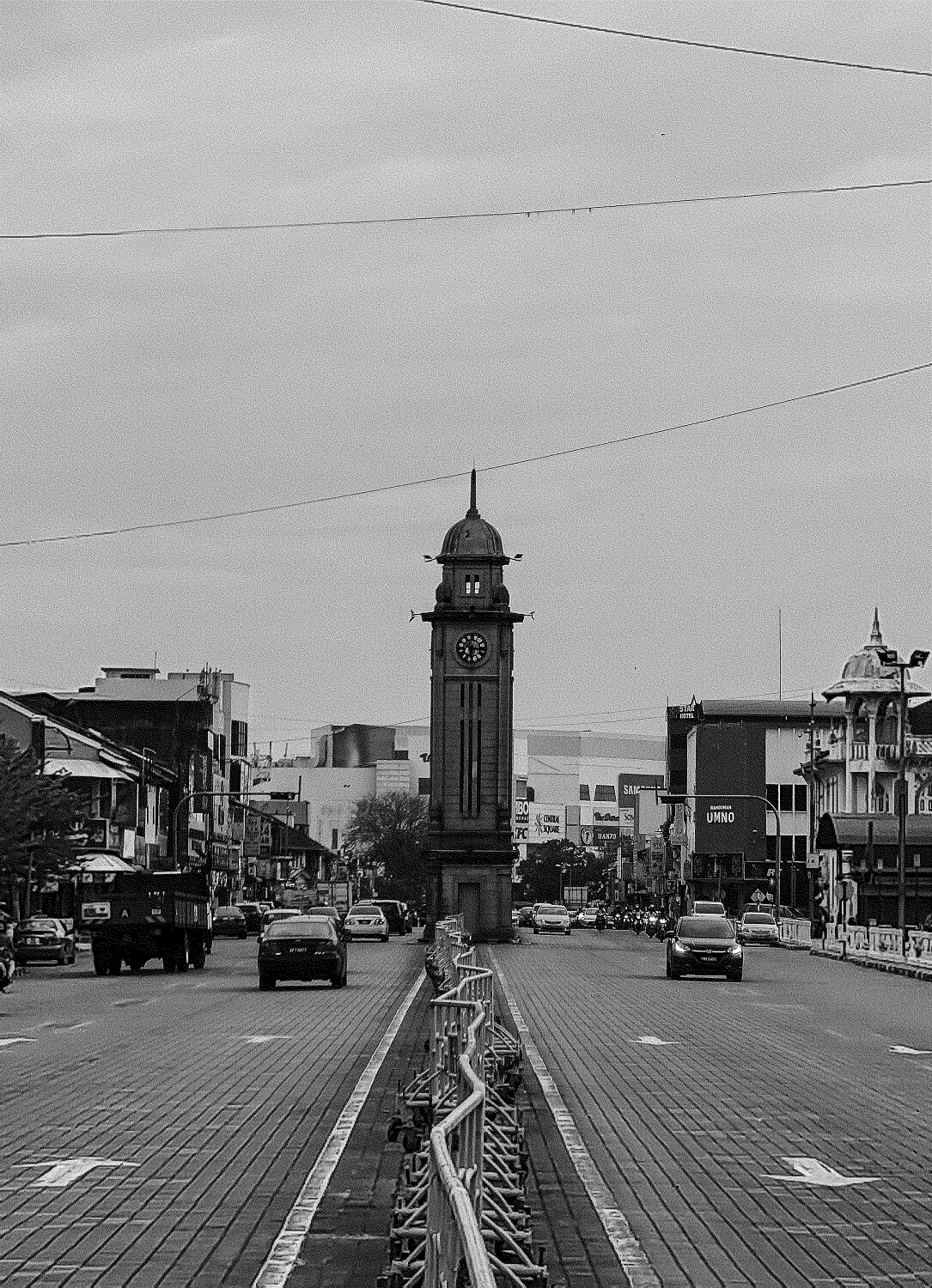
Twenty minutes after the south exit, visible from afar is the historical Sungai Petani Clock Tower or Jam Besaq (Jam Besar pronounced with the northern accent), built in 1936 to commemorate the Silver Jubilee of King George V and Queen Mary. The monument gifted by the late philanthropist Towkay Lim Lean Teng is vividly identifiable, powerfully structured and encompasses the idea of imageability of the city.
“There was no need to rely on Waze, we would just tell relatives from KL to meet us at the Clock tower, it is THE landmark that even non-locals would know”, Pat Toh recalled as she fondly shared about this town.“The clock tower played an important role during festive events, and officials would request photographers to capture it as fireworks exploded behind it,” Mr Neoh was beaming in pride as he recalled the memorable 38th National Day Celebration.
Bee Ah Tong, one of the go-to places for 'kochabi' meals
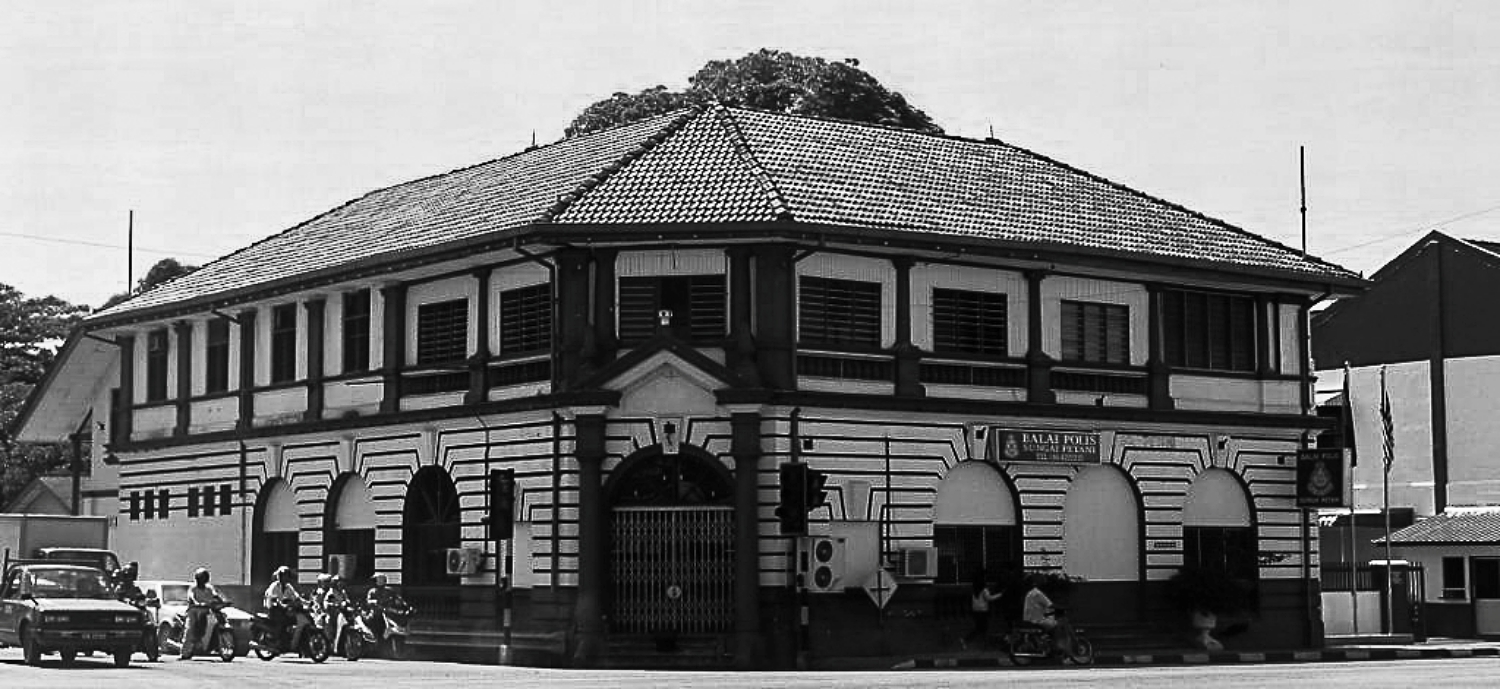
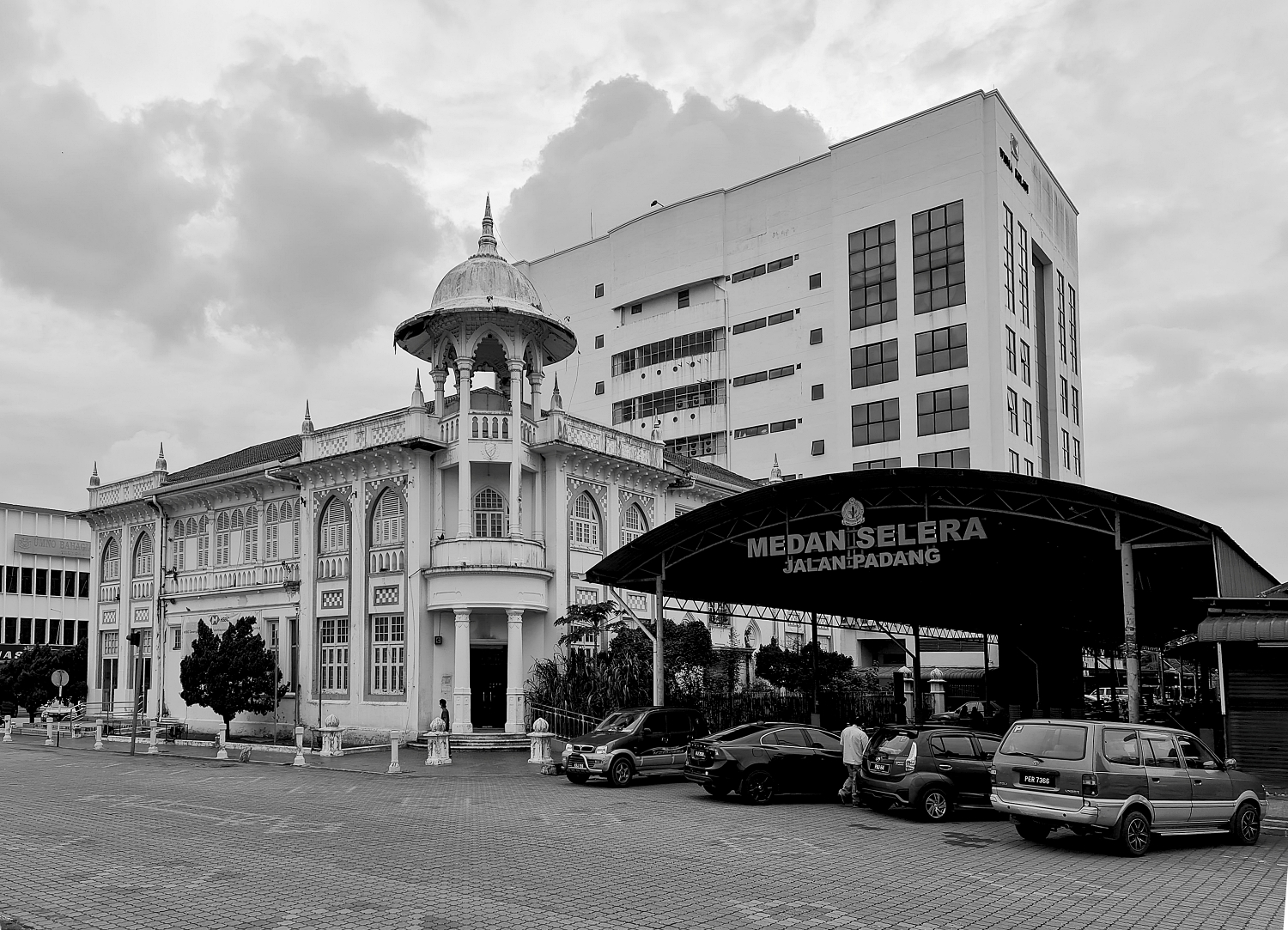
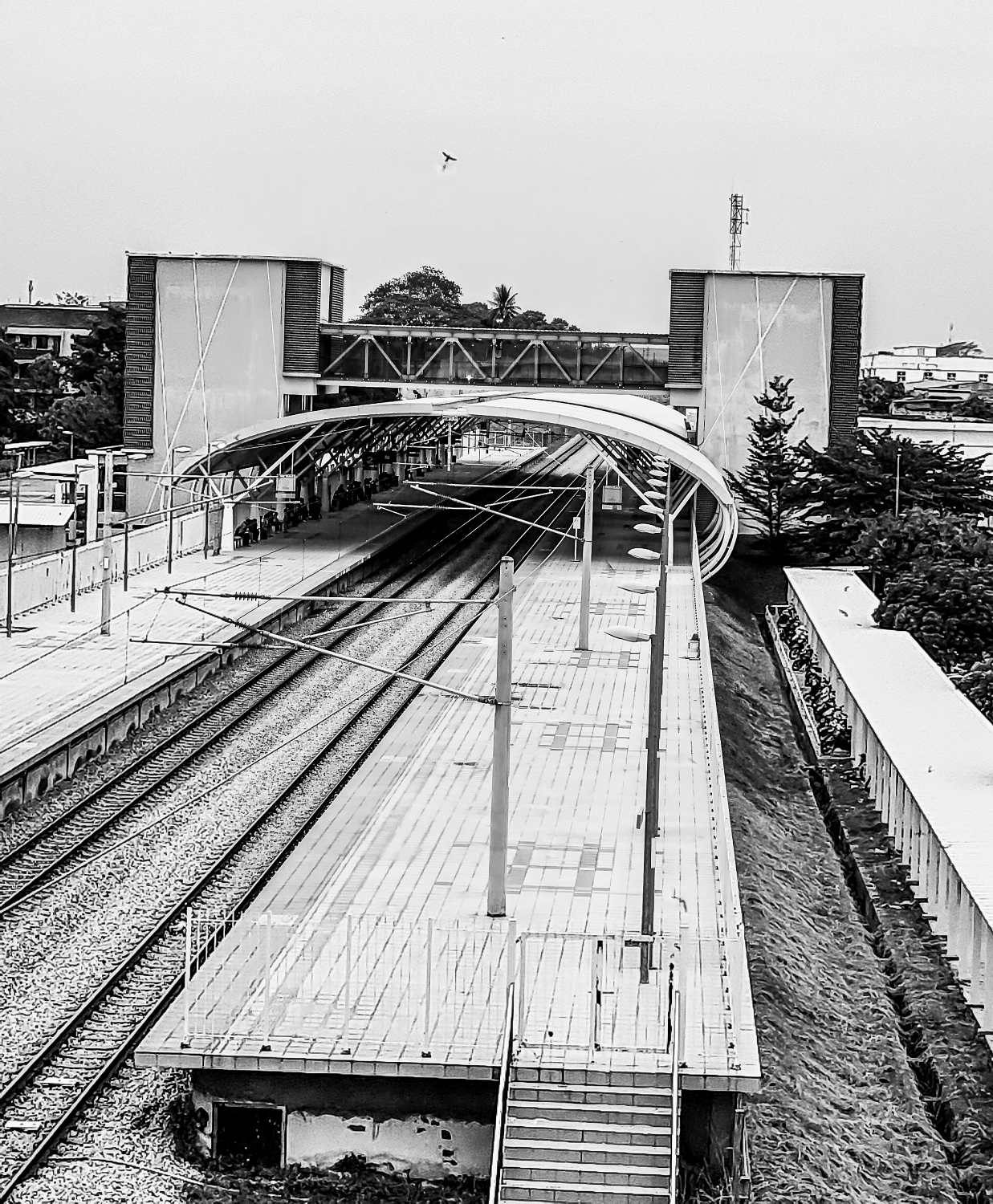
Other significant landmarks along Jalan Ibrahim, in no specific: are the Hong Kong Shanghai Bank (HSBC) built in 1921, spotted with similar Neo-Moorish/Mughal architectural influence as Kuala Lumpur Train Station, was the fifth branch after Kota Bahru. Currently vacant, old town folks expressed their hope that the state would consider restoring the building to its former glory. Kuala Muda Police Headquarters building was completed in 1941 to replace an old dilapidated building. Sungai Petani Railway Station no longer has the ‘old shack’ look after it underwent a major rebuild in 2014 under the Ipoh-Padang Besar Electrification and Double-Tracking Project (EDTP).
If you are up for a historical excursion, Bujang Valley Archaeological Museum and Sungai Batu Archaeological Site are places you should not miss.“These sites have historical relics which should be appreciated. Perhaps, appreciating history could be a good way of expressing ourselves in such a way that we learn from the past,” Loi told us.
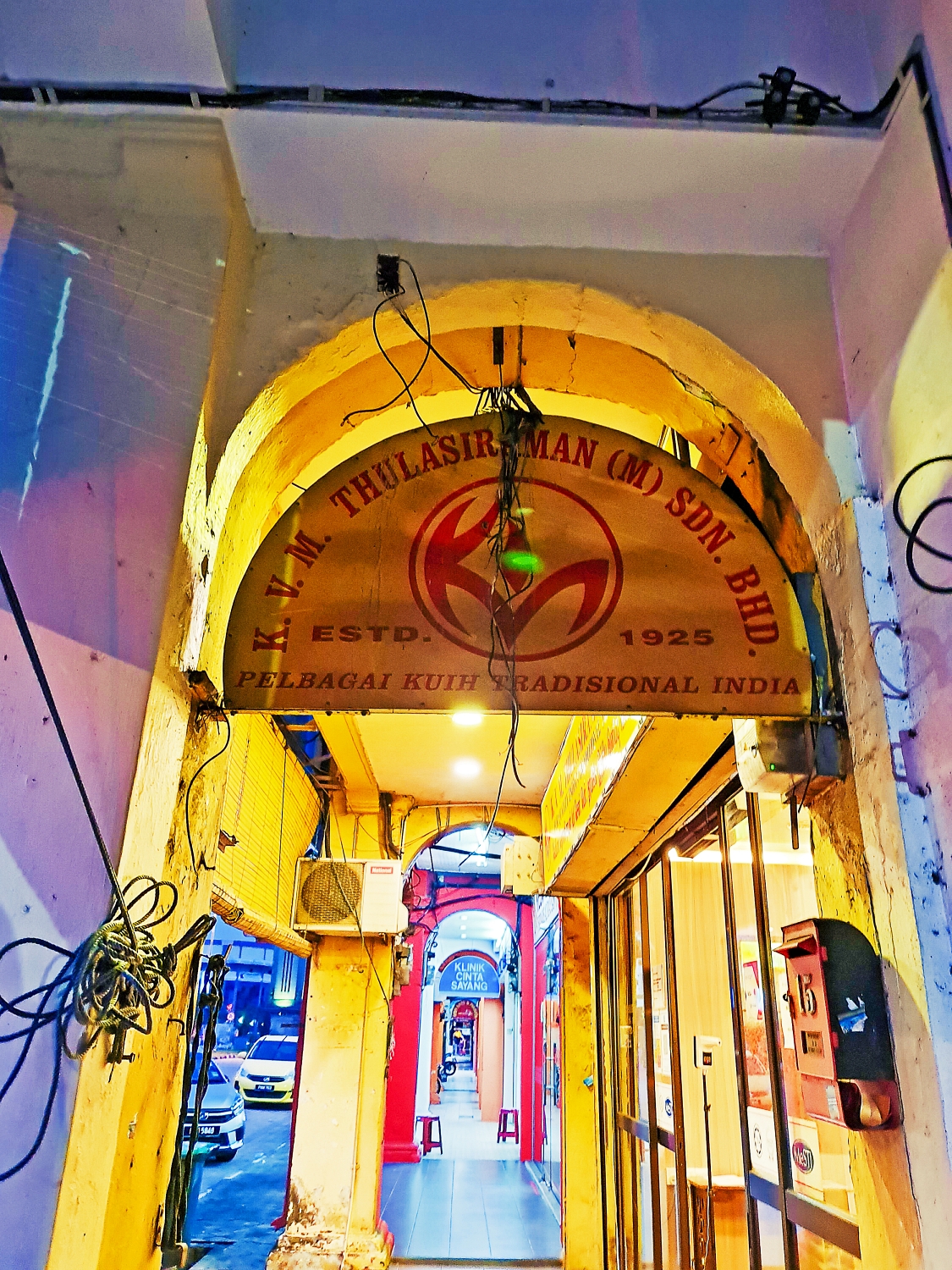
Indian sweets and snacks shop K. V. M Thulasiraman
SUNGAI PETANI’S GASTRONOMIC HERITAGE
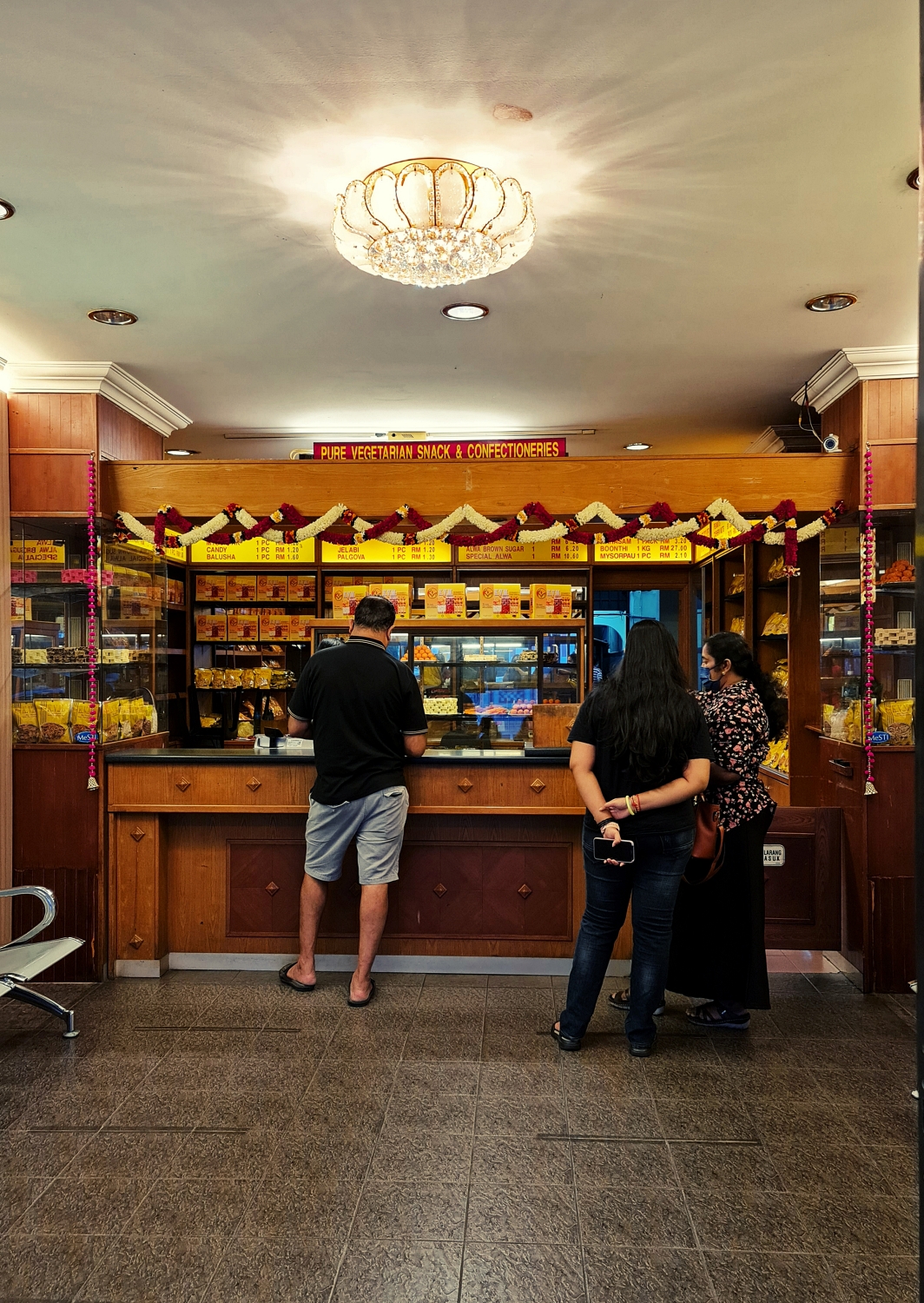
As the saying goes, ‘jalan-jalan cari makan’. Local food is a point of interest that lures people to a place. Walking along the five-foot way of the shophouses on Jalan Ibrahim as the hustling city retreats, a brightly-lit shop filled with savoury scent caught my attention. Its signage reads K. V. M Thulasiraman, established in 1925, selling sweet treats and snacks. The young shop attendant shared that they have a long history in making and selling kueh as she packed two bags full of ghee laddu and jelabi, their best sellers for a customer.
Turn right into Jalan Petri and a little further up the old bus station is Bee Ah Tong, one of the go-to places for ‘kochabi’ meals, whether for lunch or dinner.‘Kochabi’ in Hokkien refers to that warm fuzzy nostalgic taste of a home-cooked meal. A must-try dish from Bee Ah Tong is their steamed assam fish served with steam rice. Another alternative for a simple ‘Kochabi’ meal is Sin Yik Wah which serves Chinese marinated sausages with rice (Lap Cheong Fan).Sze Ling, an SP native wished she could have it exported to Kota Kinabalu. She added that it is a norm that one can just walk into private landed residences and enjoy local food.“We love sharing our food with non-locals”, Sze Ling said.
Kedah has been one of the tributary states of Siam, which explains the Thai influence in the culinary experience. Mae Salong Thai Restaurant is a crowd favourite for the ambience and food. Nestled within a kampong, head to Mae Salong Thai Restaurant to enjoy a good Kaeng Som Siakap and Otak-otak with steamed rice.
K. V. M Thulasiraman, a brightly lit shop filled with savoury scent
SENSE OF BELONGING TO THE CITY
As the city expands, civic engagement plays a major role in a city’s evolution. Much of the changes that have transformed Sungai Petani into a liveable city have been because of the locals and talented migrants. As the pandemic turned endemic, stalled economic recovery and curtailed travel had disappointed many but not the Gen-Zs of the city. Man Ying, a trained quantity surveyor and Wayne, an entrepreneur are very involved in shaping the speed and direction of social change of the city. Their new venture includes healthy eats, the first-ever sound-activated lights dance studio and a winery.“Instead of replicating more cafes away from SP, we decided to start injecting the fun into the community via our lifestyle centre.”It is great to see that Sungai Petani is seen as a platform for the younger generation to create, negotiate and test ideas and solutions in shaping the future urban condition.
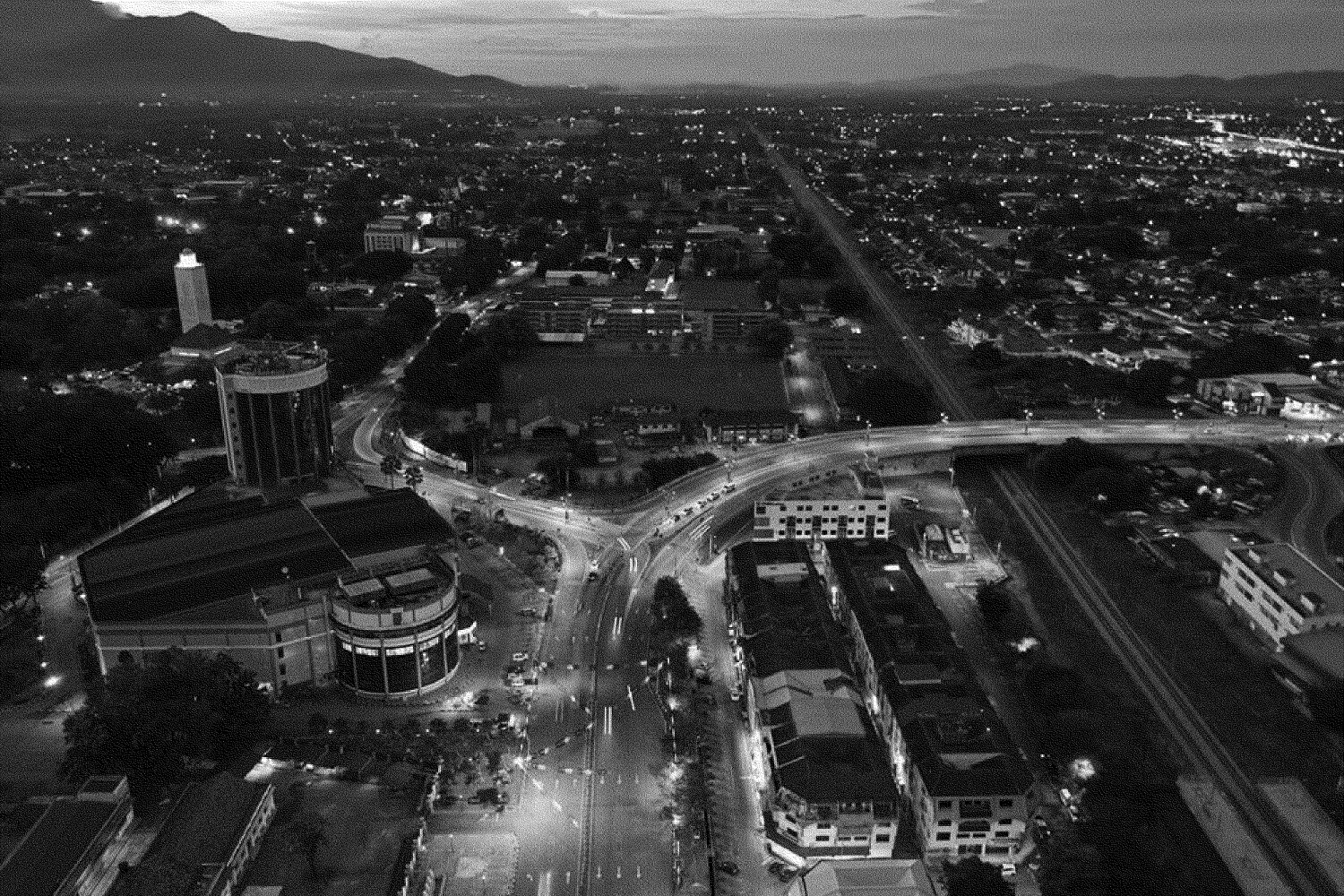
SP Town Centre by Ng Sun Boon
Mr Rahim who hails from Alor Setar decided to settle down in Sungai Petani and likens the pace of development, home design and vibe as similar to bigger cities like Kuala Lumpur or Petaling Jaya.“We decided to settle in Sungai Petani twenty-seven years later because it is a balance of modern lifestyle with a dose of friendliness. It has the city vibe without the 24-hours traffic congestion”.Puan Yusliza mentioned that she feels attached to the city because of the sense of inclusion and the community itself.“Sungai Petani has it all, the facilities and education opportunity for our children is at par with bigger cities, it is also very convenient for us to travel back to our hometown or commute for work daily.”
In summary, Sungai Petani attracts people from all walks of life and is a worthy reference in shaping a liveable, viable and sustainable city. For more information and experience of the city, we would like to quote Mr Rahim’s adage: Datang, Duduk, Baru Tahu – or you will never understand until you experience it yourself.
Kuala Muda Police Headquarters building was completed in 1941 to replace the old dilapidated building in Jalan Pekan Lama
As the city expands, civic engagement plays a major role in a city’s evolution. Much of the changes that have transformed Sungai Petani into a liveable city have been because of the locals and talented migrants.
HSBC Bank, built in 1921 is currently vacant
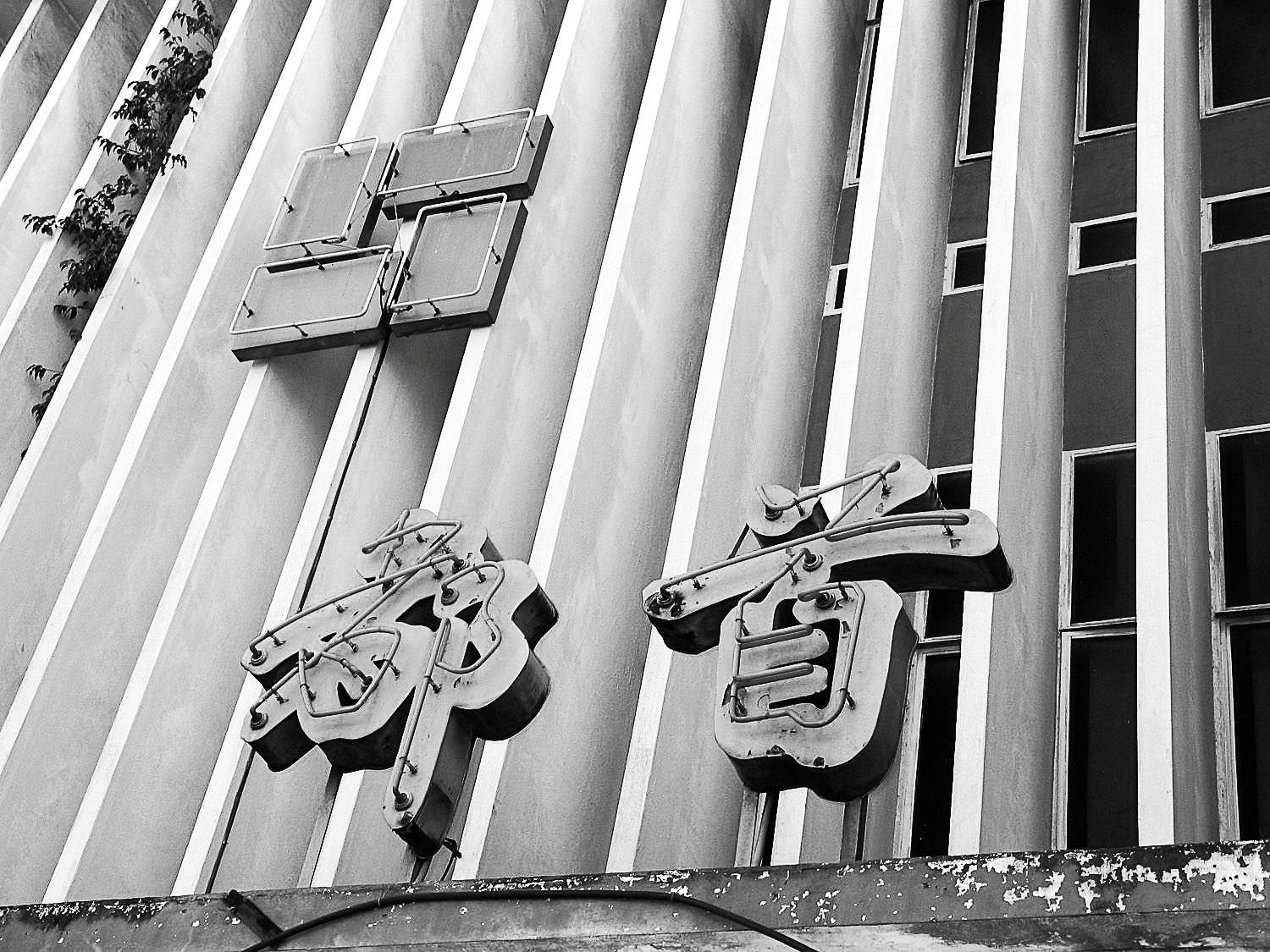
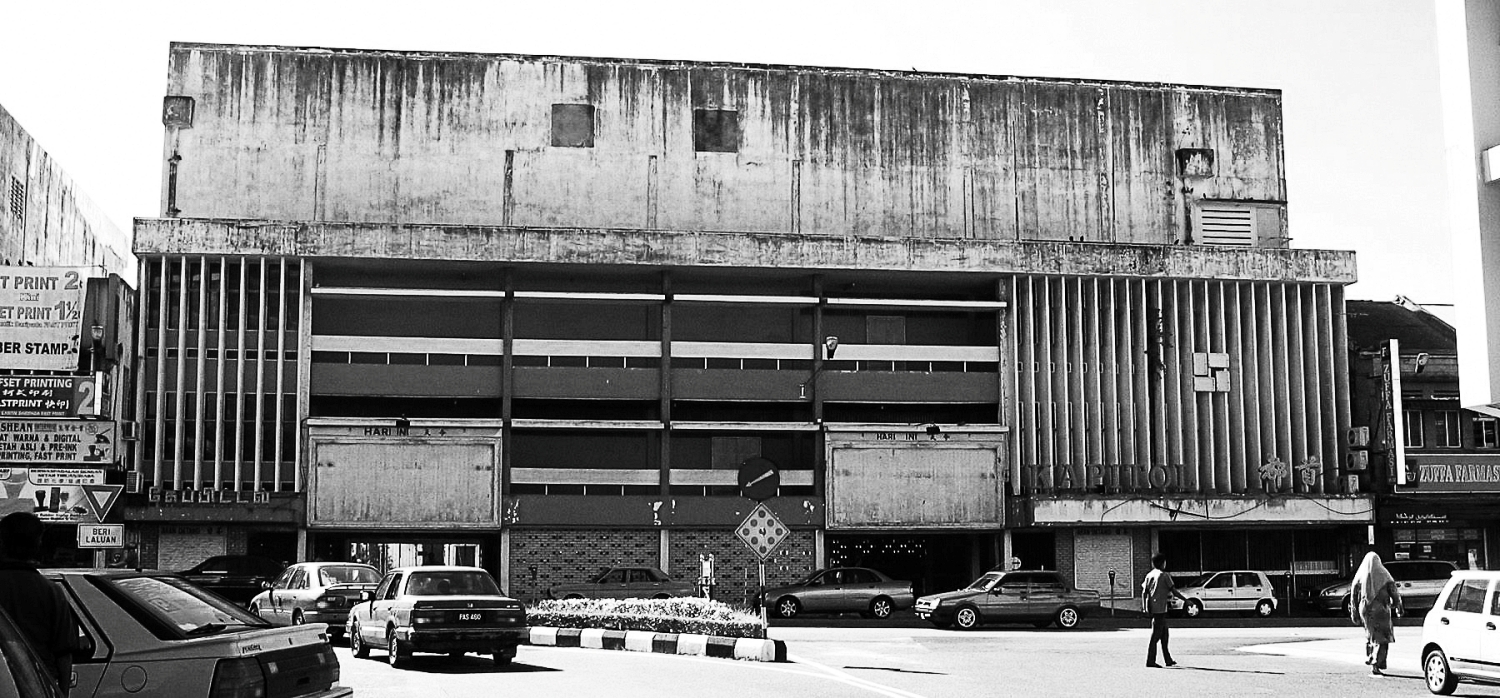
Kapitol used to be SP biggest cinema, currently turned into a handicraft store.
Sungai Petani Railway Station does not have the old shack look after it underwent a major rebuild in 2014 under the Ipoh-Padang Besar Electrification and Double Tracking Project (EDTP).