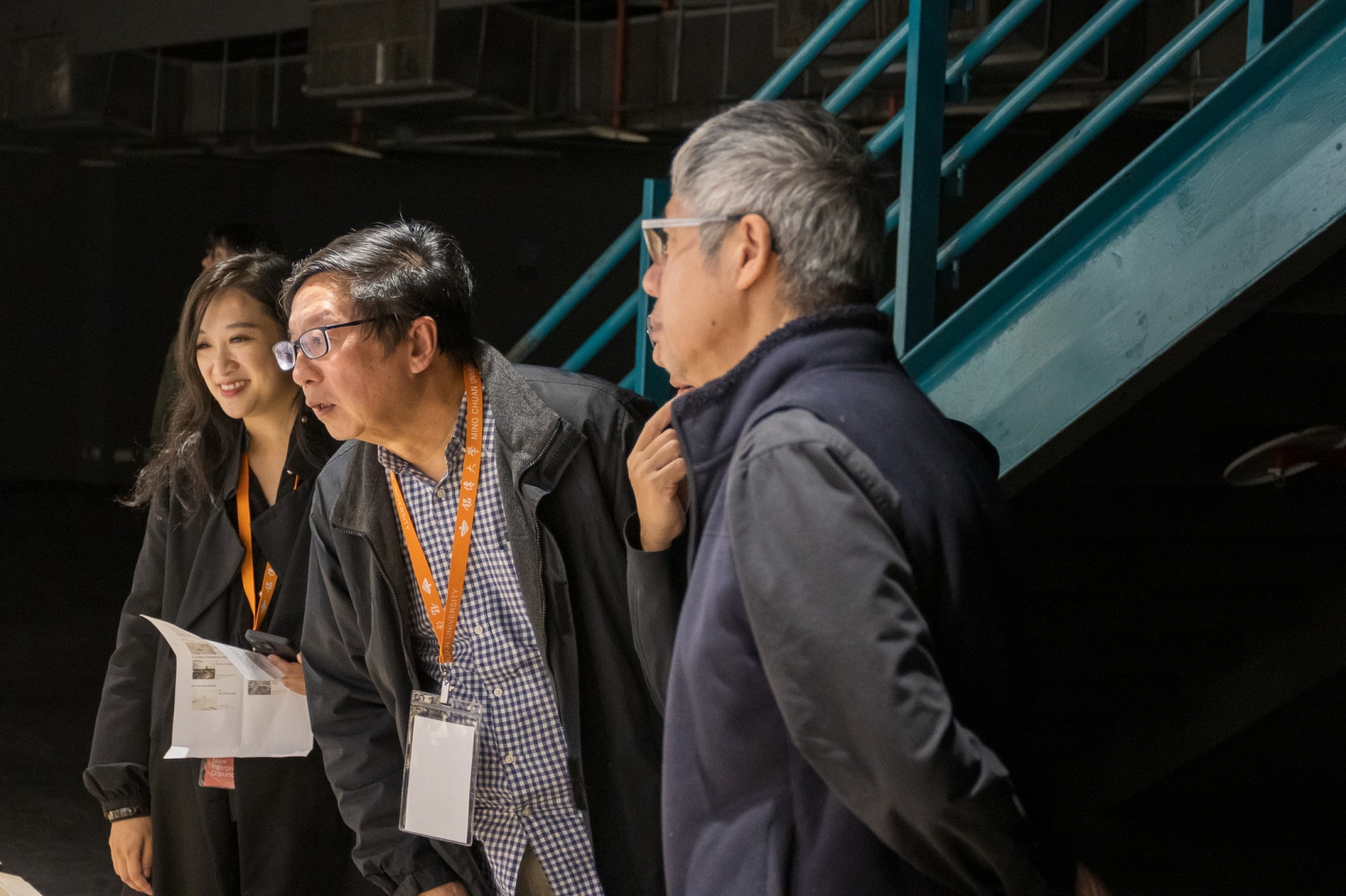
What happens when the keywords “interpretive” and “thesis” collide? Curated by Jeanne Lee, Chee Kien Lai and Ming Kang Liang, the “New Interpretive Grounds” held in the first week of December in Taiwan was the fifth instalment of The International Forum for Architecture Thesis Design in Taiwan & Southeast Asia. The weeklong event is convened by the Ministry of Education, Taiwan, and organized by the Department of Architecture, Ming Chuan University.
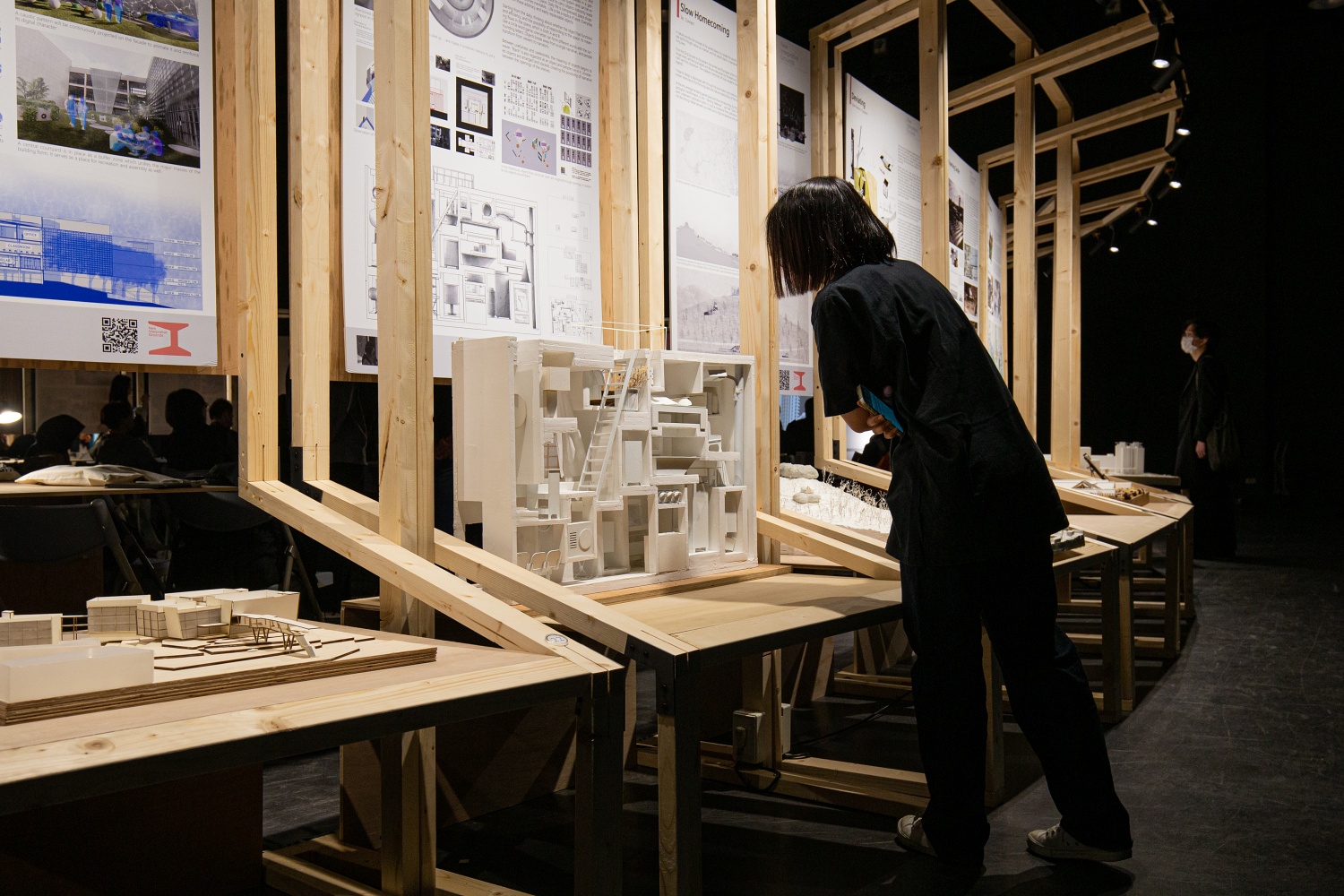
Founded by Chun Hsiung Wang from Shih Chien University, the forum was held annually since 2019 to promote mutual interaction, discourse and understanding between architecture graduates, academics and practitioners. The annual event comprises (1) an exhibition of graduate works, (2) mutual project reviews, (3) a forum of talks, and (4) roundtable discussions.
For the fifth instalment of the forum, the exhibition, roundtable and design review were held from 28 Nov – 2 Dec at the National Taiwan Science Education Center (NTSEC), culminating with a forum on 3 Dec 2023 at the Design Building of Ming Chuan University. It was participated by 24 graduates, 24 academic delegates, and 9 forum speakers.
The architectural design works of 24 students/recent graduates representing universities from five countries Malaysia, Singapore, Indonesia, Thailand and Taiwan were convened. The works catalysed the themes for the roundtable discussion that was initiated from 28430 November 2023 leading to the formal first day of the event on 1 Dec 2023.
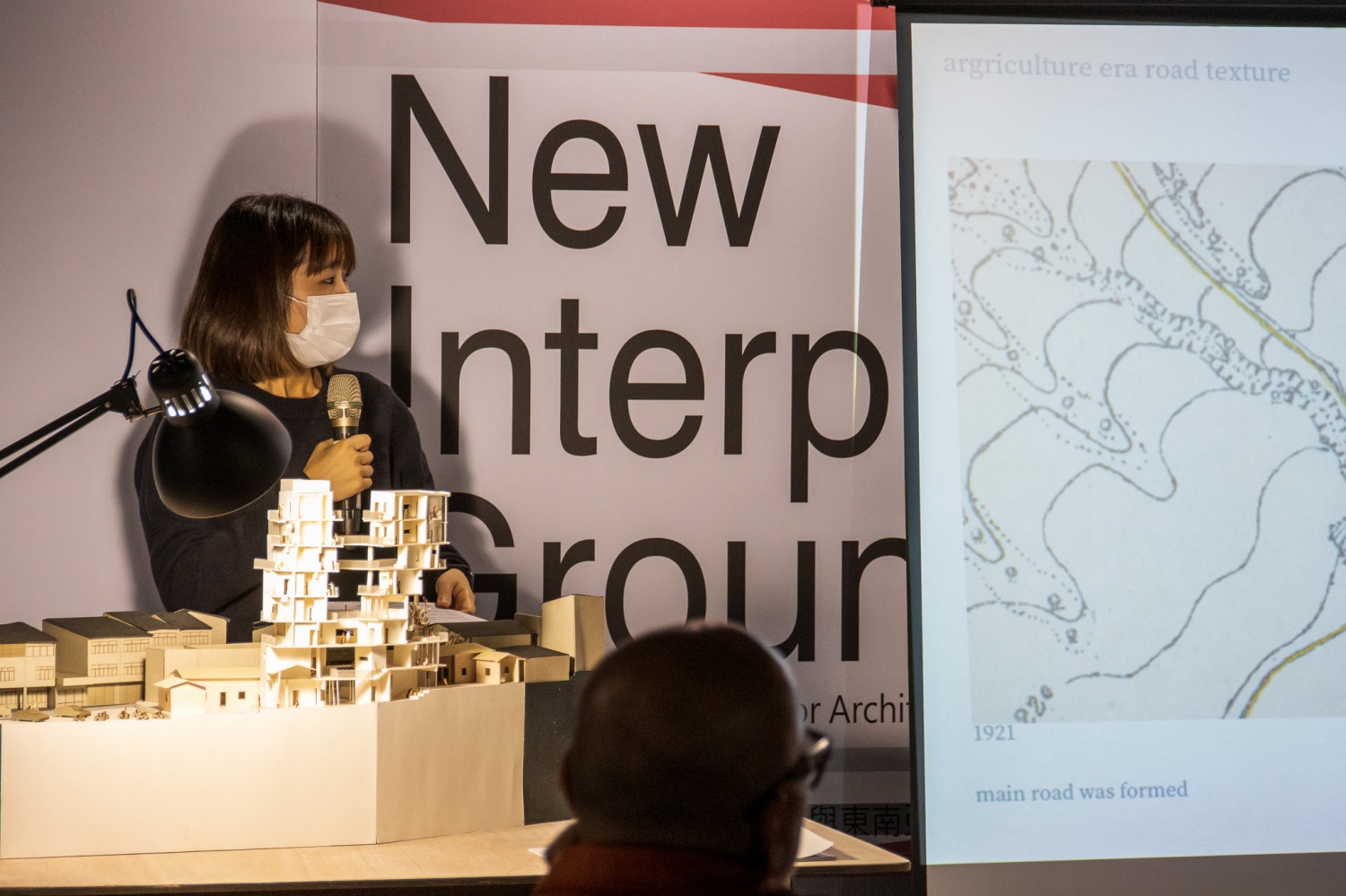
Day 1 at the NTSEC began with the officiation of the event followed by the roundtable presentation. The roundtable convened students based on sub-themes arising out of important discourse around architecture and the built environment Sustainability and Futures, Place and Narration, Borderlands and Community, Innovation and Reinterpretation. The roundtable was moderated by academics and required dialogues between students oscillating between the sub-theme and their works.
In the afternoon, delegates were excited about the study tour to the Keelung Tower guided by the architect, Jay Chiu, from AxB Architecture. Keelung is a city of harbours, interwoven mountainous roads and a complex maze of hidden alleys within the city. Suspended 50 meters in the air, the horizontal section is a restaurant, which extends into a pipe that runs through the main structure, accurately aligning Keelung’s various attractions, such as the Big Buddha, cruise ships, and the mountains in the southeast of the city. The tour continued to the Taiping Elementary School. after a meandering walk along narrow and steep lanes, it turned out that the elementary school is a bookstore on a mountain, which has been converted into the Taiping Bleu&Book in 2021. The last stop before heading back to the city was the colourful Zheng Bin Fishing Port.
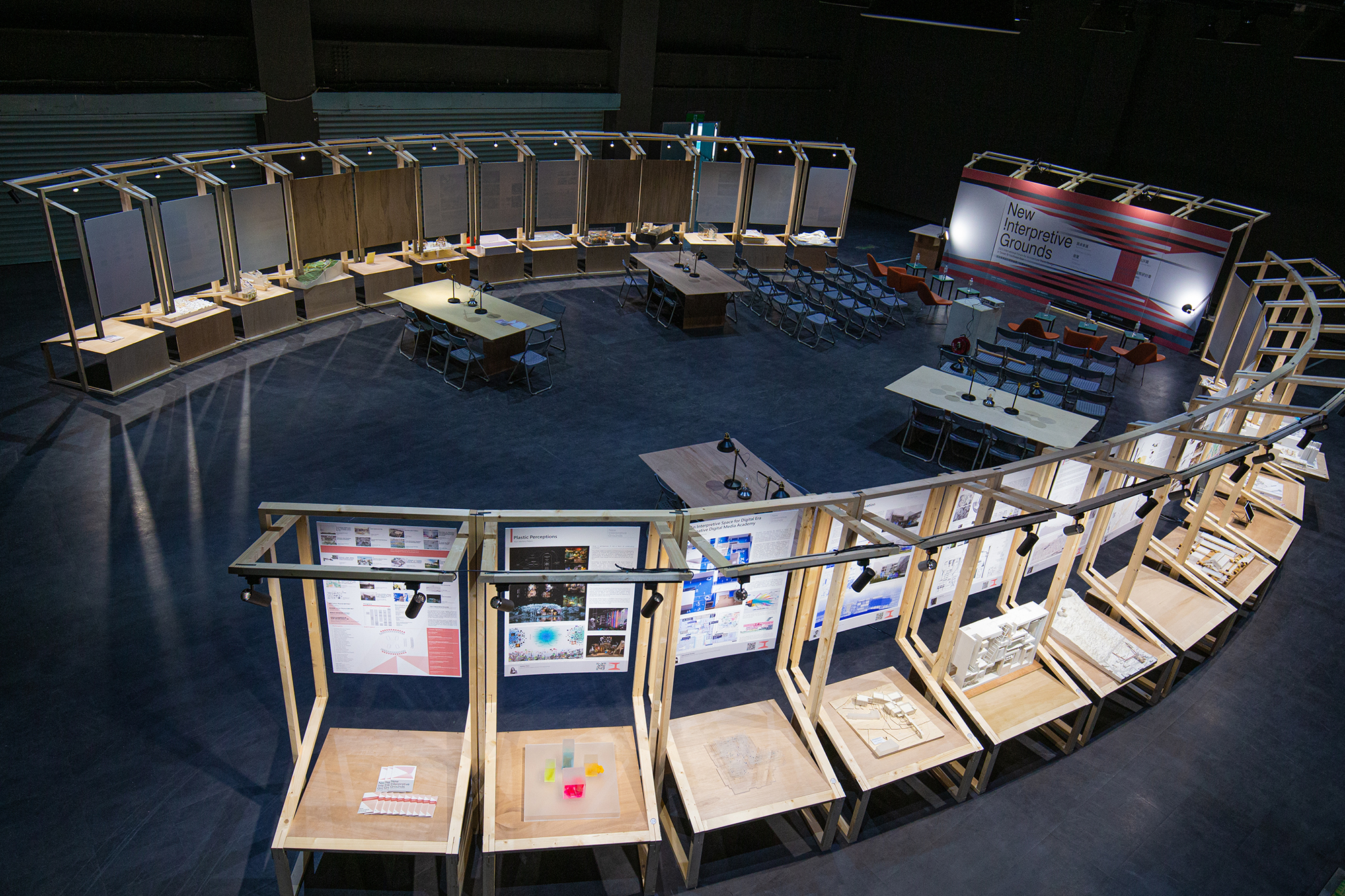
Day 2 was a day of design review setting the limelight on the students’ architectural thesis. Laid out in an oval-like fashion, the exhibition featured the works of the 24 graduates, with the selected students presenting their works, setting the tone for mutual project reviews.
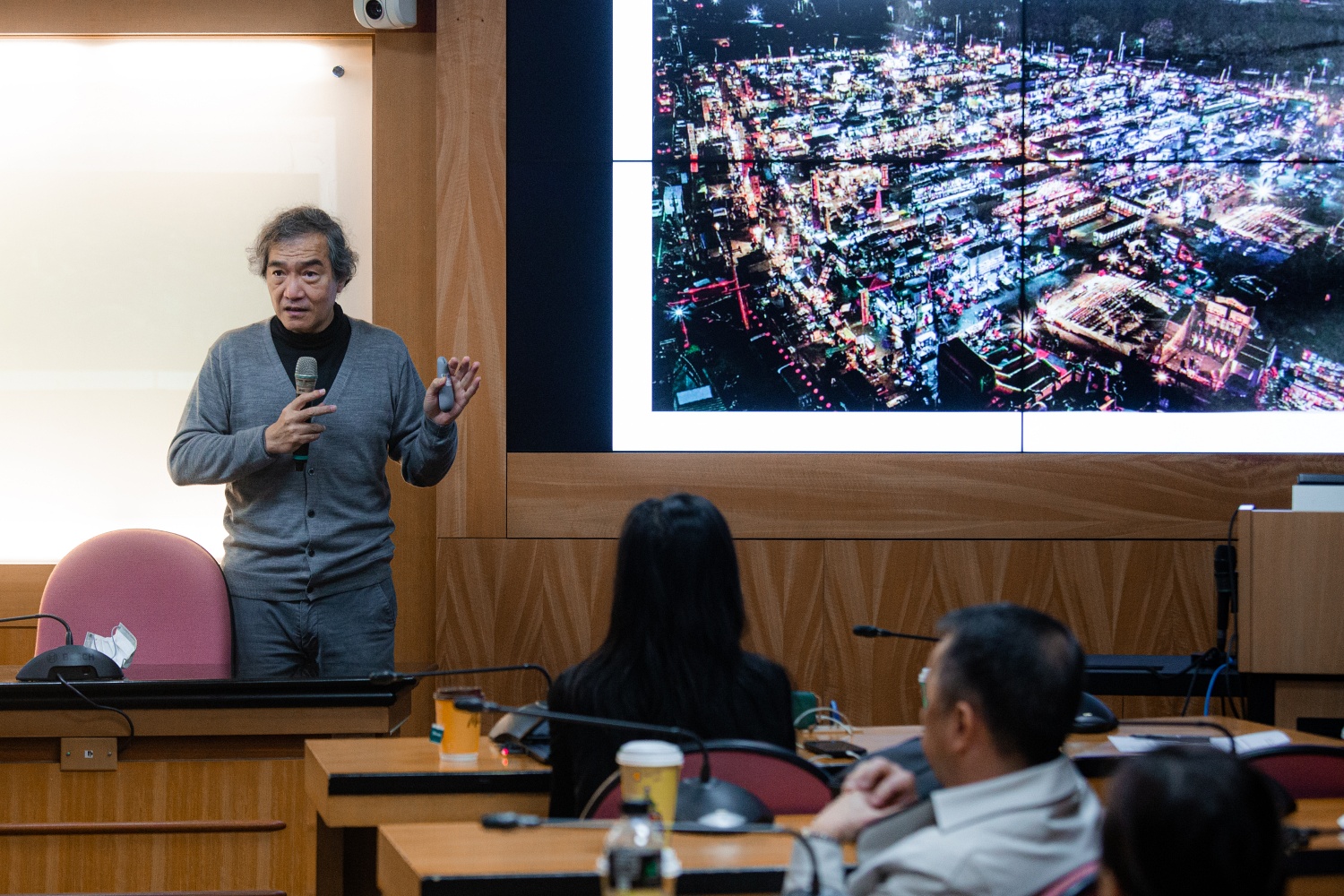
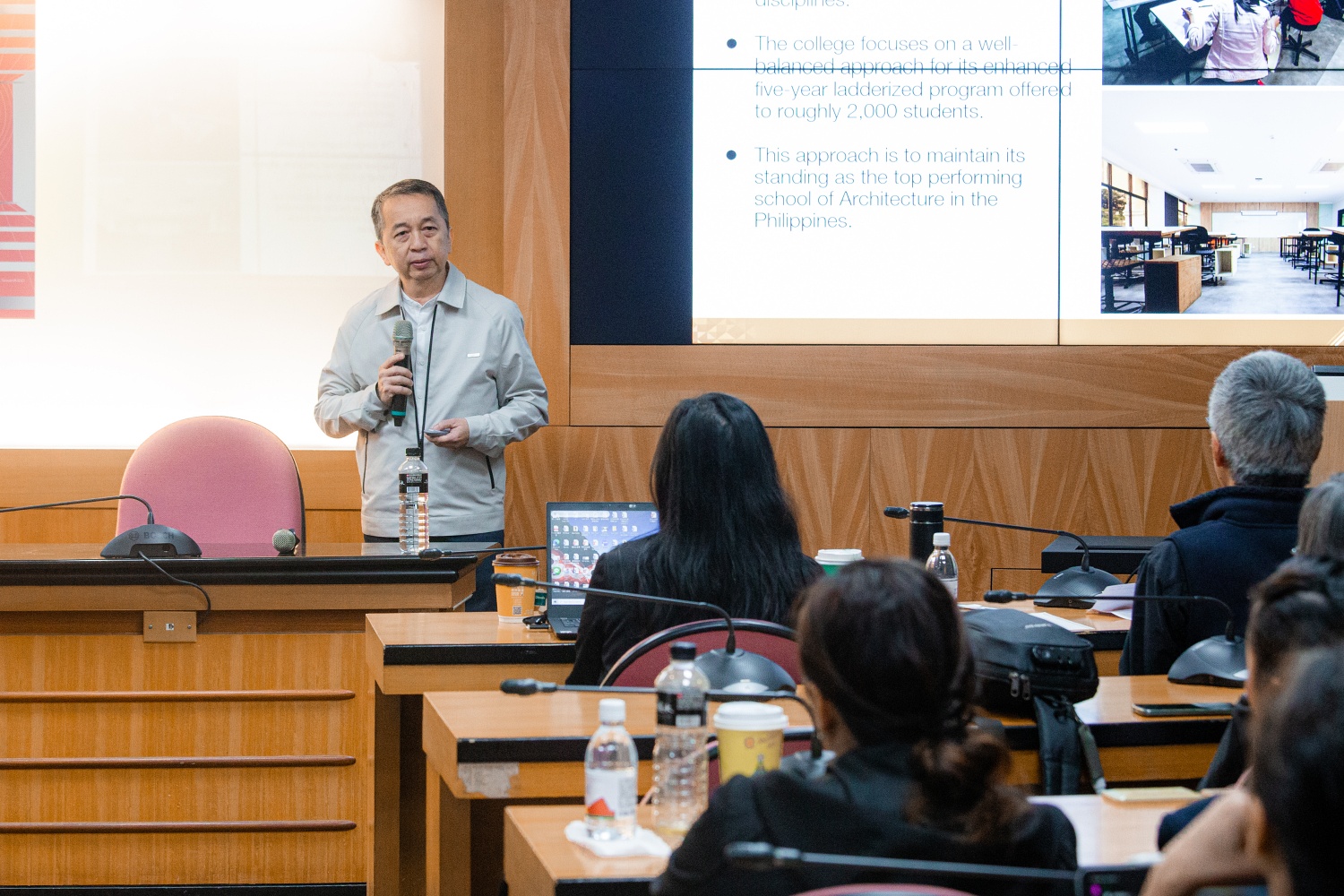
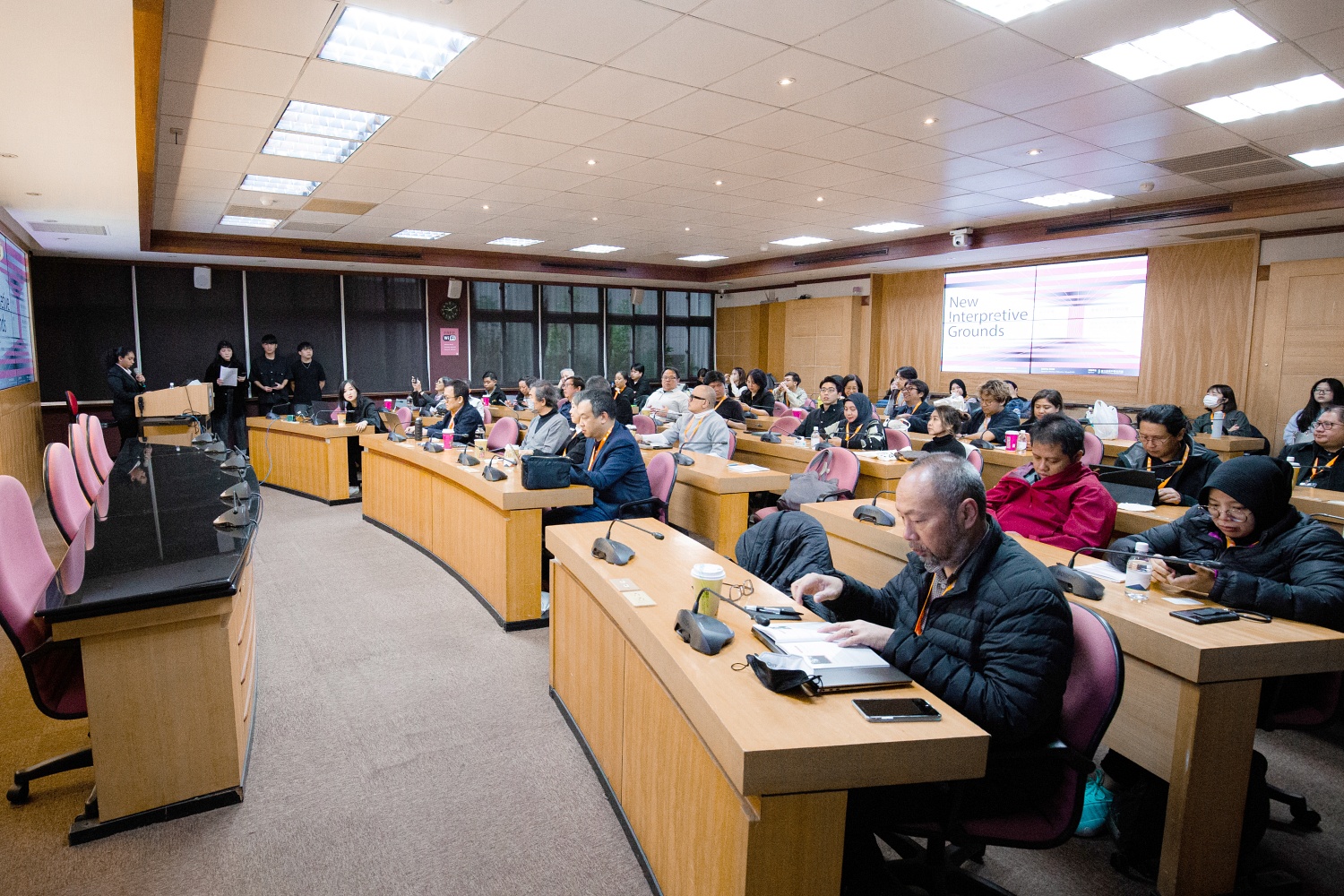
The final day was wrapped up with a forum held at Ming Chuan University. The forum curated nine speakers, each addressing a relevant topic linked to the notion of New Interpretive Grounds. Wen-Chieh Chiu, a Taiwanese architect, began sharing his topic of Indirect Mutualism, a concept he developed and is still developing looking at the mutualism of two distinct opposites and resonated this thinking through his architectural body of works. Subsequently, Ho Weng Hin presented a talk titled Reinterpreting Modernism: New Grounds for Architecture and the Architect. He shared diverse cases on the reinterpretation of modernism using several case studies in Singapore. Following that, Rodolfo Ventura from the University of Santo Tomas UST, Philippines, shared on the topic of Reflections on Milestones and Traditions: Reimagining UST College of Architecture towards the Future. The talk was about the history of UST and the traditions of architecture education that it holds.
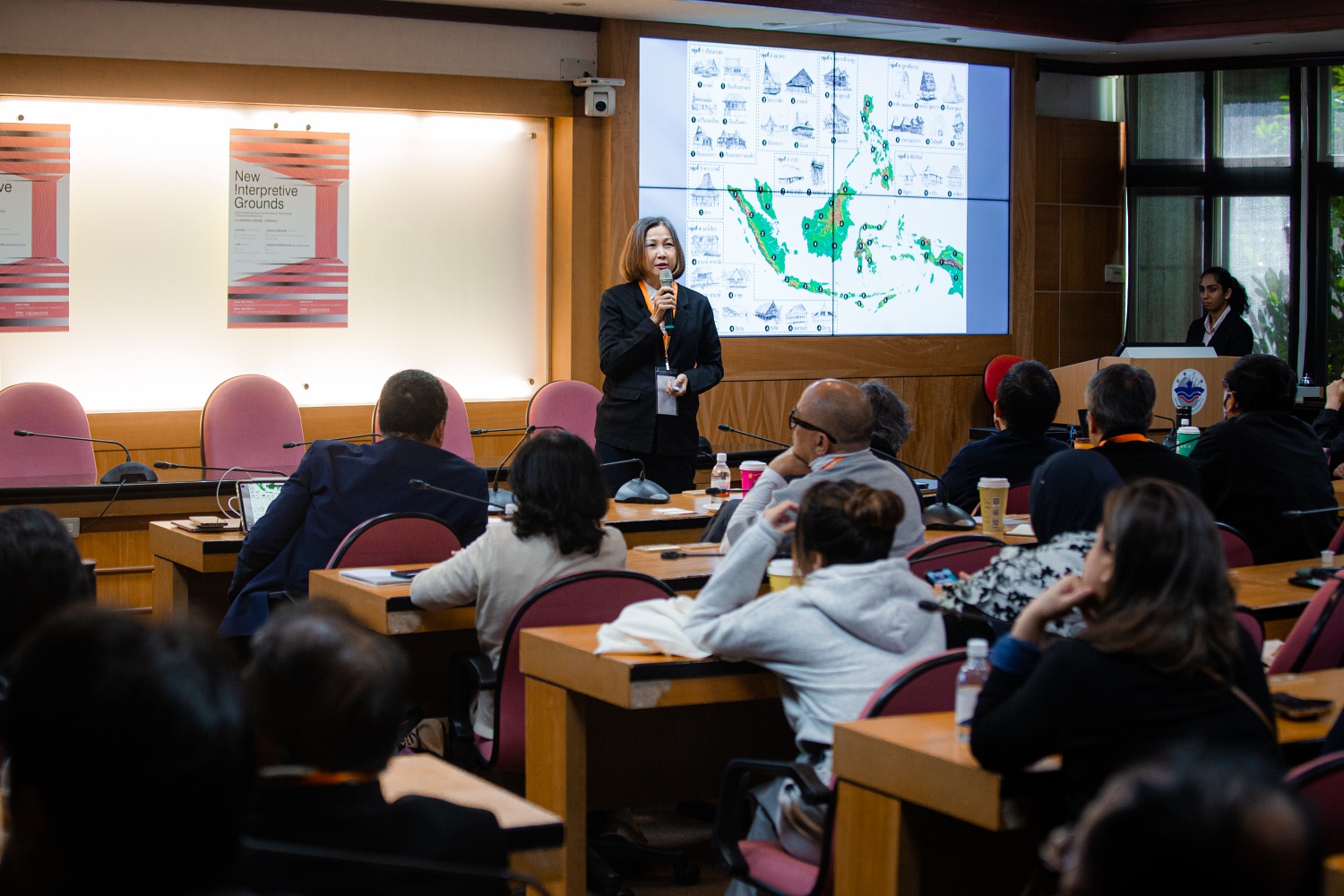
Swaying from traditions, Jeanne Lee from Ming Kang University shared her role traversing Cross-disciplinary and Cross-over settings. Rawiwan Oranratmanee from Chiang Mai University continued with the title Vernacular Architecture: From Research to Design presenting a range of vernacular architecture documented in the past 10 years in different parts of Thailand.
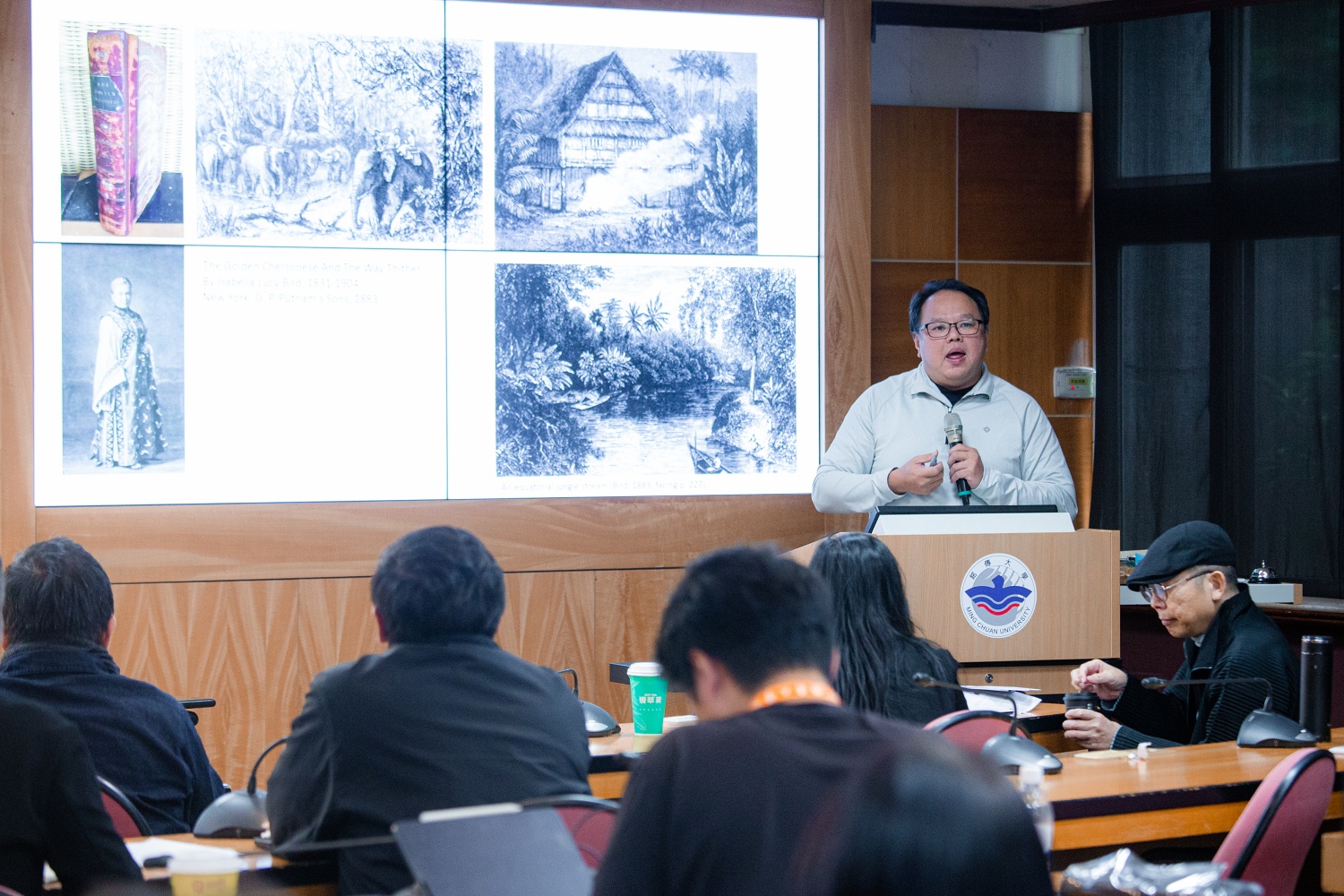
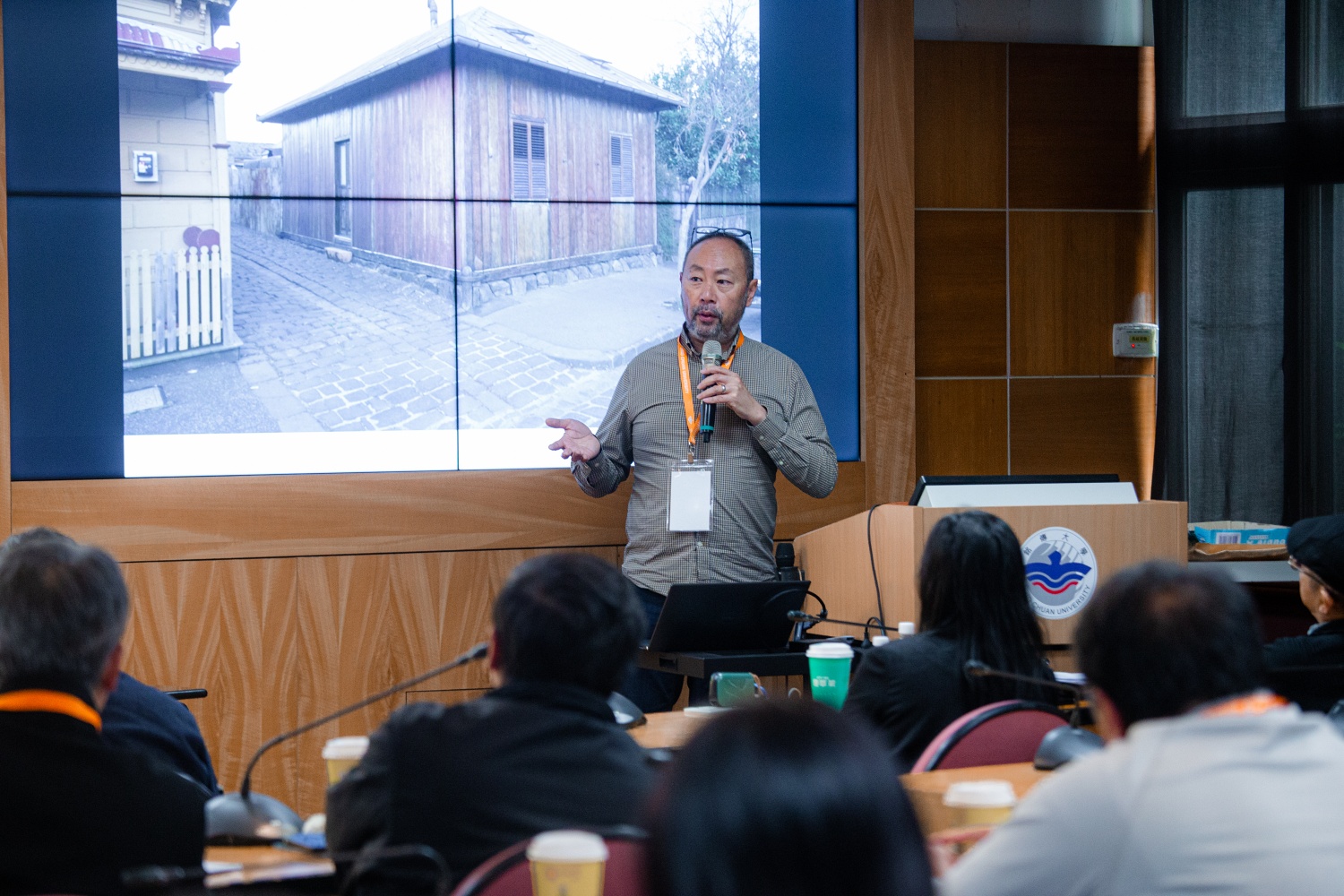
Paulo Alcazaren talked about Places are People: Public Space in the Philippines, which opened up a discourse on the possibilities of creating or re-creating public realms for physical and social sustainability. John Ting, University of Canberra spoke on the topic of Transfers as Interpretations in Colonial and Vernacular Architecture focusing on the 19th-century prefabricated timber Singapore co/ages which have been knocked down and moved to Melbourne. Drawing discursive and complex data, this talk was informed by new research that expands the co/ages carpenters and carpentry’s origins.
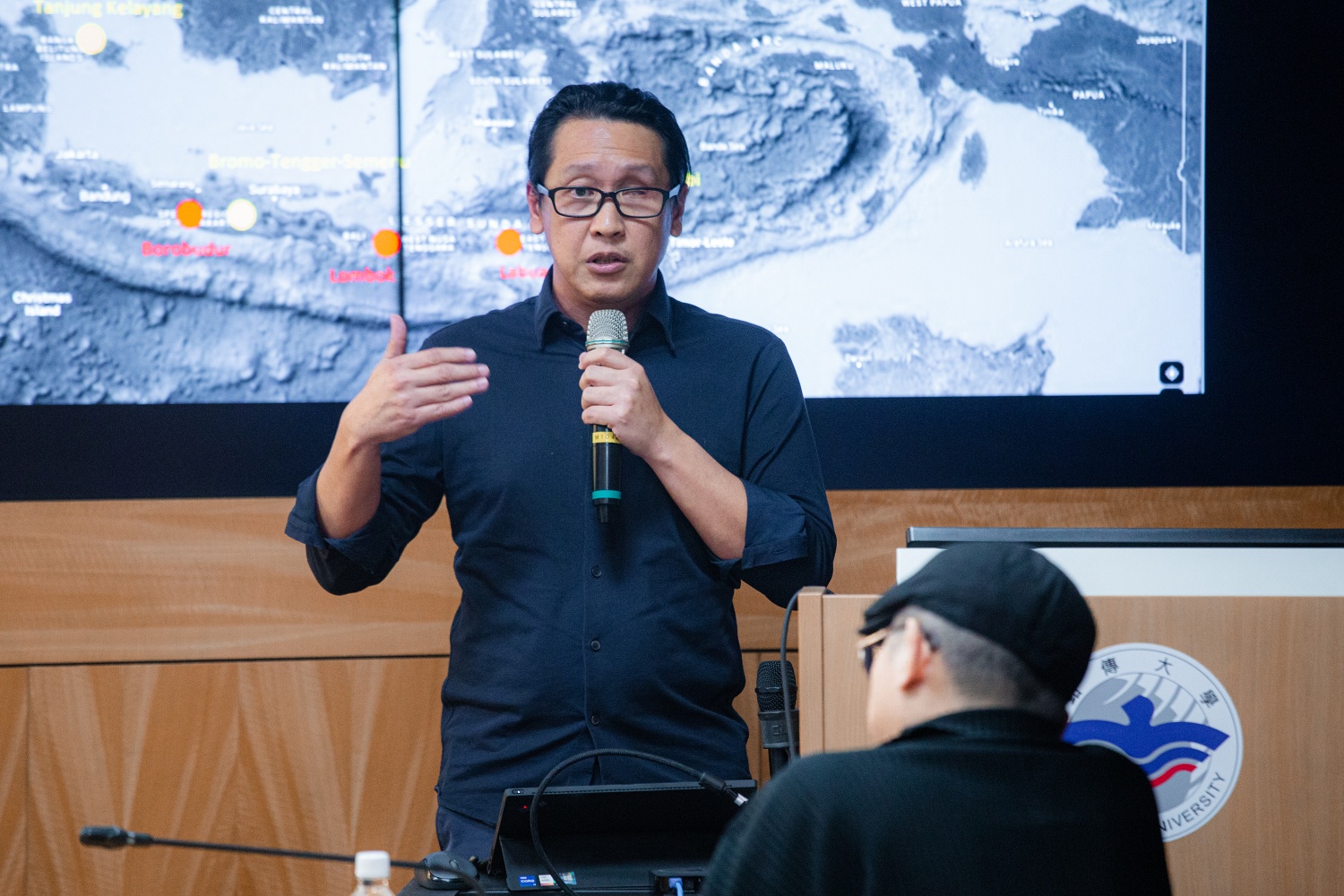
Setia Sopandi from Yayasan Museum Arsitektur, Indonesia, shares a case on the Komodo National Park with the topic of Interpreting a Prioritised National Strategic Tourism Area, which had sparked early debates and strong rejections from the opposition and cast doubts about the environmental collateral for Indonesia’s economic and physical development.
Teoh Chee Kiong from UCSI University Malaysia spoke about the notion of Indeterminate Architecture through the usage of vernacular architecture as a precedent to discuss the dichotomy between formal vs. informal, rigid vs. flexible, and standardised vs. organic.
The week-long forum wrapped up on the evening of 3rd December, passing the baton to the University of Santo Tomas as the 2024 host of The International Forum for Architecture Thesis Design in Taiwan & Southeast Asia. The forum has offered such an incredible platform of memorable comraderies amongst the graduates and academics from the SEA and Taiwan, creating many possibilities and opportunities for future relationships. See you in the Philippines in 2024!