MULTIPLE RESIDENTIAL HIGH RISE - SILVER
ARCHITECT - GDP Architects Sdn Bhd
CLIENT - Grande Peak Properties Development Sdn Bhd
CONTRACTOR - R&C Cergas Teguh Sdn Bhd
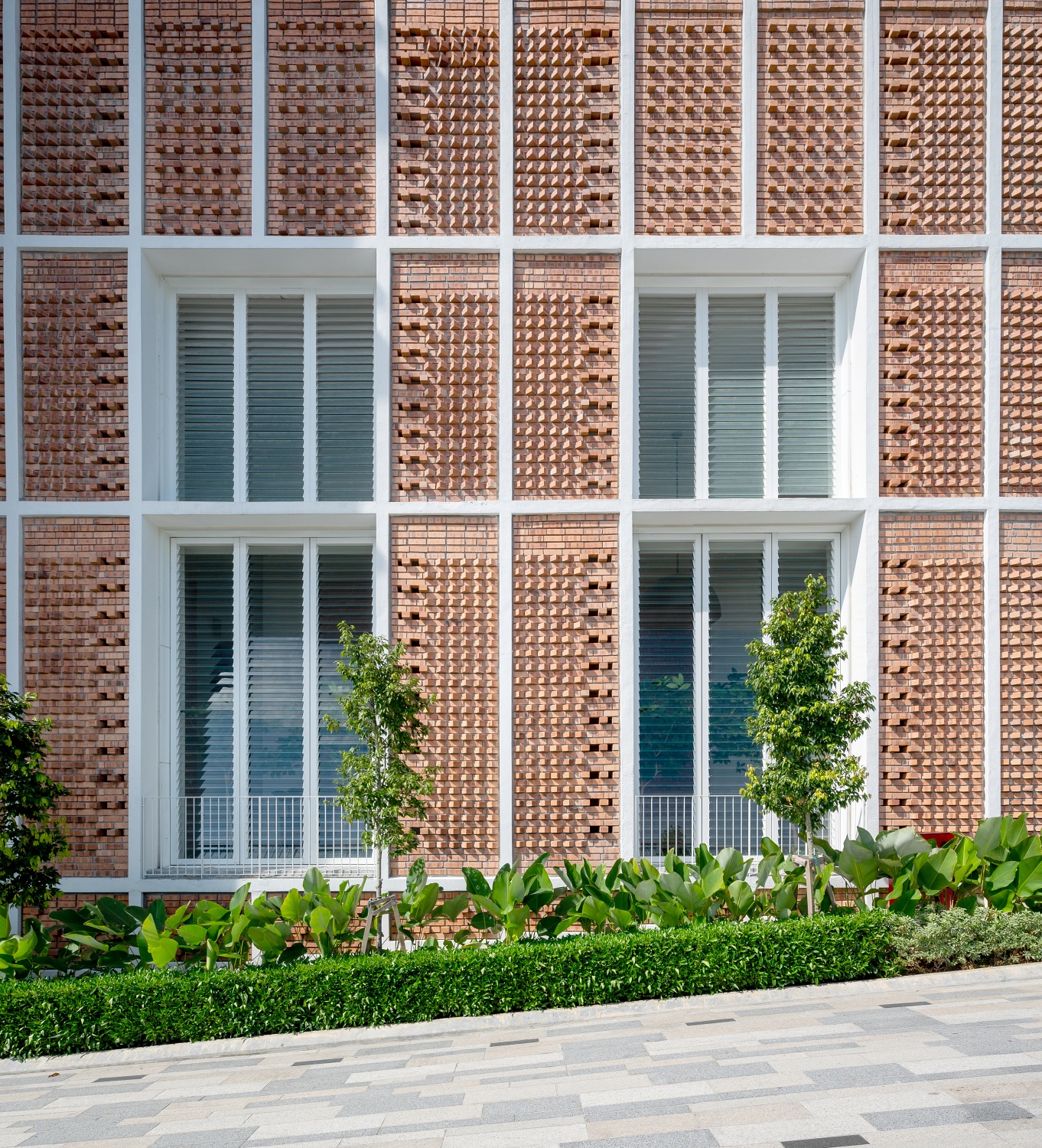
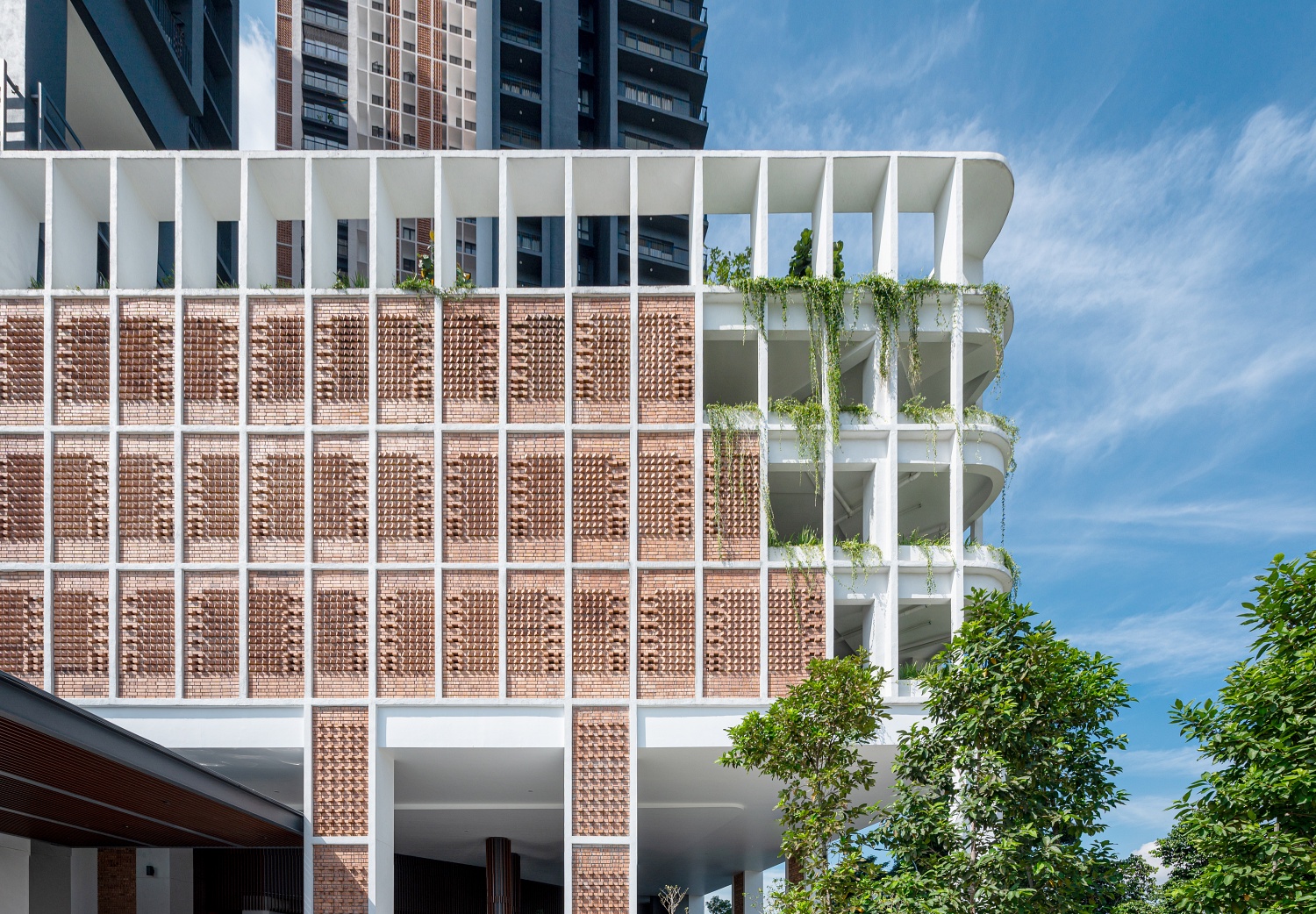
The building’s facade is thoughtfully designed to harmonise with its surroundings, using brick to complement the natural greenery
The Legacy OUG stands as a seminal development in Taman OUG, heralding a new era of elevated living while deeply respecting the inherent character and natural beauty of its surroundings. Perched on a higher level of Taman OUG, The Legacy OUG is the pioneering development that initiated the area’s transformation. This pioneering project initiated the area’s transformation, setting a benchmark for thoughtful integration of modern architecture with the existing environment.
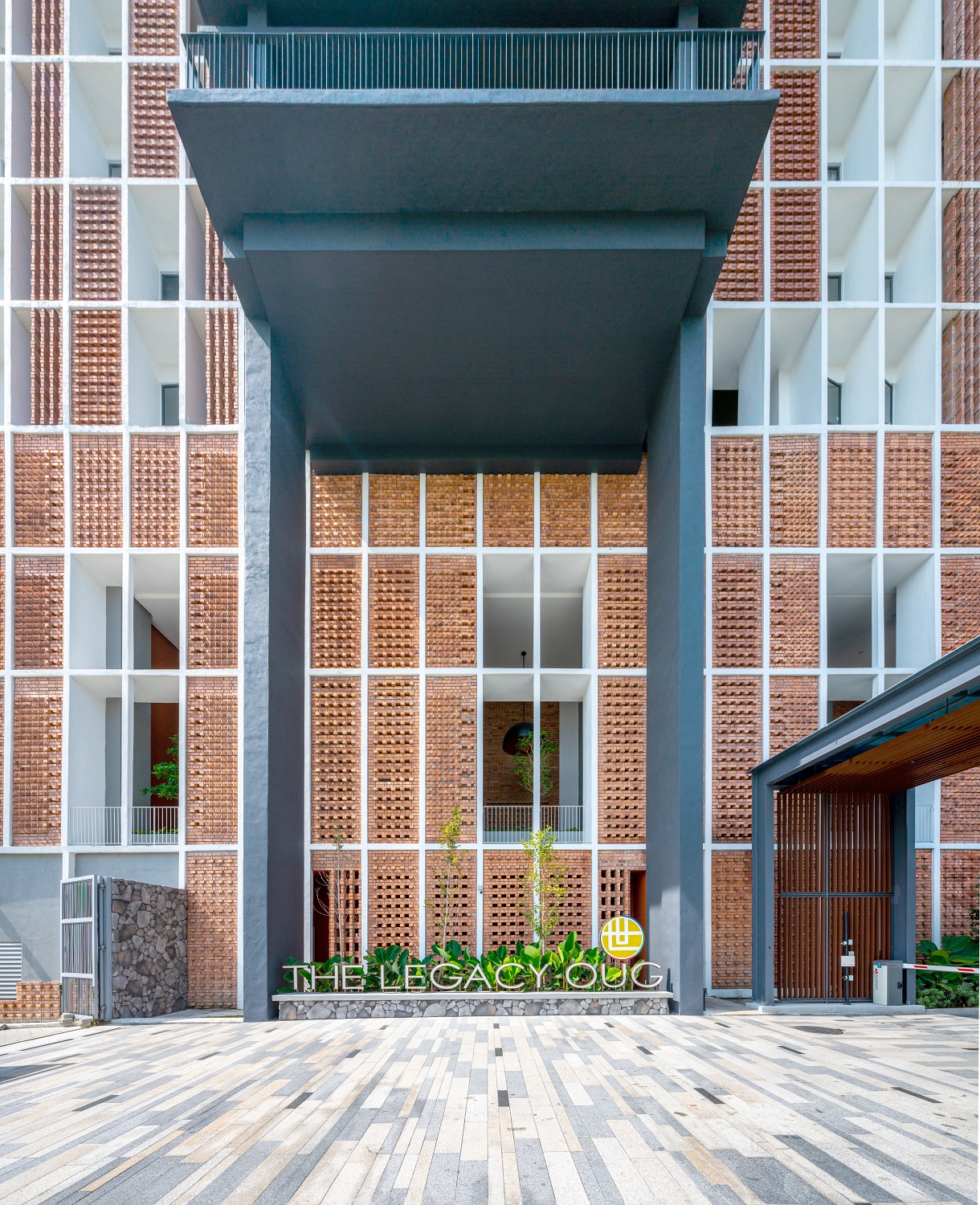
Harmony with Nature and Materiality: The building’s design ethos centres on a harmonious relationship with its context. The deliberate choice of brick as the primary facade material is a testament to this philosophy, carefully selected to complement the lush natural greenery that characterises Taman OUG. This grounding material introduces a tactile quality often absent in vertical architecture, fostering a connection to the earth even as the building ascends. The brickwork evolves into a sophisticated double-skin facade, employing rhythmic variations in its patterns. This not only adds an elegant and visually engaging dimension to the city skyline but also serves a crucial functional purpose by offering deeper shade, thereby enhancing the comfort and liveability of the interior spaces.
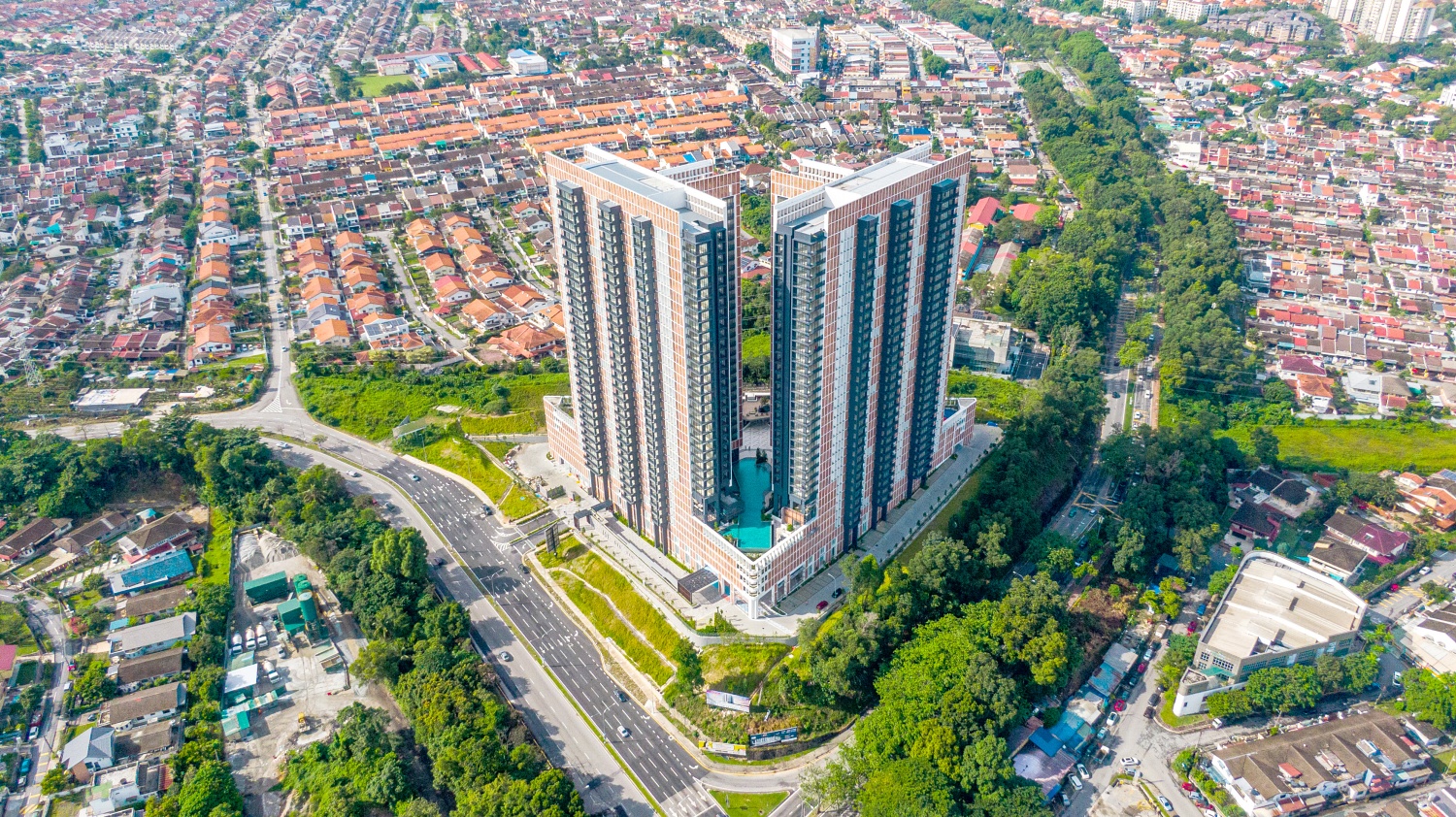
Surrounded by a low-rise residential fabric, the tower is envisioned as a distinctive yet sensitive landmark that rises with the landscape rather than against it
A double-skin facade with varied brick patterns not only enhances comfort by offering deeper shade but also adds an elegant touch to the city skyline
Innovative Spatial Configuration: The Legacy OUG distinguishes itself through a departure from typical Malaysian housing layouts, prioritising expansive views and seamless spatial transitions. The living and dining areas are thoughtfully extended outward, providing residents with breathtaking 180-degree panoramic views of the surrounding landscape. This design innovation blurs the lines between indoor and outdoor living, maximising natural light and creating a sense of openness. Furthermore, the architectural design emphasises a seamless flow between public and private spaces within each unit, promoting both connectivity and privacy for residents.
Vertical Extension of Nature and Contextual Sensitivity: The project’s overarching vision is to reimagine high-rise living as a “vertical extension of nature,” a concept deeply rooted in its respect for the last remaining green pocket in OUG. Surrounded by a predominantly low-rise residential fabric, the tower is conceived not as an imposing structure that clashes with its environment but rather as a distinctive yet remarkably sensitive landmark that gracefully rises with the landscape. This approach underscores a commitment to contextual sensitivity, ensuring that the development enhances rather than disrupts the existing urban fabric and natural environment.
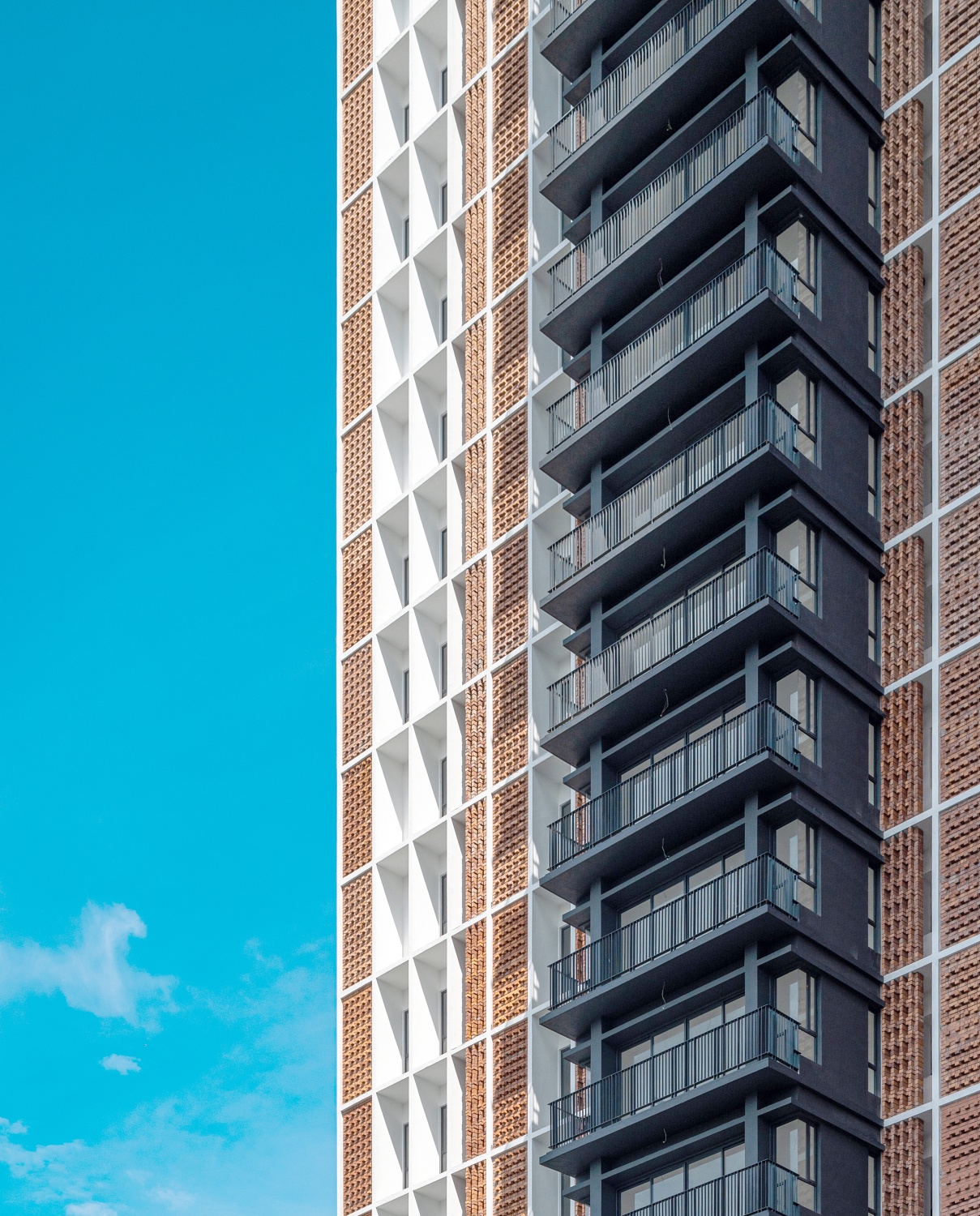
Passive Design for Sustainability and Comfort: Beyond its aesthetic appeal and innovative spatial design, The Legacy OUG incorporates intelligent passive design strategies to address the demands of the local tropical climate and promote sustainability. The integrated overhangs and layering of the facade are not merely visual elements; they serve as effective natural sun-shading devices, significantly reducing solar heat gain. This, coupled with the ventilation promoted by the double-skin facade, contributes to regulating internal temperatures and tminimising the reliance on energy-intensive cooling systems. The result is a high-rise that actively “breathes, shades, and cools,” embodying a meaningful dialogue between architecture and nature. This commitment to sustainability and occupant comfort underscores a design philosophy that prioritises long-term liveability and environmental responsibility.
The Legacy OUG represents a holistic approach to development, seamlessly merging architectural innovation with environmental consciousness and contextual awareness. It stands as a testament to the possibility of creating high-rise living spaces that are not only aesthetically sophisticated and functionally effcient but also deeply connected to their natural and urban surroundings, setting a precedent for future developments in the region.
The brickwork evolves into a double-skin façade, composed with rhythmic variations that subtly reveal the spatial organisation within
The Legacy OUG masterfully reimagines high-rise living through thoughtful massing, layered facades, and strategic green integration, maximising frontage, airflow, and community within the dense urban fabric.
These elements provide natural sun-shading, promote ventilation, and regulate internal temperatures, addressing the demands of the local tropical climate