Special Category - Gold ARCHITECT: GDP Architects Sdn Bhd in collaboration with Oculus CLIENT: LQ Retail Sdn Bhd CONTRACTOR: Lendlease Projects (M) Sdn Bhd
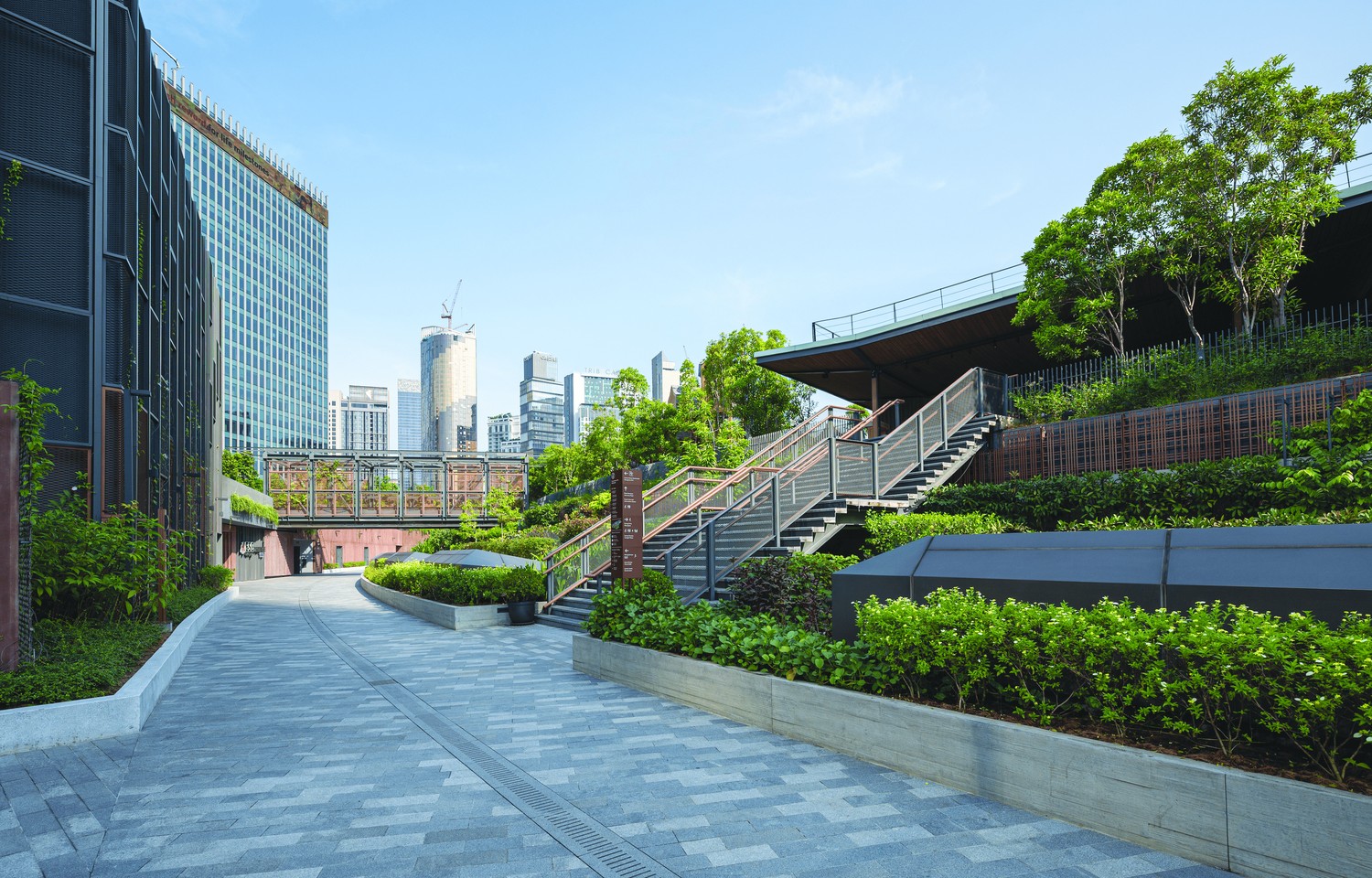
Terraced Ravine - as a Promenade
The project is conceived as an elevated urban oasis above a retail mall, offering a distinctive sequence of experiences that rise above the surrounding cityscape. Unlike traditional ground-level parks, this rooftop landscape provides a refreshing retreat within a dense urban environment. Located within the Tun Razak Exchange (TRX) in Kuala Lumpur, TRX City Park is a major landmark at the heart of the financial district. Spanning over 10 acres, it is the largest rooftop public park in Southeast Asia.
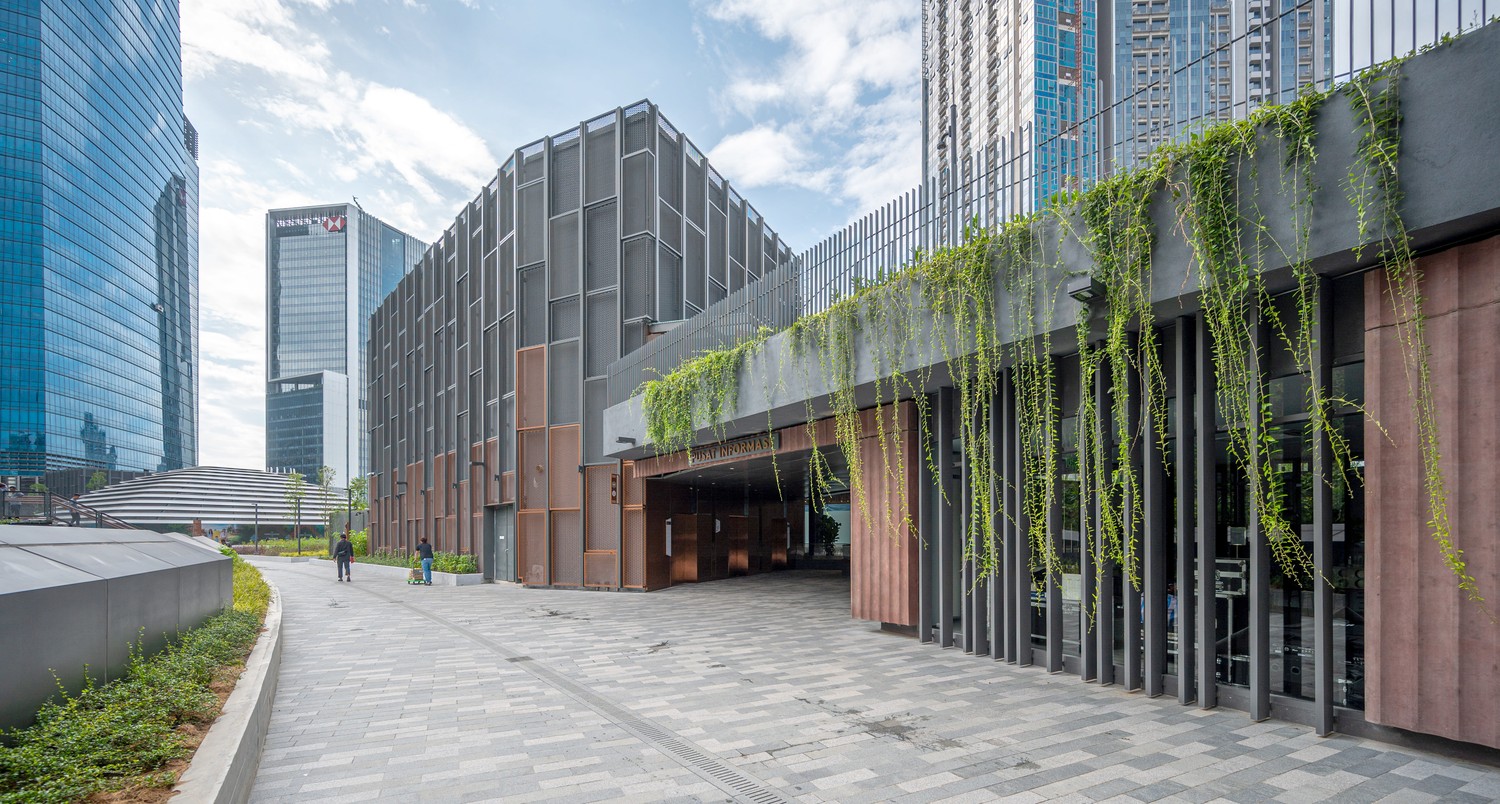
The Information Centre
The park encourages meaningful engagement and active participation through a diverse mix of play and adventure spaces integrated with food and beverage outlets, retail offerings, and event venues of various scales. Designed as a smart and secure environment, it serves as a dynamic and inclusive public realm that reflects Kuala Lumpur’s multicultural character while accommodating a wide range of users.
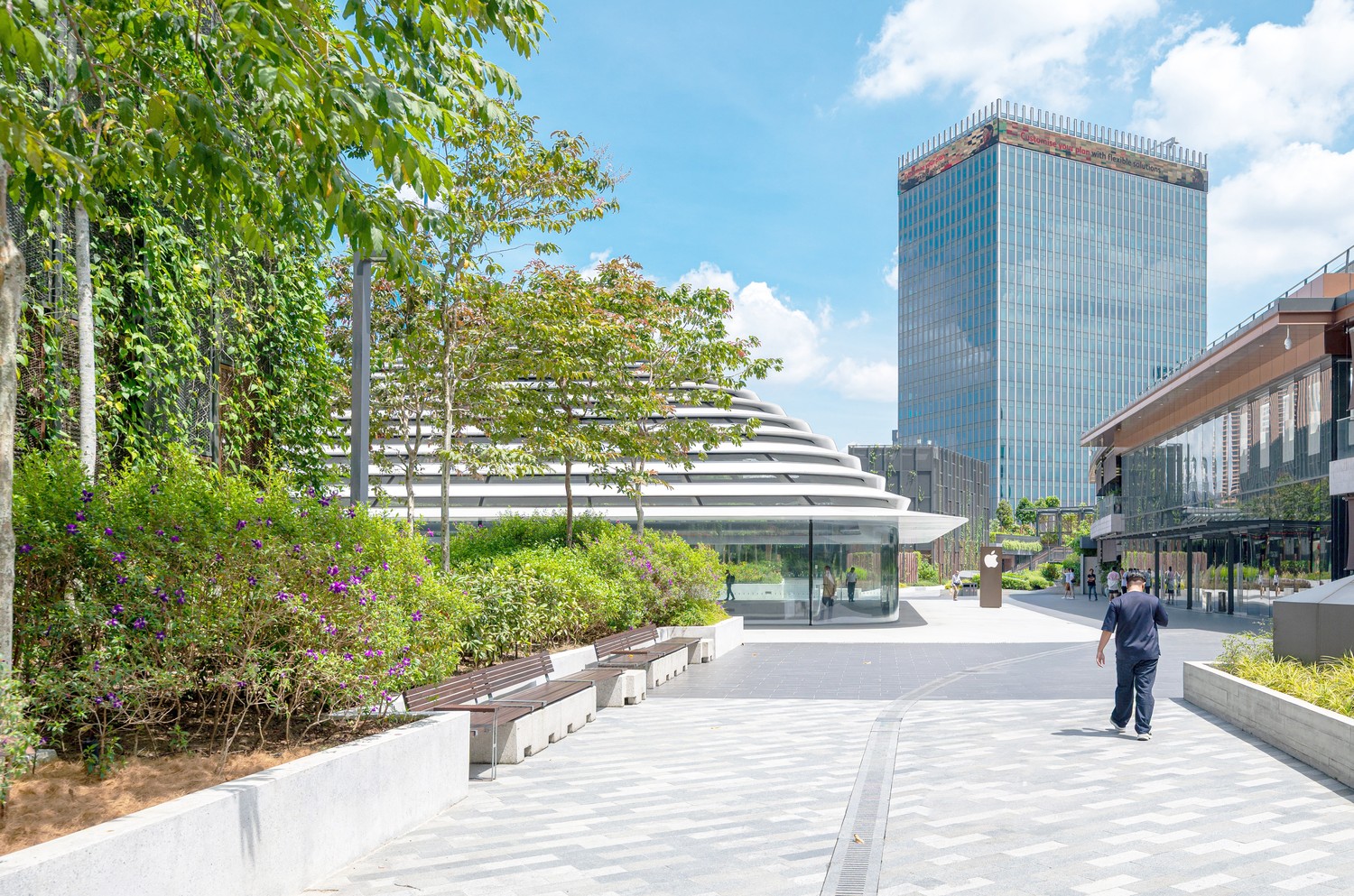
The park is supported by several community buildings, retail buildings such as Apple Store, Exchange TRX and The Exchange 106, which are conceived as pavilions located within the park setting
Strong physical and visual connections link the park to surrounding retail areas, including the Central Exchange, food terraces, event lawns, and an urban forest. These connections create seamless movement and layered spatial experiences unique to the destination.
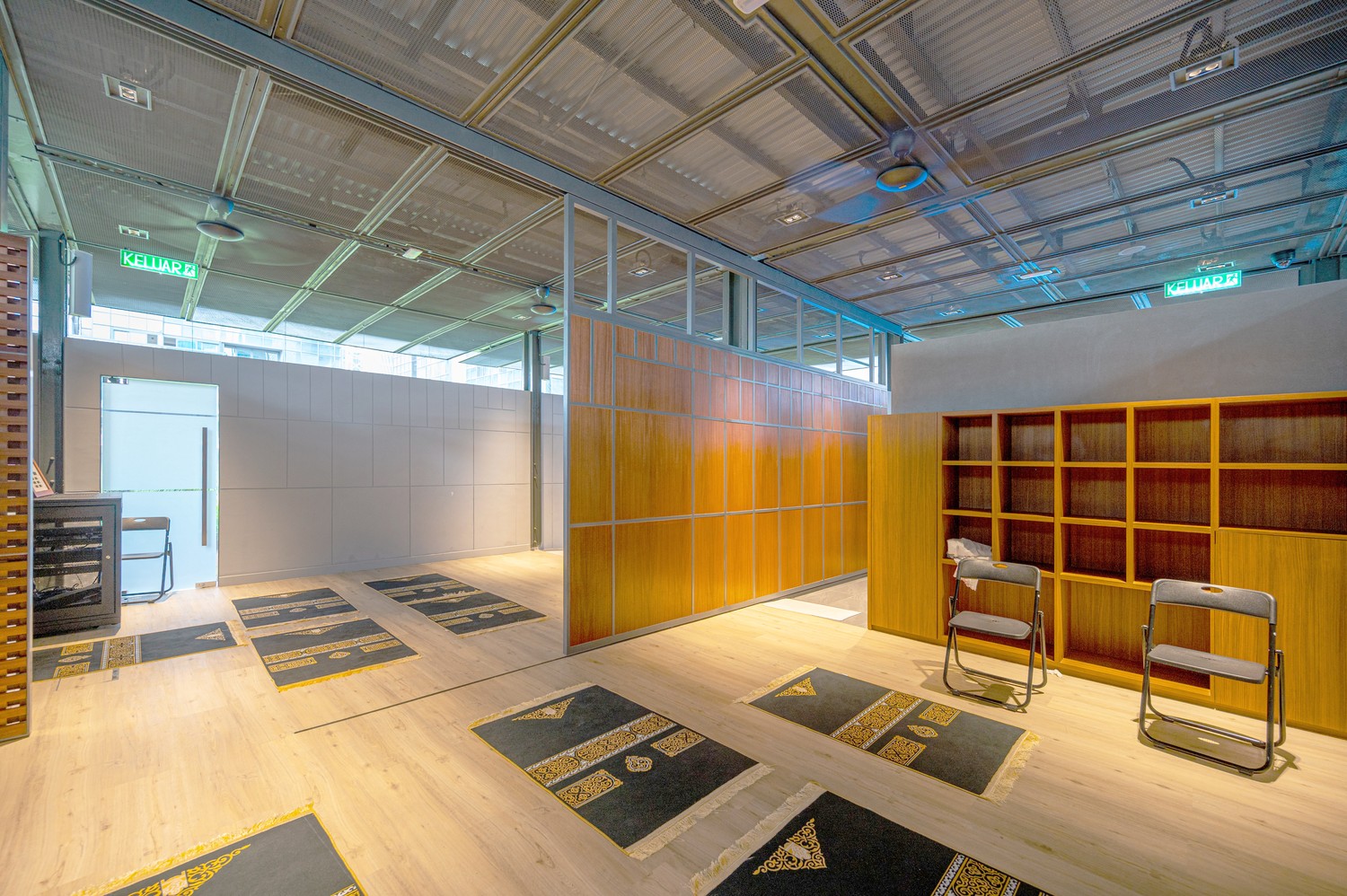
Surau - A sacred space within the garden area on the upper park level
Community buildings are designed as pavilions set within the landscape, using a muted material palette that blends into the greenery. Over time, planting is intended to soften and partially envelop these structures. Despite its complex programming, the park maintains clarity, cohesion, and comfort, inviting visitors to explore, relax, and engage with both nature and the commercial environment.
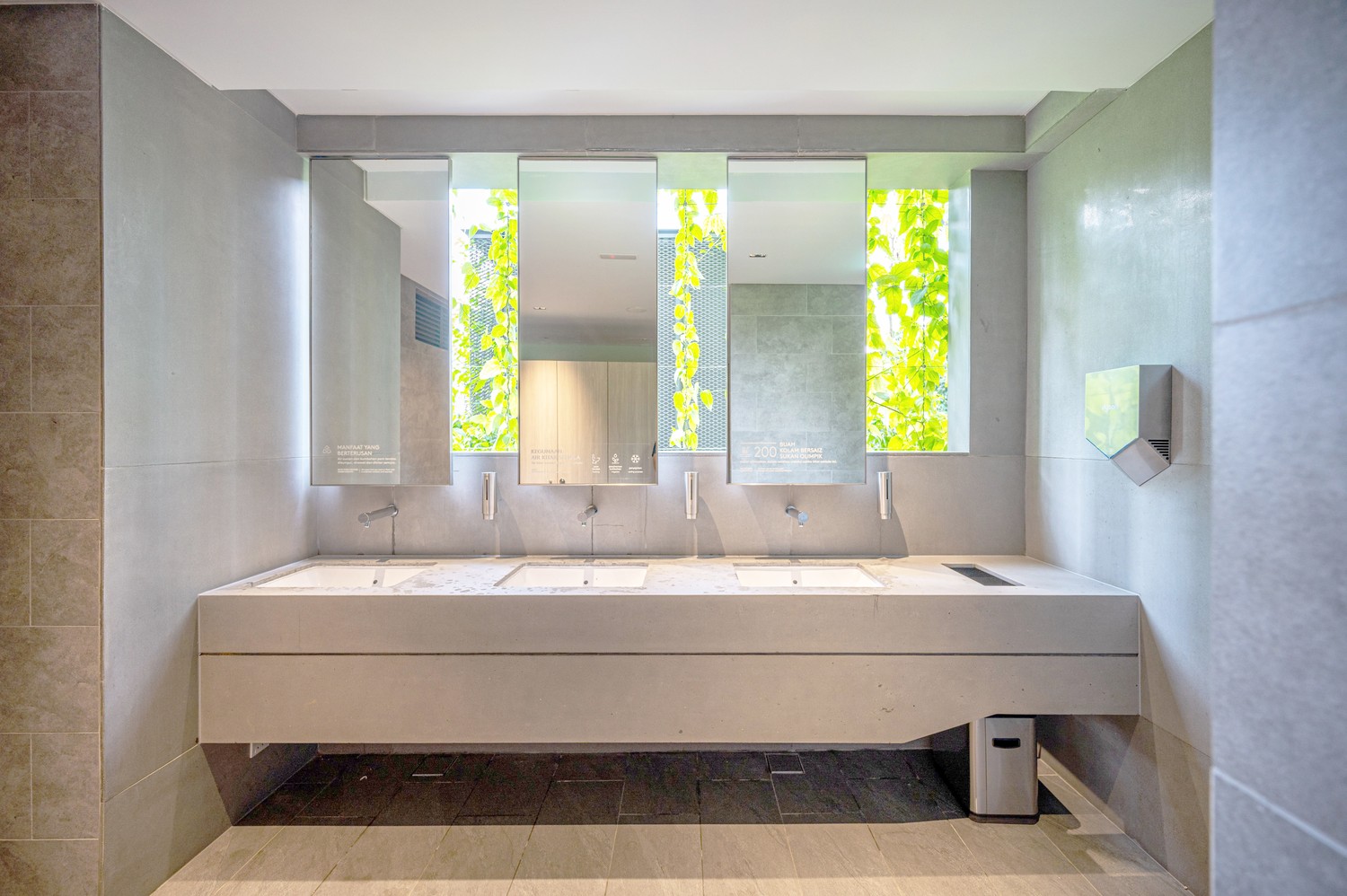
Amenities interior - Designed to enhance visual permeability throughout the park
The project reflects a collaborative approach to urban regeneration guided by three key principles. First, responding to local conditions. The design addresses the tropical climate by incorporating shade, natural ventilation, and shelter from heavy rainfall. Water features cool the environment, introduce playfulness, and define different zones. Lush planting and shaded structures enhance thermal comfort while supporting rainwater collection and management. Rather than resisting frequent weather events, the design embraces and integrates them into the overall experience.
Second, connecting the city. Strategically placed entry points and pathways establish strong links with the surrounding urban fabric. A consistent design language, material palette, and planting strategy reference both the immediate context and the broader identity of Kuala Lumpur. In this way, the park functions as a civic landmark while remaining sensitive to its setting.
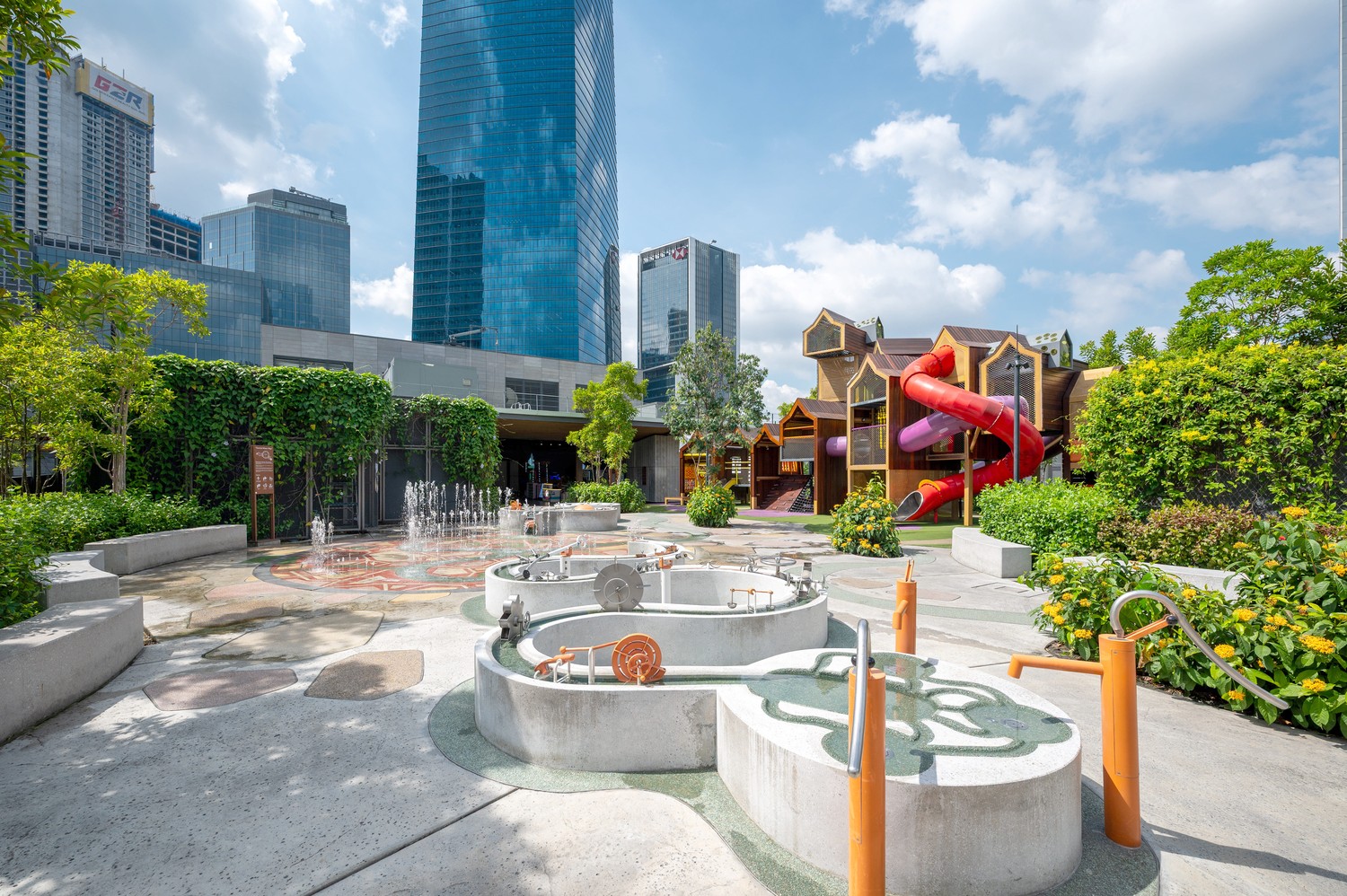
The Play Landscape - Increasing in urban environments, children's access to play is shrinking. A playground in the heart of the park gives children a safe place to be active, explore and be imaginative
Third, providing diverse social spaces. Expansive lawns accommodate events and public programming, while smaller, intimate areas allow for reflection, relaxation, and informal interaction. This layered approach enables visitors to experience the park in multiple ways, from vibrant gatherings to quiet retreats.
In conclusion, TRX City Park redefines public open space within a high-density financial district. By elevating the park above the retail podium, the project integrates landscape, architecture, and programming into a cohesive, climate-responsive environment. It strengthens urban connectivity, supports social diversity, and demonstrates how thoughtfully designed public spaces can enhance liveability and shape the future of city living.
An elevated urban park that redefines public space through the seamless integration of landscape, architecture, and civic connectivity within Kuala Lumpur’s dense city fabric.
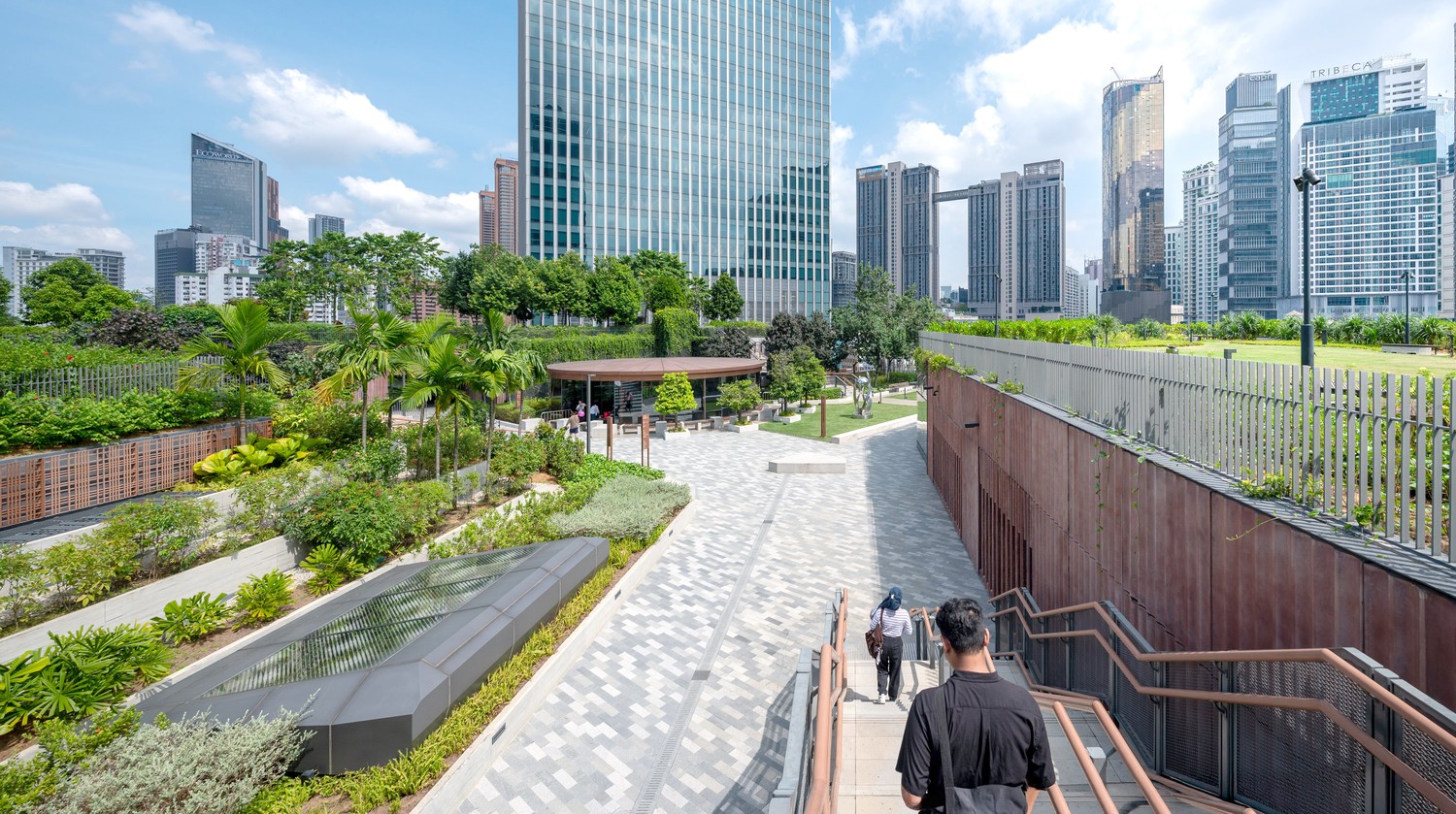
Landscape - Planting within the park is designed to define spaces