
URBAN CONTEXT: PERMEABILITY AS URBAN FRAMEWORK
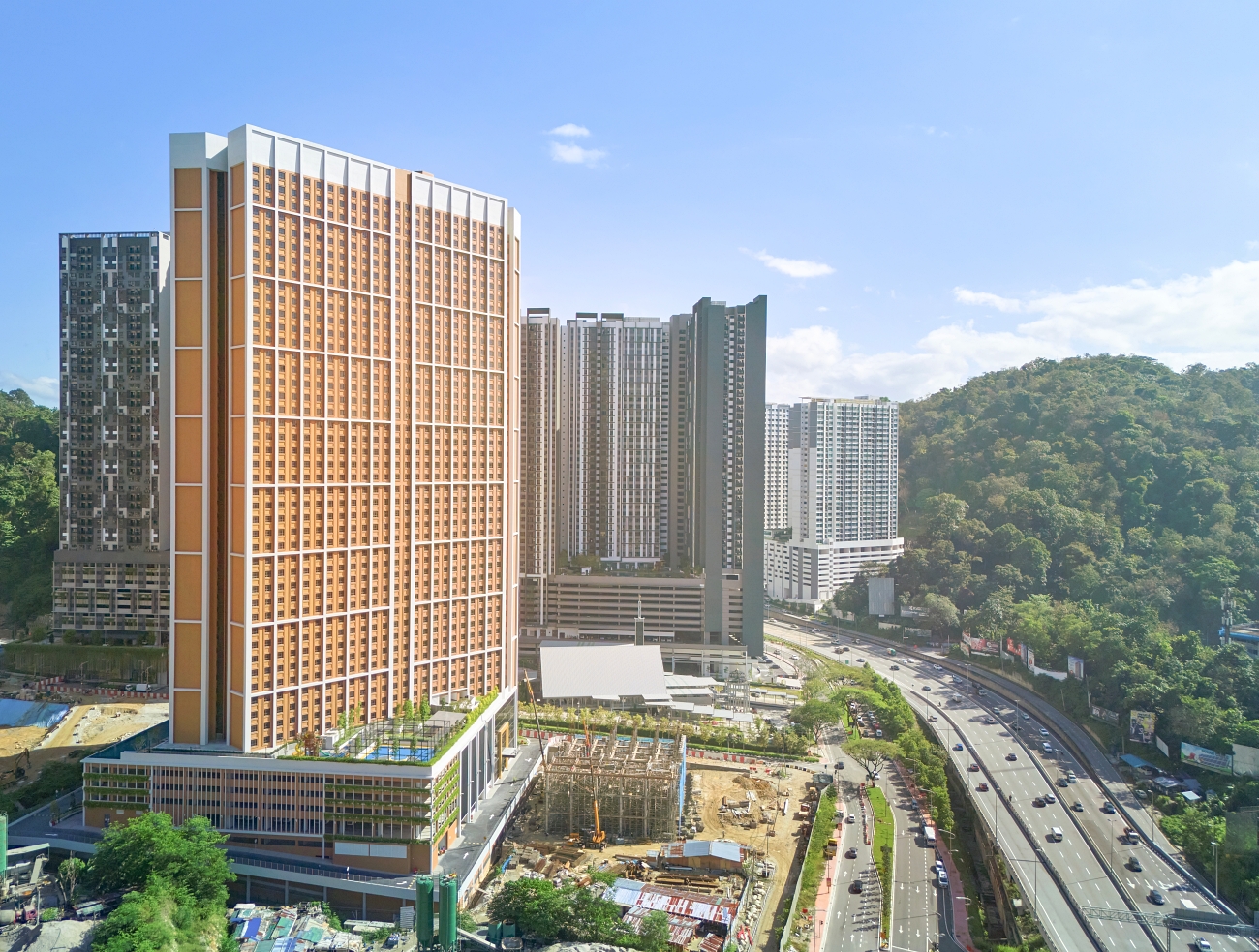
D’Vine Residences is one of the parcels within the Sentral Damansara master plan, a rapidly evolving 65-acre master plan development in the post-pandemic period. The site sits centrally facing the primary access road, Jalan PJU 8/8, and LDP, placing the development in a highly visible and spatially interdependent position.
Rather than designing a defensive gated perimeter, this project pioneered the idea for the centrepieces of the master-plan to be permeable and accessible from one parcel to another. The intention was to activate the permeability of the ground plane with extended pedestrian paths and visual connections, complemented by retail edges to extend the pedestrian experience into the site, and allow the residents to participate in the surrounding urban life. Reframing affordable housing not as an isolated enclave but as an integrated component of the public realm within the masterplan development.
One of the more defining architectural gestures occurs at the campus entry, where pedestrian access to the elevated podium is choreographed through a broad, sculptural stair and ramp ensemble integrated with reflective pools and seating terraces.
FORM AND COMPOSITION: FORMING THRESHOLD SPACES
The 46-storey D’Vine Residences consists of 1,450 affordable service apartment units of 550 square feet each. These units are the affordable housing provision computed across the Sentral Damansara master plan and consolidated within this designated parcel. From the overall master plan, it was clear that the approved plot ratios across the adjacent parcels would likely result in visual congestion and mutual obstruction from one to another. This prompted a very fundamental design question: how could a high-density affordable apartment block move beyond anonymous repetition and establish threshold spaces and a coherent architectural relationship with neighbouring lots?
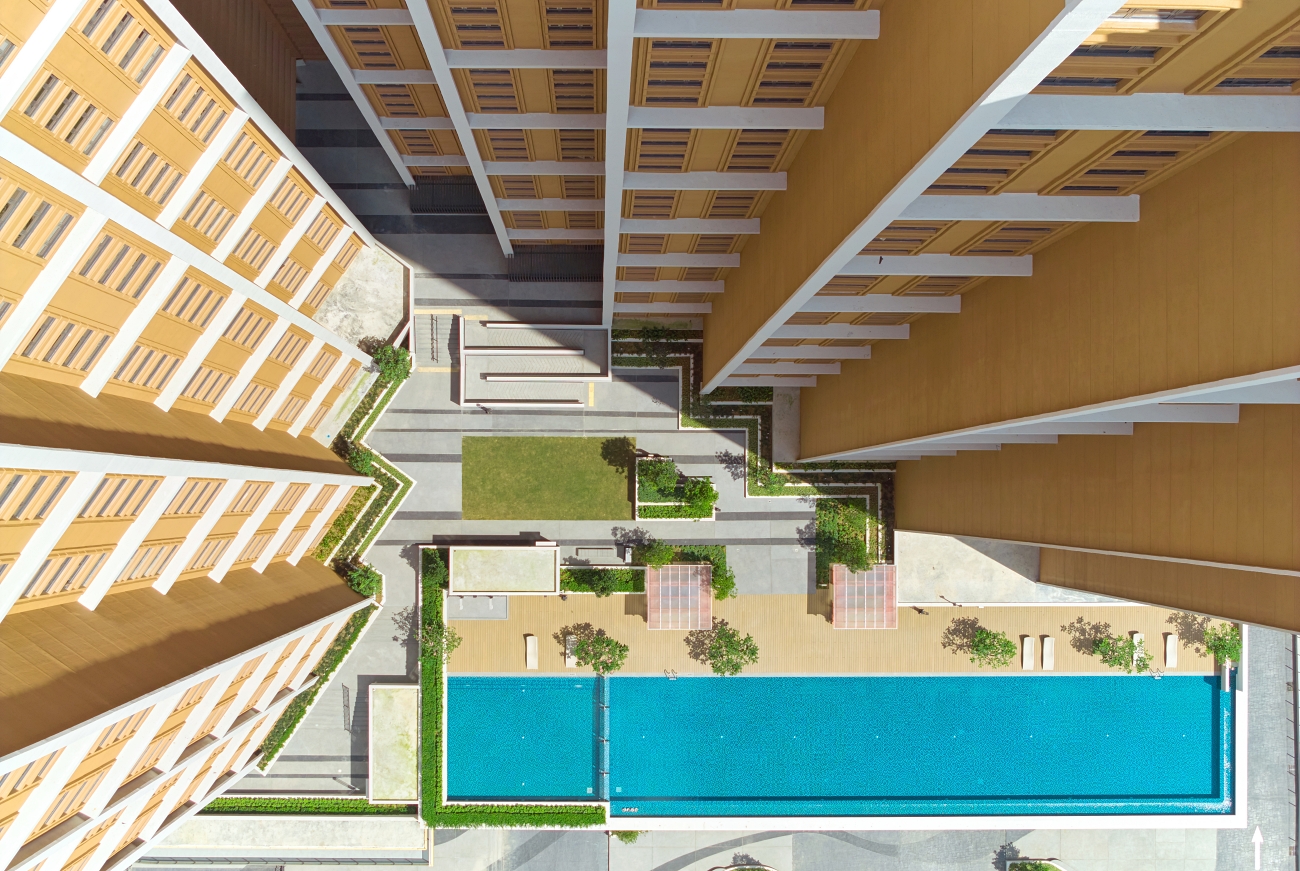
Form-making ensured the design of the development was not an isolated exercise, but as part of the whole masterplan composition. The massing had to anticipate the future development of adjacent plots, balancing the need for unit distribution while preserving threshold spaces and openness within the masterplan development. Multiple massing studies were undertaken to explore alternative configurations through multiple workshops with the client. A V-shaped plan configuration emerged, with one wing parallel to the main road and another wing angled at 55 degrees. The angular shift is not merely a formal but strategic approach to create a broader visual aperture within and breathable spatial relationships, as well as reducing the direct-facing conditions between towers by tilting one wing away from the orthogonal grid.
ARCHITECTURAL EXPRESSION: REPETITION AS IDENTITY, NOT MONOTONY
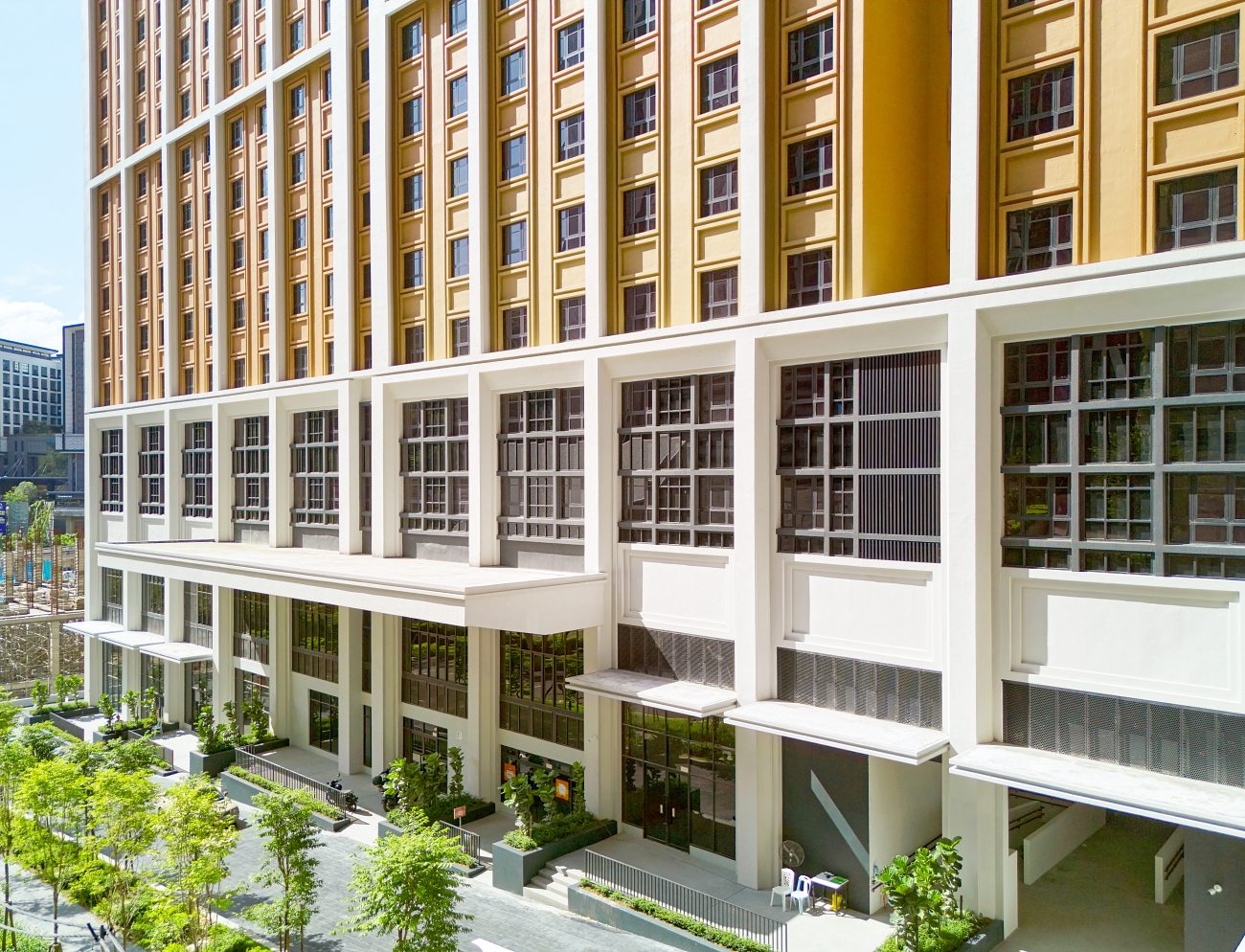
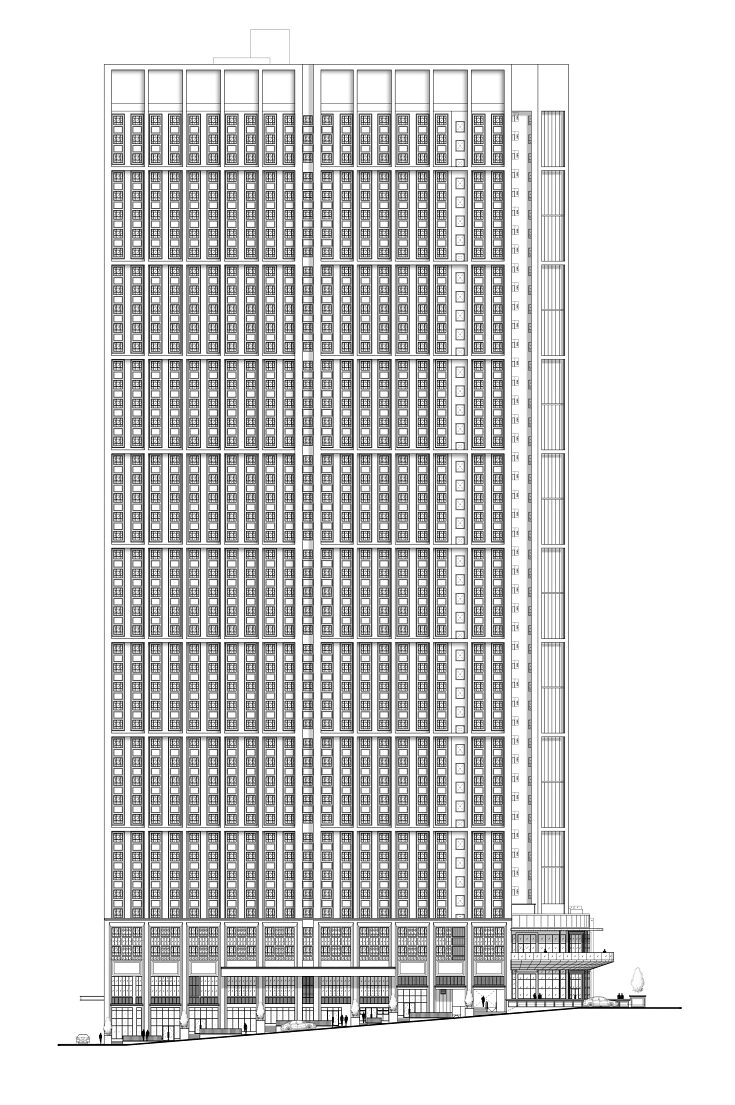
The architectural expression of D’Vine Residences was inspired by the repetitive distribution of the singular unit design. Rather than disguising this condition, the design embraced the repetition as a disciplined language and transformed the necessity into identity. The façade is developed from the repeated use of a single, carefully resolved window and reinforced concrete coping module, creating a coherent rhythm across the tower.
Each unit is planned so that the living area and master bedroom occupy the external frontage. This consistent planning strategy enables a unified façade detail, where window proportions, framing, and coping elements are standardised. The façade balanced the visual clarity of the rhythmic pattern with buildability and durability. A refined, repeated detail was coordinated with the contractor to ensure efficient construction while the design maintains depth and shadow articulation.
Rather than treating the podium and tower as separate components, the building is designed with a continuous vertical composition from the ground level onwards. Vertical and horizontal elements are carefully proportioned to mediate between the scale of the individual dwellings and the overall height of the 46-storey tower. Subtle extrusions, recesses, and framing elements create layers of shadow that animate the elevation throughout the day. This structured repetition reduces visual monotony while giving the building a consistent identity within the dense masterplan context.
SPATIAL SEQUENCE: SHADED THRESHOLD AND MOVEMEN
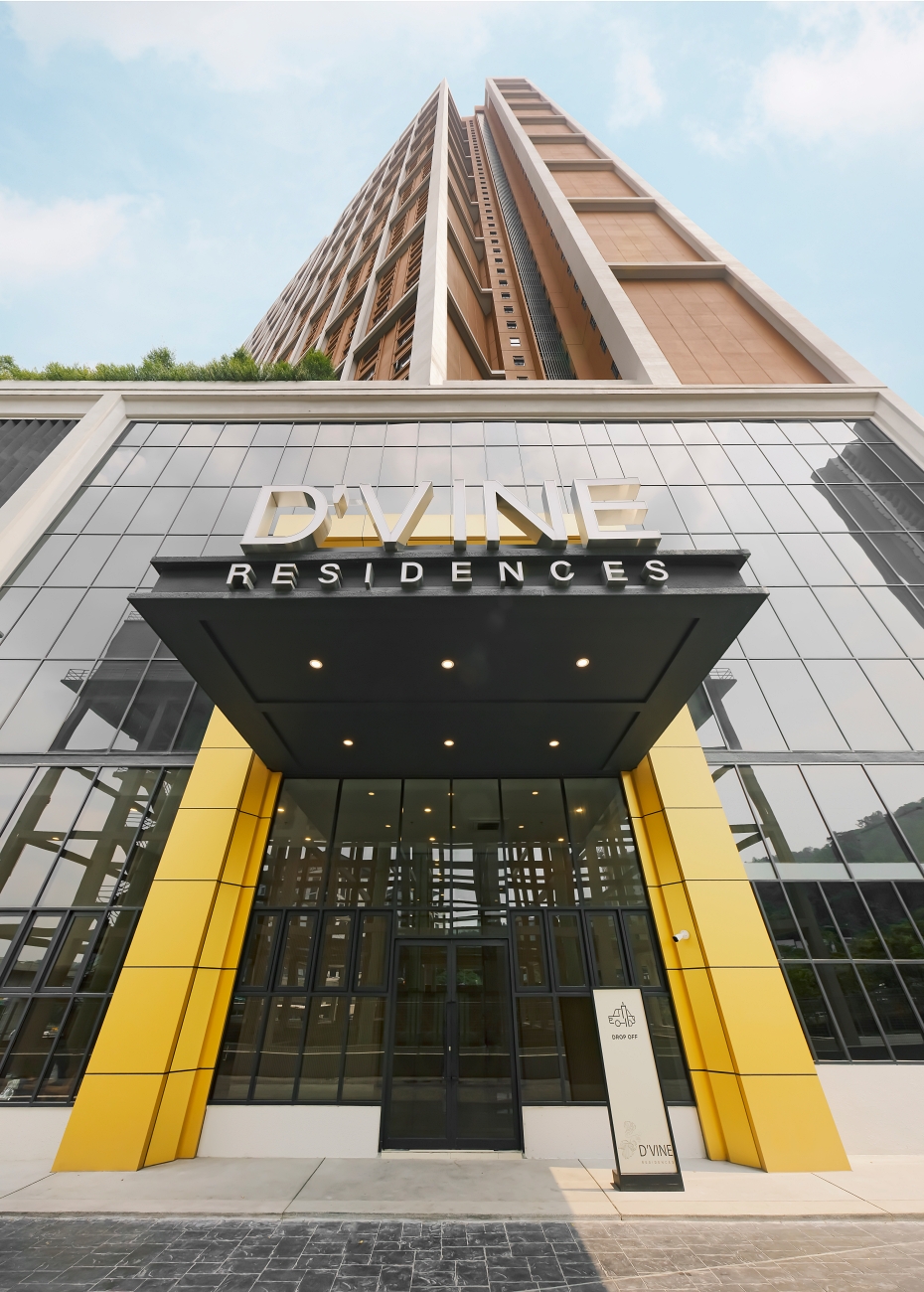
D’Vine Residences extends the street life into the development through the publicly accessible ground level, capturing pedestrian movement with retail and inviting interaction within the development. A 3-metre-wide canopy extends along the retail frontage, forming a sheltered walkway, encouraging movement through the site while activating the street edge. This shaded threshold forms a permeable interface between the development and its surroundings, reinforcing the building’s role within the masterplan’s public realm.
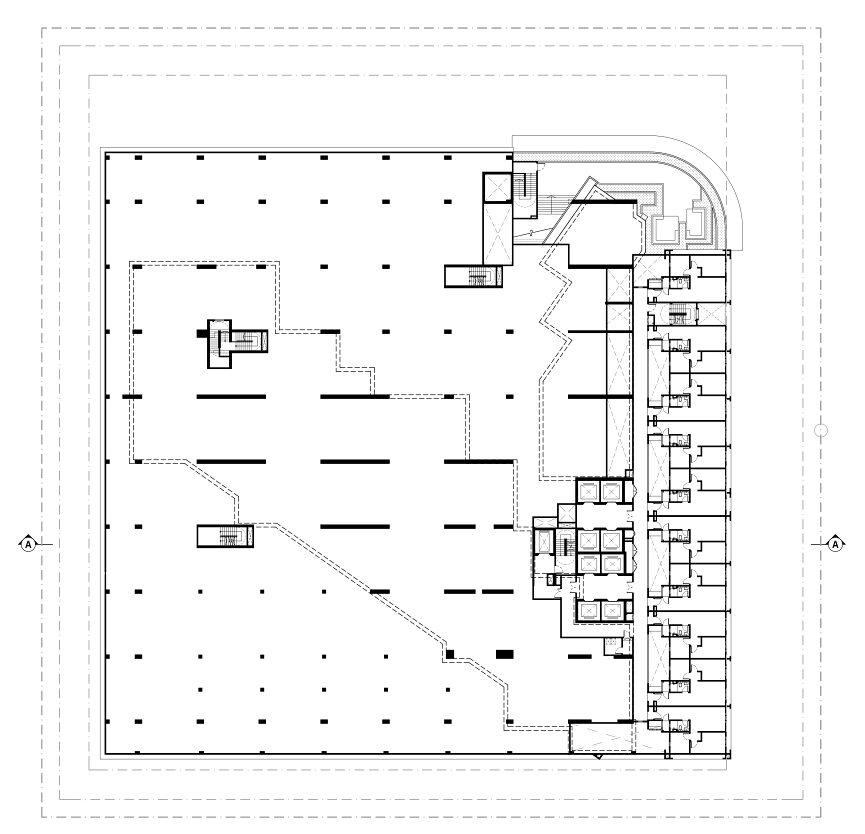
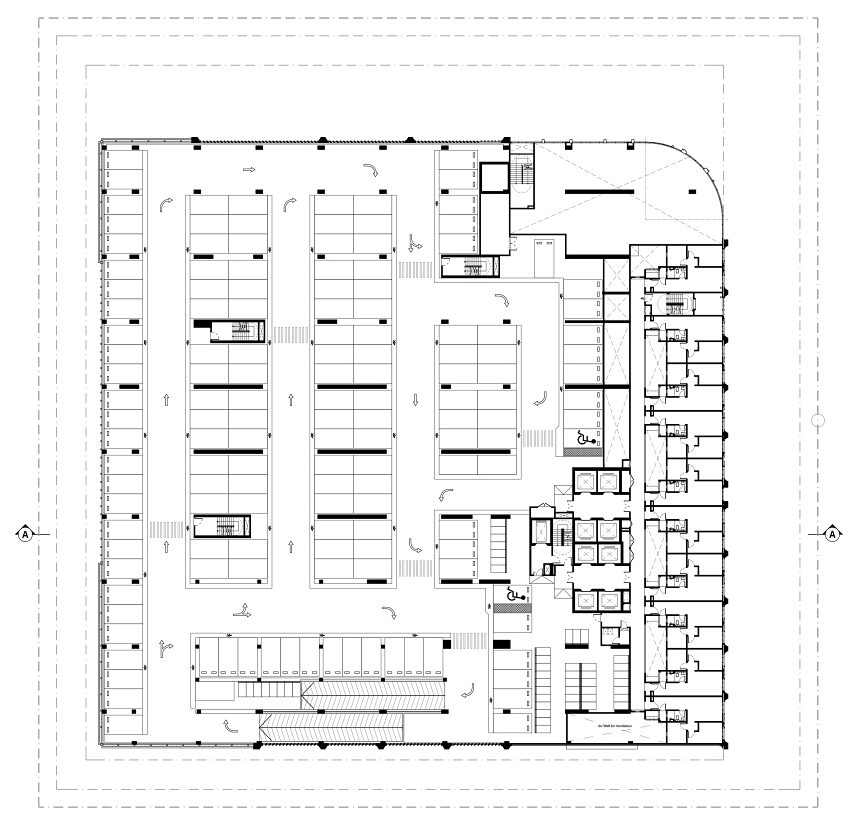
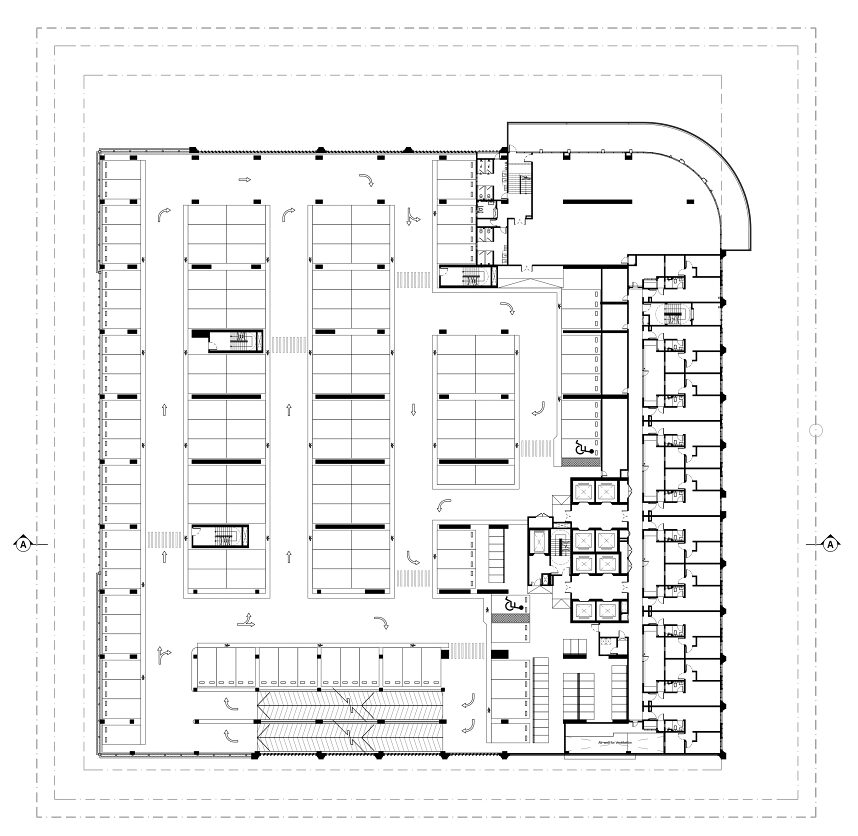
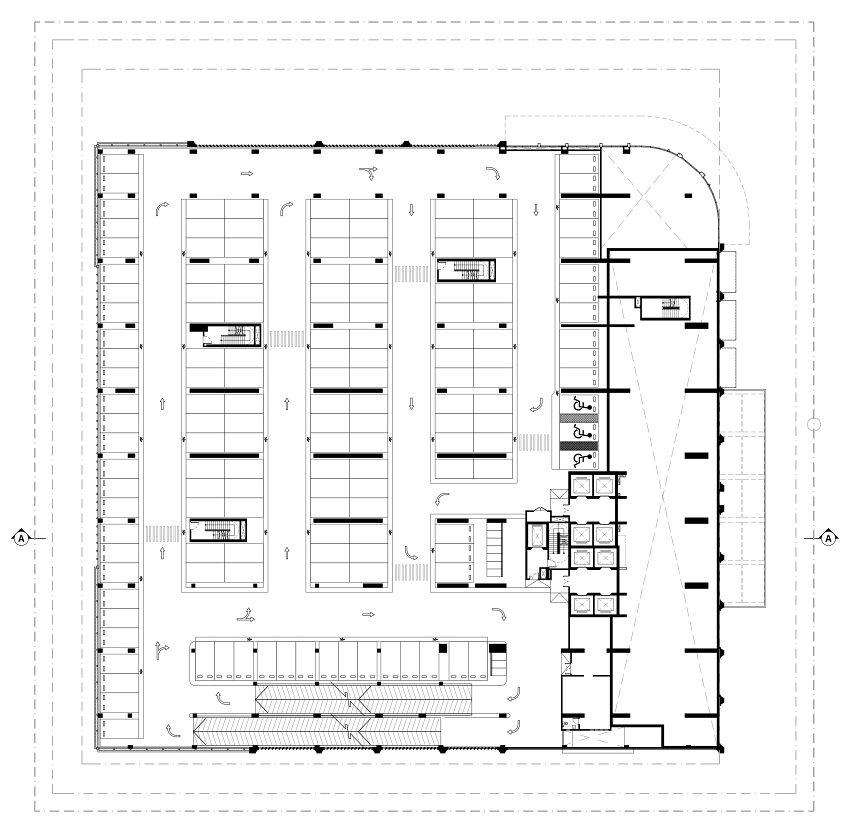
Clear separation of circulation ensures functional clarity. Dedicated vehicular entrances distinguish residential access at both ground level and sub-basement 2, and retail access at ground level. Residents transition from the public realm to the private domain via the main residential lobby located at sub-basement 2. The tower further shapes the spatial experience above. At Level 5, communal facilities are divided into two zones separated by the towers—one side accommodating more active, social functions, and the other supporting quieter, more contemplative uses. This spatial differentiation allows shared facilities to respond to varied lifestyles while maintaining coherence within the overall architectural composition.
GREEN DESIGN STRATEGIES
Green design strategies are integrated as fundamental components rather than applied add-ons. Photovoltaic panels are incorporated to offset energy use in common areas, while rainwater harvesting tanks collect and reuse water for landscape irrigation and common toilet flushing. At Level 5, generous greenery at the facilities deck provides not only communal gathering spaces but also contributes to microclimatic cooling and visual relief within the dense masterplan. The façade is also designed with performance glazing that meets RETV requirements, reducing heat gain and improving indoor thermal comfort for the residents. Internally and externally, low-VOC and durable paint are specified to improve indoor air quality.
Passive design strategies are prioritised, including façade shading, indoor quality for the corridor spaces, naturally ventilated common areas, and shaded transitional spaces at ground level. These strategies are not treated as additional compliances but are fundamental to the building’s form and performance.
ARCHITECTURAL RESOLUTION
D’Vine Residences resolves the demands of affordability, density, and architectural quality. The project demonstrates that cost-efficient and feasible development can still be spatially generous, environmentally responsive, and formally expressive.
Through considerations of form, articulated expression, and attention to everyday spatial experiences, the project reframes the perception of affordable high-rise living, where architecture can still provide an identity and spatial generosity within constraints. It demonstrates that even within pressures of density, architecture still remains a social and cultural act in shaping the community, improving the daily life, and contributing positively to the highly dense masterplan development.
LOCATION: Petaling Jaya, Selangor
CLIENT: Momentumace Sdn Bhd (A subsidiary company of EXSIM Group)
PRINCIPAL USE: Serviced Apartment
ARCHITECT: Ping Ng Architect
PROJECT PRINCIPALS: Ar Ng Ping Ping, Ar Lam Tuck Lone
PROJECT TEAM MEMBERS: Lim Vick Ter, Ng Khiong Sheng
DESIGN PERIOD: 2020–2021
CONSTRUCTION PERIOD: August 2021 – January 2025
DATE OF COMPLETION: 9 January 2025
SITE AREA: 10,273.5 sqm
FLOOR AREA: 168,649.12 sqm
PROJECT COST: RM 220,000,000
CONSTRUCTION COMPANY: Binastra Contruction (M) Sdn Bhd
CIVIL ENGINEER: DWP Perunding Sdn Bhd
M&E ENGINEER: JPK Associates Sdn Bhd
QUANTITY SURVEYOR: SCS QS Consult Sdn Bhd
LIGHTING: ESL Lighting (M) Sdn Bhd
LANDSCAPING: Just Right Design Sdn Bhd
OTHER BUILDING SUPPLIERS: Bostik Malaysia Sdn. Bhd. (Waterproofing), Guocera Sdn Bhd (Tiles), HHung Seng Aluminium & Glass Sdn Bhd (Aluminium & Glass), Bessco (Siphonic Rainwater System), Seven International Sdn Bhd (Aluminium Composite Panel)
MAIN MATERIALS: Grocera Tiles, Nippon Paint, Bostik Waterproofing, Dwell Sanitary Wares and Fittings, Bessco Siphonic, Sevenbond Aluminium Composite Panel
PHOTOGRAPHY: Act Studio Photography