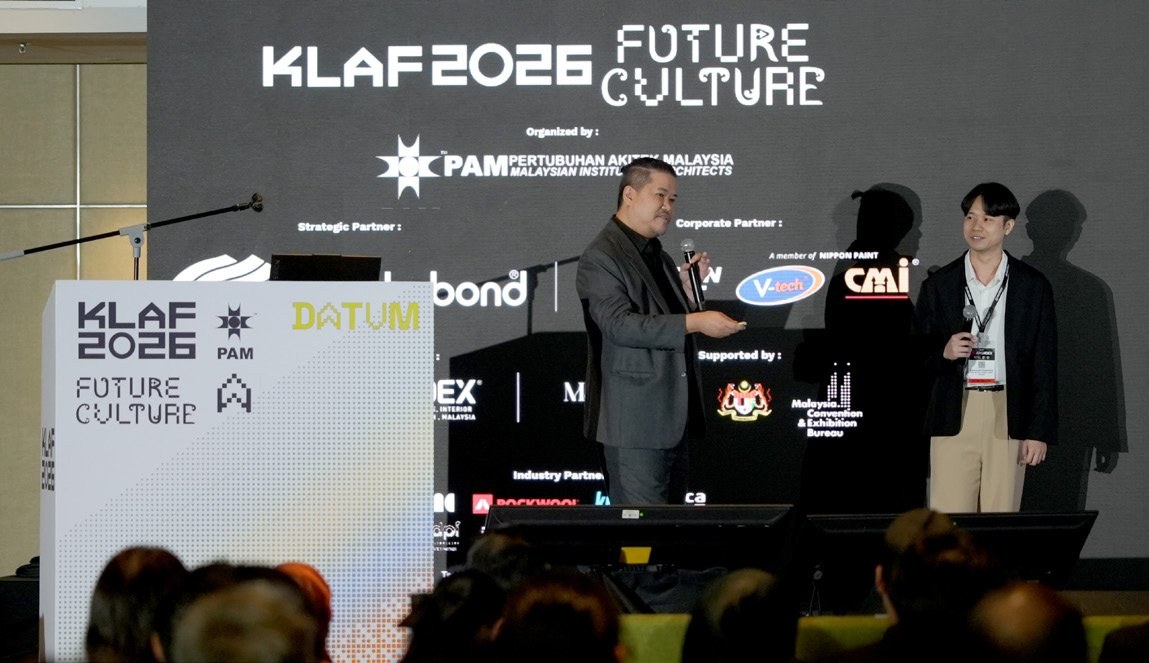
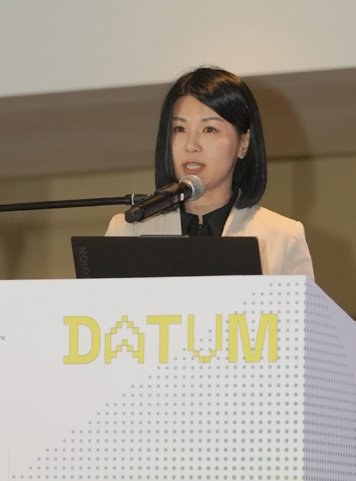
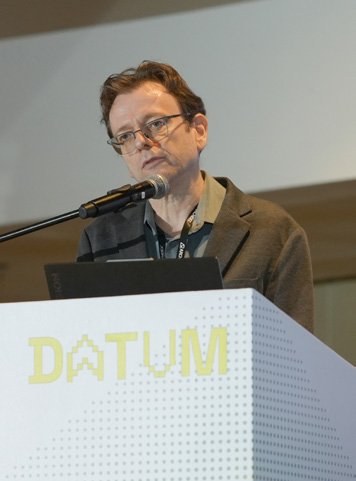
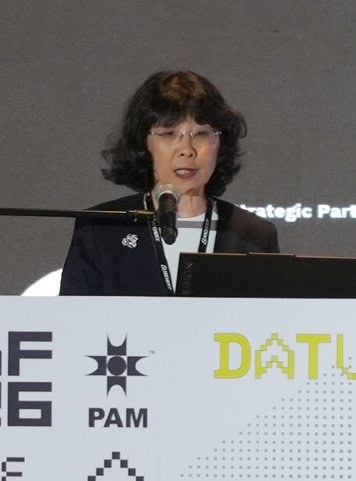
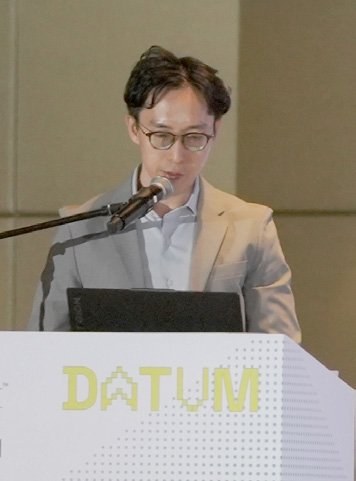
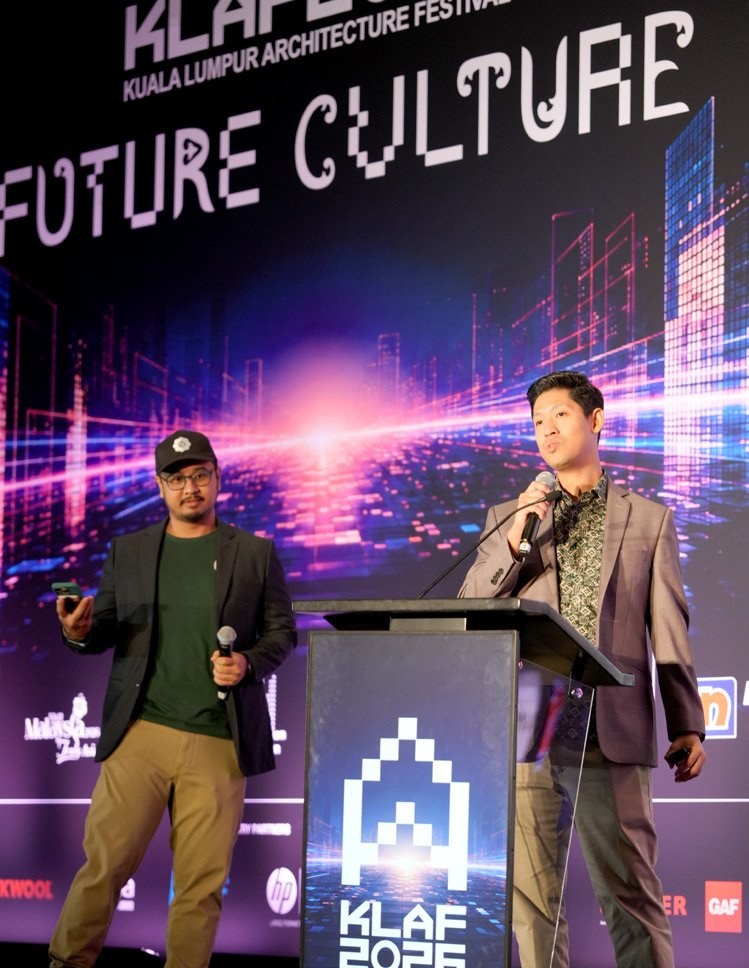
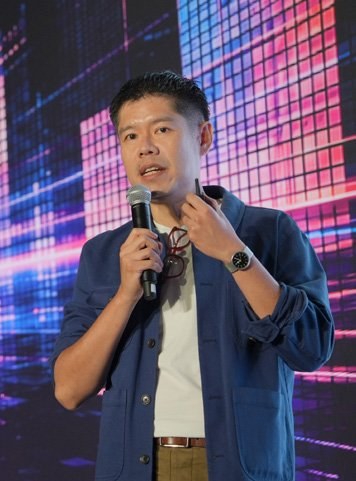
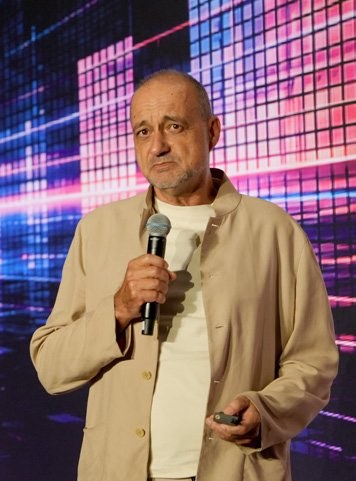
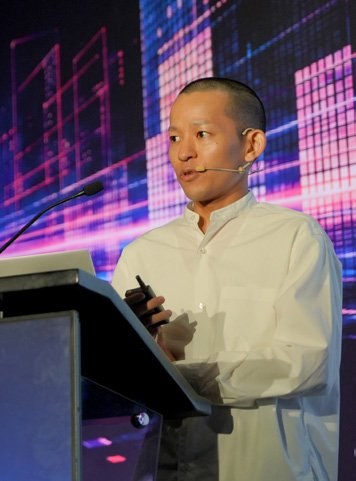
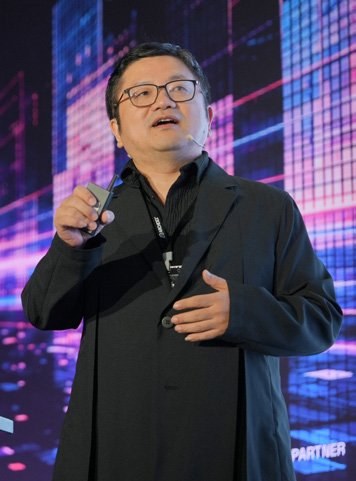
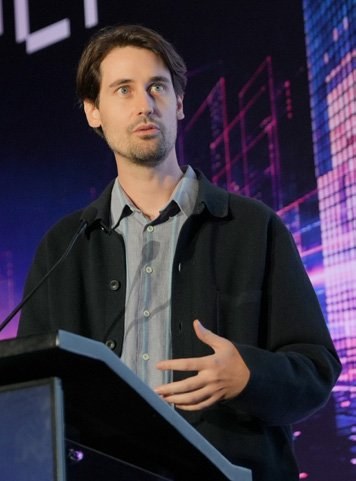
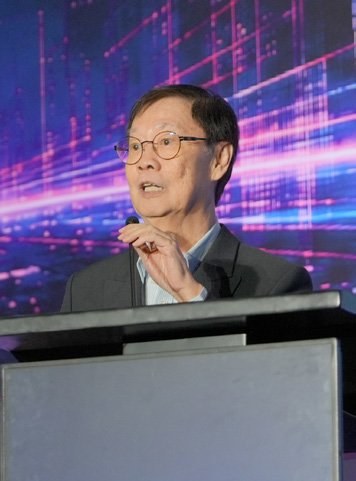
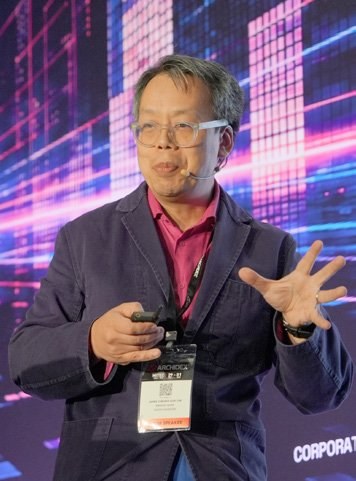
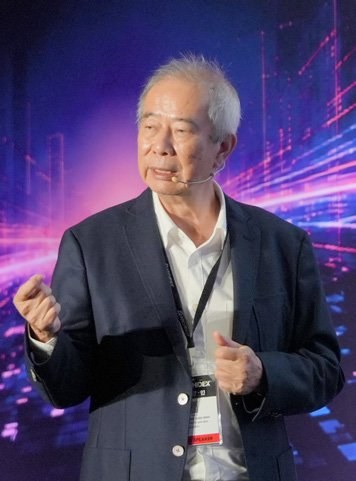
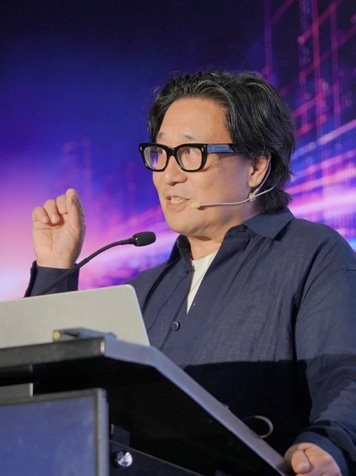
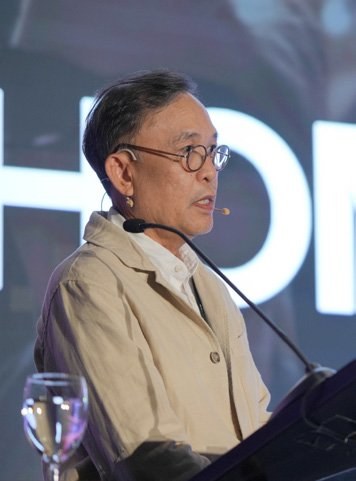
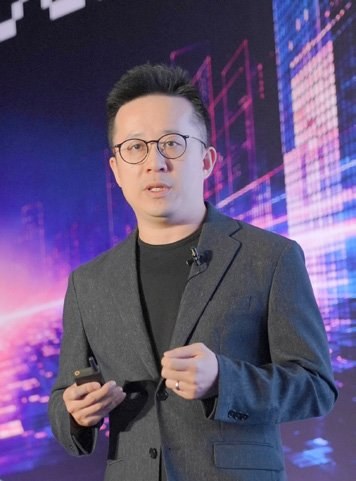
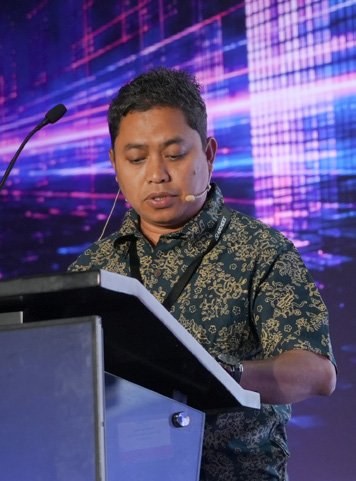
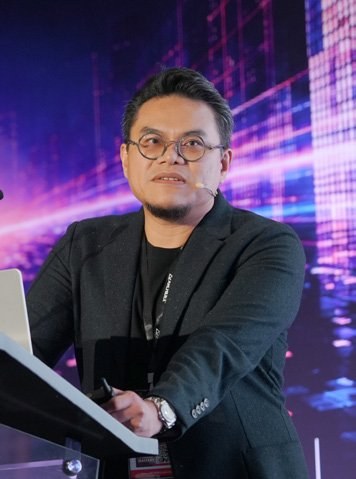
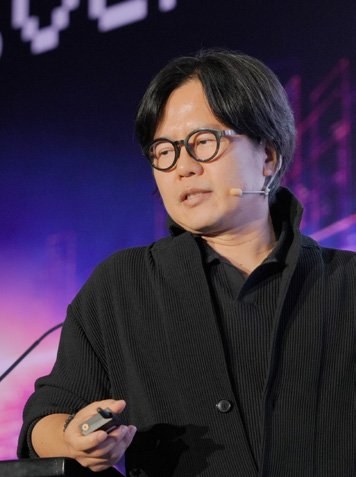
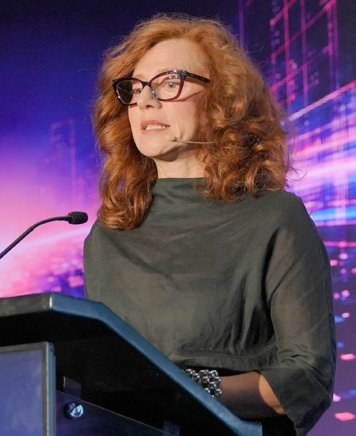
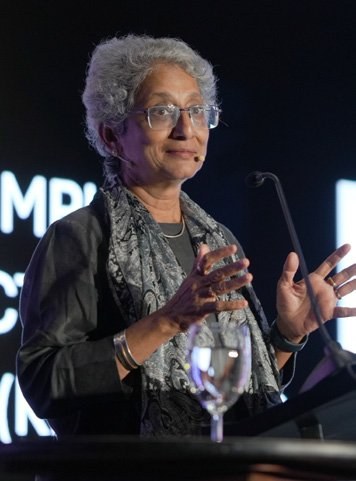
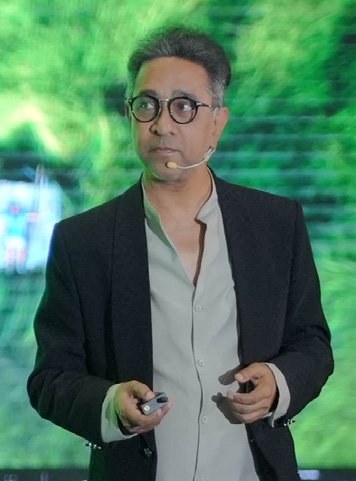
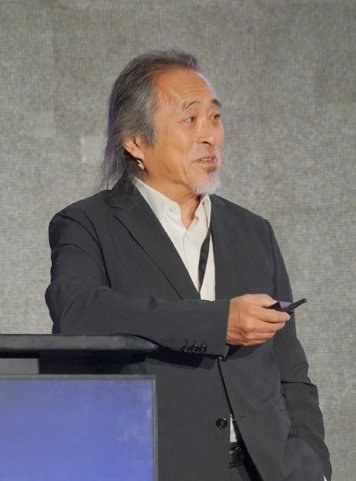
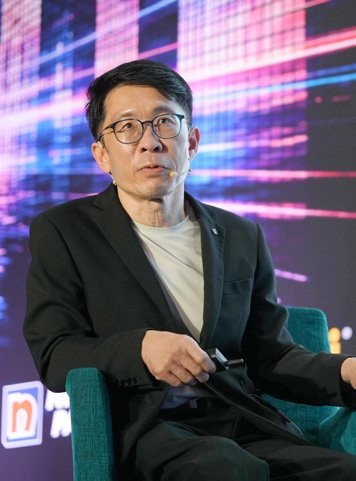
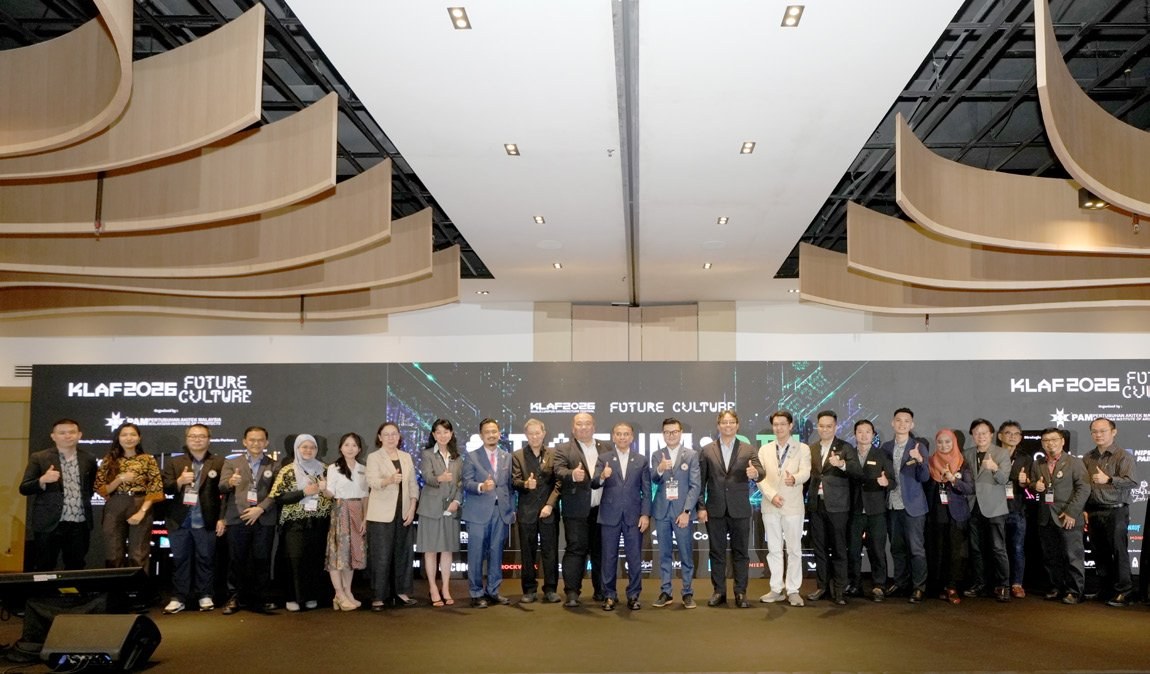
As KLAF Director Ar. Lim Gim Huang and KLAF Chief Curator Ar. Rien Tan shared, KLAF 2026 began with a simple yet provocative question: “What is the future of architecture without culture?” This question shaped the festival theme, “Future Culture,” inviting the built-environment community to consider how architecture can continue to evolve while remaining rooted in identity, place, people, and culture.
As one of the flagship programmes under the Kuala Lumpur Architecture Festival (KLAF) 2026, the DATUM Series brought together internationally renowned architects, designers, technologists, sustainability experts and thought leaders from across Asia and beyond. Across four days, more than 3,000 architects, designers, students, developers, consultants and industry professionals gathered to exchange ideas, challenge conventional thinking and collectively envision the future of the built environment.
The conference featured more than 25 international and regional speakers representing Malaysia, Singapore, China, Hong Kong, Japan, Thailand, South Korea, Indonesia, Bangladesh, Taiwan, India, Australia, the Netherlands, the United Kingdom and beyond.
2026 also marked the first-ever move of DATUM:KL to MITEC, where the conference achieved a record attendance of approximately 2,200 participants in a day — its highest since the pandemic. For the first time in DATUM’s history, tickets sold out before the conference began, marking a significant milestone in DATUM’s continued growth and relevance as one of Malaysia’s leading architectural platforms.
DATUM:GBI
29 July 2026, International Trade and Exhibition Centre (MITEC)
The DATUM Series commenced with DATUM: GBI, jointly organised with the Green Building Index (GBI), focusing on the future of sustainable architecture and regenerative urban development.
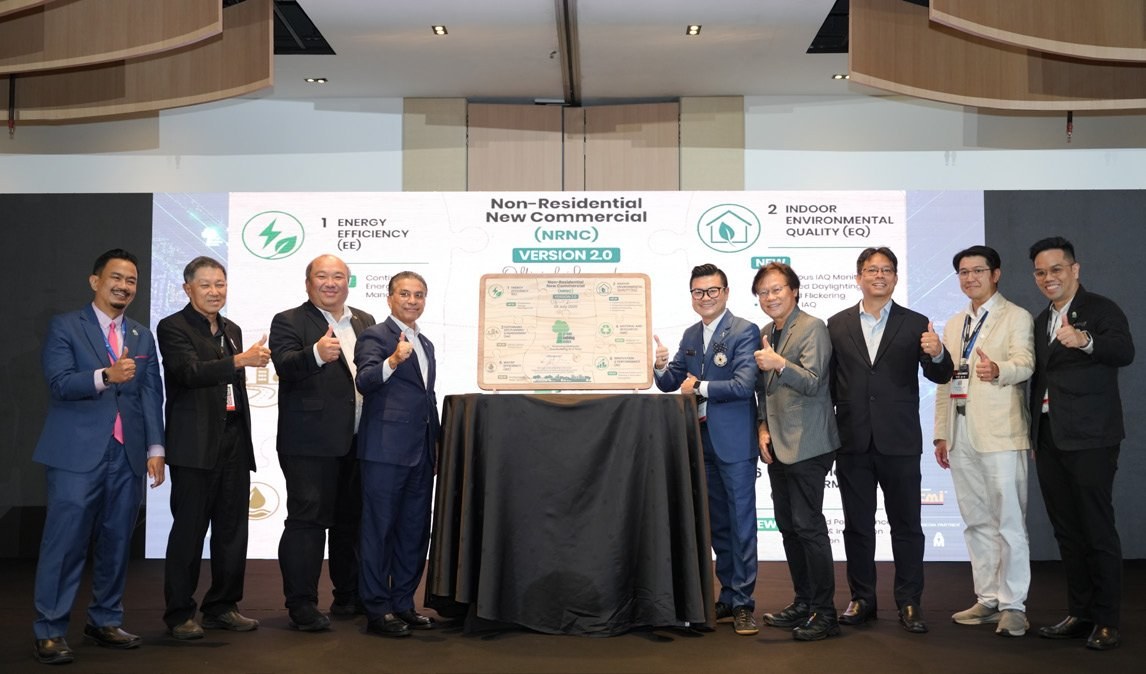
The opening address was delivered by the GBI convenor Khalisah Mthasnan, Ar. Lim Gim Huang, Ar. Rien Tan Kwon Chong and Ar. Sarly Adre Sarkum. The conference was also honoured by the presence of YB Tuan Syed Ibrahim Syed Noh, Deputy Minister of Natural Resources and Environmental Sustainability (NRES), who officiated the GBI launch ceremony. In his address, he emphasised Malaysia’s commitment towards achieving national sustainability goals and highlighted the indispensable role of architects, planners and engineers in creating climate-resilient cities. He encouraged the industry to accelerate the adoption of green building practices, recognising architecture as an important contributor towards reducing environmental impact while improving quality of life. The ceremony was attended by distinguished leaders from both PAM and GBI, including:
• Ar. Dexter Koh Yew Peng, President of PAM and Chairman of the Board of Directors, Green Building Index
• Ir. Chong Chew Fan, Board of Directors, Green Building Index
• Adjunct Professor Ar. Dr Tan Loke Mun, Board of Directors, Green Building Index
• Ar. Hoi Jung Wai, Board of Directors, Green Building Index
• Ar. Chan Seong Aun, Chairman, GBI Accreditation Panel
• Ar. David Teoh Wui Leng and Ir. Foo Kam Fai, GBI Accreditation Panel Members
• Ar. Sarly Adre Sarkum, CEO, Green Building Index
• Ir. Au Chong Hun, Head of GBI NRNC Tool Development Committee
• Ar. Lim Gim Huang, Director of KLAF 2026
• Ar. Rien Tan Kwon Chong, Chief Curator of KLAF 2026
• Khalisha Mthasnan, DATUM:GBI Convener
The programme was honoured to celebrate the launch of GBI tools 2.0, presented by Ir Au Chong Hun, who effectively laid out the new GBI rating logic and applications for all building-in-dustry environmental and ecological standards.
The programme featured internationally respected practitioners including LANDPROCESS (Thailand), Praxis Design, Grant Associates, and Kuee Architecture together with BSD Consultancy. Their presentations demonstrated how ecological landscapes, biodiversity, green infrastructure and low-carbon design are becoming integral components of contemporary architecture rather than optional additions. Sajjapongs Lekuthai and Kornkanokrit Chauprampare of LANDPROCESS (Thailand) presented landscape-led urban strategies that transform ecological systems into resilient public infrastructure. Through award-winning waterfronts, parks and urban regeneration projects, they demonstrated how landscape architecture can simultaneously improve biodiversity, manage water resources and strengthen social connectivity.
Representing Praxcis Design, Yap Nga Tuan shared the firm’s holistic approach towards architecture that harmonises buildings with nature. Through carefully crafted hospitality and commercial projects, she illustrated how passive environmental strategies, biophilic design and contextual planning can create spaces that are both environmentally responsible and enriching for occupants.
International landscape architect Stefaan Lambreghts of Grant Associates showcased globally acclaimed projects that integrate ecology, public space and urban regeneration. His presentation emphasised that successful landscapes are not merely aesthetic interventions but living systems that restore ecosystems while creating vibrant civic environments.
Shyuan Kuee of Kuee Architecture and Chua Ang Tze of BSD Consultancy demonstrated how close collaboration between architects and sustainability consultants enables high-perfor-mance buildings without compromising architectural quality. Their case studies highlighted practical pathways towards achieving Green Building Index certification while balancing design excellence, operational efficiency and user wellbeing.
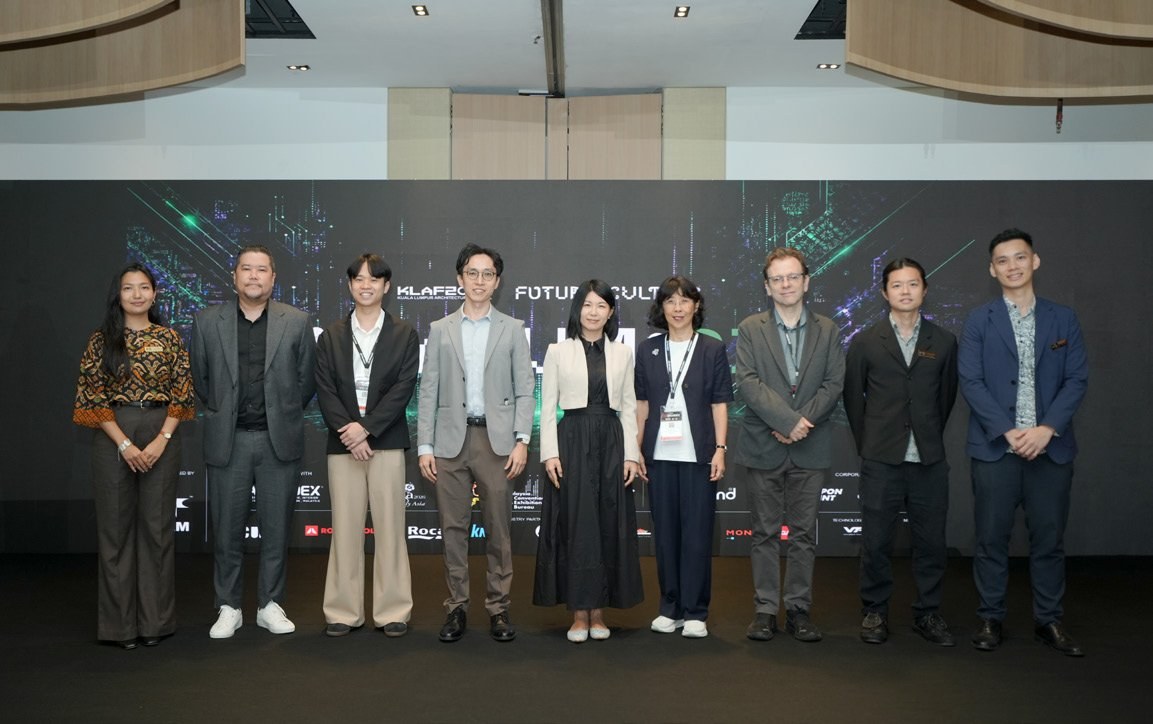
The conference demonstrated that sustainability has evolved beyond energy efficiency to encompass ecological restoration, resilient infrastructure and long-term environmental stewardship. Speakers consistently reinforced the idea that architects have the responsibility not only to minimise environmental impact but also to actively regenerate natural systems and improve the quality of urban life.
DATUM:PLUS
30 July 2026, International Trade and Exhibition Centre (MITEC)
The second programme, DATUM:PLUS, convened by Ar. IDr Syukran Muhaiyuddin, explored architecture beyond buildings, examining the relationship between people, culture, communities and everyday living.
Speakers from Malaysia, Australia, Japan and Thailand presented projects demonstrating how architecture can improve quality of life regardless of project scale. Presentations included community-driven rural developments, adaptive housing, compact urban living, minimalist design philosophies and contemporary interpretations of vernacular architecture.
Rather than focusing on iconic buildings, DATUM:PLUS celebrated architecture’s ability to create meaningful experiences through thoughtful spatial planning and humancentred design.
Ash Raja and Jon Dexter, founders of Small Towns, opened the session by sharing their extensive documentation of Malaysia’s lesser-known towns and rural communities. Their presentation highlighted how local economies, vernacular architecture and everyday cultural practices contribute significantly to national identity. They encouraged architects to engage more deeply with existing communities and recognise the value of ordinary places that are often overlooked by conventional urban development.
Australian-Malaysian designer Colin Chee, founder of Never Too Small, explored innovative housing solutions responding to increasing urban density. Through carefully curated examples of compact living from around the world, he demonstrated how intelligent spatial planning can transform limited floor space into comfortable, highly functional homes while promoting sustainability by reducing resource consumption.
Internationally acclaimed Japanese designer Tsubasa Shindo of Nendo offered insights into minimalist and graphic design philosophy and the emotional relationship between people and space. His presentation illustrated how subtle interventions, simplicity and meticulous attention to detail can create meaningful architectural experiences while responding sensitively to human behaviour.
Completing the programme, Markus Roselieb of Chiangmai Life Architects & Construction showcased innovative bamboo architecture that combines traditional craftsmanship with contemporary engineering. His projects demonstrated how locally sourced renewable materials can create structurally sophisticated, environmentally responsible and culturally authentic buildings, providing compelling alternatives to conventional construction methods.
DATUM: PLUS highlighted that architecture’s greatest value often lies in its ability to strengthen communities, celebrate cultural identity and improve daily life. The speakers collectively demonstrated that meaningful architecture is measured not by scale or iconic form, but by its lasting social impact and its ability to respond thoughtfully to local contexts.
DATUM:TECH
The afternoon session shifted attention towards the rapidly evolving relationship between architecture and technology. Convened by Ar. Raymond Chan, DATUM:TECH gathered experts from Malaysia, China, the Netherlands and the United Kingdom to discuss digital innovation, artificial intelligence, computational design, immersive technology and robotic applications within the built environment.
Speakers explored how AI, digital fabrication, mixed reality, and data-driven design workflows are transforming architectural practice from conceptualisation through construction to facility management. The relationship among the discourses presented by Virtualtech Frontier, Tongji University, Studio RAP, Mamou-Mani Architects, I-City, SA Architects, and AGIBOT demonstrated how technological advancement is expanding creative possibilities while improving efficiency and sustainability.
Kendrick Tan, Managing Director of Virtualtech Frontier, demonstrated how immersive technologies, including Virtual Reality (VR), Augmented Reality (AR), Extended Reality (XR), and Artificial Intelligence, are revolutionising design communication and public engagement. His presentation showcased how digital experiences can bridge the gap between conceptual design and real-world understanding.
Professor Philip Yuan of Tongji University presented groundbreaking research in robotic fabrication, computational design and advanced digital construction. Through experimental projects using robotics and AI-assisted manufacturing, he demonstrated how architecture is entering an era in which complex geometries and material optimisation are becoming increasingly achievable.
Representing Studio RAP, Lucas ter Hall explored how computational design and robotic fabrication are transforming architectural ornamentation and façade production. His presentation illustrated how digital workflows allow architects to achieve greater precision, reduce waste and unlock entirely new design possibilities.
James Cheung of Mamou-Mani Architects presented experimental timber structures and digitally fabricated installations that merge sustainable materials with computational design. His work demonstrated how innovative technologies can support circular construction while producing expressive architectural forms.
The programme concluded with a joint presentation by Dato’ Eu Hong Chew, founder of I-City, and Ar. Tony Mak, representing SA Architects, Malaysia, exploring the integration of artificial intelligence, robotics, and smart city technologies into future urban developments. Their discussion highlighted how AI-powered systems are beginning to influence building operations, user experience and urban management.
DATUM:TECH reinforced the idea that technological innovation should enhance, rather than replace, architectural creativity. The speakers collectively argued that digital tools, AI and robotics are most powerful when they support humancentred design, enabling architects to solve increasingly complex environmental and social challenges.
DATUM:KL
31 July – 1 August 2026, International Trade and Exhibition Centre (MITEC)
As the signature conference of the DATUM Series, DATUM: KL concluded the four-day programme with two days of internationally acclaimed architectural discourse centred around the KLAF 2026 theme, “Future Culture.”Convened by Ar. Lee Maw Jia and Chief Curator, Ar. Rien Tan, the conference featured twelve distinguished architects representing diverse cultural backgrounds and design philosophies, providing participants with valuable perspectives on architecture’s evolving role in shaping future societies.
The opening ceremony welcomed Dato’ Ar. IDr Azman Md Hashim, President of the Board of Architects Malaysia (LAM), who delivered the official welcome address, followed by a speech on KLAF, DATUM, framed by KLAF director Ar. Lim Gim Huang and Chief Curator Ar. Rien Tan.
In Dato’ Ar. IDr Azman’s speech, he emphasised that architects today carry responsibilities extending far beyond designing buildings. He encouraged the profession to embrace innovation while safeguarding cultural identity, highlighting the importance of interdisciplinary collaboration, ethical practice and continuous professional development |in responding to future challenges.
Throughout the two-day conference, speakers explored topics ranging from tropical architecture and cultural identity to urban regeneration, material innovation, adaptive reuse, environmental responsibility, and future cities. International speakers included representatives from China, Singapore, Hong Kong, Indonesia, Thailand, South Korea, the United Kingdom, India, Bangladesh, Taiwan and Malaysia, each presenting projects that demonstrated how local contexts can inform globally relevant architectural solutions.
Chinese-based architect Lyndon Neri shared his internationally recognised work on adaptive reuse, liminal and contextual architecture, illustrating how memory, craftsmanship and cultural heritage can be thoughtfully blurred into contemporary design.
Singapore’s Lim Koon Park explored tropical architecture that balances high-density urban development with nature, demonstrating how climatic responsiveness and greenery can coexist within modern cities. Representing Hong Kong, Otto Ng presented innovative commercial and mixed-use projects where sustainability, urban density and public engagement are seamlessly integrated.
From Indonesia, Andy Rahman shared projects rooted in local materials, tropical climates and community participation, illustrating how architecture can strengthen cultural identity while responding to contemporary needs. Thai architect Jeravej Hongsakul showcased refined architectural works that emphasise craftsmanship, spatial atmosphere and timeless simplicity through sensitive material expression.
South Korean architect Jeong Hoon Lee discussed civic and cultural architecture that strengthens public engagement while carefully responding to its surrounding urban context. Representing ZHA Architects, Paola Cattarin offered valuable insights into computational design, complex geometries and integrated digital workflows, demonstrating how advanced technologies support the delivery of world-class architectural projects.
Indian architect Chitra Vishwanath highlighted decades of pioneering work in sustainable architecture, advocating low-energy buildings, local materials and climate-responsive design that remain deeply connected to communities. Bangladesh’s Rafiq Azam shared internationally celebrated residential and institutional projects that seamlessly weave nature, water, and architecture together, reinforcing the importance of human well-being in dense urban environments.
Taiwanese architect Kris Yao reflected on architecture as a cultural and philosophical expression, presenting landmark projects that combine timeless elegance with meticulous attention to place-making and public life. Representing Malaysia, Ar. Choo Gim Wah concluded the programme by demonstrating how contemporary Malaysian architecture can celebrate tropical living through contextual design, artistic expression, environmental sensitivity, and refined craftsmanship.
Across two days of presentations, DATUM:KL illustrated that architecture is ultimately about people, culture and place. Although the speakers represented diverse regions and design philosophies, they shared common values: respect for local context, environmental responsibility, innovation through technology and a commitment to creating meaningful spaces that enrich everyday life.
The conference concluded with a memorable surprise performance by AGIBOT, where a humanoid robot took centre stage to demonstrate the growing convergence between robotics, artificial intelligence and the built environment. More than a technological showcase, the performance served as a symbolic finale to the entire DATUM Series, encapsulating KLAF 2026’s vision of “Future Culture”, a future where human creativity, technological innovation and sustainable design evolve together to shape the next generation of architecture.
The closing of DATUM:KL was once marked by an unexpected and memorable moment — a special robot dance performance presented by AGI-BOT. AGIBOT performed a traditional Malay dance and a breakdance session to conclude the 4-day DATUM conference in a debatable cultural fashion.
The surprise showcase captivated the audience by demonstrating the growing convergence between robotics, artificial intelligence and the built environment. Beyond entertainment, the performance symbolised the architectural profession’s transition into an era where human creativity and intelligent technologies increasingly coexist.
Across four conferences, DATUM 2026 successfully established itself as one of the region’s premier architectural knowledge platforms. The programme delivered internationally relevant discussions while remaining grounded in Malaysia’s aspirations for sustainable development, technological advancement and cultural preservation.
Collectively, DATUM GBI, PLUS, TECH and KL illustrated that the future of architecture cannot be addressed through a single discipline alone. Instead, it requires continuous collaboration between architects, landscape architects, engineers, policymakers, technologists, academics and communities.
By bringing together world-renowned speakers alongside regional practitioners, DATUM 2026 fostered meaningful dialogue that challenged participants to rethink architecture not merely as the creation of buildings, but as a catalyst for environmental stewardship, cultural continuity, technological innovation and human progress.
As a cornerstone programme of KLAF 2026, the DATUM Series reaffirmed Kuala Lumpur’s position as an important platform for international architectural exchange and reinforced Malaysia’s growing role in shaping conversations on the future of the built environment.