CRAFTING A CONTEMPORARY HOSPITALITY LANDMARK
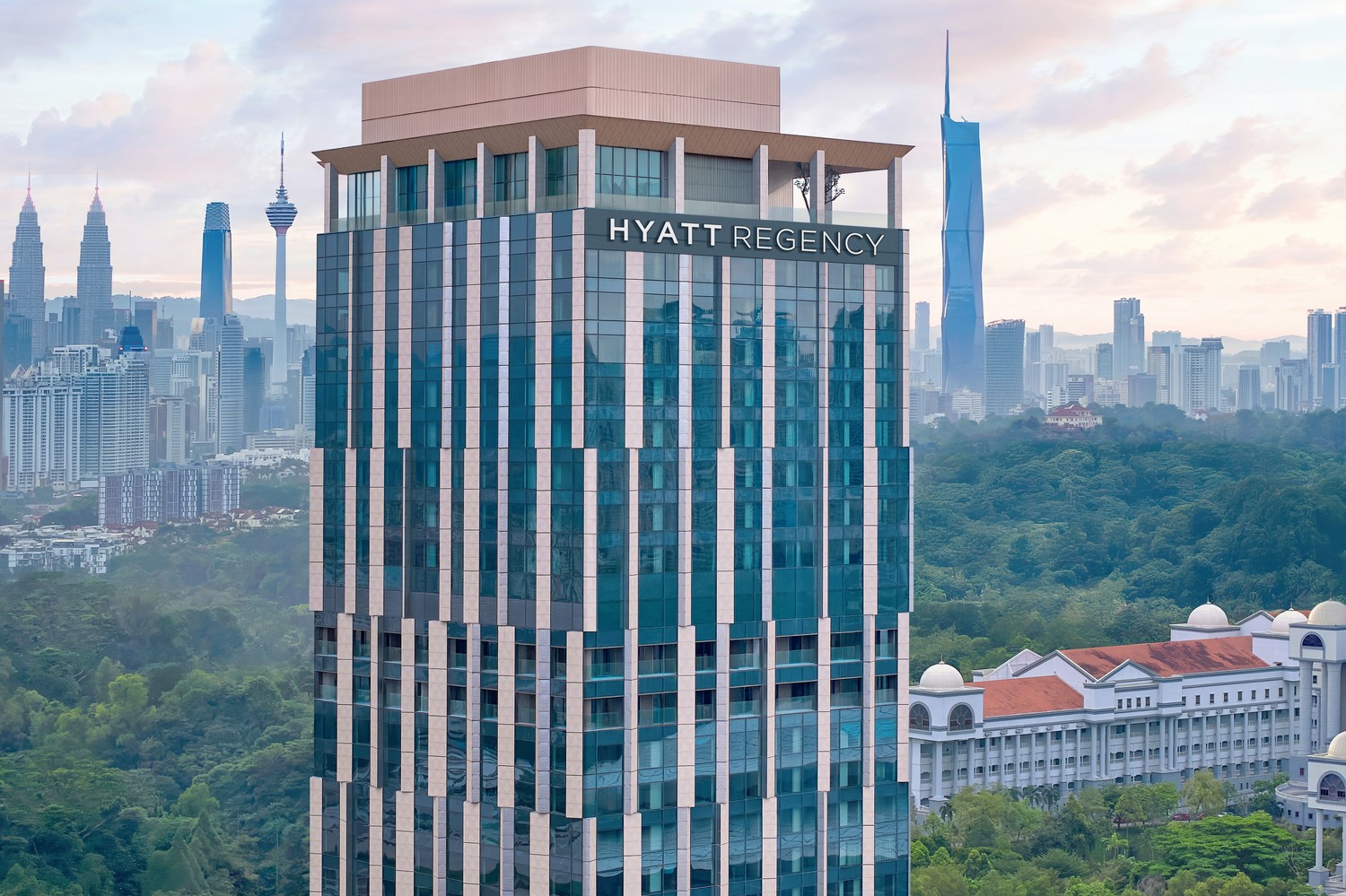
Within the fast-growing KL Metropolis district, the 32-storey Hyatt Regency Kuala Lumpur emerges as both an urban landmark and a cultural narrative expressed through architecture. Conceived as a convention hotel and city retreat, the project responds to Kuala Lumpur’s expanding role as an international destination for business, exhibitions, and global events while grounding its design in distinctly Malaysian references.
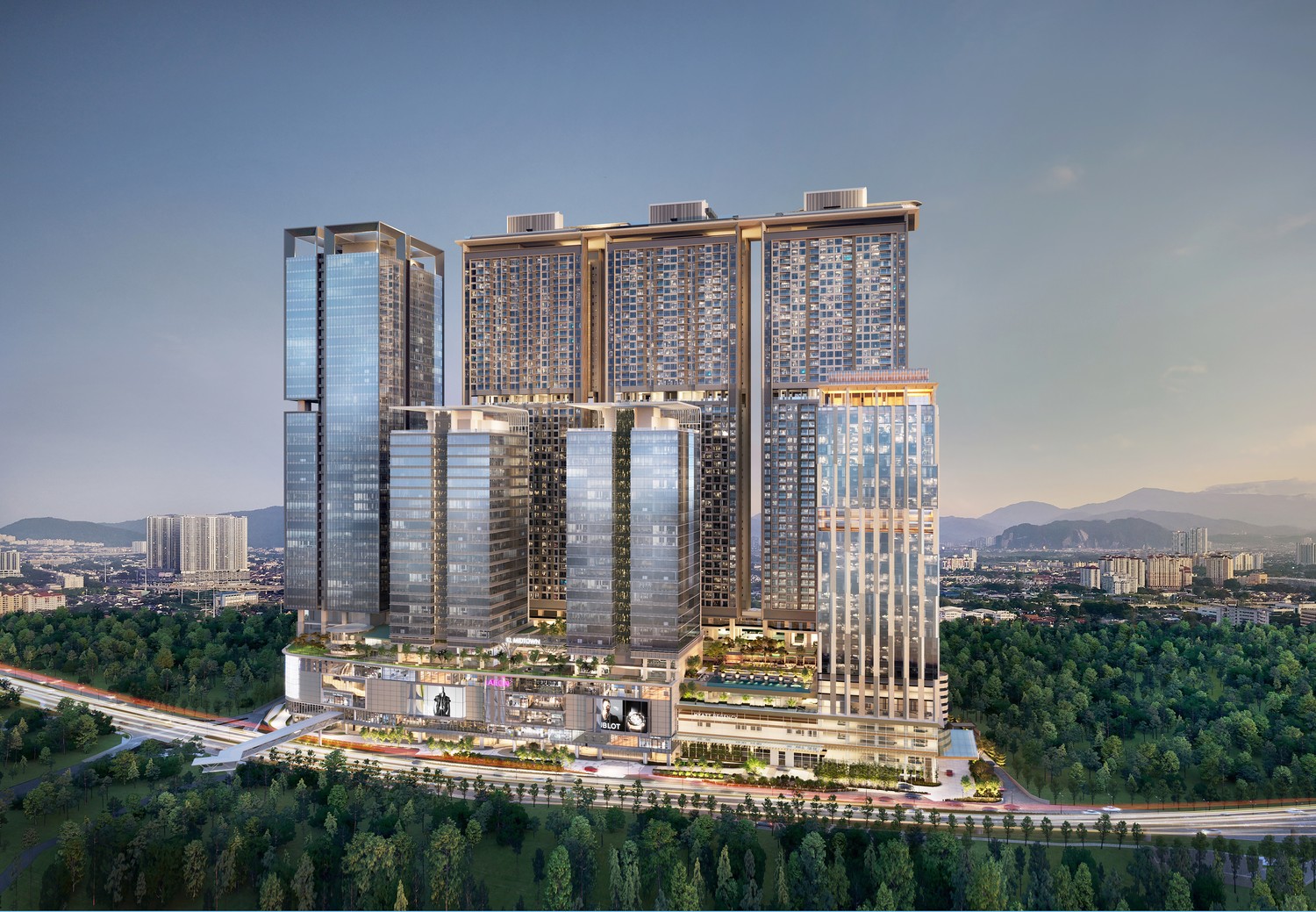
The hotel and branded residences form part of KL Midtown, an 8.95-acre mixed-use development envisioned as a dynamic live-work-play precinct integrating hospitality, residences, retail, and commercial spaces. As the broader KL Metropolis district evolves into a regional and international hub for Meetings, Incentives, Conventions and Exhibitions (MICE), the development forms part of a dense yet highly connected urban ecosystem that supports a dynamic mix of business, commercial, tourism and lifestyle activities.
Its strategic location beside the Malaysia International Trade and Exhibition Centre (MITEC) positions the hotel as a natural extension of the district’s convention infrastructure. A dedicated pedestrian link bridge connects the property directly to the exhibition centre, allowing seamless movement for delegates and visitors. Future MRT connectivity will further integrate the development within Kuala Lumpur’s expanding transit network, reinforcing the district’s accessibility and long-term urban vision.
Architecturally, the tower draws inspiration from Malaysia’s historic tin mining industry, once a major driver of the country’s economic and urban development. This narrative is reinterpreted through the building’s façade, where hammered, textured metal panels evoke the tactile quality of traditional tinwork. Rather than serving purely decorative purposes, the panels are arranged at varied angles across the building envelope to produce a layered architectural expression.
As daylight moves across the surface, reflections and shadows animate the façade, giving the tower a dynamic visual identity that shifts throughout the day. The design also functions as a passive environmental strategy, helping reduce solar heat gain while shading interior spaces—an approach that balances aesthetic expression with climatic responsiveness.
At ground level, the architecture shifts from the tower’s vertical intensity to a more human-scaled arrival sequence. Guests approach through a landscaped drop-off framed by a dramatic canopy composed of layered timber louvres and glass. The canopy filters daylight while maintaining visual openness, creating a transitional threshold that softens the building’s relationship with the surrounding city.
Together with its branded residences, the development comprises 410 accommodations, including 306 guestrooms and 104 serviced suites. Designed to cater to international business travellers as well as leisure guests, the hotel integrates a broad spectrum of hospitality and lifestyle amenities.
A grand ballroom capable of hosting up to 1,000 guests serves as the centrepiece of the event facilities, allowing the property to host large conventions, corporate functions, and social gatherings. Complementing this are a series of flexible meeting and conference rooms designed to support smaller business events and gatherings.
The hotel’s dining programme includes an all-day dining restaurant alongside two specialty restaurants offering diverse culinary experiences. Recreational facilities such as two swimming pools, a 24-hour fitness centre, and a kids’ club further expand the amenities, ensuring the development caters to a wide range of guests and travel profiles.
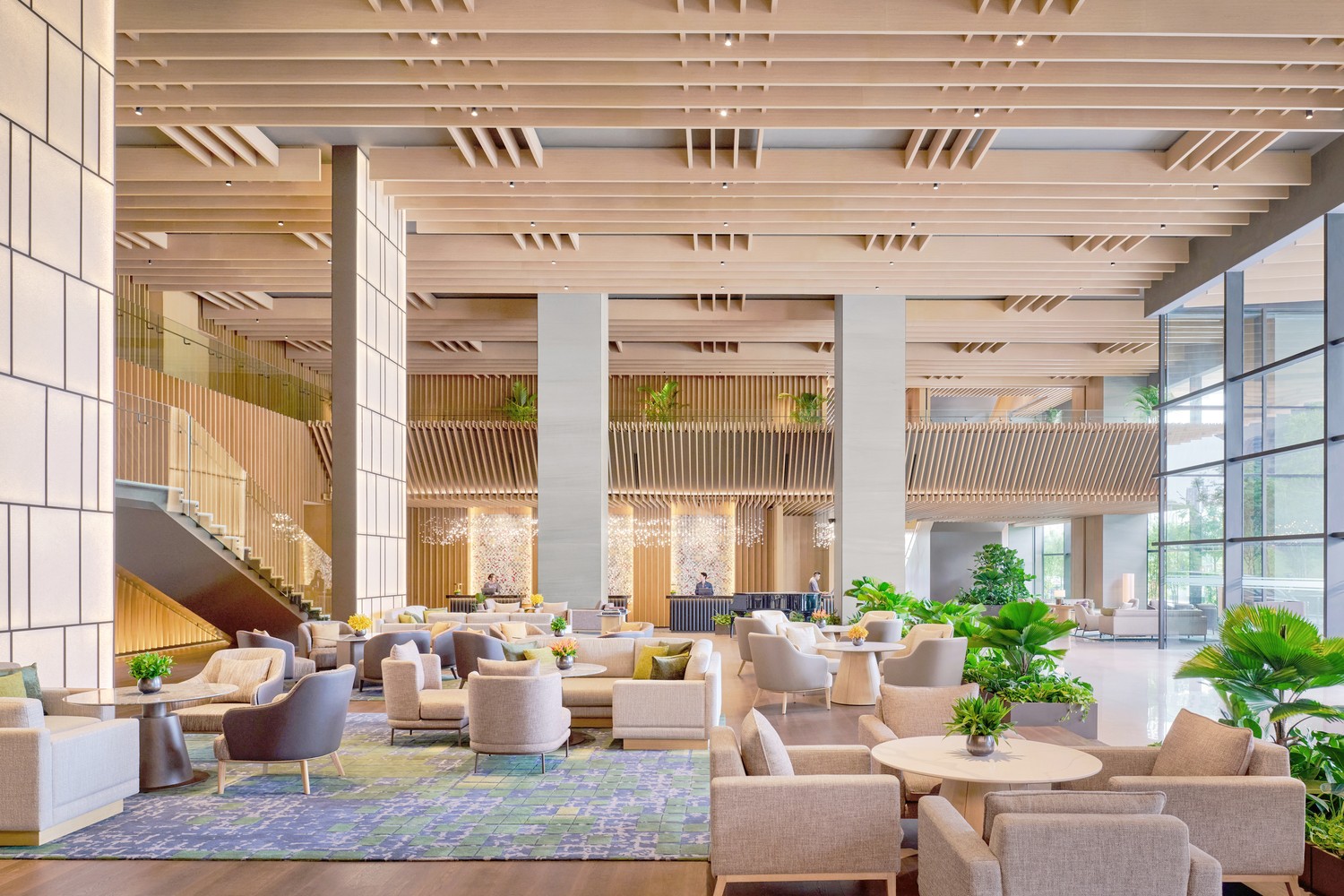
Inside, the design language celebrates Malaysia’s cultural richness through carefully selected materials, textures, and references to craft. The lobby unfolds into a warm, tactile environment where natural finishes and indigenous tones create an inviting sense of place. At its centre, a sculptural lobby bar inspired by the hibiscus, Malaysia’s national flower, acts as a symbolic focal point within the arrival space.
Cultural influences continue into the dining areas, where Peranakan tiles are paired with traditional timber elements to reflect Malaysia’s layered architectural heritage. Timber-louvred ceilings, textured illuminated walls, and artisanal finishes introduce rhythm and depth throughout the public interiors.
Craft traditions are further expressed in meeting rooms and club lounges through handwoven rattan ceiling panels that celebrate local weaving techniques. Across the interiors, pixelated interpretations of traditional Malaysian motifs reinterpret heritage patterns through a contemporary graphic lens, bridging craft with modern hospitality design.
Weaving hospitality residences and convention-oriented programmes into a refined urban sanctuary, the development combines landscaped public realms, carefully articulated façades and interiors informed by Malaysian craft traditions.
Public spaces extend outward into an outdoor courtyard, bar, and lounge areas that invite guests to experience the tropical climate in shaded open-air settings. Framed by lush planting and layered seating, these spaces foster social interaction while strengthening the relationship between architecture and landscape.
Through the careful integration of cultural storytelling, environmental responsiveness, and contemporary design strategies, Hyatt Regency Kuala Lumpur establishes a distinctive presence within KL Metropolis. The project balances the intensity of a convention-driven urban district with moments of warmth, craft, and greenery, creating a hospitality destination that reflects both Malaysia’s cultural identity and the ambitions of a modern global city.
Weaving hospitality residences and convention-oriented programmes into a refined urban sanctuary, the development combines landscaped public realms, carefully articulated façades and interiors informed by Malaysian craft traditions.