
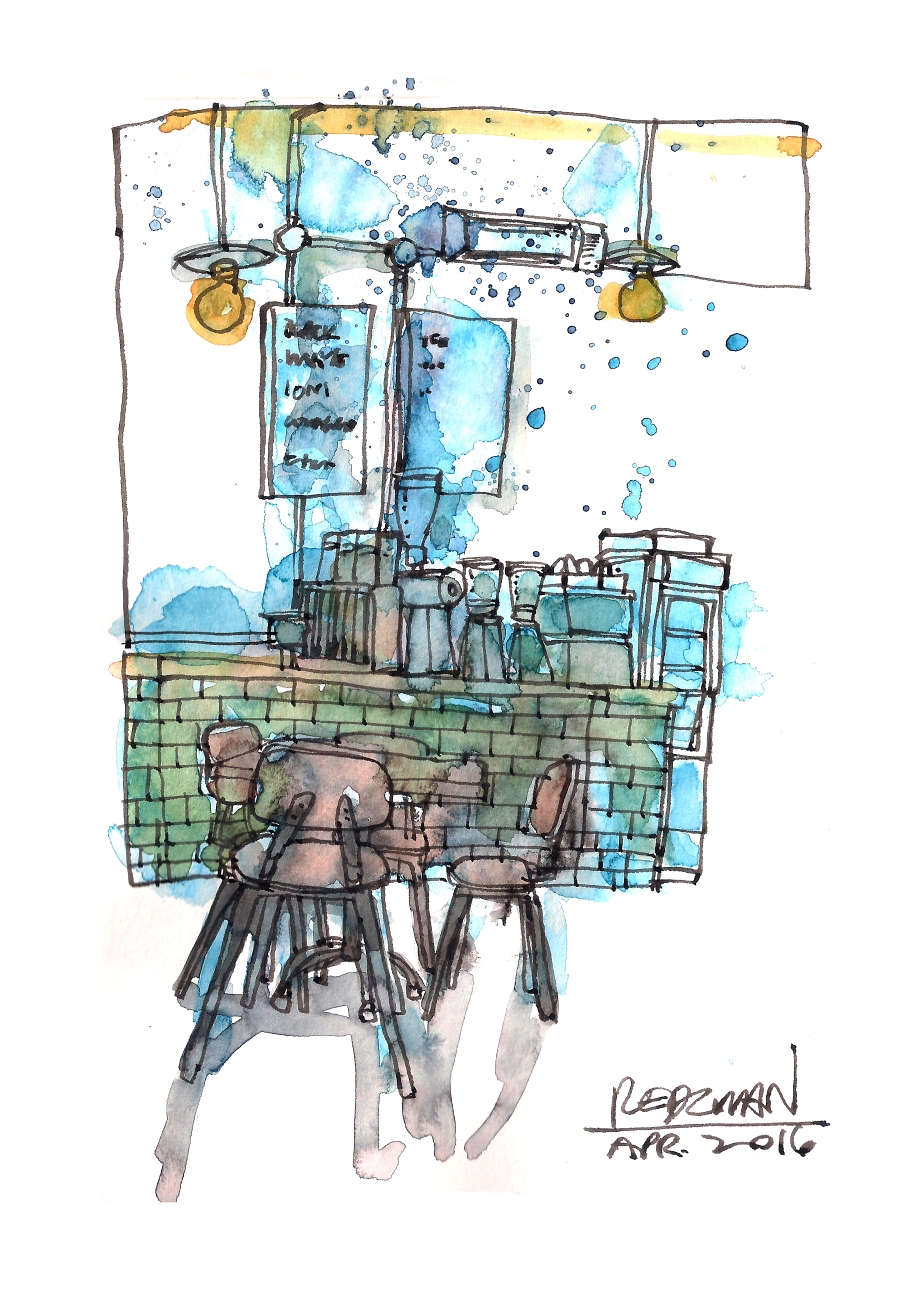
A visual journal rarely begins as a grandiose scheme. Most of the time, it starts quietly, with a pen nearby, a blank page, and a few stolen minutes between things like a small pocket of stillness where thinking slows down and seeing becomes a deliberate act. There is no announcement, no pressure to make something impressive. You simply open the book and begin. In that small, ordinary act, a ritual begins to take shape.
Keeping a visual journal is less about producing drawings and more about showing up. Some days, the page fills quickly with sketches, notes, arrows, and half-thoughts that tumble out faster than the hand can keep up. Other days, it holds only a few hesitant lines, a smudge of ink, or a sentence written in the margin as if testing the waters. Both count. The ritual is not measured by how much is done, but by the willingness to return. Like brushing your teeth or making your morning coffee, it becomes a habit that quietly supports everything else without demanding attention.
What makes the visual journal special is its permission to be unfinished. Unlike portfolios or presentations, it does not demand clarity or resolution. It welcomes confusion. Ideas are allowed to arrive in fragments and leave without explanation. A rough diagram can sit beside a clumsy sketch. Words can interrupt drawings. Drawings can interrupt words. Nothing needs to justify its presence. The journal becomes a holding space, a place where thoughts can rest before they are ready to perform, defend themselves, or become useful.
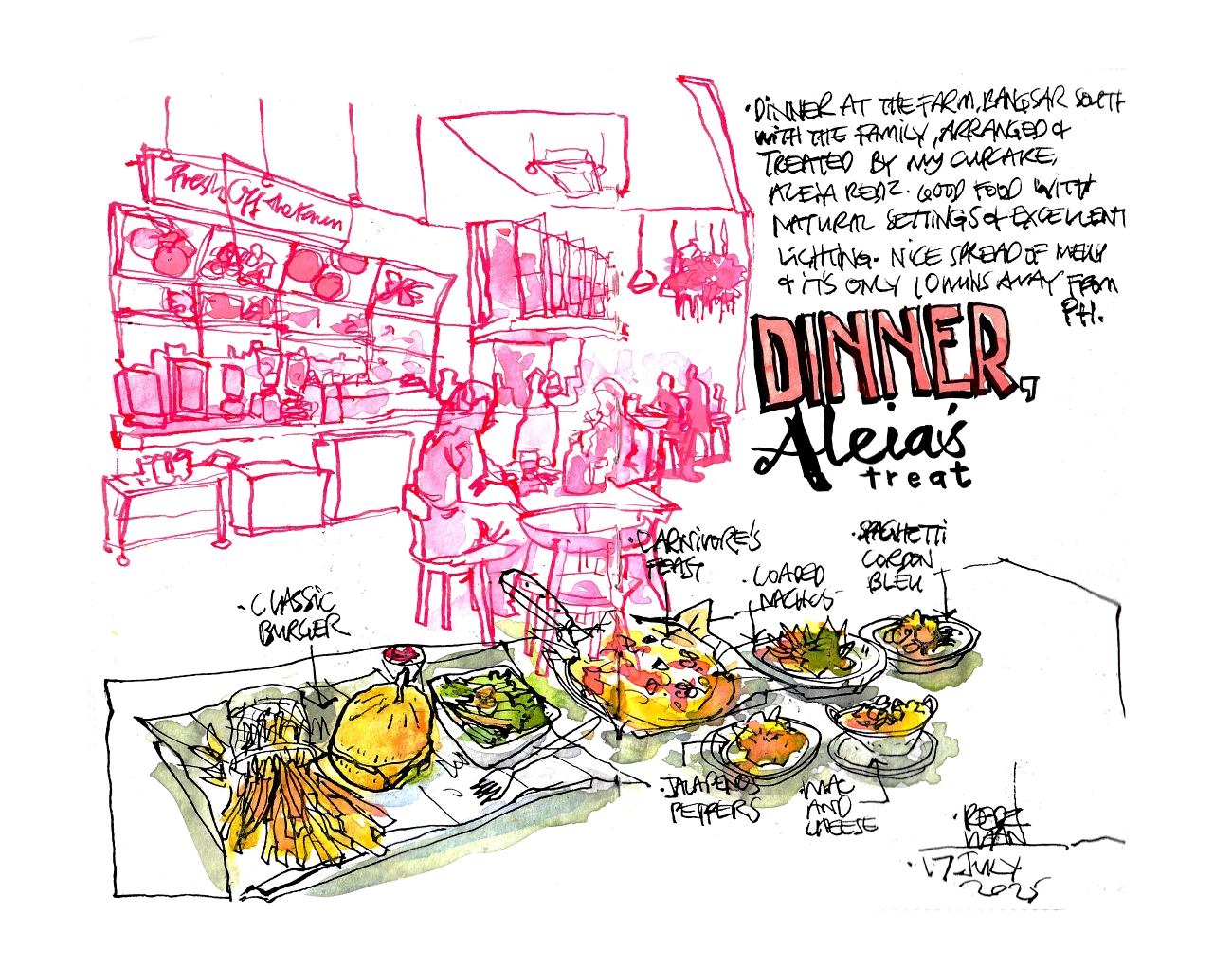
Over time, this daily practice begins to train the eye. You start noticing things simply because you know they might end up on the page. The way light slides across a wall in the late afternoon. The awkward spacing of chairs in a café. The rhythm of shopfronts along a street, or the way people naturally gravitate toward certain corners of a room. Seeing becomes slower, more deliberate, more curious. You are no longer just moving through the world; you are quietly collecting it, one observation at a time.
The hand learns alongside the eye. It becomes less precious, less afraid of getting things wrong. Lines loosen. Corrections remain visible rather than erased. Marks grow more confident, even when they are imperfect. The journal teaches the hand that it does not need to be correct; it needs to be honest. This is where visual thinking begins to deepen. Drawing stops being about making images and starts becoming a way of processing experience, of thinking through doing.
There is also comfort in the repetition of it all. The familiar weight of the book in your bag. The sound of paper as it turns. The scratch of a pen, the pause before committing a line. These small, sensory moments anchor the practice. On busy days, the journal becomes a pause, a few minutes of quiet amid noise. On difficult days, it becomes a release. It absorbs frustration, excitement, boredom, doubt, and curiosity without judgment. The page listens patiently, never interrupting, never rushing you toward a conclusion.
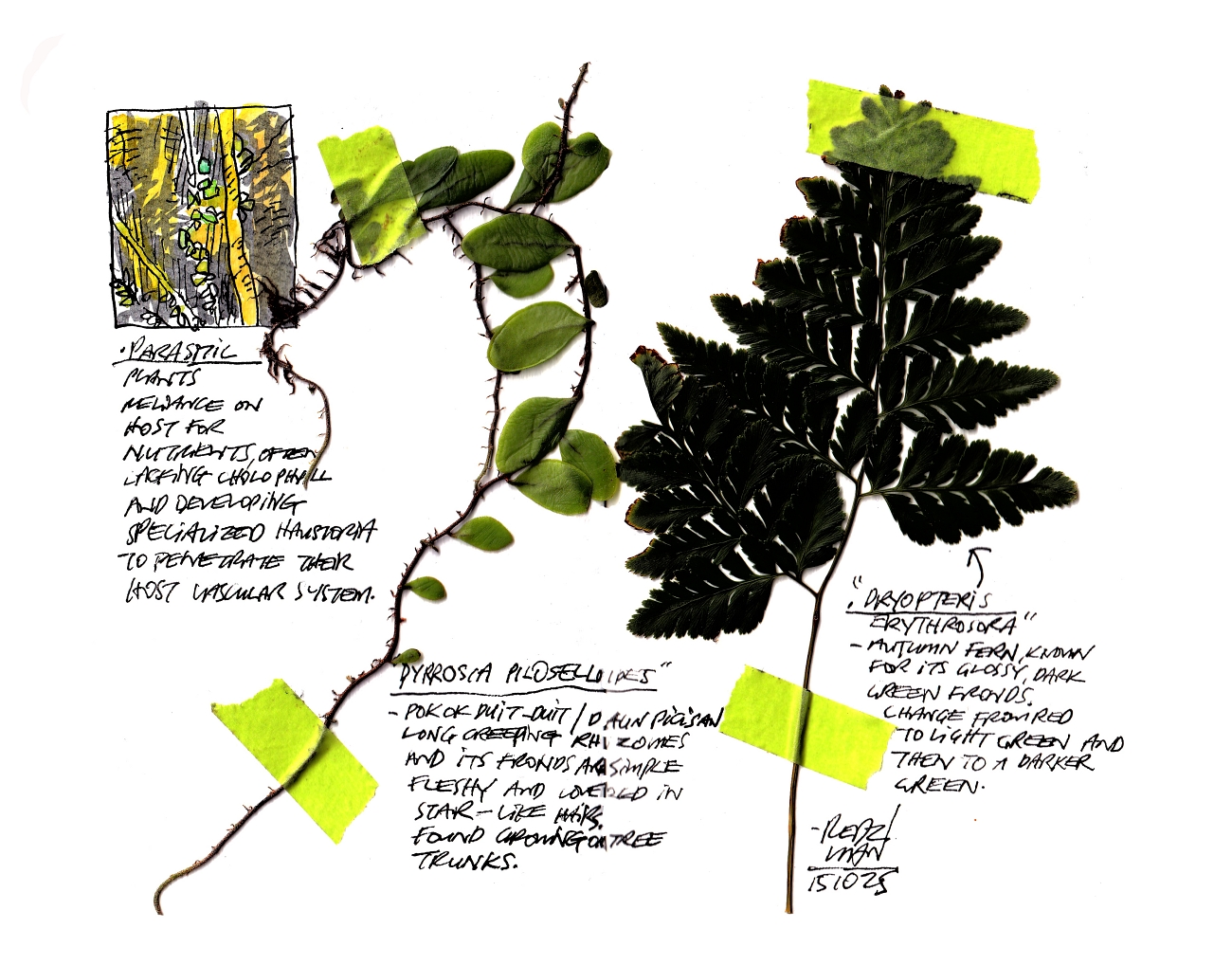
As weeks turn into months, something unexpected begins to happen. Patterns emerge. Certain themes repeat themselves. The same places return, drawn from different angles, at different times of day. Ideas resurface in new forms, carrying traces of earlier thoughts. Without trying to analyse it, the journal slowly reveals what you care about, sometimes before you are fully aware of it. It becomes a mirror not of who you aspire to be as a designer, but of who you already are, shaped by habits of looking and thinking.
In the context of learning and development, this accumulation is powerful. The journal becomes a quiet archive of growth. Looking back through earlier pages, you can see how observation sharpens, how confidence builds, how complexity is handled with greater ease. Progress is visible, not as a sudden breakthrough, but as a gradual layering of experiences. It reminds us that learning does not always move forward in straight lines. Sometimes it loops, revisits, and hesitates, and that is part of the process.
Keeping a visual journal as an everyday ritual is not about discipline in the strict sense. It is about kindness toward your own way of working. It acknowledges that good ideas need time, and that clarity is rarely instant. To achieve something meaningful, something thoughtful, grounded, and lasting requires patience, attention, and trust in small daily acts. The journal teaches this lesson gently, page by page.
In the end, the visual journal is less a record of drawings and more a record of living attentively. It holds traces of looking, thinking, doubting, noticing, and returning. And in choosing to open it each day, even briefly, you practice the quiet art of paying attention to the world around you, and to yourself within it.
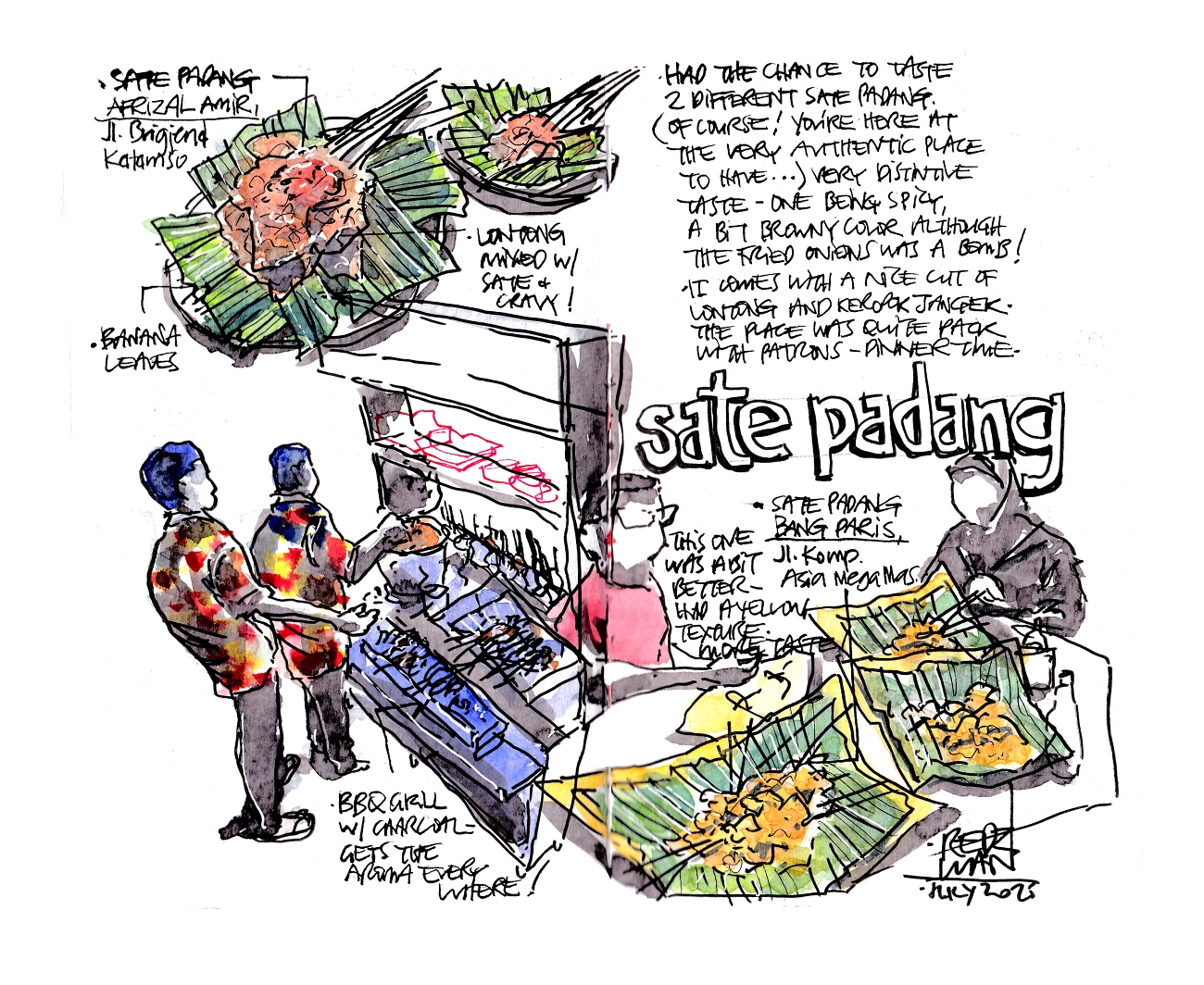
MOHD REDZWAN HISHAM BIDIN
MOHD REDZWAN HISHAM BIDIN is a registered Interior Designer with Lembaga Arkitek Malaysia and has served as a senior lecturer in the Interior Architecture Department, School of Architecture, Building and Design, Taylor’s University, since 2014. He approaches drawing as a daily ritual, an intuitive practice that bridges observation and imagination. Guided by his idea of ‘neverdrawstraight’, he believes in drawing freely without overthinking, allowing ideas to flow naturally from mind to hand. For him, sketching is not just a technique but a way of seeing, thinking, and reflecting, a continuous dialogue between design, creativity, and the everyday moments that inspire them.