PAMSC Design Festival 2025 Tapestry: Weaving Culture, Nature and Practice

By PAM Sarawak Chapter
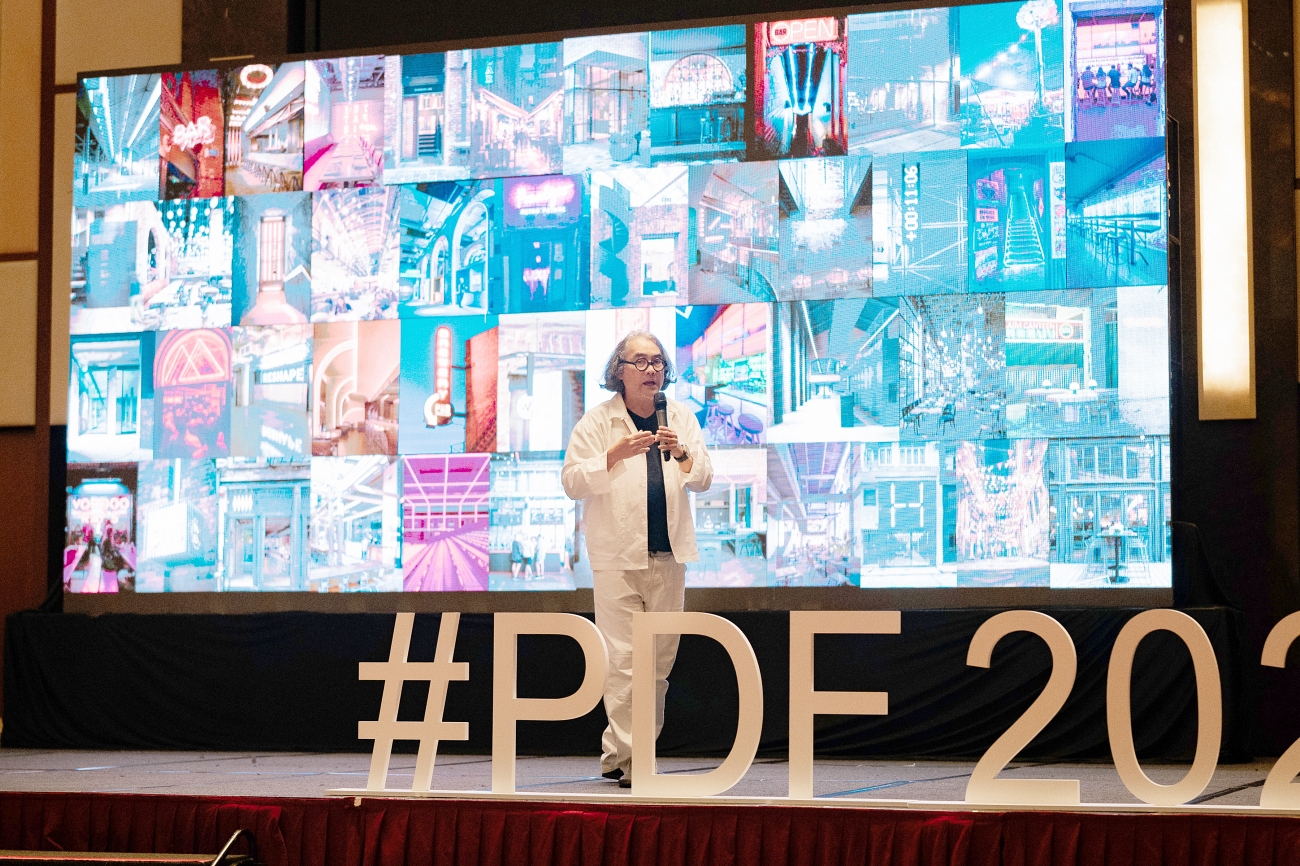
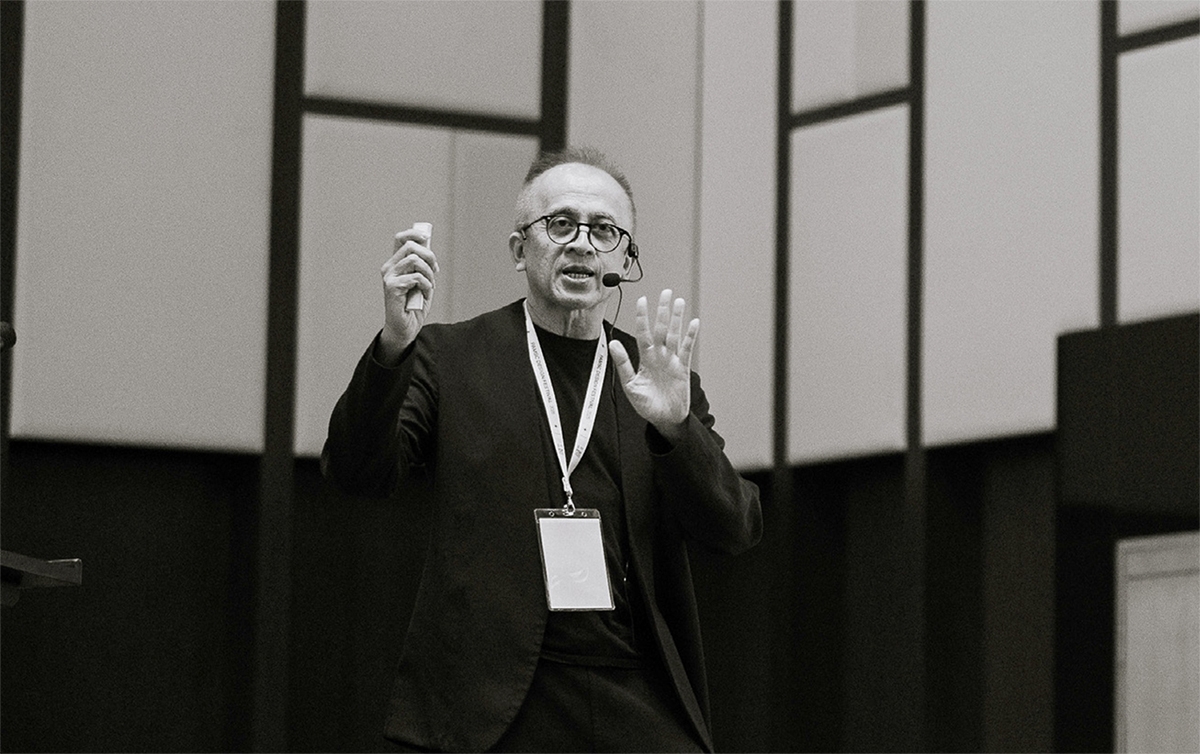
Andra Matin (Indonesia) opened the forum, sharing his work and demonstrated how sensitivity to climate, materials, and social context

The PAMSC Design Festival 2025 (PDF2025), held from 4 to 6 December at the Imperial Hotel, Kuching, brought the architectural community together for a weekend of exchange, learning, and reflection. Under the theme “Tapestry: Weaving Culture, Nature & Practice,” the festival framed architecture as a practice shaped by collaboration across people, regions, and approaches to design.

Organised by the PAM Sarawak Chapter, PDF2025 welcomed participants from PAM HQ, PAM Sabah, and PAM Northern Chapter, alongside representatives from IAI Kalimantan Barat and IAI Kalimantan Timur. Their presence highlighted the festival’s growing significance as a regional platform where practitioners from across Borneo and Malaysia could share experiences, com-pare approaches, and address shared challenges in the built environment.

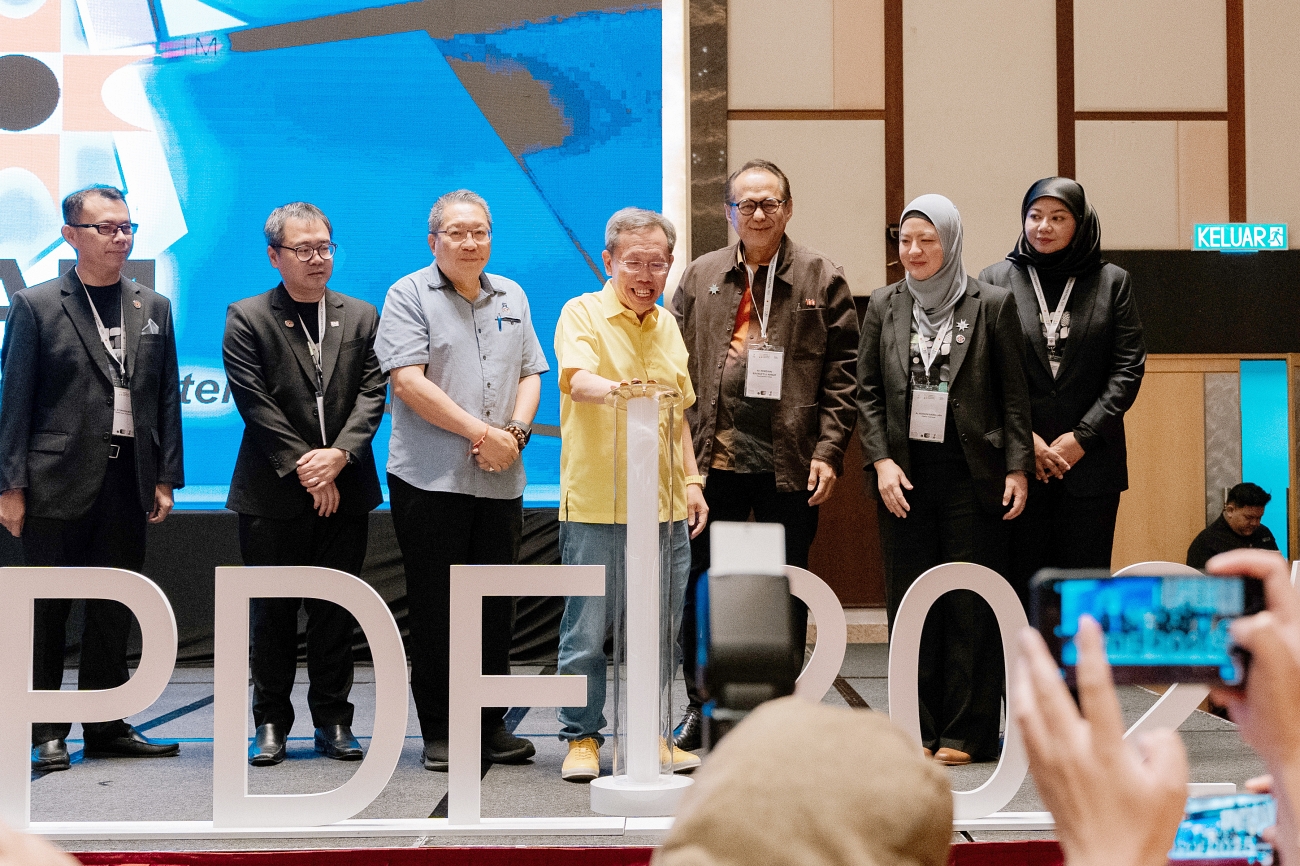
The Design Forum, held on 6 December, was officiated by YB Datuk Amar Professor Dr Sim Kui Hian, Deputy Premier of Sarawak. In his opening address, Dr Sim reflected on the festival’s evolution from a local initiative into a forum of regional relevance. He emphasised the responsibility that comes with growth, especially in a rapidly developing Sarawak.

Architects today go beyond designing buildings. They navigate policy frameworks, respond to community needs, and address environmental concerns. “Development should not be measured by how fast we build, but by the quality of the places we leave behind,” he noted. His message framed the discussions of the day, highlighting the need to balance growth, identity, and sustainability.

The Design Forum featured regional and international architects, presenting diverse approaches to design. Moderated by Ar. Wooi Lok Kuang’s sessions addressed architecture’s evolving role in social, cultural, climatic, and technological contexts.

Andra Matin (Indonesia) opened the forum, sharing projects rooted in local culture and community. His work demonstrated how sensitivity to climate, materials, and social context can produce designs that are contemporary yet grounded in place. For Sarawak, such an approach offered insights into responding to its varied cultural and environmental landscapes.

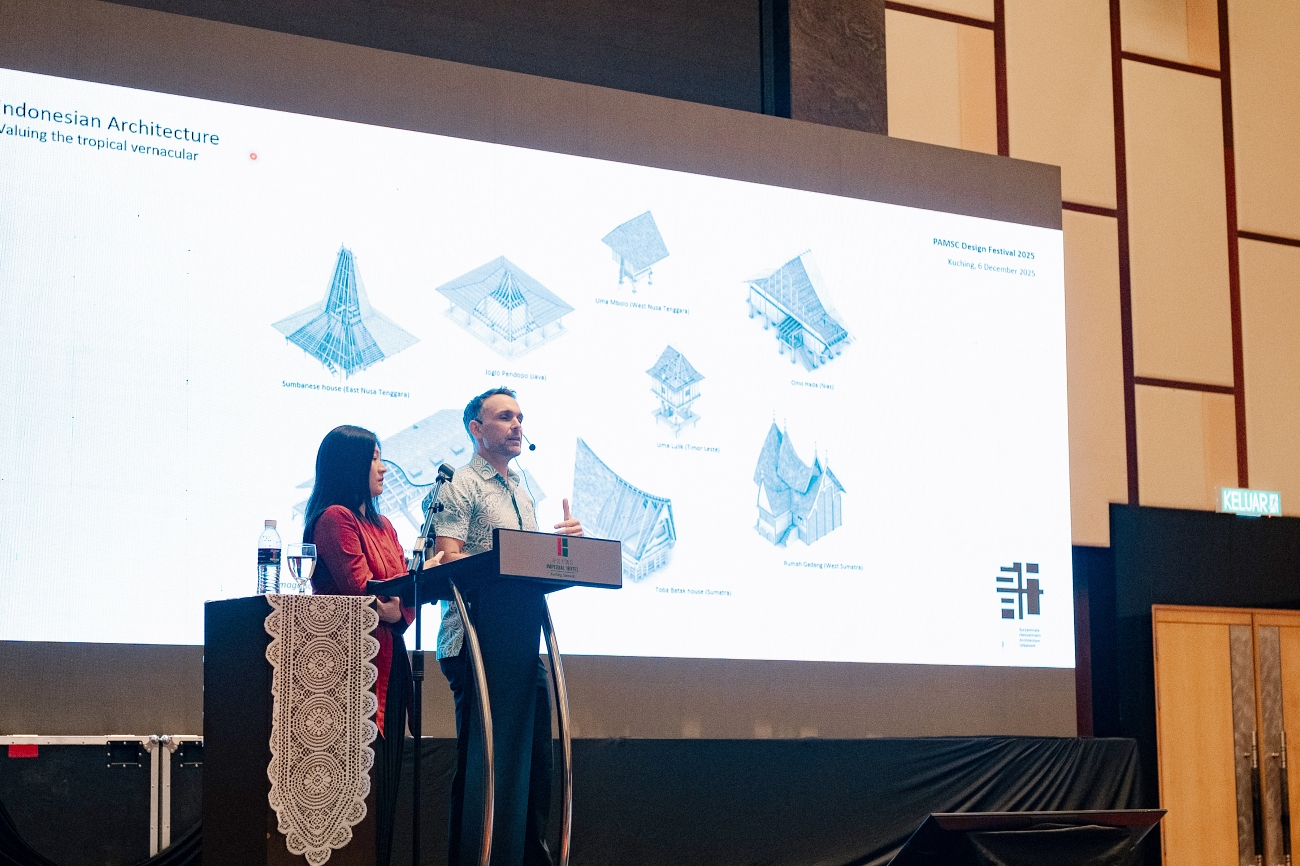
Daliana Suryawinata and Florian Heinzelmann of SHAU Architects (Indonesia/Netherlands) discussed socio-climatic architecture. Their presentation highlighted how social structures, climate, and environmental conditions shape design responses. Through examples, they showed how architecture can integrate human interaction, urban context, and ecology, creating buildings that respond to both community and environment.

The afternoon session featured Ar. Dr Tan Loke Mun (Malaysia), reflecting on architecture and nation-building. He examined how the built environment communicates shared values and identity, framing architecture as a tool for civic and cultural expression.

Following him, Duangrit Bunnag (Thailand) offered insights from diverse projects, sharing lessons on managing complexity, experimenting within constraints, and delivering designs across different scales.

The final session featured Maurizio Meossi of Zaha Hadid Architects (United Kingdom), highlighting computational design and virtual reality in practice. He demonstrated how digital tools can expand design thinking and offer new ways to explore space, linking technology with creativity in architecture.

The forum ended with a lively Q&A session led by Ar. Wooi Lok Kuang, allowing participants to engage directly with the speakers. Closing remarks were given by PAMSC Chairman Ar. Noraini Narodden, followed by the presentation of tokens of appreciation.
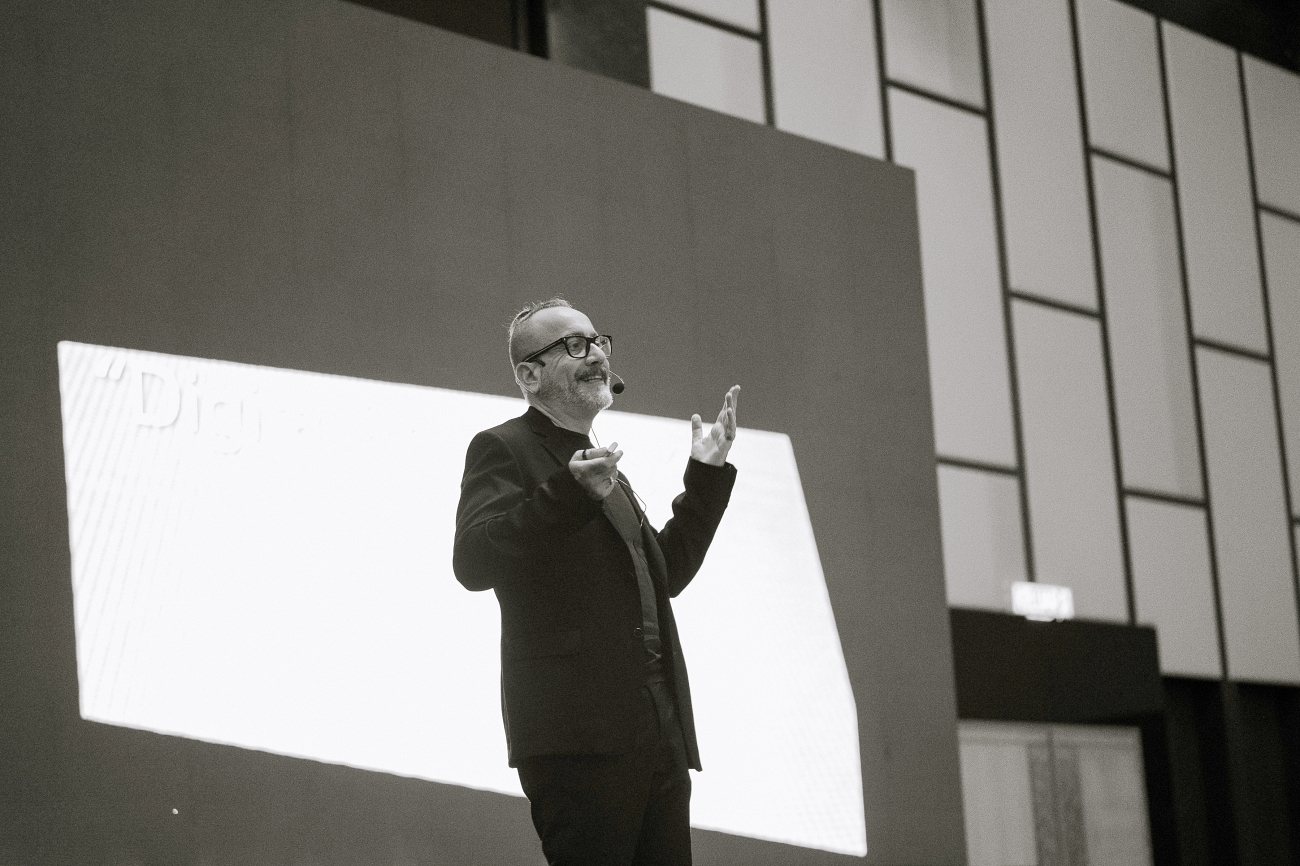
Maurizio Meossi of Zaha Hadid Architects (United Kingdom), highlighting computational design and virtual reality in practice

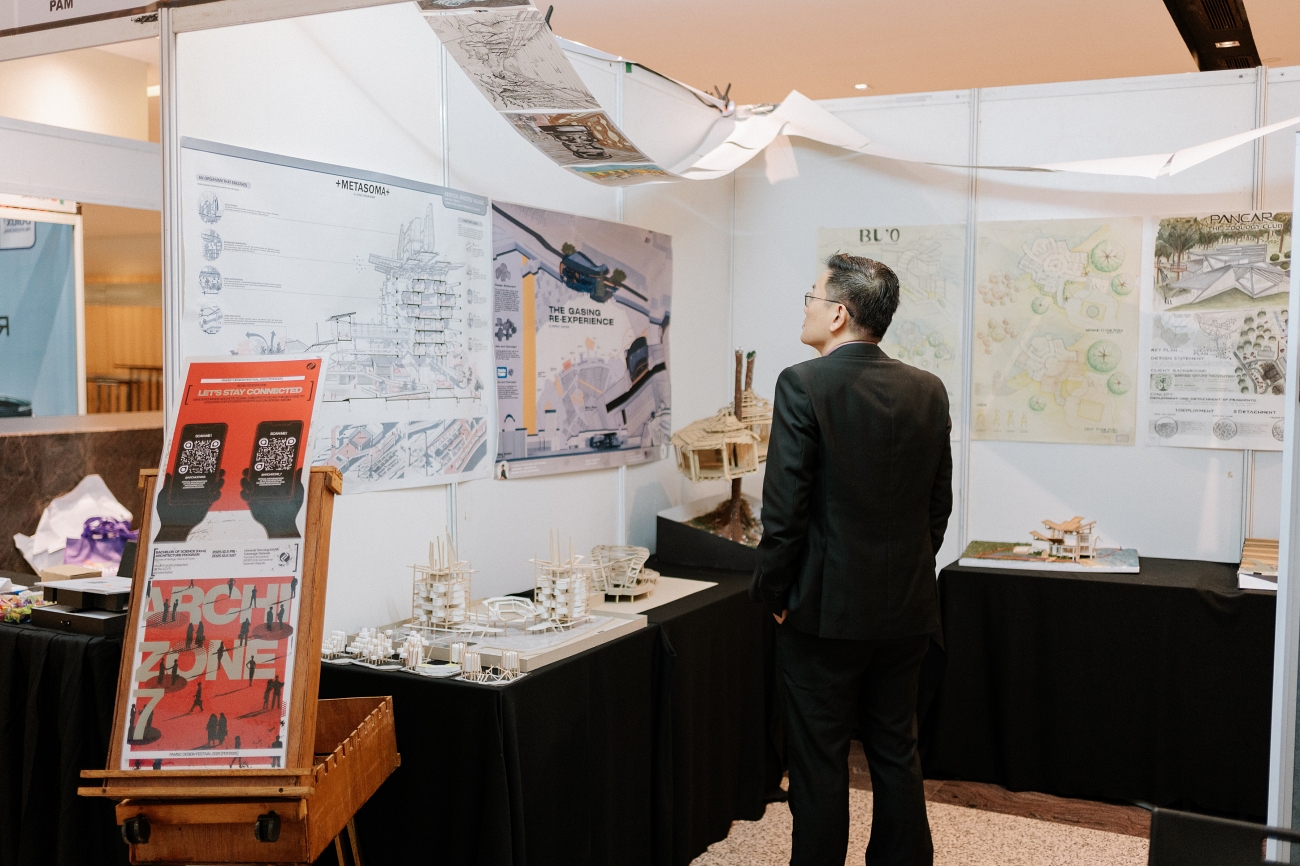
PDF2025 began with the University and Student Exhibition and Sketch Workshop on 4–5 December. Students from Universiti Teknologi MARA (UiTM) Kota Samarahan, Universiti Malaysia Sarawak (UNIMAS) and University of Technology Sarawak (UTS) presented academic projects and connected with peers from other institutions.

A highlight was the sketching workshop led by designer and digital illustrator Amin Zakaria. Students explored manual sketching before moving into digital techniques. Amin provided individual guidance, creating an informal and interactive learning environment. Student emcees facilitated the sessions, reflecting the energy and initiative of the next generation of architects.

Sustainability was addressed through the GBI Talk: “Kick-Starting Green” on 5 December. Architects, engineers, quantity surveyors, and GBI facilitators attended presentations by Ar. David Ong and Ts. Ngoh Wan Fei focuses on practical challenges in implementing green building strategies, certification requirements, and cross-disciplinary coordination. The session provided clear guidance on integrating environmental responsibility into professional practice.


The festival also included a Trade Expo, showcasing building materials, innovations, and student exhibits. Sponsors such as iMetal, Vitally, Kansai Paint, Roca, Dulux, and Knauf highlighted the partnership between architects and industry in delivering quality design and construction.

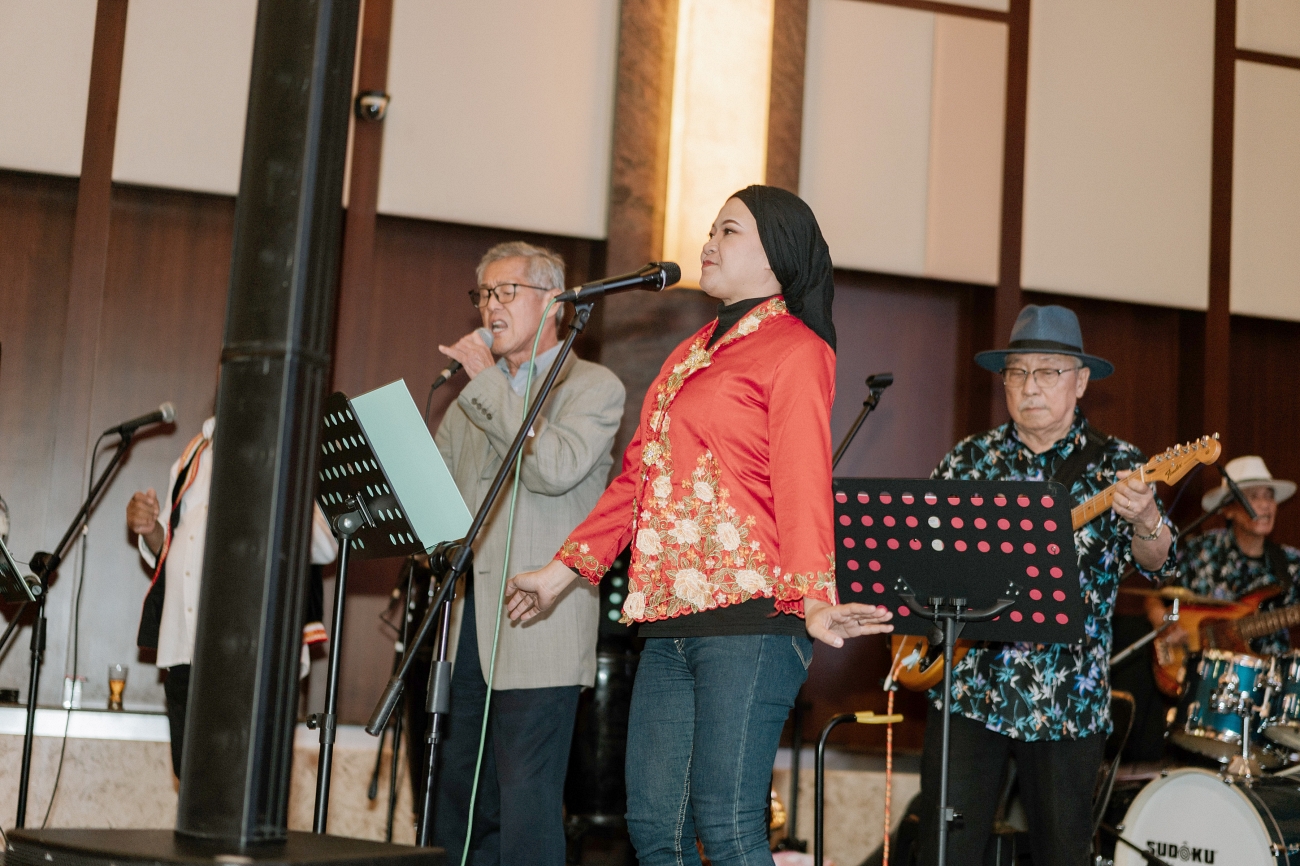
Informal exchange was equally important. Welcoming dinners introduced speakers and guests to Sarawakian cuisine, while post-forum gatherings allowed conversation to continue beyond the conference hall. The PAMSC Members Night provided a relaxed set-ting for interaction, with entertainment from the AJ Band, games, and prizes, creating moments of enjoyment along-side professional connection.

The weekend concluded with a guided visit to the Borneo Cultures Museum, offering guests insight into Borneo’s heritage through its exhibitions. A closing lunch was held, providing a final opportunity to reflect on the festival throughout the weekend and its discussions before everyone’s departure.

PDF2025 event Launching ceremony by Deputy Premier of Sarawak, YB Datuk Amar Prof. Dr. Sim Kui Hian
Thailand Duangrit Bunnag offered insights from diverse projects
Daliana Suryawinata and Florian Heinzelmann of SHAU Architects (Indonesia/Netherlands) presentation highlighted how social structures, climate, and environmental conditions shape design response

PDF2025 demonstrated a profession attentive to its responsibilities. The Design Forum showed the value of diverse perspectives, international practice, and emerging technologies, while student and sustainability sessions pointed to the future of architectural practice in Sarawak and beyond.

By bringing together established practitioners, emerging voices, students, and industry partners, the festival highlighted the importance of shared learning, collaboration, and engagement across disciplines and borders. As PDF2025 continues to grow, it can influence professional discourse in Sarawak and contribute to regional thinking on architecture, development, and the built environment in Borneo.

The Design Forum, in particular, emphasised architects’ evolving role: designing spaces, interpreting culture, and exploring new technologies, while keeping environmental and social context at the core of practice.

PAMSC Members Night enlivened by live music from the AJ Band, formed by members of AJ Architects and led by Ar. Joseph Sim
The booth exhibition displaying selected student’s work from UiTM Kota Samarahan, Universiti Malaysia Sarawak (UNIMAS) and University of Technology Sarawak (UTS)

FEATURES

RELATED ARTICLES