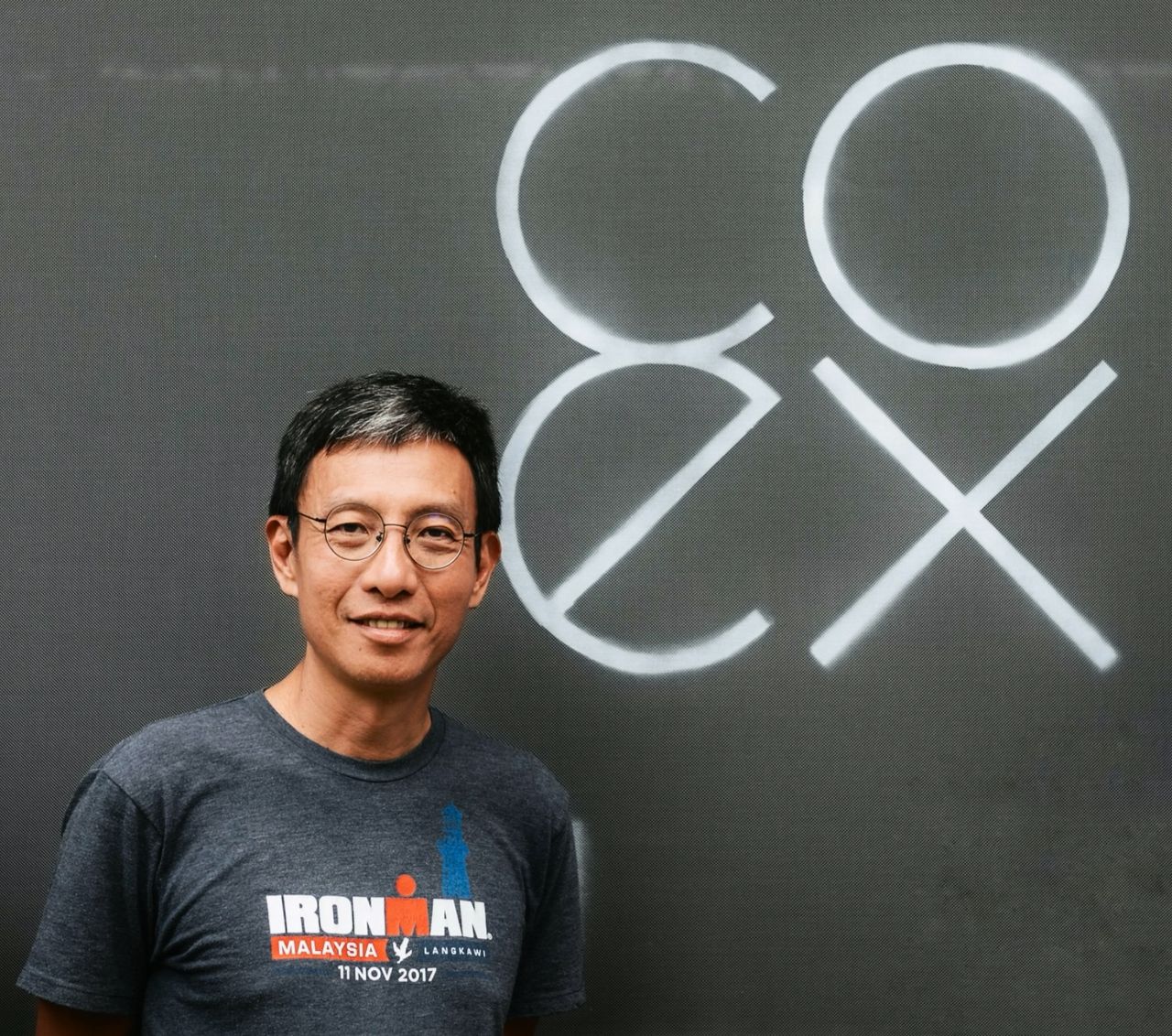
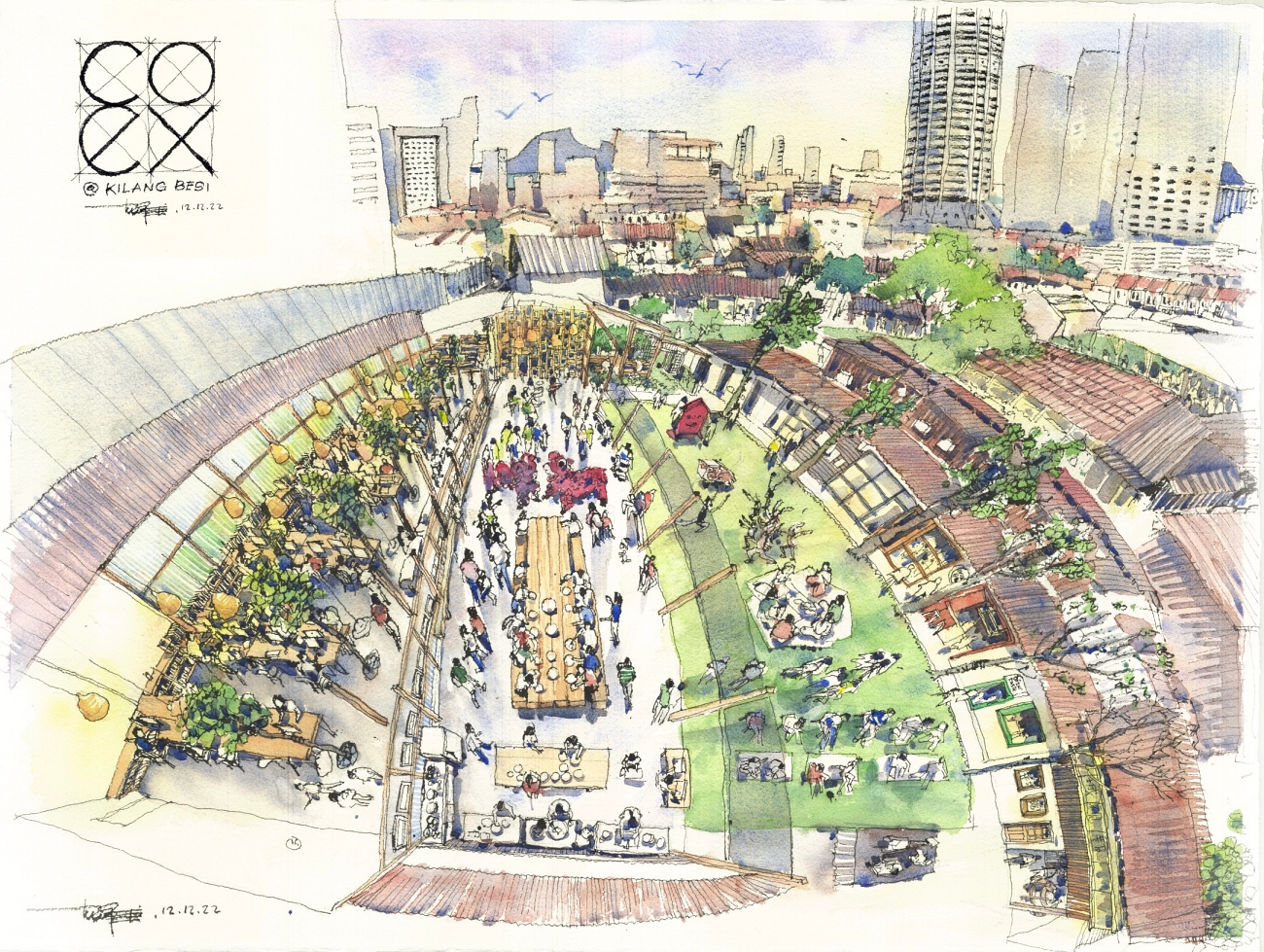
In the heart of Georgetown, an abandoned bus depot has been reimagined into a vibrant cultural and community hub. Known today as COEX@Kilang Besi, the space is a living example of how architecture can breathe new life into forgotten structures while creating opportunities for connection, creativity, and dialogue. Behind this transformation is Ar. Mei Chee Seong, principal of aLM Architects, whose vision extends beyond buildings to the making of places. For him, architecture is not only about design and construction, but also about nurturing communities and strengthening the social fabric of our cities.
Could you share briefly about your journey in architecture and how working in Georgetown has shaped your outlook?
Our journey in architecture has been one of continuous questioning and evolution. Conventionally, architects are trained to design within established methodologies, processes, and a commonly accepted architectural language. We are further guided and at times constrained—by tools, templates, software, and the expectations of regulations and public norms. As a result, architectural possibilities often become standardised, narratives gentrified, and creativity marginalised.
This system tends to produce a cycle where architects stay within safe boundaries, developers remain in their comfort zones, and end users gravitate toward familiar, accepted products. However, in today’s challenging global economy, we are working with fewer resources compared to the past, which calls for a fundamental rethinking of our approach.
Georgetown, once the cultural and artistic capital of the region, has also experienced a loss of its former vibrancy, becoming increasingly influenced by globalised architectural narratives. In response to these challenges, our practice began to shift—from creating buildings to creating experiences, and eventually to curating experiences.
This migration from a building centric (hardware) focus to a humancentric (software) approach is a bold experiment—one filled with the unknown, the unpredictable, and the unprecedented. Yet, it is precisely in this uncertainty that we find the opportunity to rediscover authenticity, local identity, and meaning in architecture.
What first drew your attention to the old bus depot — was there a turning point where you saw its potential?
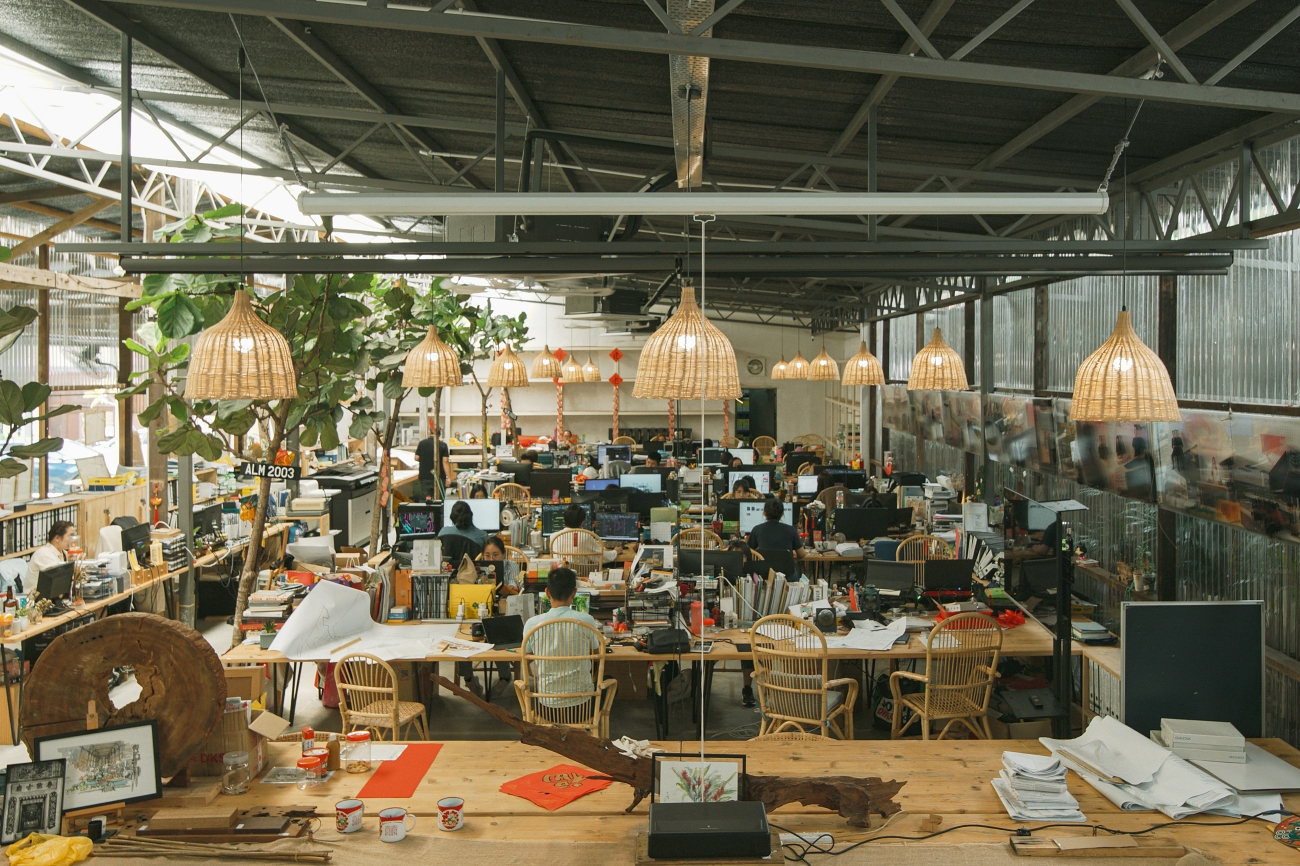
Our journey toward rethinking architecture began with a simple yet radical decision — to move out of a conventional office environment and relocate ourselves into a space that was more deeply connected to the community. We wanted our practice to coexist with the ecosystem we were designing for, allowing our work and community experiments to evolve side by side. This shift created an immersive working environment where we could co-create rather than design in isolation.
From the start, we were searching for a space rich in stories — one that carried a sense of the in-between: a grey area, grounded in grassroots culture yet open enough to act as a blank canvas for our explorations.
After several unsuccessful attempts, we finally found the right partner and place Hin Bus Depot, a privately initiated art hub that has long served as an incubator for local artists.
Hin ffered more than just a new home; it gave us access to a vibrant, bottom-up art ecosystem that continues to inspire and challenge our practice.
In return, our presence contributes to diversifying the depot’s creative DNA and extending its supply chain of ideas and collaborations. It’s a symbiotic relationship one that blurs the line between architecture, art, and community.
How did you envision transforming a derelict structure into what is now COEX?
Our vision for transforming the derelict structure into what is now COEX began with a deep respect for the site’s historical existence even though it wasn’t a formally recognised heritage building. We believed that every place carries its own memory and identity, and our role was not to overwrite it, but to reveal and reinterpret it.
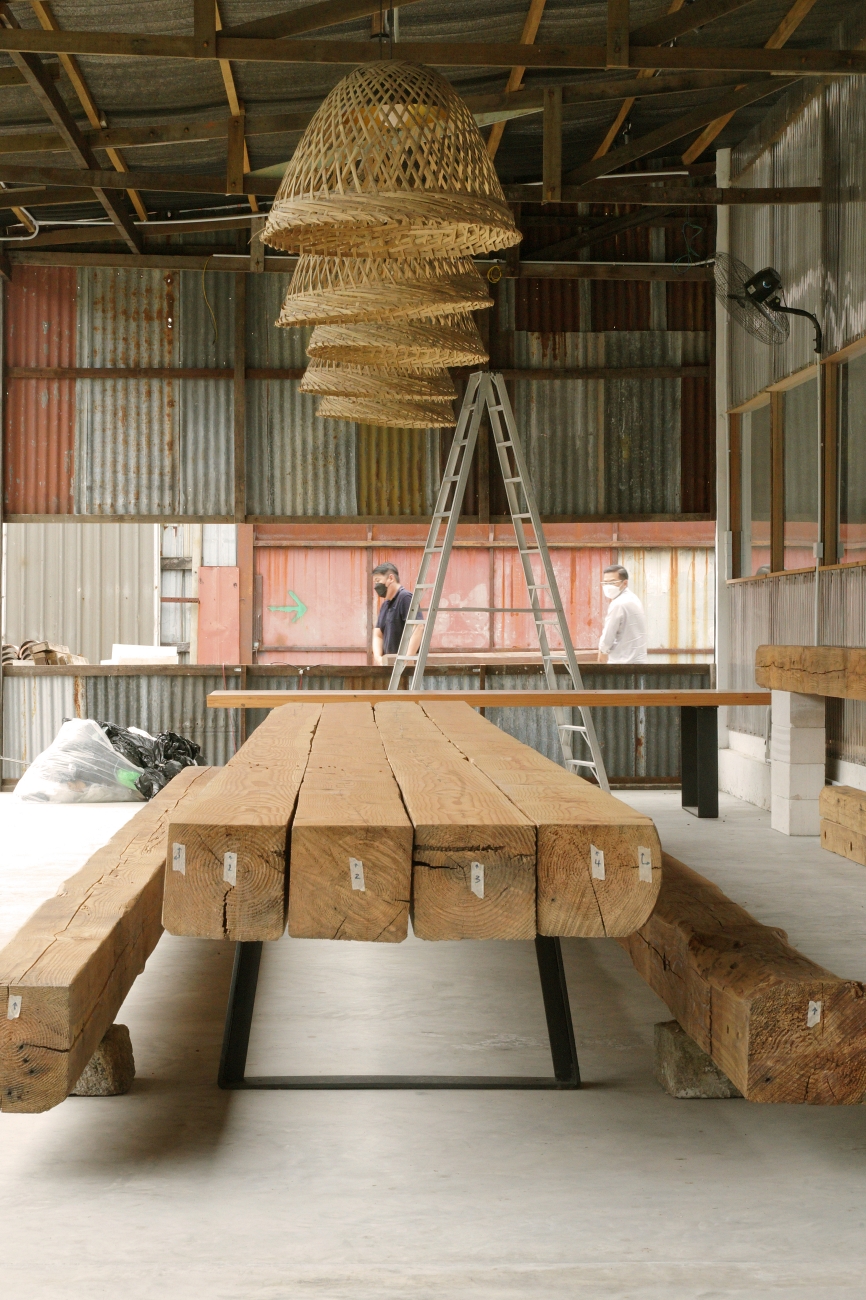
We used reclaimed materials, not only to reduce the project’s carbon foot-print but also to establish a new dialogue among materials — between the old and the new, the past and the present. Each reused element carries traces of history, adding layers of meaning to the spatial experience.
The design process was deeply collaborative. We worked hand in hand with craftsmen, celebrating their skills and allowing their hands to shape the outcome. This approach brought pride, authenticity, and unpredictability to the work-qualities that no standardised process could replicate.
Most importantly, we engaged closely with the community and end users, ensuring that the design remained relevant to their lives and aspirations. In this way, COEX became more than just an adaptive reuse project—it became a living space of exchange, co creation, and collective identity.
What were the biggest challenges you faced whether physical, financial, or social — and how did you overcome them?
Physical Challenge: Space limitation was one of our biggest physical constraints. To overcome it, we adopted the principles of sharing and flexibility, allowing each area to serve multiple functions. For example, our office transforms into a shared space after working hours, and the meeting room doubles as a community library and co-working area. Through this approach, we effectively doubled the potential of the space without expanding its footprint.
Financial Challenge: As architects, our financial capacity is limited, and with minimal government support, our community faced similar constraints. The key to overcoming this was collaboration. By working with like minded partners, we were able to share resources, reduce costs, and build mutual support systems. In doing so, we created a lower threshold for others to pursue their dreams while expanding accessibility to a broader audience.
Social Challenge: Operating as an open, experimental platform means that differences and conflicts are inevitable whether between quiet and vibrant uses, or between quantity and quality. Rather than avoiding these tensions, we embrace them as part of our ecosystem’s natural dynamics. We trust our community’s ability to find a healthy and dynamic equilibrium, one that reflects the democratic and evolving spirit of COEX.
VN
How did the community and stakeholders respond, both in the early days and now that COEX is established?
TLM
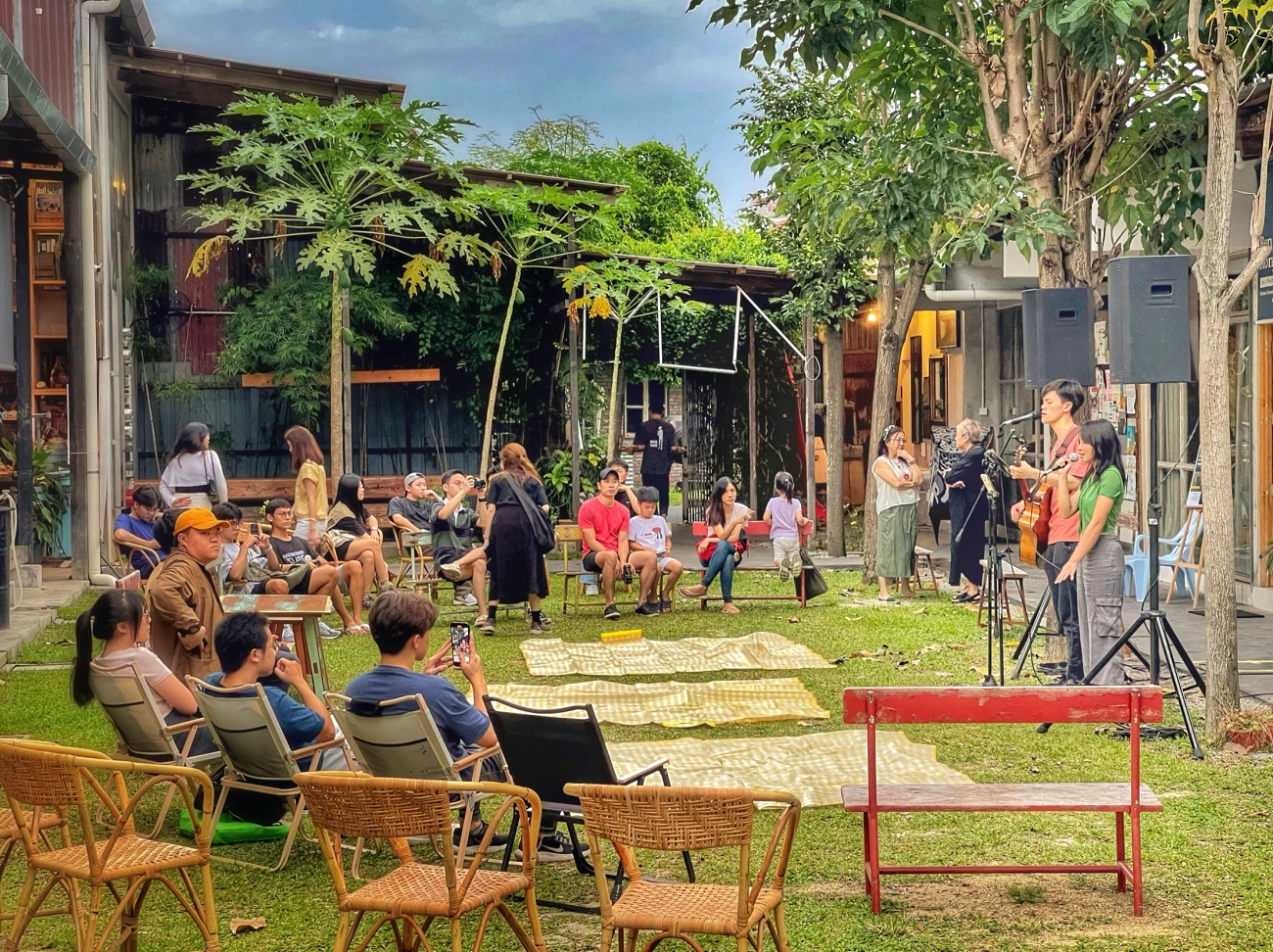
We were fortunate to position ourselves as a community experimental platform, which naturally created a forgiving and open space for passionate individuals and groups to kick-start their dreams. The overwhelming participation from various community groups in the early days formed the foundation the very DNA of COEX as a community driven place making initiative.
As COEX grew, so did our visibility. This expansion opened new opportunities to connect with global counterparts, allowing us to exchange ideas and experiences beyond our local context. Through this organically built network, our community began to connect globally while staying rooted in our local identity. This exchange not only broadened our perspective but also strengthened our confidence in what we do.
Today, we’re proud to showcase a resilient, community driven model of placemaking — one that reflects the unique DNA of Penang and, more broadly, the Malaysian spirit of collaboration, adapt-ability, and creativity.
VN
What design strategies did you use to encourage inclusivity and interaction among the community?
TLM
As mentioned earlier, we embraced the idea of the ‘grey area’ a space that is undefined, flexible, and open to interpretation. It is within these in between spaces that creativity often emerges. Similarly, the concept of a ‘blank canvas’ allows imagination to flow freely, without predetermined boundaries or expectations.
By intentionally designing with openness and ambiguity, we created an inclusive environment where people from different backgrounds can engage, adapt, and contribute in their own ways. Rather than prescribing how the space should be used, we let things unfold naturally, encouraging spontaneous interaction, collaboration, and a genuine sense of belonging.
THE ARCHITECT AS PLACE-MAKER
VN
Many see architects as designers of buildings, but COEX suggests something broader. How do you define the role of architects as place makers?
The idea of the place-maker goes beyond architecture it represents a cross disciplinary effort to curate meaning for a place. Architects, by nature of our training, are well-positioned to lead this role. As designers, we are trained to be sensitive to the end user experience and to achieve meaningful outcomes with limited resources. It is, in many ways, an art of synthesis bringing together diverse elements to create something where 1 + 1 > 2.
At COEX, we see architecture not merely as the act of designing buildings, but as a process of curating experiences. This marks a shift from a building centric to a human-centric approach, where architecture becomes a tool for shaping collective experiences rather than an end in itself. In this sense, architects as place makers are not just form-makers they are connectors, translators, and curators of relationships between people, spaces, and stories.
VN
Georgetown is full of layered histories. What lessons from COEX can be applied to other Malaysian cities needing revitalisation?
TLM
Georgetown’s layered histories remind us that revitalisation should not be about preservation alone, but about continuing the story in meaningful, authentic ways. From our experience with COEX, two key characteristics or DNAs stand out as essential for any city seeking genuine renewal: it must be organic and bottom-up.
It has to be organic, because art and cultural narratives are inherently dynamic and fluid. This provides an alternative narrative to the gentrified/official narrative. And, it has to be bottom-up, grass-roots, community driven to ensure the ‘genuineness’ of the narrative.
EDUCATION AND FUTURE GENERATIONS
VN
How can architectural education nurture this mindset of social and cultural responsibility in students?
TLM
Architectural education plays a crucial role in shaping socially and culturally responsible designers. To nurture this mindset, I believe two key sensibilities must be emphasised: a sense of aesthetics and an understanding of happiness.
First, a sense of aesthetics is not merely about visual beauty it’s about the ability to appreciate life. When students learn to observe, feel, and connect deeply with their surroundings, they become more passionate and empathetic individuals. Naturally, their design philosophy will reflect this humanity, leading to architecture that resonates emotionally and culturally.
Second, architects must understand happiness as a core design principle. Happiness is often intangible and easily overshadowed by commercial pressures that standardise experiences and reduce design to what’s readily available “of the shelf.” When design prioritises profit over joy, it loses its soul. If architectural education can nurture this sensitivity and sense of touch, future architects will be better equipped to create meaningful, human centered solutions and move away from unnecessary decorative façades toward designs rooted in authenticity and well-being.
VN
What advice would you give young architects who aspire to engage communities and become place makers?
TLM
Placemaking can be seen as the ‘software’ that gives meaning and life to the architectural ‘hardware.’ It extends beyond the physical form of a building to embrace the social, cultural, and emotional experiences that unfold within it.
My advice to young architects is this: if you design with placemaking in mind from the very beginning, rather than treating it as an afterthought, you can avoid much of the redundancy, wastage, and double handling that often occur in conventional processes. When the design, construction, and implementation are all guided by a shared vision of human experience, the entire process becomes more seamless, efficient, and purposeful.
Ultimately, the resources saved—time, cost, and energy can be redirected toward creating richer, more meaningful interactions between people and place. Remember, placemaking isn’t something that happens after a building is complete; it’s something that should inform and inspire every stage of the design journey.
REFLECTION
Looking back, what does COEX mean to you personally, and what do you hope it becomes in 10 years?
TLM
To me, COEX is more than just a community experiment—it is also an experiment in architectural practice itself. It represents our ongoing attempt to blur the boundaries between architecture, community, and culture, and to explore how design can serve as a living dialogue rather than a static product.
Looking ahead, I hope COEX can become a reference and inspiration for other like-minded corporations and organisations not necessarily limited to architecture to establish their own forms of personalised community engagement. When done genuinely, such efforts not only contribute meaningfully to the community but also benefit the organisation itself, enhancing its identity, purpose, and relevance.
It would be wonderful if, one day, every corporation in our city could have its own version of a “COEX” — a unique platform for collaboration and creativity. The collective and diverse bottom-up efforts that emerge from this would help shape a richer, more authentic narrative for our city’s artistic and cultural DNA.