
An invitation to speak at the Architecture Asian Symposium, in conjunction with the ARCASIA Handover Ceremony, brought me to Shanghai in mid-January 2026. Co-hosted by Tongji University and the Architectural Society of China, the ARCASIA Handover Ceremony and Architecture Asia Symposium were held at Tongji Architectural Design (Group)’s Lecture Hall. The event convened a regional gathering of architectural leaders, scholars, and representatives from the Chinese government, setting a formal and significant tone for the visit.
The morning of 17 January commenced with the ARCASIA presidency handover, witnessed with strong support from senior levels of the Chinese authorities. The presidency was formally passed from Ar. Saifuddin Ahmad (Malaysia), outgoing ARCASIA President for 2024–2025, to Professor Wu Jiang of Tongji University (China), marking a symbolic moment of continuity and regional collaboration.
The afternoon continued with the Architecture in Asia: Challenges and Opportunities Symposium. Actively responding to the Belt and Road Initiative, the symposium brought together architects and scholars from ARCASIA member associations to reflect on shared concerns in Asian architecture and urban development. It established a dialogue platform that transcended geographical, disciplinary, and professional boundaries, underscoring architecture’s role within broader socio-political and cultural contexts.
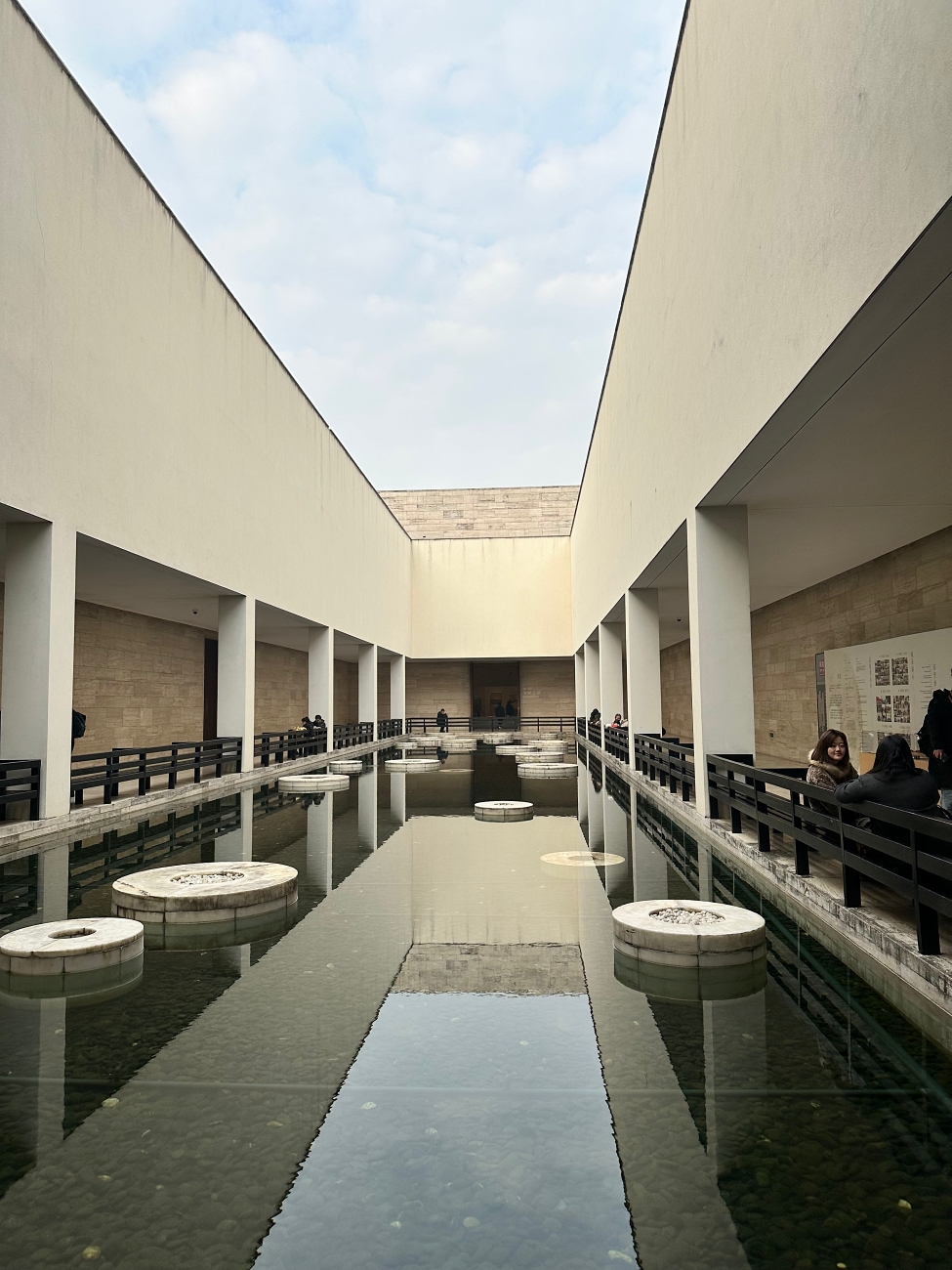
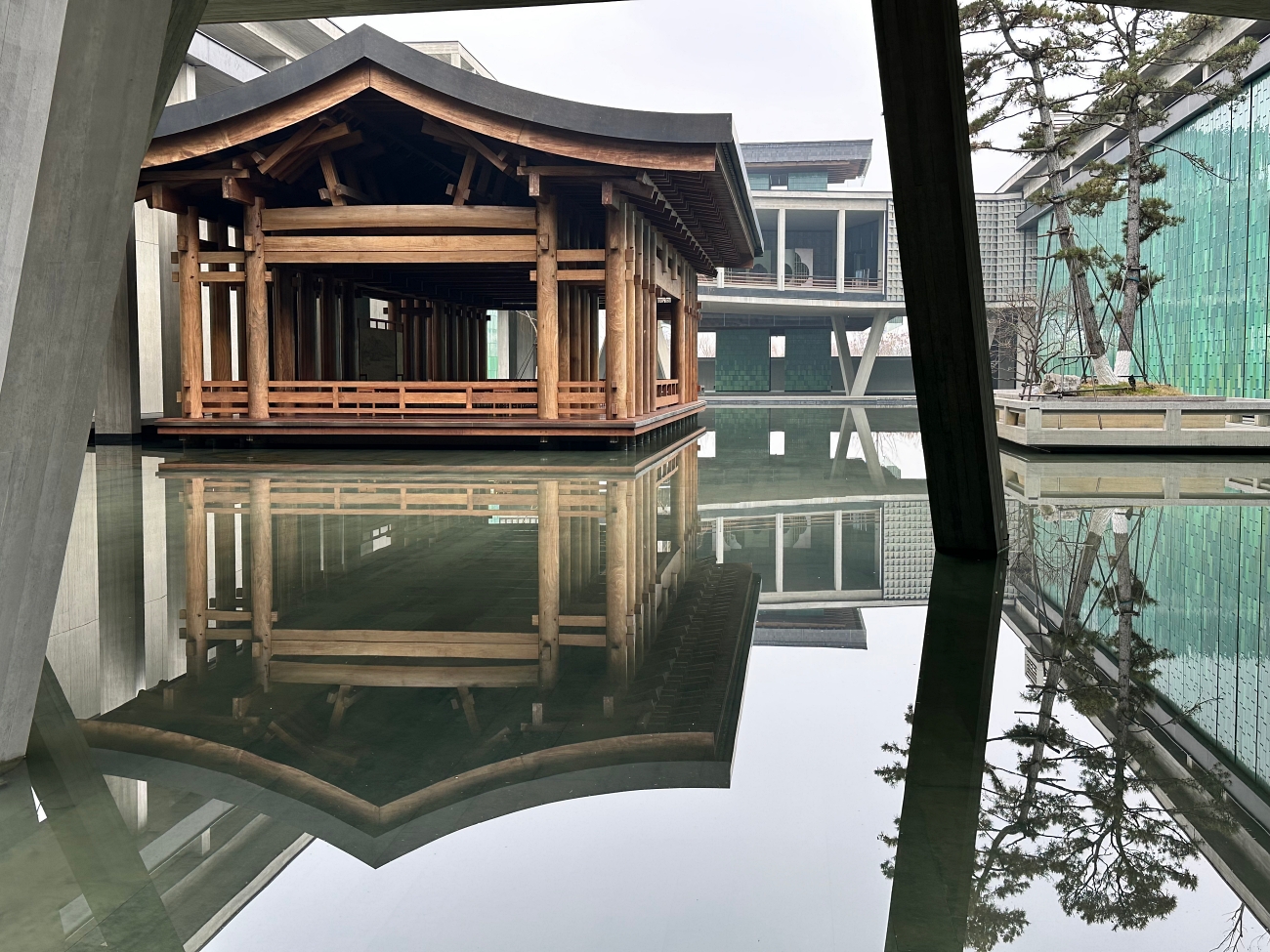
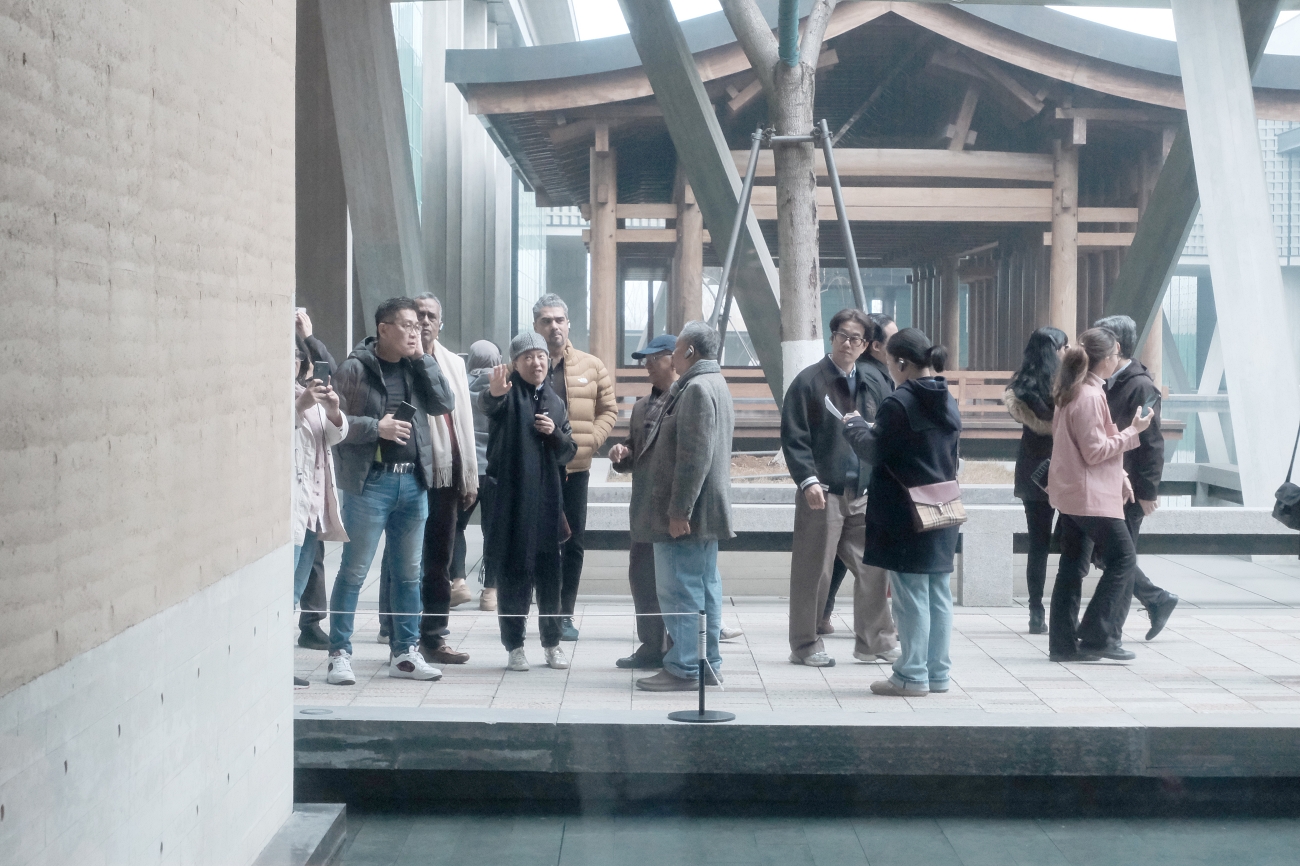
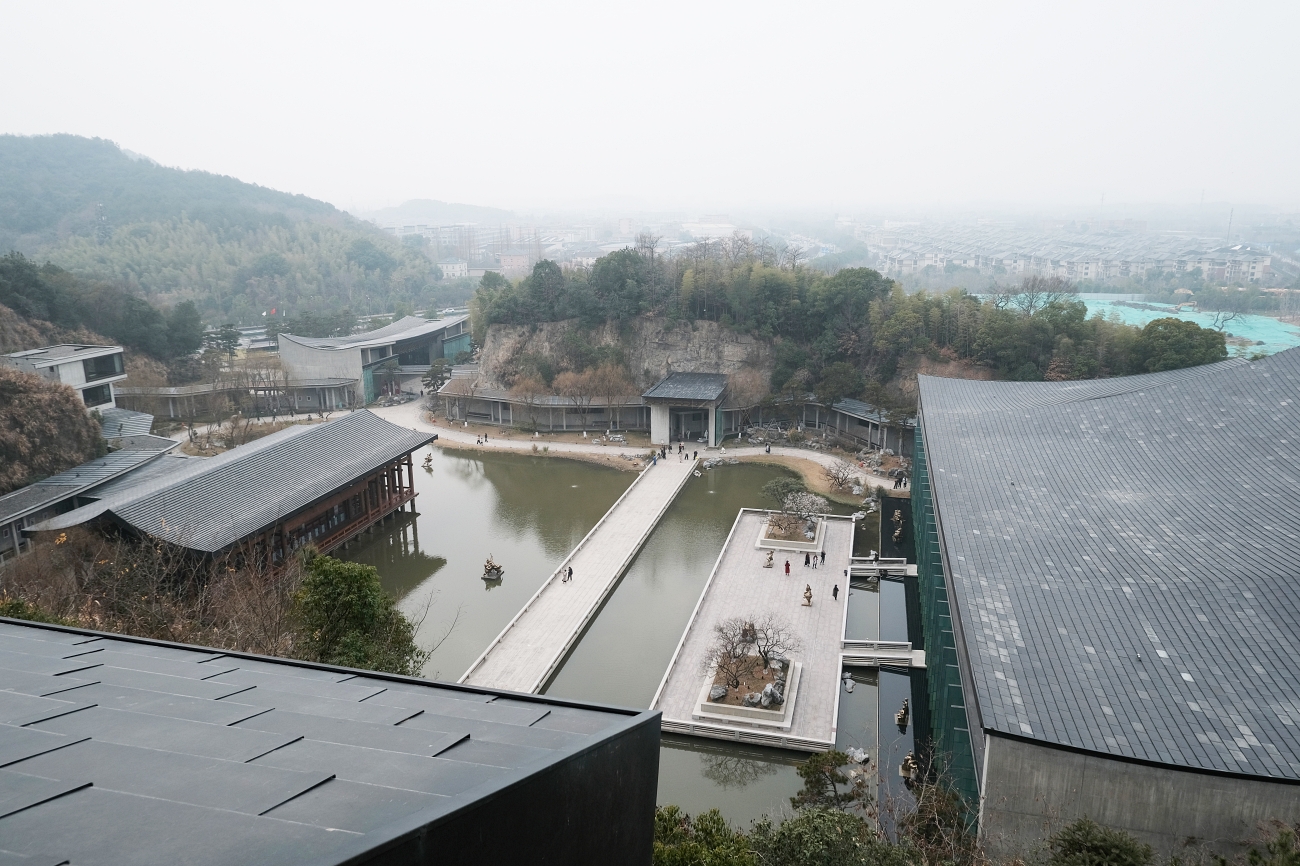
While the first day was formal and ceremonial, the second day unfolded at a gentler pace with a curated architectural tour to Hangzhou, approximately three hours by car from Shanghai. The journey began with a visit to the National Archives of Publications and Culture by Wang Shu and Lu Wenyu. We were privileged to have a guided visit from Lu Wenyu herself, who shared the stories behind the project’s development. The visit continued with a visit to the Liangzhu Museum by David Chipperfield. Housing archaeological artefacts from the Liangzhu culture dating back to around 3000 BC, the museum’s restrained, minimalist architecture stands in deliberate contrast to the intricacy and craftsmanship of the ancient wares on display.
From spaces of history and memory, we were then transported into Hangzhou’s contemporary urban landscape. The Liangzhu Culture and Art Centre by Tadao Ando, set within a serene natural environment, comprises a theatre, library, and gallery articulated as three distinct “boxes” unified beneath a sweeping roof—an exercise in quiet monumentality and spatial clarity.
The day concluded with a visit to OōEli, an arts and commerce complex by Renzo Piano Building Workshop in collaboration with Group of Architects (GOA) Co. Ltd. (Hangzhou). The project reimagines the Hangzhou superblock through a permeable, people-oriented urban strategy, organised around a lush central park that encourages movement, encounter, and pause within the dense city fabric.
After a day of back-to-back architectural encounters, we checked into the picturesque Zhejiang Xizi Hotel at 9.30 pm, nestled along the 1.5 kilometre shoreline of West Lake — a fitting place to rest and reflect.
The third day began with an early-morning boat ride across West Lake. While the first two days were greeted by crisp winter sunshine, the lake revealed itself that morning through rain and mist, lending the landscape an ethereal, almost painterly quality. Although we would have welcomed more time to wander its edges, we were soon ushered onto a shuttle bound for Pudong International Airport, marking our return to Kuala Lumpur.
The visit was brief yet deeply memorable. Hangzhou, with its layered histories and thoughtful contemporary interventions, has certainly secured a place on my list of future journeys.
VERONICA NG is a Professor and Head of the Architecture Department at the School of Architecture & Design, Sunway University, Malaysia.