CARCOSA SERI NEGARA: A LIVING HERITAGE

SERI NEGARA, A HISTORIC RESIDENCE FORMERLY KNOWN AS ISTANA TETAMU, ORIGINALLY BUILT IN 1913, HAS
BEEN METICULOUSLY RESTORED AND RE-IMAGINED BY HL ARCHITECTURE SDN BHD IN COLLABORATION WITH
HERITAGE CONSERVATORS CGB CONSULTANTS SDN BHD ONCE RESERVED FOR DIGNITARIES, IT NOW OPENS
ITS DOORS TO THE PUBLIC AS A VIBRANT CULTURAL LANDMARK, BLENDING HERITAGE PRESERVATION WITH
ADAPTIVE REUSE TO CELEBRATE MALAYSIA’S HISTORY AND NATIONHOOD.
TEXT BY THE ARCHITECTS
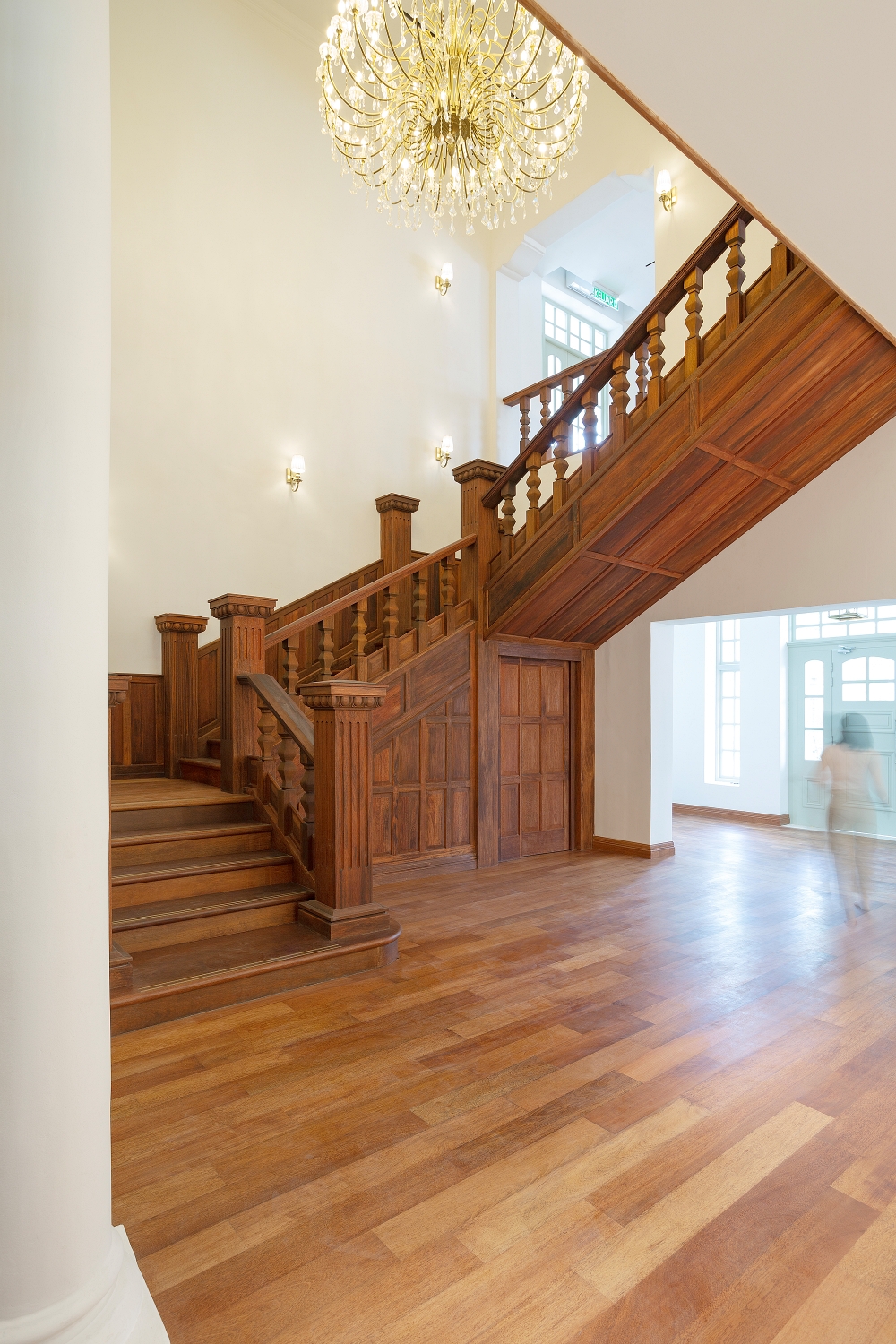
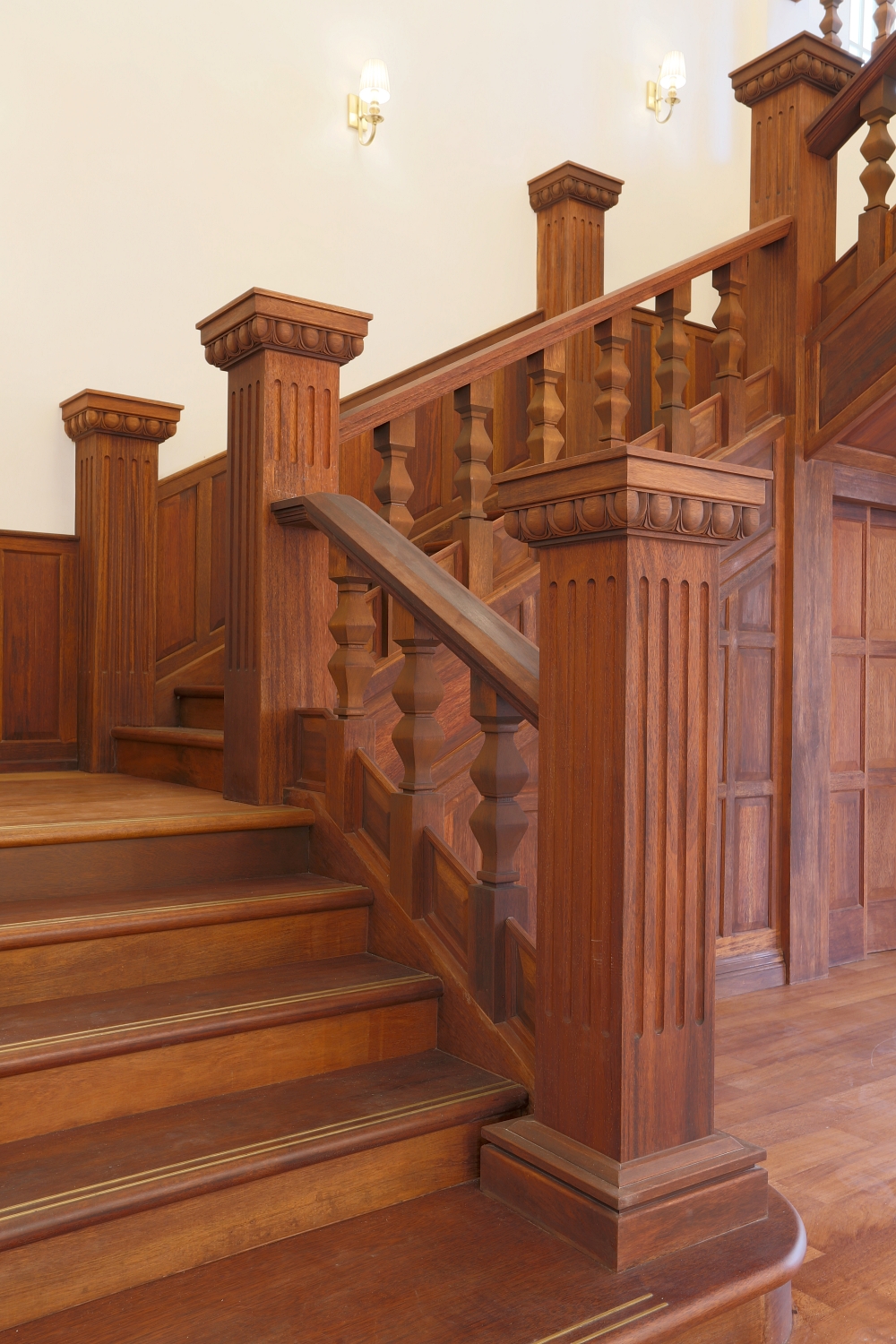
The majestic, restored main timber staircase of Seri Negara, meticulously rebuilt to its original ornate design using archival records, now stands once again as a defining symbol of the building’s historical craftsmanship and character

Seri Negara, perched above the Perdana Botanical Gardens overlooking the heart of Kuala Lumpur, was formerly known as Government House and post-independence as Istana Tetamu. Since its construction in 1913, it has hosted monarchs, dignitaries, statesmen, and, most importantly, it was here that the signing of the Federation of Malaya Agreement took place.

Inscribed in 1986 as a Heritage building status, Seri Negara has long been acknowledged for its symbolic weight and architectural significance. Yet for decades, its access remained limited for ceremonial use. However, the ongoing Warisan KL initiative, led by Khazanah Nasional Berhad, seeks not only to rehabilitate heritage buildings but to restore their relevance. The conservation of Seri Negara thus represents a decisive step in returning a site of national historical consciousness to public life, reframing it as a place of learning, culture, and civic participation.

HL Architecture Sdn Bhd was appointed as the lead architect for the restoration and adaptive reuse of Seri Negara. The works were executed in close collaboration with heritage conservator CGB Consultants Sdn Bhd, whose detailed research and material stewardship helped ensure that interventions honoured the building’s original integrity and historic fabric. Together, the team adopted a conservation approach grounded in authenticity, reversibility, and minimal intervention, recognising the building’s layers of history rather than treating it as a static monument.

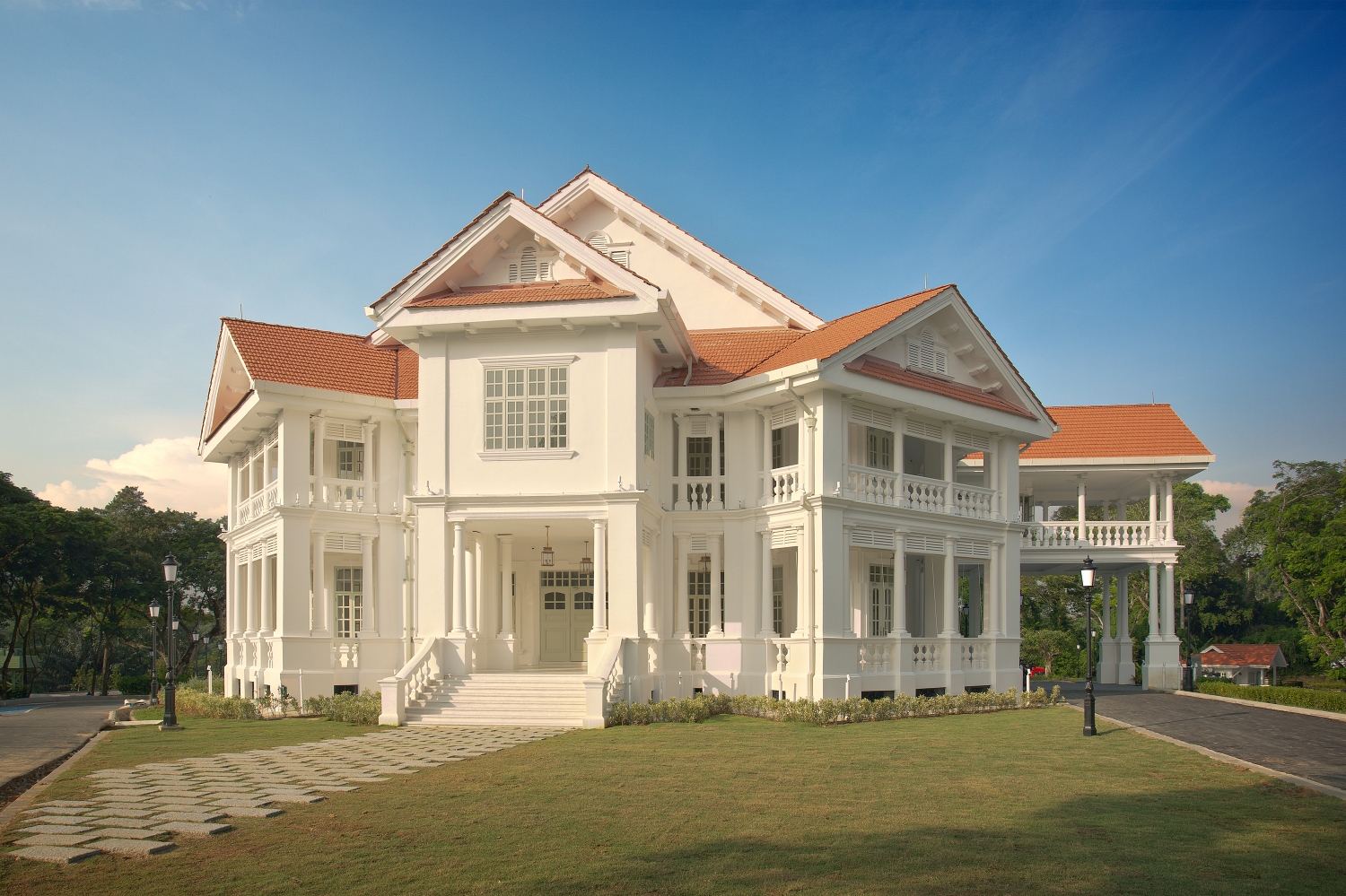
Main facade of Seri Negara building, featuring multiple gabled roofs and deep wrap-around verandahs, perfectly adapted for tropical living

The earliest task was to understand the building as it stood: its construction logic, climatic responses, modifications over time, and the patina of its lived history. Material sampling and heritage documentation revealed subtle variations, from lime plastering techniques to the early use of timber joinery and imported roof tiles, each contributing to the expression of its architectural language. These details were not merely catalogued; they informed every subsequent design decision.

Rather than restoring the building to a single historical moment, the approach acknowledged its layered evolution. Significant features were repaired where possible, replaced only when required, and always with materials and craftsmanship that matched the original in appearance and performance.

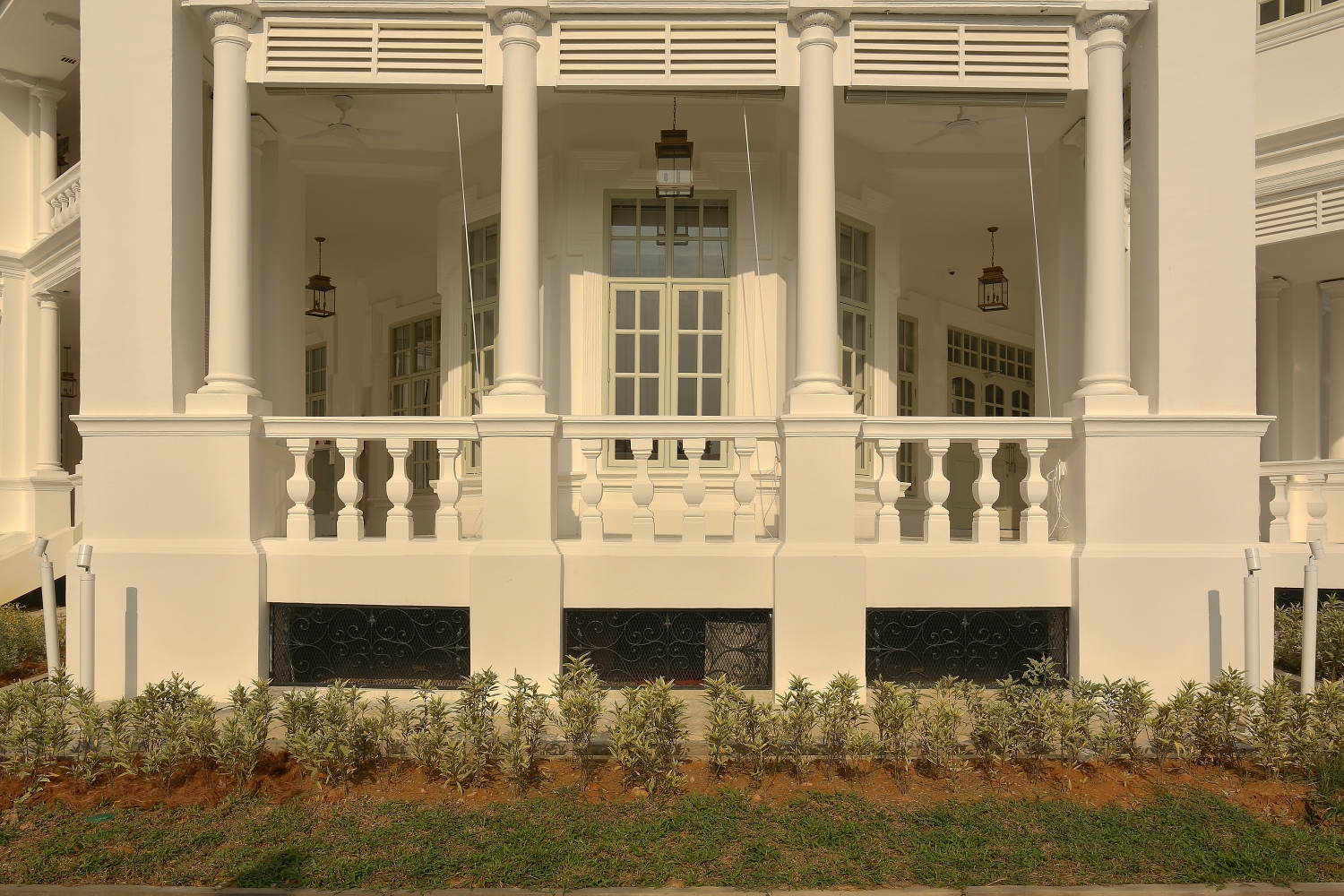
A striking view of the restored building’s elevated verandah, showcasing the classical Tuscan column, balustrades, and multi-paned French windows

A skilled team of conservation artisans, including carpenters, metalworkers, and lime plaster specialists, was brought together to breathe new life into the building, carefully restoring elements that time and weather had worn away. The old bitumen roofing sheets were replaced with classic Marseilles clay roof tiles, a design first developed and mass-produced around the 1850s.Restoring the roof with authentic imported tiles doesn’t just recreate its period-correct appearance; it also pays homage to the building’s original prestige. Back then, access to such finely crafted, globally sourced materials was a quiet symbol of wealth and distinction.

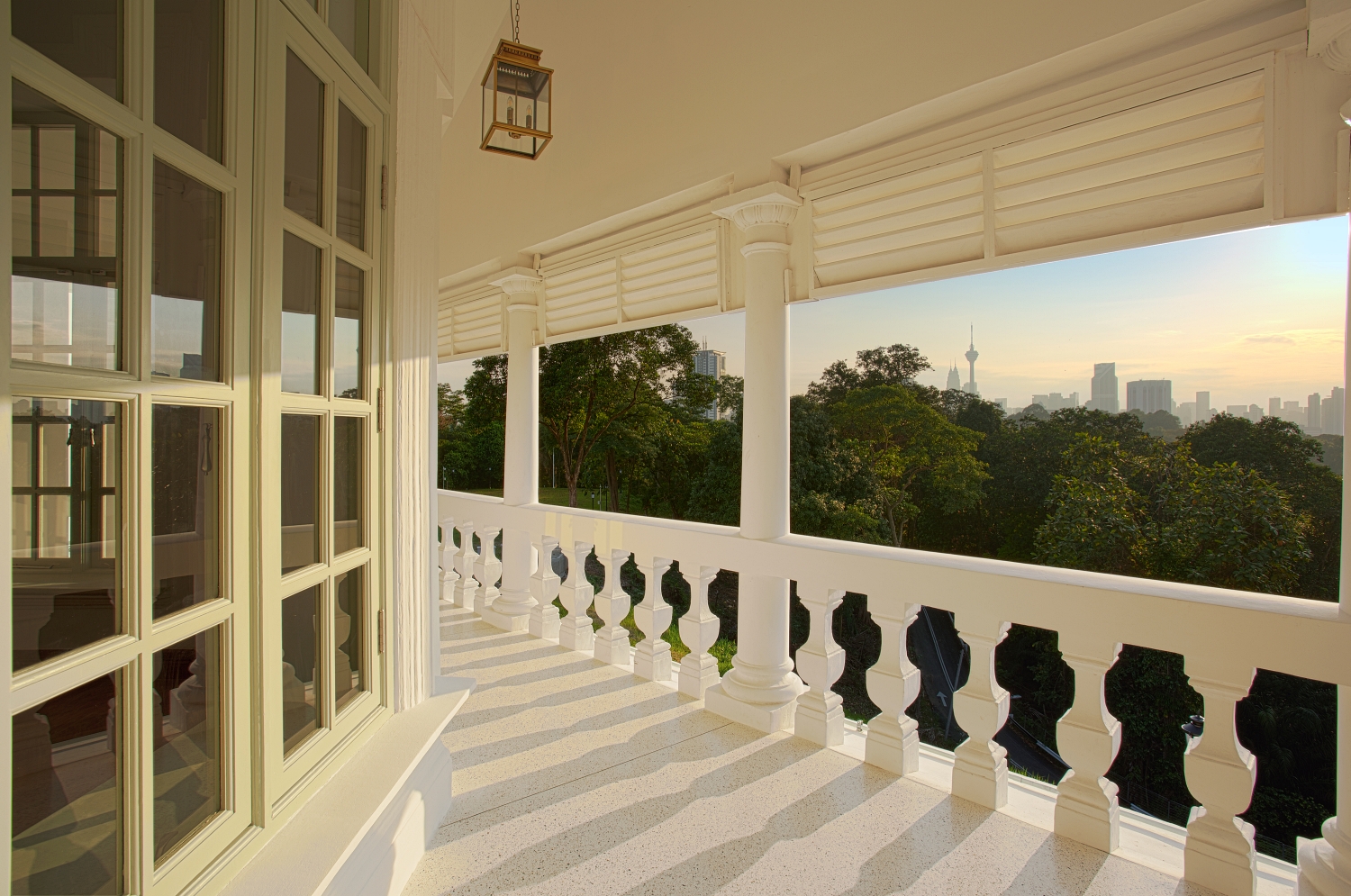
Over the years, the verandah floors had been buried beneath countless layers of inauthentic finishes, each one masking a little more of the building’s past. During restoration, these were carefully stripped away to reveal the original levels beneath. The surface was then re-laid with in situ terrazzo, a finish that not only echoes the craftsmanship of the period but also restores the material integrity true to its time.

The original main timber staircase, once a defining feature of the building, was believed to have been lost in a fire during the 1980s. When the structure was later repaired, the staircase was reconstructed in a simpler and less ornate form than the original. Now, after careful study, it has been meticulously rebuilt to its authentic design, using original photographs and archival drawings sourced from Malaysia and the United Kingdom. The restoration not only revives a significant architectural feature but also reconnects the building with the craftsmanship and character of its past.

This use of compatible, breathable materials prevents the accelerated decay and cracking often caused by rigid, moisture-trapping modern cement. The old timber floorboards and joists were also lifted, repaired, and re-laid. The restoration employed traditional lime mortar and plaster, preserving the building’s structural integrity and historical authenticity.

Where contemporary systems were required, for example, mechanical ventilation, structural strengthening, or electrical upgrades, they were integrated with discretion and routed invisibly or through reversible means. Thus, the building’s climatic performance was enhanced while retaining its passive design strategies: deep verandahs, high ceilings, shaded openings, and cross-ventilated corridors. Indeed, in the process, there were delightful discoveries, ceilings which had covered high-level clerestory windows, concealed for decades, are now exposed and restored to their former glory.

Built on elevated ground, Sri Negara offers commanding views overlooking the capital city of Kuala Lumpur

The project’s conceptual core lay in returning Seri Negara to the people of Malaysia. Once a place accessible only to the elite, it is now envisioned as a public-facing cultural landmark. The adaptive reuse programme introduces new functions that activate the building while respecting its spatial hierarchy:

A Heritage Interpretation Gallery narrates the building’s historical role in Malaysia’s journey toward self-governance, allowing visitors to engage with archival materials, artefacts, and historical narratives.Such event and exhibition spaces support civic, cultural, and educational programmes, promoting Kuala Lumpur as a regional cultural capital.

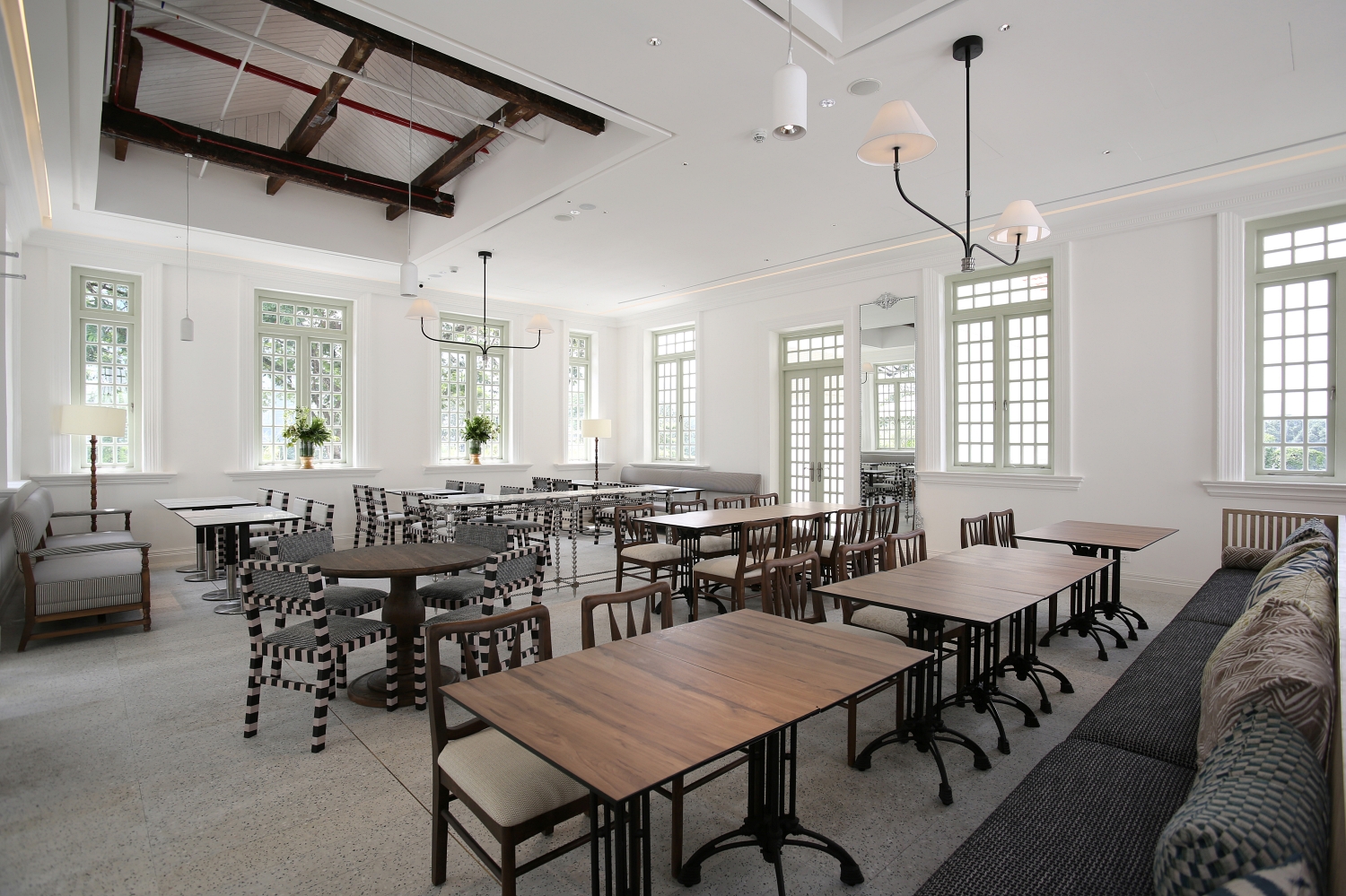
A café and formal restaurant by Serai Group Sdn Bhd have been introduced to open the building to everyday life, inviting families, tourists, and local residents alike to inhabit its rooms, verandahs, and public gardens.

These contemporary insertions are designed to be light, precise, and legible, ensuring that new elements are distinguishable yet harmonious, complementing rather than competing with the historic fabric.

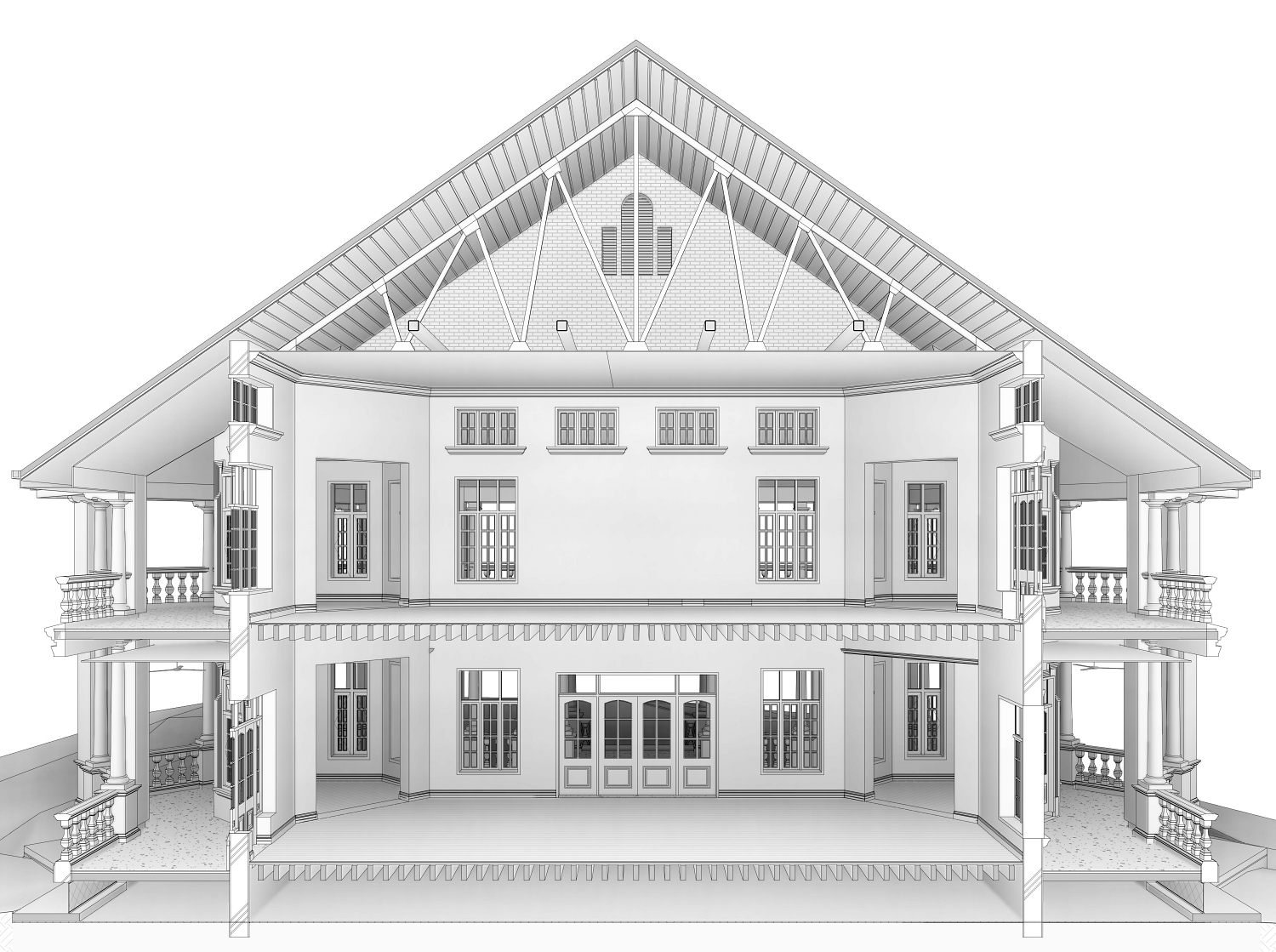
Main Gallery Cross Sectional Perspective

In many ways, the restoration of Seri Negara reflects a broader shift in how Malaysia safeguards and expresses its cultural legacy. Heritage is no longer seen solely as preservation of the past, but as a living platform for social, cultural, and economic vitality. It is a shared inheritance, meant to be experienced, understood, and carried forward collectively.

For HL Architecture, the restoration of Seri Negara is both a privilege and a responsibility. It is a project that demands sensitivity to memory, discipline in craft, and clarity of purpose. In collaboration with CGB Consultants Sdn Bhd and the Warisan KL initiative led by Aset Warisan Satu Sdn Bhd, the work reasserts the value of architectural heritage as a living continuum, where the past informs the present, and the present prepares the legacy of the future. As such, Seri Negara stands today as a vibrant, open landmark, reclaimed, restored, and returned to the people of Malaysia.

The stunningly carved, staircase and balustrades, resurrected through meticulous restoration work to showcase the building’s original, high- level craftsmanship enhancing well-being
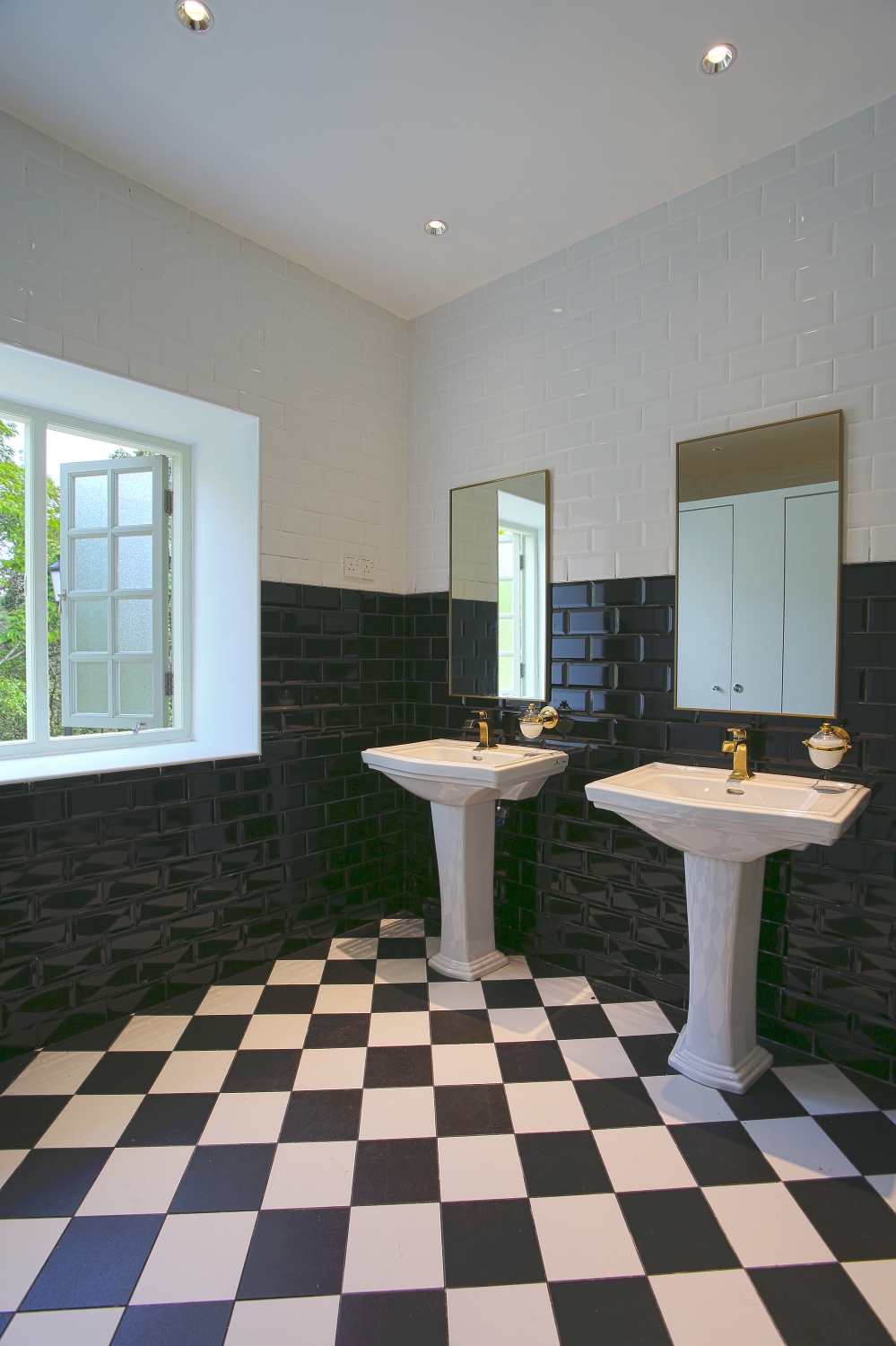
Washrooms adopt a simple yet elegant design reflective of the era, with classic black and white checkered floor tiling and white pedestal sinks
The new Serai House restaurant with private terrace dining outside

FEATURES

RELATED ARTICLES