
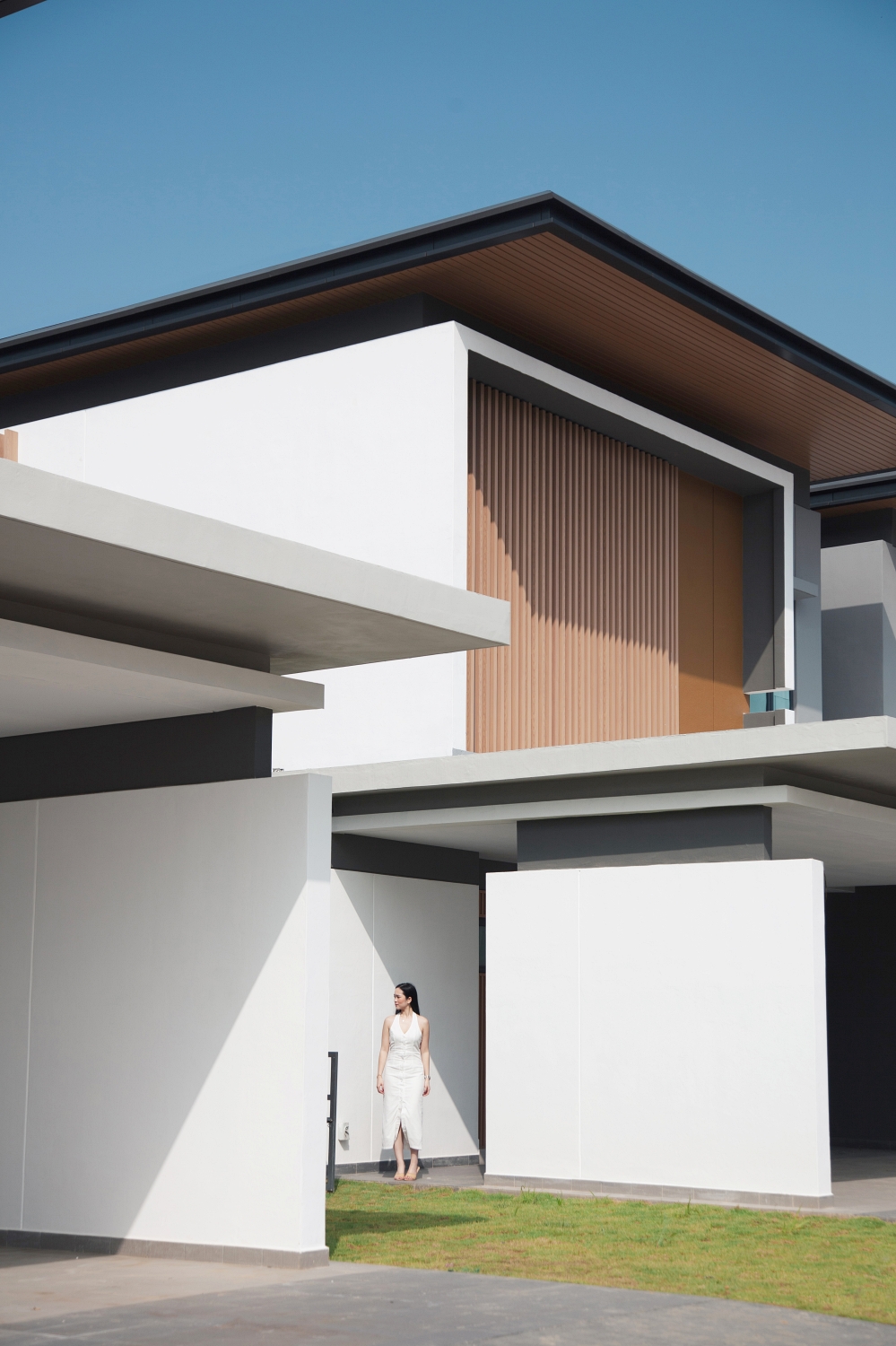
In an era where visual saturation often dominates architectural trends-projects screaming for attention with flamboyant façades and iconic forms-the Blindbox concept offers a compelling counter-narrative.Situated along the quiet ripples of a waterway and cradled by curated landscapes, this housing project proposes something altogether different: A fantasy not shouted in spectacle, but whispered through space and silence.
Its development name, “Isle of Fantasia,” might initially evoke images of theme parks and flights of fantasy.But the first conceptual pivot is clear: Blindbox does not replicate such overt imagery.Instead, it subverts fantasy by stripping away ornament and spectacle, locating it within the latent potential of space-in the quiet revelation of form and the serenity of minimalism.
This project resists the common misinterpretation of architectural imagination as spectacle.Blindbox’s vision is to reframe fantasy through restraint.To dream not in ornament but in order.Not in excess, but in essence.
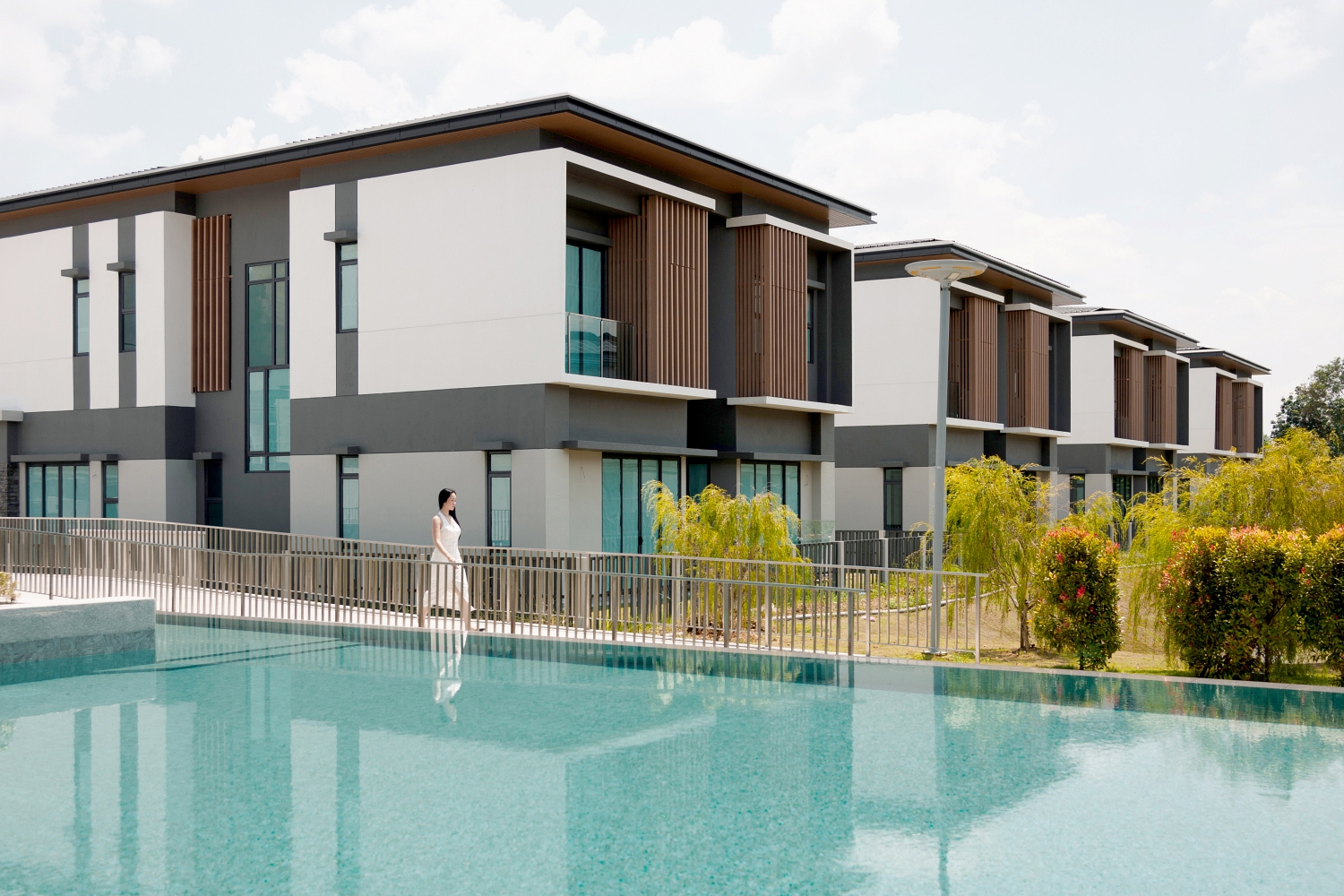
At the heart of the project is a tension-between what is shown and what is hidden, between the pragmatic and the poetic.The term “Blindbox” finds its roots in consumer culture, where the delightfully frustrating mystery of not knowing what lies inside until the package is opened.This sensation-of anticipation, surprise, and discovery-is appropriated and abstracted into architecture.
Here, the ‘Blindbox’ is not just a metaphor but a tectonic reality.The architecture is composed of stark white volumes- pristine forms shrouded in vertical fins, projecting an exterior silence through restraint.These façades, with adjustable vertical blinds, serve as mechanisms of privacy and suspense.In their closed state, they create a controlled opacity, concealing daily life.Once open-like the unboxing of a mystery-the inner choreography of space, light, and nature is revealed.
The experience of Blindbox is cinematic.From the moment one approaches the residence, there is a sense of deliberate ambiguity.The exterior reads as a Zen artifact-quiet, enigmatic, emotionally distant.Yet, upon entry, a spatial crescendo unfolds.The interiors are orchestrated around a singular, verdant heart: the secret garden.
The secret garden is not a mere landscaping gesture, but a conceptual anchor.It is a private, mutable Eden ensconced within the geometry of the home.The idea of nature as an inward experience-rather than an external backdrop-is radical in its quietude.Every major spatial zone within the house, including the living room, dining and master bedroom, is oriented inward, allowing occupants to gaze into this introspective green void.
But more than visual pleasure, the garden embodies potentiality.It is a canvas for the occupants’ own narrative-able to shift functionally across time.It can be a meditative retreat, a children’s play area, a courtyard for dinner parties, or a micro farm.In this, the secret garden echoes the fantasy that Fantasia promises: not a prefabricated dream, but a spatial invitation for the individual to dream within.
This philosophical repositioning of the garden-turning it from a visual appendage into an experiential core-reframes the domestic ritual.The garden becomes the house’s memory chamber, its emotional register, its soul.
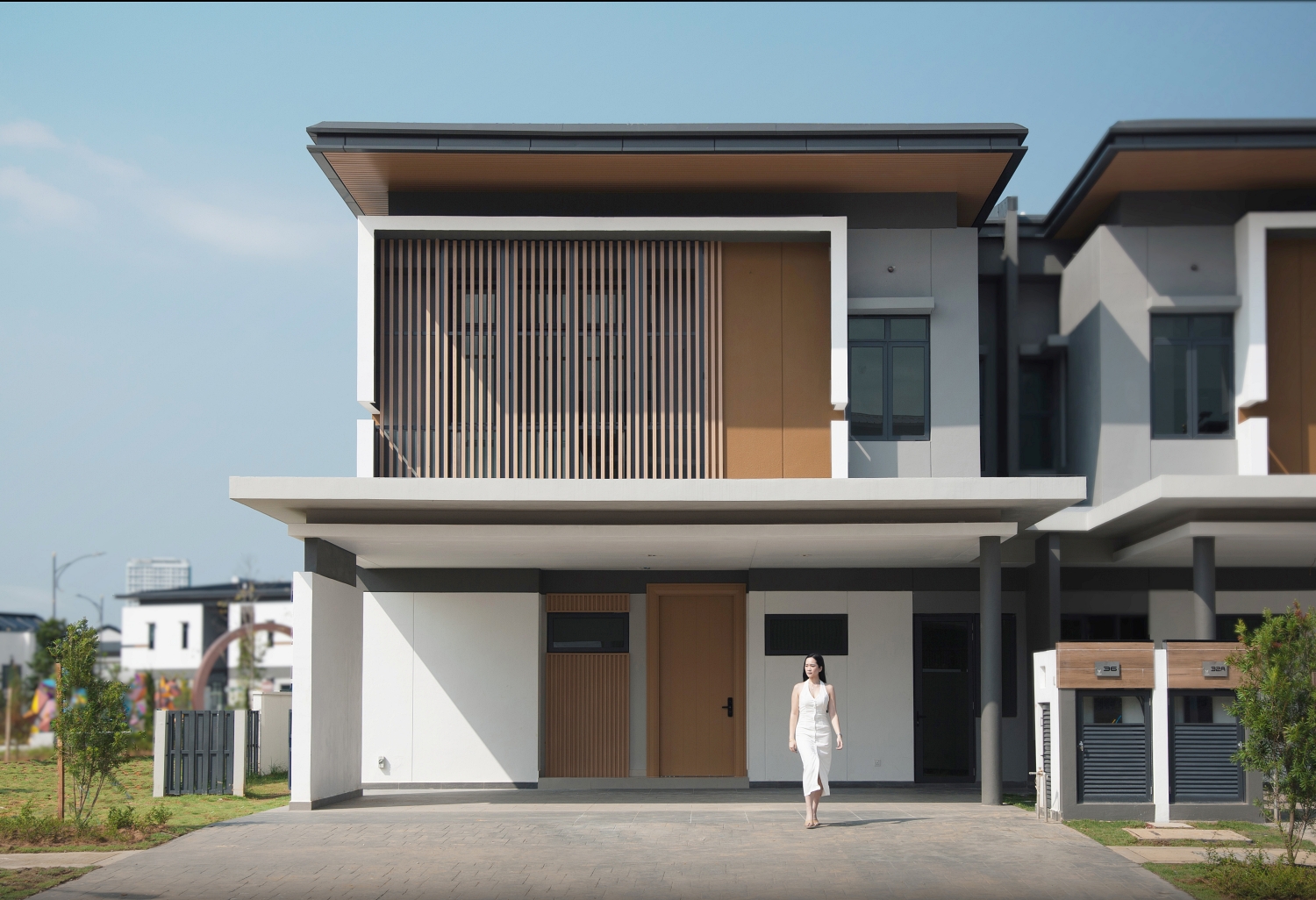
In a culture obsessed with transparency, Blindbox proposes that architecture can conceal as much as it reveals.Its vertical blinds are more than sun-shading devices; they are spatial signifiers of discretion and control.The choice to manipulate them is a daily act of curation.
These vertical sunshades-meticulously detailed to blend seamlessly with the façades-give the buildings a stoic, modernist clarity when shut.Their clean geometry and measured rhythm evoke a spatial discipline where serenity is cultivated through repetition and restraint.The verticality not only references blinds and privacy screens, but also becomes a symbol of protection, an interface between public view and private experience.When the blinds open, they do so without ostentation.No drama, no flamboyance-only an invitation to look within.In this gesture lies the core poetics of the Blindbox.
Another inversion of conventional housing design is evident in the way spatial priorities have been rearranged.The primary rooms-living spaces and master bedrooms-are located at the back of the site.They are not oriented towards the road, as is typical, but instead embrace the tranquil views of waterways and parks beyond.
This reversal is both strategic and symbolic.By facing away from the noise and movement of the street, these spaces align with the project’s deeper themes of retreat and introspection.The house no longer performs for the public eye.Instead, it becomes a sanctuary-an inward-looking, serene space that rewards its dwellers with views of nature and the softness of filtered light.In essence, Blindbox becomes an island.Not in the literal sense, but in its emotional and spatial positioning.An island of peace, floating amidst the chaos of contemporary life.A fantasy-yes-but one crafted from logic, form, and silence.
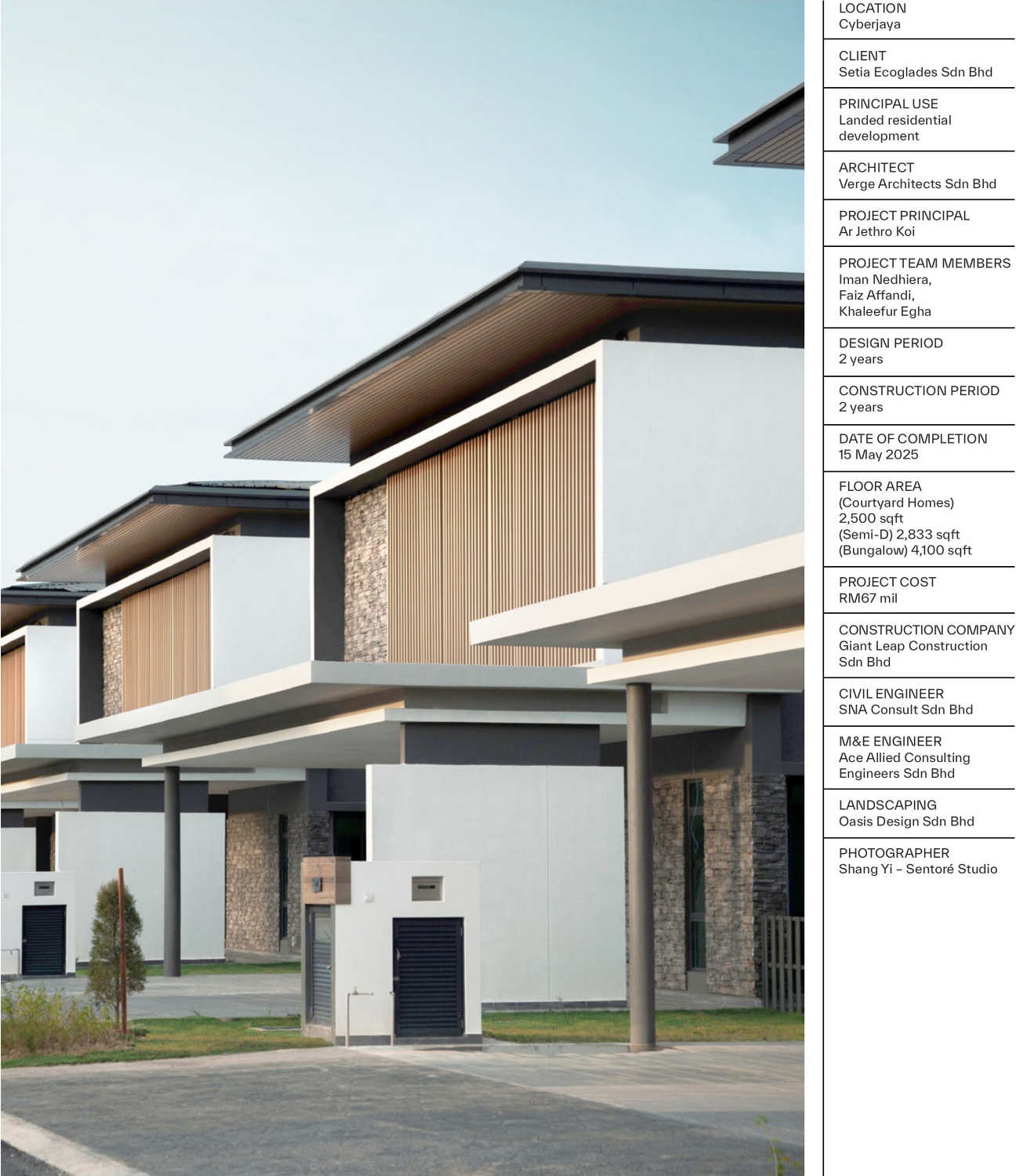
The formal language of Blindbox is restrained, but never sterile.It operates through a studied choreography of planes-bold white frames, deep shadows, articulated horizontals and verticals.There is a palpable tension between mass and void, between openness and enclosure.These are not arbitrary moves; they are deliberate manipulations of visual weight, depth, and perception.
A huge plane of wall ornamented with just one single line.Minimalism here is not a style, but a philosophy.The architecture achieves richness through reduction-through the interplay of light and shadow, surface and recess.The homes read as monoliths from afar, but upon closer inspection, they breathe, shift, and open.The subtlety of detailing-corners, joints, the articulation of the sunshades, and the proportion of fenestration- reveals a high level of craft.In this way, Blindbox belongs to the lineage of quiet architecture: structures that do not seek attention, but reward it.
Blindbox is more than a housing project.It is a meditation on the contemporary home-its role, its rituals, and its psychological textures.By reframing fantasy not as an escapist dream but as an architectural condition of discovery and self-expression, the development challenges how we define aspiration in design.
It is not Disneyland, nor is it Tomorrowland.It is Fantasia reinterpreted for the thoughtful dweller.A place where the outer shell is modest, but the inner world is infinite.It asks us to look again.And then-look within.