Humans have been seeking out connections with the natural world for centuries. The way we perceive nature shapes the way we engage with it. Driven by our obsession, plants have been collected and cultivated not only as a source of food and building material but also as possessions. Historically, plant hunting expeditions to the far reaches of the world may have started the international trade and exchange of plants but the steady progress of horticultural technology and the subsequent taming of plants through cultivation created the ‘house plant’ as a ubiquitous object, commonplace in everyday living.
House plants have become a commodity that is now actively traded and exchanged throughout the world. An exotic Anthurium that would have originated from the misty depths of the Amazonian cloud forest can now be admired in an air-conditioned living room of a 50-storey condominium in downtown Kuala Lumpur. Although the cheapening of plants through mass propagation techniques such as tissue culture has made them more accessible to people, it has relegated some plants into seasonal decorative objects that are part of the throw-away culture.
Here in Malaysia, we are blessed with a tropical climate in which a good variety of plants can be grown with great success. We need to understand some of the cultural requirements of a plant in order for them to fully thrive. Ideally, under our care, we would be able to provide the optimal conditions that would mimic a plant’s native habitat which it has evolved to grow in.
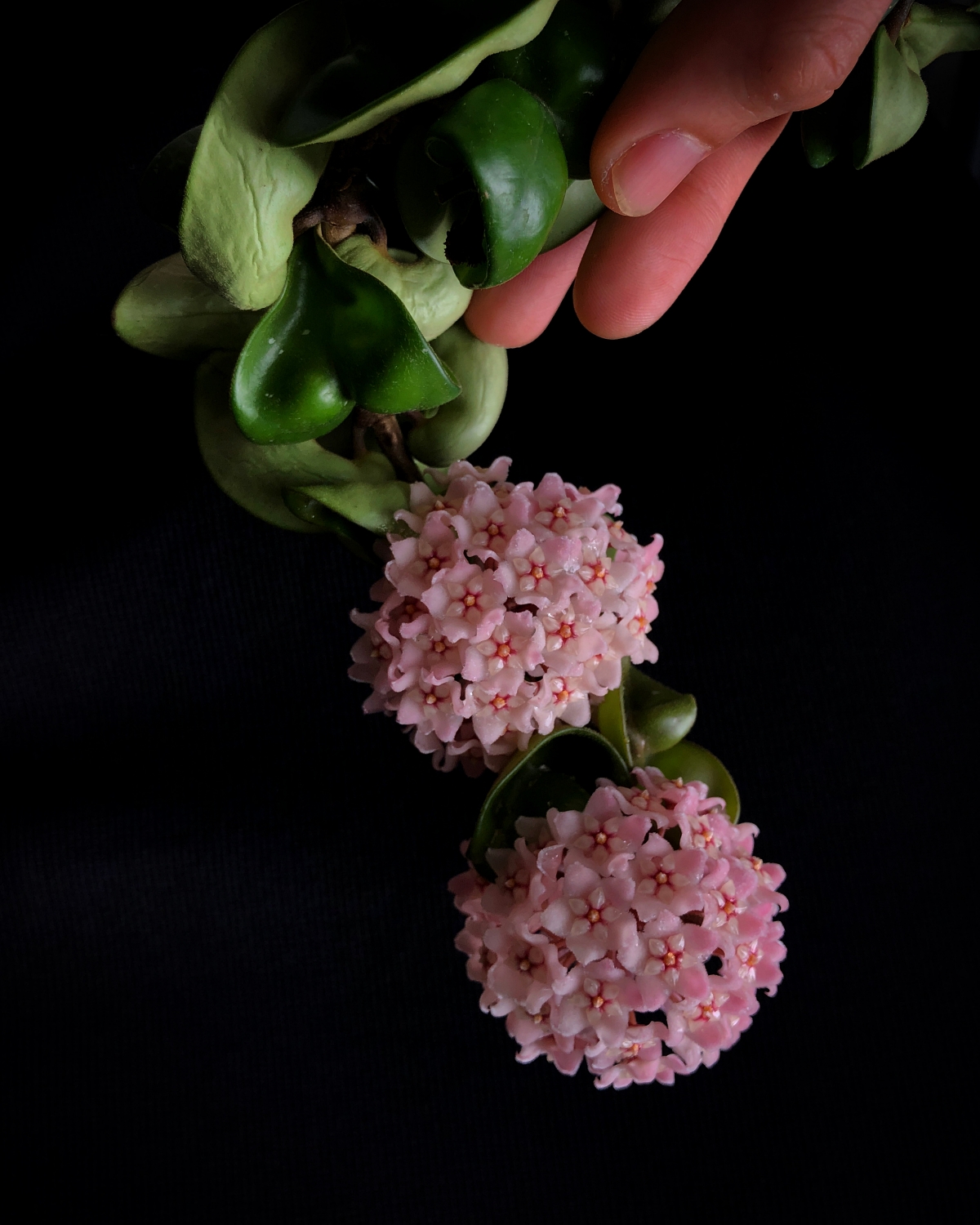
An increasing number of plant collectors and enthusiasts are urban dwellers, living in the typical high-rise condominium and apartment blocks flourishing the city skyline. Spurred by the pandemic, people are attempting to reconnect with nature through the nurturing of plants. City living should not be a hindrance to the keeping of plants. Although it may present some challenges, it forces the inhabitant to analyse their domestic setting and choose the plants that would be most suited to growing in that particular area. It is important to note the direction a room or balcony faces, the amount of indirect or direct sunlight it receives, whether it gets rained on and if it has good air circulation.
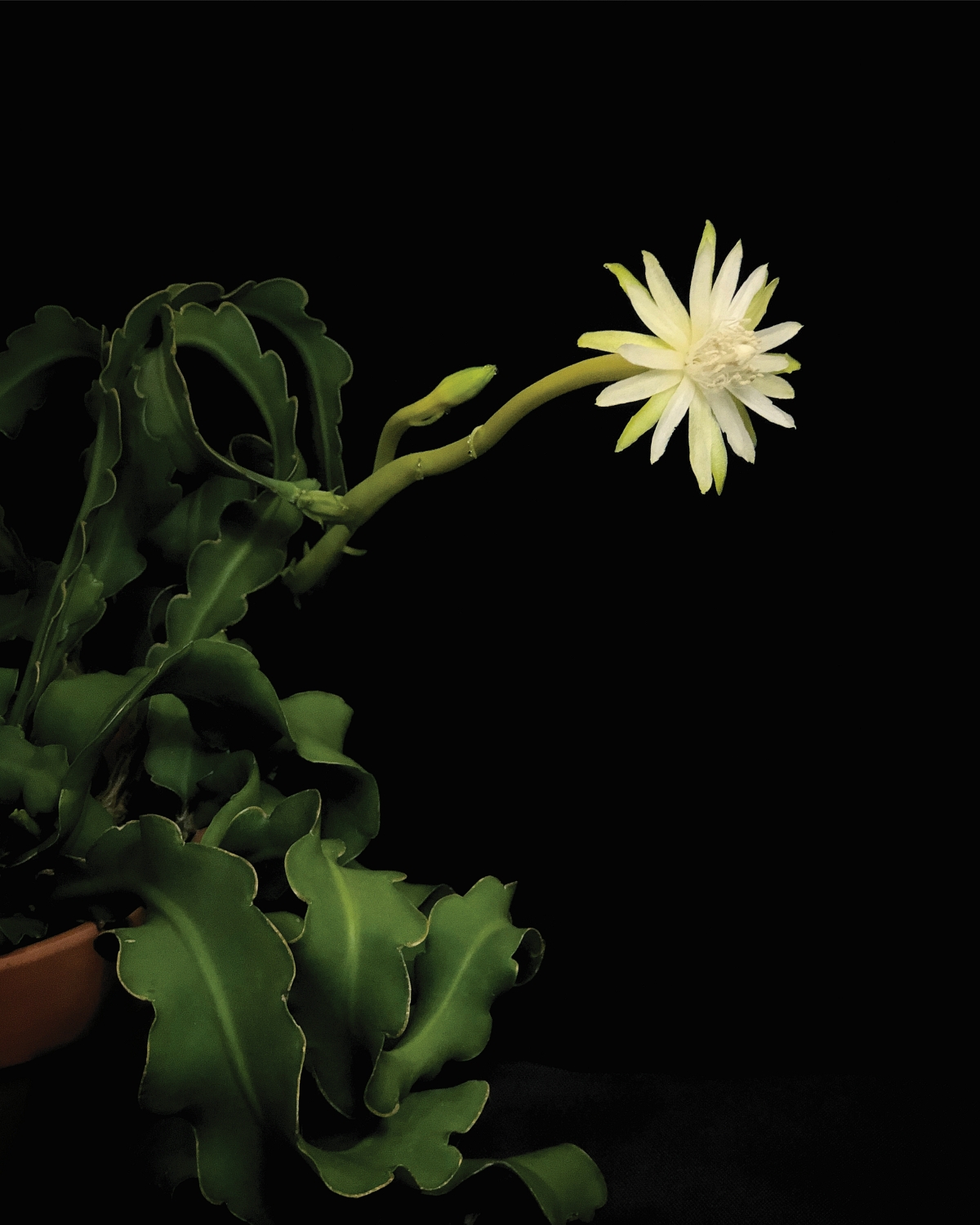
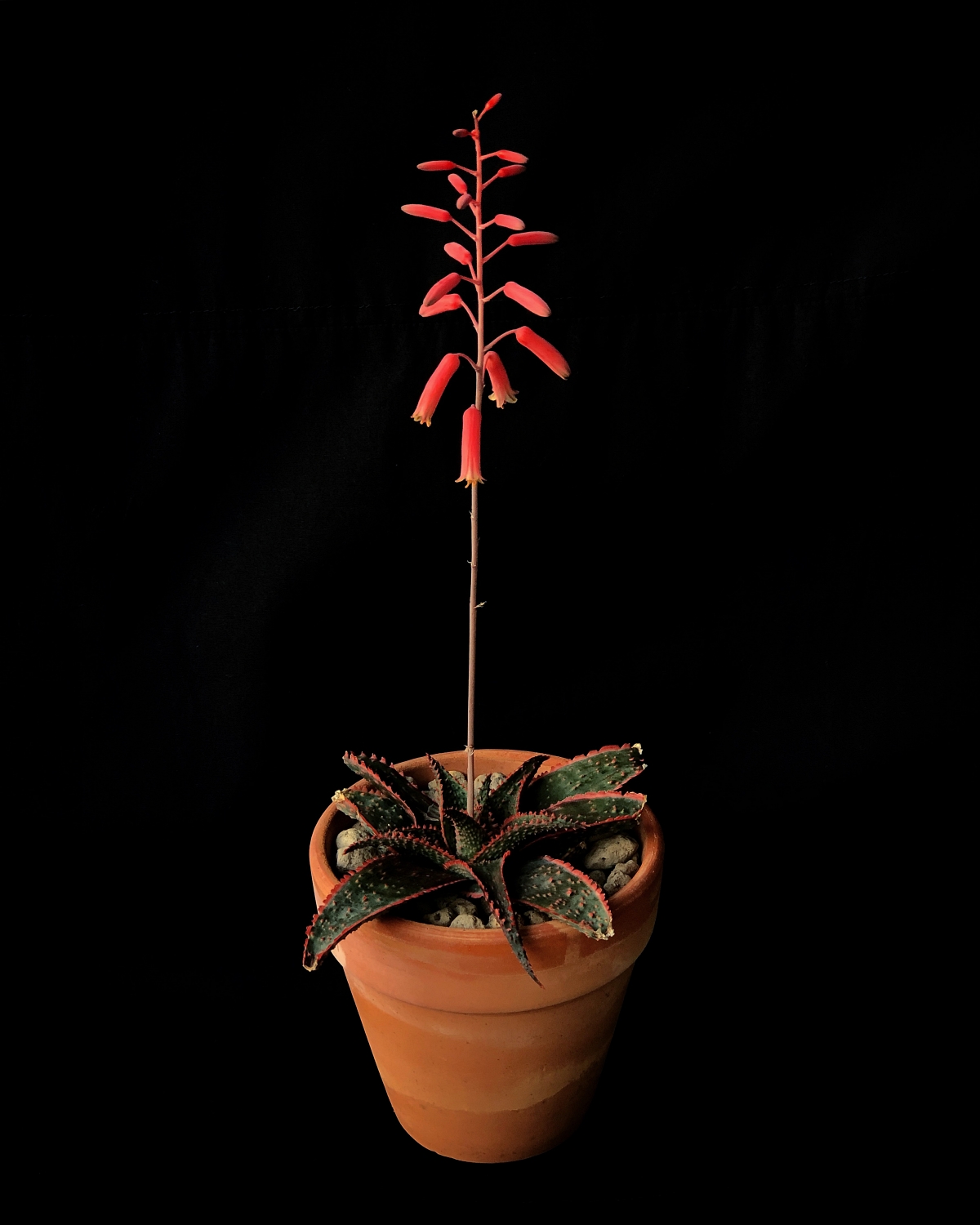
As of late, the notion of ‘rare’ plants as objects of desire have come to light. But what defines a ‘rare’ plant? Are they the ‘Critically Endangered’ plants as defined by CITES (the Convention on International Trade in Endangered Species)? Or more often, they are plants whereby the demand for them is outstripping supply, creating a scarcity in the market and driving up its prices. While many common plants can be picked up from a plant nursery or market, these ‘rare’ ones are not as easily acquired or readily offered, thus creating a market for specialist plant suppliers and a burgeoning community of plant addicts. With some knowledge and patience, these less common plants can be just as satisfying to grow and even with relative ease. A few of these exotic plants which are rewarding to care for are highlighted below:
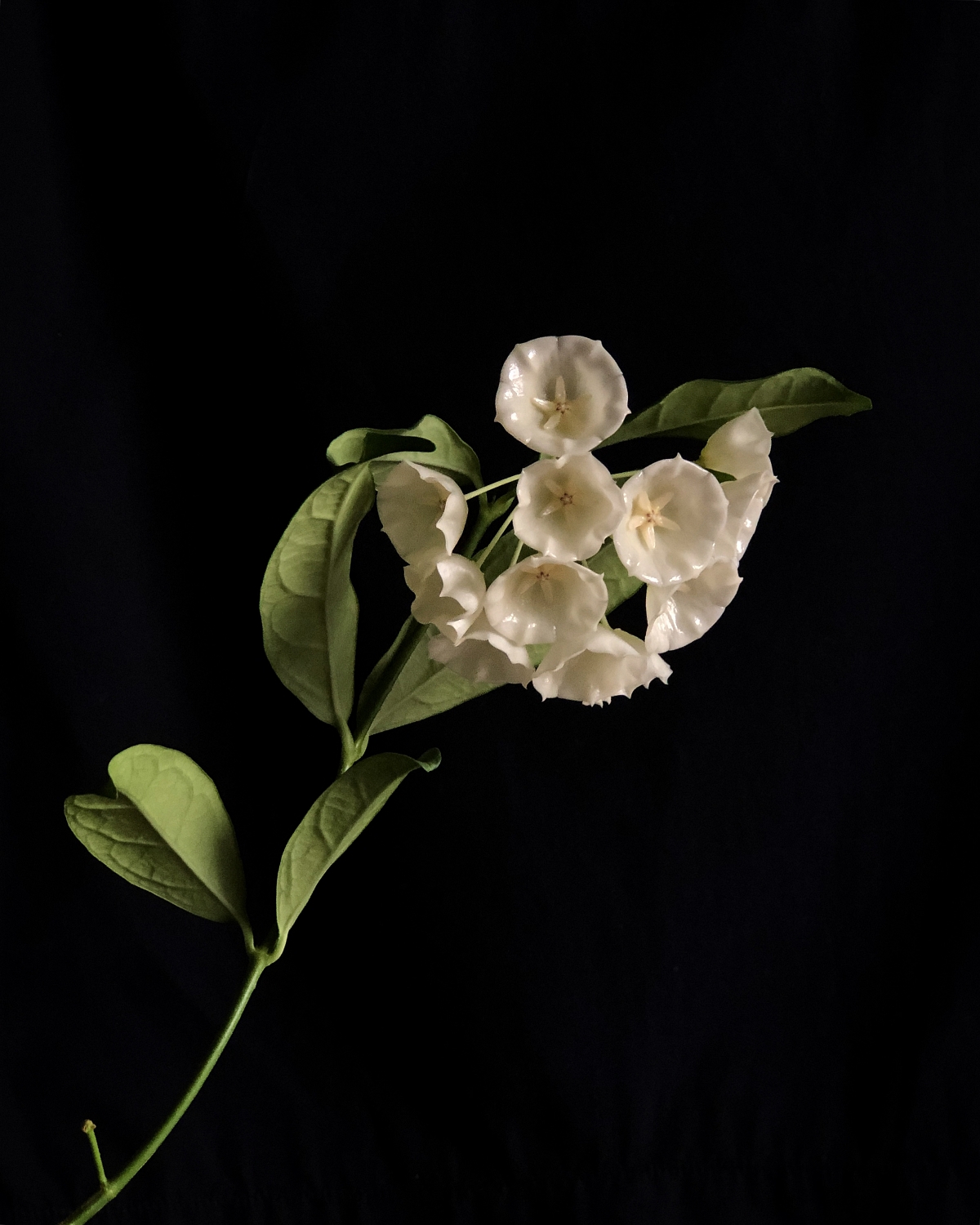
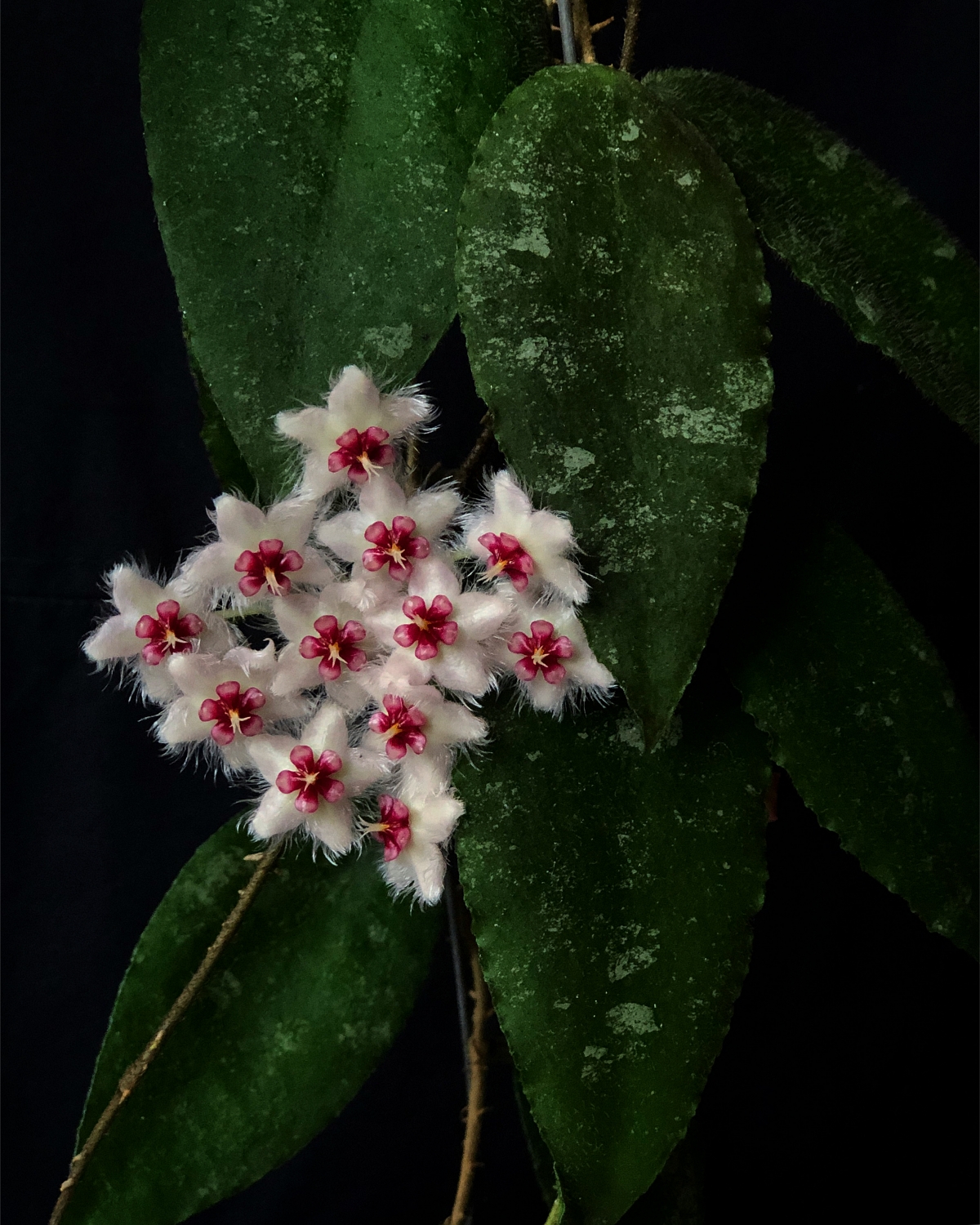
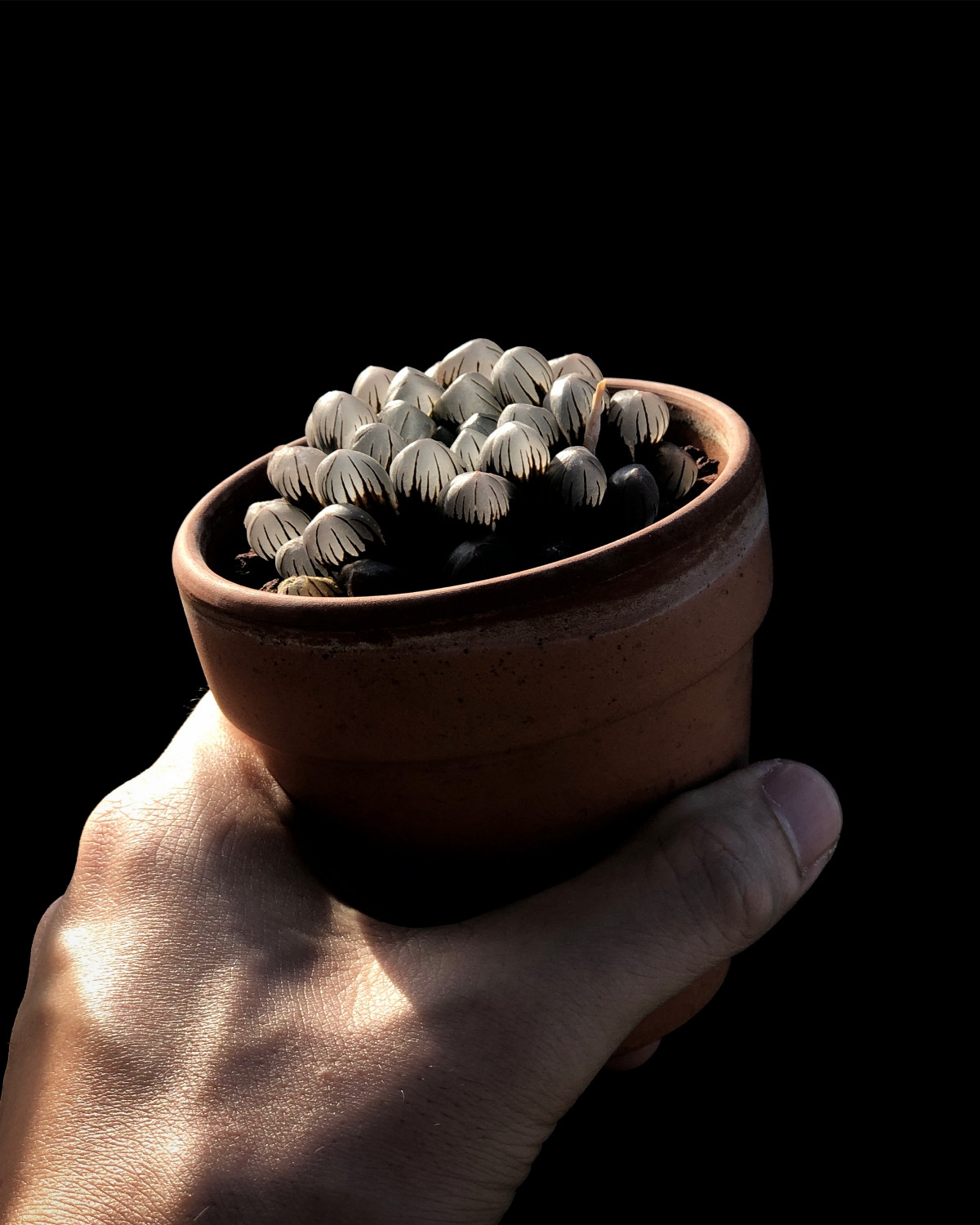
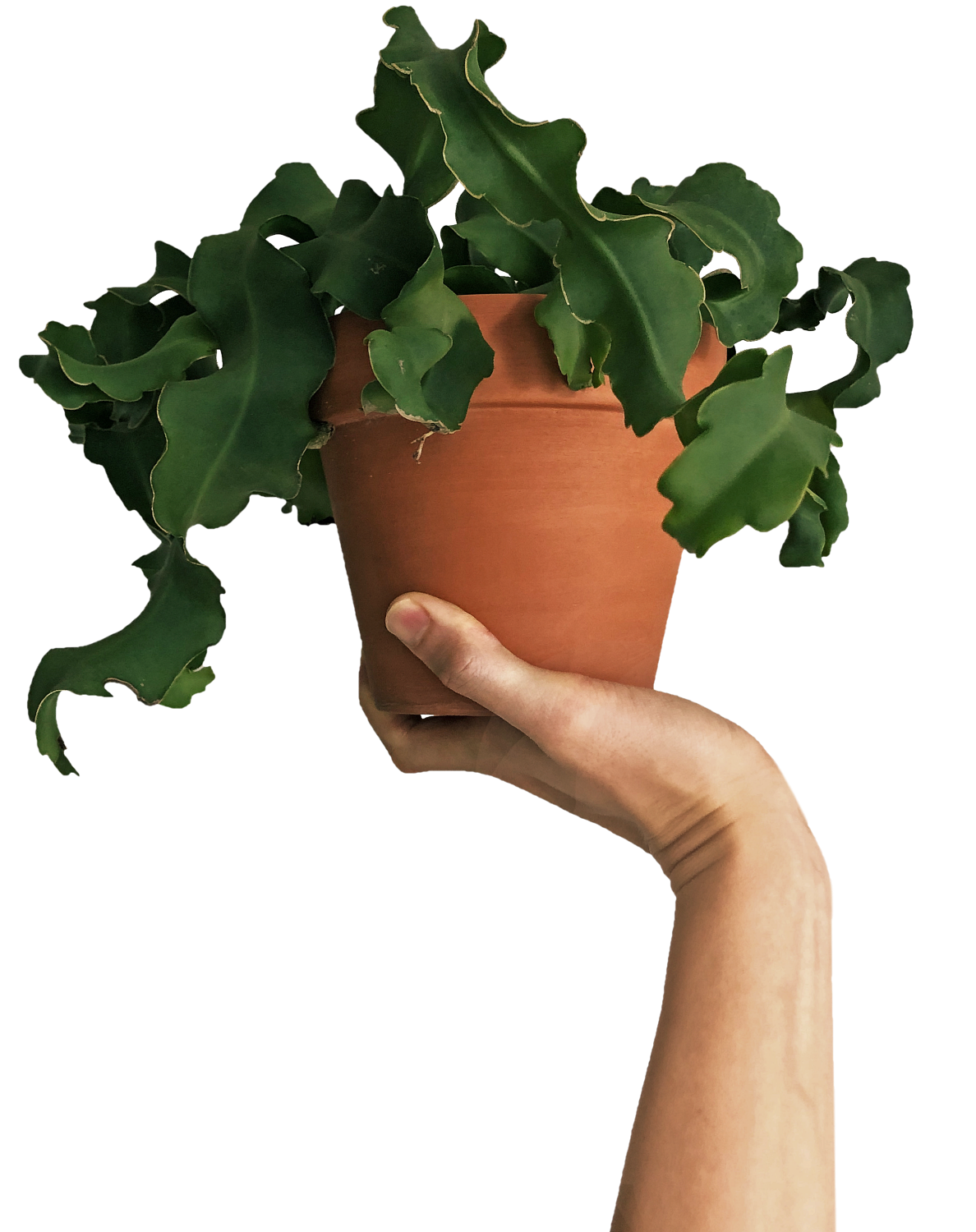
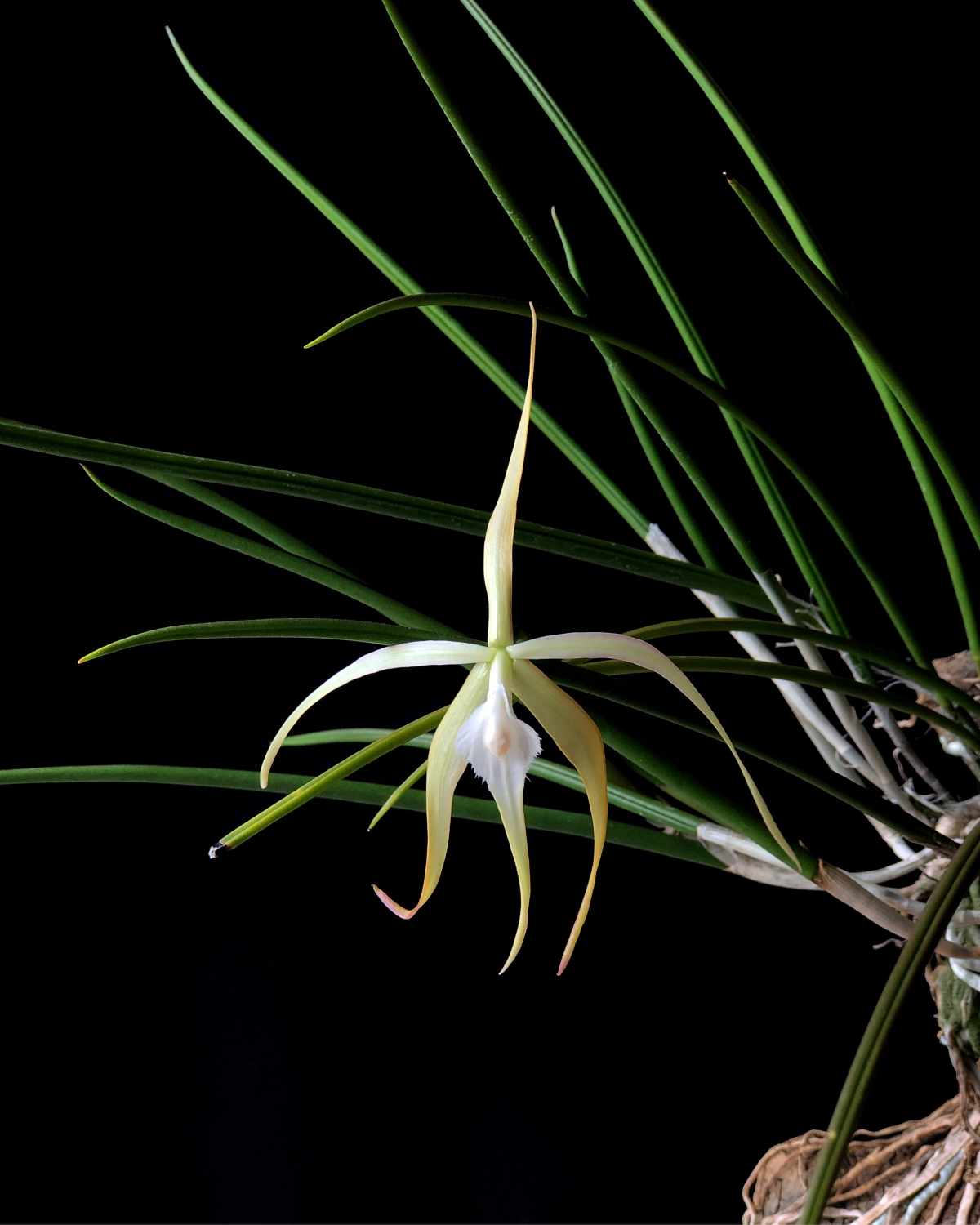
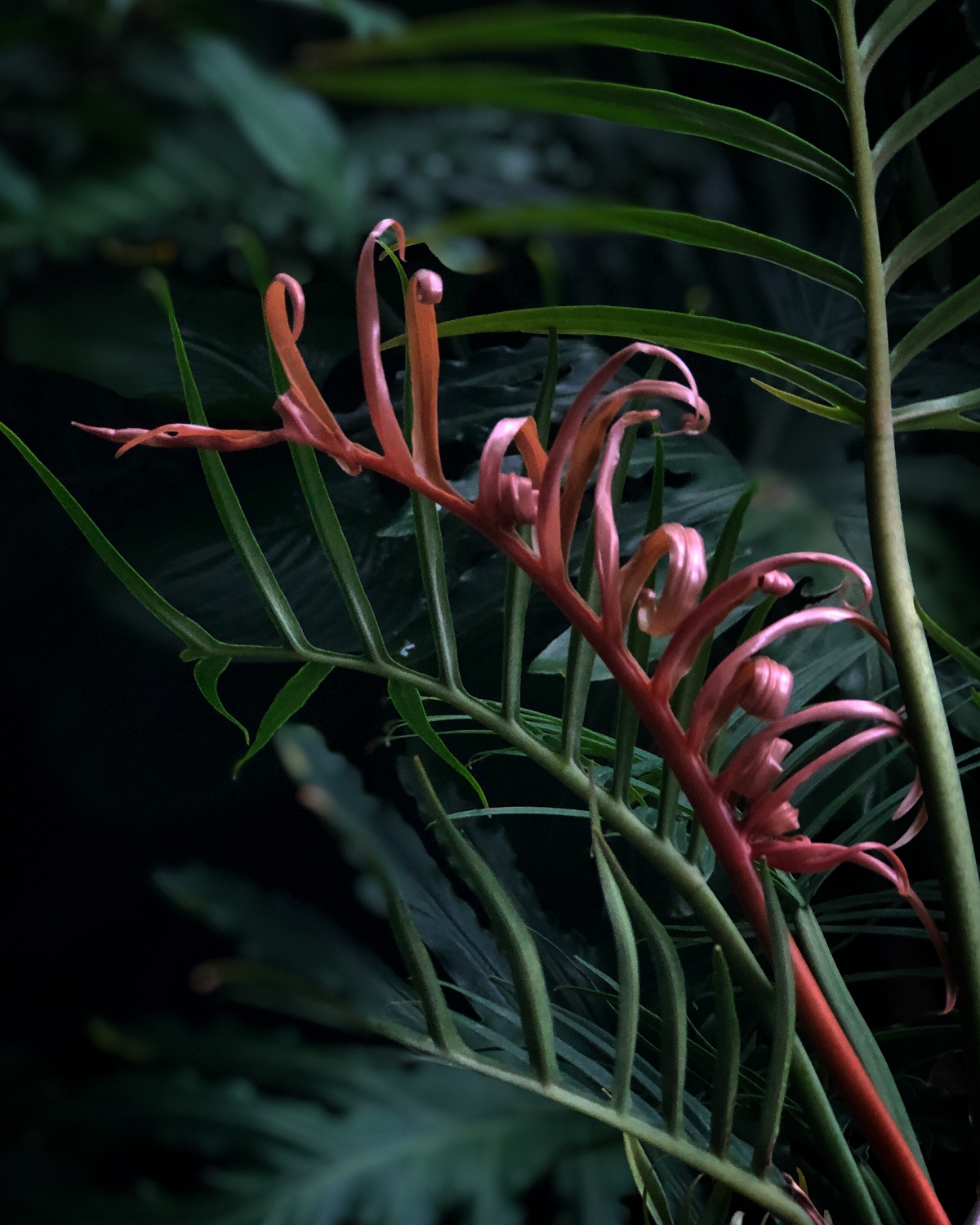
ANTHURIUMS, PHILODENDRONS AND ALOCASIAS have become extremely coveted plants by collectors. All are from the Araceae family of plants prized for their diverse leaf forms, colour and growth habit. The demand for them may have pushed up their value; they are still highly sought after. Except for a few which originate from the cool, humid cloud forests of South America, Anthuriums and Philodendrons are well-adapted to our lowland tropical climate. It is important to know where the individual species hails from to ensure its suitability for growing:
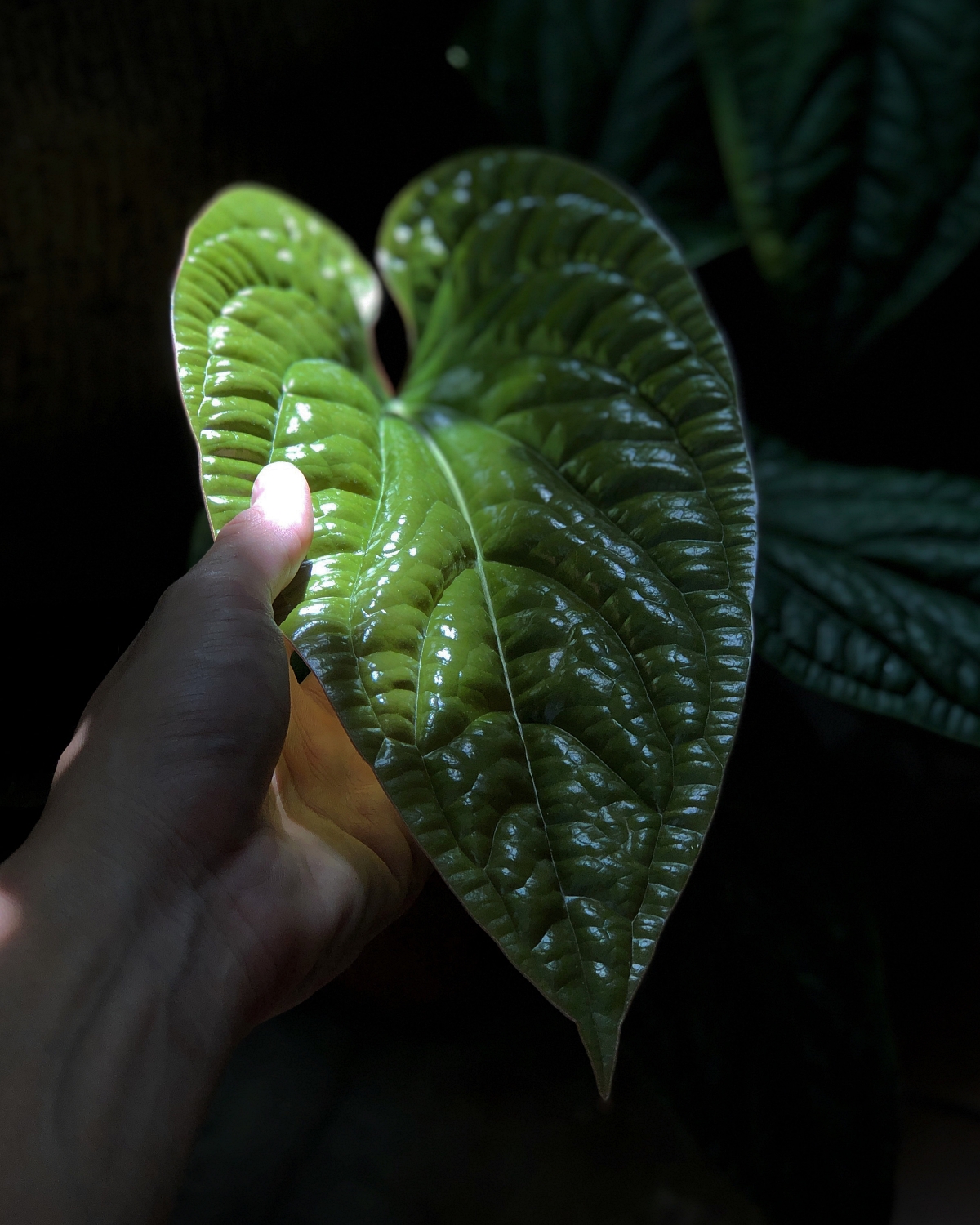
ANTHURIUM RADICANS X DRESSLERI (pictured) is a hybrid with stunning heart-shaped pebbled leaves with a sleek sheen. Unlike other Anthuriums commonly grown for their flowers, this hybrid is cultivated for its showy foliage. They do well in a media of pumice and coconut chips which maintain a good amount of humidity while preventing it from being waterlogged. As they are understory plants, they should be grown in indirect light to prevent the leaves from scorching.
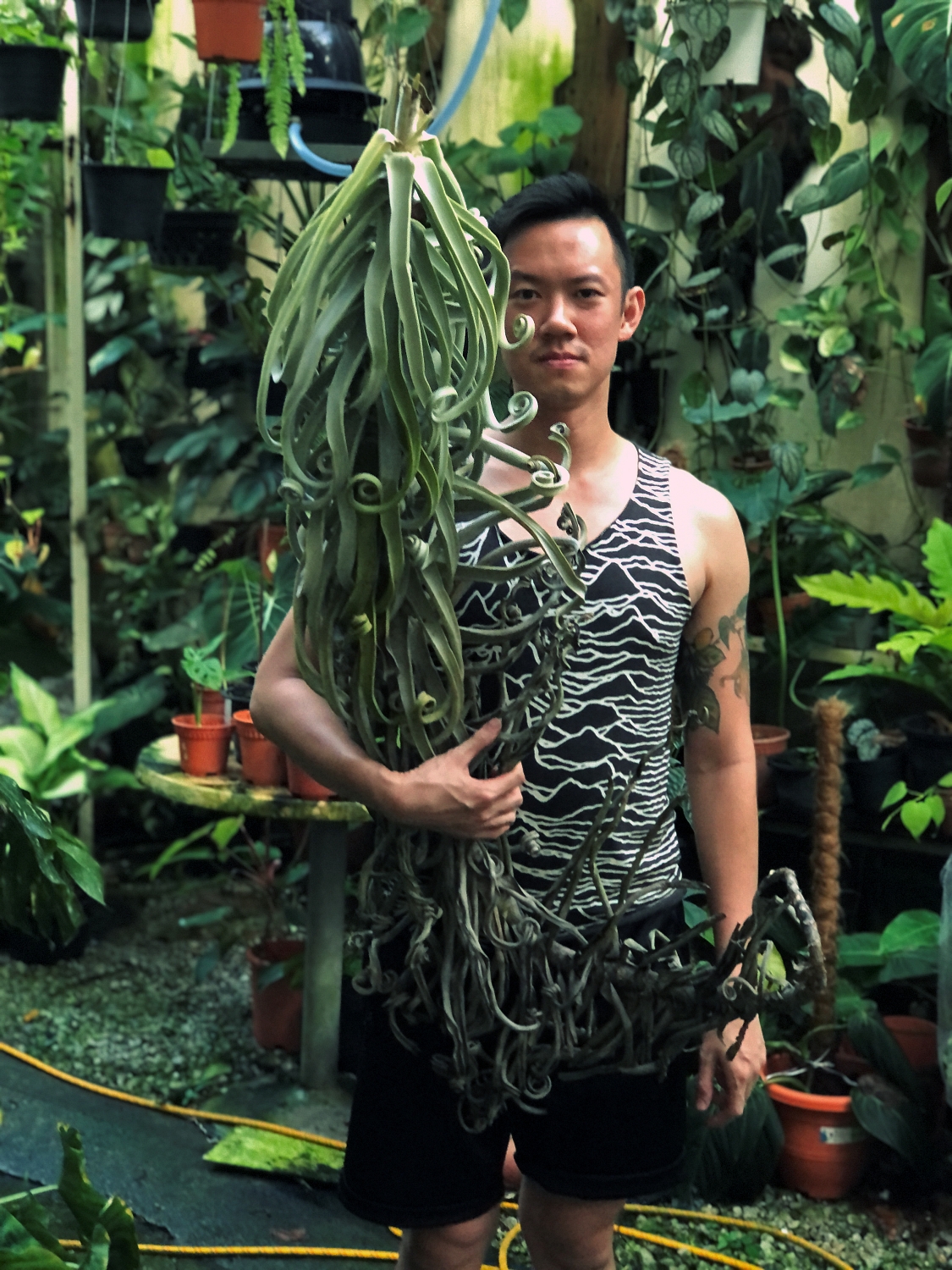
PHILODENDRON TORTUM (pictured) on the other hand is an example of an unusual plant from its genus. It contrasts from other Philodendrons with its skeletal shaped leaves which at a glance may look more palm-like. As a vining epiphyte, they achieve their potential when given a trunk or moss pole to clamber onto, producing larger leaves. When grown as a climbing plant outdoors, they can be given ample amounts of water.
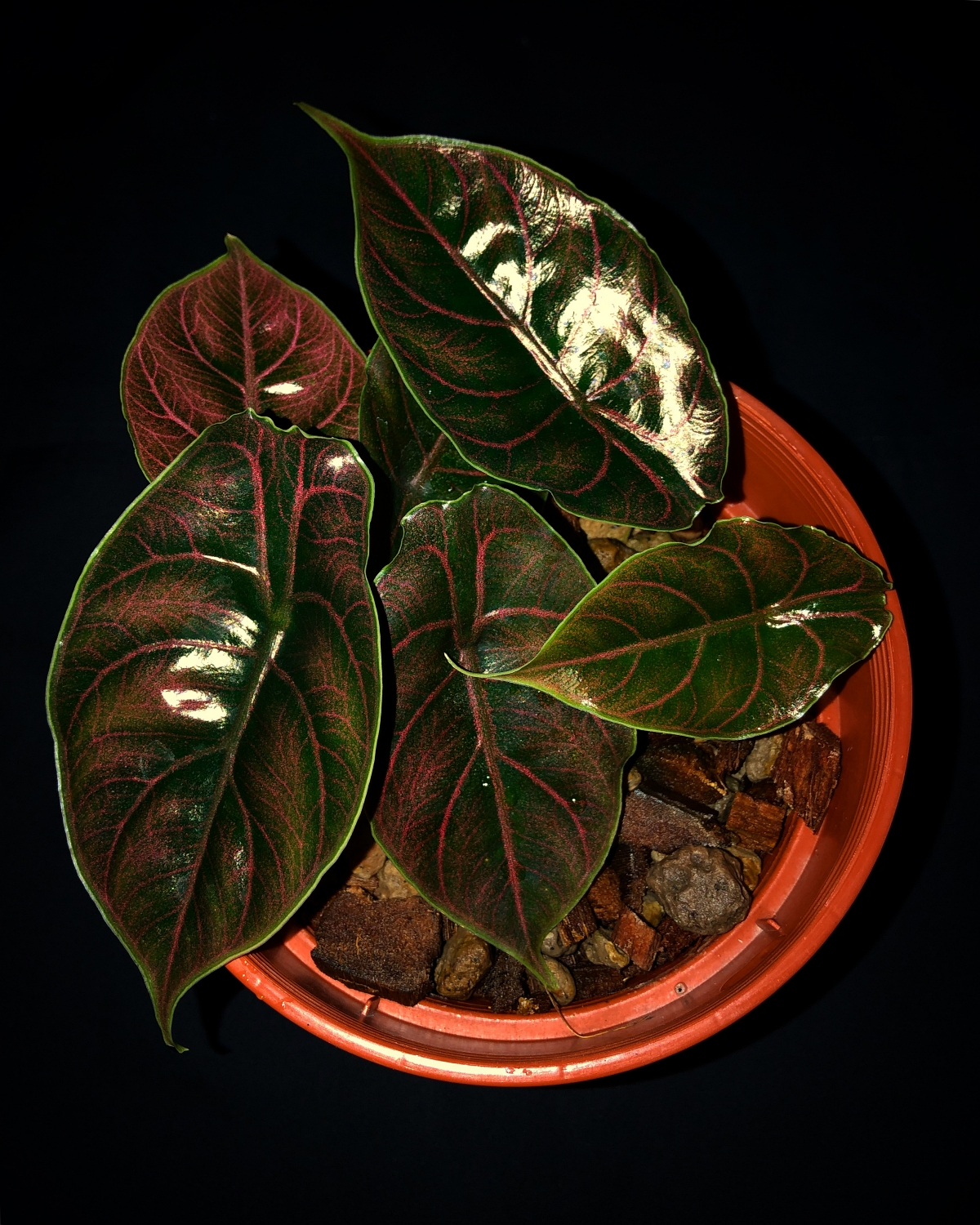
ALOCASIA AZLANII (pictured) is a recent discovery that has made its way into the horticultural world. Native to Borneo, this Alocasia has stunning waxy deep green leaves with iridescent red venation. They can be slightly challenging to grow as they are sensitive to overwatering and pest pressures. Best grown in a highly aerated media like coarse pumice with some coconut chips and to avoid overly wet and soggy soil. They should be monitored frequently to prevent the attack of pests, particularly spider mites.