

Mr Hendra and I are honoured to contribute to the very first part of the Townscape Appraisal series. The motivation and inspiration behind the initiative derived mainly from the desire to express the personal realisation of the importance of knowledge in assessing a place through the spectrum of ‘townscape appraisal’. Coming back to the wisdom of why we do certain things and how to do them, perhaps, many have similar awareness and concern of its importance. A place of human settlement is more than just its single architecture. Rather, it is a collective of architecture that puts together conscious awareness to ensure a sound integration of each element that makes a place with a great sense of place.
So here is our main concern. A place has and should have a ‘soul’. The soul we are highlighting is not a literal representation of a human soul, but rather the character and identity of a place. A place which has no soul suffers over placelessness’. If you wonder why ‘placelessness’ is considered an issue in an urban area, let’s further review the theory of good urban design practice. Also, let’s discuss how we also suffer from the non-presence of urban design in our municipality in general. One of the important roles of urban designers is in shaping the identity and character of places (cities). However, one pressing issue in urban design is placelessness. Placelessness refers to the lack of distinctiveness and uniqueness in urban places, resulting in a homogeneous and generic setting of urban areas. This issue arises from the modernist approach to urban planning, which prioritised functionality and efficiency over creating meaningful and engaging spaces. Modernist design features such as large-scale, non-contextual, rational order, movement, and hardness contribute to a sense of placelessness. Urban theorists such as Kevin Lynch, Jane Jacobs, and Christopher Alexander have long recognised the importance of creating vibrant and diverse urban areas that evoke a sense of belonging and sense of pride in the community/people.
Placelessness in urban design can have a significant negative impact on cities and their residents. Firstly, placelessness can lead to a lack of identity and character in urban areas. This can result in a loss of local history, culture, and heritage, as well as a decreased sense of belonging and attachment for residents. Additionally, placelessness can contribute to social isolation and disconnection among community members. For example, when urban areas lack distinctiveness and fail to foster social interaction, people may feel disconnected from their surroundings and isolated from their neighbours.
Placelessness can have negative economic impacts on cities. For instance, cities with generic and unremarkable urban spaces may struggle to attract tourists and investors. These spaces may lack the unique selling points and cultural experiences that make cities desirable destinations for visitors. Addressing the issue of placelessness in urban design requires a shift towards creating meaningful and engaging places that reflect the local context and culture. These places should be designed with an understanding of the social and behavioural characteristics that contribute to a sense of place. Architects are the key designer for every development. As the one that establishes design principles, they should aspire not only to the physical aspects of the architecture but also to how people experience and interact with spaces and places. Ergo, a good understanding of undertaking a ‘townscape appraisal’ exercise to evaluate a place before architecture develops further. It is essential to design responsively to its context-power (the content of a place) as placelessness has become one of the biggest issues of cities in Malaysia. The content of this article describes the elements in conducting townscape appraisal and for this issue, we conducted a townscape appraisal exercise of Brickfields.
‘Context-Power’ is the term we hope to introduce – a term I first heard in Carmona. Designing responsively to the context further enhances the character and identity of a place. As much as this topic is still debatable, without a doubt, we are certain that the importance of one city to another has its uniqueness and personalisation in its physical and mental image. Therefore, this will again lead to how the significant character and identity of a place can be further investigated before any development.
Let’s not talk about who should be responsible for identifying and addressing this. Rather, let’s perceive the needs and urgency of the awareness that should at this point, be part of the conscious decision-making process as an architect in proposing an architecture to a place. Responsive design is part of the critical thinking process. Each of the elements of the place, tangible and intangible, that are relevant in demonstrating the character and identity of a place, further influence the designing thinking process. Perhaps, many thought they had done it before, and they couldn’t make sense of the idea of context power or responsive design. It is indeed a new set of knowledge for some or an exercise that would be time-consuming, and of course, we would hope for no additional cost the exercise would require.
Townscape appraisal is a method of evaluating the visual and aesthetic qualities of a town or urban area (tangible and intangible aspects). It is a process that involves assessing the character, identity, and distinctiveness of a town or urban area and identifying its strengths, weaknesses, and potential for improvement. The purpose of townscape appraisal is to provide a comprehensive understanding of a town’s visual environment and its relationship to its physical, cultural, and social context. This understanding can then be used to inform decisions about the design, planning, and management of the building and the city’s design process.
Townscape Appraisal mainly focuses on a few elements including; historical background, urban morphology, imageability, responsive environment, vision, place, content, behavioural survey and SWOT analysis. It involves a detailed analysis of the town’s physical features, including buildings, streets, open spaces, and landmarks. It considers the quality of the architecture, the materials used, the scale and proportion of buildings, and the layout of the streets and public spaces. Apart from the physical features, townscape appraisal also takes into account the social and cultural aspects of the town, including its history, traditions, and community values. It considers how people use and interact with the town, and how it contributes to their sense of identity and place.
It was some ordinary evening in 2016 when I first arrived at Brickfields. Arriving via KL Sentral, the main transportation hub of the city, was the first sight one would be exposed to as you arrive in Kuala Lumpur. Although there was nothing distinct to recall, I did feast upon a delicious Butter Chicken found in the many restaurants and soon proceeded to explore the city elsewhere. At first, I thought nothing of this experience; in retrospect, I would say I embody the consensus of any tourist who would visit such a place: an interesting sight among the many awaiting to be discovered within Kuala Lumpur.
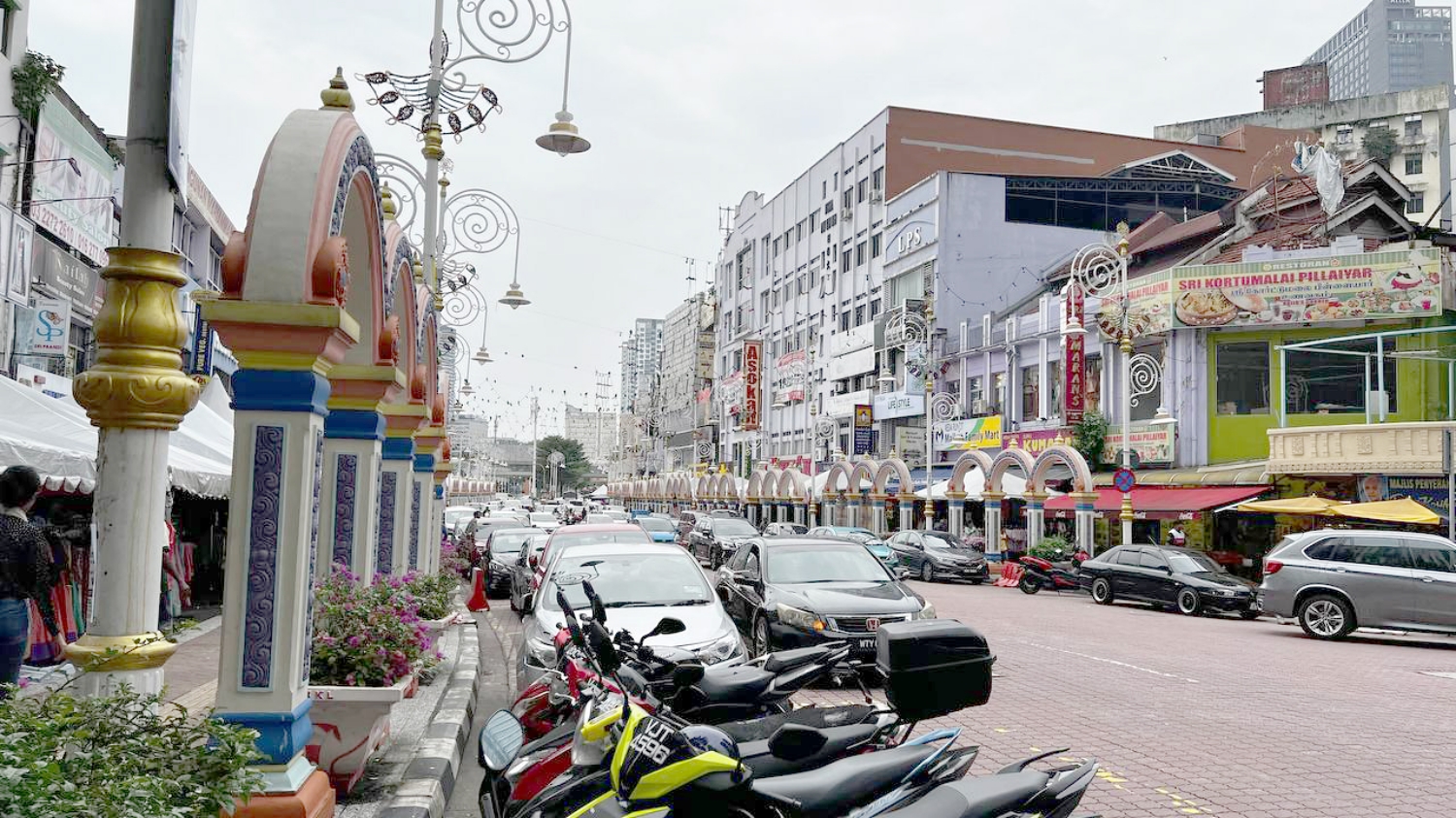
The colourful arches, distinct ornamentation, diverse culinary options, and exotic music are what I would surmise for such a consensus. Seven years later, now in university, I came back to Brickfields; this time not as a tourist, but as an architect-in-training. As Brickfields was chosen as our site in our third-year semester, we were expected to conduct on-site visits, interviews and studies; all in the hopes of developing one’s interpretation of the site to proceed with their design project. Surmise to say, after doing all that, my view of Brickfields and understanding of its architecture has radically changed for the better.
Conducting interviews, roaming about, reading relevant literature, engaging with the locals, and visiting the national archives have all given me the crucial hands-on architectural training a student would need and thus, from there, my interpretation of Brickfields; extending to its history, its identity, its people and its role in the modern zeitgeist of Kuala Lumpur and the entirety of Malaysia and finally and most importantly, its eventual future.
Brickfields and its history are, for a better word, woven into the fabric and identity of Kuala Lumpur, as the capital city of Malaysia but also the legacies of a colonial past. One simply cannot look at the history of Kuala Lumpur without mentioning Brickfields; without Brickfields, Kuala Lumpur and Malaysia would have certainly headed into an alternate path. My research on Brickfields has brought me a heightened sense of maturity, not only as a student but also as a citizen of an urban space. Reading through the history of the place and chronologically summarising its history gave me a multitude of emotions and thoughts as I passed by the many eras which defined Brickfields.
It all started two hundred and fifty years ago, fuelled by the colonialist ambitions of past colonial masters alongside their subjects who were often strangers to this new land. Therefore, the Malaya of the past was a hodgepodge of many different ethnicities who all worked together to keep the colonial state of British Malaya running; they included the white British expatriates, immigrant communities of Chinese and Indian labourers and Malay enclaves who were given sovereignty through their own Sultans (Gullick, 2000).The epicentre of this colonial project was Kuala Lumpur. A tin rush swept through Malaya and it was clear that everyone, including the many sultans of Malaya, wanted a stake in this growing trade. This eventually led to the rulers of Selangor hiring prospectors to mine for tin, and in 1857, eighty-seven tin miners landed upon the muddy confluence of the Gombak and Klang; hence, the name Kuala Lumpur, or ‘Muddy Confluence’ was born.
Like moths to a flame, this venture attracted large swaths of settlers, many of whom were foreign merchants, all seeking to flaunt their entrepreneurial skills. This allowed those with access to resources and manpower to achieve de facto lordship over the town. Most notable were the Kapitan China such as Yap Ah Loy who, using their vast swaths of wealth were able to control a large portion of the economic and municipal aspects of the town. This period could be summed up as a notably cutthroat period; leaders quarrelled, and wars were fought over the rights to these mines until eventually in 1874, an even stronger balancing force, the British, were allowed residency over Selangor while the Sultans on a de jure basis, were still heads of the land.
In the wake of 1876, the tin market collapsed amidst lowering prices in the world market and Yap Ah Loy, who was always keen on seeking new money-making ventures in an attempt to diversify, bought an unassuming plot of land in Kuala Lumpur. He intended to create brick kilns, to supply the rapid construction of neighbouring Singapore and to also supply the nearby Damansara Road, which was still under construction. This led to the colloquial name of said brick kiln, Batu Lima Belas, which when translated literally, would mean ‘fifteen miles’ and in this context, fifteen miles from Damansara road. This was the original name of Brickfields, interestingly, the Malaysian Chinese still call the place ‘十五碑’ or ‘shíwǔ bēi’ which can be translated to ‘Batu Lima Belas’.Unfortunately, for Yap Ah Loy, his brick kiln proved to be a net loss as transporting the bricks over a large area was prohibitively expensive but his fortunes soon changed for the better when Kuala Lumpur was ravaged by a massive fire and subsequent flood which destroyed large parts of the town in 1881 (Gullick, 2000).
Frank Swettenham, the resident of Selangor at that time, upon witnessing the destruction of the town, sought to rebuild Kuala Lumpur in a new, more modern manner. He sought the imposition of his ideals onto the rebuilding along with the rejection of what he deemed ‘primitive’ and ‘outdated’. This included the antiquated way of construction; timber and attap thatching for roofs as they were highly flammable which were replaced with brick and masonry construction alongside the paving and enlarging of roads. The brick kilns of Yap Ah Loy were therefore in the perfect position to help achieve Swettenham’s visions of a new Kuala Lumpur. More brick kilns were soon established over time by the subsequent Kapitan Yap Kwan Seng and by 1886, there were already fifteen brick kilns set up within the area. The sheer concentration of the production of bricks is what eventually led to the area being officially named ‘Brickfields’.Alongside the establishment of the Federated Malay States and Kuala Lumpur being its capital in 1896, Brickfields emerged as an industrial powerhouse of its era and it soon grew in size along with the entirety of the city (Gullick, 2000).

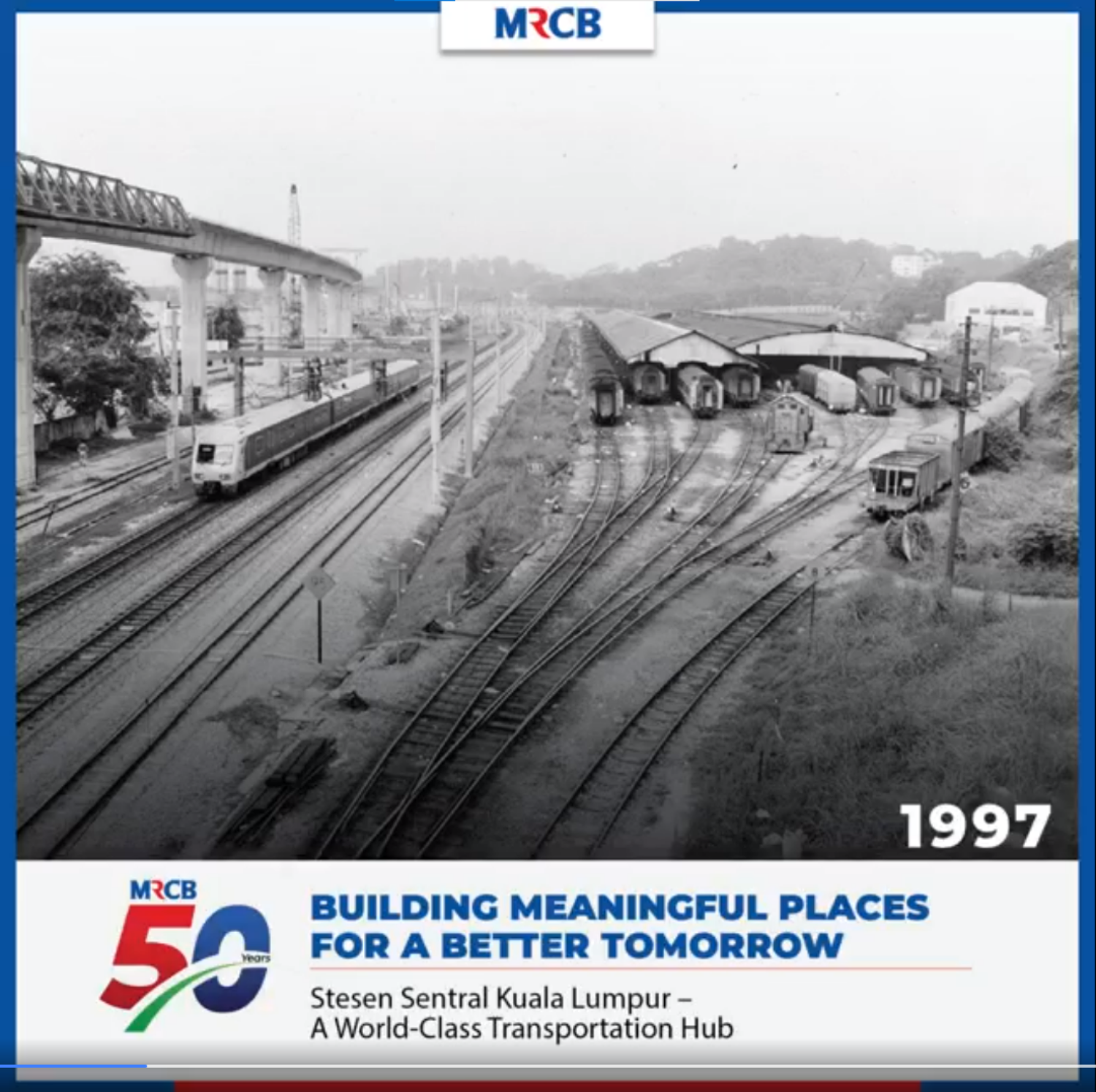
One of the many notable industrial projects that defined Brickfields during the late 19th century was rail. C.E. Spooner, the first general manager of Keretapi Tanah Melayu was responsible for a railway track connecting Klang to Kuala Lumpur and to serve this track, a marshalling yard called the Central Railroad Repair Shops was built on top of the site of what would then be the KL Sentral station. To also facilitate the rapid growth around the vicinity of Brickfields, designed by Spooner, the Kuala Lumpur Public Works Department Factory was built in 1894 which housed a brick kiln, woodworking and metalworking plants (Baxstrom, 2008). The construction of many public buildings for the following decades was supplied by said factory.
During the Japanese occupation, and as part of the U.S. strategic bombing initiatives, the marshalling yard was heavily bombed in 1945 where it and the nearby Selangor museum were heavily damaged (Correll, 2009). During my trip to the National Archives, I stumbled upon pictures of the yard after it was bombed; burnt-up railway carriages, rubble and tangled metal were all I could see. (unfortunately, due to the timeframe of my writing I was not able to bring a copy of these images).The yard was then subsequently rebuilt and continued to serve Kuala Lumpur for the following decades until eventually being demolished in 2001 to become the KL Sentral station. One can therefore conclude that the significance of Brickfields as a transportation hub has not diminished, once being the linking hub between the port of Klang and the inland of Malaya to now being the central hub of Kuala Lumpur and the entirety of the Klang Valley.
As an addendum to this section, the two examples were sadly the only ones I could find reliable information on. Two hundred years later, the exact location of the P.W.D. factory remains a mystery. Some say it was located on what is now the YMCA building adjacent to Jalan Tun Sambanthan. One may ponder, ‘What about the fifteen brick kilns?’ or ‘Are there any legacies of Yap Ah Loy in Brickfields?’. Surely industrial relocation was inevitable, no one wants to live next to a smog-filled factory and surely too demands for manufacturing may fade over time. Finding links to its industrial past was arguably the most difficult in my research on Brickfields.
Manufacturing requires labour, and in the eyes of industrialists and colonial administrators, they would have to be of cheap labour and considering the vast reaches of the empire where the sun never sets, they certainly had vast stocks of manpower. Although I’ve covered the physical factories which defined the industry of the past, I glossed over who kept the factories running and in this case, it was the Indian labourers I had mentioned earlier. To be more specific, these were South Indian Tamil and Ceylonese labourers, many of whom were indentured servants who were brought to work on these brick kilns.
They were strangers to this new land, and thus this was a defining aspect of the identity of Brickfields and its people, and as more people came these strangers tried their best to make do with their new life. Subsequently; housing complexes, stores, restaurants and religious institutions were built to fulfil the demands of a growing Indian-oriented population. One of these housing complexes was the Hundred Quarters, built in 1915, to house railway workers for the marshalling yard. These quarters were a source of pride for the local community, for it was once at that time one of the few public housing options available for its clerks within Kuala Lumpur and one was to be considered fortunate to be assigned to live there (Moses, 2007).
The people of Brickfields should also be proud of the many religious and social institutions which make up the urban fabric of the community. These institutions date back a century and reflect the strong diversity and religious harmony of the community. The early 20th and late 19th centuries were what I would call the golden age of the establishment of these important nodes within the community. As a result of the large influx of workers from South India and Ceylon, my original assumption was that there would be only Hindu and Buddhist places of worship and while there indeed are, with the oldest being the Buddhist Maha Vihara (established in 1895) and the Hindu Sri Kanthaswamy Kovil temple (established in 1902), many members of the community also follow other faiths, ranging from cathedrals to mosques and I believe this further relates to the identity of the Indian community as a diaspora. As a result of a hybridisation of cultures, many of these diasporas tend to follow other religions to feel more at home within a community and develop a new sense of identity (Bhabha, 1994). This has forced them to almost live a culture of inclusivity, as they too want to replicate the inclusivity of the religious institutions which once made them feel at home when they first arrived in Malaysia and acting as nodes within the community, they seek to not only attract people of their faith but also outsiders of their faith and I, a Christian Balinese from Indonesia, has had the privilege of being accepted into one of their religious institutions.
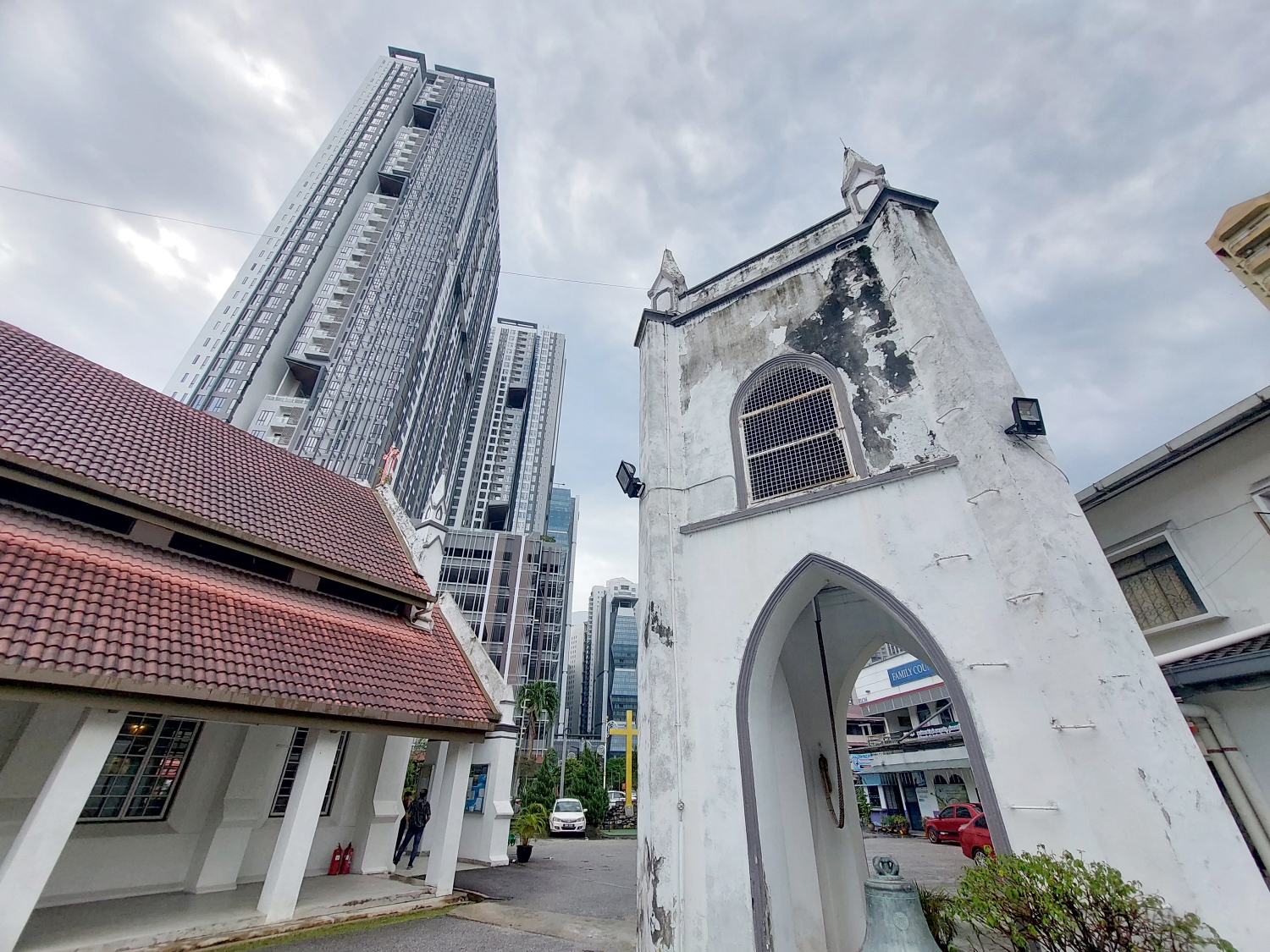
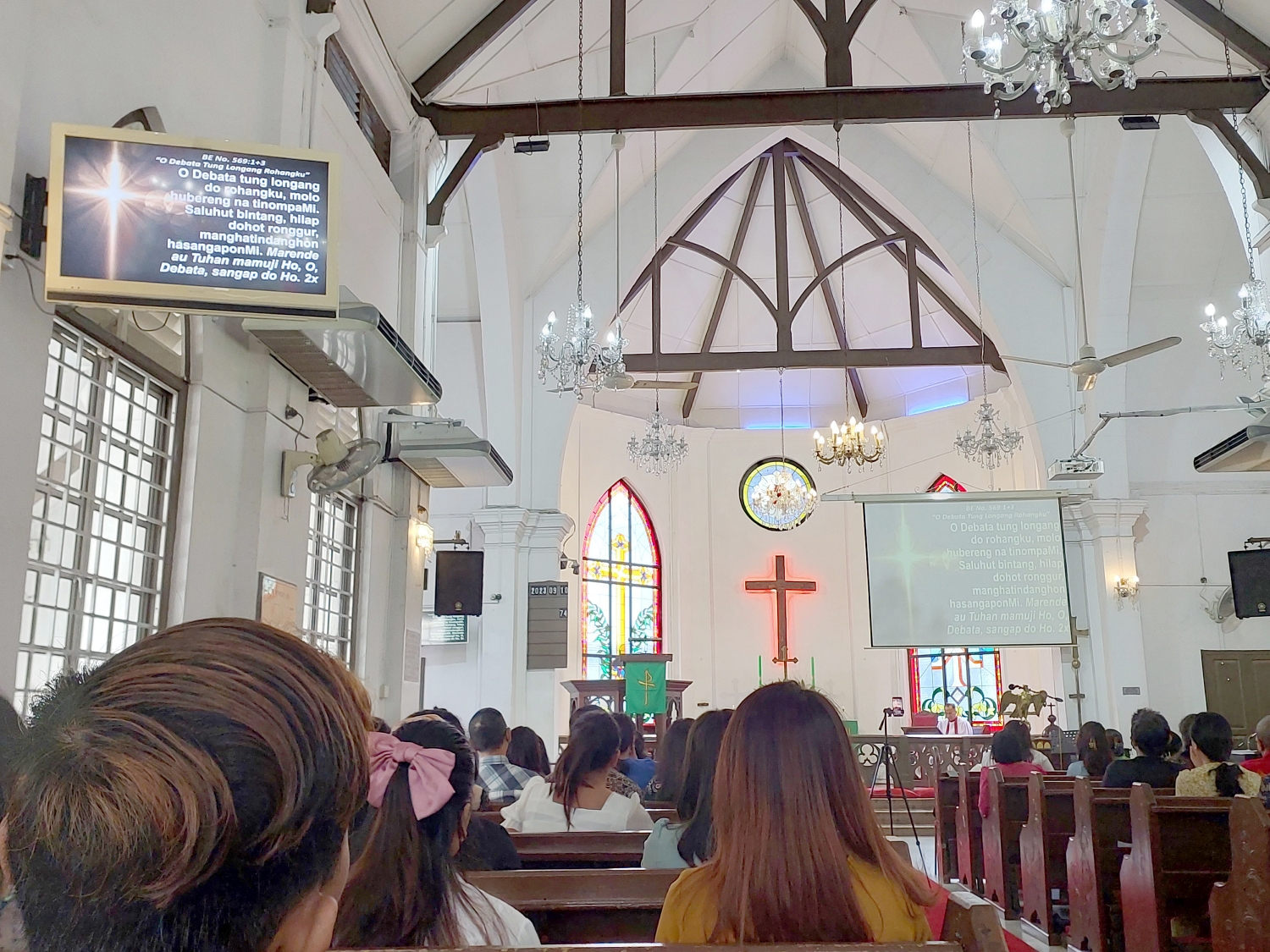
I stumbled upon the Evangelical Lutheran Church (established in 1924) building in Brickfields and while I came there only to have a chat with the Tamil pastor, I came to find out that they also housed a Batak Indonesian church, known as the HKBP back home. I came to attend one of their processions, and while they worshipped in a different language I could not understand, I still felt at home. For the first time in my studies in Malaysia, I got to experience a church procession just like back home. It made me reminisce about my childhood attending a Balinese church (GKPB) with family and while the language of worship differs, the style and order of worship were the same. We were served hot coffee and banana fritters after the procession in a hall where I had the chance to talk with the priest leading the procession and learnt that they had altered some aspects of their church in some ways to be inclusive of not only the Bataknese expatriates in Kuala Lumpur but also any other Indonesian Christians living in the city. These changes were small but meaningful; this included making the liturgical paper they hand out once you enter and Bible readings fully in Bahasa Indonesia, our lingua franca. Therefore, they too welcomed me with open arms, just like the church itself was welcomed by the Tamil ELCM, who were the owners of the building and allowed the HKBP church to use the building.
Now, relating to the quarters, adjacent to the quarters was an open field facing Jalan Chan Ah Tong, colloquially called the Chan Ah Tong Field and although unimpressive from a glance, it nurtured a thriving sense of community and the creation of its local mythos. It was the rugged playing ground for many of the young children of Brickfields; some of whom would become footballing legends and shine in the Malaysian national football team (Baxstrom, 2008).These Brickfields-born footballers came aplenty with one of the most notable being striker N. Thanabalan who only recently was inducted into the Olympic Council of Malaysia’s Hall of Fame. One can therefore easily see here the importance of these public spaces in creating meaningful connections and a strong community identity (Goodsell, 2003).This field, like many others, represents a bygone dogma of colonial planning within Malaysian cities. This is evident in many of Malaysia’s cities in which their centres are defined by a large padang and/or dataran (Shamsuddin, 2011). Such examples are the Dataran Merdeka in Kuala Lumpur, Padang Kota Lama in Penang and Dataran Medan Bandar in Alor Setar.
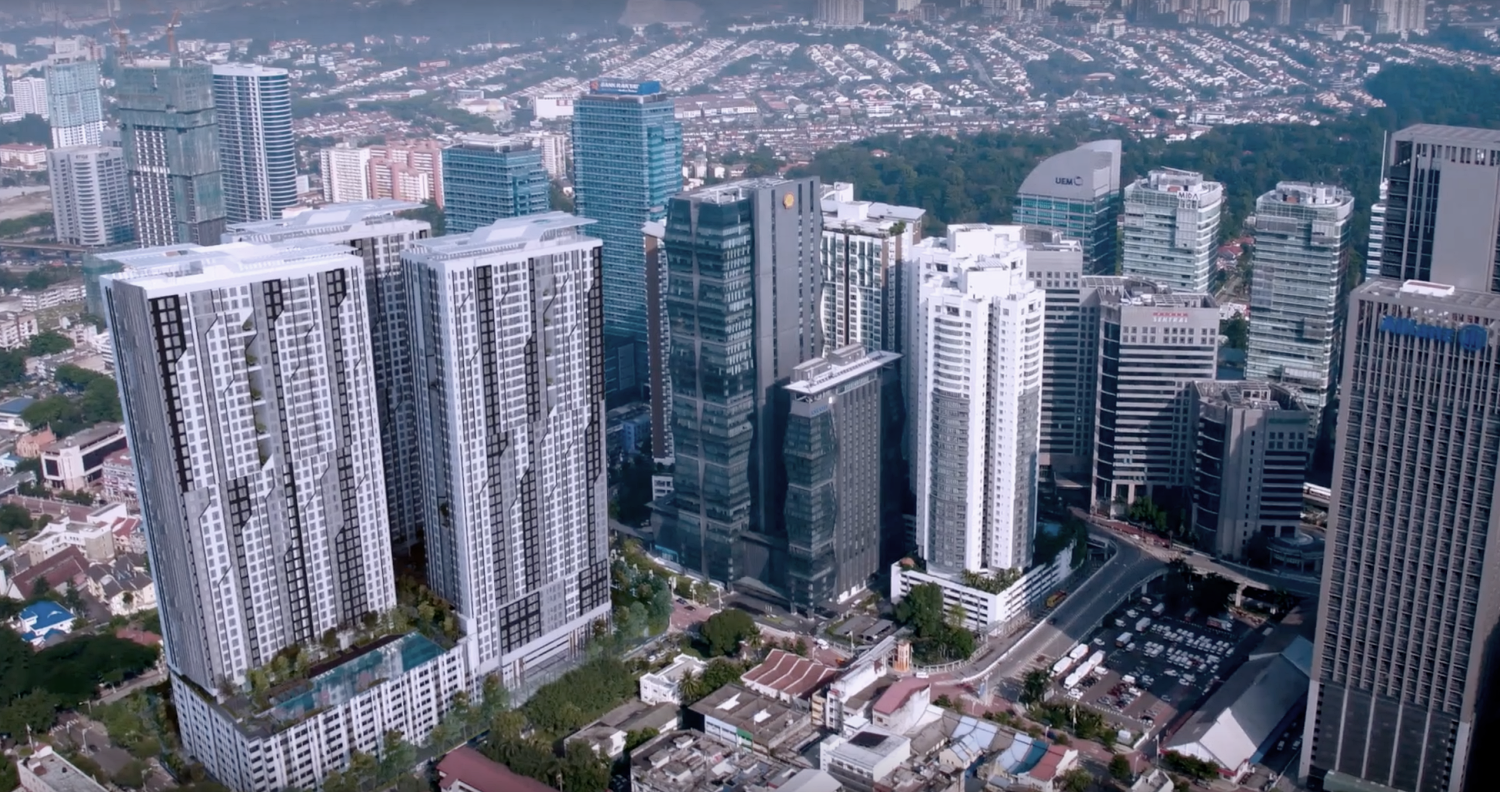
However, speaking of bygones, it is with heavy sadness that one states that if one is to visit the field today, one would be confronted with the sight of a massive modern development – the Sentral Suites Condominium. It started as part of a land swap deal in 2011 between KTMB, who owned the Hundred Quarters lot and MRCB when Malaysian Resources Corp Bhd was given a plot of land for development in exchange for the revitalisation of Jalan Tun Sambanthan and the establishment of Little India within Brickfields. This revitalisation project was defined by the expansion of sidewalks, portals that greet visitors and colourful arches that span the entirety of Jalan Sambanthan. The quarters however, laid vacant for a few years with its residents being relocated to newly built government quarters in Jalan Ang Seng where it was finally demolished late in 2015. Despite some backlash from residents, there was realistically nothing they could have done. Upon the realisation of the futility of their concerns, many begged for anything tangible to be left from the original quarters so they to never forget where they once resided. This wish was eventually granted and if one is to visit Sentral Suites today one may witness the realisation of said wish.
Within the curriculum of our architecture studies, we are often taught the importance of symbolism in design. In regards to what physically remains of the Hundred Quarters: a transparent glass wall resembling a house with what I would assume would be the original doors and window frames of the quarters. Of course, architecture is entirely up to perspective and so are the different emotions that come with experiencing architecture. When I first stumbled upon it during my original site visit to Brickfields, I was awestruck with fascination. Compounded with my own beliefs and themes of our site analysis, I felt that it rather succeeded in being symbolic; as if symbolising an allegory for something. It reminded me of the provocative symbolism of the statue of Perseus carrying the severed head of Medusa of which an utter and absolute victory over an adversary is achieved amidst a perpetual war for dominance. In the case of the Hundred Quarters and Brickfields as an entirety, it is a battle of the old and the new. The old way of life which includes the way we live, cohabitate and build is ultimately battling the new ideals of urban life and Sentral Suites along with other modern developments in this case has achieved absolute victory over the plot of land and thus intended to display remnants of a skeleton of its past foe as a monument to this fact.
Brickfields is not alone in this matter for many communities like it too have unfortunately already lost this battle. It is therefore up to not only its people but the entirety of the nation to participate in battling the encroachment of modern developments and the destruction of old communities. What happens when our descendants no longer have places to gather and interact? What happens when they no longer have tangible spaces to relate to and anchor their identity? What happens when young footballers no longer have the ad hoc spaces to hone their talents? What should existing sports bodies do when they no longer have sporting talents from communities? The best footballers come from the rugged fields and backlots of a community, not from an elite training centre. Once the pangs of Brickfields were taken, how then shall this rich footballing history of the community ever be hoped to continue? It is therefore frighteningly easy to demolish a place and uproot its history, but it takes decades to nurture the stories and history of a place and all these moments would be lost in time like tears in the rain.
One may ultimately ask, is there at least something that can be done to combat this? If we were to look back at the Hundred Quarters case in an objective manner, legally, the owners of the land were in full rights to use their land as they pleased. However, if one is to look through the lens of Lefebvre (1973), one may argue, as a result of its shared century-old history, does the Hundred Quarters therefore not belong to the people of Brickfields in a higher metaphysical sense? In hindsight, has the Lefevbrian ‘right to the city’ not been violated as a result of this demolition? Shall we also ask whether Hundred Quarters could have been saved through existing legal apparatus?
We may now jump to the case of a neighbouring building in Brickfields, which proves that a building of great history can reject the notions of development and preserve its standing within modernity. Adjacent to what was the Hundred Quarters and what is now the Sentral Suites, is the Vivekananda Ashram. Built in 1904, as a tribute to Swami Vivekananda, who was a widely known Hindu monk at his time. It served the underprivileged within the community for a hundred years until it too was threatened with development where the construction of a new 23-story development loomed over the old Ashram. Residents were furious over this matter and in 2014, the Brickfields Community Society formed the Save Vivekananda Ashram Brickfields with the hopes of garnering support from the local community. To their surprise, this support turned out to be explosive and they were able to gather 48,201 signatures to submit to city hall. A website, www.saveashram.com also popped up to gather support. This struggle resulted in victory when the Jabatan Warisan Nasional soon proclaimed it as a National Heritage Building in 2016. It now sits alongside 41 other buildings in the JWN Heritage List located in Kuala Lumpur and 124 more in the entirety of Malaysia. Therefore one can make the argument that if one was to apply the same legal process towards the Hundred Quarters, it too could have been saved. However, attaining ‘heritage status’ in its entirety is a very delicate process and therefore one must always look at the criteria of heritage listed and in this case, Section 67 of the National Heritage Act 2005 but this criteria is not the end all, be all for many other factors also can be considered when applying for heritage status. The legal apparatus is there after all, but it requires greater willpower, both political and communal, as shown in the case of the Ashram beforehand, to achieve such goals.
In retrospect, it is therefore crucial that the people of Brickfields continue to retain their strong identities and cultural practices that remain apparent to this day. I shall also stress the importance of a democratised community through the consistent practice of the Habermasian public sphere to unite these identities and cultural practices into a unified voice of the community (Habermas et al., 1989).They can therefore use this as an anchor point to traverse through a murky future for Brickfields to never disappear under the likes of Kampung Abdullah Hukum or Kampung Kerinchi who, like Brickfields has had both the fortune and misfortune of being located in the epicentre of a perpetually metamorphosing Kuala Lumpur.
The colourful arches, distinct ornamentation, diverse culinary options, exotic music of BrickfieldsIn this issue, we are mainly focussing on the historical background of Brickfields, as to the extensive content of its narrative we had literate. In the field of townscape appraisal, the historical background holds significant importance and historical background provides crucial context and understanding of a town or urban area’s development over time. This understanding is essential for evaluating the cultural, architectural and social significance of a town. The historic fabric of a townscape contributes to the memory of a city, creates urban identity and forms the model townscape (Navapan and Oonprai, 2019).Furthermore, the historical background helps in identifying and preserving the unique character and heritage of a town. We will further demonstrate the other element of townscape appraisal, in our coming articles in future issues of Architecture Malaysia.