
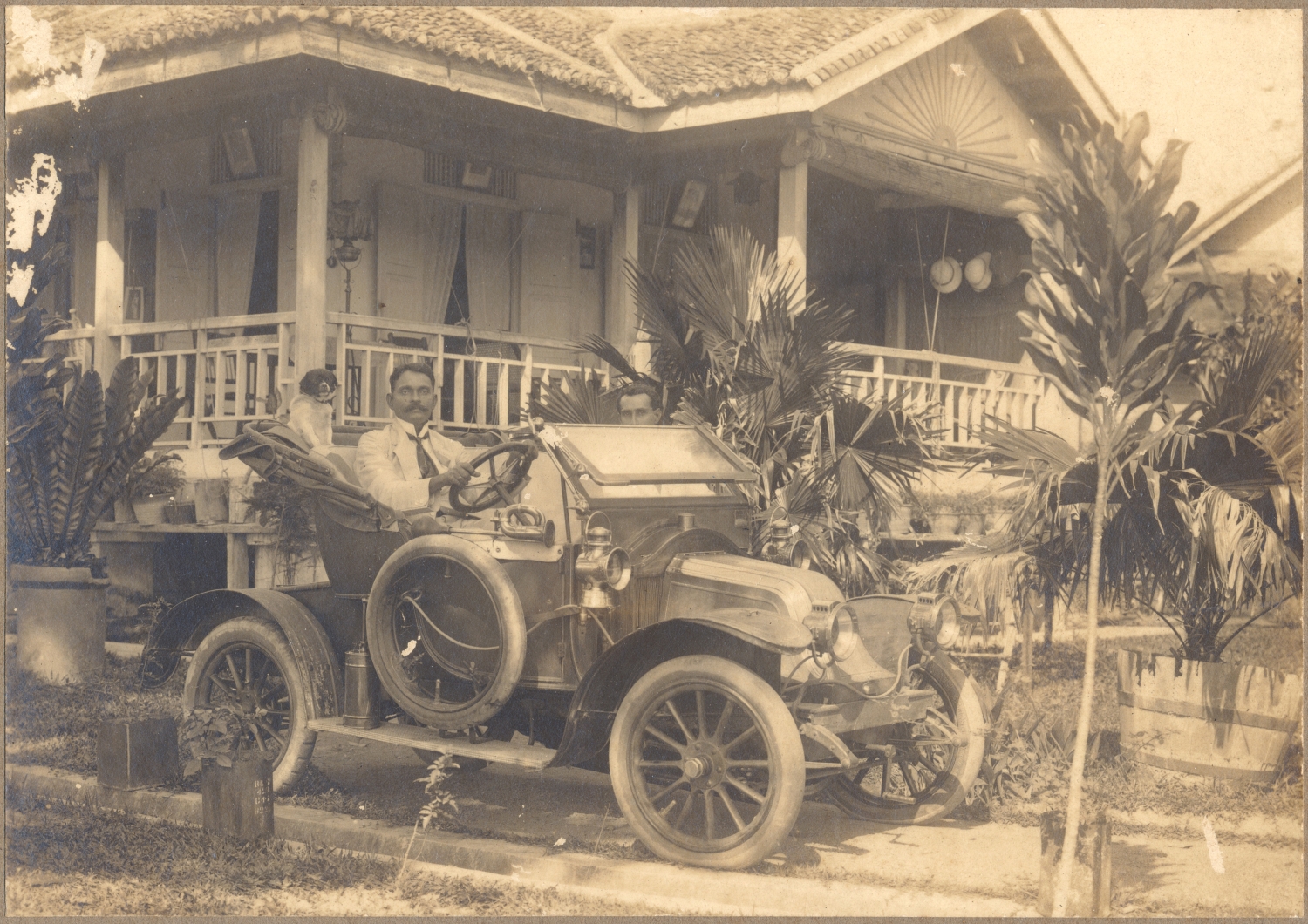
J.R Vethavanam first sailed to the Federated Malay States (FMS) in 1901, among thousands of young Ceylonese who were seeking prospects in the government departments of Selangor, Perak, Negeri Sembilan and Pahang. His objective, other than earning enough income to support his siblings’ education, was to accompany his father in Kuala Lumpur who was then the first Tamil pastor at St. Mary’s Church. His qualifications in Civil Engineering from Ceylon Technical College secured him a position at the FMS Railways (FMSR) Construction Department. Endless hours were spent producing working drawings, schedules of quantities and estimates, on top of designing bridges, stations and railways.
All in all, the early 1900s in the FMS was an exciting phase for young technologists like J.R. Vethavanam, having been given the chance to play a part in transforming the local construction industry. Inland areas were opened up at a rather rapid pace amid a booming economy. As a result, railway infrastructure and building facilities mushroomed all over the country, sending J.R Vethavanam to Seremban, Kelantan, Johor, Kuala Lumpur and the jungles of Pahang as Chief Draughtsman, with a 4-year interval as a Building Inspector at Seremban Public Works Department (1915-1919). Diligent technically sound and ambitious – one can imagine his disappointment to learn that higher-grade positions were only reserved for Europeans. The sub-ordinate mentality, in his view, was a dead weight on initiative and progress in the lower ranks of the Government service, which he left for good when the FMSR Construction Department was shut down in 1931. In recognition of his meritorious services rendered in the FMSR and social work through the Young Men Christian Association (YMCA), he was honoured with the Imperial Service Award in 1932.
Interested in architecture, J.R. Vethavanam began studying the field privately in 1913. He pursued the profession seriously under the tutelage of a fellow Ceylonese, Arul Barnabas L.R.I.B.A. Barnabas & Co. was one out of the seven registered private practices in Kuala Lumpur in 1911. The firm’s partner up to 1936, Wong Kim Hone, was one of Kuala Lumpur’s best-known architects, responsible for the design of several buildings in Kuala Kubu Baharu. Barnabas, who was also Chairman of the Kuala Lumpur Branch of the Institute of Architects of Malaya, retired in June 1939, several months after Wong Kim Hone’s passing. J.R Vethavanam assumed the role of partner at Barnabas & Vethvanam. Co., before establishing his firm, Vethavanam & Co. His practice was located at Klyne.
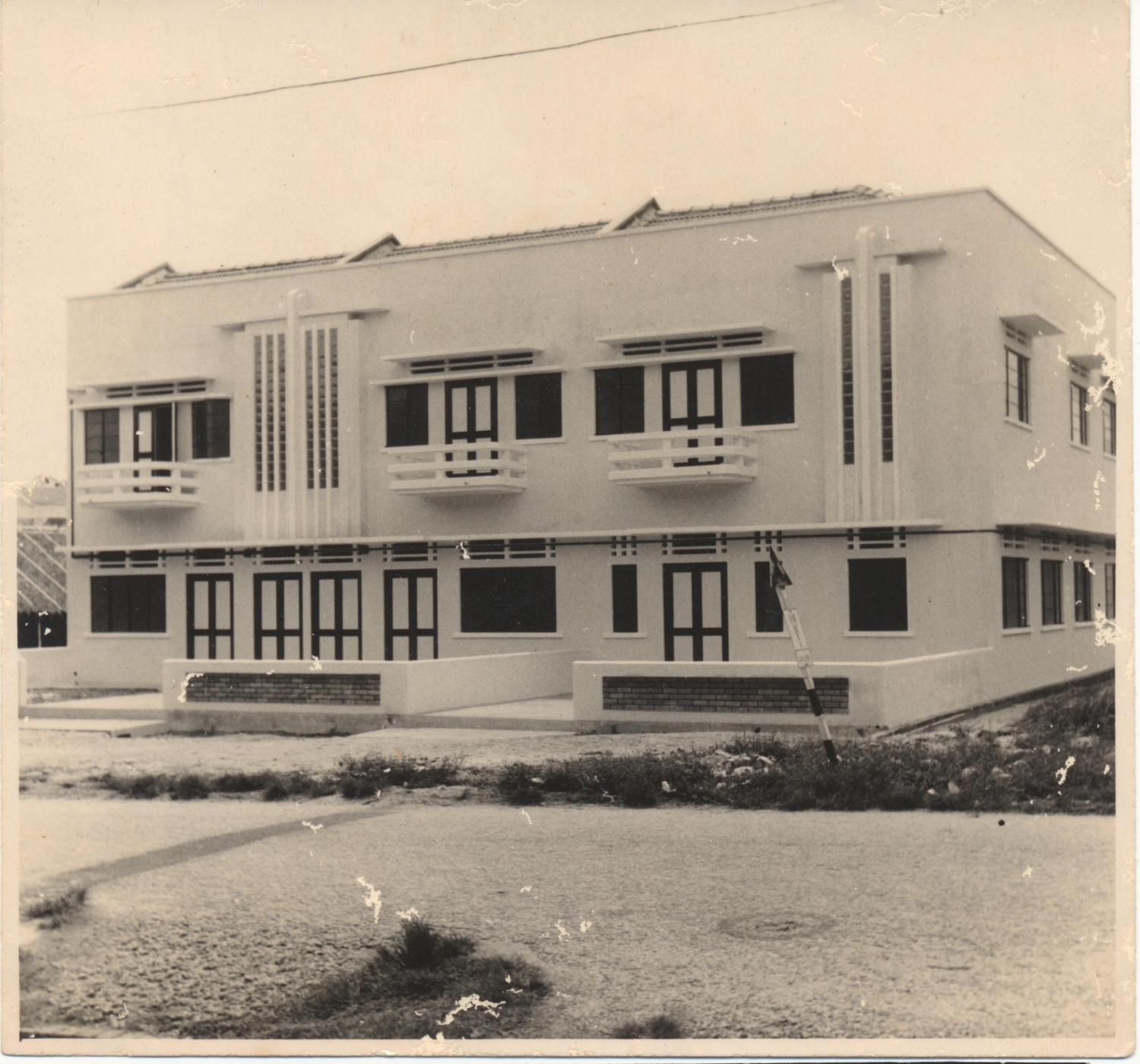
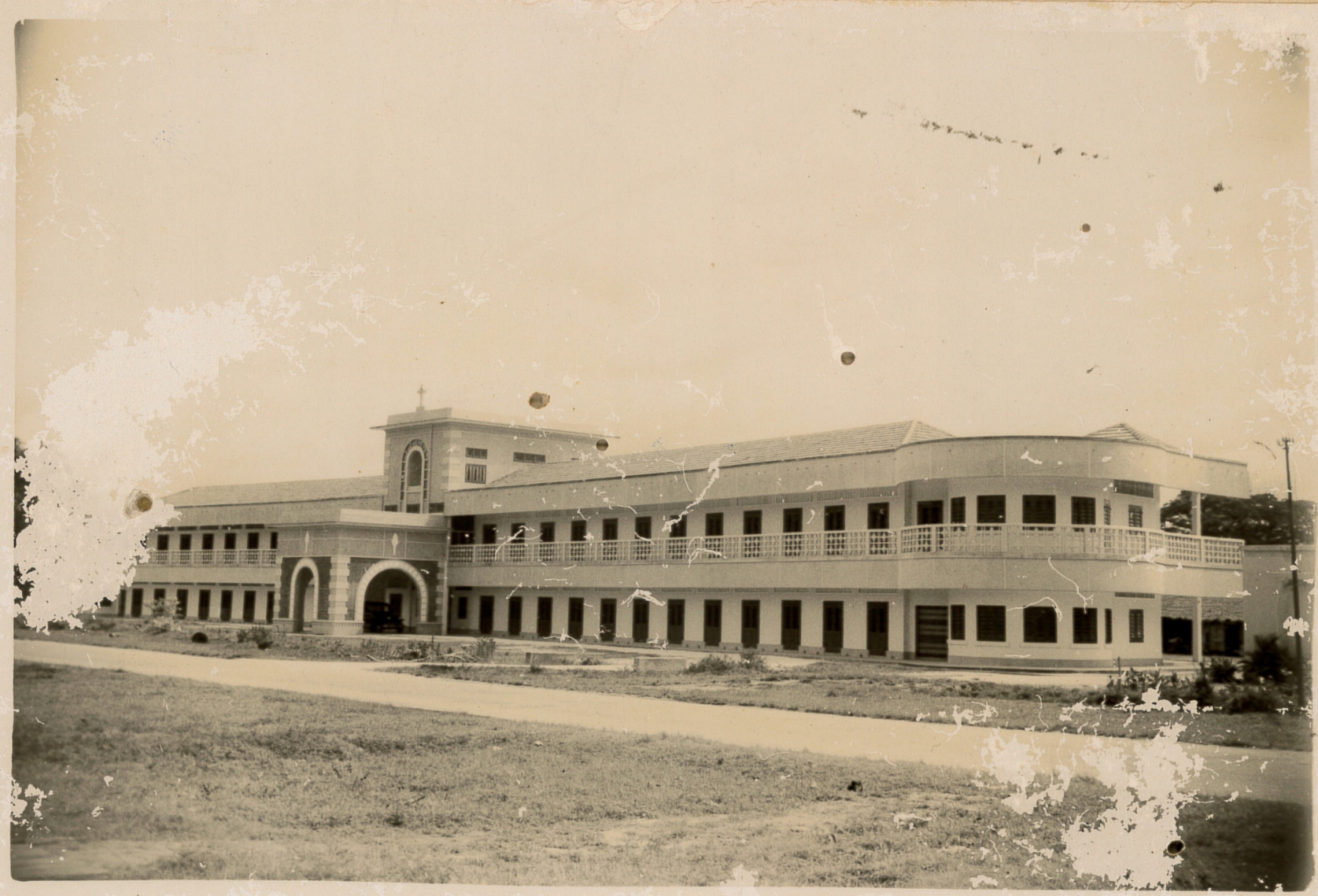
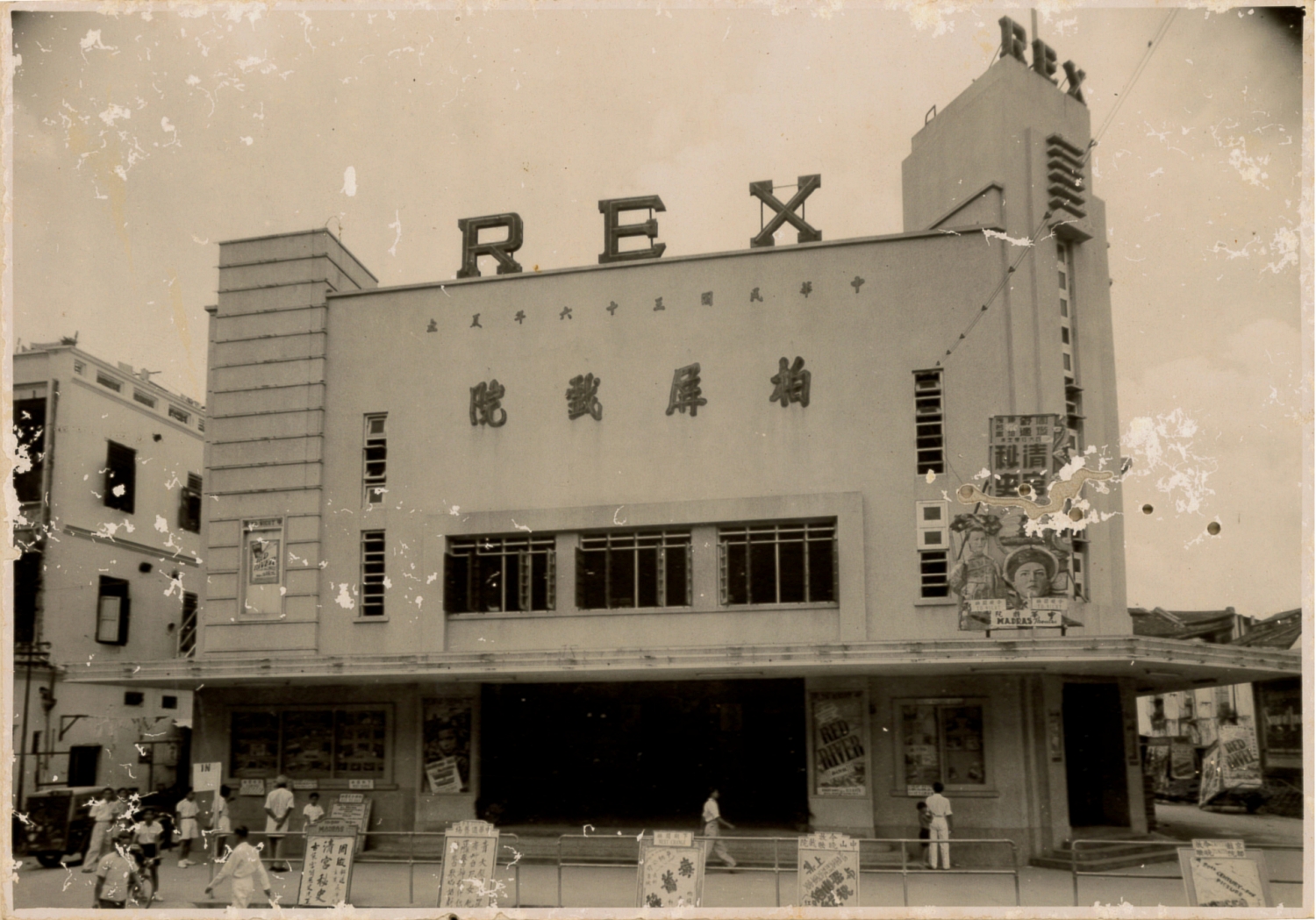
Vethavanam & Co. designed quite several private residences, though none seem to have survived. The firm was known to have designed at least three cinema buildings; the old Rex Cinema at Jalan Sultan, the old Star Cinema at Jalan Pasar and a cinema in Kuantan. Fortunately, the schools that J.R Vethavanam designed are still standing – the Sentul Methodist Boys’ School, Convent Peel Road and the Pudu Girls’ School are unique modern heritage landmarks. One popular architectural feature that he seemed to have favoured is the curved walls – apparent in his bungalow designs and the Convent Peel Road. Among the last projects he worked on was the Baden Powell House or “B.P House” for the Malaysian Boy Scouts’ Association at Jalan Hang Tuah, Kuala Lumpur. There is a plaque at the building’s entrance that states his name as the architect.
J.R. Vethavanam brought up a resolution to register architects and engineers in the Malayan Union in 1947 and was highly engaged in promoting technical education. He was one of the founders of the Technical Association of Malaya in 1931, revived after the war in 1946 and is today known as the Technological Association Malaysia or Persatuan Teknologi Malaysia. He was a founding member of the Federation of Malaya Society of Architects (FMSA) when it was formed in 1948-49 (precursor to Pertubuhan Akitek Malaysia) and served as Vice President from 1950 to 1953. He also sat on the Board of Architects from 1954 to 1956.
J.R. Vethavanam’s 20-year association with the Kuala Lumpur Sanitary Board/ Municipal Council began in 1933. Among the schemes that he was directly or indirectly expansion of Central Market and the priority of housing for the poor. As a Selangor State Council Member from 1935 to 1940, he served in almost every State Committee and brought up many issues of importance in the Council such as paddy planting to make the country self-supporting; unemployment; delinquency of juveniles; abolishing toddy shops in estates; educational reforms and scholarships for technical education in Europe. Through the YMCA, he started a Street Boys’ Club to provide substitute homes for homeless boys in Kuala Lumpur.
J.R. Vethavanam is among the many other inspirational pre-Merdeka built-environment leading figures that ought to be recorded and presented to the public. As part of Pertubuhan Akitek Malaysia’s centenary celebrations, a memorial lecture was held in tribute to J.R Vethavanam on 10 October 2023, supported by the Family Vethavanam Charity Fund. A poster showcasing photographs from J.R Vethavanam’s personal album and architectural works is currently exhibited at PAM Centre until the end of December 2023.