
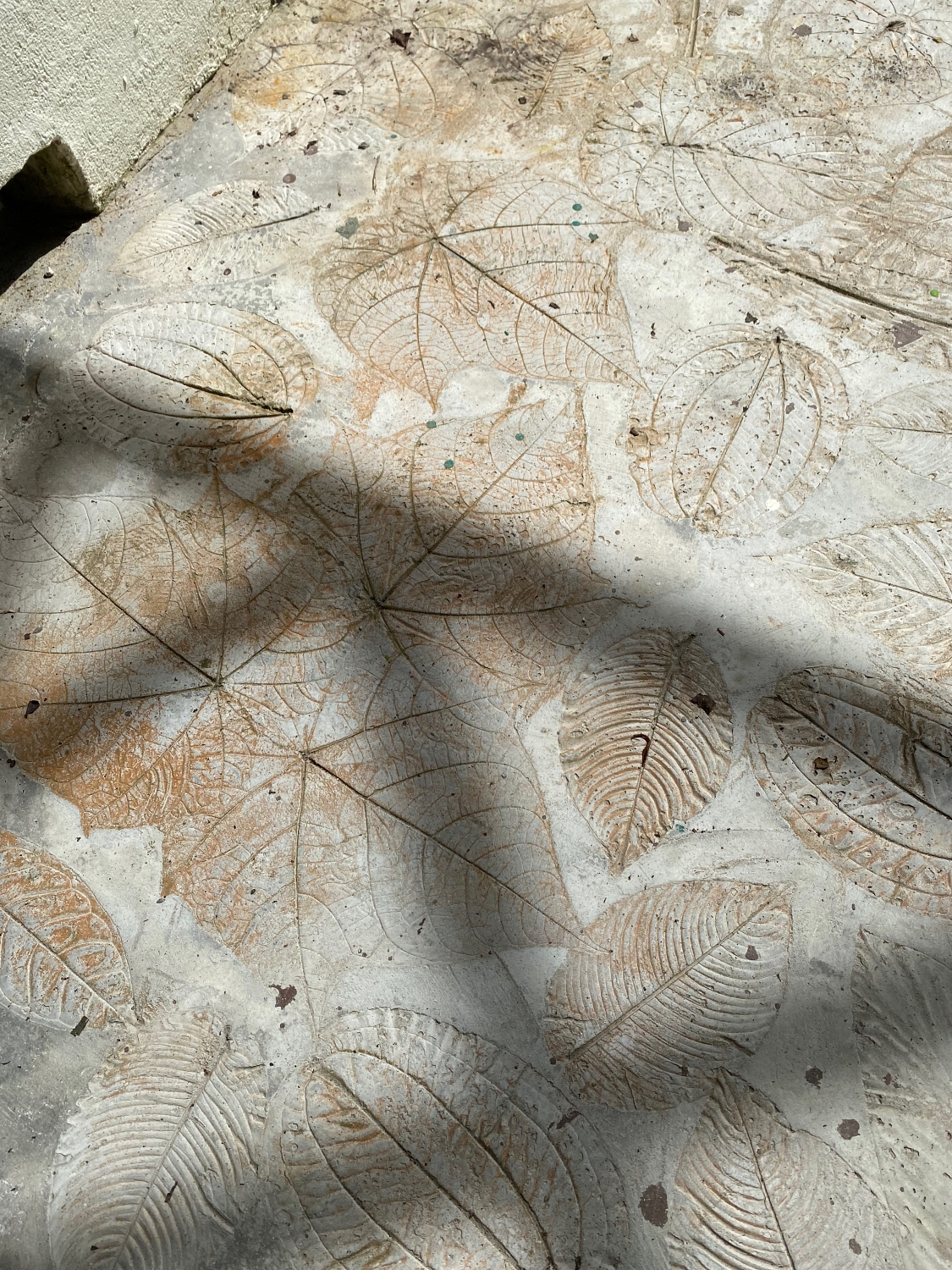
The Fairy Cave Nature Reserve project is one part of the Wind and Fairy Caves Nature Reserve redevelopment project.
Although Fairy Cave has been one of Bau’s tourist attractions, the site was generally overlooked due to inconveniences of inadequate facilities, difficulty in accessing the site and the general public perception that it was only meant for the ‘fit and adventurous’.
The Fairy Cave is a limestone cave which is of significant natural beauty. The site has a reservoir of unique flora and fauna. Less than an hour’s drive from Kuching, there is a good potential outreach of visitors from Kuching. Geologically the limestone formation in the Bau area is Jurassic (170 million years) which is older than the famed Mulu Caves which are Paleogene (50 million years) in age.
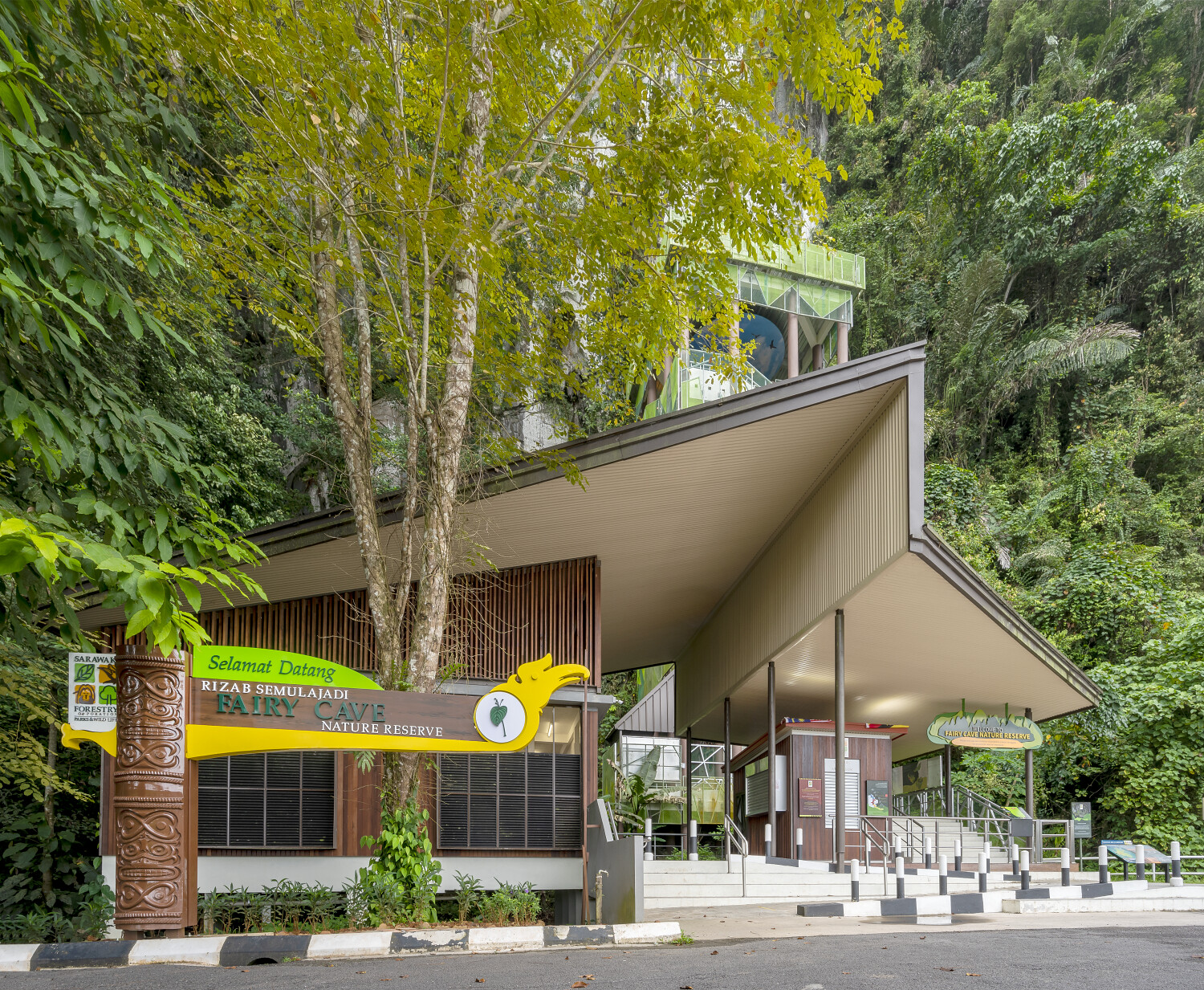
Our firm was invited to look at the feasibility of the site and what we can propose to enhance its tourism potential. We were privileged that our client’s project management team was open-minded and supported the less ‘conventional approach’ to how they would normally develop their facilities in their parks.
The Fairy Cave nature reserve site is constrained by the limitation of available building land; as much of the gazetted area was only within the base of the cave cliff-face.
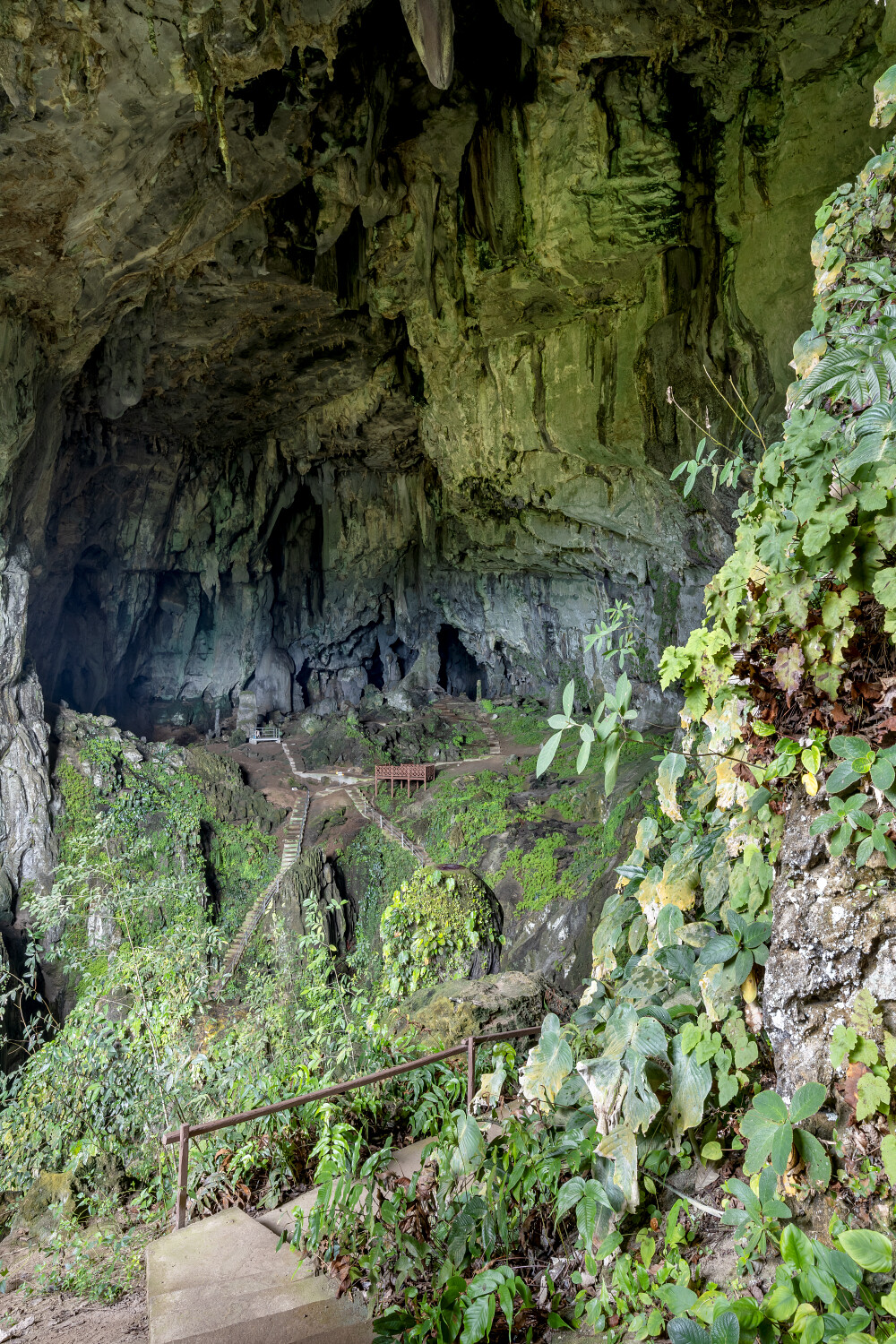
The existing structures on site consist of a concrete staircase tower structure which was the only access to the cave entrance at about 23m from the ground. There were a 2-door toilet hut and a portable cabin that functions as the ticketing and control booth at the bottom of the staircase. It was intended as an accessory parcel to the bigger Wind Cave Site. As such the building programme for this site was limited.
From the onset, we intended to enhance the Fairy Cave site to attract the general public and not just the ‘fit and adventurous’. Initial dialogue sessions with various stakeholders at the Ministry of Tourism level were productive and learned of the various challenges faced in terms of visitors’ experience of Fairy Cave. From this feedback and working with SFC’s park rangers at the grassroots regarding site vandalism, maintenance challenges and accessibility issues, we look to address them in our design.
The building brief developed was for essential spaces and interwoven with the Exhibition Design and Content for the site as part of the education component of the project.
We were involved with SFC Exhibition and Design Content team with consultation from the eminent associate professor Dr Mahonar Mariapan and SFC’s affiliated institutions to determine the education programme required for the site. It was established that Fairy Cave would feature its unique Jurassic flora and fauna. This was included at the building design development stage to provide a holistic approach to our spatial programming of the required spaces or tools for these.
The project is categorised into 4 segments:
• The Entrance pavilion with the ticketing (control) booth, toilet facilities and an open covered shelter to allow tour guides and rangers to brief visitors.
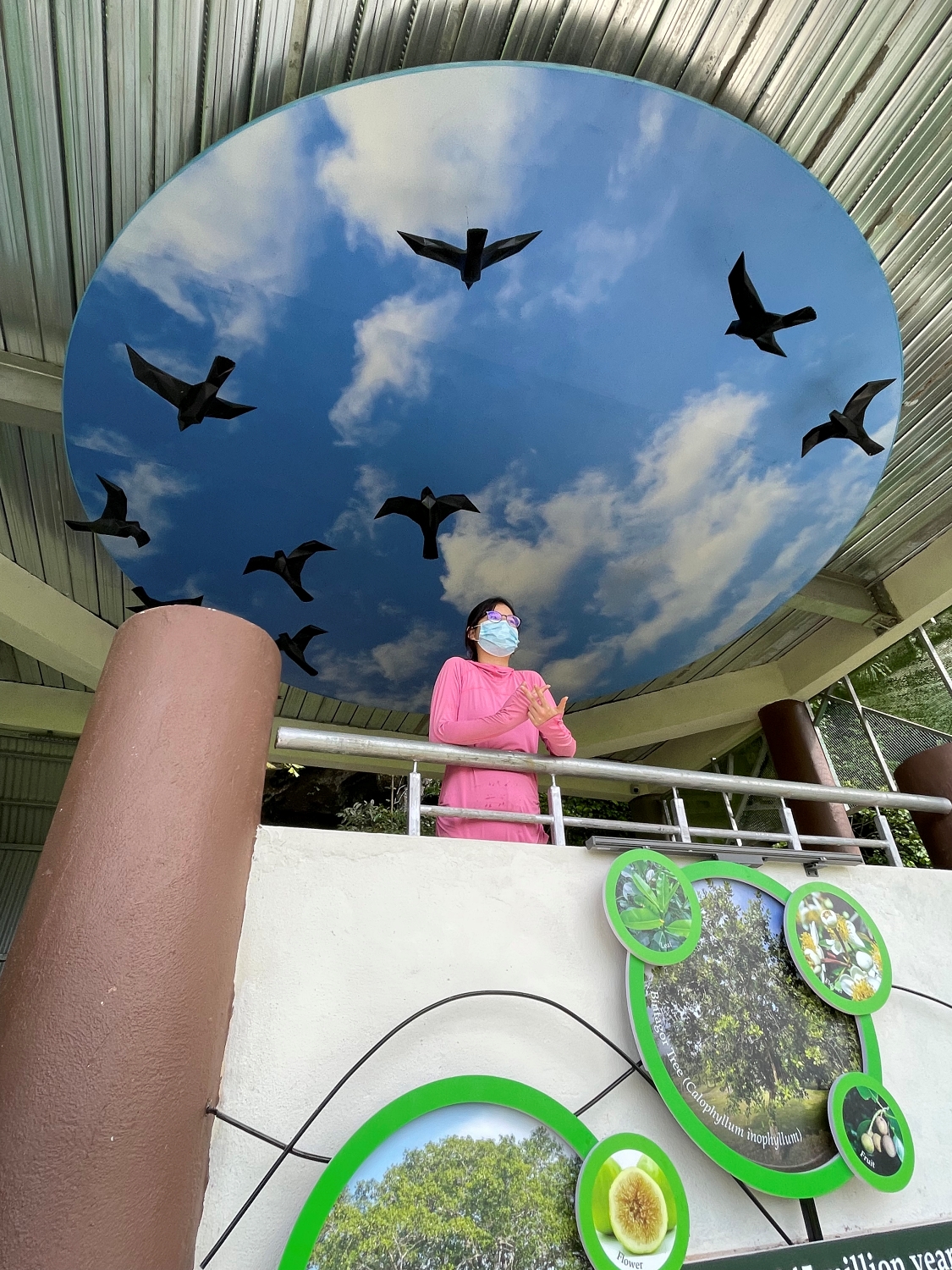
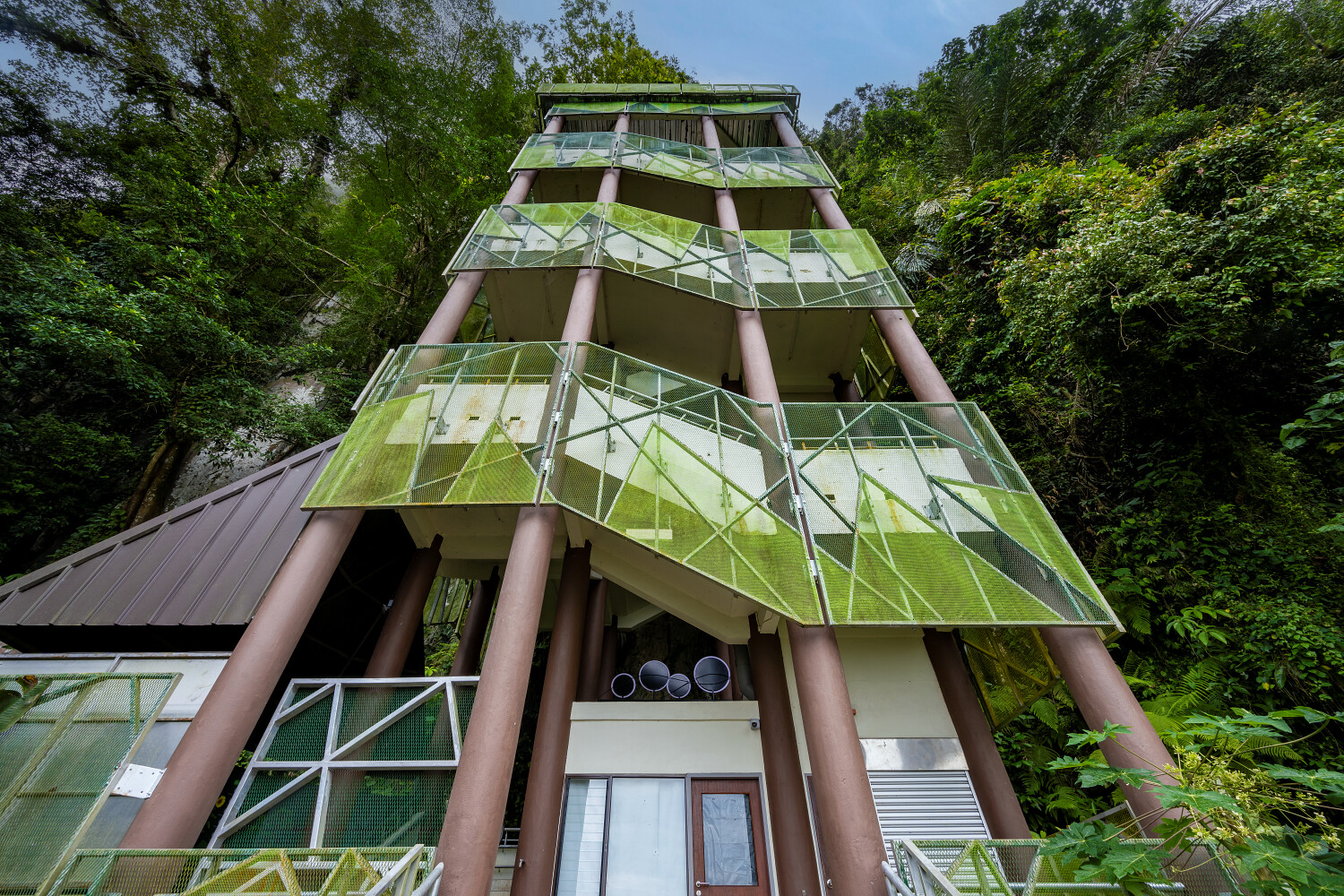
• The Access tower which is altered to also become the open exhibition-information spiral, topped out with a viewing platform at the apex.
• The Fairy Cave Chambers; The main daylit chamber and the cavern (named the Dark Trail, which takes you to the opening on the other end of the caves to the new Summit Trail.)
• The Summit Trail which is a guided trail and the Summit Platform at the apex.
The original was dim and unwelcoming. The climb is daunting. Creating the perception of accessibility for the existing RC tower structure to the main cave mouth became a design priority.
We re-purpose the existing access tower and use it as an exhibition-information spiral to distract visitors from the laborious effort of climbing the stairs. The expanded mesh screen design is part sun shading cum rain screen and gave the tower a new dynamism. It is visible from afar.
The original tower roof was removed and in its place, a viewing platform design with a daring outward spiral staircase was introduced for access. Here, the view of the stunning surrounding is captured and on the other end, a clear view of the cave mouth; which allows for a better vantage point for photo taking.
The viewing platform is also visible from the ground. This gave visitors another incentive to climb the access tower. As the Cave entrance area is limited, by providing an alternative viewing platform, we look to disperse the bottleneck crowding at this junction.
Given that the cave site is a conservation area, the building footprint was minimized and we made full use of the access tower structure we inherited to fulfil the programmes required.
There were information panels placed to let visitors learn of the unique features of the cave chambers but much of it will be on QR codes and the information accessible by phones to minimise physical display panelling on site.
The original access trail to the summit trail walk inside the cave was re-developed as the ‘Dark Trail’. Certain sections of the trails are lit to showcase the cavern’s magnificent limestone formations. The wayfinding is more holistic with the use of cats-eye reflectors lined to guide visitors on a fixed path along this route aided by a reflective information panel. The source of light would be from visitors’ torches instead of a pathway being lit. This also reduces the disturbances to the ecosystem in the caves.
The hike along the summit trail was kept as natural as possible and was made more accessible by the inclusion of ropes, bridges and platforms constructed at critical areas. The summit platform built at 274m above sea level, allow those who successfully climbed to the top, place to savour their feat and enjoy the magnificent view from the other aspect of Gunung Kapor summit.
This project was physically demanding. It was challenging executing the building programme; while managing an array of aspects which are not building-related. We particularly enjoyed interweaving the architectural portion with the educational exhibition and content displays; the holistic combination has enhanced the appreciation of this unique site to be enjoyed by all.
The construction works started in late 2018 and were disrupted by the filming of the “White Rajah” at the site in 2019. Compounded by the various delays faced during the Covid-pandemic, it was finally open to the public on the 1st March 2022. Post MCO, the site was overwhelmed by visitors when it opened with a daily average exceeding 1500 pax per day. It has become one of Bau’s main attractions. one of Bau’s main attractions.