
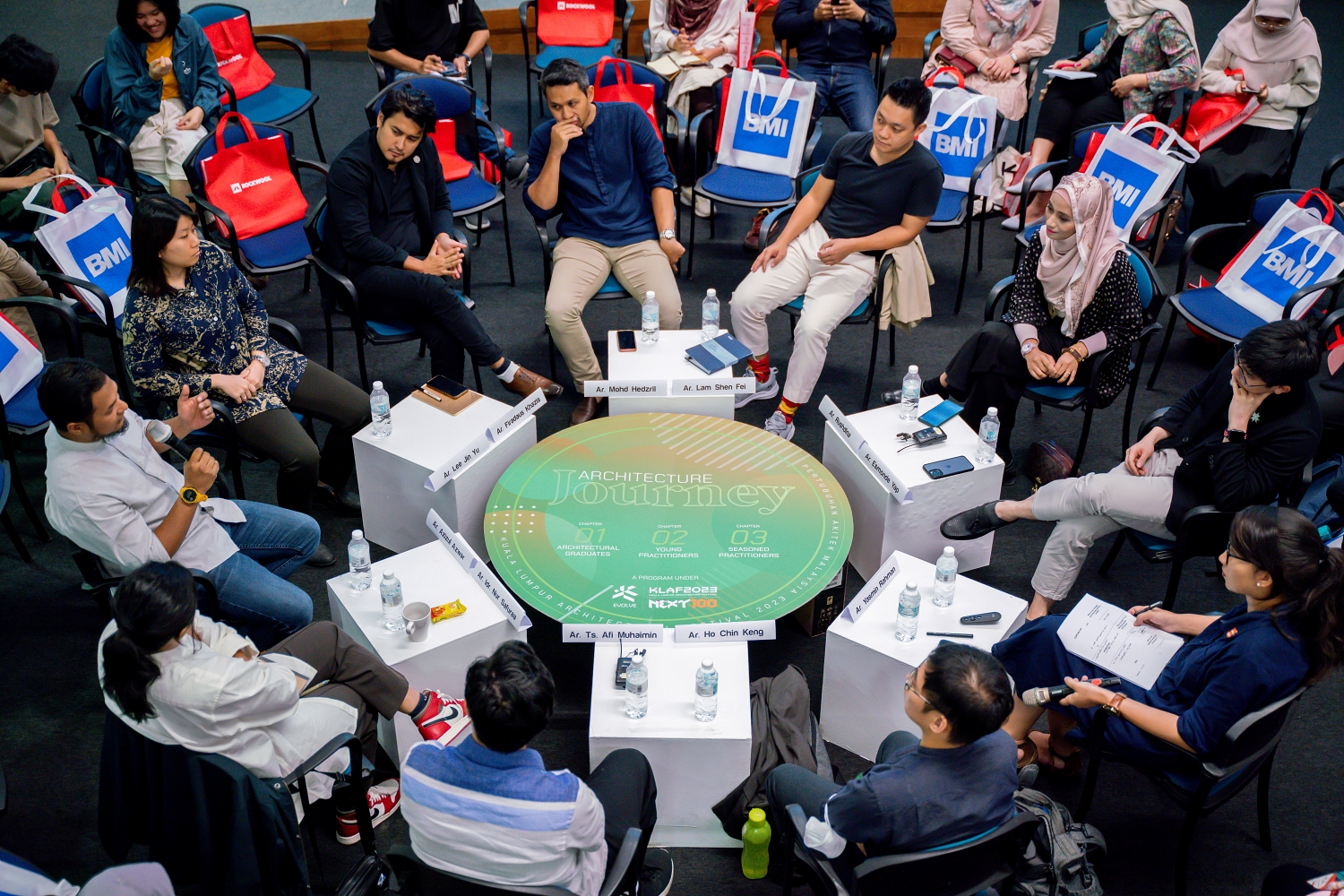
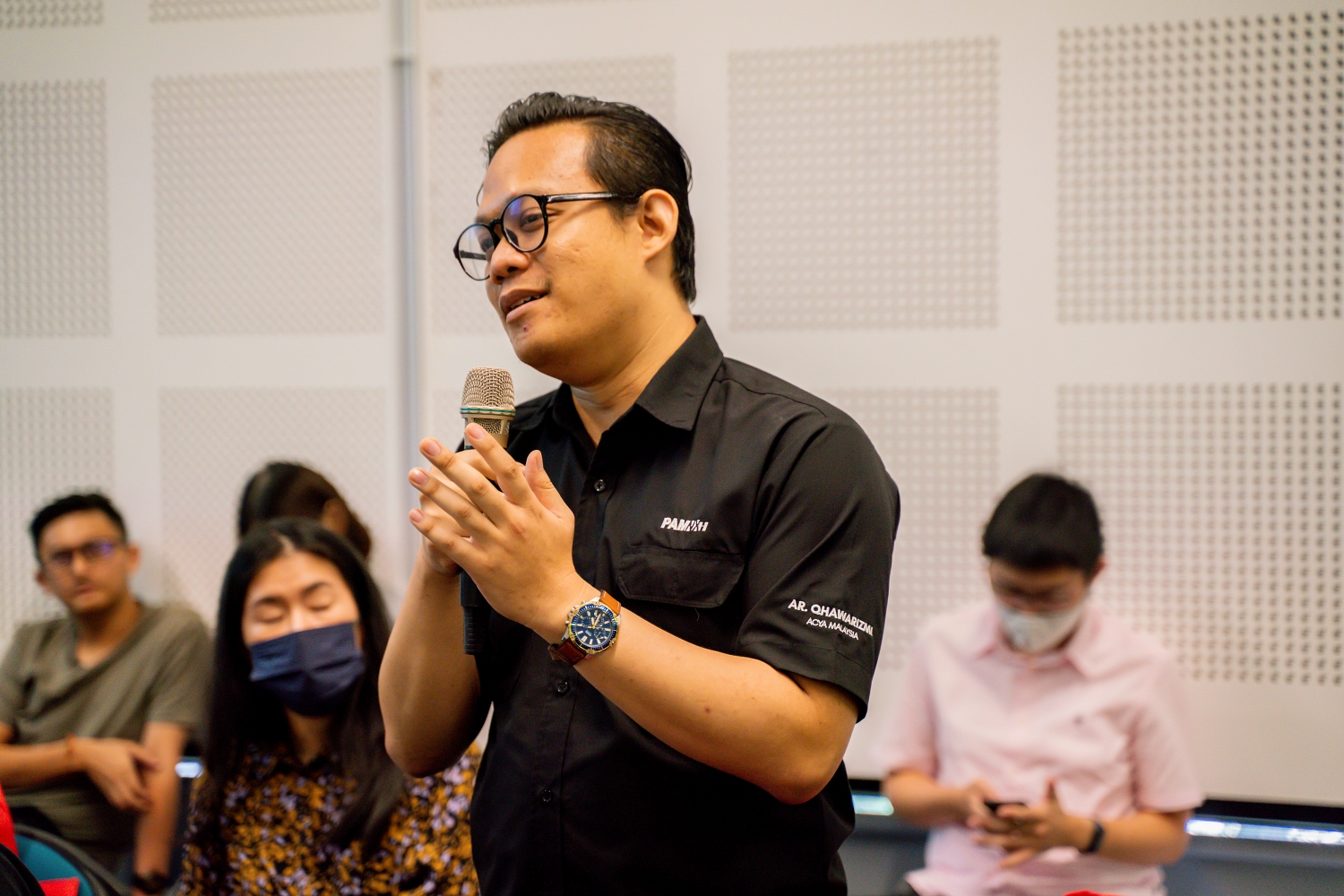
In an ever-evolving world, the realm of architecture and design is undergoing a profound transformation. With a strong focus on sustainability, eco-friendliness, and technology integration, the future of this field promises to be both visionary and practical. Six young architects reflect on the 10 + 1 persons panelist session during Arch. Journey 2 event on 3rd June 2023.
According to Ar. Firadaus Khazis, architect firms are poised to transcend conventional boundaries by assuming the role of developers, thereby wielding a profound influence over the very fabric of buildings and cities. This departure from traditional norms is a response to a longstanding paradigm, one in which developers have often held sway, driven predominantly by financial metrics and Return on Investment (ROI), often side-lining the rich tapestry of social and cultural narratives that architecture inherently encompasses. This dynamic fusion of roles creates spaces that enrich lives and underpin architecture’s ability to influence human experiences. As architects become developers, they champion purpose-driven initiatives that reverberate beyond blueprints, enriching cities and communities with lasting transformations.
Ar. Shen Fei believes that many individuals frequently pair this term with monetary venture procedures, which give rules to financial backers given how an organization’s strategies and drives regard the climate and society. In any case, in plan, ESG examination and execution include cautious organisations that investigate how structures can accomplish something beyond financial returns, and how to qualify and measure the experiential part of the plan. The social contemplations incorporate things like the well-being and security of individuals in and around a venture site, understanding the degree of local area influence by completely exploring the financial issues of an area, and maintaining the rights of unionised merchants and different specialists.

One factor contributing to the evolution of architecture is the increasing cost of construction materials, which has led to a greater use of locally sourced materials. These materials, such as exposed bricks, galvanized iron mesh, and expanded metal, are often used in green building certifications, which can increase a project’s sustainability rating and earn points. According to Ar. Shen Fei, the use of recycled materials has become the norm in sustainable construction. This approach is exemplified by recent Pritzker Award winner Diébédo Francis Kéré, who rejects imported materials in favour of locally sourced natural materials. Local materials are often preferred because they match the local design aesthetic and are more durable in the local environment. Additionally, choosing local materials supports the local economy and reduces the environmental impact of transportation. This aligned with the idea of adopting eco-friendly practices that minimise the environmental impact of buildings and spaces.
A cornerstone of the future of architecture and design is inclusivity. Ar. Esmonde Yap emphasised the importance of designing spaces that cater to the needs of diverse individuals. Inclusive design goes beyond aesthetics, ensuring that buildings are accessible and functional for everyone, regardless of their abilities. This commitment to social equity and inclusivity resonates with a broader movement towards a more just and inclusive society. In relation to that, Ar. Shen Fei underlined the sensibility towards humanity that nurtures the importance of diversity in design that includes several fundamental aspects towards human beings. Therefore, it is crucial to provide comfort to all kinds of human beings to improve the overall lifestyle and health consciousness of future generations.
Preserving the past while embracing the future is a delicate balance that he discussed with fervour. Adaptive reuse, the practice of repurposing existing structures, not only honours heritage but also contributes to waste reduction. This approach highlights the innovative potential of breathing new life into old spaces, giving them renewed purpose and relevance in the modern world.
It is vital to study traditional sustainable methods to counteract climate effects towards a building. While developing versatile structures that can endure outrageous atmospheric conditions, considering utilising regular resources is significant. This should be possible by exploiting regular powers like daylight, wind, and downpour. Using normal assets can work for the solace of inhabitants, decrease energy costs, and give a more practical way to deal with building development. The utilisation of sustainable materials is exemplified in one of Andrew Todd’s works that is located in France, wherein he employs bamboo to promote eco-friendliness. The Hardelot Theatre, constructed predominantly with wood and bamboo, is designed to facilitate natural ventilation, and is noteworthy for its remarkably low energy consumption, consuming less power than the average French individual in a year.
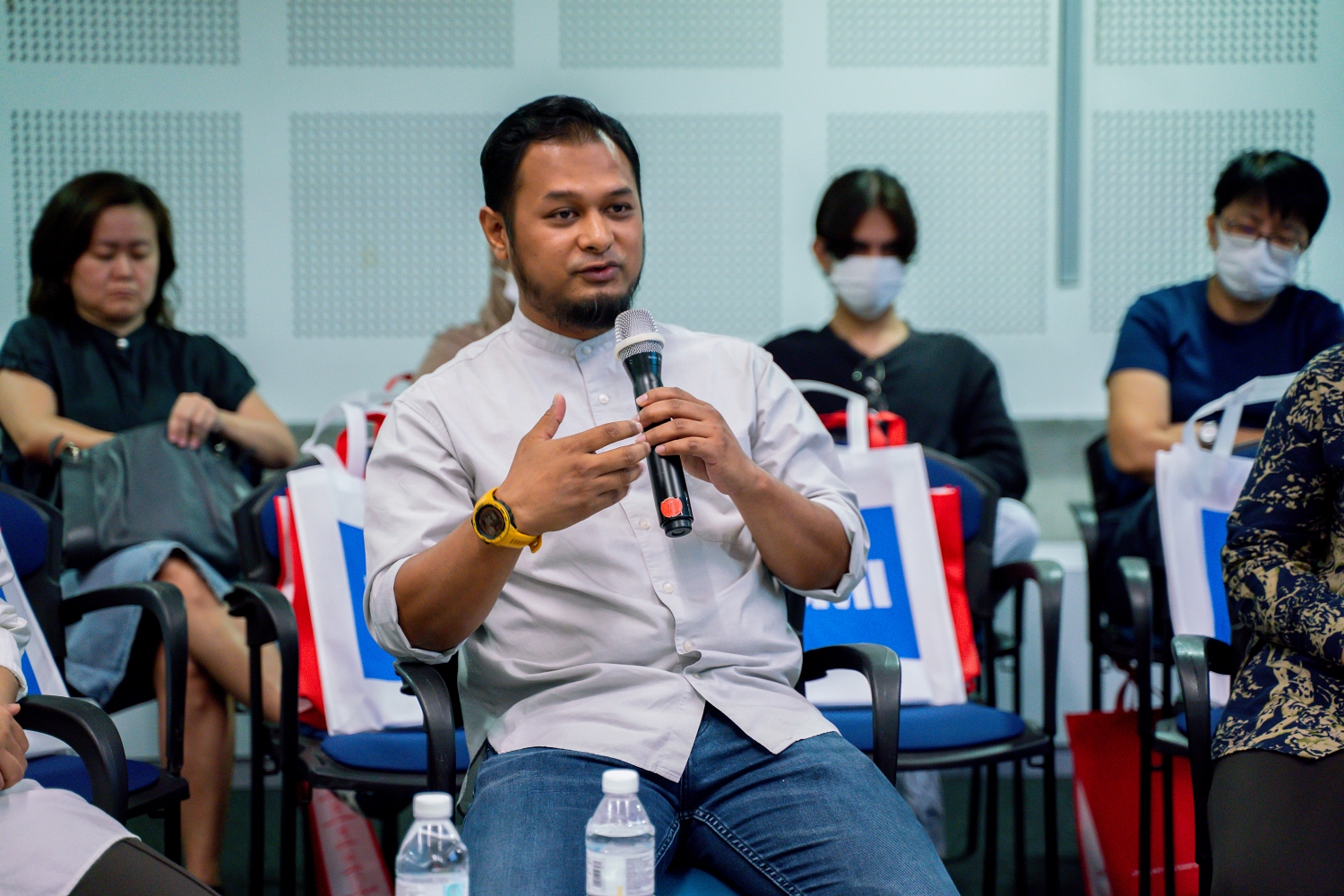
Ar. Azizul Azwar is also enthusiastic about the transformative potential of technology in architecture and design. The emergence of the Internet of Things (IoT) is poised to revolutionise urban living by creating smart cities. These interconnected hubs will optimise energy consumption, enhance infrastructure, and improve the quality of life for residents. The seamless integration of technology within the urban fabric will pave the way for a more efficient and sustainable future. Virtual and augmented reality (VR) and AR technologies revolutionise the design process, providing real-time feedback, enabling informed decisions and adjustments, enhancing creativity, and ensuring the final product reflects the initial vision. This is echoed by, Ar. Shen Fei. He agrees that collaboration with expertise for the design in the metaverse, AI output and virtual reality able to visualise the proposed spaces in construction has become a possibility, and the technical team foresees piping before construction is built. With the advent of virtual reality and cloud storage, international collaboration becomes easier as solutions and discussions can be conducted virtually on construction sites and in the office of a foreign country.
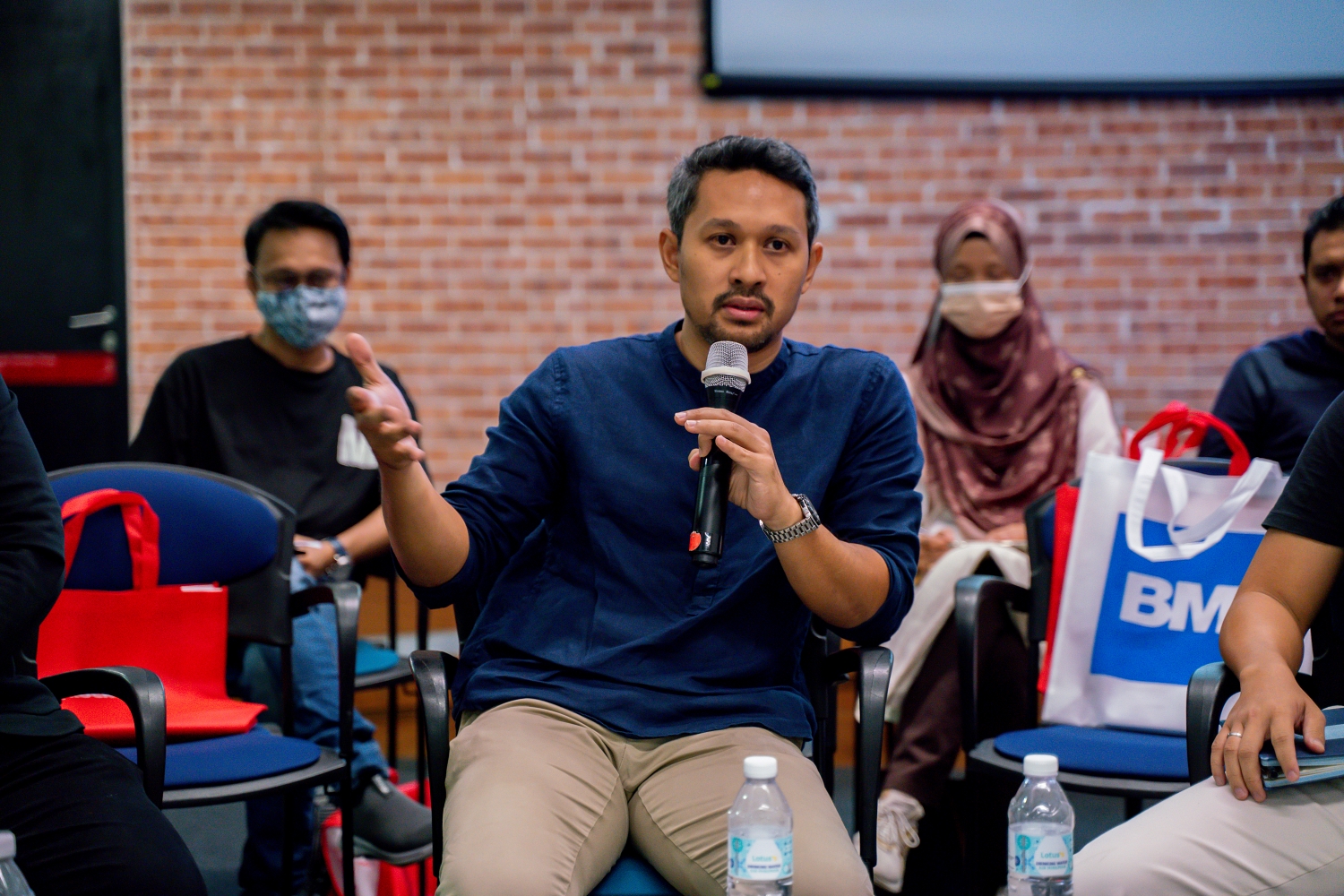
On the contrary, Ar. Mohd Hedzril Jaffar believes that there have not much shift in the construction industry compared to other industry like medicine and information technology (IT) for the past 500 years. The construction industry is believed to have the slowest adaptation towards technology that evolving. The reason for slow adoption is that the construction industry has been trusting that the tech world will get up to speed. The development business is frequently entrusted with building custom structures and processing plants, for remarkable clients and items, occasionally many miles from human progress. That is not something numerous different enterprises are approached to do. Now and again, these undertakings address the most troublesome and complex issues that should be tackled. However, due to the slow adoption, it is considered rewarding as this opportunity allows developing countries to embrace the slow change with the continuation of their economic growth.
Ar. Yasmin Rahman highlights Malaysia produces many talented graduates, young architects, interior designers, and artists within the profession. It has come to a problem where some of them are tricked into buying pseudo-awards that are run by certain parties that require fees that are solely for their advantage of marketing strategies. Ar. Yasmin Rahman stressed the abolishment of entry fees for awards that are specifically made for the younger generation of architects as it does not carry the value of appreciation towards local designers to embrace their work for the living of the future.
In the future, architects and designers will face numerous challenges, including tight regulations by local authorities, a stigma that relegates local architects to an inferior echelon, and a dearth of local young talent. These challenges will exacerbate the industry’s struggle for recognition and attract more talented professionals abroad.
To address these challenges, Ar. Firadaus Khazis suggested that architects can take a transformative approach by collaborating with local authorities to co-create guidelines that align with public needs and authority aspirations. They can also collaborate with international counterparts to learn new working methodologies and absorb multifaceted business strategies, fostering professional growth and enabling architects to traverse geographical borders through international platforms such as ARCASIA and UIA. Additionally, a strategic pivot towards competitive design fees for overseas clients can unlock vistas of expansion, attracting a global clientele with exceptional design prowess. By embracing collaborative governance, transcultural wisdom, and a competitive edge, architects can create an ecosystem that resonates on a global stage.
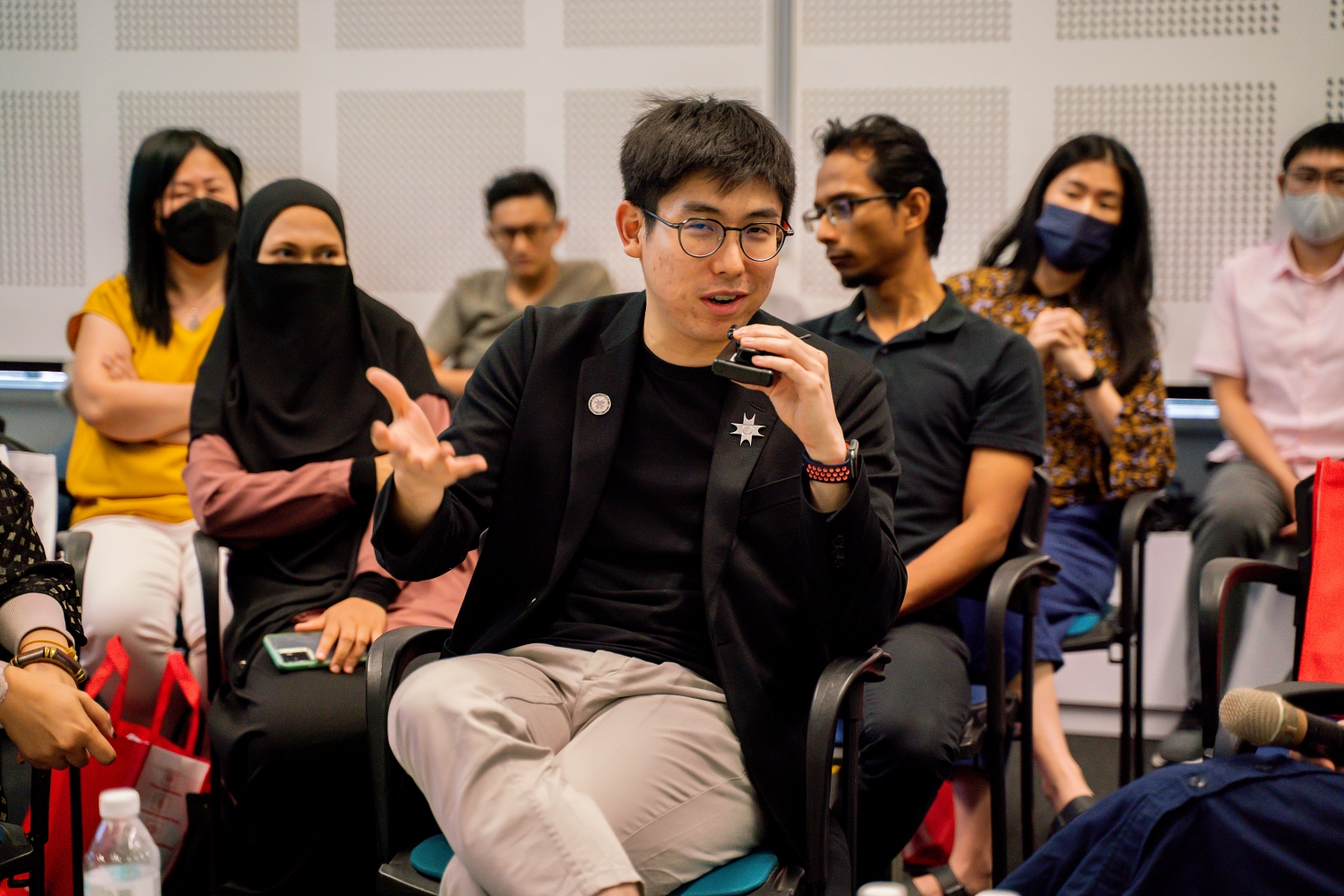
As a result of the growth of Artificial Intelligence, AI has become capable of delivering ideas and near-finished design solutions before an architect’s involvement, resulting in a limited role for architects in the execution of projects. AI is rapidly advancing to the point where it can independently produce the design of a structure. With the potential to expedite design with greater accuracy than ever before, artificial intelligence has the potential to revolutionise the architecture industry, potentially displacing conventional architects. This raises questions about the future of architects in a world of AI-generated structures. Architects will continue to face competition from non-professionals and freelancers who offer similar services with the aid of AI rather than genuine artistic work. Additionally, architecture graduates are among the lowest-paid professionals, and there is a growing risk that less advantaged individuals will be driven out of the profession due to the high cost of education and low wages. Architecture, once considered a prestigious profession, has gradually lost its status as technology and living standards have evolved. It has become increasingly difficult to gain public confidence and respect, particularly from clients who have little understanding of what architects do, resulting in a lack of recognition for the profession. To address this issue, Ar. Yasmin Rahman emphasised the importance of seizing this opportunity to elevate architecture to a new level that bridges the gap between architects and the public, to achieve a higher quality of living.
Ar. Mohd Hedzril Jaafar highlighted that there is a possibility that architects no longer have to rely on building real projects. This opportunity widens the scope of designing that involves in variety of industries which include entertainment. In this age of different artificial intelligence, the gaming experience is getting better consistently with the assistance of First-Person Shooter (FPS) Games, Virtual Reality, and Augmented Reality. A few variables make a game effective with one of the key components being design or the fabricated climate. The architects that work as the game designers give a reasonable scenery to the game to be set in and make the gaming experience considerably seriously captivating and consolidate feelings, sentiments, and sensations into the game.
In conclusion, architects and designers stand on the precipice of transformative change, armed with the tools to sculpt a more sustainable, technologically advanced, and inclusive world. The array of opportunities, encompassing sustainable design, technology integration, and client engagement, promises creations that thrive in a rapidly evolving global landscape. As envisioned by the interviewee, the future of architecture and design is a realm brimming with impactful, client-centred, and environmentally conscious creations.
The integration of technology is poised to bring about a significant transformation in the field of architecture, emphasising innovation and efficiency. According to Ar. Firadaus Khazis, the remarkable integration of Artificial Intelligence is at the forefront of this evolution, revolutionising the architectural landscape. The rapid transformation of designs into tangible blueprints has liberated architects from time-consuming tasks and transformed the architectural process. This infusion of technology has injected new dynamism into the process, enabling architects to unleash their creativity and leverage the power of AI. This transformative trend is propelling architects into a realm where innovation thrives and valuable time is reclaimed, bridging the gap between labour-intensive endeavours and a realm where time is of the essence.

As per Ar. Mohd Hedzril Jaafar’s insights, automation and artificial intelligence will become synonymous in the business world, leading to a continuous reduction in reliance on human labour and ability. The possibility of using AI to decrease work reliance is a common subject, and if this trend continues, the industry may experience a decline in the number of graduates and young designers due to a lack of job opportunities.
In addition to artificial intelligence, 3D printing technology has the potential to revolutionise the construction industry by incorporating robotic manufacturing techniques similar to those used in the production of car and vehicle motors. This innovative technology enables the layer-by-layer printing of objects directly from a computer-aided design model, using a variety of materials. This paper provides an overview of the various types of 3D printing technologies, their applications in the manufacturing industry, and the materials commonly used in 3D printing. As the technology continues to evolve, the design of shapes, forms, and spaces will adapt to the limitations of 3D printing, and humans will gradually adopt these changes.
As technology charts the course of architectural evolution, the significance of Building Information modelling (BIM) remains resolute. In insights of Ar. Esmonde Yap believes the evolution of BIM continues to facilitate enhanced collaboration, amplified visualization, and streamlined construction processes. The integration of artificial intelligence (AI) and automation harmonises with this trajectory, streamlining design workflows and liberating architects and designers to focus on their core strengths: innovation and problem-solving.
Yet, technology’s transformative embrace extends beyond design to sustainability, focusing on solar power, energy-efficient systems, and intelligent building management. This partnership can significantly reduce environmental footprints and promote a greener, more sustainable built environment. The architectural future relies on sustainability, innovation, and human-centric approaches, harmonising with nature, nurturing well-being, and sowing seeds for a sustainable future. By interdisciplinary collaborations and adopting eco-friendly paradigms, architects and designers create a landscape that bridges the gap between human aspirations and environmental stewardship.
All in all, the multifaceted exchange between technology and architecture is moulding a future that is both promising and extraordinary. As we have dove into the profundities of this unique relationship, it becomes apparent that innovation isn’t just an outside factor impacting building plans; it has turned into a fundamental piece of the actual substance of how we conceptualise, make, and collaborate with our built environment.
In pondering the future, it is apparent that the coordination of technology and architecture will keep on developing, introducing the two valuable open doors and difficulties. architects representing things to come should be capable in design as well as in saddling the capability of technology to make practical, utilitarian, and aesthetically satisfying spaces. The coordinated effort between architects, engineers, technologists, and different partners will be instrumental in moulding a constructed climate that mirrors the requirements and desires of society.
These young architect’s aspirations for the future of architecture and design encapsulate a profound vision of harmonious coexistence between humanity, technology, and the environment. The convergence of sustainability, technology, inclusivity, and heritage preservation promises to reshape our built environment into a conscious, efficient, and people-centric space. This future holds the promise of innovative, sustainable, and inclusive architecture that enriches lives and paves the way for a brighter tomorrow.