
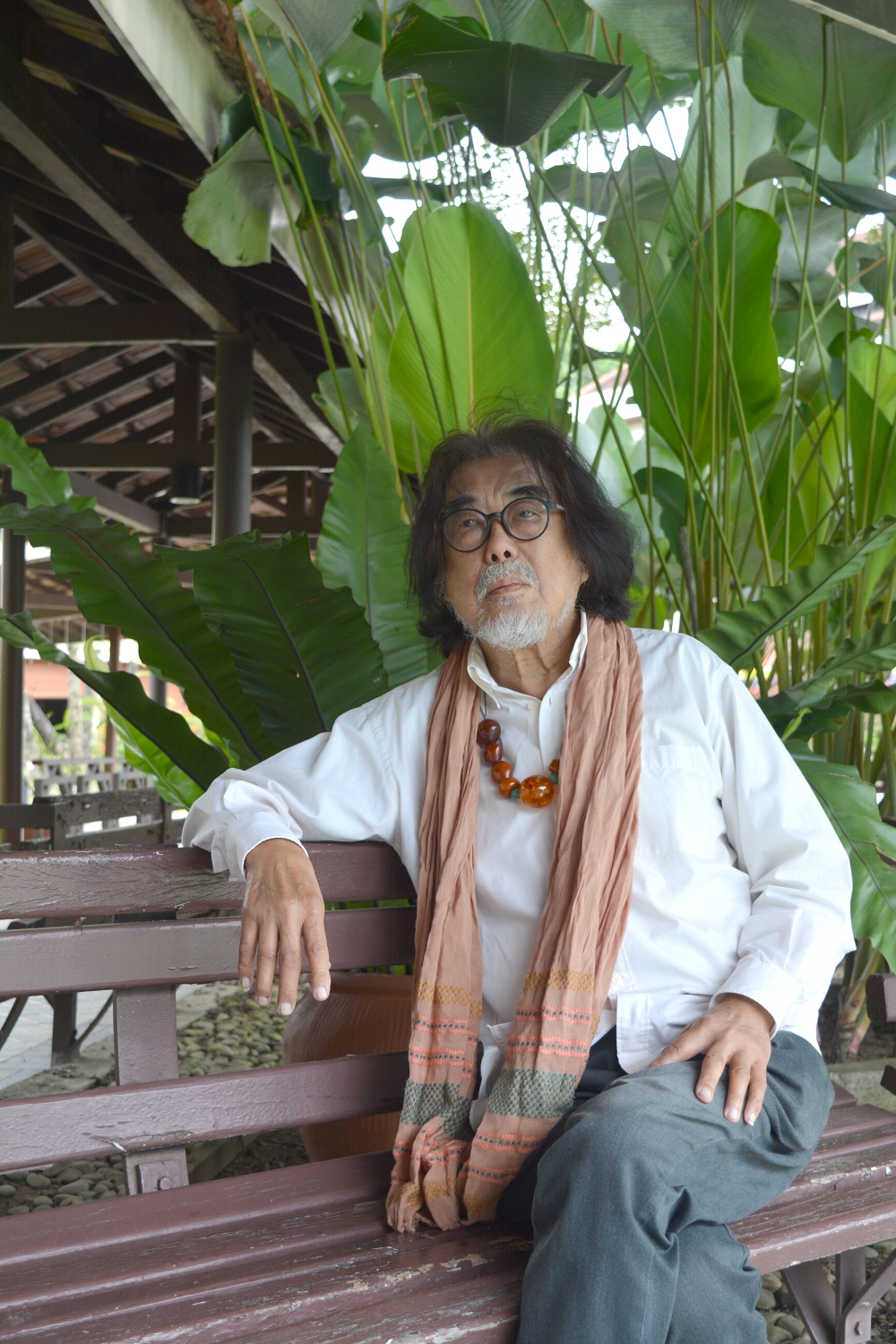
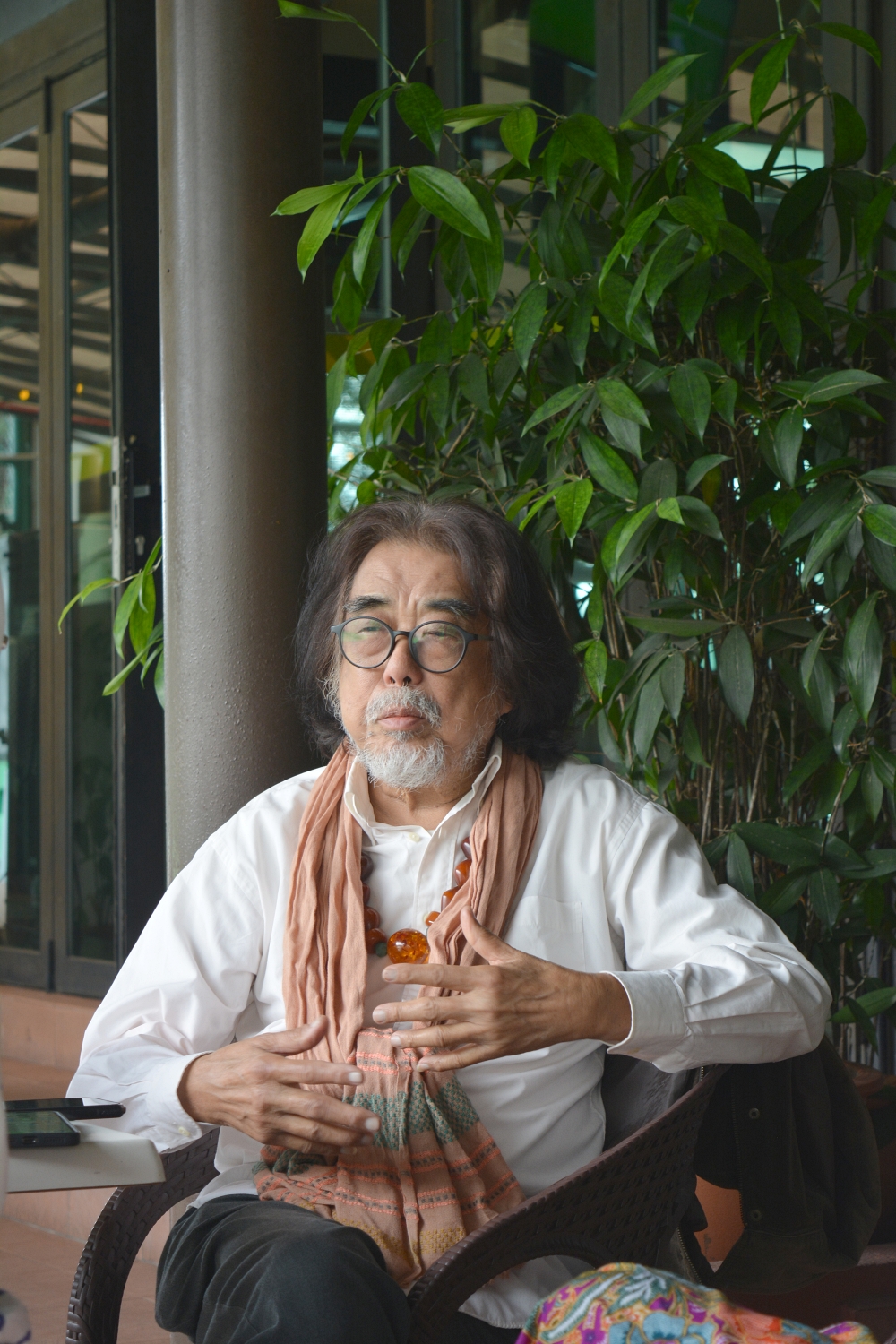
On the 17th of February 2023, I got the opportunity to have a closed interview session with one of the renowned architects in Malaysia, Prof Ar Jimmy Lim. In this interview, we will delve into the professional career and expertise of Prof Lim, which spans over 50 years. He has designed numerous award-winning buildings and is globally recognized for his contributions to the field of tropical architecture. In this interview, we will explore his journey to becoming an accomplished architect and understand the values that underpin his work in architecture.
We will also gain insights into his vision for the future of Malaysian architecture and his recommendations for aspiring architects as well as his thoughts on the challenges and opportunities that lie ahead in the architecture profession. We will also discuss the various design principles that Prof Lim celebrates in his architecture and the impact that these principles have on the tropical built environment.
Although it was an interview session, this article is written down in the form of a written article. The purpose of this article is to gain insight into Prof Lim on tropical architecture and his reflections on the architecture profession. Through this article, readers will be able to gain a deeper understanding of the importance of tropical architecture and how it can positively impact the environment, society, and the economy. It highlights the meaning and importance of tropical architecture. Architecture in general was and still is Euro-centric or Western-centric. For all intent and purpose, tropical architecture is the ‘new kid in the block’, now playing a creative role in the built environment.
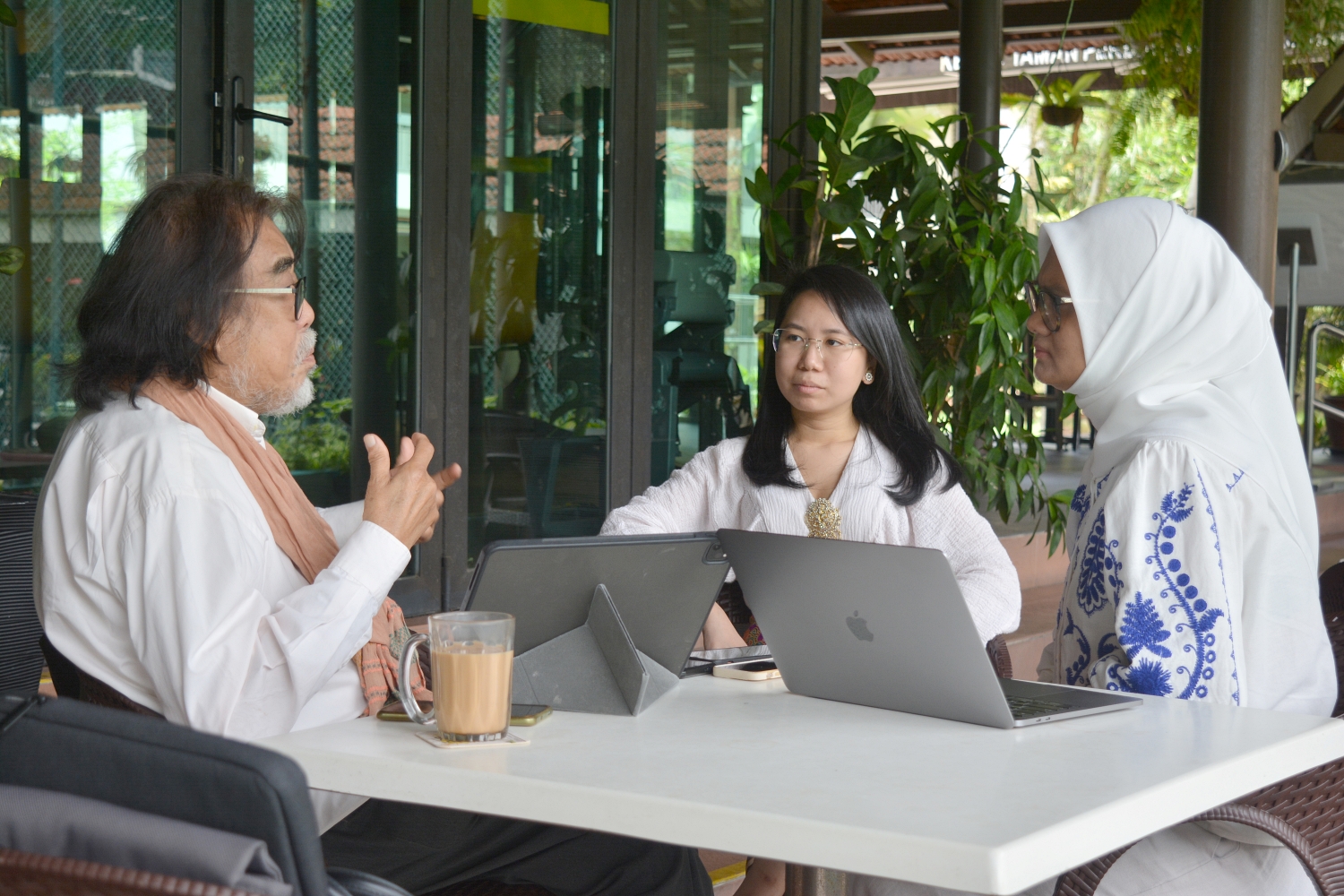
Furthermore, this article aims to inspire young architects and aspiring professionals towards tropical architecture. Prof Lim is a Malaysian architect who has made significant contributions to the architecture industry in Malaysia and beyond. He is widely recognized for his innovative and tropical sustainable design solutions, which have won numerous awards and accolades.
Born in 1944 in Penang, Prof Lim obtained his Bachelor of Architecture degree from the University of New South Wales, Australia, in 1968. In 1972, Prof Lim returned to Malaysia to join Projek Akitek Sdn. before establishing his architectural firm, CSL Associates in 1978. When in Projek Akitek, he was responsible for the design and construction of the first semiconductor production line for Motorola in Malaysia; the new Indonesian Embassy in Jalan Pekeliling; he also supervised and managed the construction of Pusat Sivik Petaling Jaya. His firm quickly gained recognition for its distinct architectural style and tropical design sustainable approach and has since become one of the leading architectural firms in Malaysia. Prof Lim’s architectural projects are known for their seamless integration of modern design elements with traditional Malaysian cultural and architectural elements.
The architectural scene in Kuala Lumpur, his newly-adopted hometown, was not inspiring. Prof Lim spent the first five years after spending 13 years in Australia. He spent the next five years exploring temples, mosques, churches, historic sites, cemeteries, fishing villages, tin mines, rubber estates and every edifice that was built years ago. He marvelled at the collection of colonial building stockpiles that were left behind. The modern architecture at that time was not impressive. He was however impressed with the shophouses at Batu Road that were designed by Hisham Albakri, Dewan Tunku Canselor at University Malaya, and a few of the pre-independent buildings such as the EPF building at Jalan Gasing, Petaling Jaya, the Subang Airport, the Chin Woo Stadium, the Anglo-Oriental Building, at the corner of Jalan Tangsi/ Parliament.
Most buildings in Kuala Lumpur then were constructed with R.C. frame, brick infilled and plastered over. These painted-over structures after a few years started to look gritty with algae and dirt clinging onto them. It occurred to Prof Lim that perhaps the abundance of tropical hardwood timber and its ease of availability could be an alternative source for construction. They were easily available, readily accessible and an easy material to work with being dry construction. This prompted Prof Lim towards designing with timber.
Prof Lim’s opportunity to design his first house project in Malaysia was when a relative bought a piece of land in Damansara Heights, off Jalan Dungun to build their new home. Lim took this opportunity to experiment with the versatility of Malaysian timber. Some of the timber he used were Chengal for the roof and wall framing. As for the timber lining, he used Resak and Damar Minyak for miscellaneous work, Meranti was used. For the brick construction, he was able to source from Batu Arang, clinker bricks which were essentially overburnt bricks that Batu Arang used to fill up ravines. These bricks were sold off to the public for RM78 per lorry load and from his memory, Chengal was RM180 a ton. The main structure of the house was a nine-inch solid load-bearing wall. Other peripheral walls were 11-inch cavity brickwork. Some internal partitions were using 4-inch by 2-inch stud wall frames lined with Damar Minyak. In a section of the children’s bedroom, the external walls were a 10-inch brick veneer structure. So, in this one house, Lim experimented with the various computations available for brick and timber.
Prof Lim has received numerous awards including the PAM Gold Medal Award, and the Aga Khan Award for Architectural Excellency. His works have been recognized globally and he has been invited to speak at numerous international conferences on sustainable design. Prof Lim’s extensive experience and knowledge in the field of tropical sustainable architecture can serve as a valuable resource for architects, designers, and policymakers seeking to promote sustainable development practices and reduce the environmental impact of buildings.
Salinger or Rudinara Residence by Prof Lim was awarded the Aga Khan Award for Architecture in 1998. Salinger Residence is a tropical sustainable residential design located in Bangi, Malaysia. This project exemplifies Prof Lim’s philosophy on tropical sustainable architecture. Integrating environmentally conscious design principles into a functional and aesthetically pleasing residential space. The incorporation of a range of tropical sustainable design features in the Salinger House not only reduces the environmental impact of the building but also contributes positively to the well-being of its occupants. For instance, the efficient use of natural light and ventilation results in a space that is well-ventilated and receives ample daylight, contributing positively to the physical and psychological health of the occupants.
Prof Lim is also an active member of the architecture community in Malaysia. He served as the President of the Malaysian Institute of Architects (PAM) from 1991 to 1993 and has advocated several architectural and planning initiatives through his lectures, papers and editorials in both the Berita Akitek and the Majalah Akitek.
Prof Lim’s contributions to the architecture profession in Malaysia and beyond have been significant. His innovative and tropical design solutions have set a benchmark for architecture in Malaysia, and his work has been written and published in numerous international publications, eg. A-Z of Modern Architecture (TASCHEN), History of World Architecture by Sir Bannister Fletcher (Oxford Press), Ecological and Sustainable Architecture by James Steele (Thames & Hudson), Asian Architects, Ecohouse by Sue Raof (Routledge), and more. He continues to give talks, lectures to students, public seminars and conferences.
Prof Lim’s achievements in the field of architecture are a testament to his creativity, innovation, and commitment to sustainability. He has left a significant impact on the architectural landscape in Malaysia and has inspired a generation of architects to push the boundaries of design. Prof Lim is a highly respected Malaysian architect who has contributed significantly to the architecture industry in Malaysia and beyond. With his extensive experience and knowledge of the field, he has developed a unique perspective on Malaysian architecture and its evolution over the years.
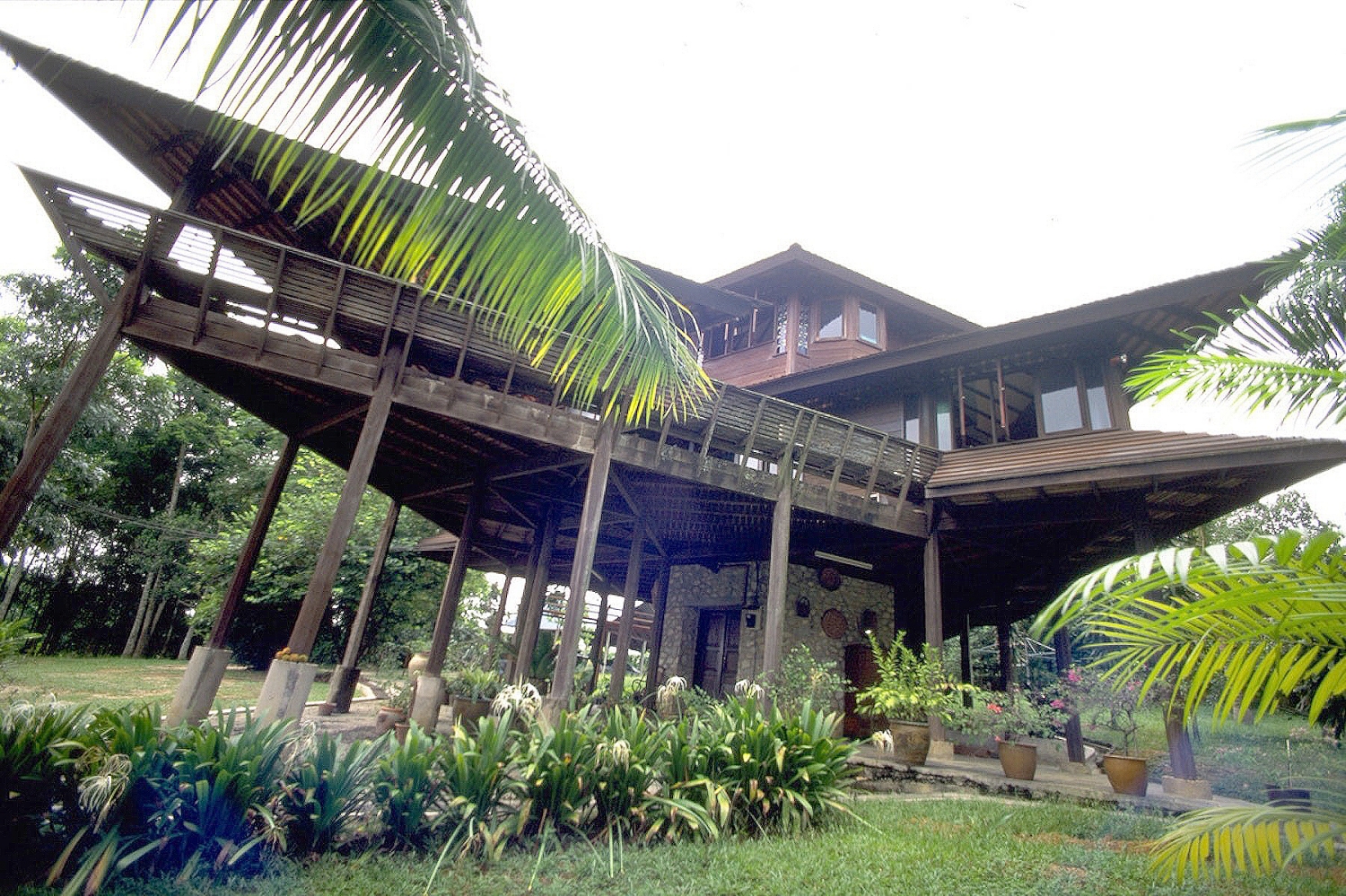
“In the tropics, the natural elements are some of the principal factors that differentiate it from other regions of the world. The climate which produces sunlight, rainfall, and wind in abundance almost demands that the designers should visit some of these issues and resolve some fundamental opportunities for utilization in the buildings. In this respect, it appears that using climate as an alternative energy source is proposer and positive. It also of the opinion that Malaysian architects must be more an alternative energy source is proposer and positive. It also contextualizes one’s work and that is important” (Lim, 2000).
According to Prof Lim, Malaysian architecture has undergone significant changes in recent years, with a growing focus on sustainability and the incorporation of modern design elements with traditional Malaysian cultural and architectural elements. He believes that the key to developing a distinctive Malaysian architectural identity lies in striking a balance between modern design and traditional cultural elements. One of Prof Lim’s main concerns with Malaysian architecture is the lack of attention to tropical sustainable design principles. In his opinion, architects in Malaysia must take a more proactive approach to sustainability, particularly in light of the country’s rapid urbanization and growing population.
He emphasises the importance of responding to the site context including the method of designing within sloping sites into building design to reduce energy consumption and minimise changes creative and innovative in their approach to design. He encourages architects to draw inspiration from Malaysia’s rich cultural heritage and incorporate traditional elements into modern building designs. He believes that this approach will not only help to create a unique Malaysian architectural identity but also foster a greater appreciation for Malaysian culture and heritage.
“I had always been concerned about the environment; therefore, it was natural not to disturb as much of the environment as possible. There was to be no land cutting or levelling” Prof Ar Jimmy Lim.
Finally, Prof Lim stresses the importance of collaboration and knowledge-sharing within the architecture community in Malaysia. He believes that architects must work together to share best practices and develop innovative solutions to address the challenges facing the industry. In conclusion, Prof Lim’s opinions on Malaysian architecture highlight the need for tropical sustainable design principles, the importance of incorporating traditional cultural elements into modern designs, and the value of collaboration and knowledge-sharing within the architecture community. His insights offer valuable guidance to architects in Malaysia and inspire a new generation of architects to push the boundaries of design and sustainability.