GOOI KOK WAH,
UPCYCLING TIMBER TO
HONE HIS CREATIVE
STREAK AS HE EXPLORES
THE MATERIAL
TEXT BY
AW SIEW BEE AND
ADELINE CHAN CHIENN
HWEI
PHOTOS BY
THOR YI CHUN
VENUE
CHENGAL HOUSE, PENANG
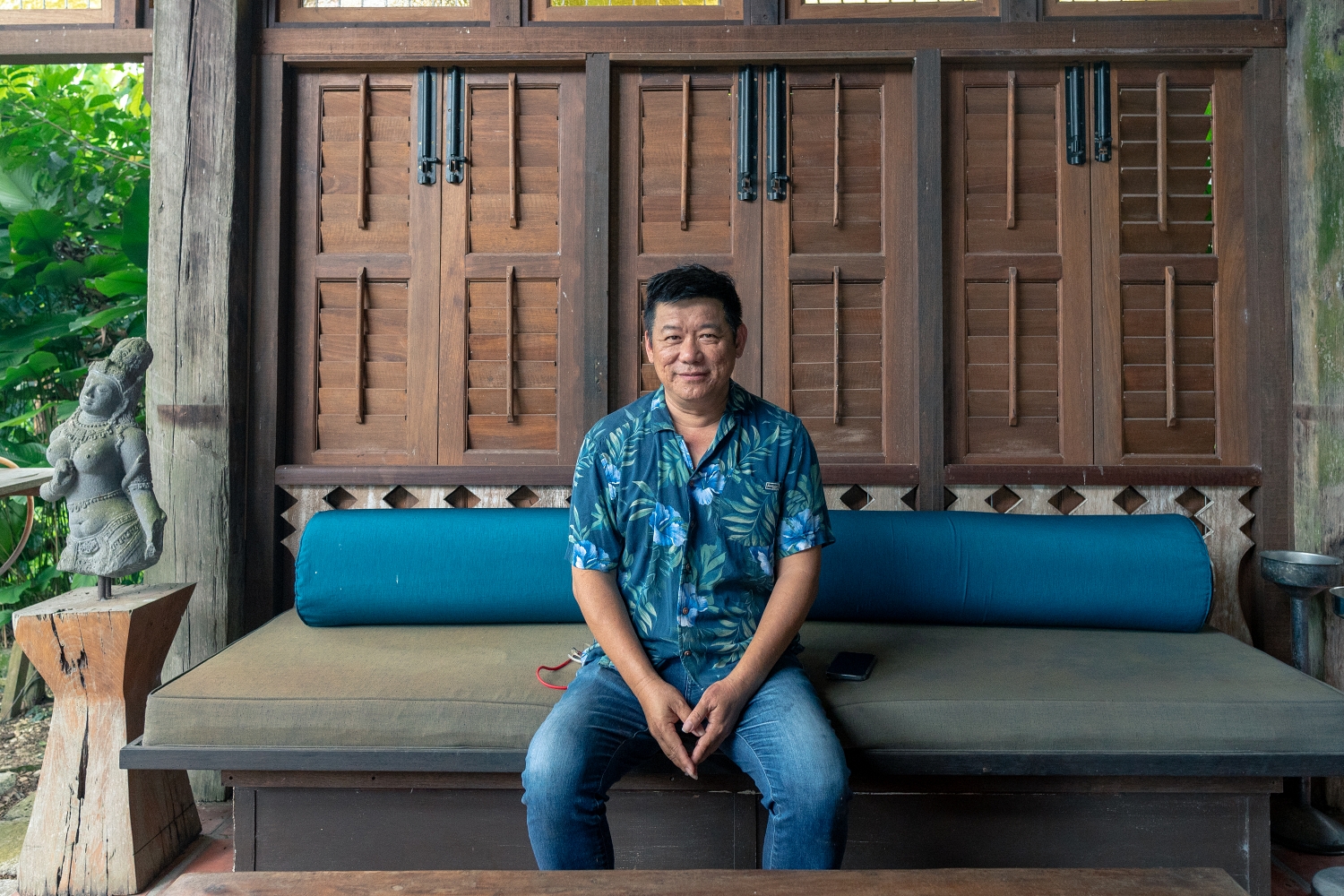
Gooi Kok Wah, owner of Gooi Residence and entrepreneur who salvages used timber. Gooi Residence is known to the public as Chengal House, is a sanctuary of rarest arts and antiques.
Most people like to stay within their comfort zone. Gooi Kok Wah, though, is a man who loves a good challenge.
Take, for instance, the dichotomy between his background as an accountant and his current calling as a furniture maker and timber specialist. The seemingly unlikely confluence of two discrete fields stems, in part, from his early career days as an accountant for a furniture company overseas.
While there, besides doing accounting, he learned about the importance of efficient packaging, simplification, the creation of manuals for assembly, and many other experiences that form his thought processes to this day.
Eventually, he came back to Malaysia for good and landed a job as a General Manager. He got the chance to pivot to his passion for furniture-making – although the transformation from passion into a business was quite serendipitous.
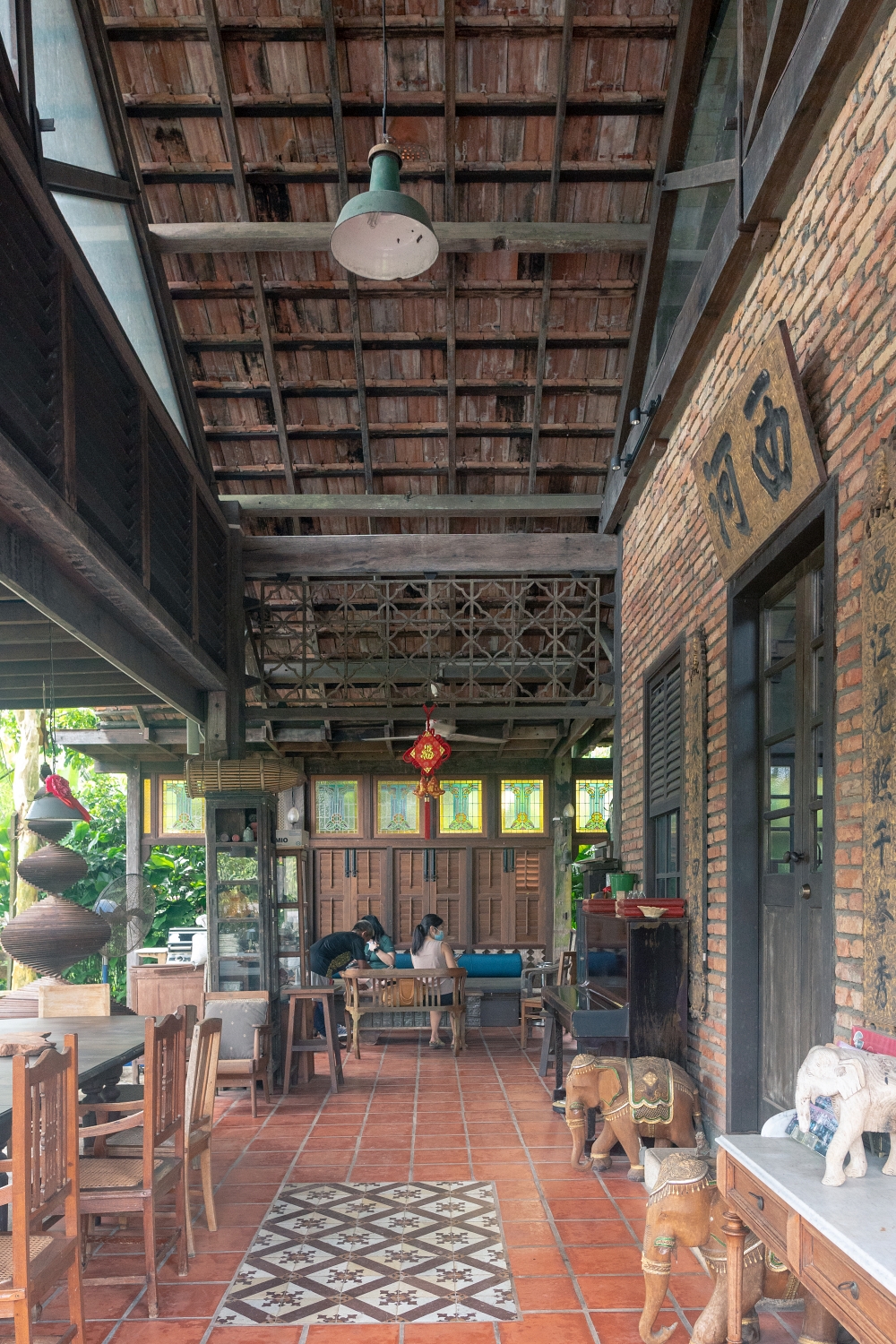
Every piece of furniture, lighting fixture were carefully curated to match the rustic theme
As the saying goes: one man’s trash is another man’s treasure. “One day, I was passing by a sawmill whose lease for the land had ended,” Gooi recalled. “They had abandoned their leftover timber there. To them, it was trash.” To Gooi, it was a treasure, compounded by the irony of a timber shortage in the market at that time. Not one to waste precious resources, Gooi set about collecting the timber, brought it home, processed it, and assembled it according to his designs.
That was his lightbulb moment. Repurposing timber became his modus operandi. Upcycling timber gave him a chance to hone his creative streak as he explored the material. By happenstance, some of his work went viral – and that was how his passion became a business.
Today, his warehouse in Bukit Panchor, Nibong Tebal, is like a flea market for timber. All that salvaging results in a constantly wild assortment of pieces that are waiting to be discovered by the right buyer. “Our priority [for our business] is buying, not selling,” Gooi said. “Buying is more fun, as every piece that we acquire has its own story and commanding power. We never know what we can get tomorrow. A piece that you think is worthless may be treasured by another.” He shared stories of salvaging timber furniture, doors, and windows from heritage shophouses in George Town, which he treated and then sold to interested parties.
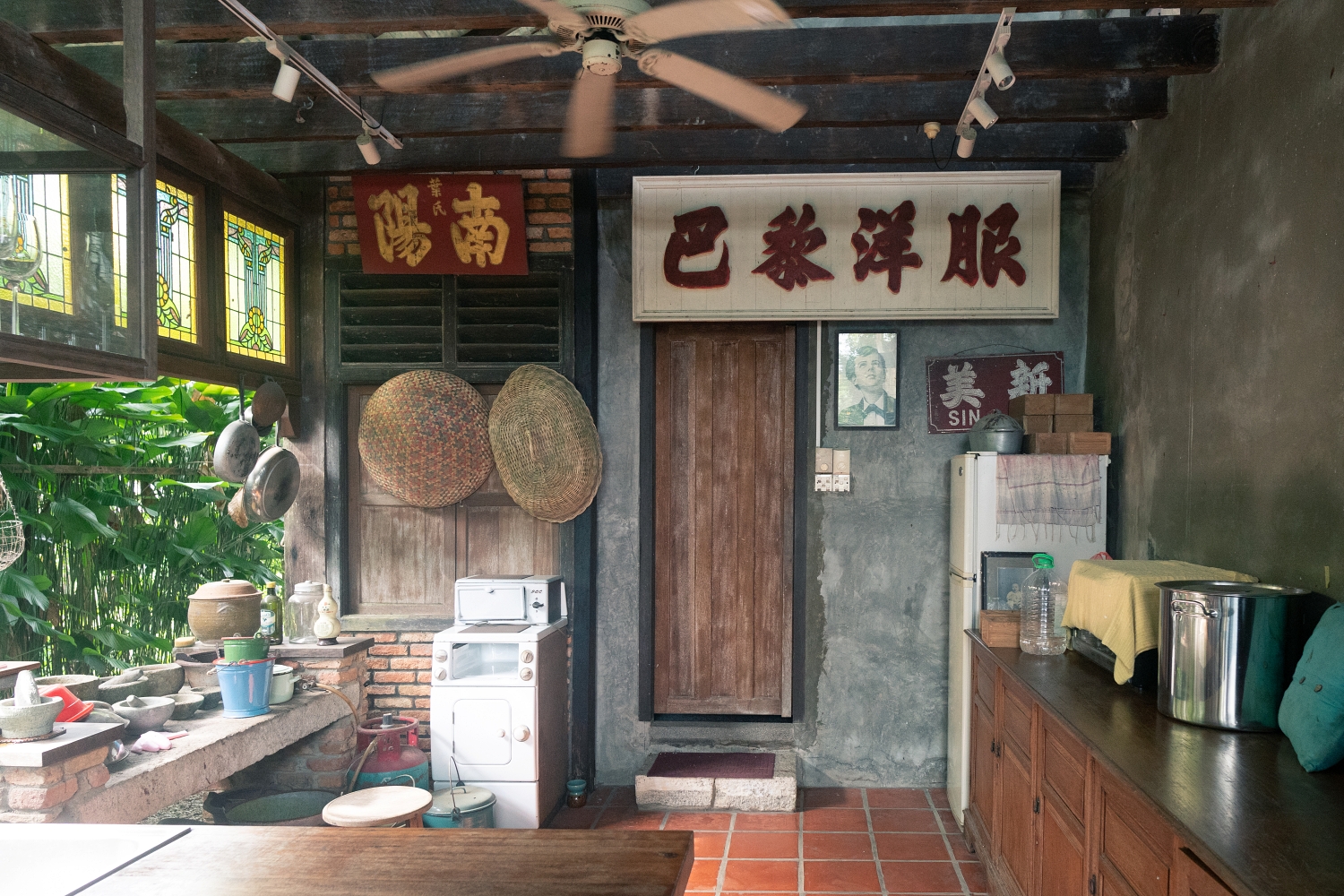
Semi-open kitchen with cabinets fit-out fashioned from recycled timber and antiques.
Gooi doesn’t stop at merely buying and selling timber goods. Over time, his venture has expanded to include construction too. His proximity to George Town gives him a chance to innovate conventional construction methods for heritage buildings, referencing his early experience in manufacturing. Traditional materials coupled with Gooi’s analytical mindset and intimate understanding of timber, despite having no formal training in the construction industry, have produced some interesting outcomes so far.
He shared stories of how he proposed and then proved to ThinkCity that a traditional shophouse roof can be fabricated off-site and subsequently assembled on-site in a matter of days, complete with finishes, like a giant IKEA project; and how he successfully value-engineered PDC’s Pulau Aman jetty timber deck to use 50% less timber and 50% reclaimed timber, so that only 25% of the timber used was new.
“How do you save the world?” he mused. “I do not know what exactly GBI (Green Building Index) is, but most of the material used [for the Pulau Aman project] is reclaimed. This probably contributes to GBI too,” he added, almost as an afterthought – right after revealing that he had successfully saved two hectares worth of forest through this exercise alone!
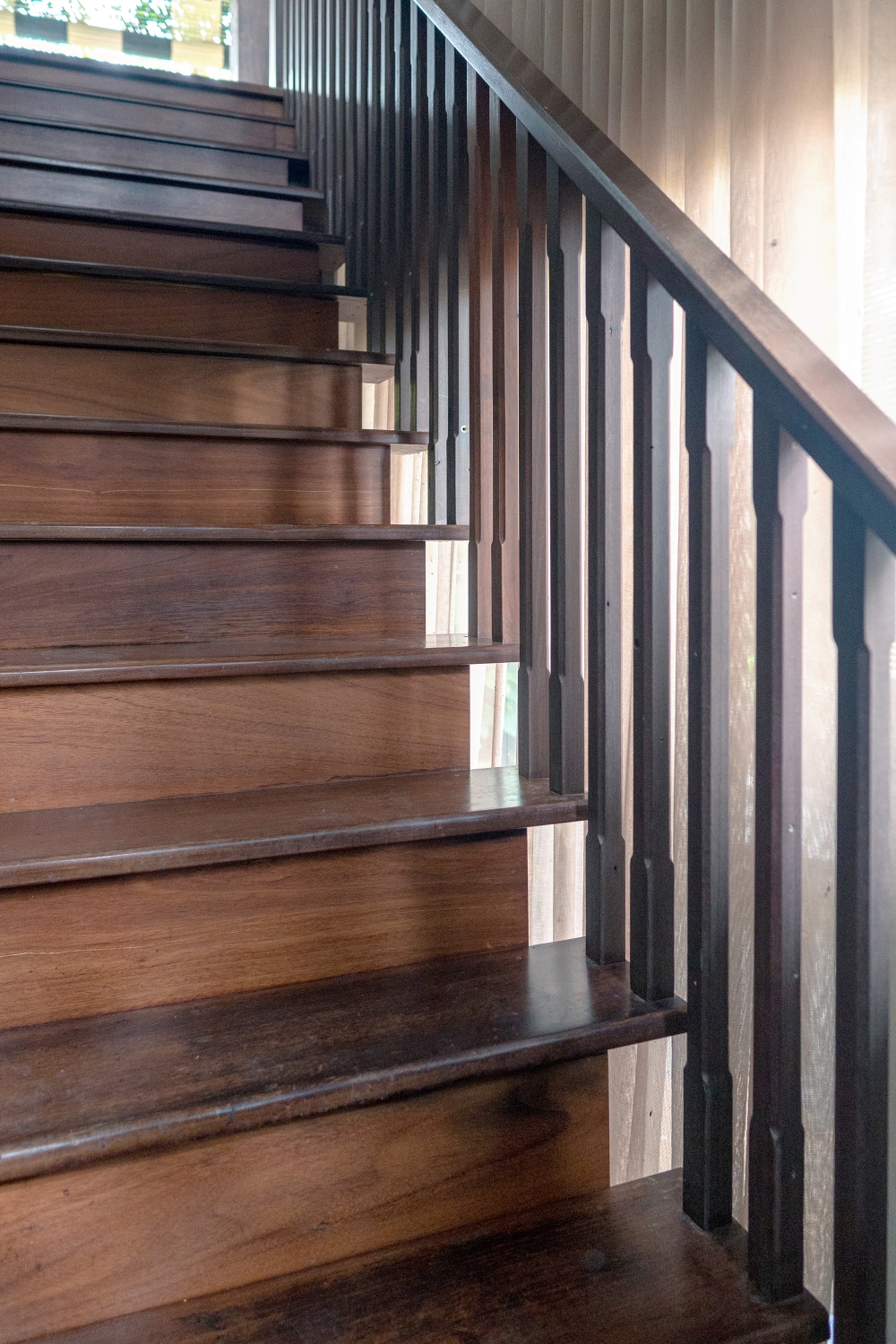
Simple timber balustrade stairway leads to the upper deck
His love for timber is probably best expressed through his house, Chengal House, which also functions as a gallery, office, timber yard, workshop, warehouse, and other functions. Gooi relished the full freedom of expression he had throughout its construction. “I had full control over the design of the house,” he said, smiling in satisfaction. “I could wake up, start sketching based on the materials I have, and get my workers to do it the next day, without any cost considerations.” How many people can claim to have built their own dream house?
The final form of the Chengal House was deemed so unique that it prompted the Malaysian Timber Council to add a whole new section to their decennial book publication on timber architecture.
Gooi’s parting words succinctly summarise his philosophy for creative disruption: “Every industry must realise that you just have to give yourself more time to think out of the box. If you keep doing the same thing, you’ll eventually go downhill.”
Wise words indeed.
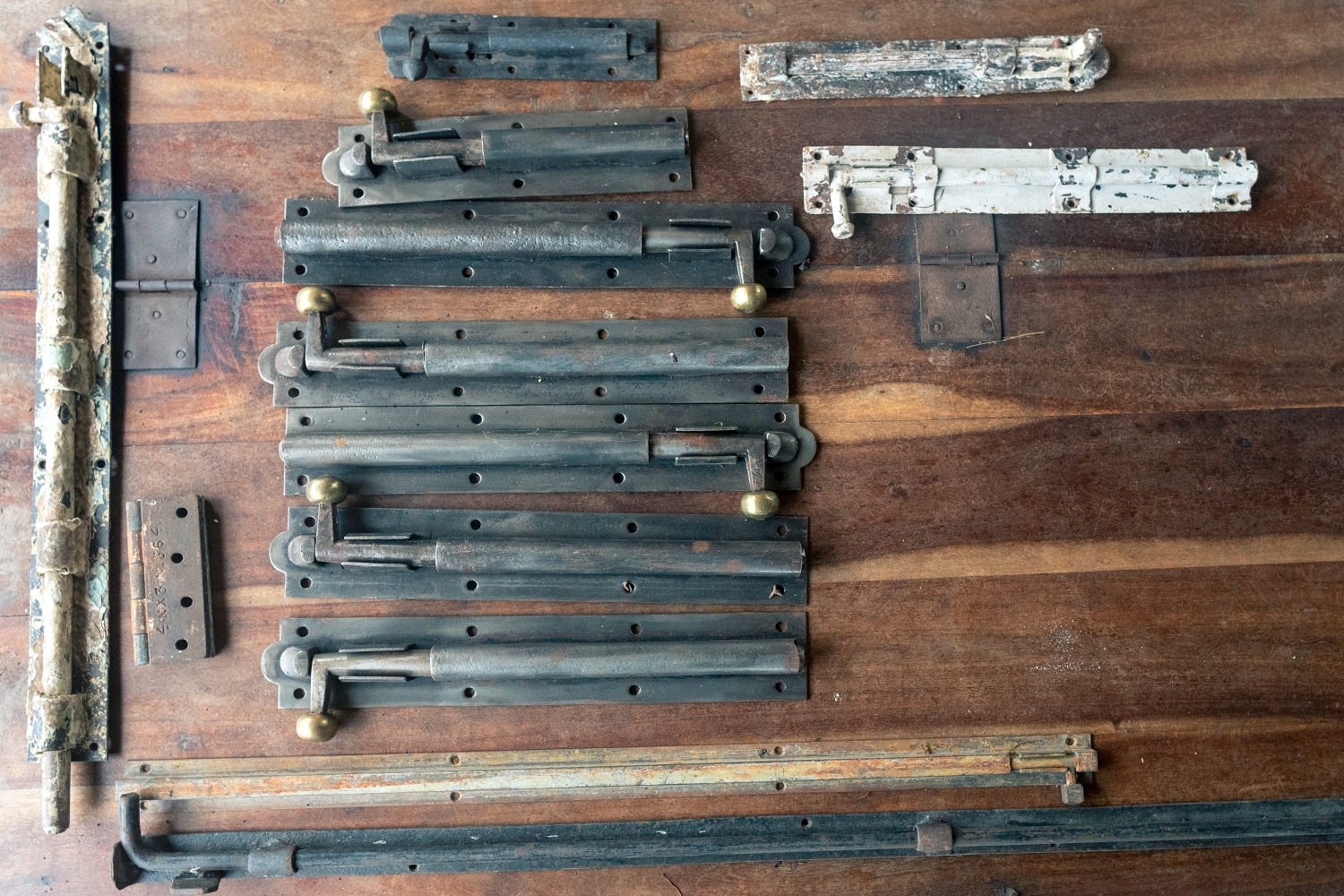
Gooi’s collections of antique door latches
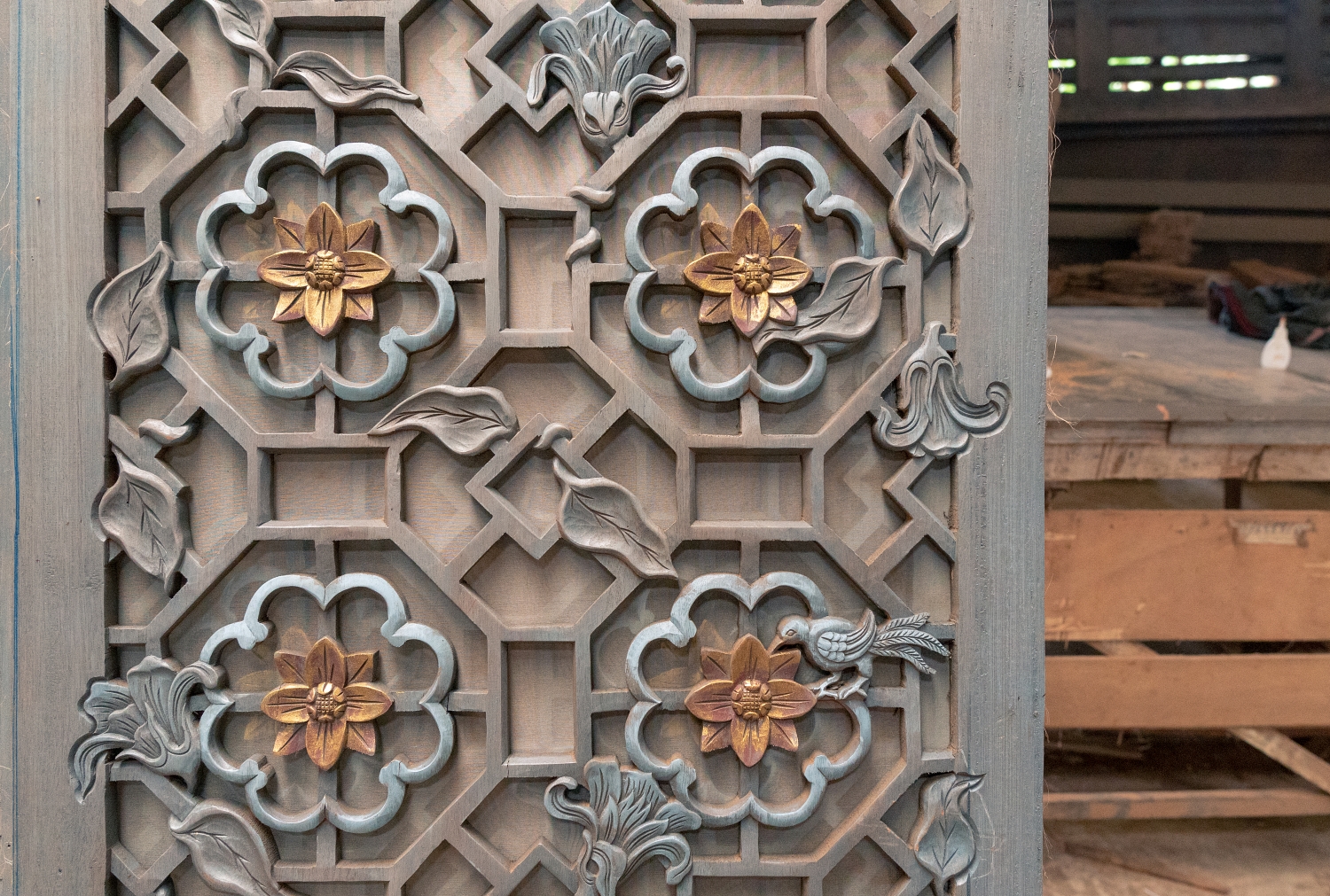
Upcycling timber screens into doors for a wardrobe for a chalet fit-out
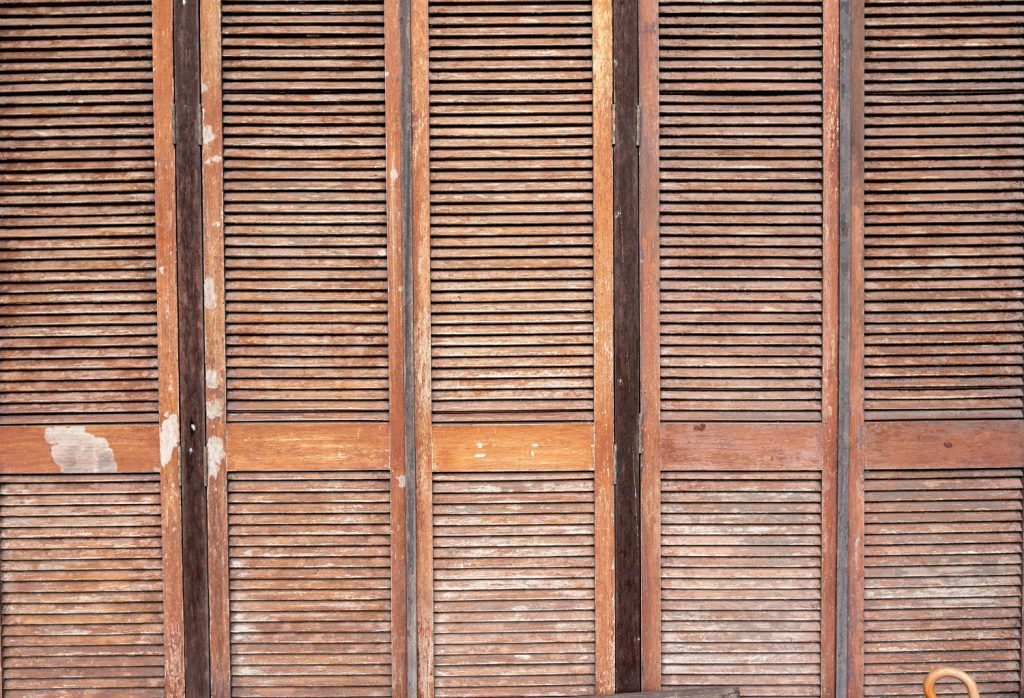
Timber louvered windows – sourced from old houses in Ipoh, installed as a featured façade and at the same time facilitates cross-ventilation if needed
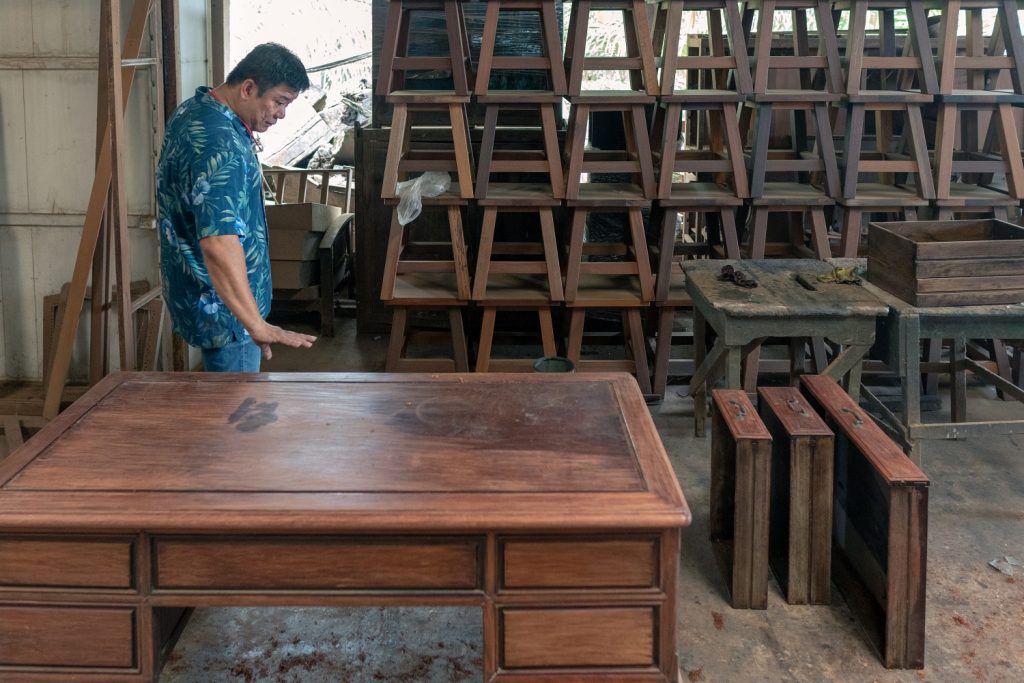
Mr Gooi explaining on the process of refurbishment
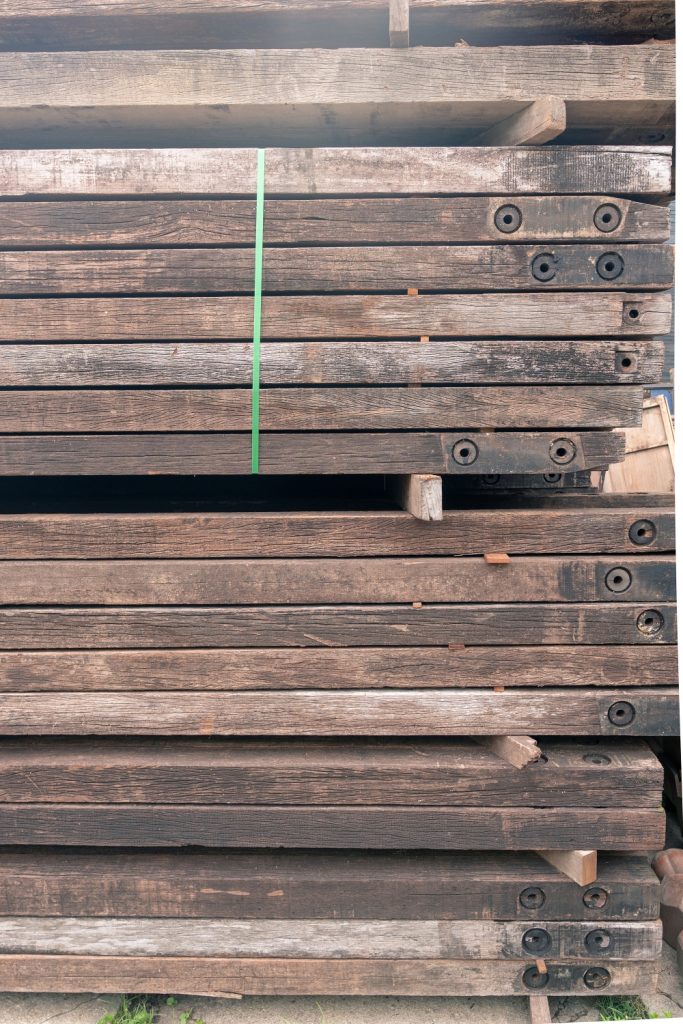
Timber salvaged from disused railways, sawmills and Malay houses, stored in the timber yard
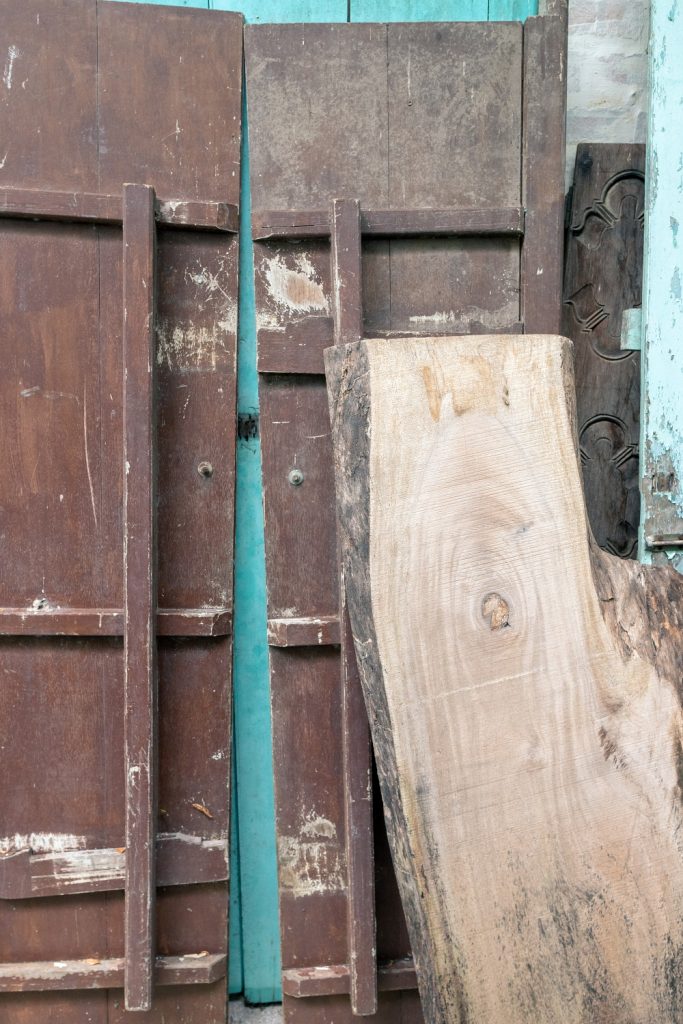
Salvaged doors from Traditional Malay Houses
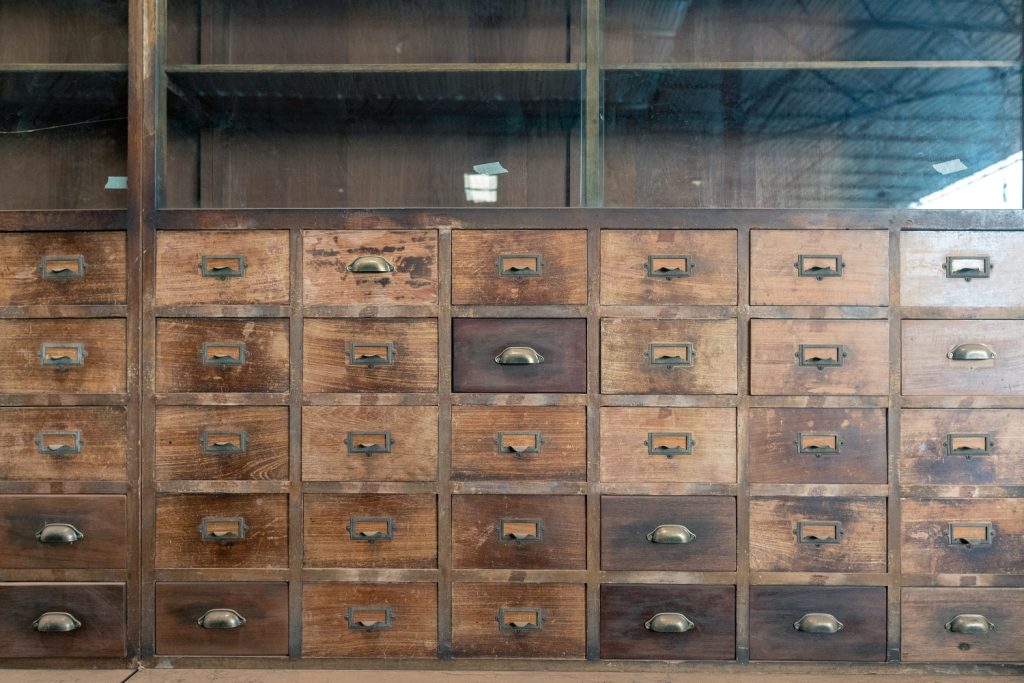
Baizi cabinet – used to store all kinds of herbs, A common sight in most traditional Chinese medicine shop.
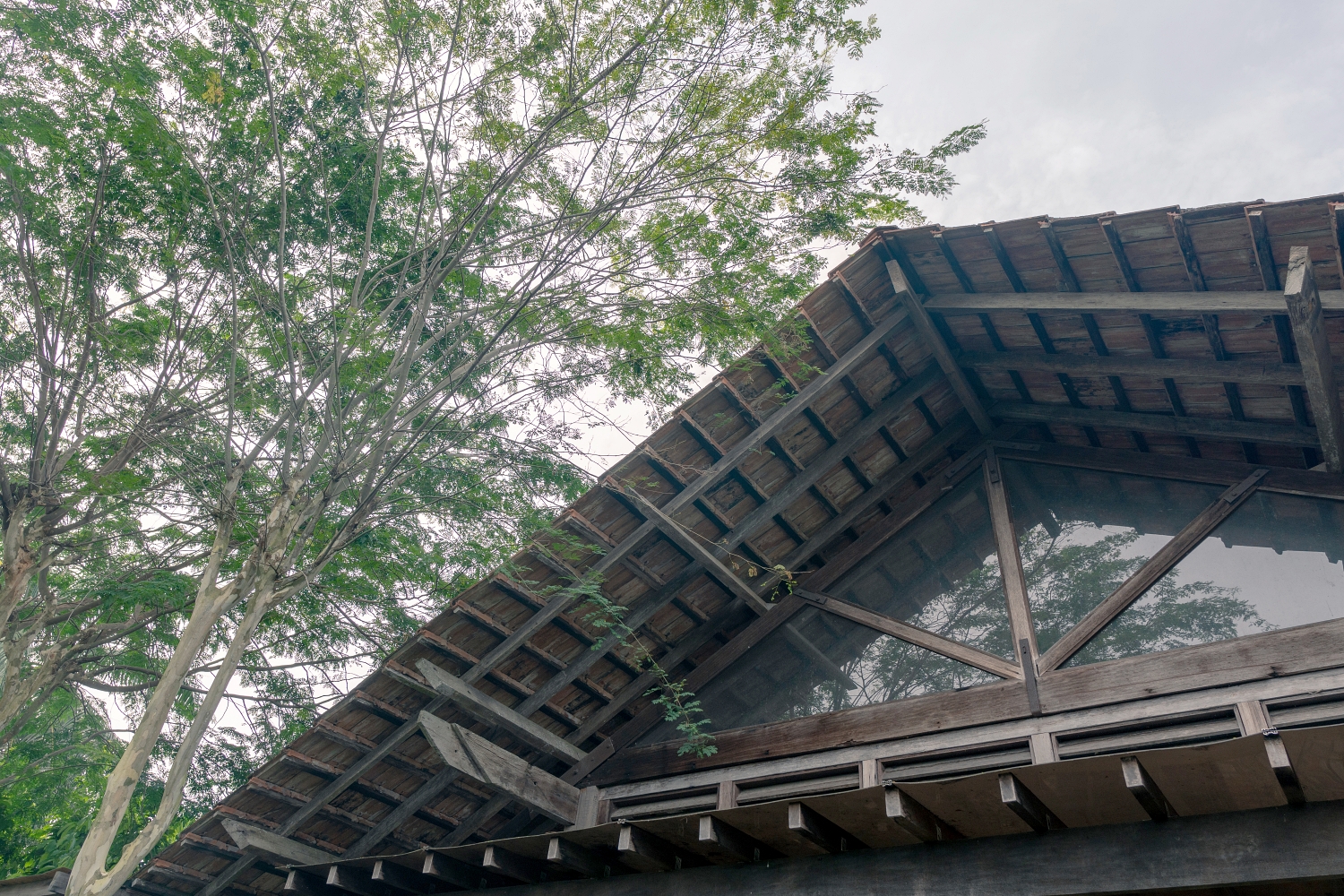
Stargazing on the upper floor through a dormer window