
Malaysia’s fast economic development has brought about an extraordinary rate of urbanisation that is not expected to slow down for some time. In 2020, Malaysia’s urban population hit 24.4 million people, accounting for 75.1 per cent of the country’s total population. Meanwhile, according to the World Bank, Malaysia’s arable land per capita in the same year was 0.025 hectares per person, just 14% of the world average.
With urban growth and agriculture needs fighting over limited land resources, urban land development will inevitably look to increased density. Meanwhile, as the economy develops, people demand better housing and a more comfortable living environment. Therefore, architects must maintain a relatively high density while satisfying residents’ physiological, psychological and social needs.
Undoubtedly, high-rise housing is the most efficient way to increase density and reduce the individual carbon footprint. Due to inner-city land shortages, high-density, high-rise apartments (including high-rise residential-commercial complexes) are springing up everywhere. This phenomenon is based on the trend that urban residents favour using convenient high-rise apartment buildings considering the efficient and economic aspects of the urban lifestyle. Such a lifestyle contributes to sustainability and quality of life as a liveable high-density city better manages urban sprawl, traffic congestion and infrastructure demands.
Most high-rise apartment complexes are less expensive for developers to build than detached houses, so apartments cost less to purchase. In general, this makes the apartments cheaper for tenants to rent. For this reason, government agencies increasingly prefer high-rise apartments to provide housing for socially disadvantaged people.
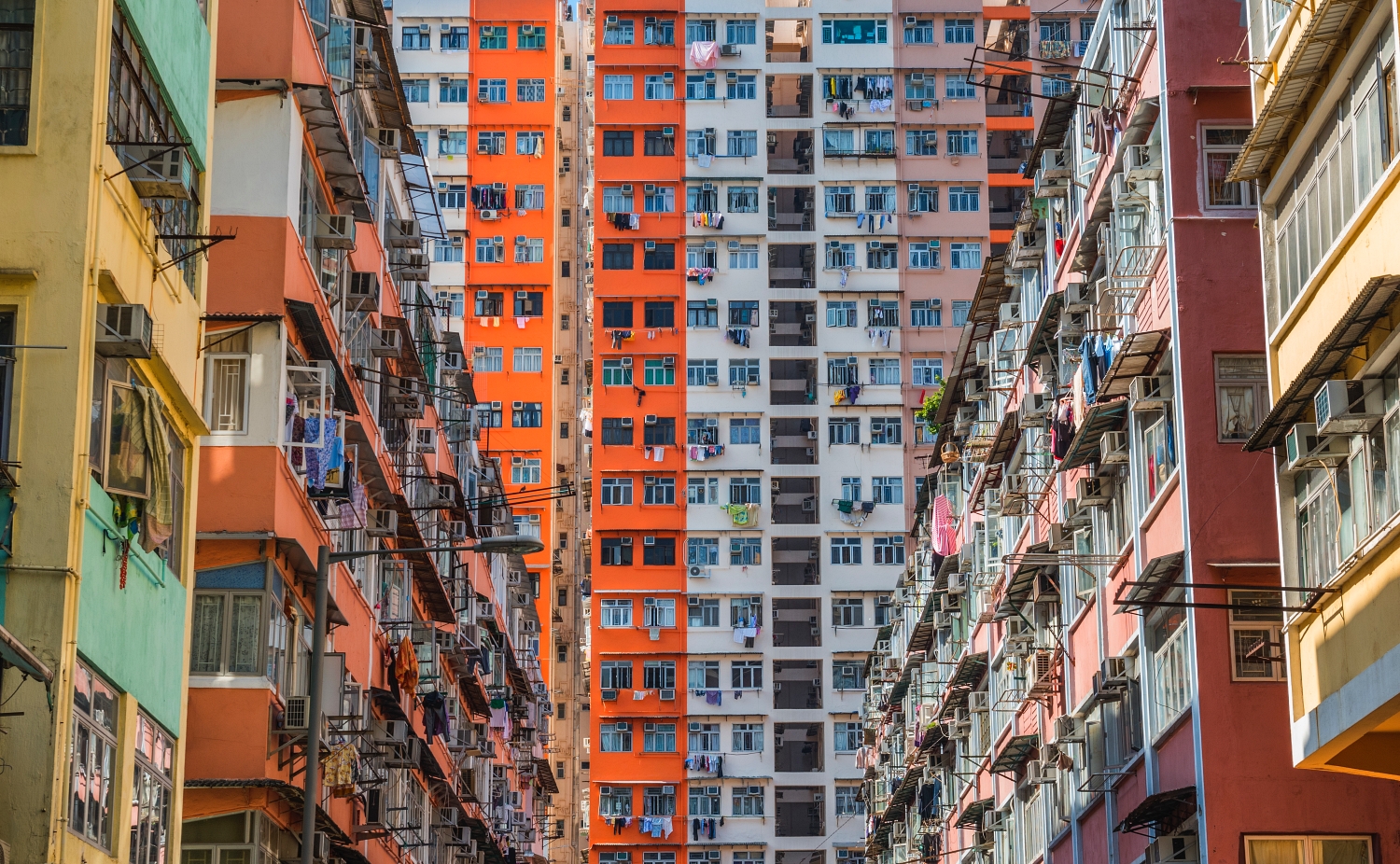
The intensification of high-rise apartment developments in Malaysia focuses on more lucrative luxury ones in inner cities and more established wealthier suburbs. However, while luxury apartments feature elaborate landscaping, spacious living areas and two or more bedrooms, there is a continuing socio-economic divide with large numbers of low-cost high-rises still found in disadvantaged areas. Typically, they are more cramped and overcrowded with a lack of family privacy and significantly smaller in floor area than detached houses.
During the COVID-19 pandemic in 2020 and 2021, the Malaysian Government adopted severe lockdown measures. Homes became the only place where people slept, dined, worked, played sports, and socialised. In this situation, having adequate space in the house is a fundamental aspect of well-being and health because interpersonal distance and spatial relationships between people and the environment play an essential role in feeling comfortable or uncomfortable.
However, many urbanites in Malaysia, particularly the poorest people, including children, the elderly and the most fragile, live in overcrowded apartments and consider the space available in their homes insufficient or inadequate for carrying out basic daily activities. The questions here are: Are there any relationships between high-rise living and social well-being, occupant’s stress levels, and mental health? How could the exacerbation of mental health issues of high-rise dwellers in poor socio-economic areas be reversed?
In poor and crowded living conditions, individual isolation of people within their living spaces was difficult, and the in-house transmission of the virus became a problem. Robert Gifford further elaborated in his article in Architectural Science Review (Vol. 50 (1)) that people living in high-rise flats or apartments developed fears of getting a communicable disease through sharing hallway air, elevator buttons, and door handles, contributing to high rates of psychological distress.
World Health Organization (WHO) has shown a direct association between crowding and specific adverse health outcomes, such as infectious diseases (including tuberculosis and now COVID-19) and mental health problems (psychological distress, depression, social isolation, and reduced school performance in children). Inadequate spaces in size and lack of flexibility accentuate health risks and interfere with remote working and learning productivity, Julia Lindert pointed out in her article on the environment and mental health published in the European Journal of Public Health, Volume 29. Furthermore, living in spaces the size of bird cages has reduced people’s sense of belonging, privacy and individuality.
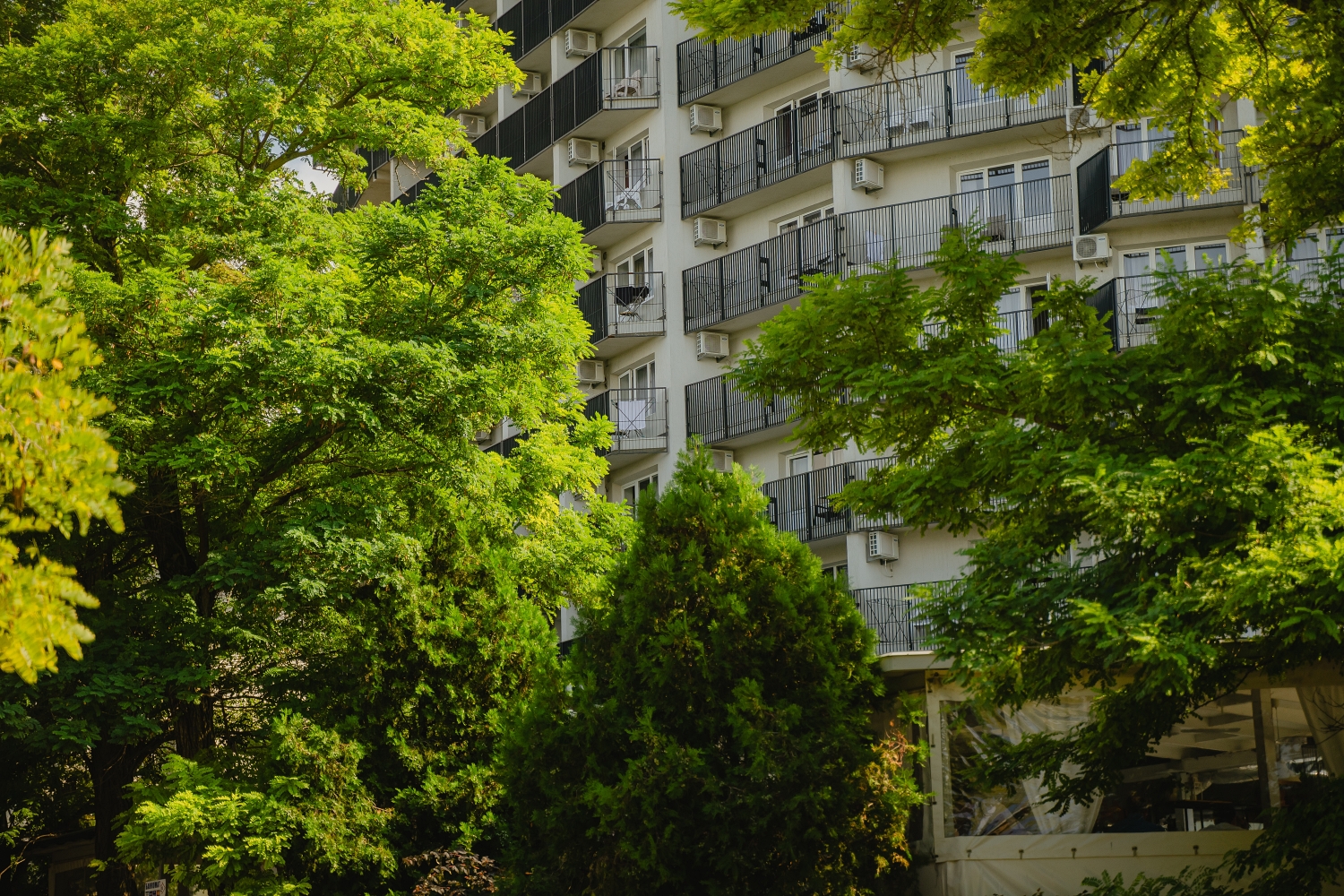
Confinement at home during the pandemic has also revealed that it is necessary to understand if viewing greenery from their homes or even the possibility of growing plants in their home could contribute to the residents’ health and well-being. A study published on nature.com in 2019 highlighted that interacting with natural environments or simply looking at them may elicit positive emotions, improve concentration, reduce stress, and distract from focusing on pain. Furthermore, a survey in the International Journal of Environmental Research and Public Health (COVID-19 Lockdown: Housing Built Environment’s Effects on Mental Health, 2020) revealed a strong association between poor housing and moderate-severe and severe depressive symptoms, particularly concerning living in small apartments with no habitable balconies and a poor-quality window view and indoor area.
Studies have shown that residents in high-rise apartments with access to green spaces would report fewer symptoms of psychological distress. More recent studies confirmed the link between exposure to green space in living environments and variations in stress levels, analysing biomarker patterns such as cortisol secretion (Green space and stress: Evidence from cortisol measures in deprived urban communities, published in International Journal of Environmental Research and Public Health, 2013). How the residents of high-rise buildings in more affluent areas (with generally more environmental biodiversity) have better mental health is related to the psychophysiological stress reduction theory. The theory proposes that contact with nature can change highly stressed people to a more positive emotional state (Urban Green Spaces and Health: A Review of Evidence, World Health Organisation, 2017).
Introducing green elements into the courtyards of buildings or in the immediate vicinity provides spaces useful for socialising, relaxing, and physical and leisure/recreational activities, promoting health, well-being, and social ties. It also helps to produce a greater sense of belonging and to reduce crime rates (Aggression and violence in the inner city: effects of environment via mental fatigue. Environment and Behavior, 2016). Equally interesting is the role of gardening in terms of well-being. This activity appears to increase life satisfaction, vigour, psychological well-being, positive personal intra-personal relationships, a sense of community, and the individual’s cognitive function, especially in certain age groups (Gardening is beneficial for health: A meta-analysis. Preventive Medicine Reports, 2017). It also reduces stress, anger, fatigue, depression, and anxiety (A case-control study of the health and well-being benefits of allotment gardening. Journal of Public Health, 2016). Scholars suggest that the general health of populations in lower socio-economic areas would benefit the most from having green spaces in their living environment (Health benefits of green spaces in the living environment: A systematic review of epidemiological studies. Urban Forestry and Urban Greening, 2015).
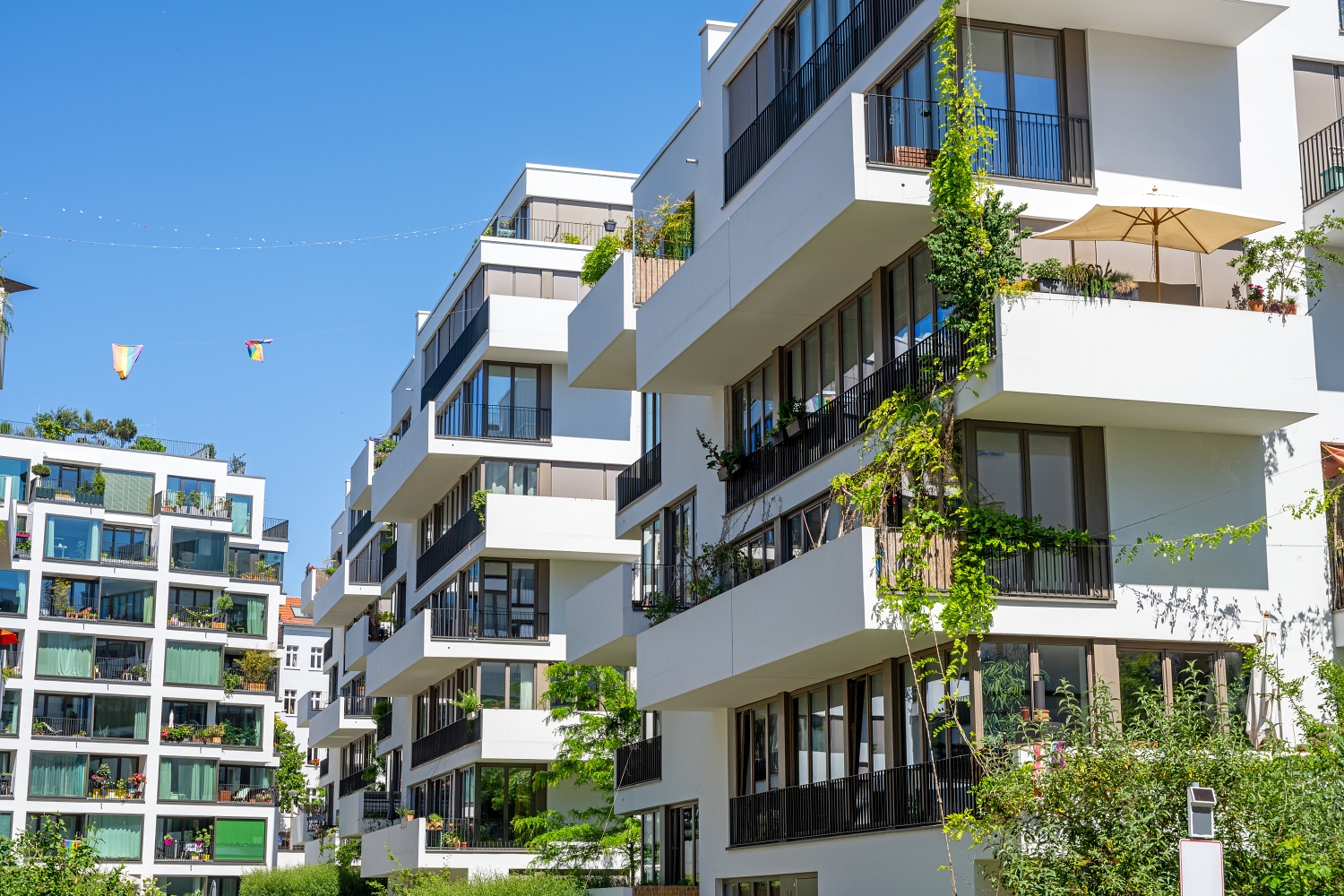
The built environment is a crucial determinant of health, the quality of which depends on the availability of resources, site location planning, and green spaces. The consequences of the pandemic, and the imminent risk of its repetition, highlight the need to apply a new concept of health in terms of indoor well-being to housing policy. A rethinking of the living spaces is therefore necessary for protecting the health and indoor well-being of the inhabitants.
The COVID-19 lockdown forcefully put on display again the importance of housing conditions on people’s health and well-being. The lack of adequate space, terraces, and gardens has increased stress and aggressivity, especially among the disadvantaged. It is, therefore, necessary to adopt targeted strategies and appropriate design solutions for living spaces, focusing on larger, more liveable living spaces facing green areas.
The lockdown period also underlined the importance of increasing greenery within existing and new buildings by measuring the quality and quantity of green infrastructures. A strategy that encourages exposure to environmental biodiversity may improve urban design to benefit the mental health of high-rise residents in low socio-economic areas.
This strategy is crucial in cities with land and resource scarcity that inhibit the development of new green spaces or new lower-density suburban hubs. It would also help bridge the gap between the city’s wealthy and low socio-economic areas. Among the greening strategies that can be adopted are streetscaping, redesigning unutilised grey spaces, using rooftops as communal gardens or building living walls. For high-rise apartments with balconies, strata corporations should allow or encourage residents to grow plants themselves. If balconies are unavailable, residents should be encouraged to adopt indoor plants, and the management can also develop communal green space within the apartment complex.
For the reasons above, it is of utmost importance to consider these elements to create new housing and, where possible, recover existing ones. Policymakers should consider housing a significant priority for potential relapses in public health. Social justice is indeed a part of redefining equitable high-rise living for better mental health outcomes.