Sabah, known as ‘Land Below The Wind’, is a haven blessed with mountains and beaches. As the name suggests, it is located south of the typhoon belt - a safe place as compared to its neighbouring countries. The journey across the West Coast Division of Sabah led us to places of different geographical locations, discovering various townscapes
AN EXPLORATION OF SABAH’S WEST COAST DIVISION COVERING KOTA
KINABALU, KUNDASANG AND ARA DINAWAN ISLAND.
TEXT BY LEE MIN ZHAO PHOTOGRAPHY BY OOI WAY SEAN
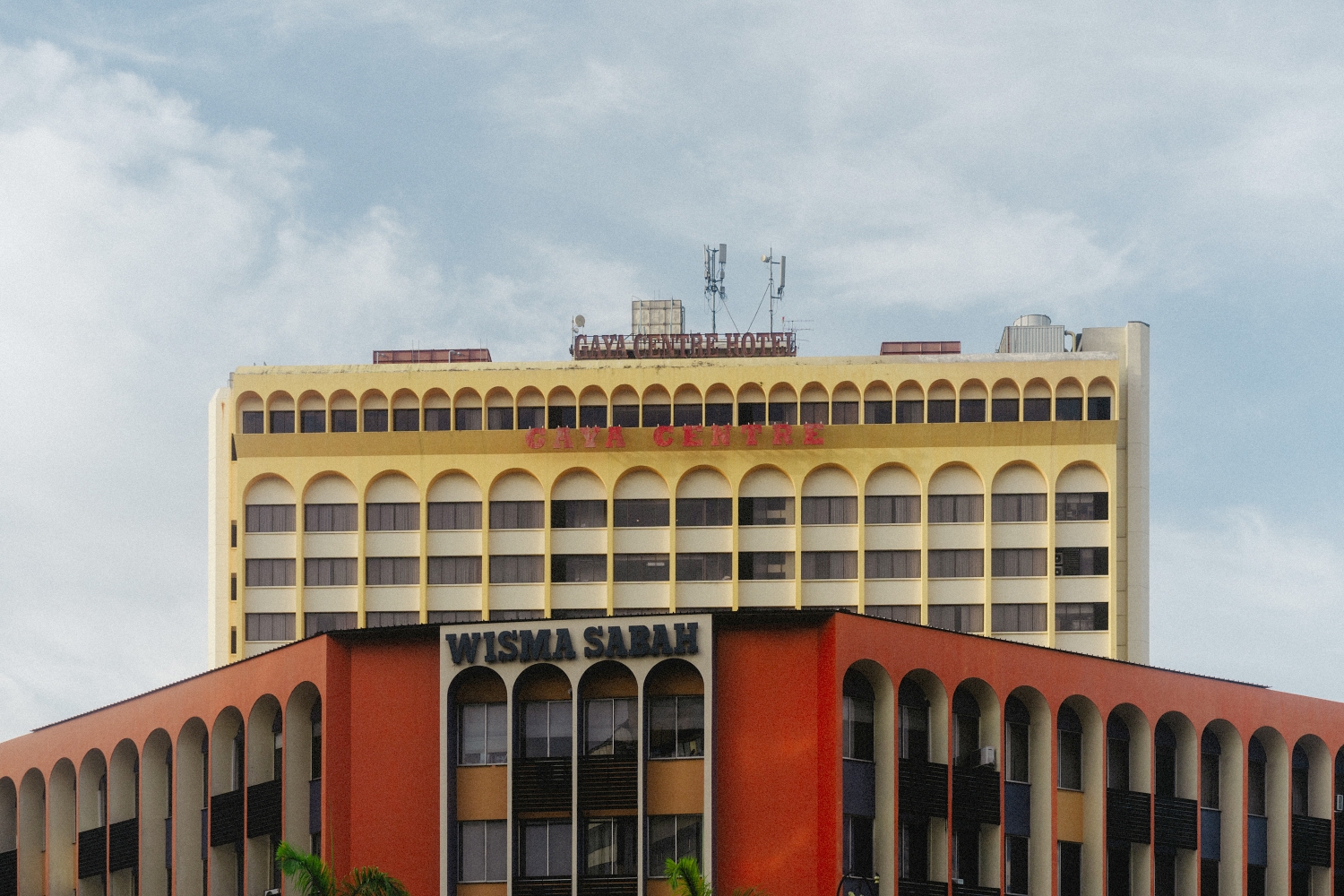
High-rise Modernist Buildings at the city of Kota Kinabalu
THE HILLS ARE ALIVE AT KUNDASANG
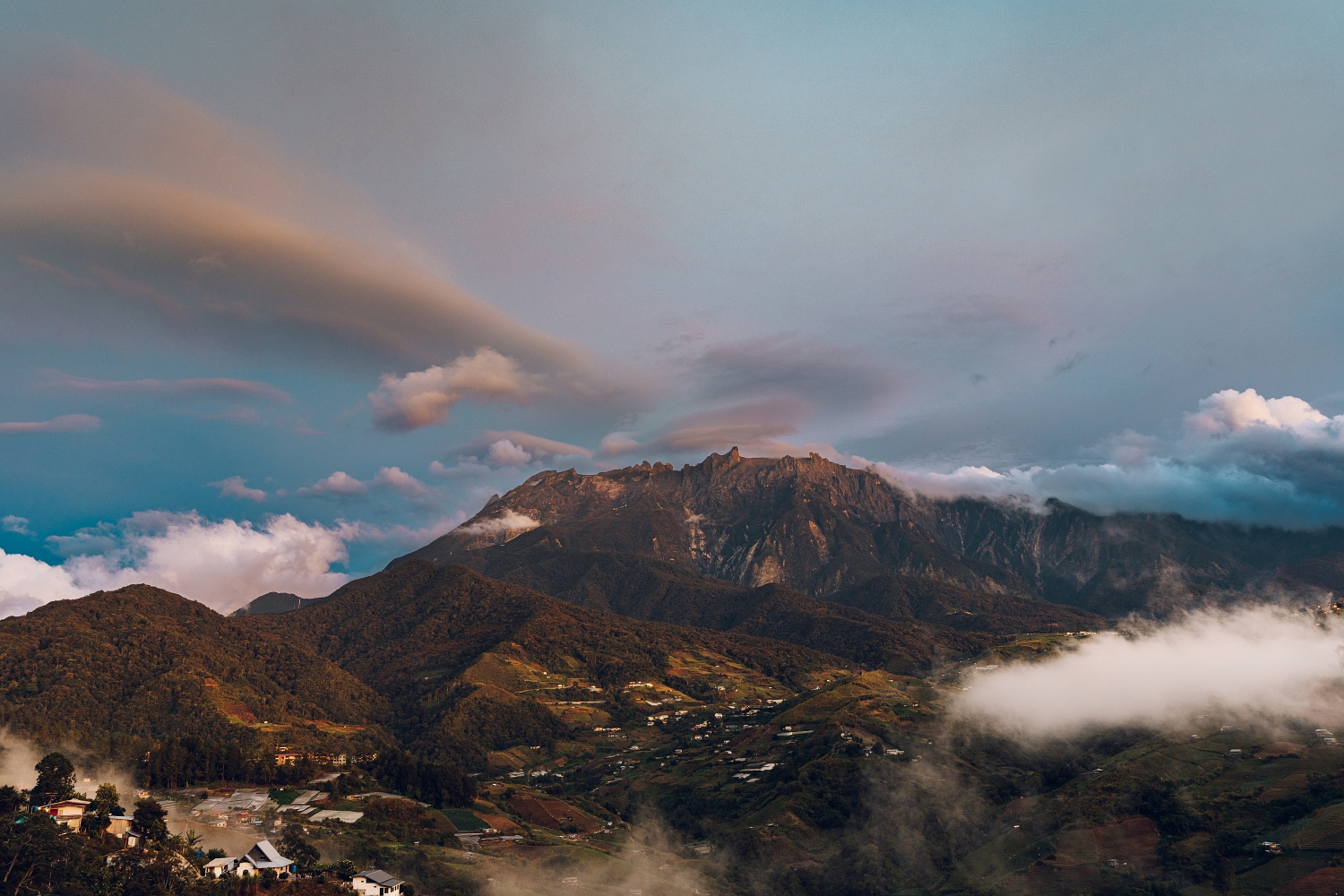
The road trip to Kundasang unveils views to the surrounding lush green hills and valleys. Houses are detached and dispersed among terrace farming. These paint a beautiful picture with the magnificent Mount Kinabalu as the backdrop.
In Kundasang Town, we were intrigued by various monuments at the roundabouts. It turns out that the attractions in Kundasang are characterised by these monuments – cows for Desa Dairy Farm, cabbage for Kundasang market, teapot for Ranau’s Sabah Tea Garden and fishes for Sg. Moroli’s fish spa.
We visited the Kundasang War Memorial – a memorial that pays tribute to the British and Australian soldiers perished in the Death Marches to Ranau in the Second World War. It was also dedicated to the native Sabahans who sacrificed in the incident. The entrance trail is a series of ascending steps that opens the views towards a gigantic stone wall, with the national flags of the countries in sight. Memorial plaques are located across three gardens – Australian, English and Borneo gardens. These places for solitudes are characterised with garden settings signifying the landscape of the nations. The last section of the memorial is the Contemplation Garden. Lined with rows of classical columns that frame a pond in the middle, the garden has one side open to the surrounding views and another side with marble panels carved with names of the victims. Lest we forget.
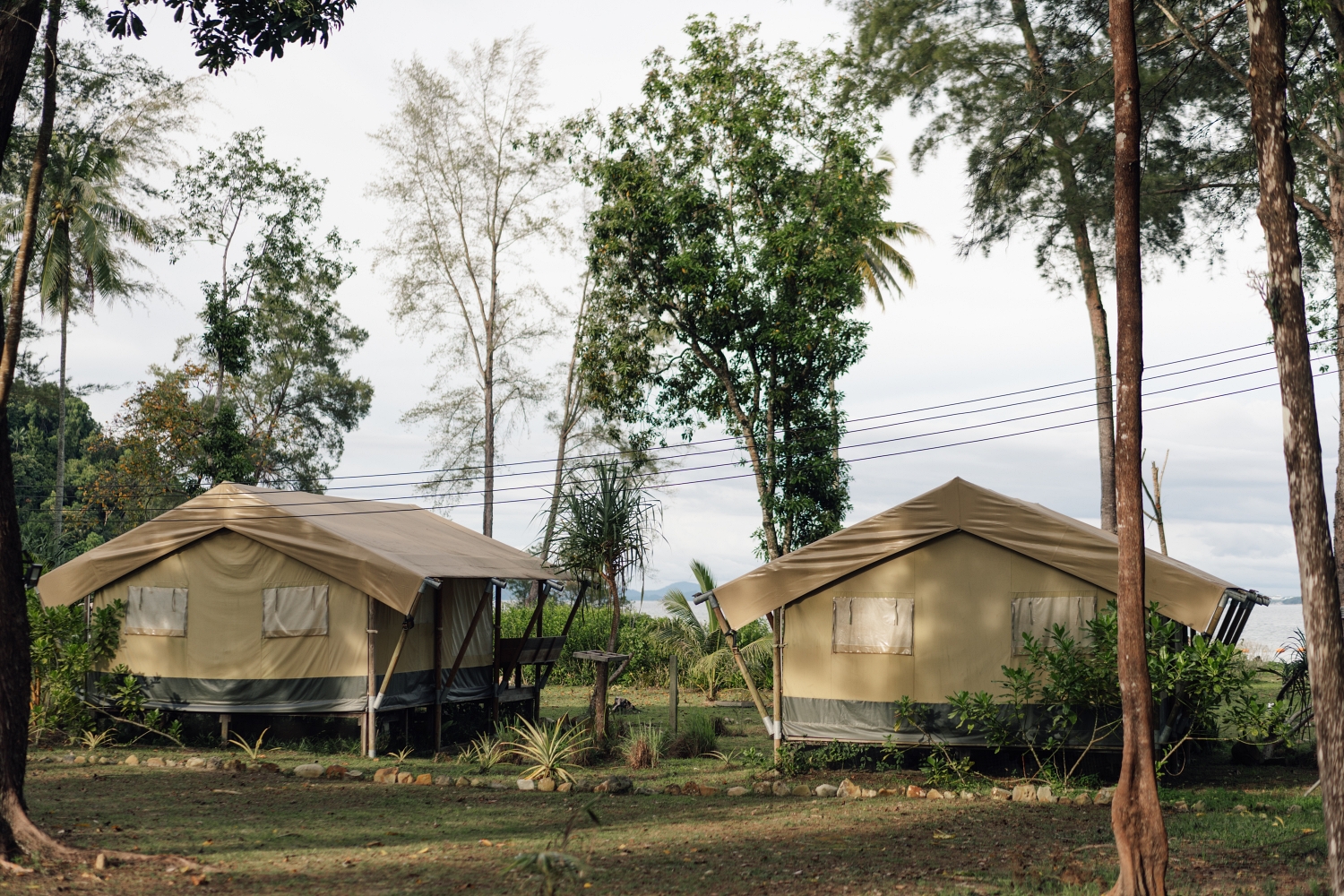
All accommodation tents are orientated towards the sea and distanced apart from each other
UNDER THE BOARDWALK AT ARA DINAWAN ISLAND
A tour to a nearby island was one of the highlights of the trip. Arriving at Ara Dinawan Island, a timber boardwalk connects the jetty to the island. The waters are crystal clear and shimmering as the sun shines. Behind the stretch of sandy beaches, the tents and its outbuildings are all situated loosely yet closely connected to each other. Privacy of tents is assured with the manipulation of orientation within the lush rainforest.
Back from the water activities, we explored the island and discovered elements of sustainability. The island is powered by solar energy and the buildings are built from upcycled materials. The dining area features branches up on the ceiling as shading materials and the living area uses tree logs as columns. The tents are built on raised platforms for stormwater control, ventilation and services underneath.
View towards the Kundasang Valley at the break of dawn, with the magnificent Mount Kinabalu in sight
WHEN THE SUN GOES DOWN AT KOTA KINABALU CITY
We were back in the city of Kota Kinabalu for the last leg of the trip. The city is located along the coastal line, planned in rectangular grids and backed with green hills. Who would have thought that such a tropical paradise is actually a bustling city throughout the day. Head over to Waterfront Seafood Night Market for fresh seafood and Filipino Market for local handicrafts. Crowds were spotted at the Api-api Night Food Market located at the vibrant Gaya Street. These are the places where the tourists meet the locals and foster exchange of conversations about cultures and lifestyle.
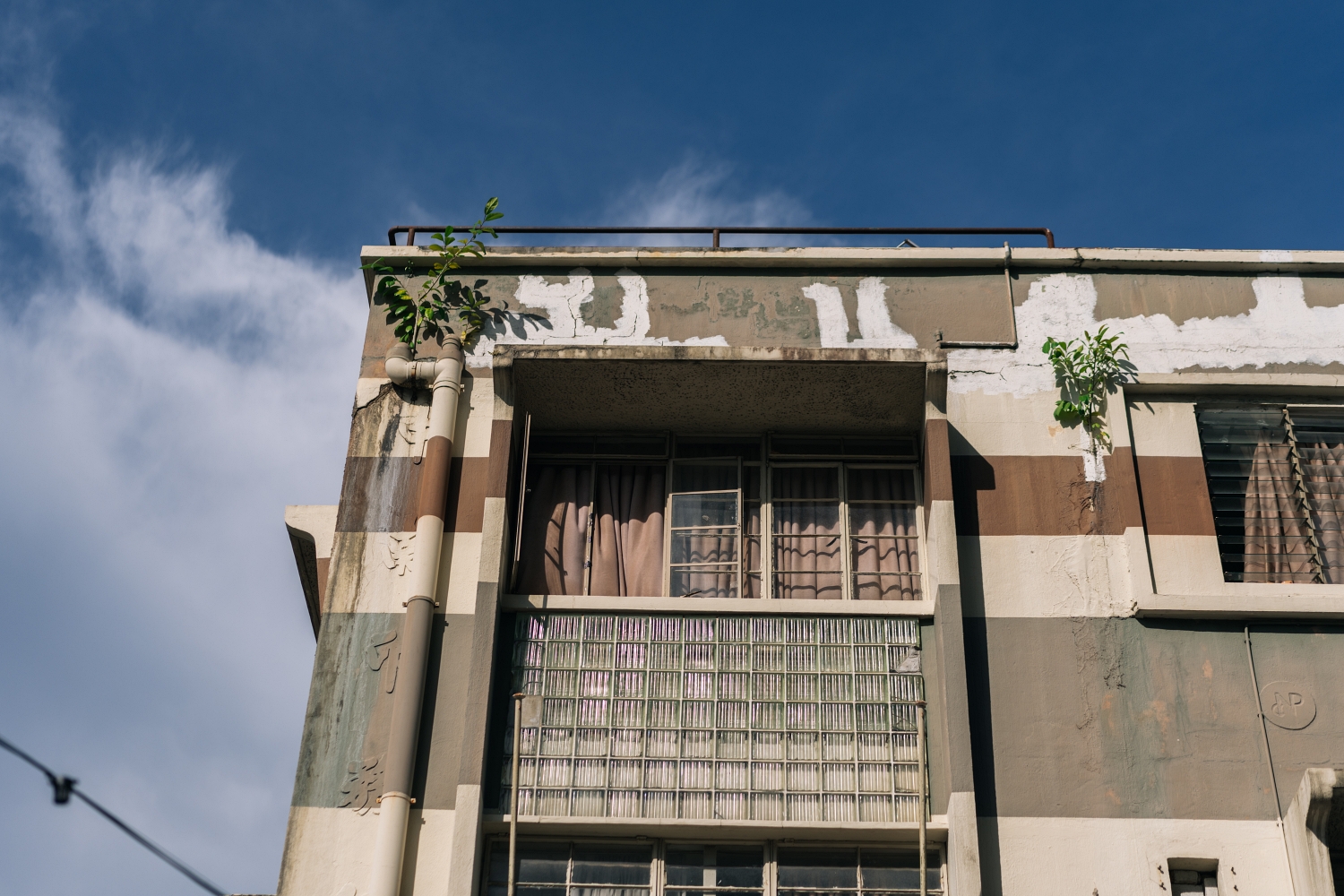
The cityscape showcases the beauty of Modernist buildings. From low-rise to high-rise, these buildings tell the narratives of its era, with eclectic features on the façade. We observed the use of rigid shading panels / fins, with bold colours that distinguishes one building from another. These buildings were planned in clusters, with the backlanes joining to form a widened open carpark space, providing solutions to a lack of parking spaces. Over here, the rear façade is never a dull part of the building, in fact it displays a diversity of lifestyles, as well as the services for the buildings.
Throughout the trip, we felt the warmth and enjoyed great hospitality from the friendly locals. Mesmerised by the scenic views and various townscapes, we wish to visit the place again for more adventures.
The modernist buildings are characterised with striking, bold colors