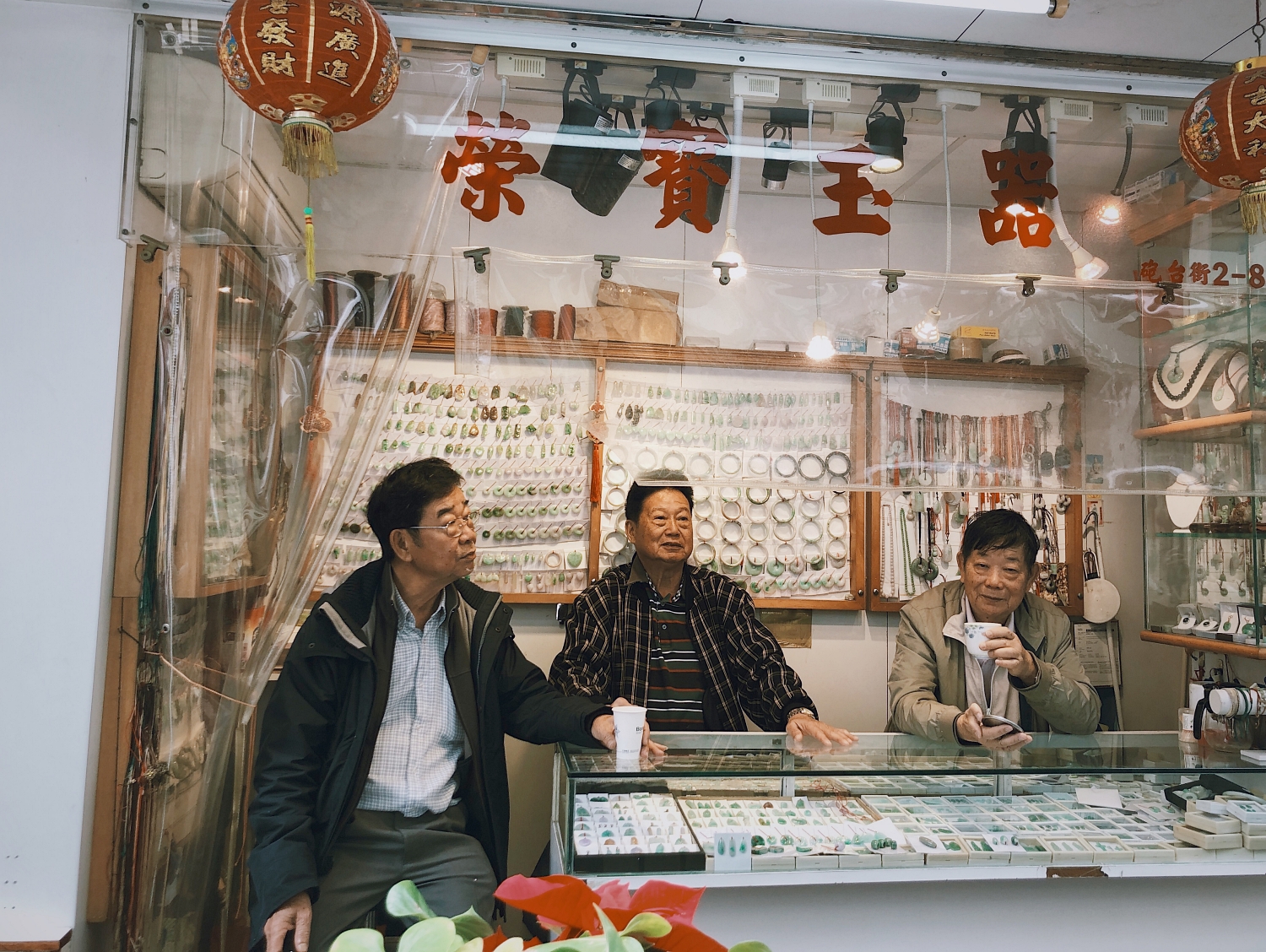
Hong Kong felt like the love child of a haphazard affair between Tokyo’s kitchism and Delhi’s chaos. The adult Hong Kong feels sure of itself, buzzing to fit its 1.3 million population in its relatively minute 1,132 km2 area. When I visited, it was fresh in the ebb of its pro- tests for freedom from China. It was December 2019, and against the throes of rationality, I had decided to spend New Year here.
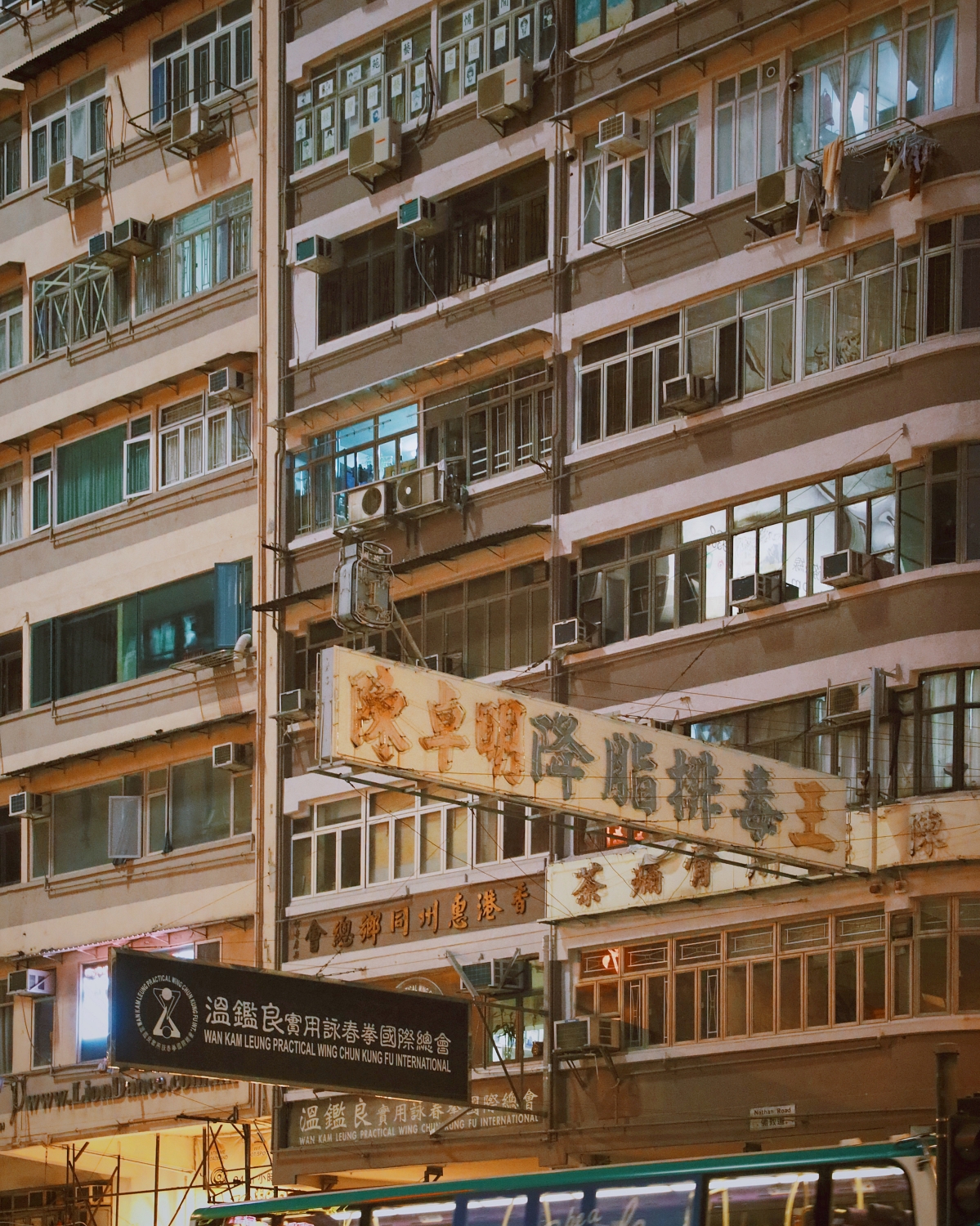
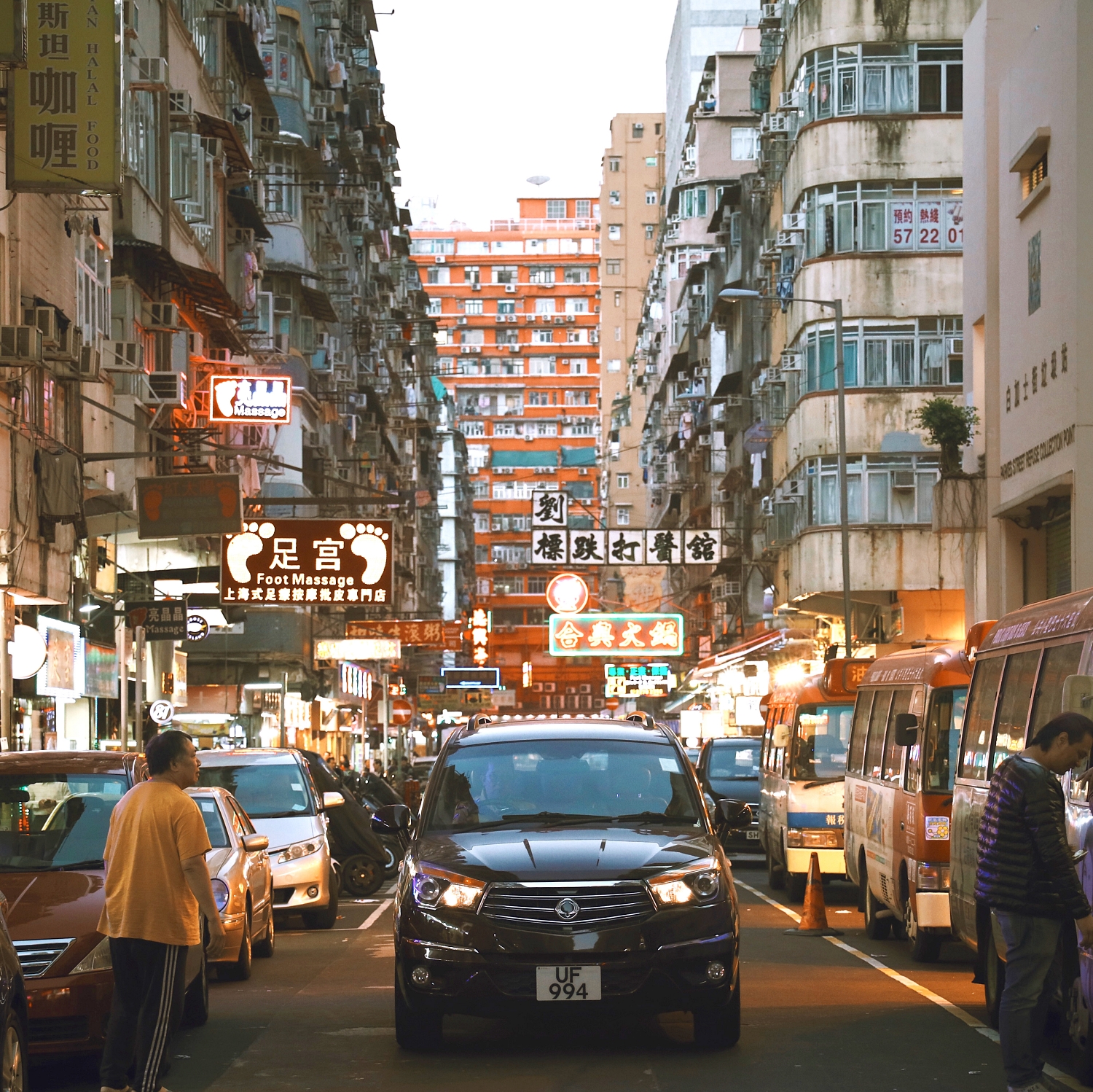
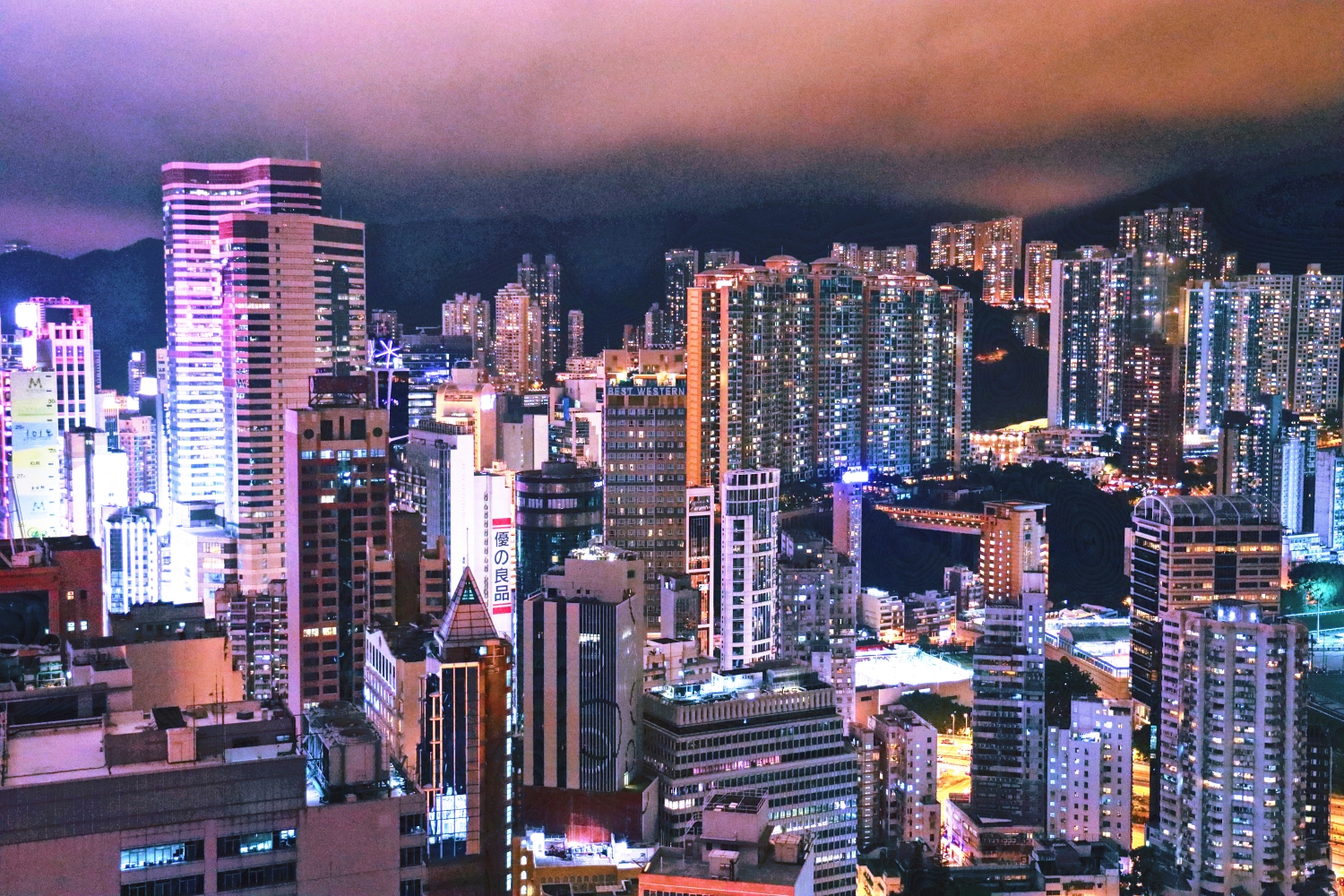
Much has been said about Hong Kong’s density. At the time, the looming walls of residences were only a backdrop to the civil unrest happening on its streets. Traces of the protests were still evident on the otherwise clean harbour esplanade. There were hints of graffiti scarring sidewalks and walls.
By sunset on the 31st, armed forces were already out in their protective gear at all of the metropolitan exits, ready to pull the plug on any overzealous activist. The famed New Year fireworks had been cancelled due to fear of gatherings. We spent the last night of the year navigating through pockets of relatively peaceful but loud protestors, partygoers, and policemen.
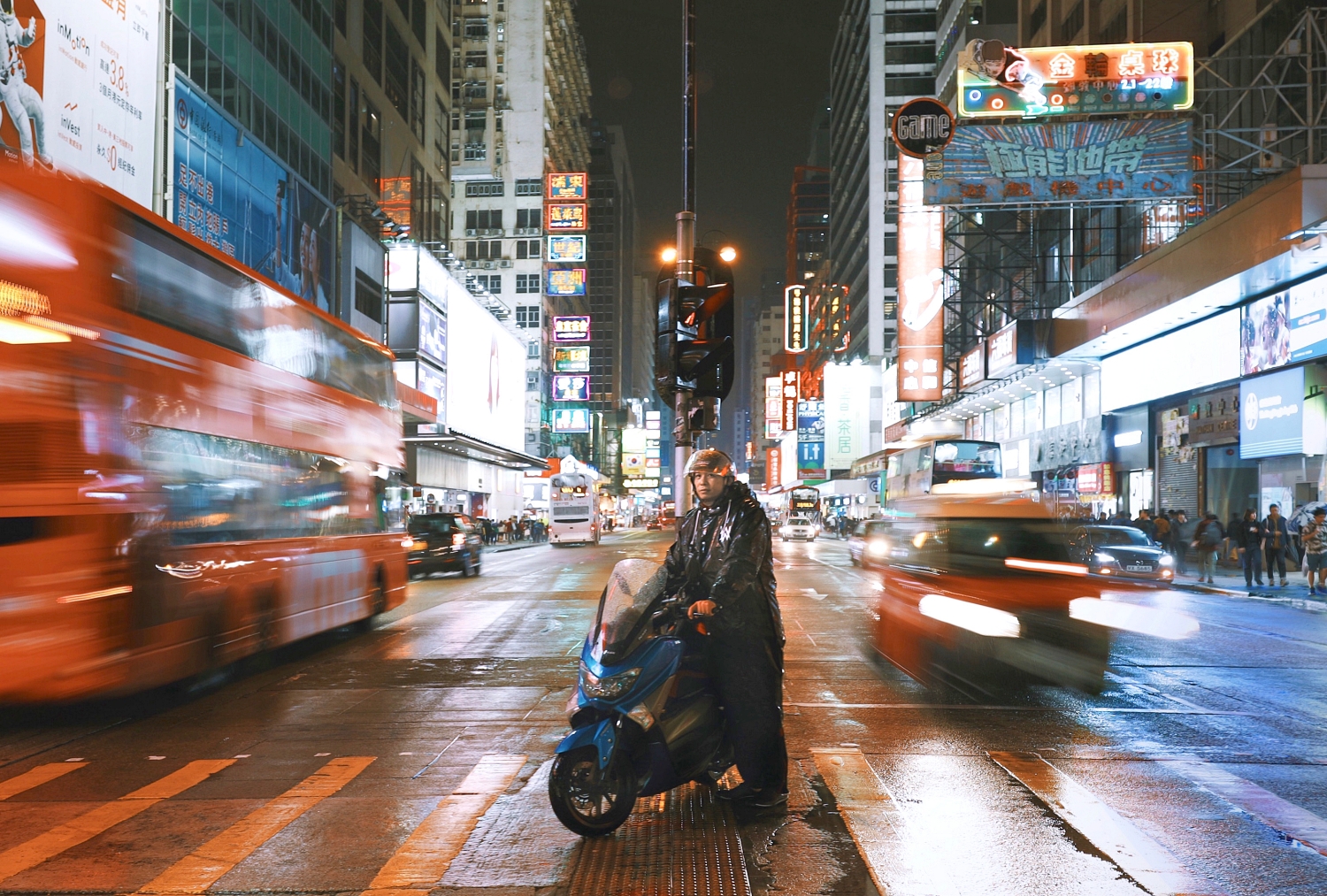
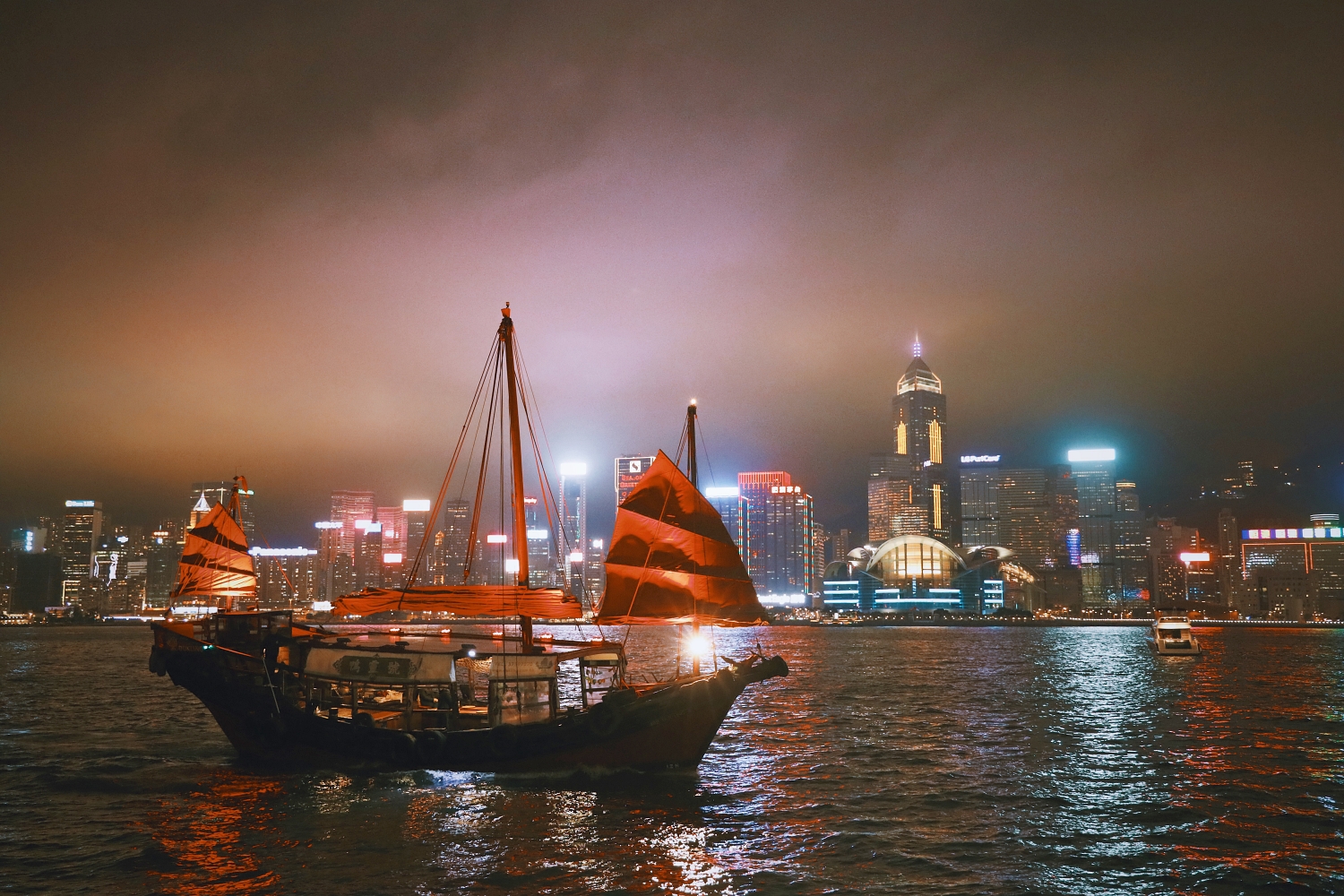
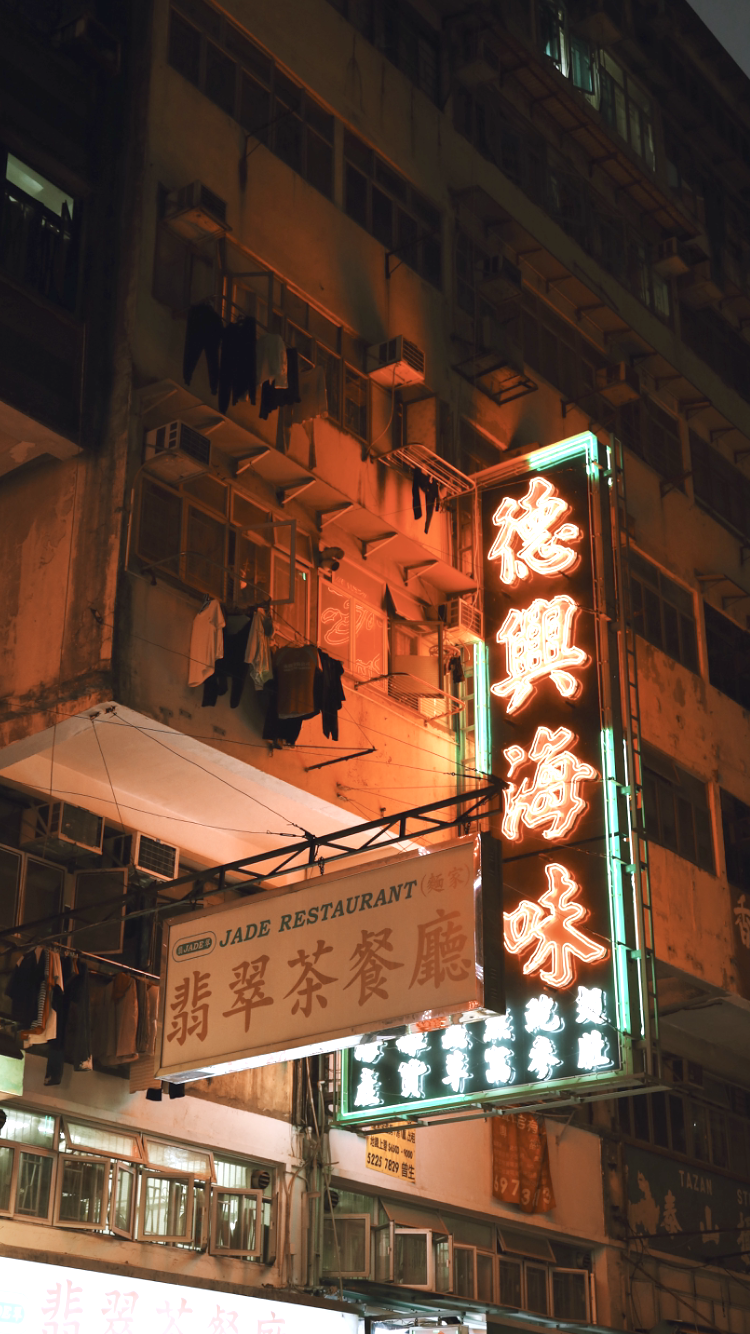
Amidst the vehicles and bodies, the city was a neon maze, assaulting the senses with an array of pungent smells and abrupt sounds. Above us, lights from apartments in Victoria Peak peered through the dark mountains, hanging like lanterns across the harbour. It was a city crammed with opposites, from the multimillion-dollar apartments in Tsim Sha Tsui all the way to the cramped kitchen-toilet combos of Sham Shui Po. I welcomed the new decade within a paradoxical crowd, half screaming for freedom and the other partying without a care in the world.