This article is the second series of the Revisiting Aga Khan Award for Architecture: Malaysia. The notion of Aga Khan Award for Architecture (AKAA) is one of its kind, whereby the award is mainly aligned to the fundamental wisdom of its establishment which is to identify and encourage building concepts that successfully address the needs and aspirations of societies across the world, in which Muslims have a significant presence.
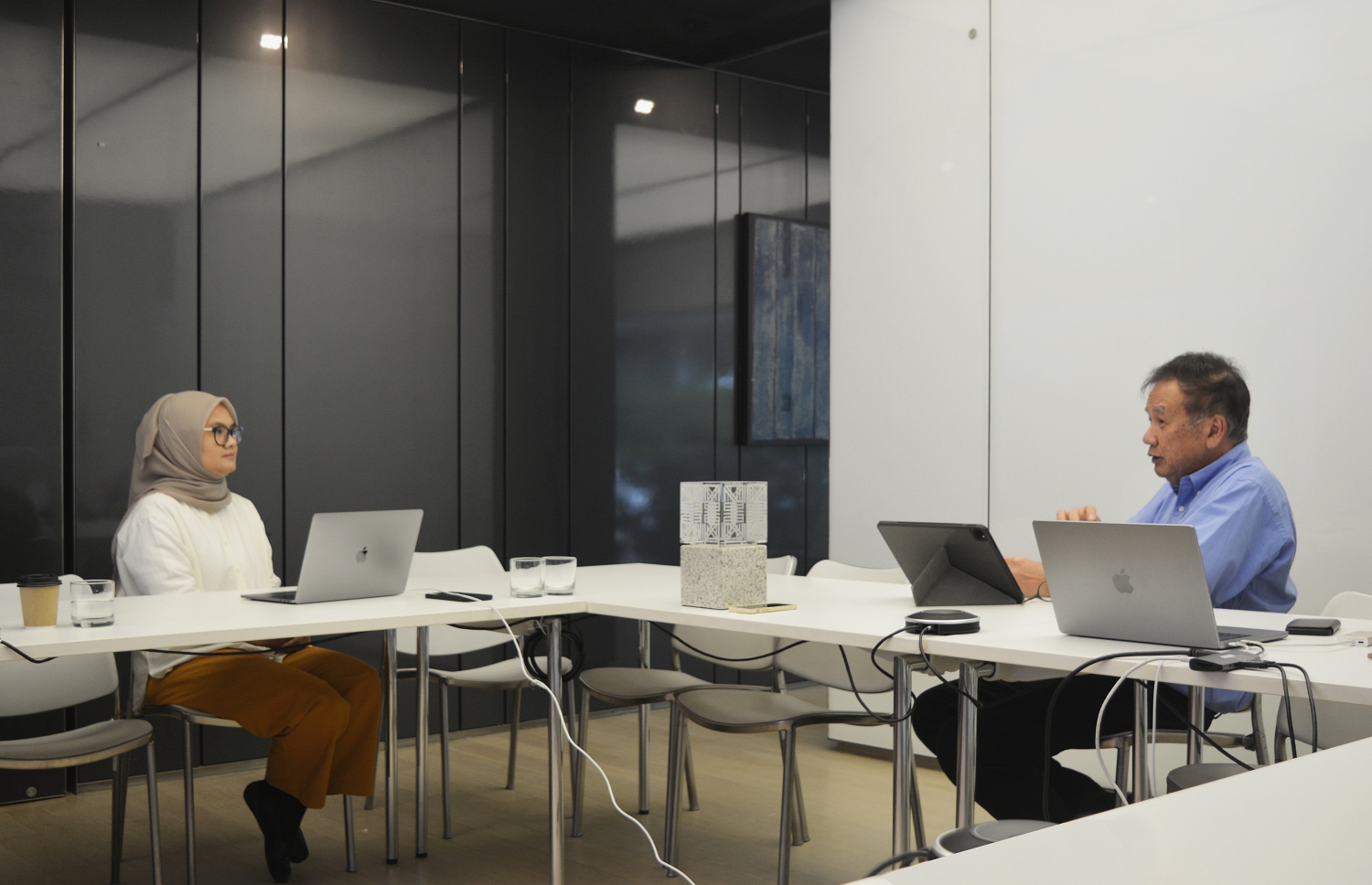
In this series, I am mainly focusing on literate the narrative of being in the AKAA’s Steering Committee and a Master Jury, for which I had the wonderful opportunity to interview Kamil Merican on that purpose. I would personally express, the session that I had with Kamil was inspirational. As much as Kamil is known for his success in the architecture industry in Malaysia, he highlights the importance of the wisdom of being an architect beyond just designing beautiful architecture, also to further emphasise the soul of the whole projects carried throughout.
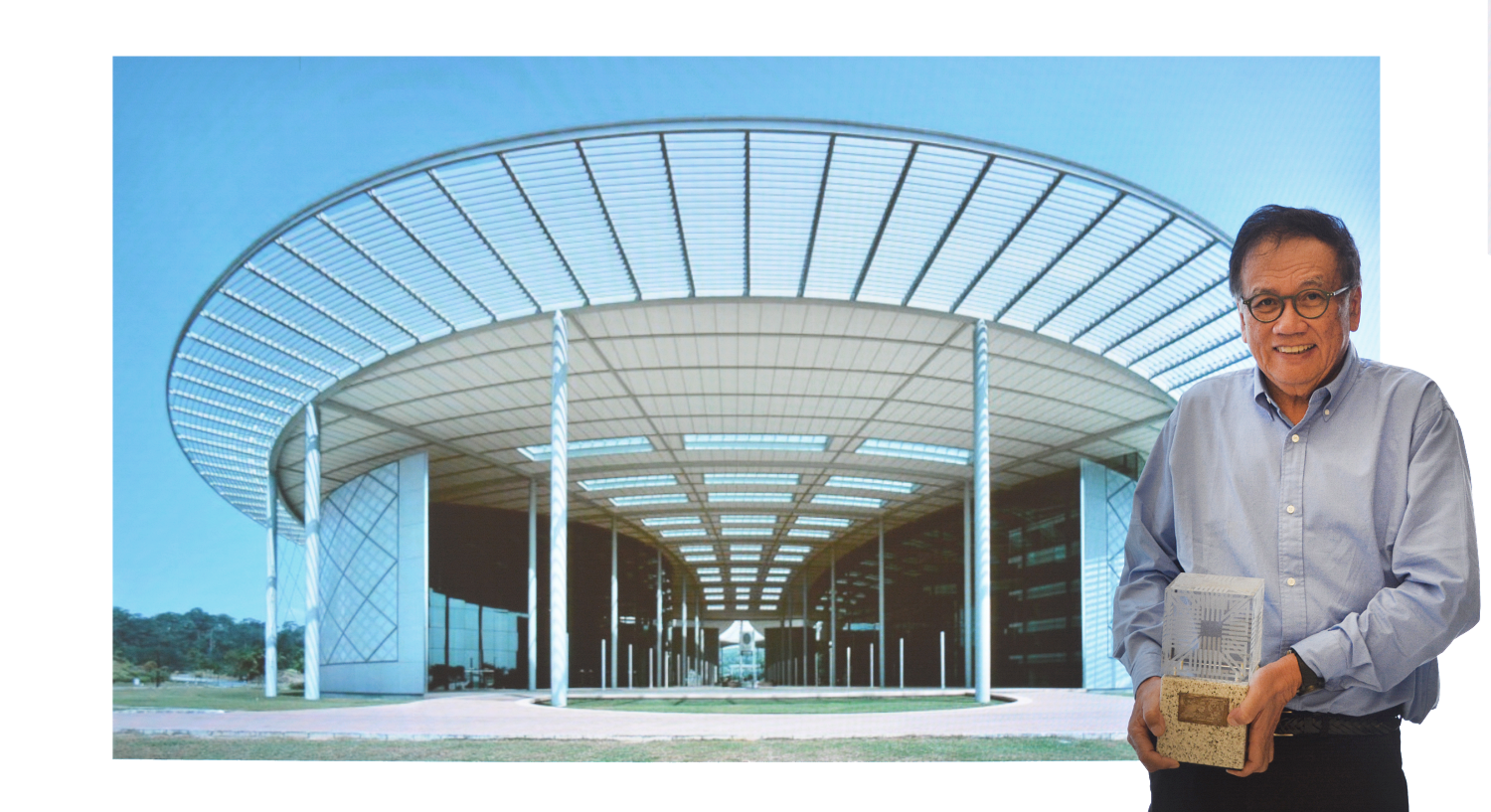
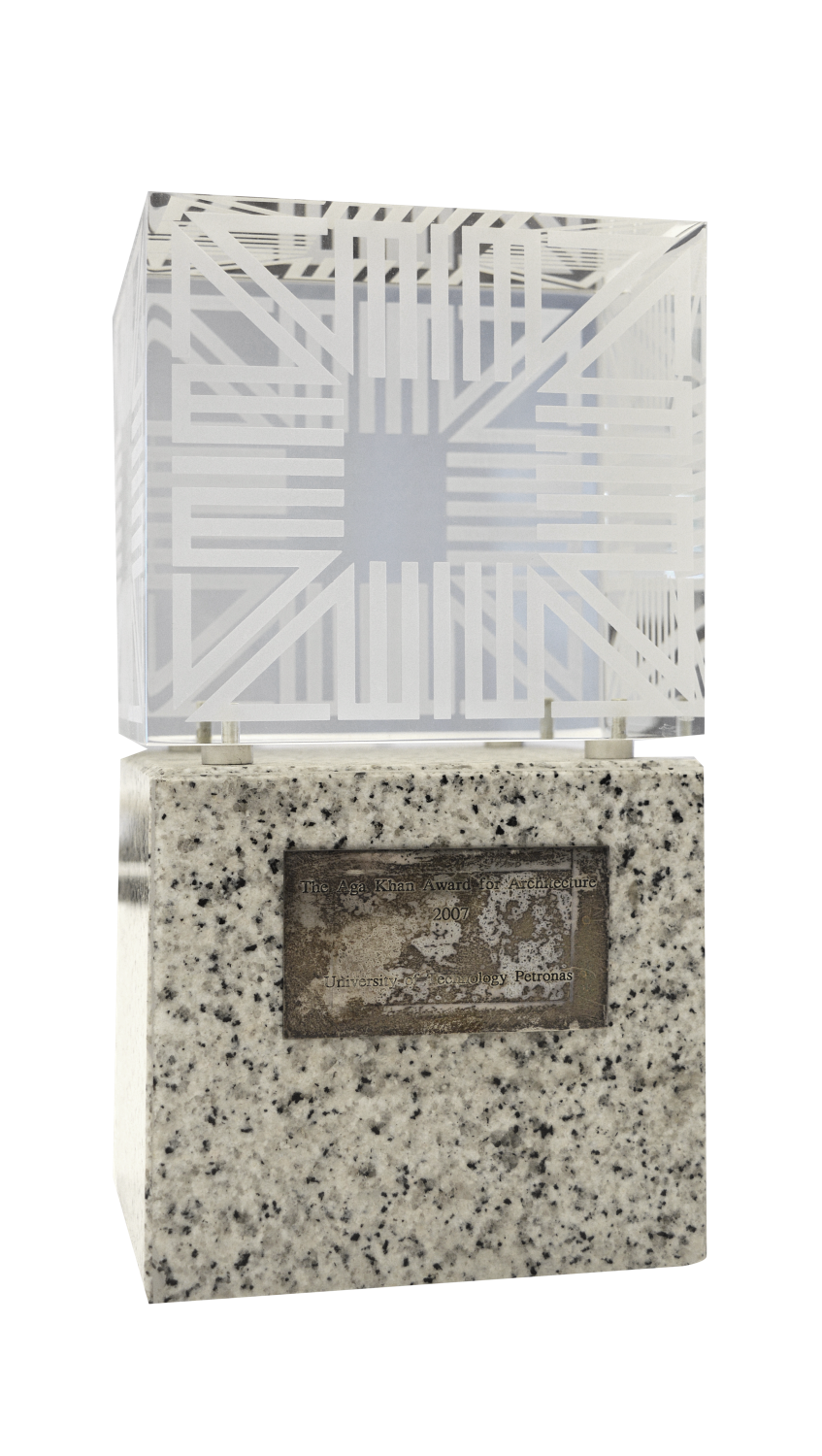
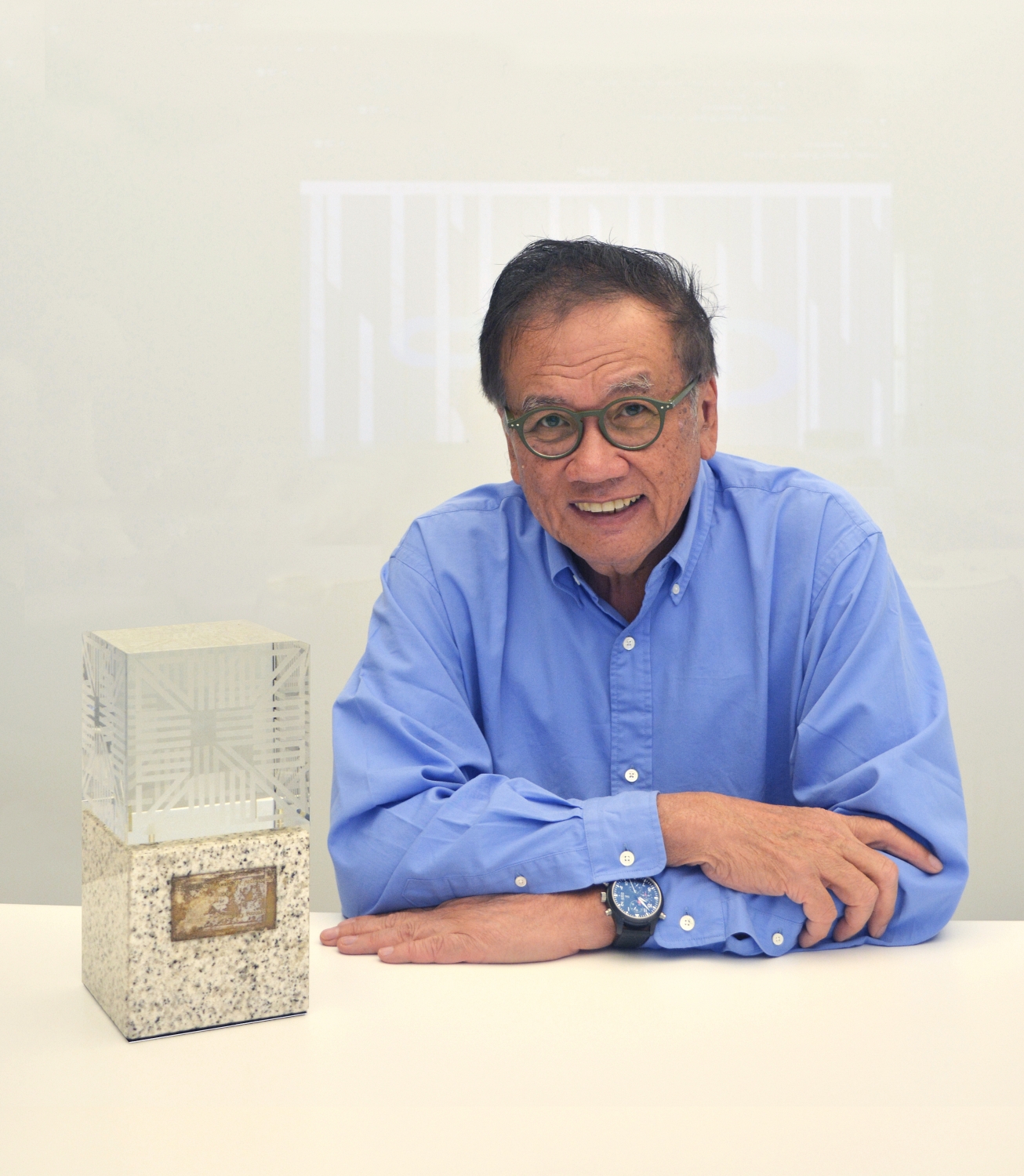
GDP Architects was the joint winner of the Aga Khan Award for Architecture with Foster and Partners, for University Technology Petronas in the cycle of 2005 to 2007. Later, Kamil Merican was appointed as master jury for the AKAA for the cycle of 2010 to 2013. Further, Kamil was appointed as the steering committee of the prestigious Aga Khan Award for Architecture in the 13th cycle in 2016. Therefore, I took the initiative, to retrospect the one-of-a-kind, lifetime experience that he had, in this article hoping this would further inspire others from the industry.
UNS
KM
Thank you for taking me to this session. It has been a while. I am privileged of being part of the whole process of being the joint winner of the University Technology Petronas, after winning the award, which I mean to some point was a surprise. Because it was coming only about three or four months before we know about the award. So, it was a surprise for us. Cause for us, we are all architects, we do our work, we do the best we can, and an award is just a means of acknowledging, all our effort that went. After winning the award, about the next cycle, I was approached by the Highness Aga Khan, who asked me to become the next cycle jury. And after that, I was admitted to the steering committee, which was the highest level of the award, and we sit with the Highness Aga Khan to select the next cycle juries. So, I am aware of the criteria of the jury and the whole process of the award. I have the opportunity of being on the steering committee, on the jury and on the award.
To just explain to you about the Aga Khan award, it’s not an award to the architect, it is an award to architecture. Awards are being awarded to a project that has no architect. Some people create wonderful buildings in the world that have beauty in them. That addresses social interaction. I think the award amazingly, is not just about pure design and architecture. You must have a meaning, of why a project comes together. It is about the community. It is about how a project was put together. And how a project affects a community.
It is not just about beautiful architecture. The Aga Khan Award is not about how beautiful architecture is, it is about how architecture impacts the community, how architecture impacts society, and the impact of course at the end ultimately the people who put the project together. There was an award, which is given to a bridge, which has nothing to do with architectural infrastructure, but the meaning of the bridge was so important to the community. The bridge was in Morocco, where one side of the bridge is where the low-income community is while the other side of the bridge is where all the higher-income community lives. And for years, the group of low income must travel miles down the river to catch a ferry across the other side of the bridge. The bridge design is very elegant. So, when they design the bridge, it is meant to connect the low-income area to the high-income area. But not only that, the bridge became more than just that. The bridge became a market for the low-income community. It has become a place for a marketplace for the low-income and then to become a public space under the bridge. It is more than just the design of the bridge. I remember that was a session with the juries, because it was infrastructure, and why can it get an architecture award? It was the first time such a project was awarded the Aga Khan Award. And that is when I begin to understand, the role of the committee is very important. At that time, I think the steering committee was Norman Foster. The steering committee was the one that choose the juries. The steering committee was the one that set a tone for what the award should be for the cycle. One year they were looking out at the industrial building, and what it does to the communities. So, it does not mean that the award just gives to a beautiful building. Even if you do a factory but with the impact that it has on the community, then it looks like a building that can affect the community.
There are many other deliberations on other things, especially in Palestine, there were so-called a lot of non-building nominations that affect people. So, this is what the Aga Khan Award is, on top of it has to be in the Muslim world as stated. But it does not discount you. As long as there’s a presence of Muslim communities in the country. For example, WOHA from Singapore once won an award.
The process of selecting the winner is very rigorous. They received hundreds to thousands of submissions at a time, and they evaluate them quite thoroughly before it was shown to the juries for the first time. The first time the juries meet, there will be about 40 to 60 nominations. And we spend the weekend going through each of them. And then you kind of shortlisted the nomination to the second round of evaluation. And then you put it to the third round, where you will be evaluating around 15 to 20 nominations. Then you stop there.
After that, the Aga Khan Award will send a representative from each region involved among the architects to do another layer of evaluation. The representative was sent to the project to do a field trip, to speak to the architect, to talk to those involved in the project and to conduct the evaluation on site. After the evaluation is done, the juries will meet up again in Geneva. The representative will then present their report of the field trip to the juries of what they discovered. Various architects
in Malaysia were elected to become representatives as well.
After the presentation, the juries will have another round of evaluation. There will be a lot of deliberations involved among the juries to cut down to maybe five to eight final winners. There are no fixed numbers, but there is a range of awards that should be given. So, there is usually a monetary award given, and the prize is not only for the architect, even the builder, the architect, and the owner are included. So that is how the whole award comes together.
UNS
KM
UNS
KM
UNS
KM
You cannot say that you are intentionally humanising architecture, but you need to understand who is going to use the architecture and what it does other than being a shelter on your head. A soul part of it, activity, living and the use of it. There are many aspects of it, including the building types, and the theory of what architecture is about. In architecture school and university, it is a design program. Yes, but we do not put what it is supposed to be mean to that space, to the people.
I think there was a beautiful school in Bangladesh, which I remember was so elegant with very simple material of bamboo and mud bricks and all that. And yet it is allowed the children and the community to use it well as a school. That is the beauty of the Aga Khan Award.
When you walk away from this, you start thinking. I mean, no doubt, that we did the University, and then, what happened? How does it affect society and contractors? The contractors were not the first great contractors. But after they did the UTP, they flourish. One of the contractors built the second phase of the Hong Kong airport, and then they built the Dubai Formula One because they accomplished the work and the people. It progresses to a different level. So, there are many stories to tell about a project.
The other thing about the Aga Khan Award, every building got a story to tell. It is not just about ‘I like it’, or the beautiful details, it is about the story of how the project comes together. It is about how the people, and it’s a story of how the building does what it meant to be doing.
UNS
KM
UNS
KM
I think because in the steering committee, even among the juries, not all of them were architects. There are some of them among historians, artist and there are people from various backgrounds. It is a broader aspect of what the Aga Khan Award is all about. The thing about the award is about humanity, about people and the world. What is happening in urban areas? Looking out of what’s happening in the rural area. Be it, it could be done by somebody who was not architecturally trained, but it could be about his craftsmanship, knowledge that goes down by generation.
Initially, I thought the award is just meant for the architect, and then when I was able to see the jury and I was exposed to the award. When I was on the jury, David Adjaye was with me, and Wang Shu architect from China was there too. So, there are a lot of people who do wonderful design. Then I became to understand, what this award is all about. I think it is an honour to become the jury and the steering committee. Because there was a lot of deliberation, and it is nice to hear, the thoughts of these different people around you. Sometimes, we are too focused on good design. But having to listen to the voice of other people, is quite amazing.
UNS
KM
UNS
KM
I think, the experiences, I would say as an architect is very refreshing. Because you got involved with people who are beyond just architects. Some of them are even filmmakers. And when I was a jury, I got to know the steering committee of that cycle. Among the Steering Committee was Norman Foster himself. At that time, we were discussing what should be the criteria for the Aga Khan Award. Before we get to see the nominations, we had meals with the steering committee. So, during the session, the steering committee will tell us, what they are looking out for, for that cycle.
One thing about the Aga Khan Award, the travelling was good, and the food was good. Everything was well taken care of. And it is refreshing I would say. You learned about what is happening throughout the whole world. You see, a lot of architecture award has been focused on urban area. The Aga Khan is much more global. It can be anywhere on earth, and yet it is being recognised for its contribution and impact that it has on the people.
UNS
KM
UNS
KM
UNS
KM
UNS
KM
I think there were one or two projects that required a lot of deliberation. There were projects that we thought, should it be the winner? And that was the difficult part. There was one project I remember but I won’t mention the name. It was not architecture… But it is the people who believe in what they’re doing. And the juries were sitting down and looking at it, wondering because there was no architecture in it.
UNS
KM
UNS
KM
UNS
KM
I think it’s changed me a bit. You see, we go to a school of architecture. We champion our way, and we admire all the great architects in the world. What the Aga Khan Award did to me is to know more about the people. We have to have a face for each project. While the building has no face. But right now, when I’m looking at a building in the office that we do, I can see the face of the people who work on it. Humanity and creativity have got much more contribution, even though the person doesn’t get involved in the final detail, he is the one that put things together. So, there are people, and that aspect of it is what changed me since the Aga Khan Award.
UNS
KM
UNS
KM
UNS
KM
The steering committee is much more intellectual. You sit down and listen to an individual, and you listen to everyone. What do you think the award is all about, and what is in this cycle that you feel compelling to talk about and should be looking at? It’s a discussion, that we meet all over the world. I think the first meeting was in Boston, and after that was in Massachusetts, and some other places. We meet a few times before the cycle begins.
I think you have to know that the Highness of Aga Khan believes in a higher level of knowledge. For example, for the music. Whenever we have the session, there will be music that we listened to, played by the Highness of Aga Khan. The music that you never heard before. The music came from all the rural areas in middle Asia and he paid for it. It’s a holistic approach towards what it’s all about. But what I like about this Aga Khan Award is that they were very quiet. It’s calm, it’s quiet and it’s elegant. It’s very elegant.
UNS
KM
UNS
KM
UNS
KM
That’s a very big question (laughs). I would say, we go to school, we go to university. Some of you want to become an architect from day one, from a very young age. Some of you do it as education. But it is much more important than that. I think you have to care. You have to take care and take pride in what you do. Because everybody goes through the same cycle. You come to the office, you must think, what are you contributing? How does it affect society? It has to be something much more than just lines and squares that it has to be. I would like to highlight, just try to give the best you always can. You wake up every morning, look in the mirror and just be you. Don’t pretend. Just be you. Be the best you can. One side of architecture is technical knowledge, how to put it together, and the other side is dreams. And when you put dreams and technical knowledge together, it becomes some beautiful work.
I think we should inspire, inspire the students, inspire people and be modest. Modesty is very important. Your work is what you produce. You have to give your best no matter how small the work is. Show what you are capable of. What you can do. Even doing a small extension of your father’s house, just show what you’re capable of. That is what architecture is all about.
I think the good thing about Malaysia is that there are a lot of works which I like. There’s a lot of trying to be better and better, and it’s good. It’s good. I mean there is a richness in what we do. However, we are still not there yet (laughs).