AA School Kuala Lumpur and Singapore Social Night

Text by Cheah Ee Von
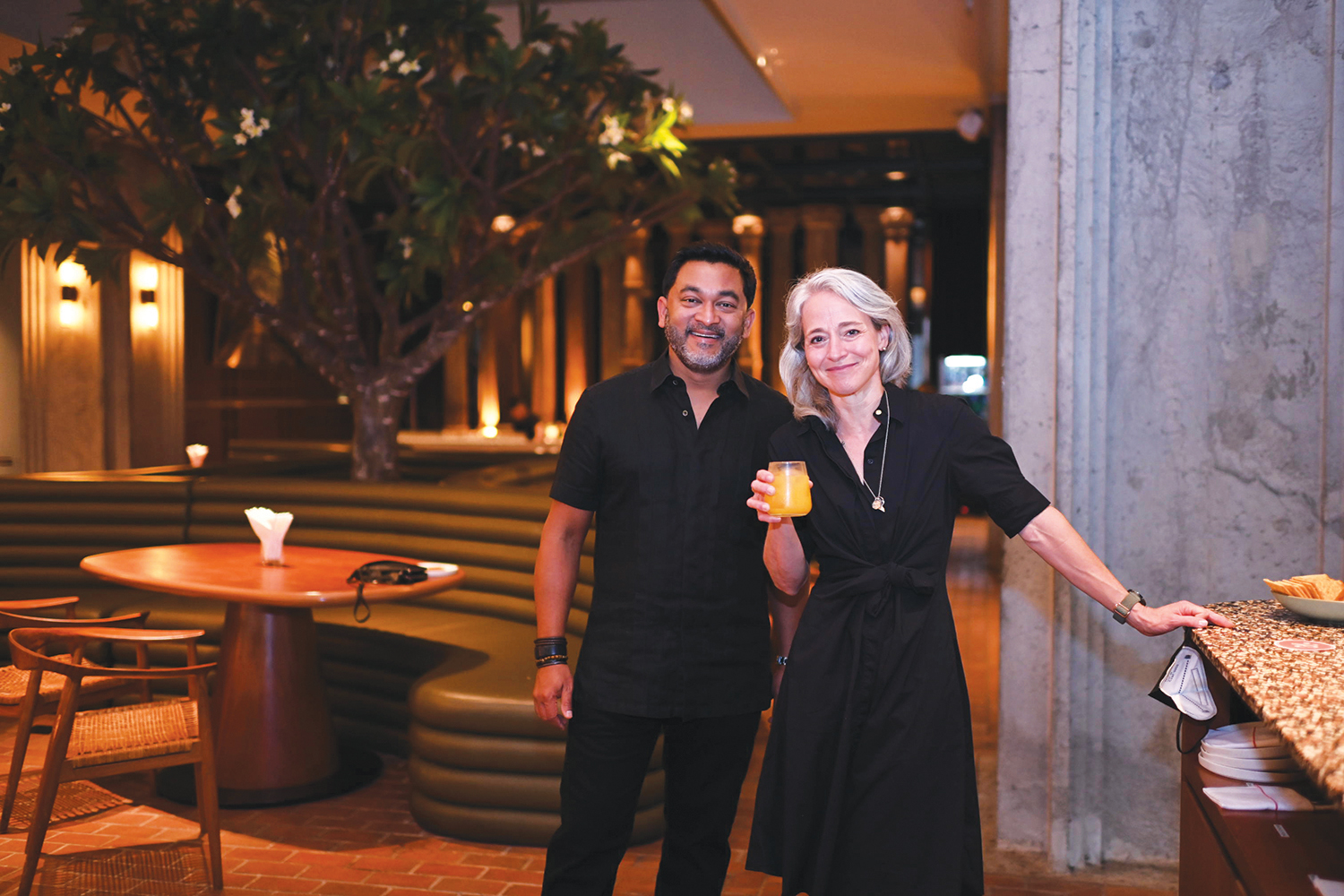
From Left Datuk Dr Ar Ravin Ponniah (AA President- Elect), Dr Ingrid Schroeder (AA Director)

Amidst the elegant sefling of Else Hotel, alumni, students, and esteemed guests of the Architectural Association School of Architecture (AA) gathered for an evening of reconnection, reflection, and radical thinking on 19 February 2025. The night was not just about reminiscing but about forging new paths, sustaining international ties, and reaffirming the AA’s commitment to pushing boundaries in design, architecture, and beyond.

The evening marked the introduction of Datuk Dr Ar Ravin Ponniah as the new President-elect and Chair of the AA Council. An architect and consultant, Ravin leads design and research practices in both London and Kuala Lumpur, focusing on construction technology, affordable housing, sustainability, and public policy. A graduate of the Bartlefl School of Architecture (UCL) and the AA, he also holds an MPhil in Environmental Design and a PhD from the University of Cambridge, where his research centred on housing and the Capability Approach. His work is deeply rooted in the development of architectural solutions that prioritise the needs and values of end users, residents and communities. Ravin’s appointment signals a continued commitment to strengthening the institution of the AA and to delivering the AA’s strategic plan, which will see the school consolidate its international reputation as a leader in the field of architectural education, as well as enhance its resource provision and make it available to a student population who represent a broader spectrum of society.

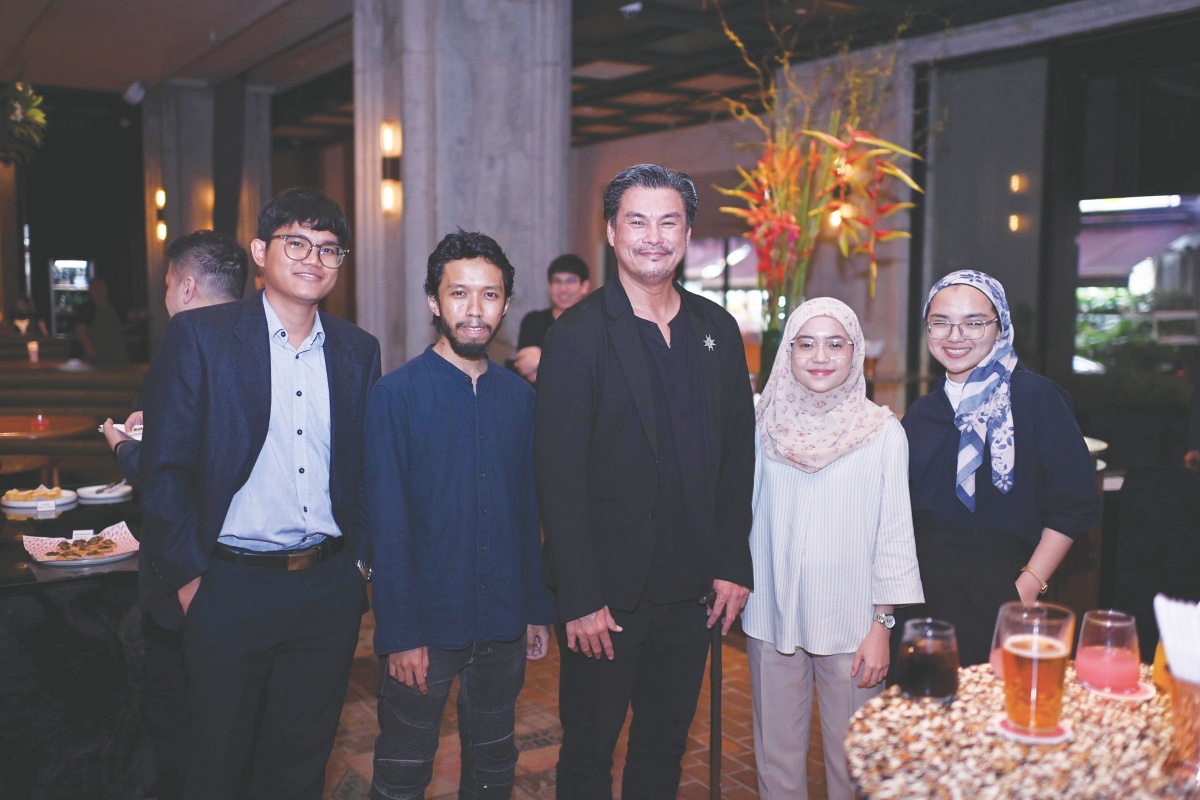
Ar Kevin Lim, AR Chee Hon Kong, Dr Ravin, Mohd Luqman, Ahmad Anas Muslim
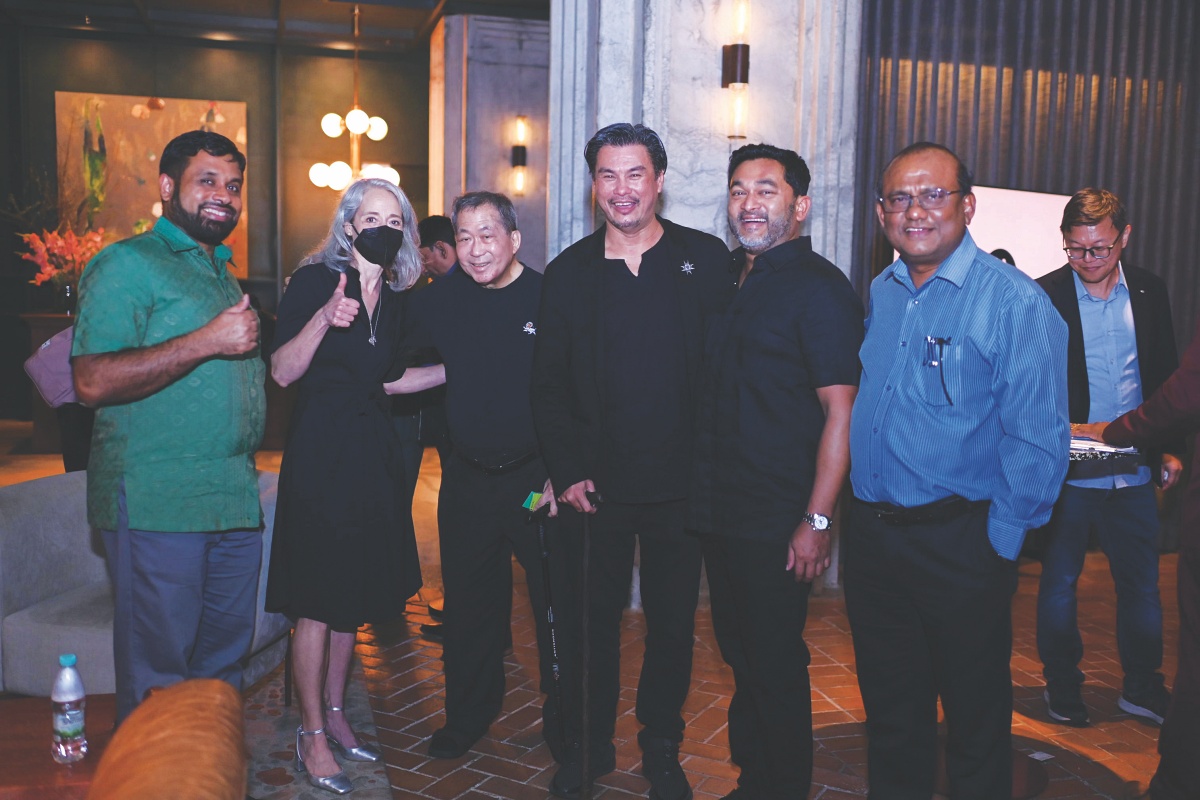
Dato Hamdan Abdul Majeed, Dr Ingrid Schroeder, Dato` Dr Ken Yeang, Ar.Adriant Azim (PAM), Datuk Dr Ravin, Ar Thirilogachandran (PAM)

The event also provided an opportunity to acknowledge the leadership of Dr. Ingrid Schroder, who now serves as the Director of the AA. An architect and educator, Ingrid brings decades of experience and a compelling vision for the future of architectural education. Before joining the AA, she was the Director of the MPhil in Architecture and Urban Design at the University of Cambridge, where she developed a research-intensive approach to design teaching. Her work spans multiple institutions, including the AA, ETH Zurich, Central St Martins, and the Royal College of Art. Ingrid’s research focuses on shi$ing perceptions of nature and landscape in the face of climate change, as well as the architecture and urbanism of liberation movements.

Ingrid is dedicated to preserving the AA’s independence, fostering innovation, and nurturing new talent. In her own words, she described the AA as “a nimble place of debate — a unique environment to wrestle with the implications of what lies ahead.” She emphasised the significance of architecture in shaping both real and speculative environments, reaffirming her commitment to advancing the AA’s role in architectural discourse and practice.

As the evening unfolded, a central theme emerged — how to navigate an increasingly complex world with innovation and fresh perspectives. The challenges of the time are immense, spanning economic, political, and environmental crises. Yet, the AA community thrives on tackling the impossible. It is this spirit of intellectual curiosity, ambition, and bold thinking that continues to define the school and its graduates.

The Architectural Association has long been a beacon of diversity and collaboration, with over 80 nationalities represented within its student body. This global reach is mirrored in the success of its alumni, who make waves across industries — some directly in architecture, others in design, construction, and a multitude of creative disciplines. Regardless of the direction the students take, one thing remains constant: the unwavering support the students offer one another. Ingrid highlighted the significance of this camaraderie, expressing immense pride in the mutual support within the community and encouraging aflendees to carry this spirit beyond their time at the AA.
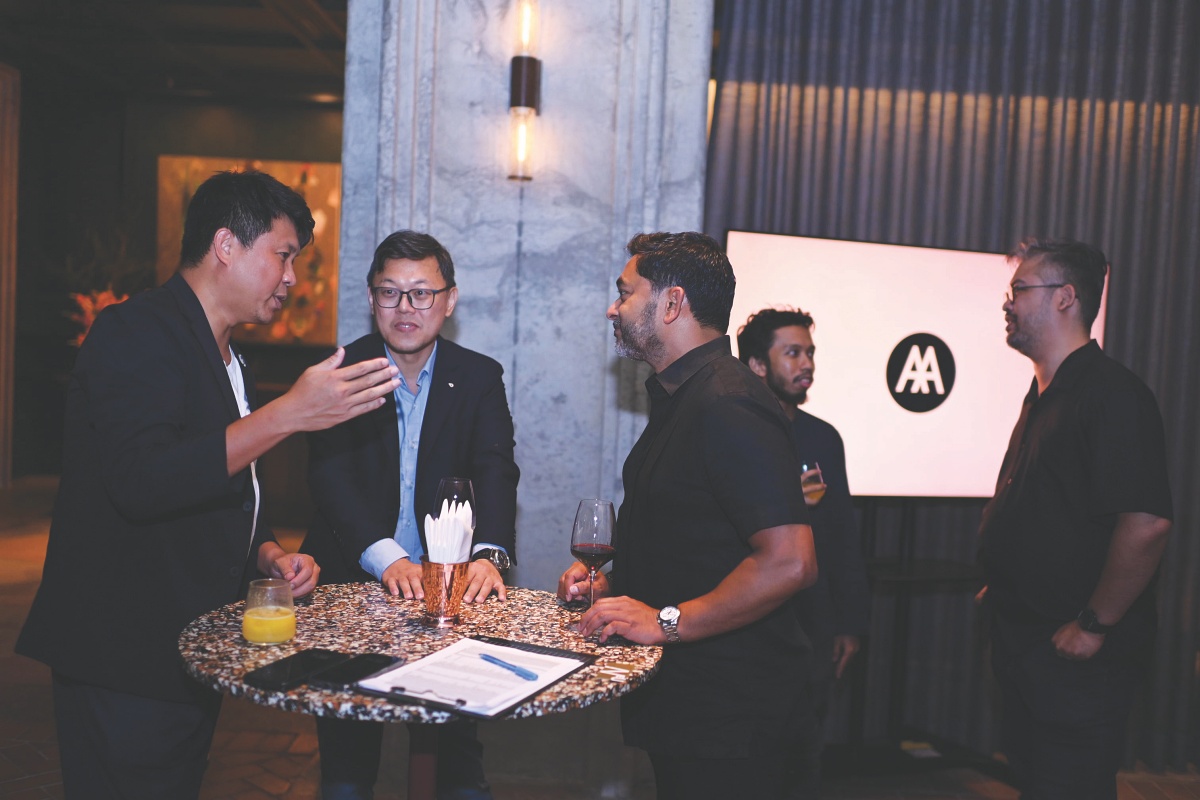
Naim Zulkefli, Mohd Luqman, Ar Adrianta Azim (PAM), Puteri Nur Izat binti Ahmad Shukri, Noor Fadzlina binti Ahmad Husni
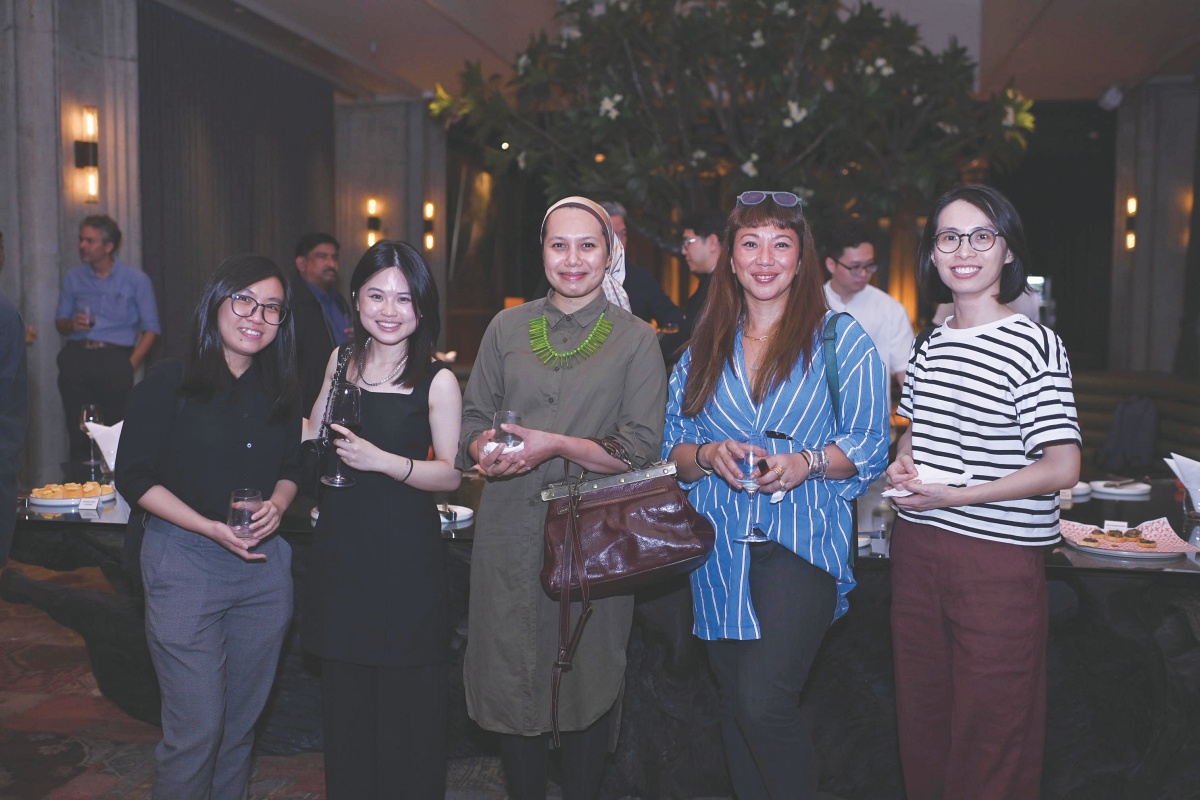
(From left) Cheah Ee Von, Zmin Ting, Esha Hashim, Farah Azizan, Loo Jie Hsin
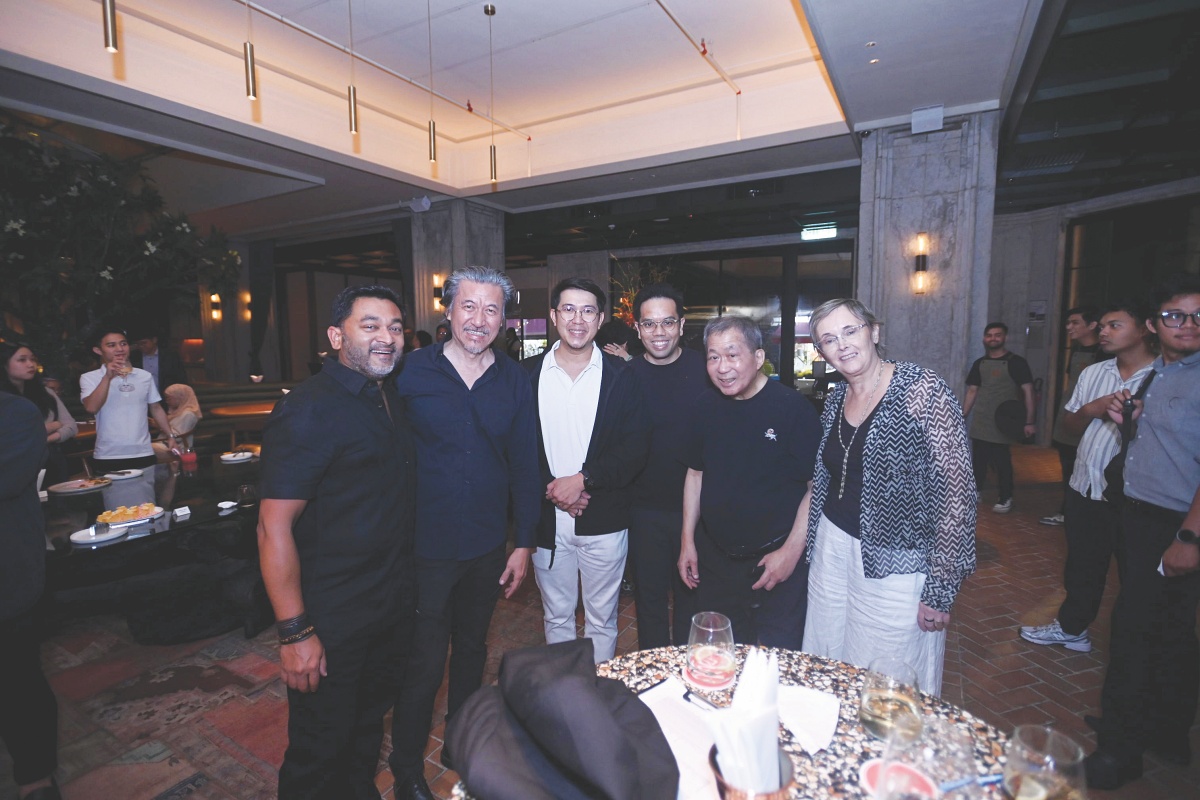
(From left) Datuk Dr Ar Ravin Ponniah, Huat Lim, Ar. Axxu Hoi, Ar. David Teoh, Ar. Ken Yeang, Susanne Zeidler

This idea of interdependency — of continuing to support the AA and its future generations — was another key focus of the evening. While the institution remains fiercely independent, it acknow- ledges the importance of financial aid and accessibility. Initiatives such as the ongoing generosity of organisations like the Albukhary Foundation are crucial steps toward ensuring that talented students from all backgrounds can access the AA experience. However, the reality remains that much of the school’s operations are still reliant on tuition fees — a stark contrast to other institutions that rely on public funding or endow- ments. Alumni and patrons were encou- raged to stay involved, whether through mentorship, participation in juries, or even returning to London to engage with students directly.

Another highlight of the evening was the announcement of the AA’s new Conservation and Reuse programme. This innovative programme tackles the challenges of working with existing structures from a climate-conscious perspective, reinforcing the urgent need to cultivate the careful use and reuse of materials and spaces. Its scope extends beyond buildings to include landscapes, environments, and material culture — both tangible and intangible. Through a rigorous curriculum, students will explore historical and theoretical frameworks of conservation, practical applications of construction techniques, and the cultural significance of heritage. By synthesising theoretical and technical knowledge into a design thesis, graduates of this programme will be equipped with the ethical and critical skills to navigate a world where sustainability and resource conservation are paramount.

As the AA approaches its 180th anniversary, the focus remains on staying fresh, independent, and agile. Unlike traditional universities, which are burdened by bureaucracy, the AA prides itself on swift, intelligent decision-making — an essential factor in keeping the profession dynamic and forward-thinking. Ingrid encouraged members of the AA community to propose new initiatives as the institution has the flexibility to respond swiftly and decisively, a rarity in the world of higher education.

As glasses clinked and conversations flowed, the sentiment in the room was clear: the AA is not just an institution but a lifelong network of pioneers, dreamers, and change-makers. The night concluded with a heartfelt invitation for alumni and supporters to return, reconnect, and keep the spirit of the AA alive. With that, the evening at Else Hotel became more than just an event; it was a reaffirmation of the legacy, ambition, and community that define the AA.

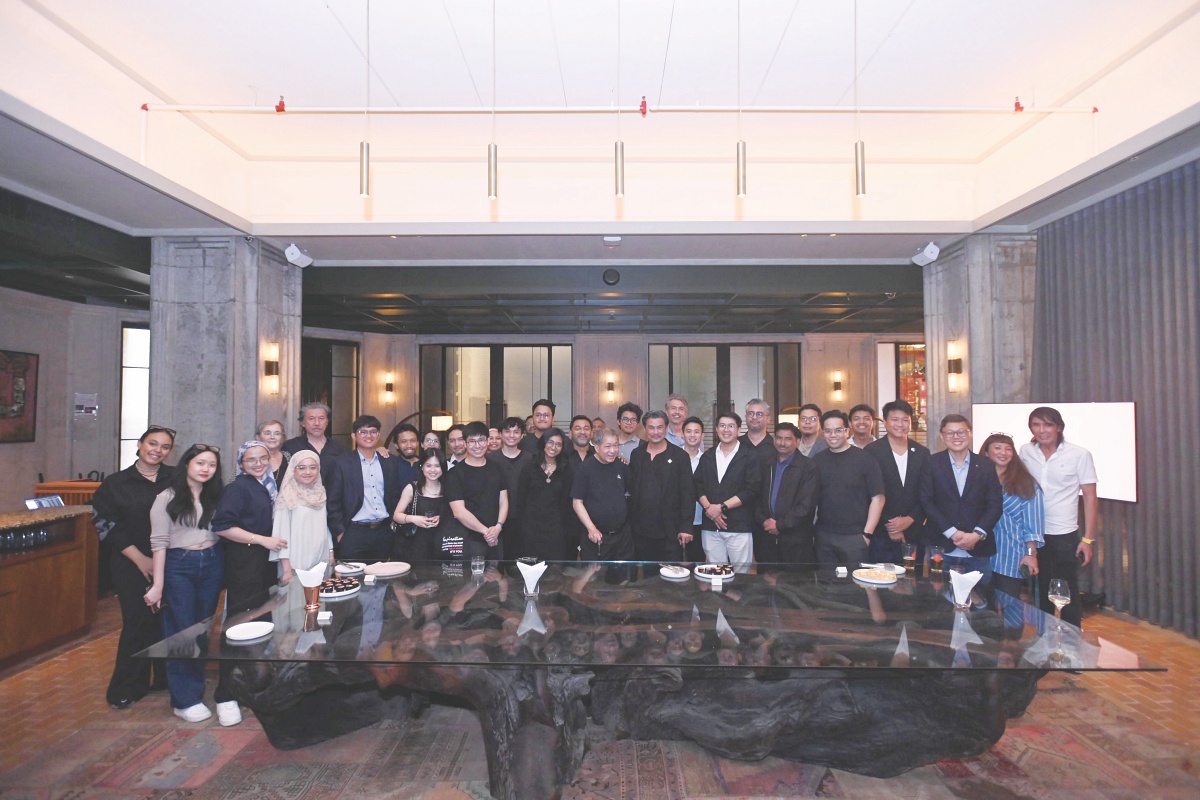
Group photo to commemorate the night

FEATURES

RELATED ARTICLES