AM meets Human Edition

THE LIVES OF OUR FELLOW MALAYSIAN THROUGH THE LENS OF TWO INDIVIDUALS, SHI HAN AND JIE XIN
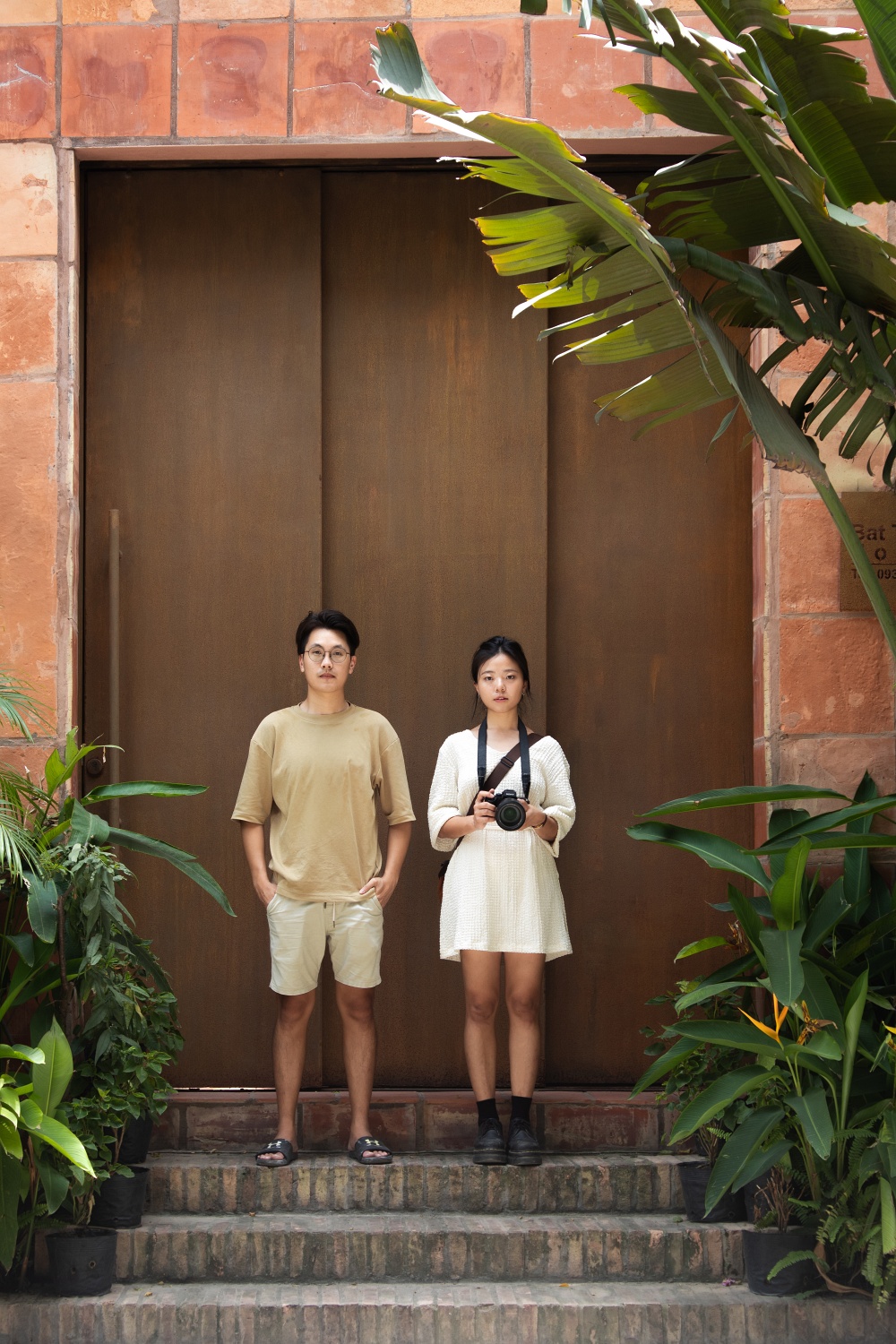
Together, Shi Han (left) and Jie Xin (right) weave stories from the lives of others, presenting it via Human Edition

Amid the many reels flooding through Instagram, a series of reels has been winning our hearts, focusing on the lives of our fellow Malaysians through the lens of two individuals, Shi Han and Jie Xin. The series of poignant videos that follow and uncover the lives of individuals from all walks of life showcase alternative ways of living. These videos have been gaining traction as people flock to celebrate and appreciate the beauty of life. The project is being documented as a series under Human Edition (also shortened as hu.ed). AM magazine sits with one half of the duo, Shi Han to know more about her journey towards this project.

AM

Can you introduce yourself and give a brief introduction?

SH

I was born and raised in the small town of Alor Setar, Kedah at a time when there were no malls or cinemas in the area. I grew up loving to draw and paint. At 16, I joined an art competition in MIA and won. My art teacher also got me into representing Malaysia in an art festival in Japan which was a very interesting period. I also grew up loving movies and loved the idea of directing, however, arts were seen as risky to pursue as a career. When the time came, Architecture seemed to be a safer path and combined arts and science which was something I found interesting. I applied to a few universities and received a scholarship for UCSI and that’s how my journey started. My partner, Jie Xin was also studying at UCSI and won PAM’s Architalent in 2020. He’s currently working with me on this project.

AM

How did you end up in Langkawi?

SH

After my degree, I worked in Singapore for 2 years with the intent of saving up for my Master’s. While working, I began questioning whether this was what I wanted because architecture as a career was different from what I had imagined. Despite that, Jie Xin and I decided to continue pursuing a Master’s in architecture. Before this, we had a 3-month internship in Shanghai and we really loved China. Everything is so advanced, vibrant and resourceful so we decided that we wanted to further our studies there. We looked into applying for a scholarship at Tongji University under Philip Yuan who explores digital fabrication. He organises digital features every year that people from every part of the world would take part in. So, we were looking forward to studying under him. We applied; however, we didn’t end up receiving the scholarship. So, when it didn’t work out as planned, I ended up going back to my home town for a year to try out different things. It turned out to be a blessing in disguise. I guess everything happens for a reason. We ended up being offered an artist residency at Bon Ton Resort, Langkawi. Bon Ton wanted to push itself as an artistic hub so we came in as architects and were supposed to build an installation in 3 weeks which we didn’t end up building. The time spent there, however, had made us learn a lot about the space and how things work so Narelle, the owner of Bon Ton asked me back to become a creative manager of the resort which was a pretty fun role. During my time there, I started discovering interesting things about Langkawi that nobody knew and talked about.
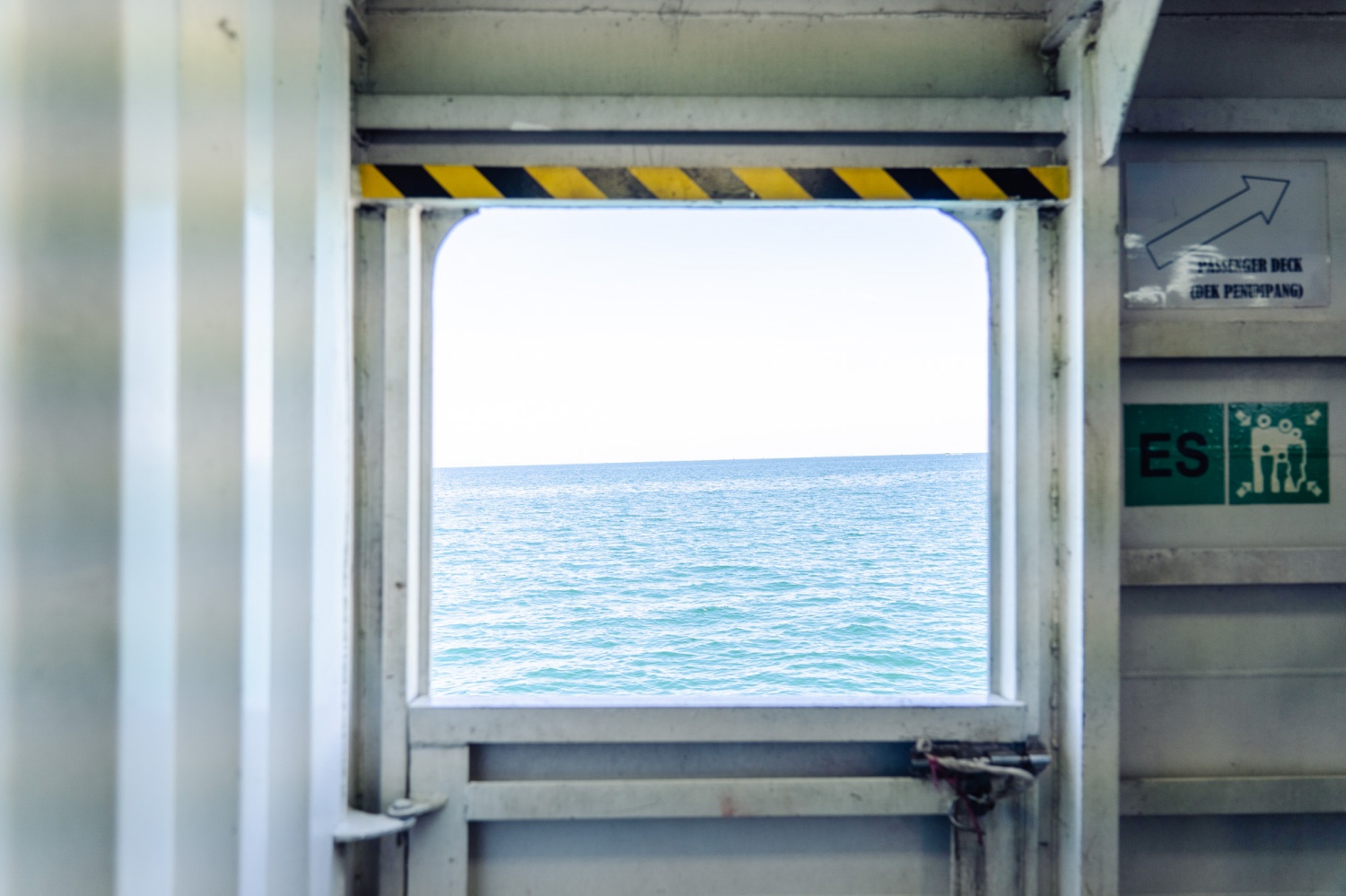
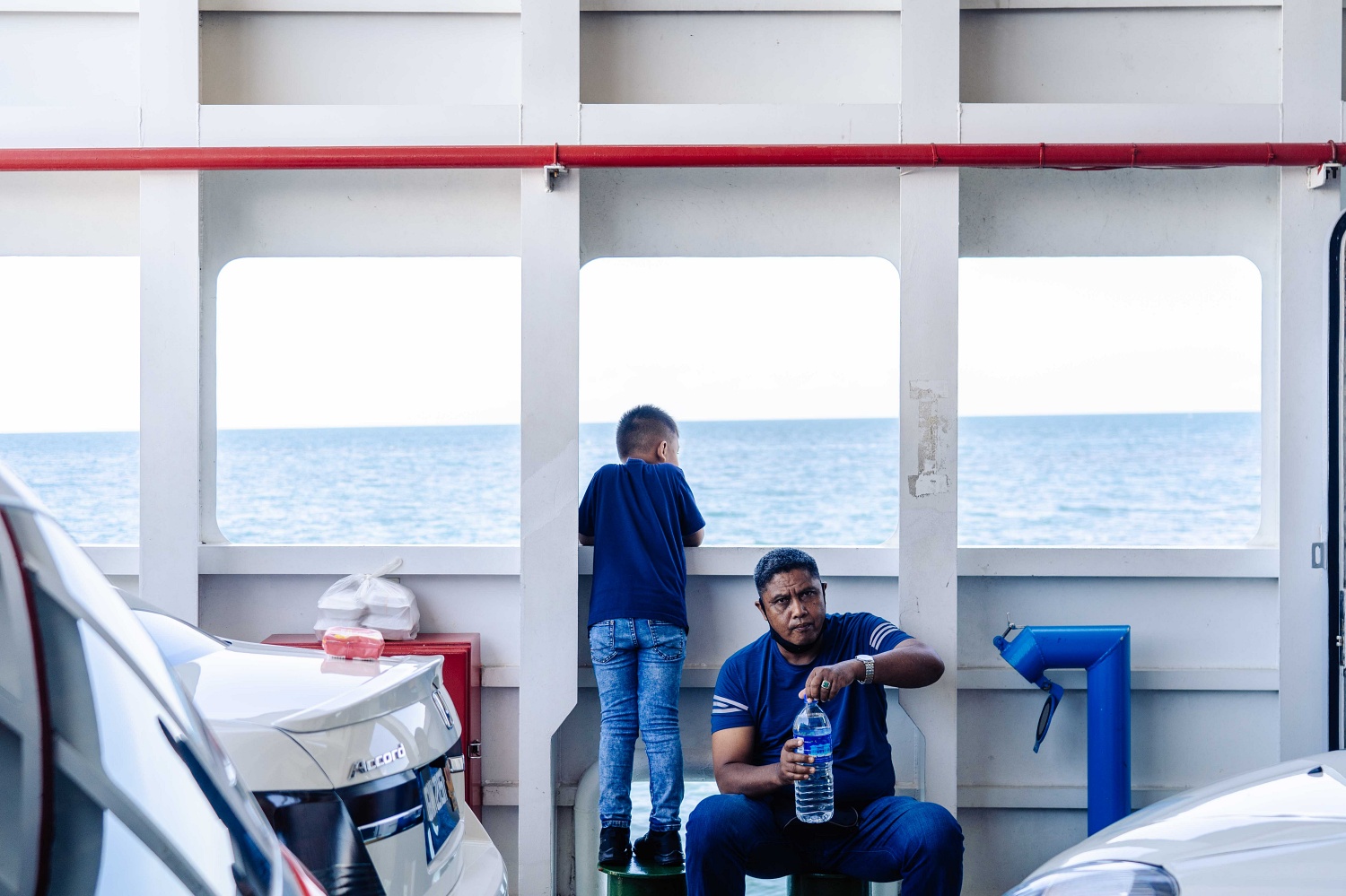
The Ro-Ro ferries is a mode of transport but it also appears to be a big structure built with multiple levels of viewing decks

AM

Did this kickstart your idea to begin the human edition project?

SH

When I found these places, I thought, maybe it was just me. However, when I introduced people to these places, I realised that they too didn’t know of it and shared the same feeling I felt upon discovery. These people were telling me to do something about this and that I should apply for grants to look further into this. While working as a creative manager, I did a lot of research about Langkawi as a whole because the planning of Langkawi itself plays a major role in marketing. So, I decided to research more and even ventured into the local community to talk to more people. During that time, I felt that many of these wonderful things that made Langkawi beautiful weren’t being documented and I thought it was an opportunity for me to pivot. This was uncovered ground for me and I saw it really as a personal thesis. Langkawi just ticked so many boxes for what I had in mind and so I decided to just move to Langkawi.

AM

When did you decide to move to Langkawi?

SH

I moved to Langkawi in November 2022. I was really into filmmaking and photography, having worked on our other project Archlibrary. I wanted to learn about writing so I thought my ideal end product would be a book. I felt that a book sets a higher bar for this because you will need to fact-check and make sure that the accompanying photos are at a certain standard. Producing the photos for the book also pushed me to learn more about photography. The book was also a good excuse to talk to people. Generally, people in Langkawi are very open and nice. You can be a stranger and they are willing to talk to you. When you tell them you’re working on a book, it becomes easier to talk to them as well as they know you’re working on something. So, Jie Xin joined me and both of us worked together, going around asking and talking to people. We started interviewing one person and one person led to another.

When you are on any form of transport, pay attention to the view and experience, as the journey matters too

AM

You talked about a book, but currently you’re active on Instagram?

SH

The original plan was that I wanted to complete the book first and then focus on social media after. Jie Xin pushed for the social media aspect because he believed social media was very essential to reach more people. He thought that documenting these interviews and the process behind it was good so we started posting it on Instagram. Eventually, our video on Café Kolma blew up and we knew that with social media, once the traction starts, you can’t stop.

It was through social media as well that we received many job offers such as social media strategy, photography or documentation. At one point, we had to be based in Penang for 2 months for a job. But now I’m back to focusing on the book. We will continue with social media but we’re still thinking of our long-term plan. We want to be more selective with our jobs because we want to ensure the type of jobs, we decide to take on aligns with what we want to achieve with this project. Once you step away, it’s hard to get back and you need full focus for the storytelling and the filming process so we’re still figuring it out.

AM

You mentioned Archlibrary just now. Archlibrary is also another project you have via social media. What is it about?

SH

Archlibrary started while we were in Singapore by Jie Xin in 2019. At that time, Instagram was still organic so we used it as a place to collect and share inspiration. It eventually grew from 0 to 60k followers in a year and became a platform where we gather and help artists around the world sell their work via our digital platform. Its success made us decide to try running it full-time. In 2020, Instagram introduced reels and that was when we found the power of reels. I enjoyed it as a form of content creation. Through Archlibrary, we experienced building a website, creating a community, talking to artists, having collaborations and much more. We decided to try working on Archlibrary full time but we realised it wasn’t really able to sustain us. We decided to try something different out and that’s when we ended up in Langkawi.

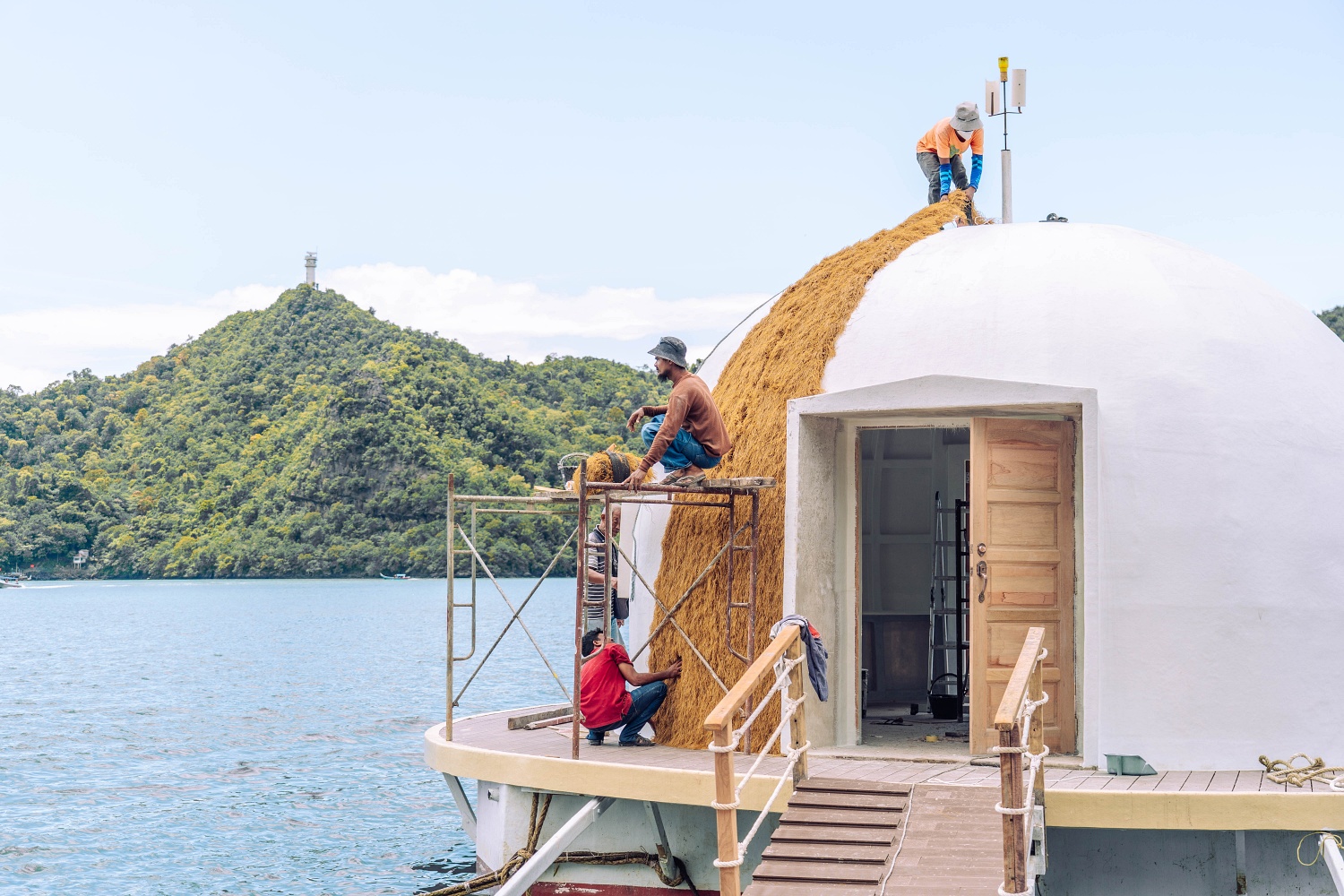
Coconest is a floating Airbnb in which uses sustainable methods to promote the nature surrounding Tanjung Rhu

AM

How was it taking a step away from the conventional architecture path and do you have any advice for those who wish to do the same?

SH

The thing about being in Langkawi is I’ve ended up blocking a lot of external noises and people. So, you don’t get to know what people think. I really do love architecture. The training is very all-rounded and you get a wide range of skills that are applicable in any field so I’m thankful that I took architecture.

I think if you want to get out of the conventional route, it’s good to start something at the side, similar to what Jie Xin did. Try something out at the side and through it, you will obtain new skills that may open you up to another path. Try freelancing and part-time jobs. Keep on exploring and getting to know more people. At the end of the day, it is about knowing what options you have and what options are the best for you. When I was working in architecture, my day-to-day life was surrounded by architects and it ended up becoming a very narrow circle of people. You should meet people outside of architecture and you will see different lifestyles. For example, pages like Malaysianpaygap allow us access to look at how other fields are faring and help us expand our view. This makes you look at life differently. Expose yourself. Go to events and meet people. This project started with me feeling lost and looking for more answers. You just need to know the narrative to talk to people and they are willing to share

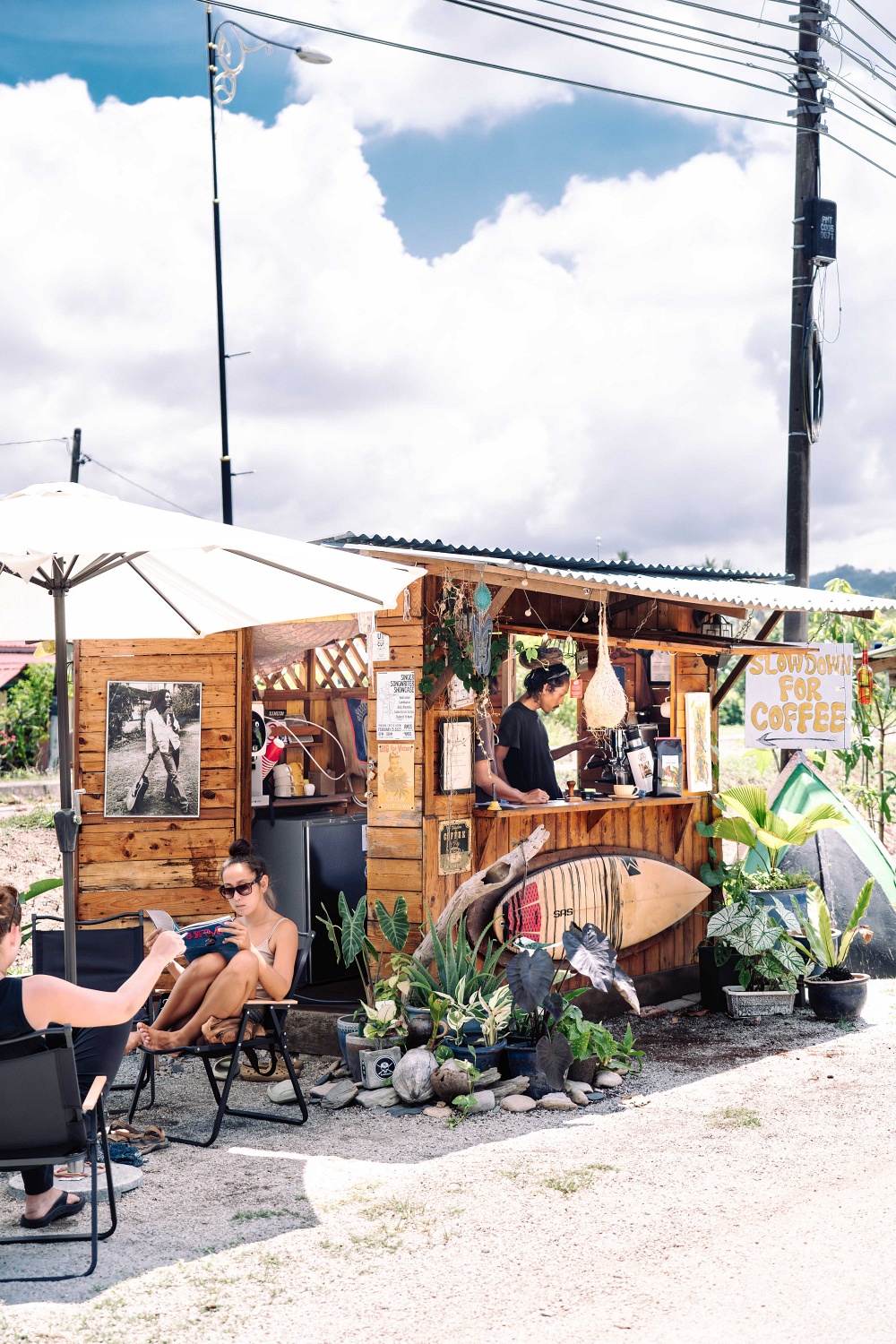
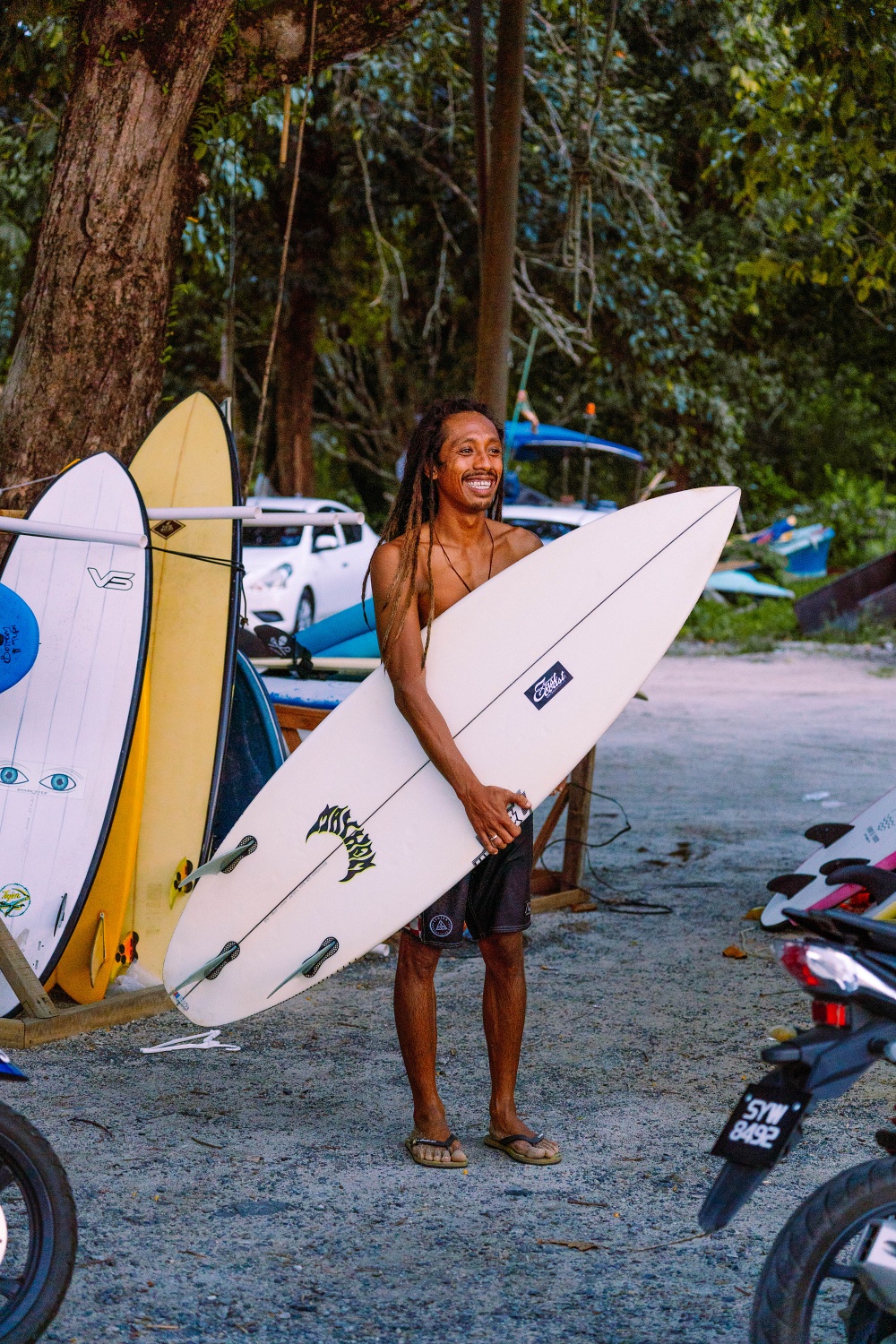
Han runs a coffee shack near Cenang Beach, Langkawi. His coffee shack reflects his lifestyle as a barista, surfer and his love for reggae music and nature

AM

When you document these people’s lives, do they look at their lives differently now that they’ve seen it from your eyes?

SH

After talking to these people, my view of life changed. Some places blew up such as Pizza Hill and Introverse House but some of them don’t want the publicity and it’s important that you know what these people want first rather than what you want to ensure you find the balance.

AM

Outside of Langkawi, where else in Malaysia do you see potential?

SH

Langkawi has made us learn so much. Now, when we go to a new place, we can tell if it’s social media viral or local viral. It has a distinct element to it that we’ve learnt to pick out. Langkawi has also taught us how to really source for stories. Having grown up in Alor Setar, I wasn’t exposed to much when I was younger and I think it’s helped me understand both sides of how city people think and also what the local kampung people think. I wish to share it so that people can see the value in all of this and understand both sides. Growing up, I thought many things in my hometown were boring, but actually, they had a lot of depth behind them. It’s really your perspective of it. When you do that, good stories can be found anywhere. Even the places we don’t know the names of. I do find East Coast Malaysia interesting. I haven’t been to Borneo either. I think everywhere in Malaysia has a lot of potential.

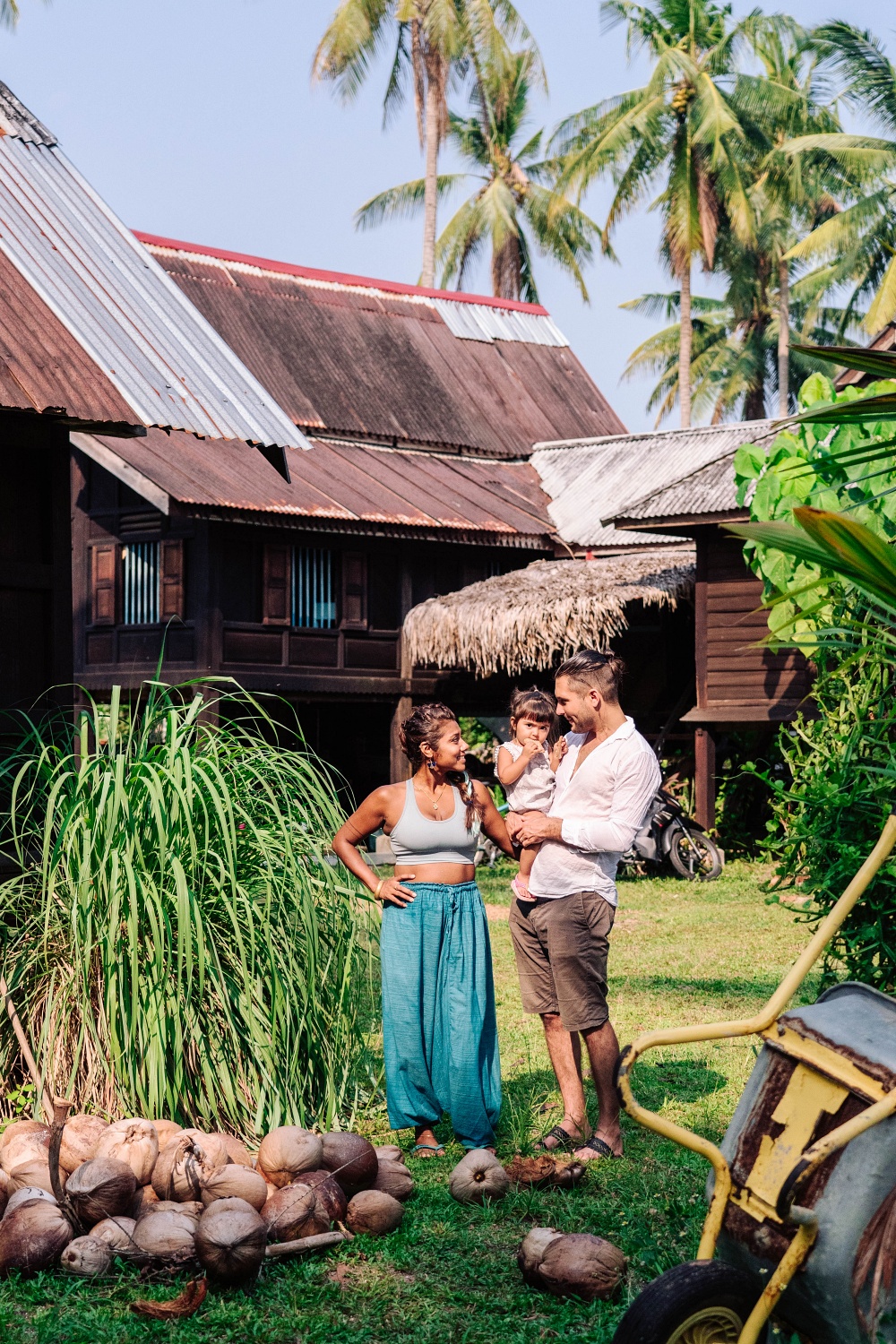
Skaii and her family at Kansha Lifespace, a community driven artistic space and eco-retreat in Langkawi
Han was featured in one of the series as a full-time surfer, part time barista. He started surfing in Langkawi only five years ago and since then, he hasn’t been able to stop

AM

The last question will be, describe a day in your life and what inspires you.

SH

We don’t really go out. It’s a lot of staying at home, writing, editing, planning. At the very beginning, we went out often because we were unsure and had to meet as many people as possible. When we had firmed out our plan, and outlined the book chapter by chapter, we only went out for shoots. During this time, it was really a training ground for us. Sometimes after a shoot, I come home only to realise I missed a shot and will have to go back. So one chapter in the book can sometimes take 5 visits while we edit the story and sometimes 3 rounds to get the shots we wanted. We don’t really have a day off but we take some time to explore new places in Langkawi because even today, we haven’t finished exploring Langkawi.

When I was studying, we saw a lot of projects getting featured in a very architectural way and it’s too technical for a normal person. For example, when I talk to my parents about design and architecture, they don’t understand. So, when I started, that was my initial brief. I wanted to make sure people could understand and feel the art without compromising the value of the work itself.

One of my early inspirations for this is Yi Tiao (YouTube: @Yit) which did a really good job of documenting in a way that everyone could appreciate. Now we also take inspiration from Never Too Small (YouTube: @nevertoosmall). We take references from different places and mix them up. In the end, social media is about hooking the viewers to make sure they watch it while balancing the information that you’re giving.

One frustrating aspect of social media is that when a new idea is out and it does well, it can easily be implicated by bigger corporations that can churn out content faster to cater to the current trend. Our type of content takes time, research and hard work and sometimes doesn’t do as well when it comes to views and impressions. It becomes a question of whether is it about numbers, or how long you leave an impression on people and how long will they remember this?

Maybe Malaysia is still new to this type of marketing. To sustain, you’ll need to put money into ads but a lot of the good stories we have are not paid content and even any money earned does not do justice to the amount of work put into the creation of the content. As for now, I treat this more as a marketing for my book and also as a way to explore different ways of filming to show that this can be done instead of following the trend.
AM

Thank you for your time, Shi Han. It has been really inspiring talking to you. Looking forward to your book and your future videos as well.

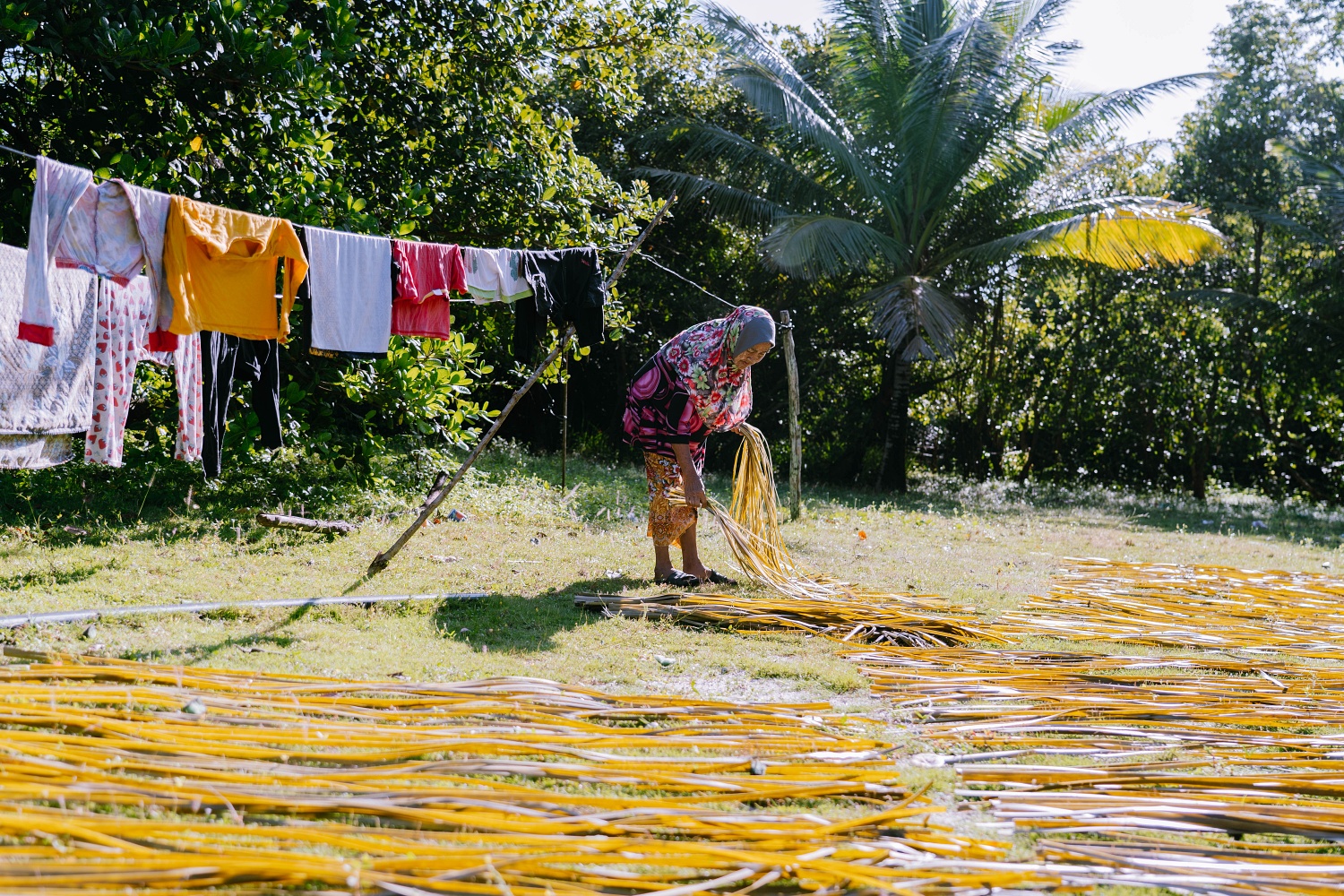
We sourced stories through casually cha!ing with people, we were told that there are only a few mengkuang weavers left in Northern Malaysia, maybe less than 10, and a few of them reside in Pulau Tuba, Langkawi. We traveled there to document one of the oldest weaver and further understand how mengkuang leaves were processed

FEATURES

RELATED ARTICLES