
INTRODUCTION
Being part and parcel of Georgetown’s rich urban fabric, the project site once contributed to the city’s mercantile pasts but over the passage of time, has been decommissioned and left forgotten. Seizing its strategic location, the Night Shelter was initiated by Majlis Bandaraya Pulau Pinang with a conscious intention to extend the existing building and its surrounding operational lifespans by updating them to better address Penangites’ social needs. Explicitly, it is a purposeful initiative in an endeavour to repurpose the existing abandoned, decommissioned heritage structure into a shelter catered for assisting George Town’s homeless population to reintegrate into society. While significant efforts are dedicated to restoring the original features of the building, a new structure is thoughtfully designed to emulate the existing and harmoniously tapped adjacent to it, preserving the local heritage values and encapsulating the city’s rich past in a meaningful manner.
SITE CONTEXT
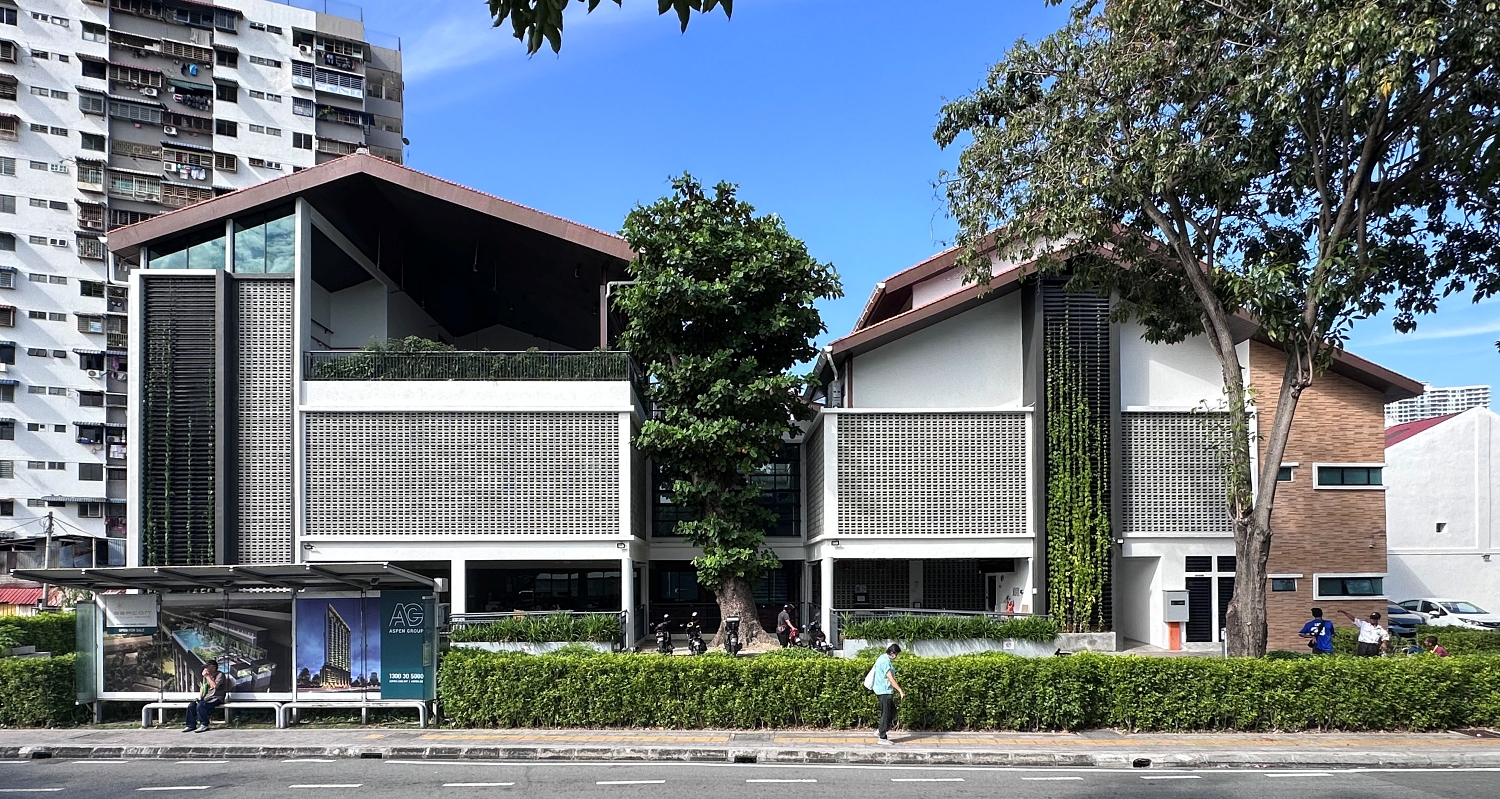
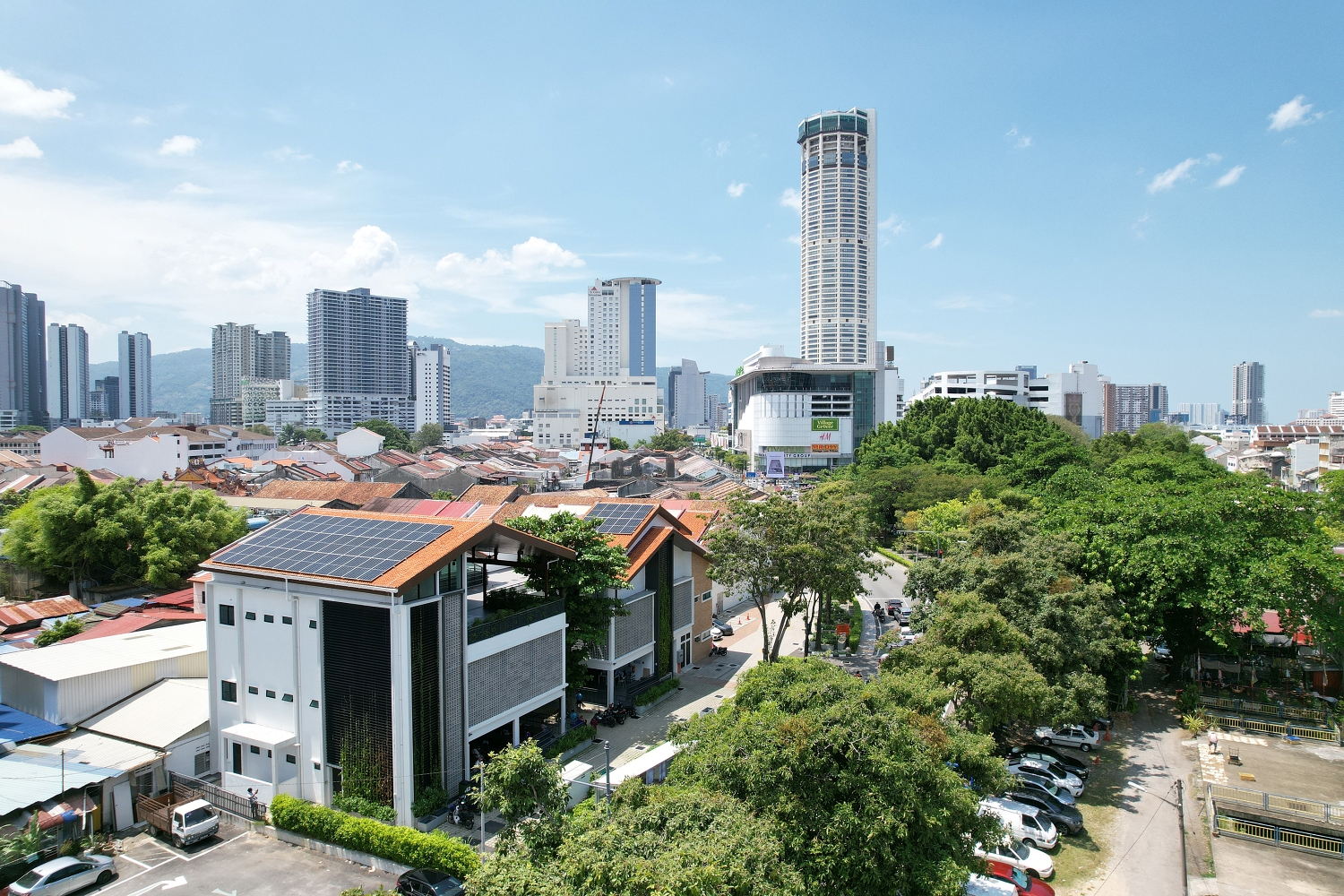
Situated at a prime location within Georgetown, the site forms part of the city’s ‘main artery’ that leads into George Town, giving it an impactful and eye-catching presence. The Night Shelter’s form and architectural language coherently resonate with the existing shop houses of its immediate context, ensuring the unique character and historical charm of the city are retained for future generations to appreciate as one traverse. With the intention to co-relate with the site surroundings, boundaries are deliberately blurred to encourage and enhance communal interactions. To further embellish the site to achieve a therapeutic ambience, puzzles of lush greeneries are put together to echo the presence of its open spaces to the nearby parks and public amenities, creating programmatic continuity for the locals.
FRAMING THE PAST
With all due respect and appreciation for the heritage architectural features of the existing building, the new extension was designed to reciprocate to the existing through a harmonious integrative approach. Attributes of the heritage building, such as courtyards and its spatial arrangements are embraced, emulated and enhanced with contemporary touches.
“The Night Shelter project stands as a beacon of architectural compassion and ingenuity, transforming a forgotten site of Georgetown’s mercantile past into a sustainable refuge for the unprivileged homeless. With a deep respect for heritage, the design seamlessly integrates contemporary elements while preserving the integrity of the existing architecture. By embracing and enhancing attributes of the heritage building, such as courtyards and ventilation features, the project not only extends its operational lifespan but also fosters a sense of inclusivity and community. The deliberate placement of the ‘Tree of Life’ at the centre of the shelter serves as a poignant reminder of the site’s history and resilience, further elevating its significance within the urban fabric of Penang.”
“The Night Shelter project embodies a commitment to Sustainable Development Goal 3, focusing on health and well-being through architectural innovation. By prioritising user comfort and well-being, the shelter’s design promotes a therapeutic and safe living environment, utilising natural ventilation and green features for sustainability. The integration of restored heritage elements and street-level public spaces fosters community engagement and social inclusion, addressing societal stigma towards the unhoused. Through its holistic approach to design and social integration, the Night Shelter exemplifies architectural excellence in advancing the goals of sustainable development.”
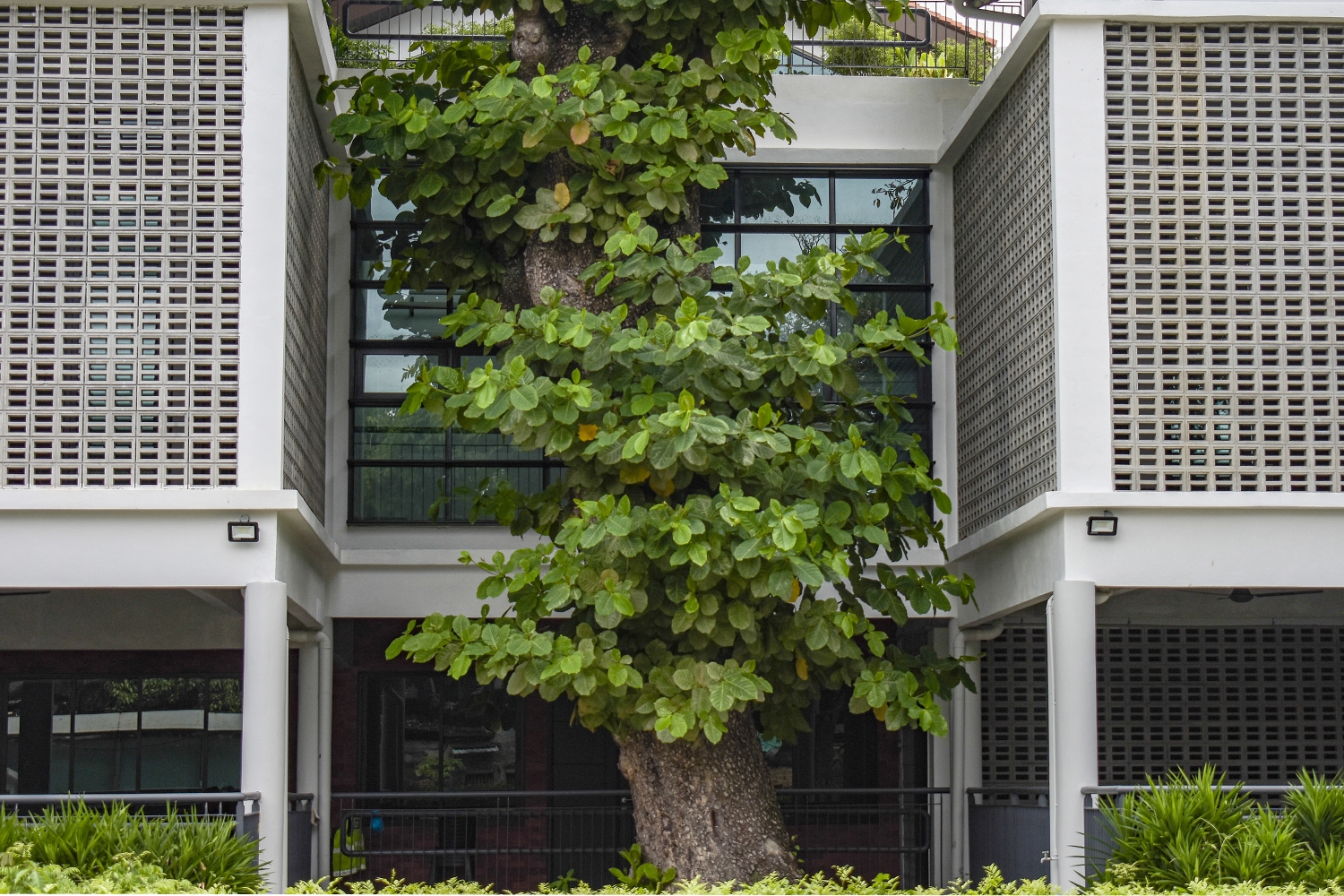
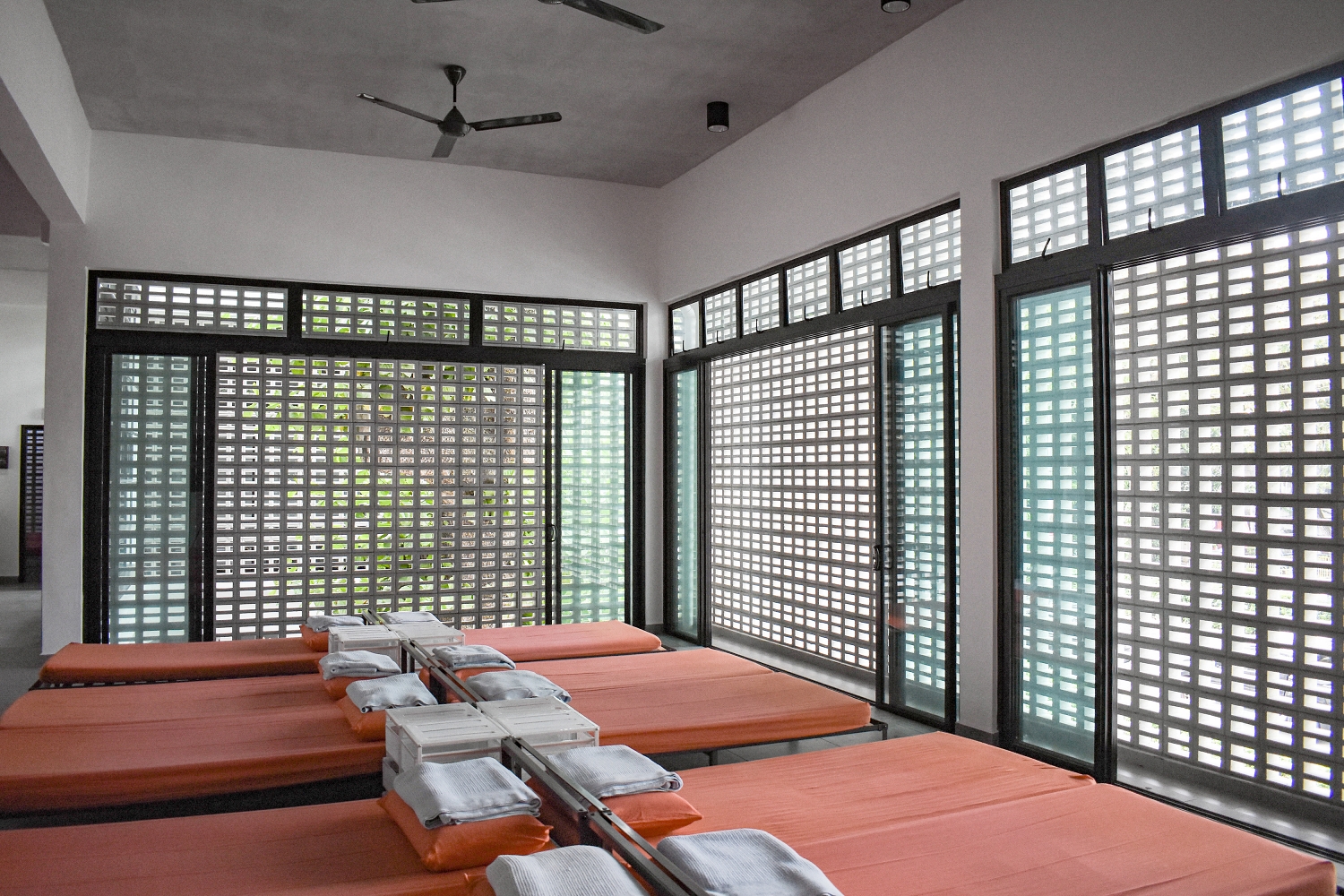
Of particular significance, spaces within this adaptive reused Night Shelter building are deliberately planned to surround and pay tribute to a significant “Terminalia Catappa” tree, commonly known as the Indian-Almond Tree, which has stood rooted and witnessed the transitions of the site over the years. Dormitories in the new wing are shaped into a U-shaped courtyard to make space for this heritage tree, which in return, yields a well-shaded and naturally ventilated indoor environment that brings the outdoors close to one’s fingertips. The courtyard feature is done with a contemporary twist to frame and to emulate the importance of air wells characteristic to the Southern Chinese Eclectic style heritage building back in the olden days. But to further enhance the building’s functionality, the external interfaces of these dormitories are donned in vent blocks but are also layered with sliding doors at the internal sides to ensure that while the benefits of blurring the boundaries of indoors and outdoors are provided to its users, appropriate shielding is also available in times of adverse weather. The overarching goal is to curate a contextually and environmentally responsive refuge for the unhoused to seek solace.
BREATHING IN A NEW LEASE OF LIFE
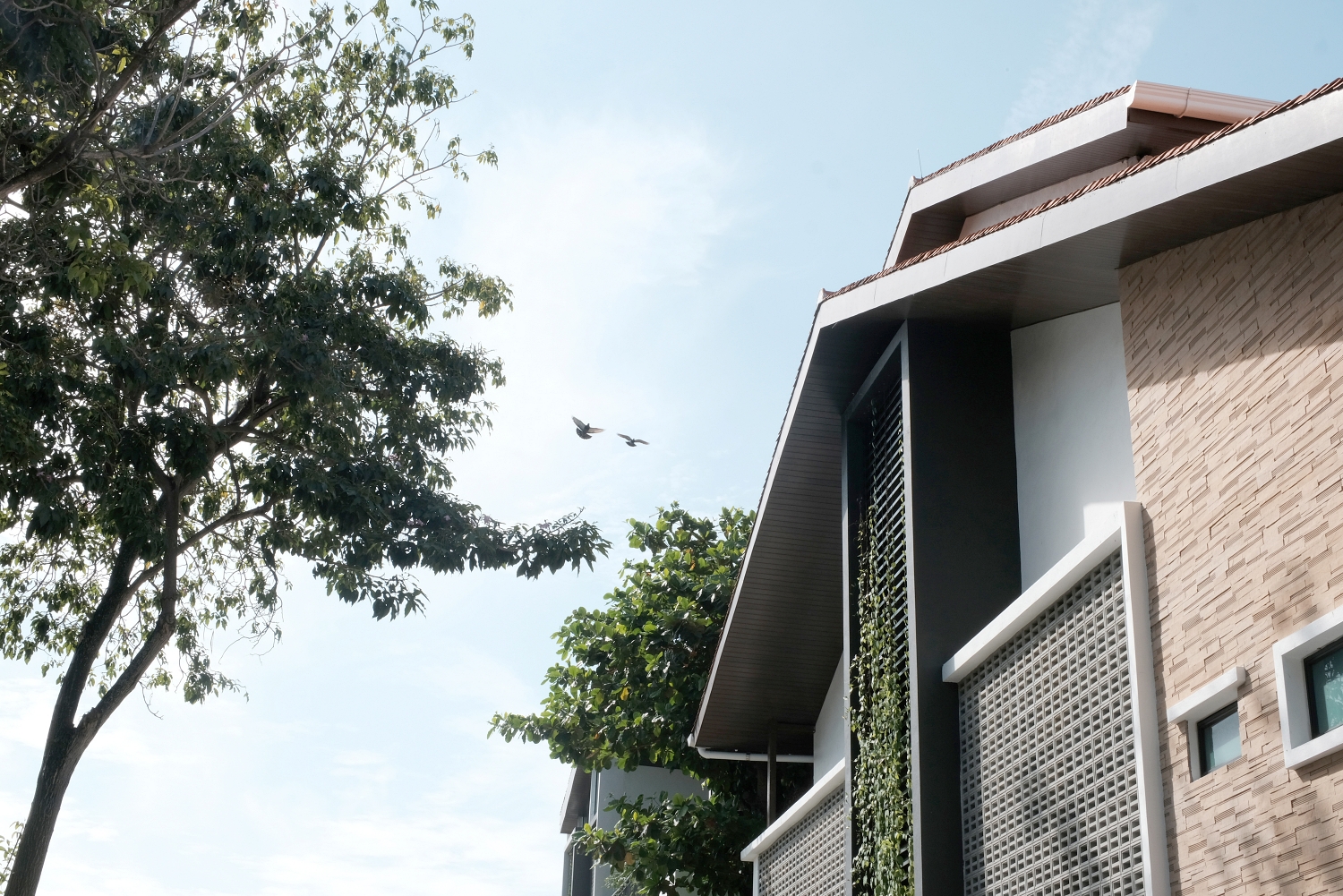
Combining the approach of preservation and rejuvenation, distinctive Southern Chinese Eclectic style façade identity, fenestration, features and elements are treated with all due respect. Throughout the process of rejuvenating the existing building, careful evaluation was done to identify and eliminate features not authentic to its architecture genre, ensuring that the end product is one that is true to its heritage values. As such, the once dilapidated exterior now boasts a fresh overall complexion with an outlook that corresponds with its roots.
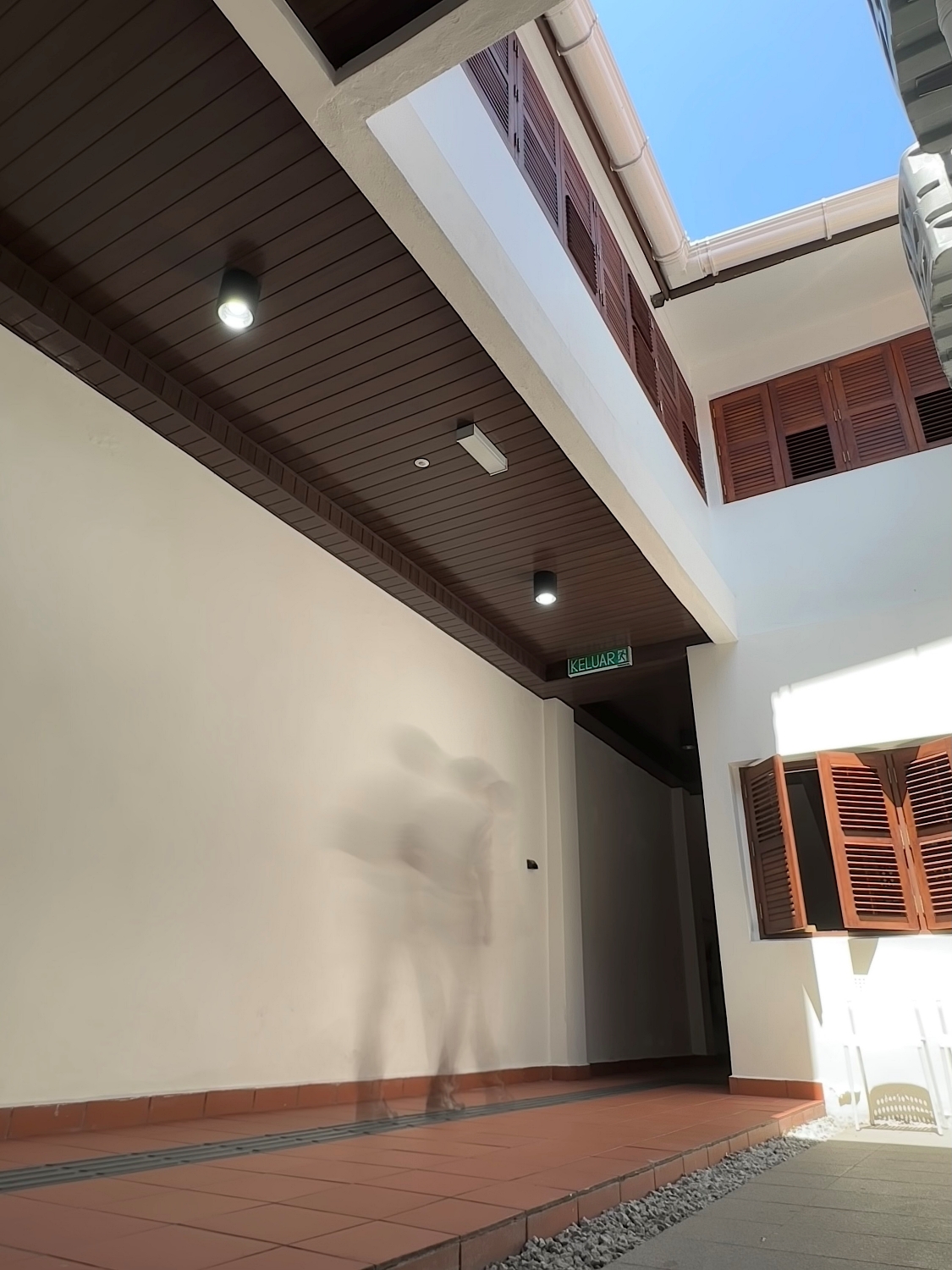
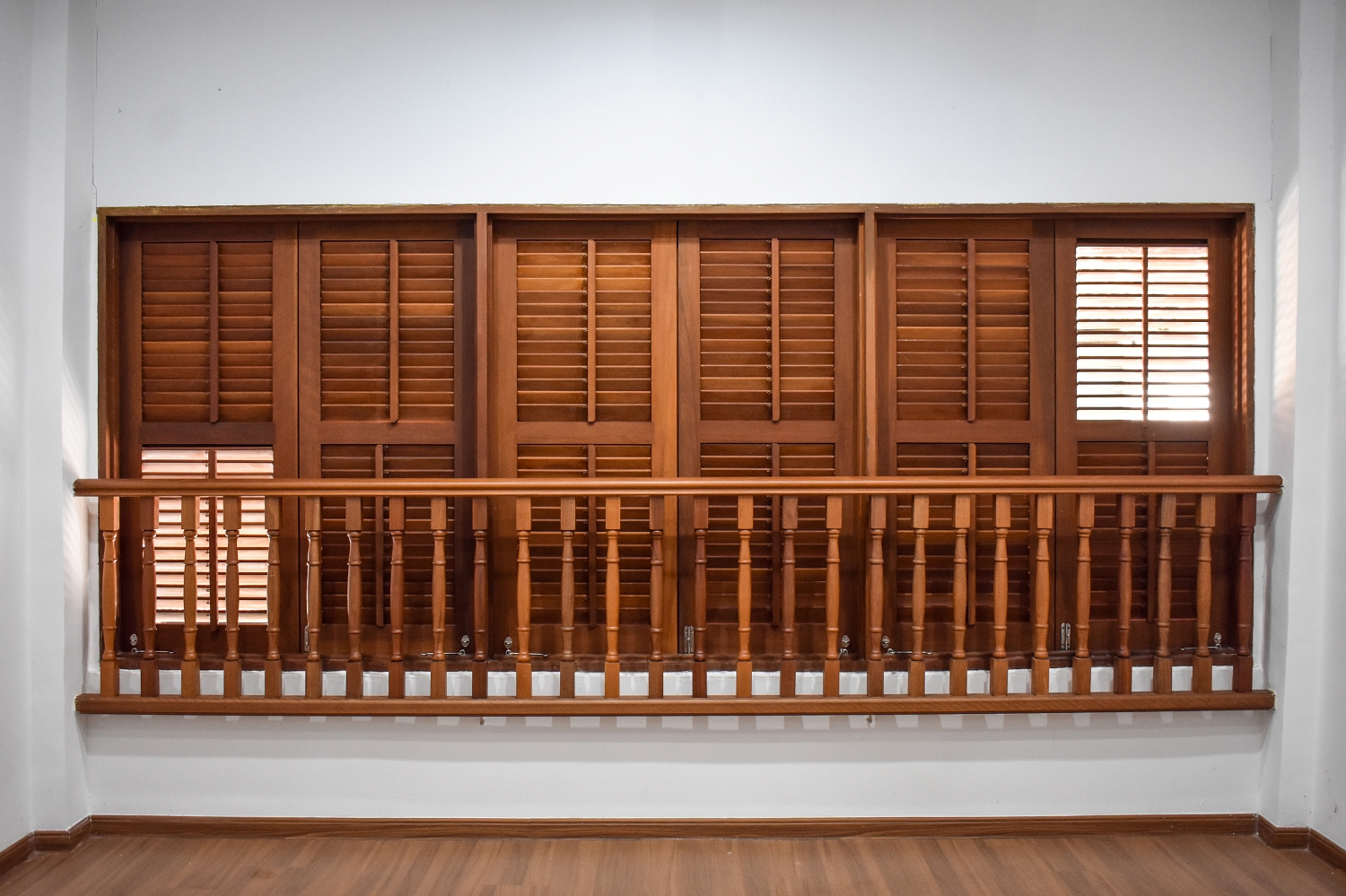
Specifically, the precious existing internal wooden louvres and timber ceilings are restored and given a facelift to revive their heritage essence and olden glory. The current workshops and co-working spaces feature these heritage louvred windows in the background, which when coupled with the scenic streetscapes and skyline of George Town that it frames, forms a backdrop that spells a rich tapestry of the old and the new.
Like many other heritage buildings within the local context of George Town, the existing heritage building features an air well a prominent architectural feature of the past proven to be effective in regulating indoor thermal environments, particularly in tropical settings. Hence, spatial planning and programming of the Night Shelter are curated in such a way that the main public programmatic elements are surrounded by the existing air well, ensuring that while the harvesting of natural daylight and ventilation into these spaces are optimised, its importance and advantages in helping to reduce a building’s dependency on energy consumptions can be demonstrated and subsequently be appreciated amongst users of these spaces. Today, the existing building’s main air well is spruced up with vibrance, forming part of the active workshop and co-working spaces abuzz with activities and happenings.
Also, the roofline of the building is designed to speak the same language as the surrounding local heritage site context, which is the pitched roof design. Recognising the practicality and functionality of the pitched roof design in the local climatic context, it is emulated in harmony and resonance but to further enhance the building’s operational sustainability, an additional layer of solar photovoltaic cells is adorned above the pitched roofs to harvest solar energy, utilising the system to reduce the Shelter’s energy bills, as well as enable more savings when excess solar energy is harvested.
PLACEMAKING
Adaptive reuse projects represent a powerful means of revitalising neglected or declining spaces, offering a transformative approach to urban renewal. By repurposing the existing derelict building, the Night Shelter exudes the potential to significantly enhance the quality and livelihood of homeless individuals around Georgetown while simultaneously fostering stronger community bonds. In the Night Shelter, the adaptation of the adaptive reuse initiative noat only fulfils the basic needs of homeless individuals but also injects vitality and purpose into an abandoned piece of the urban scape which would have otherwise, continued to be in its state of despair.
Through the revitalisation of urban neglected spaces, the Night Shelter now offers a multi-faceted solution to the issue of urban blight and homelessness, transforming the site into a thriving hub of community life. By harnessing the potential of these spaces, communities can unlock endless opportunities for growth and empowerment, ensuring a brighter future for the local Penangites alike.
ENVIRONMENTALLY SUSTAINABLE INTERVENTIONS
Primarily, the focal point characteristic of the Night Shelter which immediately greets its passers-by approaching the building along the bustling Jalan Magazine is none other than the courtyard starring a heritage ‘Terminalia Catappa’ tree. Internally on the first floor, the main dormitory components for the homeless are planned and curated around this tree to yield the various benefits of the courtyard design. While the courtyard serves the role of bringing the outside in and vice versa, its most crucial role is to create a well-shaded dormitory space with thermally comfortable indoor environments.
To further fortify the overall spatial experience, the external interfaces of these dormitories with the courtyard are coupled with the introduction of a full-height vent block wall to encourage optimised natural ventilation into the dormitories without compromising the privacy and safety of the street vagrants. Nevertheless, taking into meticulous consideration the building’s overall functionality in all weather conditions, sliding doors have also been introduced to function as an additional shield for the naturally ventilated vent block walls, shading the dormitories and their users from rain and splashes in events of heavy downpours.
In addition to the vent block feature, the Night Shelter also showcases a tall floor-to-floor height, topped with the jacked roof element designed to maximise both the benefits of natural ventilation and natural daylight harvesting. All these features enable a dormitory space that boasts optimised thermal comfort without the expense of high utility bills in order to ensure the building’s long-term operational sustainability. In comparison to the street citizens’ dilapidated living conditions at random corners of the city, it is strongly believed that these architectural interventions would sustainably create a rehabilitative abode for the street citizens to seek refuge during their transition process before re-integrating into society.
The Night Shelter also strives towards achieving the Triple Net Zero, which paved the efforts to further introduce a few other significant green features playing imperative sustainability roles. In particular, greywater recycling is incorporated into the building to maximize the usage of every gallon of water before it goes to waste. It is a green initiative which requires little or close to zero maintenance to play its role in reducing water consumption within the building. Greywater recycling comes in handy as it is capable of reducing up to 55% of potable water consumption required by harvesting and recycling all the greywater from shower and wash hand basins for landscape irrigation and janitorial usage purposes.
A SHELTER WHERE SOCIAL SUSTAINABILITY MATTERS
Also notable, the mercantile component of the Night Shelter is programmed at the restored heritage building frontage to seamlessly blend with its adjacent shophouses and streetscape. Here, public spaces for social interactions, gatherings and public interfaces are deliberately lined on the street level as a welcoming gesture to invite the local community and public alike to enter and soften their animosity towards the unhoused. Explicitly, spaces are created to foster the essence of social sustainability, playing their part to contribute to an all-inclusive community that encourages everyone to thrive.
On the ground floor of the heritage wing, the main reception and registration counter is allocated at the forefront to receive the street vagrants, or even the public who are interested in playing a contributing role to this community. This open plan space within the heritage shop lot is planned in such to play a frontage role amidst the local setting, and to flexibly and effectively cater for various usage, especially on occasions where there are events or programmes that call for public involvement. During the early design stage, priority has been given to creating spaces that encourage programmes of collaborative involvement between the public and the street citizens as these are believed to have a strong role to play in aiding the social well-being of the socially marginalised group by helping them gain confidence to re-orientate and re-purpose.
Meanwhile, on the street level of the newly constructed wing, training areas and the public dining room are planned in such a way to openly face the main courtyard, and subsequently, the main arterial road leading into George Town, creating a space of positivity and inclusion by all. The non-existence of visual barriers enables the shelter users to be connected to the surrounding happenings within the city, yet at the same time, it also resembles a social screen that provides the general public a glimpse into the day-to-day living and activities within the shelter. When the public gains awareness of the existence of such shelter and its purposes, it will eventually invite more public involvement of individuals, groups, corporations etc. who have the capacity to contribute, to come forward and play their social role in aiding the rehabilitation and well-being of the socially marginalised group from various possible aspects.
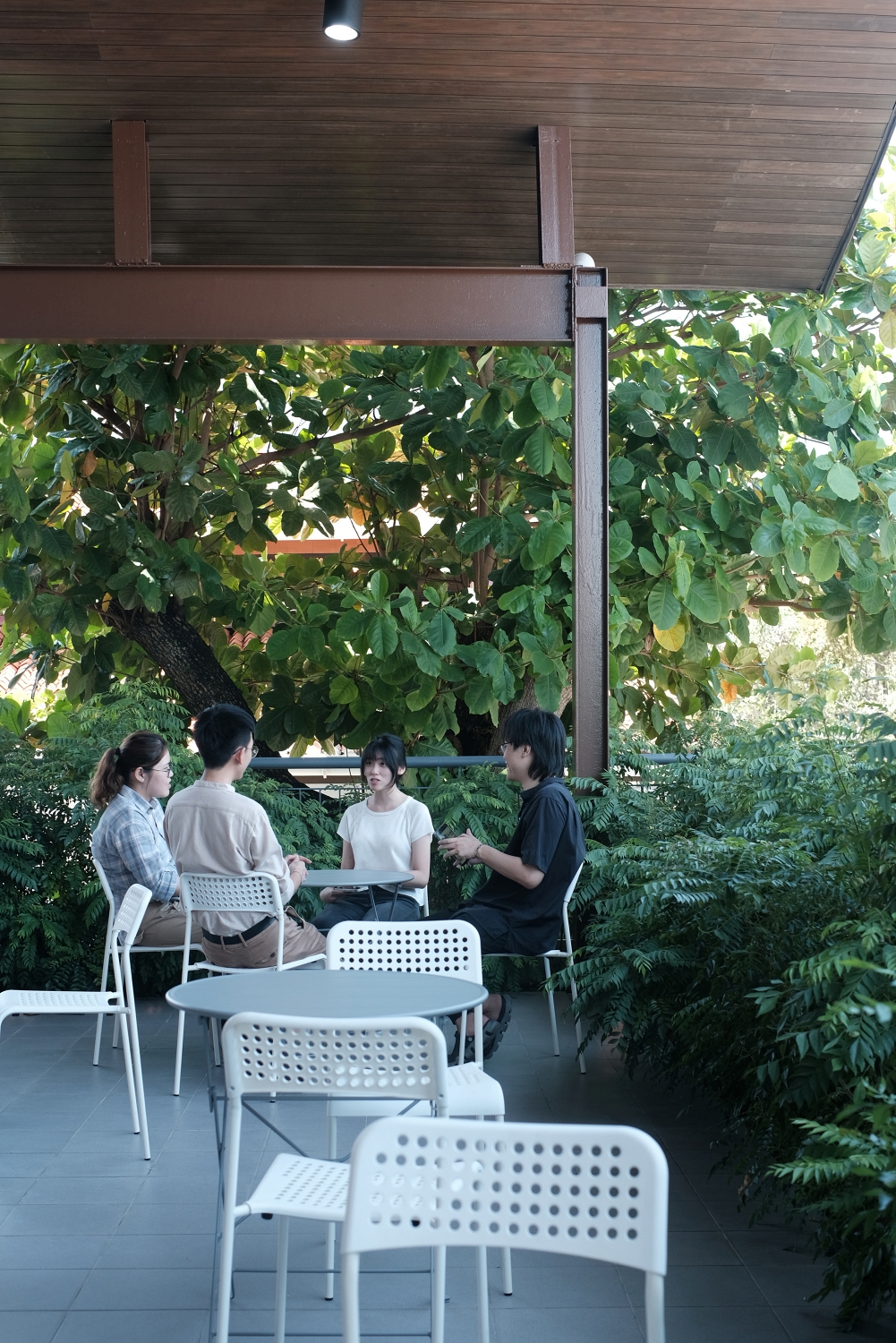
On the upper level, a series of workshops, co-working areas and a rooftop yard are curated as spaces for programmatic elements to take place. The naturally ventilated workshop and co-working spaces feature well-preserved Southern Chinese Eclectic style heritage fenestrations, providing space for vocational training to teach or sharpen the street vagrants’ skills to improve their future livelihood. Meanwhile, the spacious rooftop yard has a designated area catered for providing outsourced laundry services for the public which generates additional operational income for the shelter. At the same time, it can also be flexibly doubled as a social gathering space for the homeless to socialise and connect with one another.