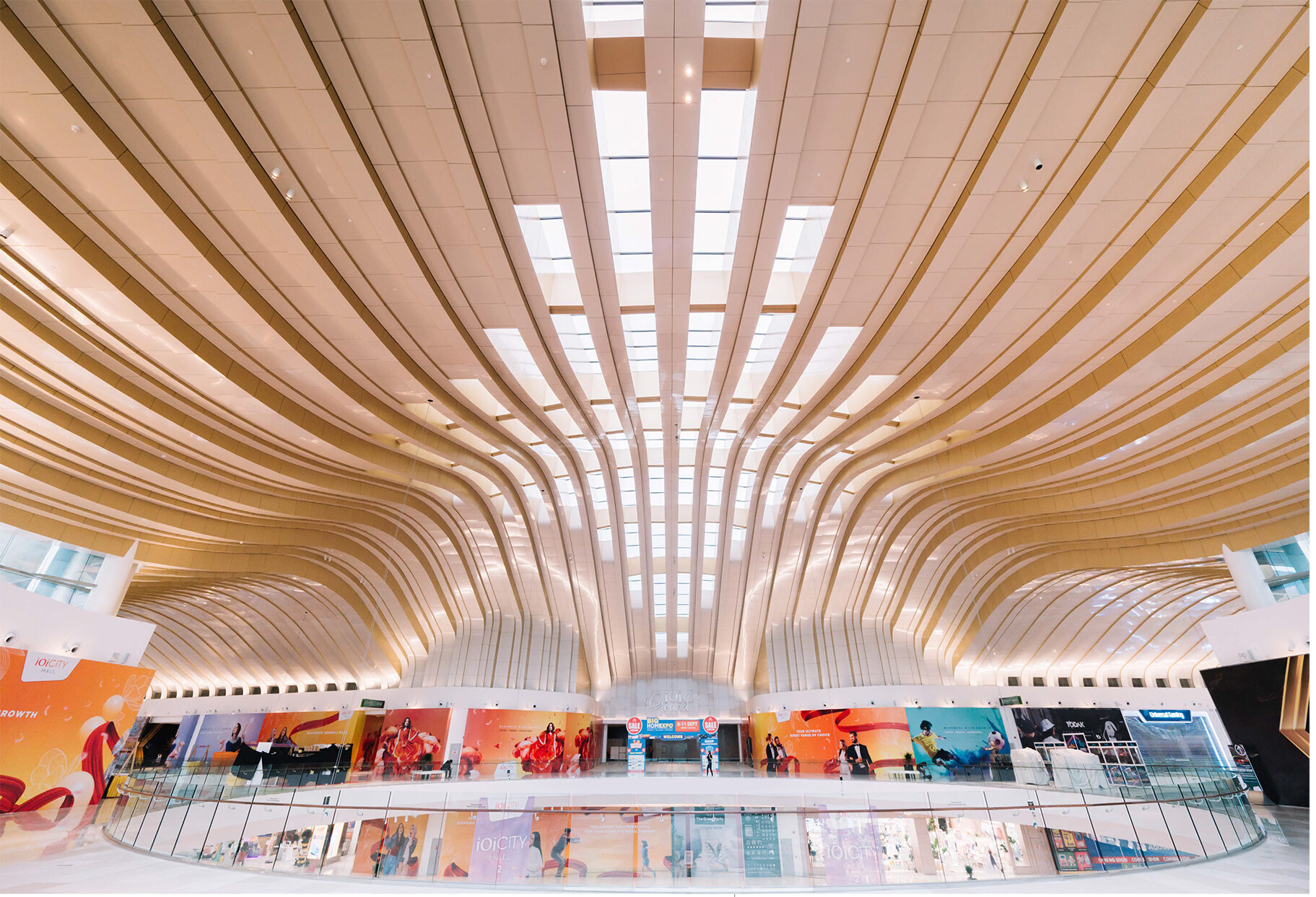
INTRODUCTION
IOI City Mall stands at the forefront of green retail spaces in Malaysia, blending commercial success with sustainability. Phase I, certified by the Green Building Index (GBI) in the Non-Residential Existing Building (NREB) category, and Phase II, pre-designed for GBI certification, set new standards in sustainable architecture. This article explores the green features of both phases, IOI Properties Group’s (IOIPG) sustainable roadmap, and how IOI City Mall exemplifies eco-friendly practices in Malaysia’s urban spaces.
IOI CITY MALL PHASE I: RETROFITTING FOR A SUSTAINABLE FUTURE
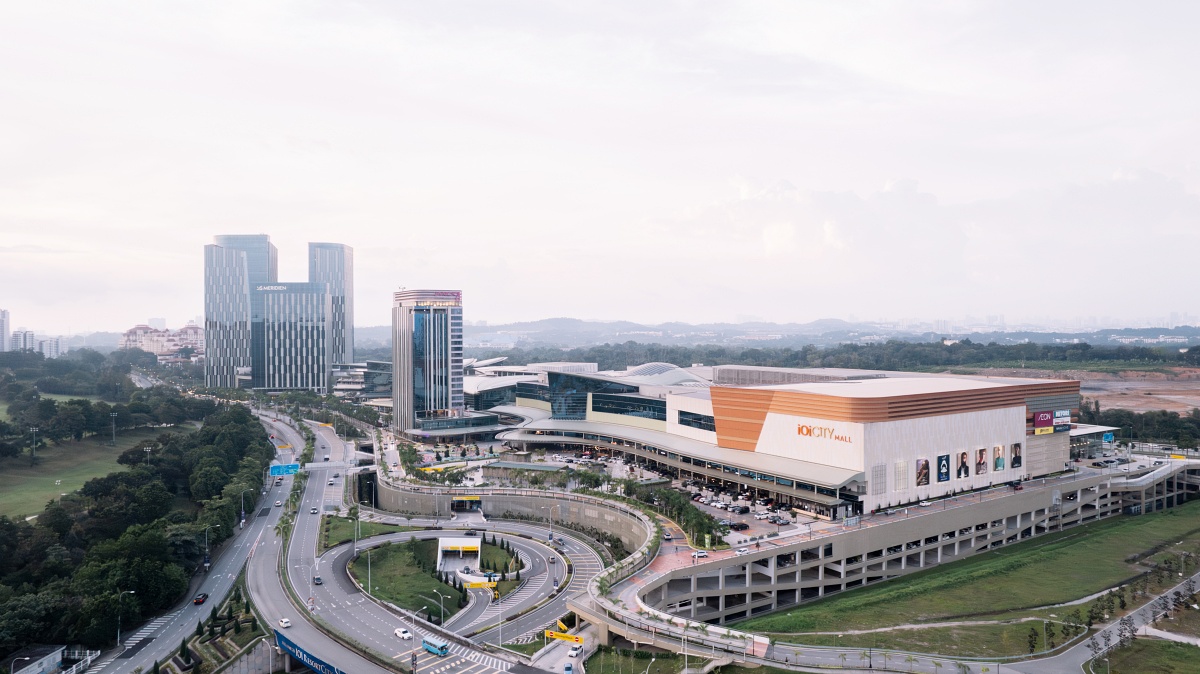
Since its opening in 2014, Phase I of IOI City Mall has been a major addition to Putrajaya’s retail landscape, with a net lettable area of 1.5 million sqft. Initially centred on luxury and visitor experience, the mall was later retrofitted to meet GBI standards, illustrating how even large-scale facilities can adopt green practices through retrofitting. This shift reflects IOIPG’s alignment with rising regulatory and stakeholder demands for Environmental, Social, and Governance (ESG) performance. Green design principles are now a core focus for IOIPG, which also adopts the Low Carbon Cities Framework as part of its commitment to an environmentally conscious future.
DESIGN INITIATIVES
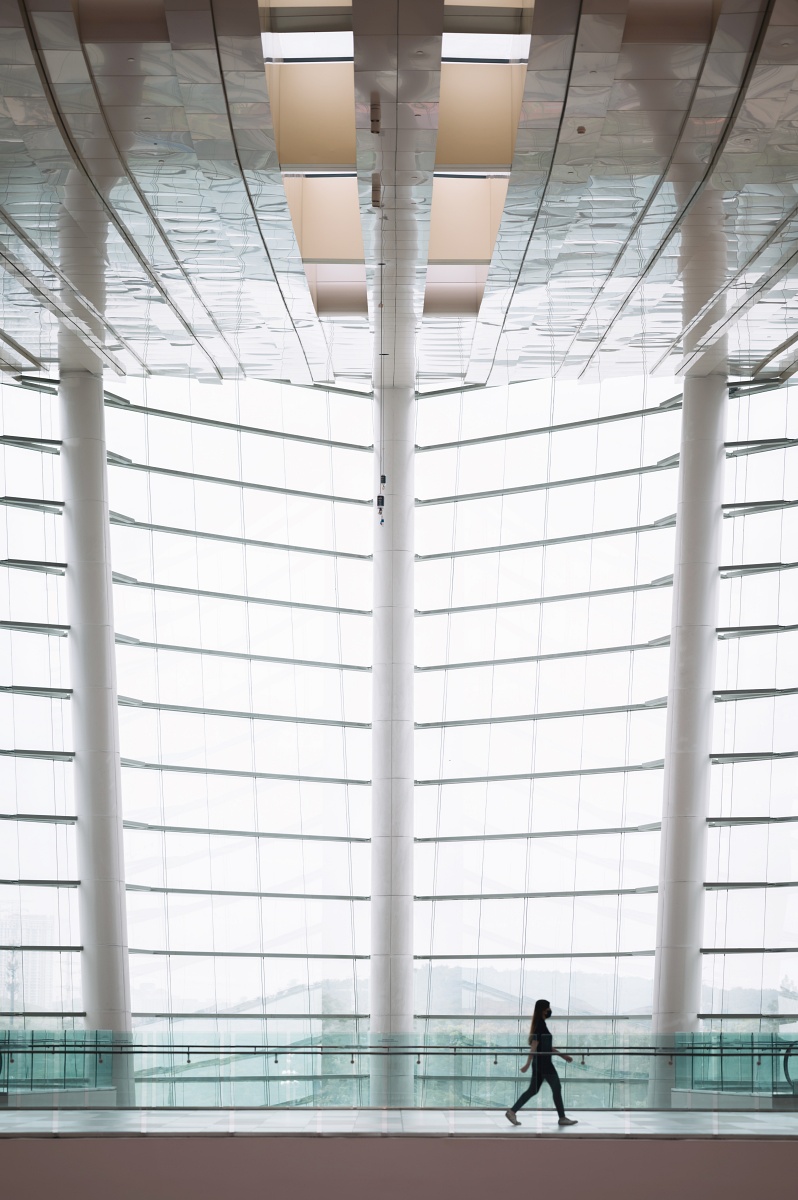
Retrofitting efforts in Phase I emphasised enhancing passive design to lower energy consumption and improve indoor comfort. High-performance glazing was installed to reduce solar heat gain, minimising dependence on air conditioning. Additionally, the mall’s orientation was optimised to allow natural daylight without overheating, reducing the need for artificial lighting and ensuring a comfortable environment for visitors. A significant upgrade was the installation of solar panels across nearly the entire rooftop, supplying a substantial portion of the mall’s energy and aligning with Malaysia’s renewable energy goals. Another notable feature is the thermal energy storage (TES) system, which chills water at night when electricity rates are lower and uses it during the day to regulate temperatures efficiently. This system enhances peak load management, reducing both costs and environmental impact. Digital meters and light sensors are also installed to monitor and increase power efficiency.
WATER CONSERVATION MEASURES
Phase I also incorporated water conservation practices essential for GBI certification. A rainwater harvesting system collects water for non-potable uses such as landscaping and cooling towers, while water-efficient fixtures further reduce consumption. These initiatives align with Malaysia’s broader water sustainability efforts, setting a standard for water management in large-scale developments.
SOLAR PV AND IOI PG’S 2030 ROADMAP
The mall’s solar PV system is an integral part of the IOI Sustain Roadmap 2030, demonstrating IOIPG’s commitment to sustainability. As Malaysia’s largest mall solar PV system, it marks a significant step in reducing IOI City Mall’s carbon footprint. This initiative reflects the ambition to make IOI City Mall a zero-carbon facility by 2030, a milestone in sustainable retail and an inspiration for similar projects.
CHALLENGES IN RETROFITTING
Retrofitting Phase I to meet green standards posed challenges, especially in adapting existing infrastructure to support sustainable technologies. However, this process highlights the potential for transformation even in large structures, underscoring the importance of adaptability in green buildings.
IOI City Mall’s sustainability journey serves as a benchmark for green retail and
a beacon of inspiration for architects, developers, engineers, and communities to embrace a sustainable future.
IOI CITY MALL PHASE II: EMBEDDING SUSTAINABILITY FROM INCEPTION
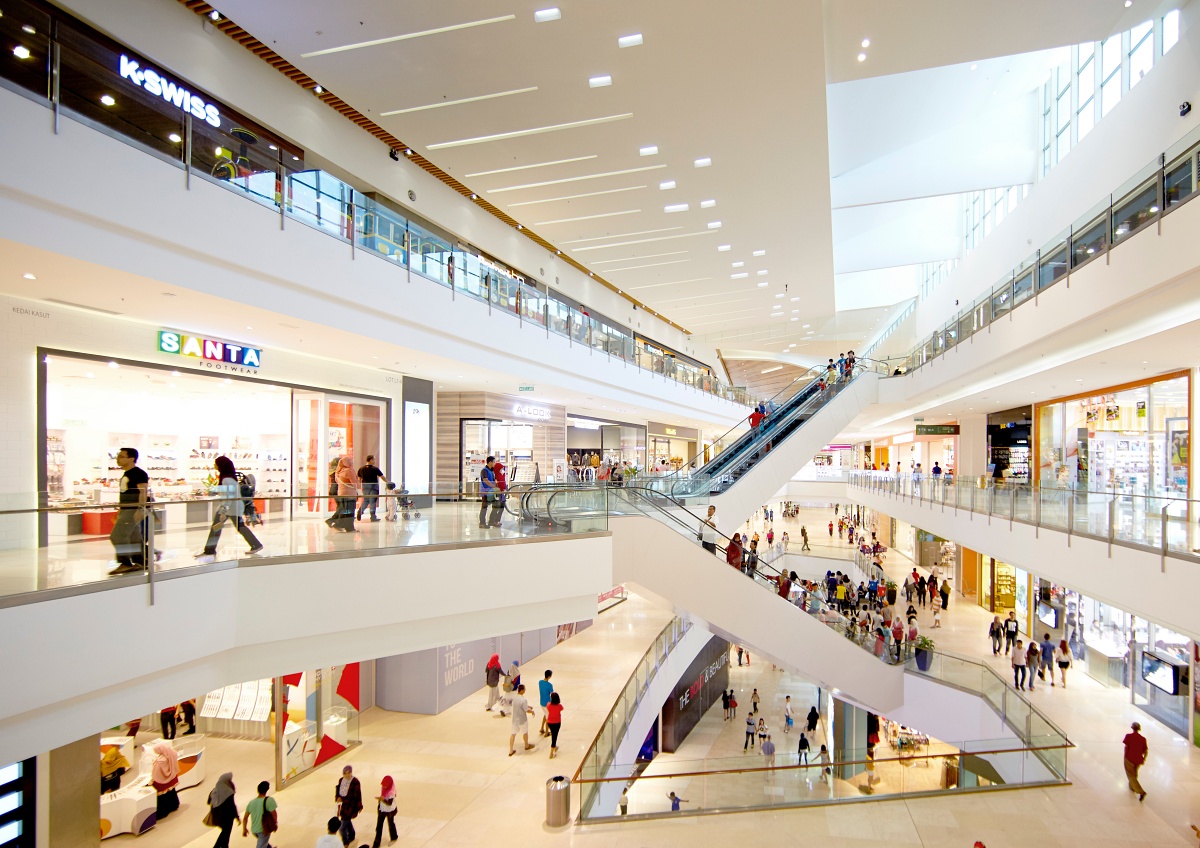
Completed in 2022, Phase II of IOI City Mall was designed with sustainability as a primary objective, utilising the GBI rating tool to integrate eco-friendly features throughout. Expanding the mall by an additional 1 million sqft, Phase II brings a new level of green architecture, combining passive design strategies with active energy systems. It solidifies IOI City Mall’s status as a green retail destination and sets benchmarks for sustainable malls in Malaysia.
OPTIMISING PASSIVE DESIGN AND THERMAL COMFORT
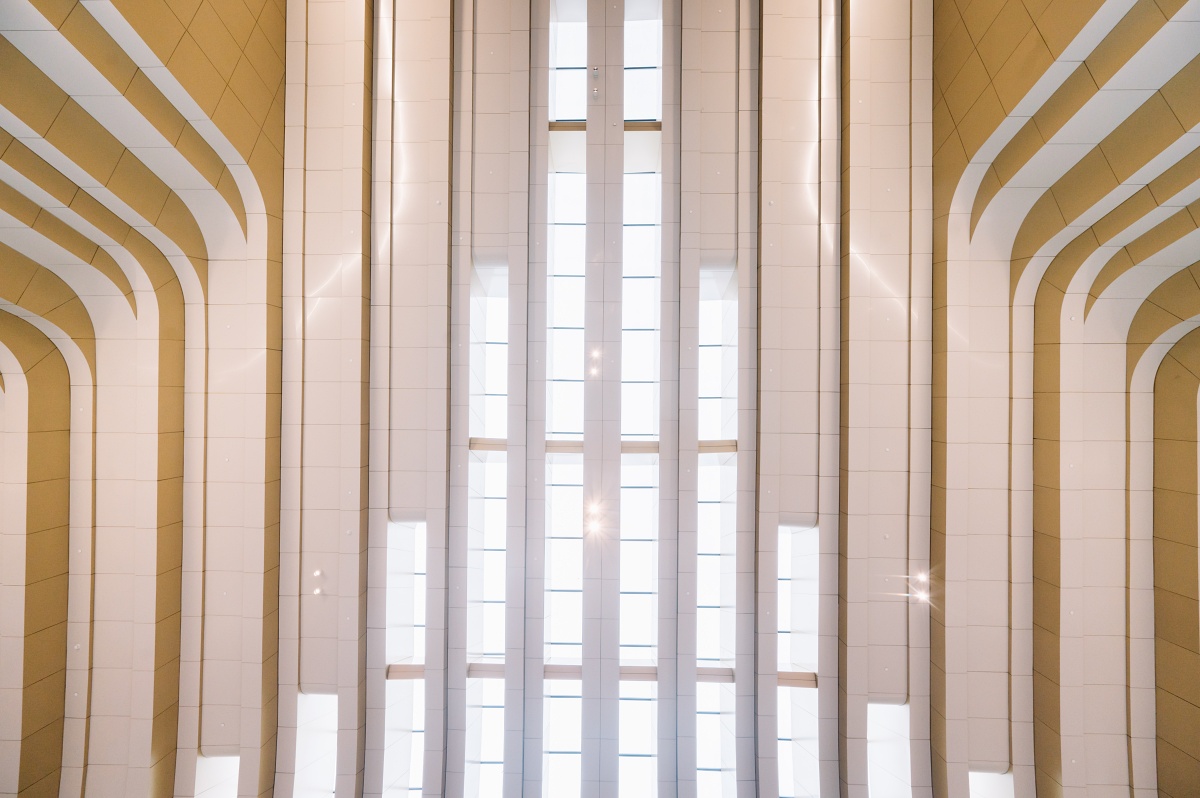
Phase II exemplifies passive green design, including a high-performance façade that reduces solar heat gain and extensive shading that promotes natural daylight, reducing artificial lighting needs and overall energy demand. The sports centre housed within the mall complex was designed to be completely naturally ventilated to avoid air-conditioning.
Thermal comfort is further enhanced by a TES system that, as in Phase I, shifts energy usage to off-peak hours, providing stable indoor temperatures and reducing peak energy demand. The TES integrates with the mall’s energy management systems for peak efficiency, maintaining optimal comfort while minimising environmental impact. A strong focus on indoor air quality is evident in the air-conditioning system, which provides fresh air and maintains optimal lighting, ensuring a healthy environment.
WATER EFFICIENCY AND CONSERVATION
Phase II builds on the water-saving measures introduced in Phase I. An advanced rainwater harvesting system captures water for landscaping and toilet fittings, enhancing the mall’s sustainable water profile and supporting long-term water security. Additional water-saving features include water sub-meters linked to the EMS, which monitor major water usage and facilitate early detection of leaks, reducing water wastage.
RENEWABLE ENERGY INTEGRATION AND VISION FOR 2030
Aligned with IOIPG’s 2030 roadmap, Phase II includes additional rooftop solar PV installations, making it one of Malaysia’s most extensive mall solar systems. This renewable energy source supplies much of the mall’s power, lowering greenhouse gas emissions and minimising dependence on grid energy. This solar PV initiative exemplifies the drive toward creating a zero-carbon shopping and lifestyle destination by 2030.
ECO-FRIENDLY MATERIALS AND WASTE MANAGEMENT
Phase II emphasises waste reduction through efficient management systems and eco-friendly materials. Waste sorting stations throughout the mall encourage recycling, while construction materials were selected for low environmental impact and recycled content. These initiatives support a circular economy model, reducing waste generation throughout the mall’s lifecycle.
ADDRESSING DESIGN AND IMPLEMENTATION CHALLENGES
Designing Phase II to meet sustainability targets from the outset presented challenges, especially in harmonising various green technologies. Ensuring seamless integration of the Building Management System (BMS), solar PV array, and TES required careful coordination. These efforts, however, resulted in a sustainable retail space model that prioritises energy efficiency, lowers operational costs, and enhances the shopping experience.
SOCIAL AND COMMUNITY IMPACT
IOI City Mall goes beyond infrastructure by fostering environmental awareness among visitors. Digital displays showcase the mall’s sustainability efforts, from solar energy use to water-saving practices, encouraging the community to adopt sustainable habits. Efforts to bring natural light and ventilation into the three levels of basement parking have reduced power consumption and enriched the shopper experience.
By positioning itself as a green communal space, IOI City Mall plays a pivotal role in promoting sustainability in Putrajaya’s urban landscape. Additionally, the mall includes a bus terminal within its premises to encourage public transport use, reducing carbon emissions. The car park facility is equipped with a parking guidance system to reduce idle time and emissions, a ticketless License Plate Recognition (LPR) system to eliminate paper waste, and electric vehicle charging stations to promote sustainable transport choices.
CONCLUSION
IOI City Mall Phases I and II illustrate the potential of sustainable practices in large-scale retail environments. By retrofitting Phase I and pioneering green standards in Phase II, the mall is setting an example for sustainable commercial spaces in Malaysia. The IOI Sustain Roadmap 2030, combined with Malaysia’s largest mall solar PV system, reaffirms IOIPG’s vision of uniting business success with environmental responsibility.
The GBI certification for IOI City Mall marks an exciting milestone in the project team’s sustainability journey, a testament to their dedication to minimising environmental impact while enhancing stakeholder value and preserving resources for future generations. IOI City Mall’s sustainability journey serves as a benchmark for green retail and a beacon of inspiration for architects, developers, engineers, and communities to embrace a sustainable future.
BEI (kWh/m²/yr):
Phase 1:
265 kWh/m²/yr (BEI retail
baseline 583 kWh/m²/yr)
Phase 2:
271 kWh/m²/yr (BEI retail
baseline 583 kWh/²/yr)
Energy savings as compared
to average Malaysia office
building (%):
savings as compared to average Malaysia retail building = (271/583 x 100)-100
OTTV (W/m²):
Phase 1: 38.36 W/m²
(OTTV max 50 W/m²)
Phase 2: 31.02 W/m²
(OTTV max 50 W/m²)
Phase 1:
23% improvement as compared to MS1525
= (38.36/50 x 100)-100
Phase 2:
38% improvement as compared to MS1525
= (31.02/50 x 100)-100
Phase 1: 3,564 kWp
Phase 1: 6.24%
% of construction waste diverted from landfill via recycling:
Phase 2: 65%