
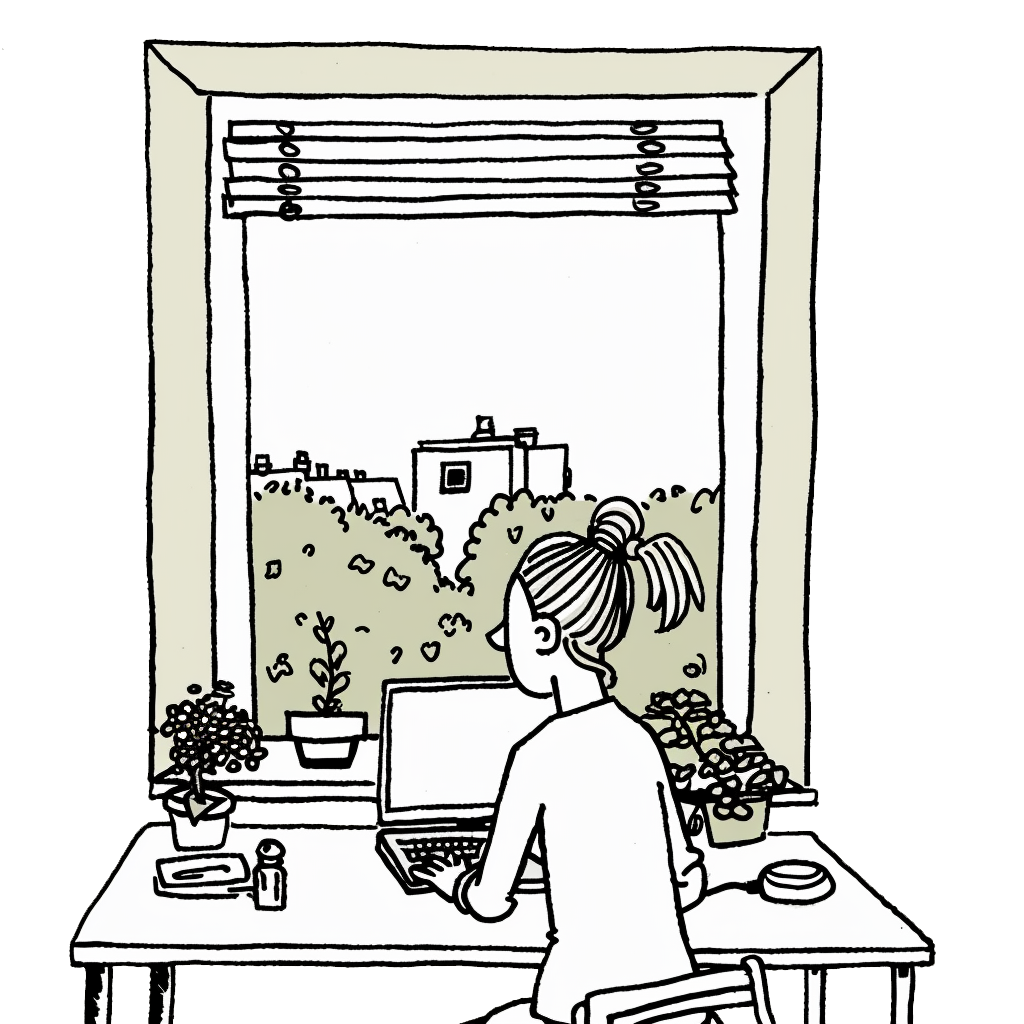
Mottainai (Japanese: もったいない or 勿体無い) is a Japanese phrase conveying a sense of regret over waste. I first learnt of the Japanese term ‘mottainai’ from reading about the work of Wangarĩ Maathai, a Kenyan social, environmental, and political activist who founded the Green Belt Movement — an environmental non-governmental organisation focused on the planting of trees, environmental conservation, and women’s rights. In 2004 she became the first African woman to win the Nobel Peace Prize. Maathai was an active advocate of the mottainai philosophy of making do with less, coupled with the broad-hearted desire to serve others in our immediate environment. In other words, being sustainable requires us to change ourselves in a big way, adopting a new way of life instead of training a few new habits.
In our fast-paced world, the pursuit of sustainability often feels like an overwhelming task. A year or so ago, I stumbled upon ‘A Monk’s Guide to a Clean House and Mind’ by Shoukei Matsumoto. I write this article with both the philosophy of mottainai and practical lessons from the monks to explore how simplicity, mindfulness, and gratitude can guide us to live sustainably and joyfully. Having gratitude for an abundance of resources
1. HAVING GRATITUDE FOR OUR RESOURCES
Gratitude is central to monastic life. Every object, no matter how small, deserves care and respect. Are we truly grateful for the resources we are blessed with? We are truly blessed to be alive at this time in human history and development with conveniences our ancestors two generations ago could have only dreamt of having. Hence, it would be good to take a few moments a day to reflect on the resources you have, whether it’s the food you eat, the air you breathe, or the water you drink.
From this sense of gratitude, the mottainai mindset of avoiding waste naturally arises and naturally guides our instincts on how we consume the resources we are blessed with. At home, my wife and I often discuss what we might need to buy for the household. Making decisions on the weekly groceries are routine tasks we do not dwell on, but we do spend time before committing to other household items. We pause and ask ourselves: ‘Do we really need this? How will it serve the home, and how long will it last?’ We aim to buy only what is necessary and choose products of a higher quality that have minimal packaging or are made sustainably.
Sometimes, the answer is to ‘buy nothing’. My wife has been part of a few Facebook ‘buy nothing’ groups which are essentially communities for finding new owners for things that we no longer have use for. Before the birth of our first child, she did an ISO (in search of) post in the group, requesting baby items. Within 6 hours, she had three mothers offering preloved items. I remember feeling so impacted by the power of social media, connecting a person in need with a person seeking to pass something on. Through this arrangement, new life is breathed into these items for the second or maybe third time for as long as there is still life in the item.

2. MINDFUL WASTE MANAGEMENT
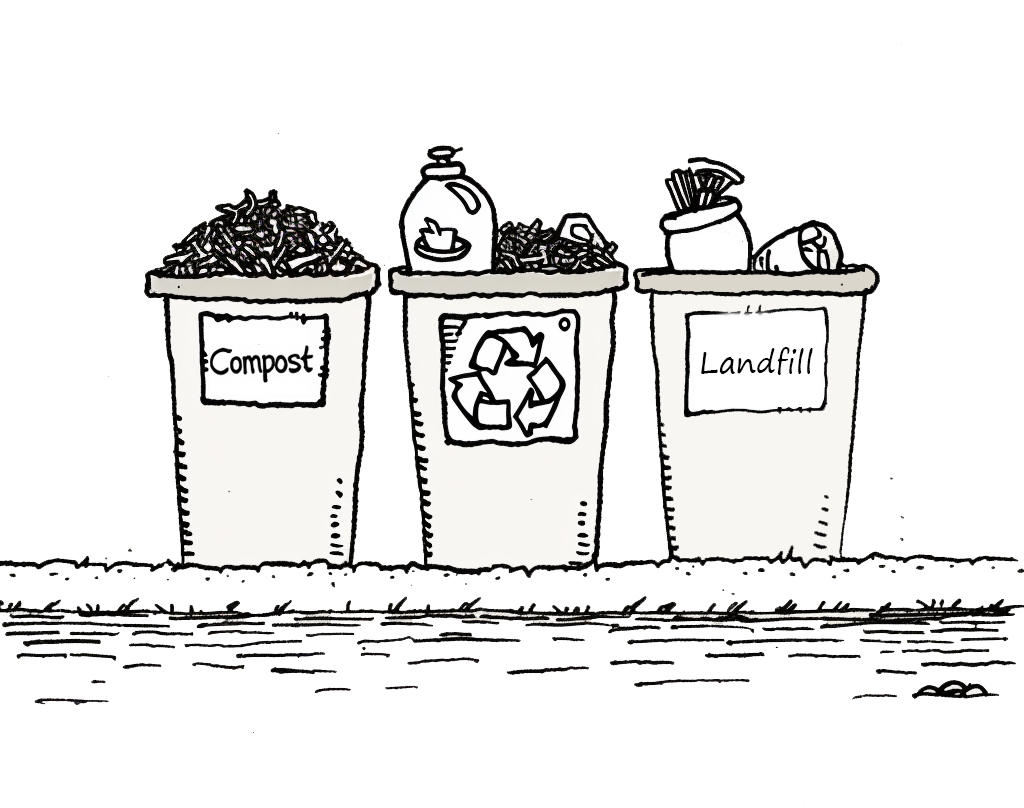
Next, we come to how things should be discarded. At home, we have consciously adopted a waste separation regime that works for us. Waste is sorted into three categories: recyclables, compost and landfill.
Recyclables are sorted by category, and once a month we organise for them to be recycled through a community NGO involved in monetising recyclables to help fund other charitable ventures.
At the same time, we refrain from using single-use containers, bottles or bags as a family. Instead, we carry reusable water bottles, coffee cups, and shopping bags by storing them in the car. During the pandemic, we made it a point to occasionally buy food from local vendors to support businesses during the lockdowns. We bought tiffin carriers and reusable plastic containers and we avoid using single-use containers as much as we can.
3. MAKING SURE THERE IS A HOME FOR EVERYTHING
As architects, we tend to be more sensitive than others to the efficient uses of space and creating clutter-free environments. It is one thing to live as a minimalist and another thing altogether to have neat clutter, clutter-free living spaces. It would wager that it is more practical to aspire towards achieving the latter. Part of living sustainably and only buying what is required is to have the discipline to create a home for everything and have the discipline to return everything to its ‘home’ after use. In that way, we do not unnecessarily waste time or money buying items we most likely already have.
Start with designing organisational structures for household items by creating a general inventory for each room or area. Once you have everything on paper, it would be easier to group items together and find a suitable home for all items.
4. ECO-CONSCIOUS CLEANING ROUTINES
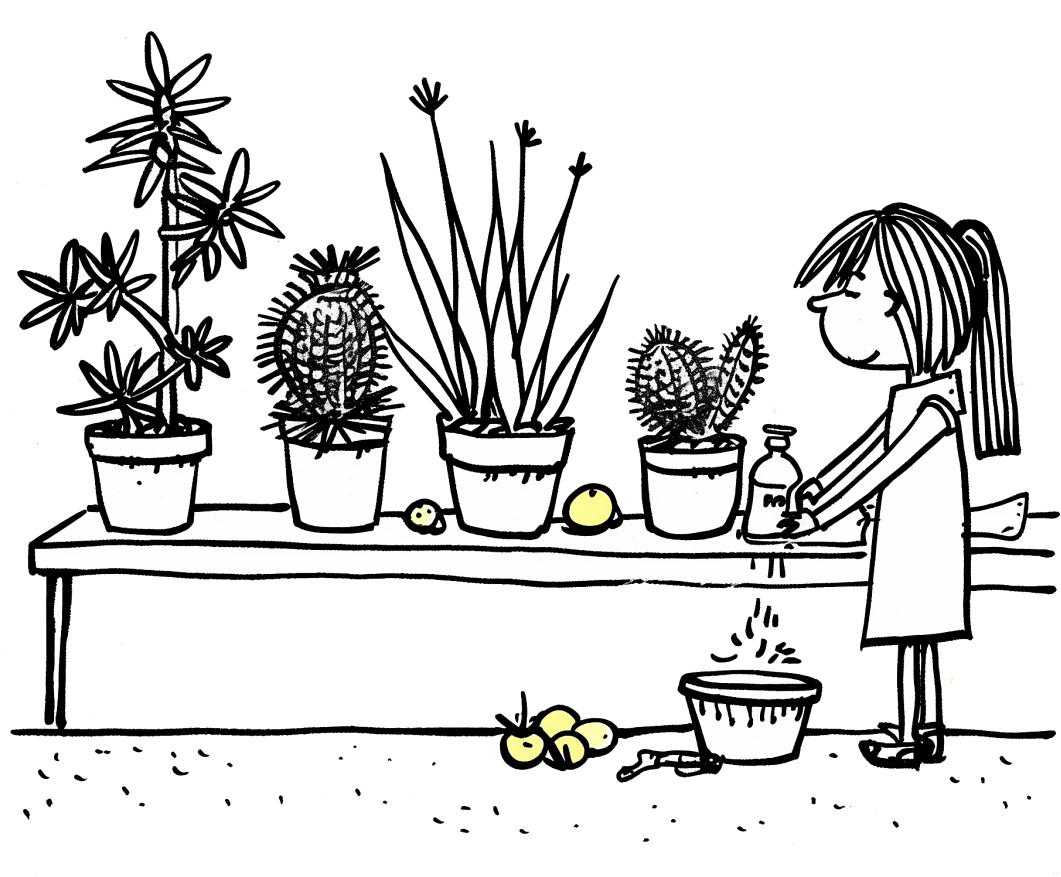
As an extension to avoiding single-use containers, we ended up looking into eco-friendlier domestic cleaning products, liquid handwash, shampoo and body soaps instead of relying on the off-the-shelf items found at the hypermarkets. These products can be sourced from a number of eco-friendly businesses where you may refill old bottles from home. Alternatively, make your own cleaning solutions by using ingredients like vinegar, lemon, and baking soda.
A few years ago, we invested in a pressure steam cleaner which we use to remove soap scum and stubborn stains in our bathrooms without the need for strong cleaning chemicals. The steam cleaner also converts into a steam mop to allow for a deeper cleaning of floor surfaces.
Taking steps to live in a more sustainable way may initially cost a bit more. Still, in return, you have the peace of mind that you are not inadvertently exposing yourself to harmful chemicals or releasing the same back into the environment.
5. CONSERVE ENERGY BEFORE JUMPING ON THE SOLAR PV BANDWAGON
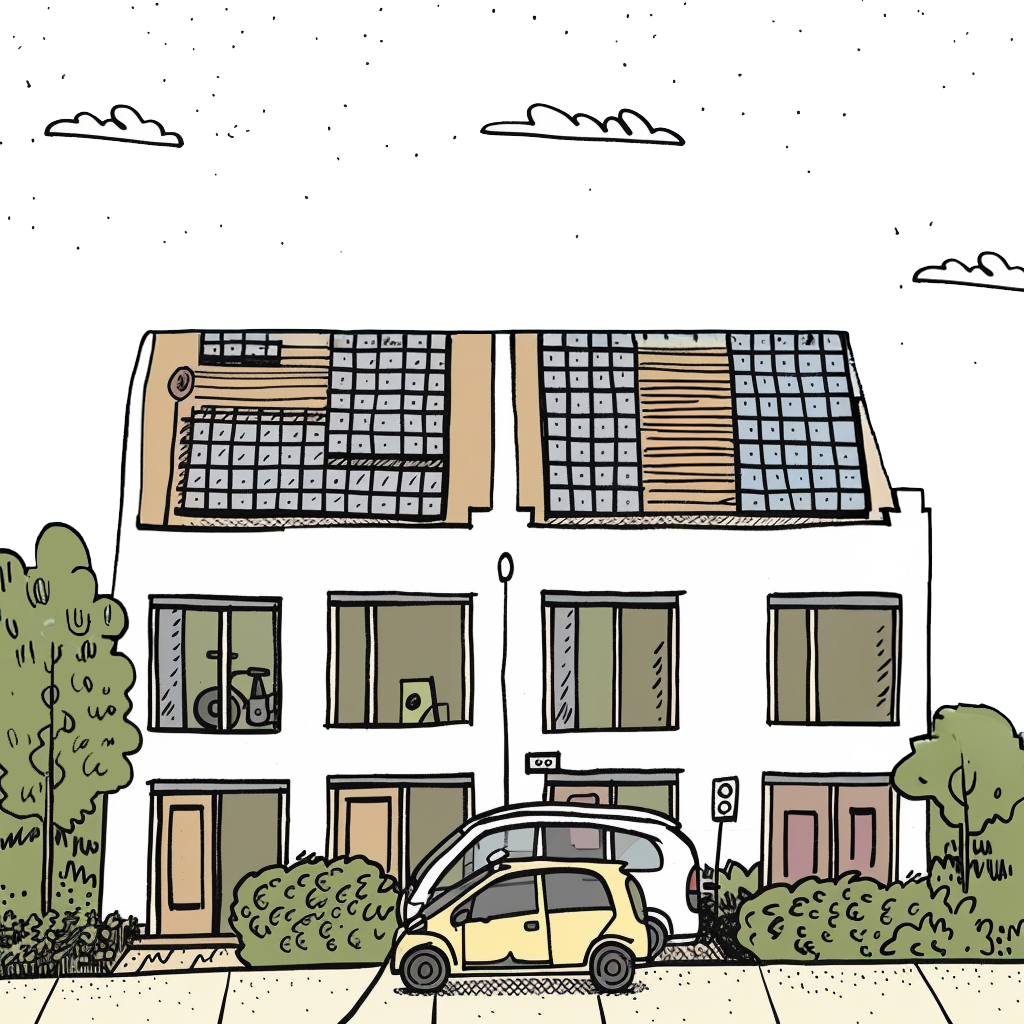
I did it too. I would be considered one of those who eagerly jumped onto the solar PV bandwagon 2 years ago. It was a time when the domestic electricity tariffs were increasing, and in the post-pandemic reality, many of us were consuming more electricity than before. After installing a modest 9 kWp system, the electricity bill was reduced significantly for us. However, after some months, it started to creep back up as we were consuming more energy due to the false economy of having solar panels on the roof.
What I did next was to do a self audit of all the major electrical appliances at home — starting with the air conditioners and the refrigerator. The air conditioner we used the most was the unit in the master bedroom. The unit was an older 1.5HP non-inverter model rated at 3270 kWh/year. We replaced it with a 1.5HP inverter model rated at 961 kWh/year. We did the same for the refrigerator — we replaced the older model with a larger but more energy-efficient fridge. At the same time, we became mindful of not wasting energy unnecessarily, i.e. turning lights and appliances off after using them. Without major changes to our lifestyle, we are now able to match our consumption with what our roof is able to generate.
The above five practices are the few things we practice as a family. There is much more we can do to live sustainably. As young parents we are mindful about the values we wish to pass down to our children especially the values related to how we consume resources in our daily life. We may not have fully adopted a monk-like lifestyle expected of a full-fledged, but I do believe that every effort to live sustainably can collectively make a big difference.