
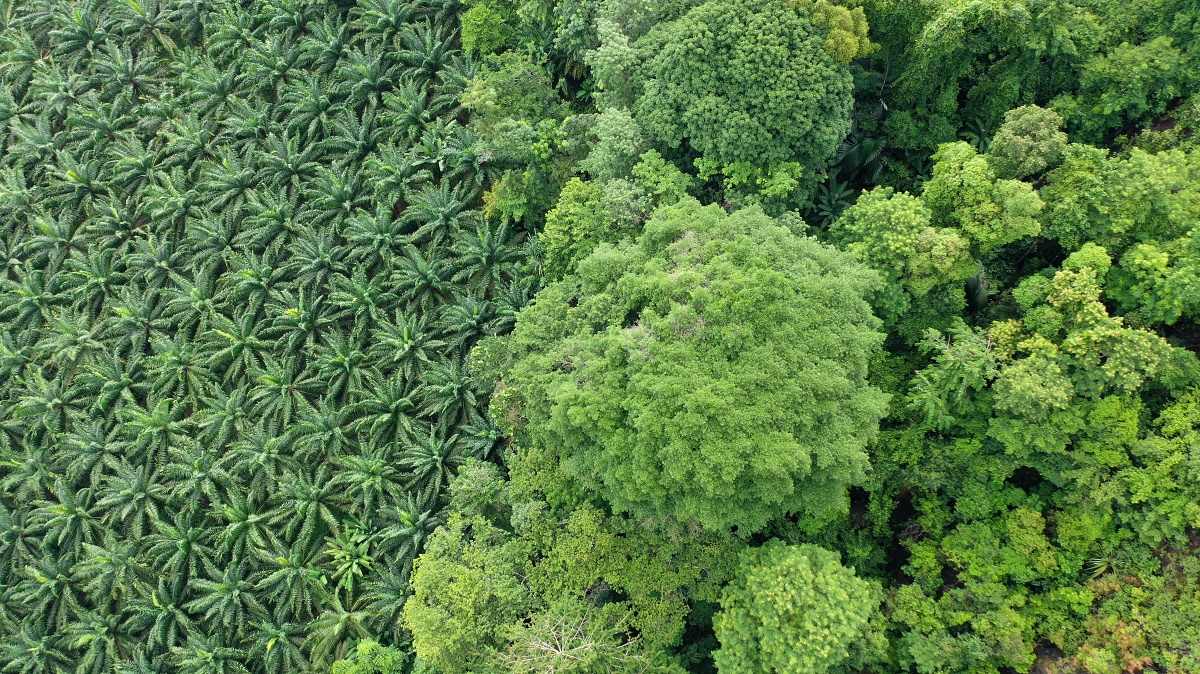
The climate crisis is not a fiction but the same prisoner’s dilemma applies if we continue to see the environment as an externality. The same old cliches would see dealing with climate as a cost and keep debating who should bear the cost. What if dealing with the climate can be a source of growth? What if the growth we pursue itself can be inherently green?
The Unity Government led by Prime Minister Datuk Seri Anwar Ibrahim has set the narrative right. In the Madani Economy Framework unveiled by the Prime Minister in July 2023, he articulated the idea of both “raising the ceiling” and
“raising the floor” at once. In other words, in every economic action we pursue, we are very clear that we no longer subscribe to the idea of growth for its own sake, and we also move on from the old idea of trickledown economics which basically argues that as long as there is growth, any growth, the benefits would trickle down to the messes without any other action.
The Madani Economy Framework is reinforced by the National Energy Transition Roadmap (NETR) and the New Industrial Master Plan 2030 (NIMP 2030). The NETR outlines the need and opportunities for new investments to the tune of RM1.2 – RM1.3 trillion into greening the economy and to achieve net zero.
The NIMP 2030 made a major departure from the previous approach towards industries. NIMP 2030 adopted the idea of “mission” advocated by Mariana Mazzucato, that the economy requires the policy makers to have clear missions and steer the capitals or investments into achieving those missions. NIMP 2030 set out four concurrent missions for the new wave of industrialisation, namely:
First, to build a more complex economy; Second, to tech up, as in to innovate, to use more technology, to automate, or to use AI; Third, to push for net zero; and Fourth, to ensure economic security and inclusivity. Building on the announcement by former Prime Minister Datuk Seri Ismail Sabri on Malaysia attaining net zero “as early as 2050”, Prime Minister Anwar has now set that Malaysia will reach net zero “by 2050”. It is a major step taken by the government and this will guide our economic decisions moving forward.
The National Investment Council chaired by Prime Minister Anwar has approved the Green Investment Strategy in its July meeting, which set out clearly from the quick wins of solar panels and electric vehicles to the main focus of carbon storage and green hydrogen, to new opportunities and emerging frontier of technologies.
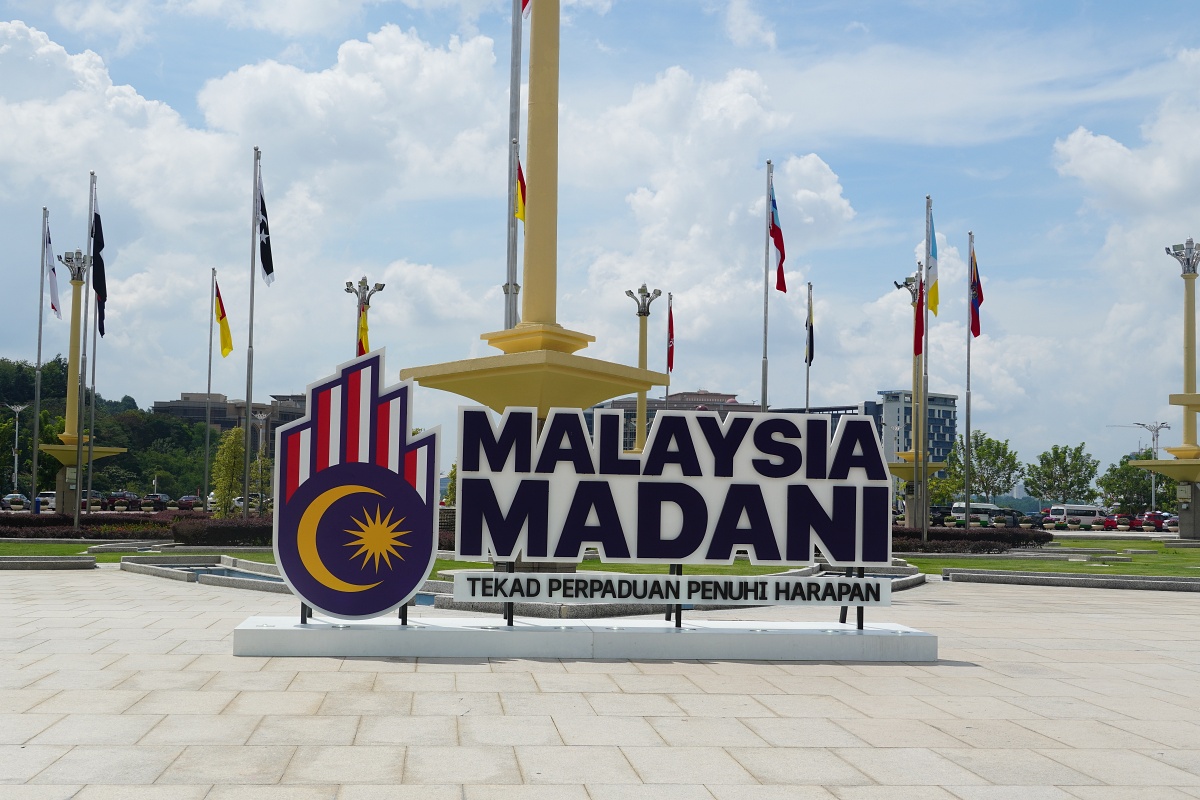
While there is a long road ahead in our nation’s push to net zero, I am glad that this Government has put in the right framework and has accepted the intellectual premise that growth has to be green, and green growth is an opportunity, not a burden.
Mazzucato, in her book Mission Economy, used the case of the Apollo Project to put man on the moon to showcase how new innovations such as GPS or baby formula were created in order to achieve a mission: to put United States astronauts on the moon by the end of 1960s. The same goes to the rush to develop Covid-19 vaccines. When the world put its resources on an urgent mission to save lives and indeed to save humankind, several vaccines were created in less than a year.
Hence, when we think about investing, we need to be reminded that investing is not for investment’s sake. Investment’s ultimate aim is to solve a certain societal problem, not just to make profits.
While we may forget, it was not lost on the leaders and policymakers when Malaysia first embarked on export-oriented industrialisation back in the early 1970s. We as a young nation then, allowed for factories to be set up in Penang, Petaling Jaya, and Shah Alam, to create jobs that pay better than traditional jobs in the domestic sectors to deal with the explosive growth of the post-war baby boomer population who needed jobs when they grew into adulthood by the 1960s.
To think about growing green or green growth in Malaysia in the 2020s, there are several paradigm shifts we will need to make and also to bring the society along. The climate debate has often been adversarial but we have a chance to make it more consensual.
First, we will have to be very clear that investments must bring domestic benefits and articulate them clearly. These investments shall not have adverse impacts on the climate too. The National Investment Aspirations and the goals set out in NIMP 2030 should be the subjects of public discussions and not just the absolute monetary value of a certain investment project.
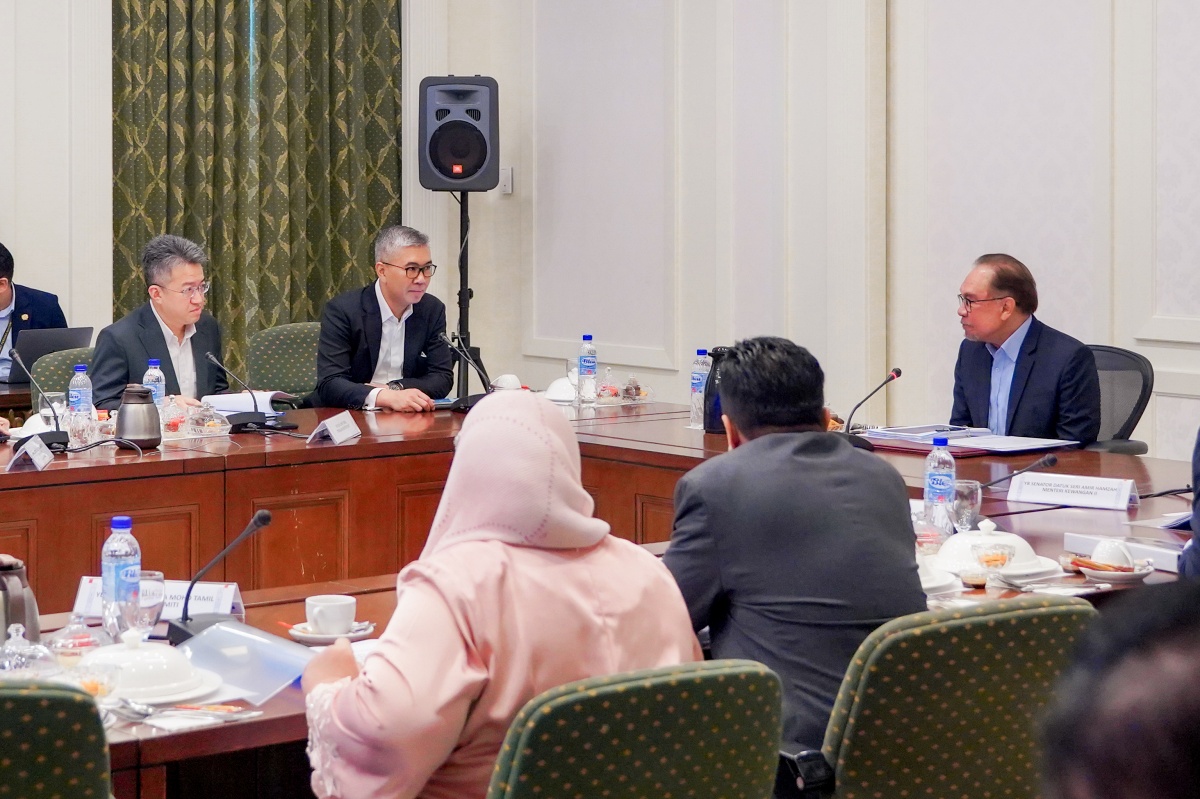
We will need to articulate how each investment creates jobs and provides a boost in the journey of our nation’s push for net zero. For instance, Tengku Zafrul Aziz, Minister of Investment, Trade and Industry, appointed an independent committee chaired by HSBC CEO Datuk Omar Siddiq to look into the twin sustainability of the iron and steel industry, namely how to strengthen the financial viability (“financial sustainability”) of the sector and reach Malaysia’s net zero goal (“environmental sustainability”) at once.
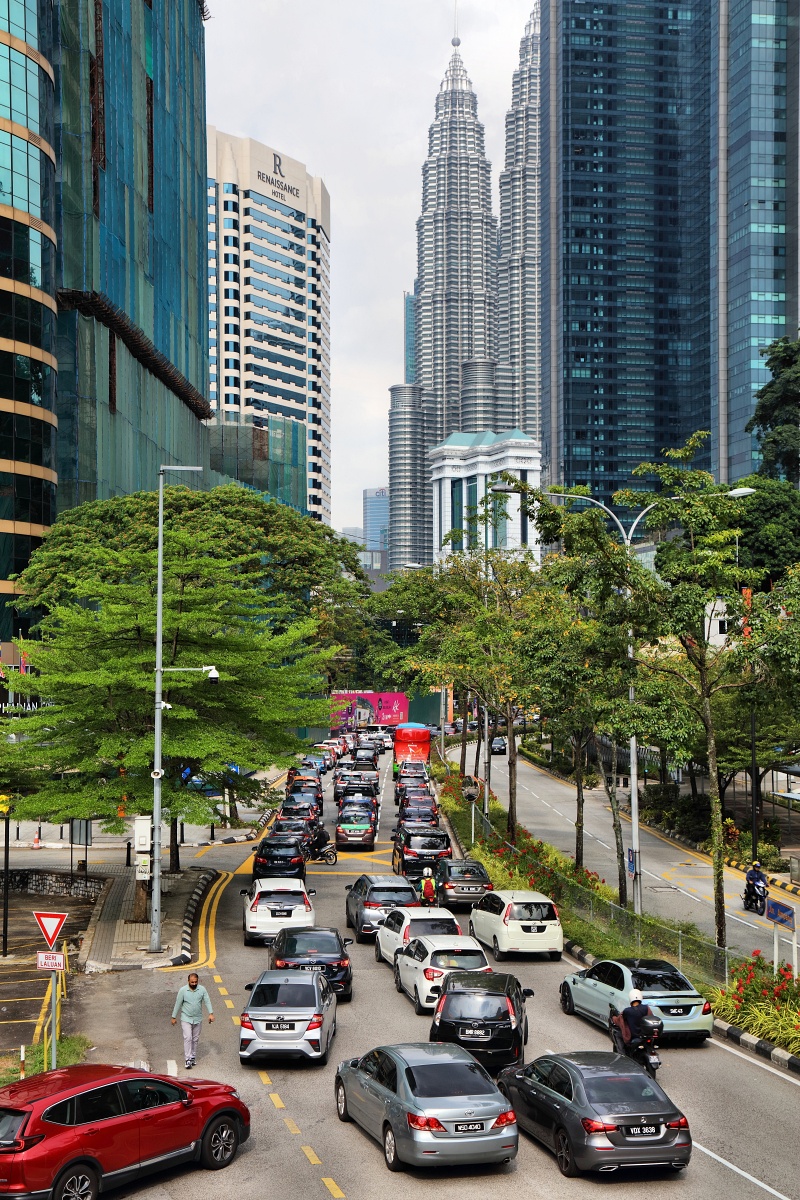
Second, we have to balance supply and demand. Malaysia is good at planning supply and meeting most of the supply requirements, such as electricity and other infrastructure. When we face a problem, our instinct is to provide additional supply. One classic example is congestion. When there is traffic congestion, we build more roads. But if we look carefully at the problem, the jam happens only during peak hours, not during the other 80 or 90 percent of the time. Shouldn’t we also look at demand management? For instance, there is this age-old debate about toll roads. How about creatively re-purposing the toll roads so that a discount is given during non-peak hours and through which a “reverse congestion pricing” is put in place without having to change anything else. As far as water is concerned, not only we should keep building more water supply, we should invest more into upgrading our piping system to reduce non-revenue water, as well as targeting the large users to get them to review their production processions to save water.
Third, the bigger challenge is how we deal with our cities. We need to bring people back into the cities and stop sprawling the cities. Once more people are living in inner cities, they don’t need to own a car and that will change the usage pattern of energy and other resources, as well as costs of building infrastructure.
I have repeatedly explained how moving more people back into inner cities is a great green investment and growth opportunity.
Fourth, Malaysia must be at the forefront of innovating affordable technology to solve our problems including food security and climate challenges. For instance, the Netherlands is a major exporter of food and agricultural products despite its small geographical size and limited resources. It is technology that tilts the balance. Malaysia has the best weather for most agricultural products. We should therefore invest into agritech and Malaysia should be known as the leader in green technology on all fronts.
Fifth, getting the price right. Very often those who think that the push for net zero is a cost centre is looking at the current price structure. We will have to create a new price structure. For instance, we will have to start the conversation of carbon measurement, pricing, trading and taxing as soon as possible. Malaysia is blessed with the fact that we have plenty of land covered by forests and potentially more secondary forest. If there is a right price for carbon offset, protecting our forests would be something both noble and one that generates sustainable revenue.
Getting the price right also includes dealing with the federal-state incentive structure. At the moment, most of the revenue generated by the state governments are from exploiting natural resources and sprawling the cities, or for using lands in a way that is not sustainable. We need to get the price right to create more mechanisms for the states to generate revenue from sustainable sources. One example is the ecological fiscal transfers (EFT), through which the federal government incentivises the states for protecting and expanding nature forest reserves and protected areas. More such mechanisms should follow to set the price right.
Over the past year, the Unity Government has set the right framework and we are moving along the right track, but there are a lot more whole-of-government mindset shifts and whole-of-society consensus building that we will have to embark on together.
Liew Chin Tong is the Deputy Minister of Investment, Trade and Industry. He is currently the Member of Parliament for Iskandar Puteri, after being elected on 19 November 2022. He is also the State Assemblyperson for Perling, Johor. He was a Senator in Dewan Negara (17 July 2018 to 17 July 2021) and served as Deputy Defence Minister from 17 July 2018 to 24 February 2020.