Adaptive Re-Use - Gold ARCHITECT: CKHO Architect CLIENT: GLG Global Sdn Bhd CONTRACTOR: GC Heritage Sdn Bhd
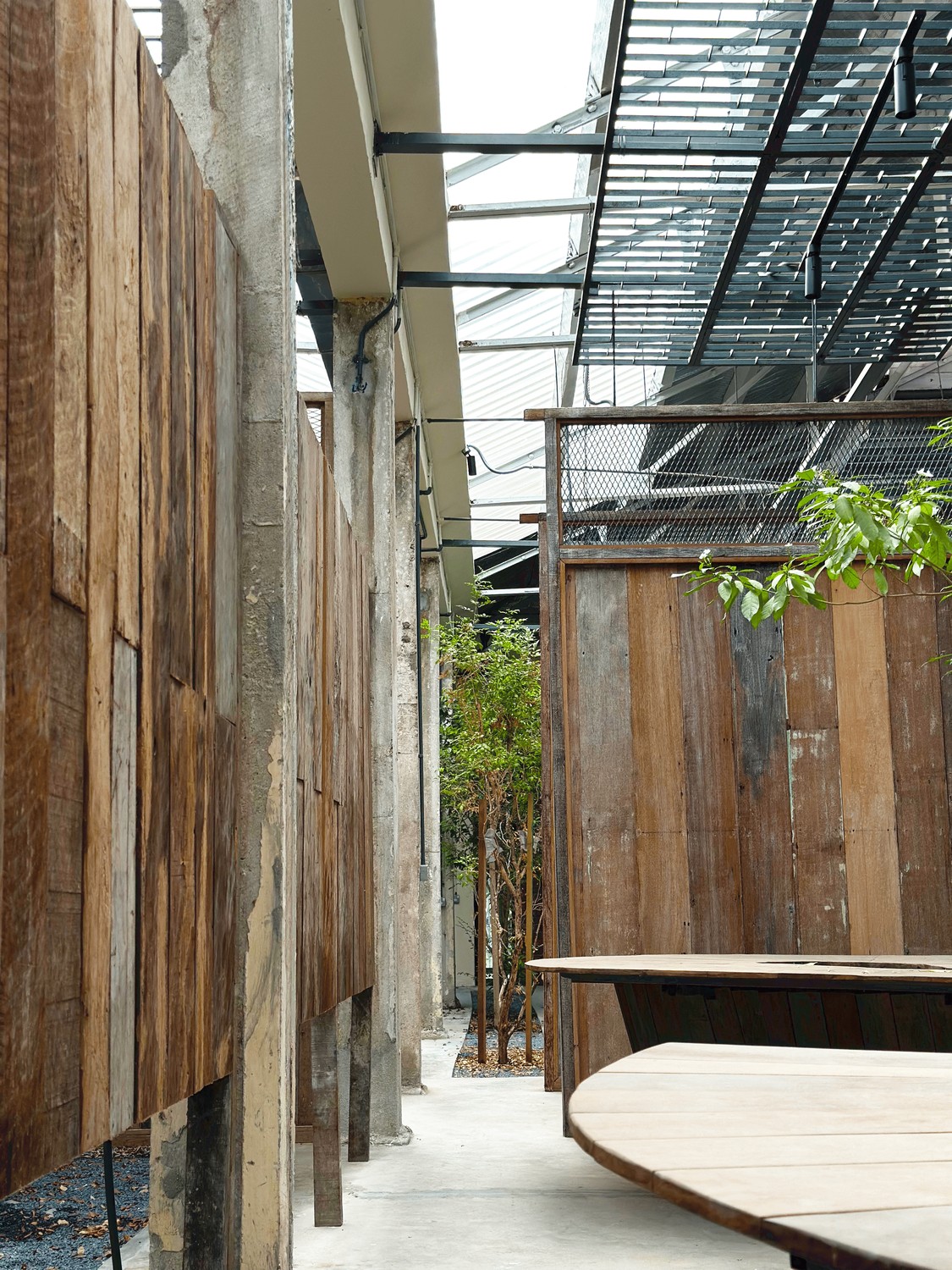
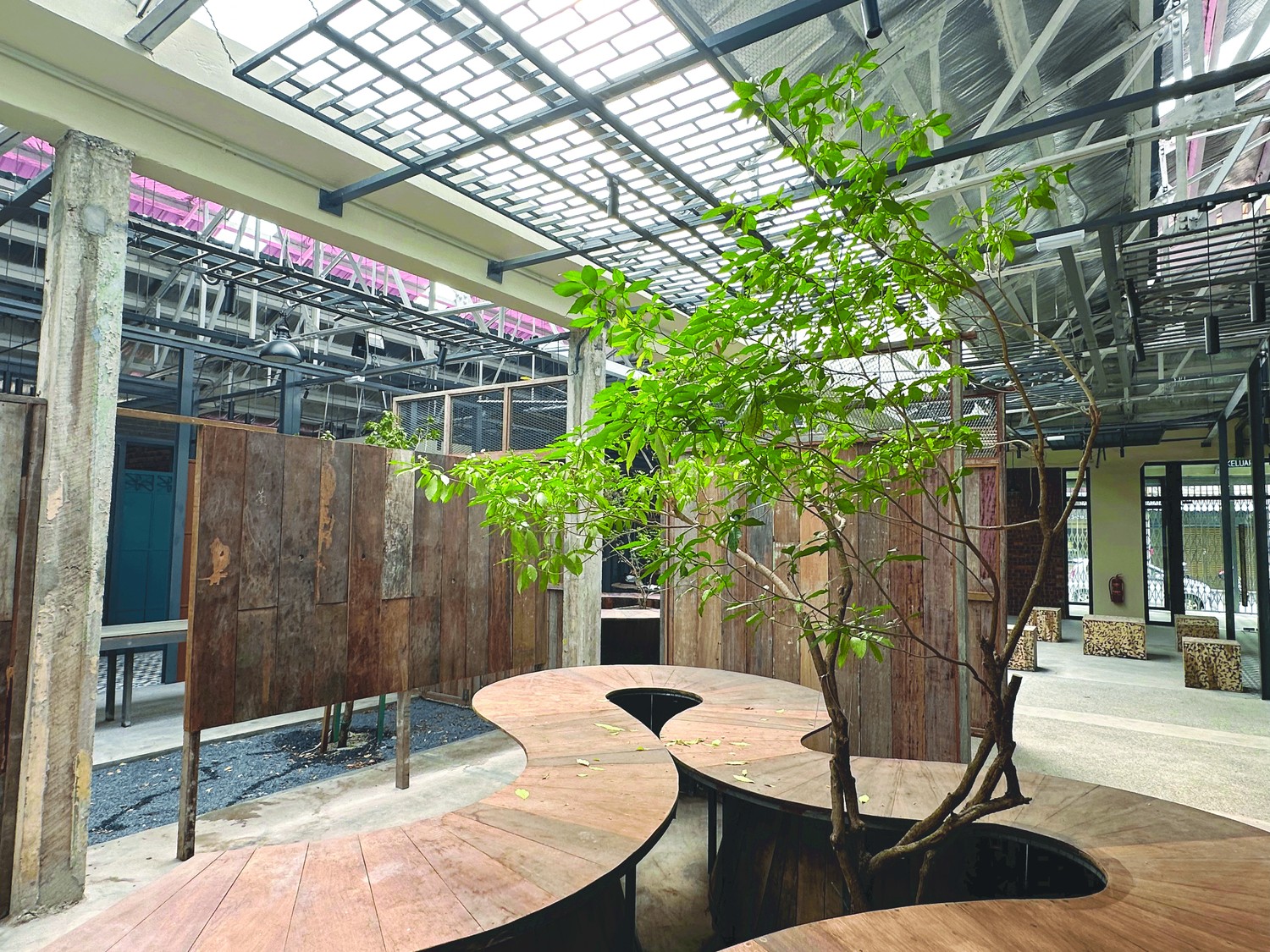
Reclaimed timber utilised to create
Piccadilly Bazaar reimagines a burned heritage building in George Town through adaptive reuse and the deliberate effort to salvage as much of the original structure as possible. What remained after the fire was not treated as waste but as an opportunity for architectural reinterpretation. Charred timber, weathered bricks, and fragments of the original building were carefully retained and transformed into functional elements within the new environment. Rather than reconstructing the past in a literal manner, the project accepts the scars of the building’s history and incorporates them into a renewed spatial narrative. Through this approach, the architecture preserves traces of memory while creating a contemporary place that remains relevant to the city today.
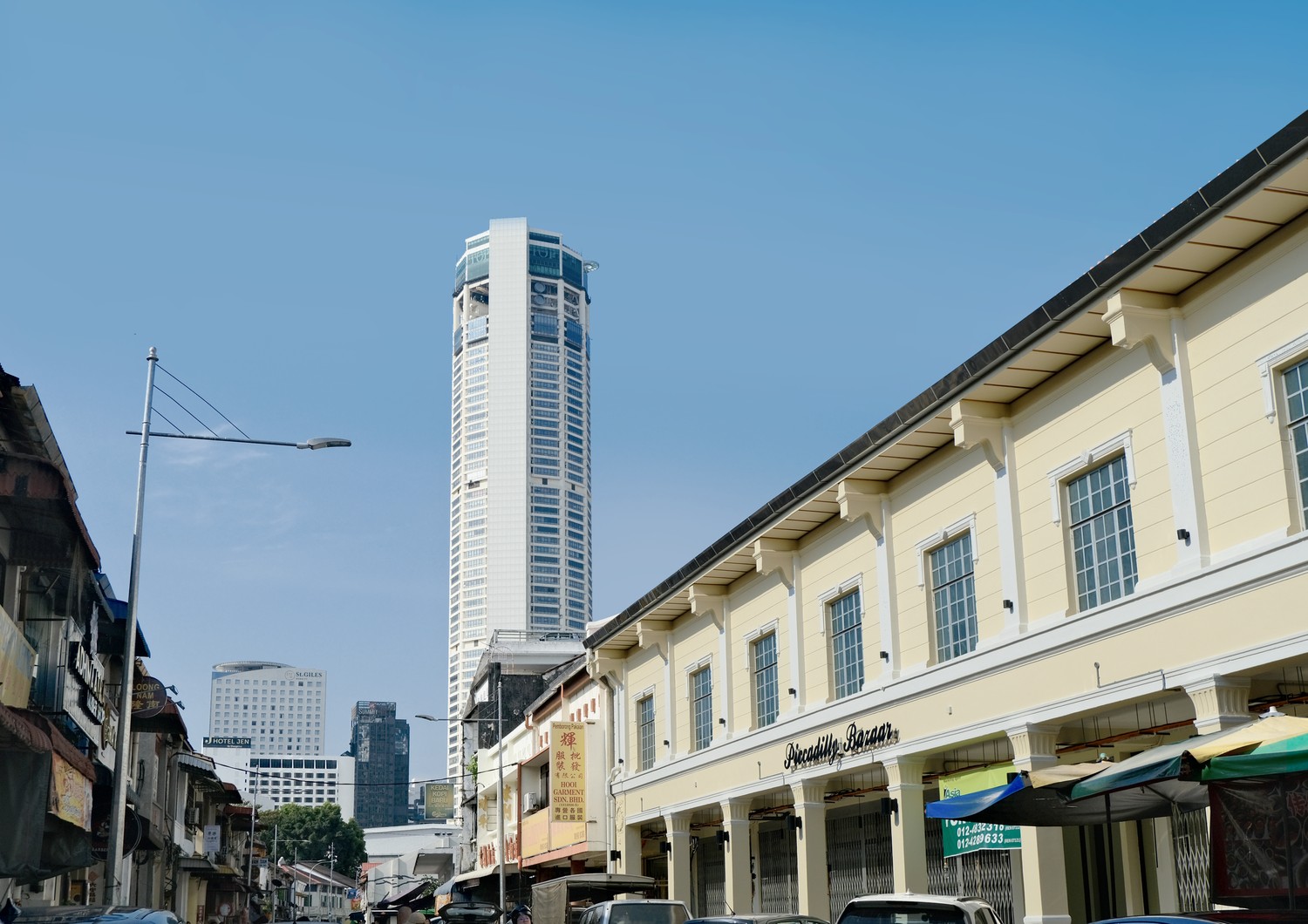
Familiar façade in the streetscape of Jalan Kuala Kangsar
Original elements are preserved and repurposed using local craftsmanship, reducing environmental impact while maintaining historical authenticity. The project embraces the idea that heritage value does not only lie in perfect restoration, but also in the ability of materials to adapt and continue their life in new forms. Salvaged components are carefully reworked and reassembled, allowing the building to retain its identity while evolving with a new purpose. By working closely with local craftsmen, the process sustains traditional skills and hands-on knowledge, ensuring that the act of rebuilding is not only about materials but also about preserving the craft culture embedded within them.
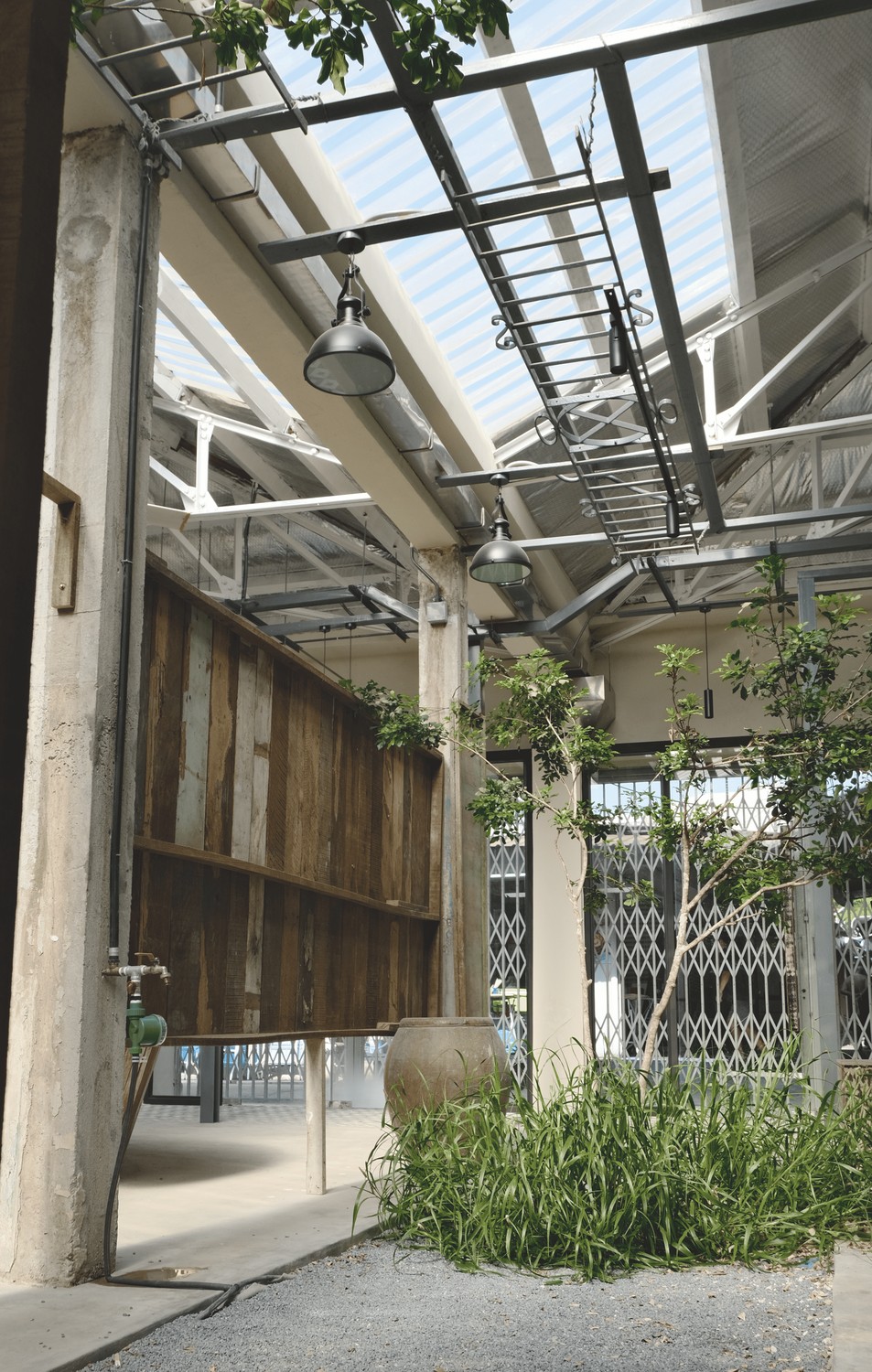
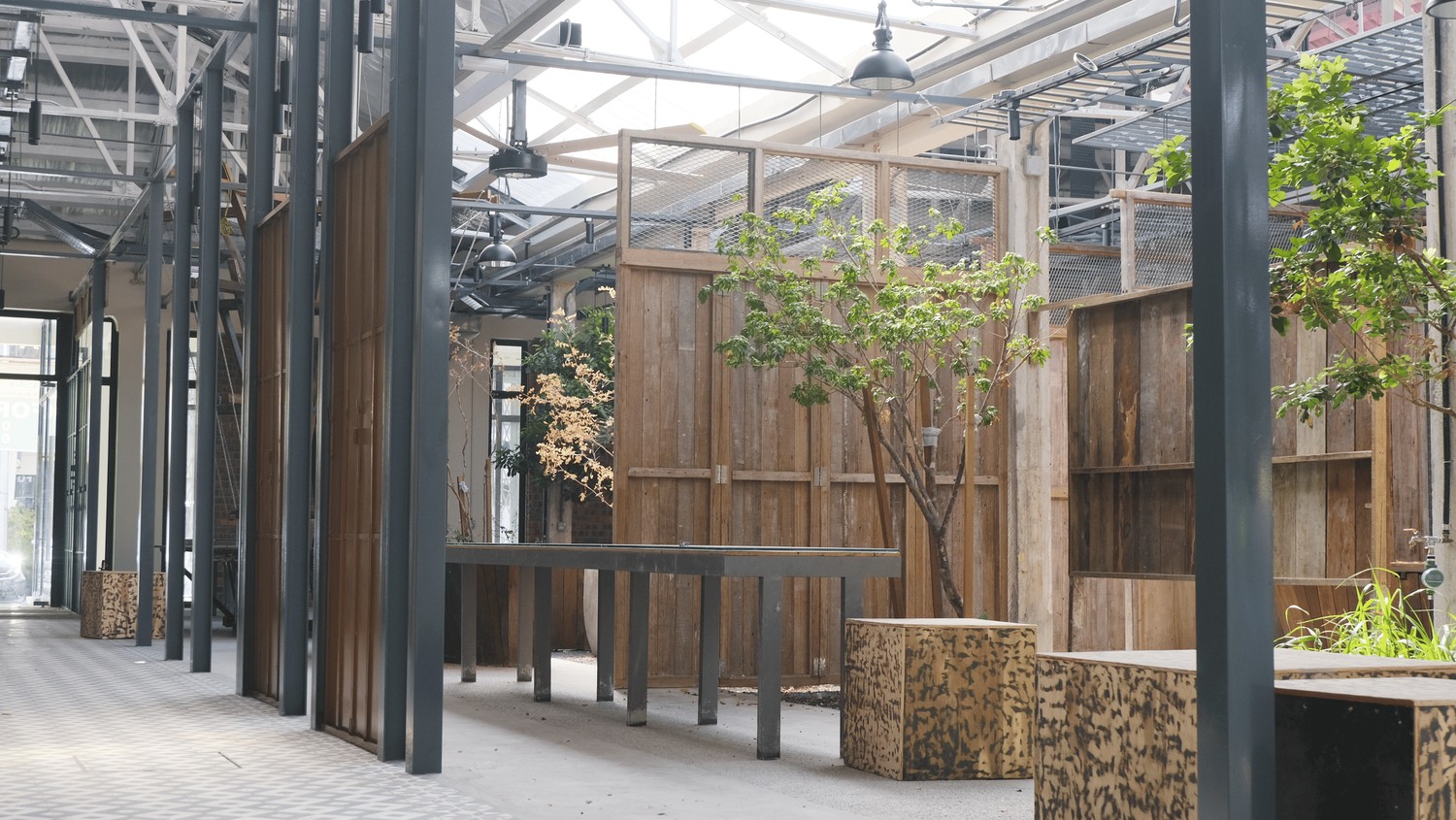
The greenery, timber partitions, and steel ceiling feature, create a balanced colour palette
The compact urban site is reorganised to host dynamic zones for F&B, retail, and cultural pop-ups, forming a lively and layered urban environment. Instead of rigid planning, the spatial arrangement allows flexibility and spontaneity, enabling the space to accommodate different forms of social and commercial activity. The building becomes a platform where everyday life unfolds naturally, encouraging visitors to engage with both the architecture and the evolving programme within it. By activating the ground plane and interior spaces with varied uses, the project transforms a once-damaged structure into a vibrant node within George Town’s urban fabric.
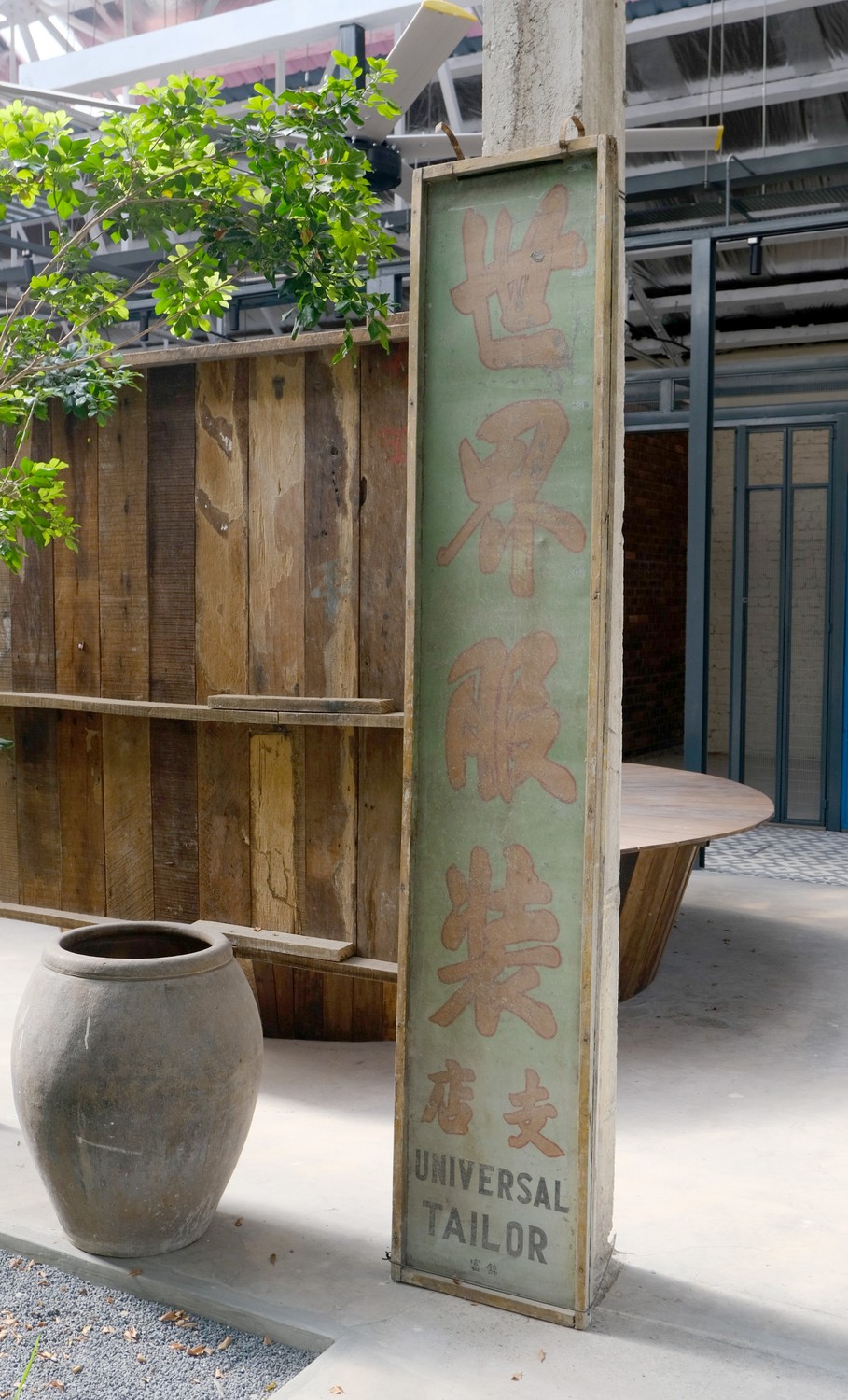
Reclaimed signage gives the space unique character and connection to its heritage
From the ashes of a burned heritage building, Piccadilly Bazaar rises as a testament to resilience and transformation. Charred timber, scorched bricks, and remnants of the past are not discarded; they are reclaimed, repurposed, and given a second life. Heritage, like furniture, adapts effortlessly, able to belong anywhere without losing its essence. This philosophy allows the building to move beyond the notion of static preservation, instead embracing change as part of its continued relevance.
Old, salvaged materials blend seamlessly together, by crafting them into new curved furniture with landscape
Through local craftsmanship, salvaged materials are transformed into vibrant spaces for F&B, retail, and cultural engagement, forming a living urban hub that evolves naturally with time and use. Free from conventional constraints, the design weaves memory, innovation, and sustainability into a renewed architectural language. The retained materials become tactile reminders of the building’s past, while new insertions enable contemporary use without erasing the historical character that defines the place.
What was once destruction becomes opportunity. From scarcity and ruin, architecture is renewed, where history is not preserved as a relic but activated as experience. More than restoration, Piccadilly Bazaar is a living story of reminiscence and renewal, where past, present, and future converge in a resilient, dynamic, and future-ready heritage environment.
Through meticulous material salvage and restrained intervention, this project establishes a compelling model for low-carbon adaptive reuse, reconnecting heritage and contemporary urban life.
Open space layout creates a welcoming interior space