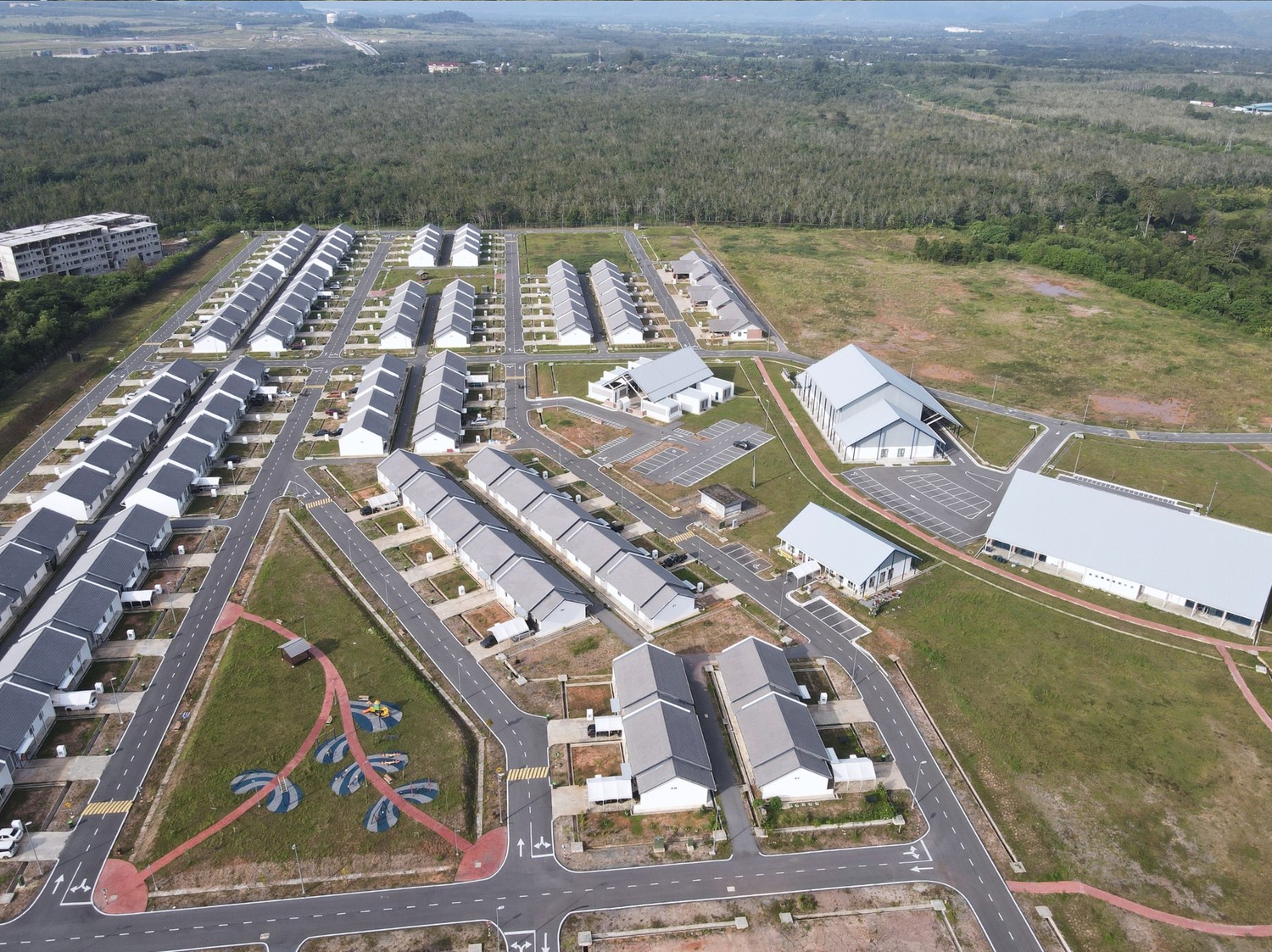
Multiple Residential Low Rise - Silver ARCHITECT: Arkitek FAA Sdn Bhd CLIENT: Kementerian Dalam Negeri (KDN) CONTRACTOR: Solar Alert Sdn Bhd
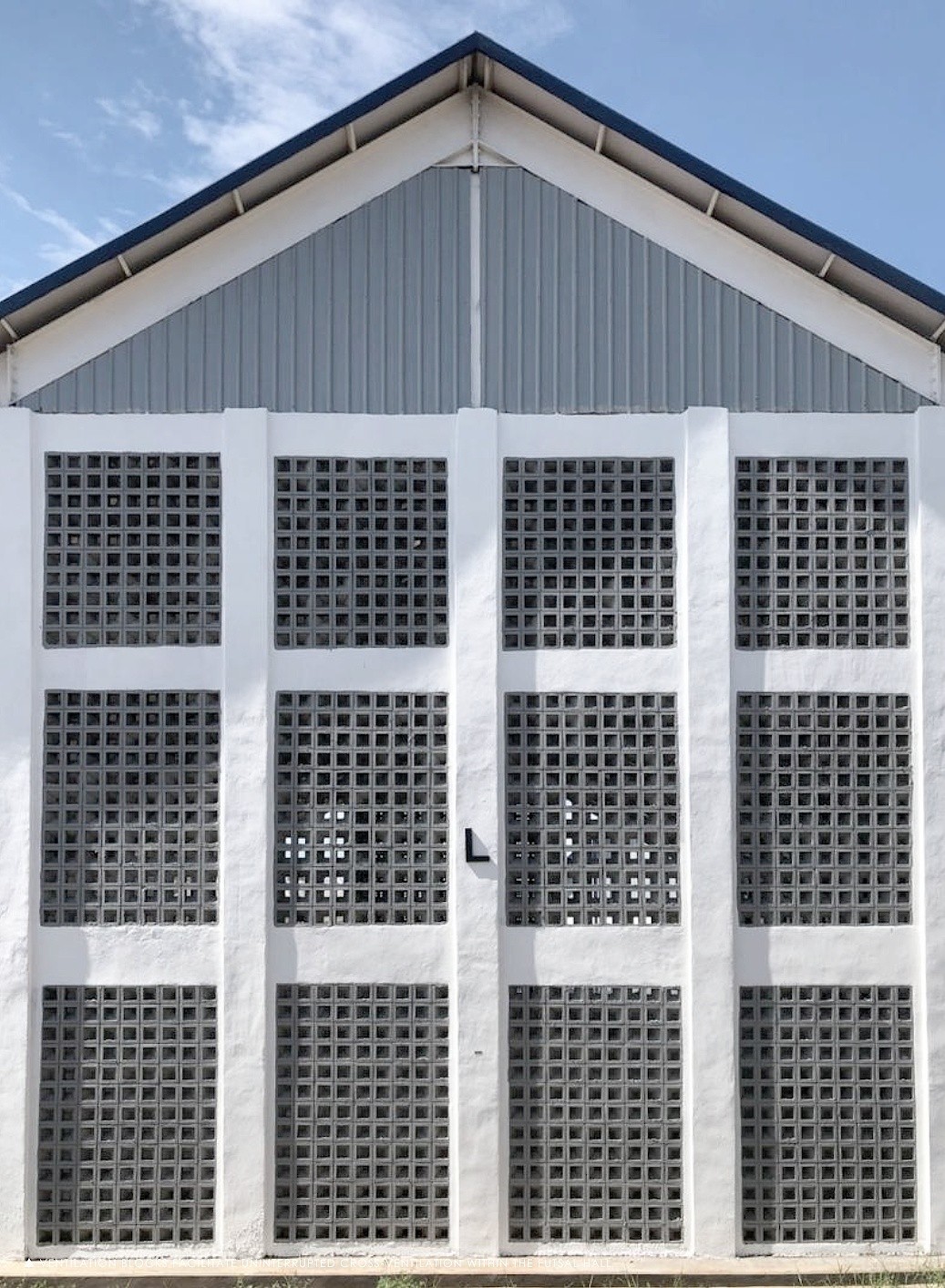
Façade expression - ventilation blocks facilitate uninterrupted cross-ventilation within the futsal hall
“Where Climate, Structure, and Community Shape the Architecture.” Set against the border town landscape of Padang Besar, this redevelopment reimagines government housing for the Ministry of Home Affairs through a distinctly tropical utilitarian lens. Replacing ageing quarters with a more resilient and coherent settlement, the project organises 125 dwellings into a framework that balances private retreat with collective life. Residential clusters are stitched together by shared civic facilities, including a surau, multipurpose hall, sports centre, and kindergarten, forming a network of everyday anchors that structure daily routines and encourage informal interaction. The master plan establishes a clear hierarchy between public, semi-public, and private spaces, allowing community life to unfold naturally while maintaining the intimacy of domestic living.
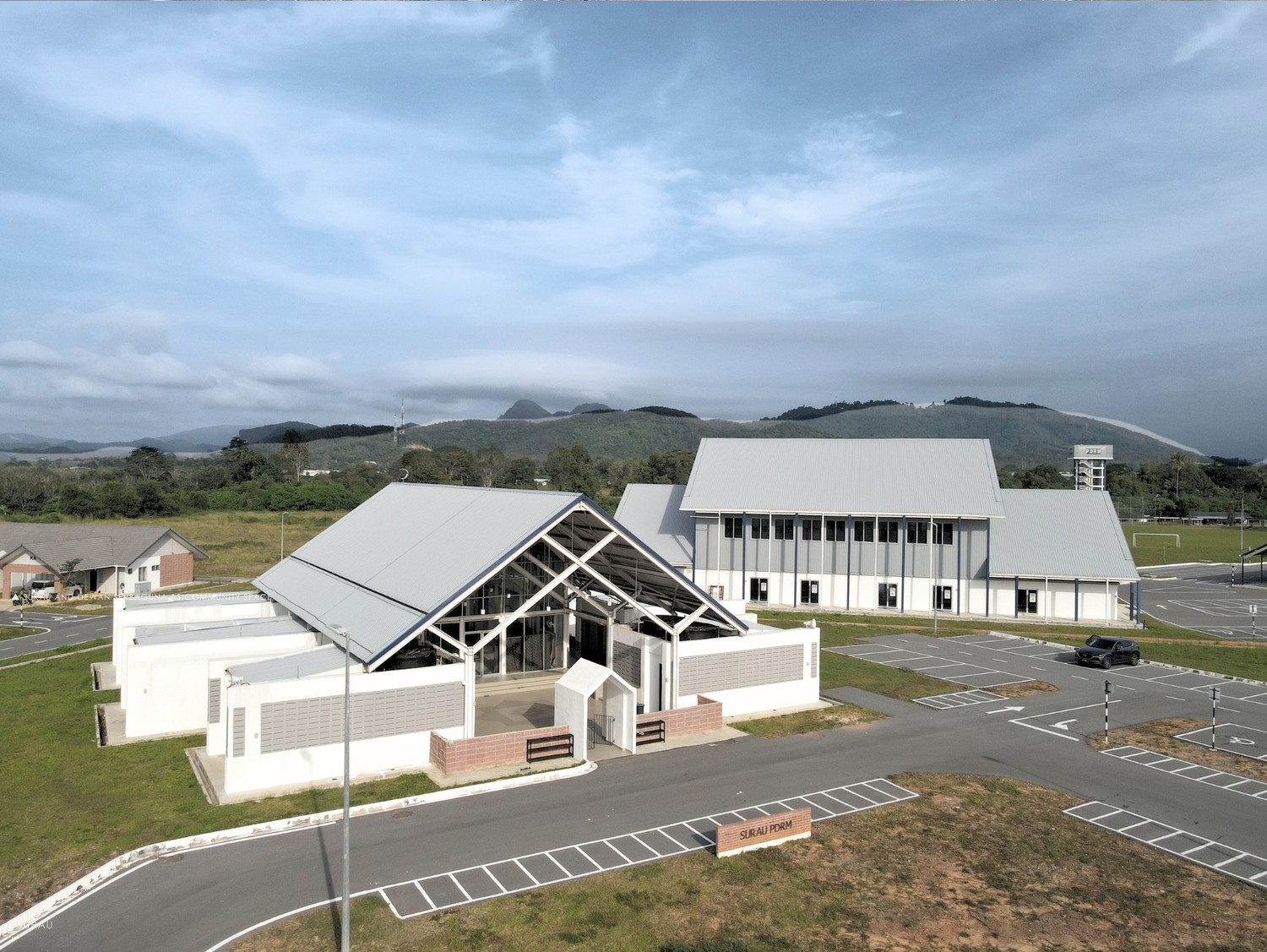
Surau and Multipurpose Hall as civic anchors within the residential fabric
The design process began with a careful reading of the site, including its gentle slopes, existing platform levels, and orientation in relation to the sun and prevailing winds. Existing access routes informed how buildings could sit lightly on the land while minimising earthworks. Housing clusters were positioned to respect the terrain while optimising daylight and cross ventilation. Open spaces and pedestrian pathways connect the residential units with communal anchors, creating a connected framework that balances privacy, movement, and social interaction.
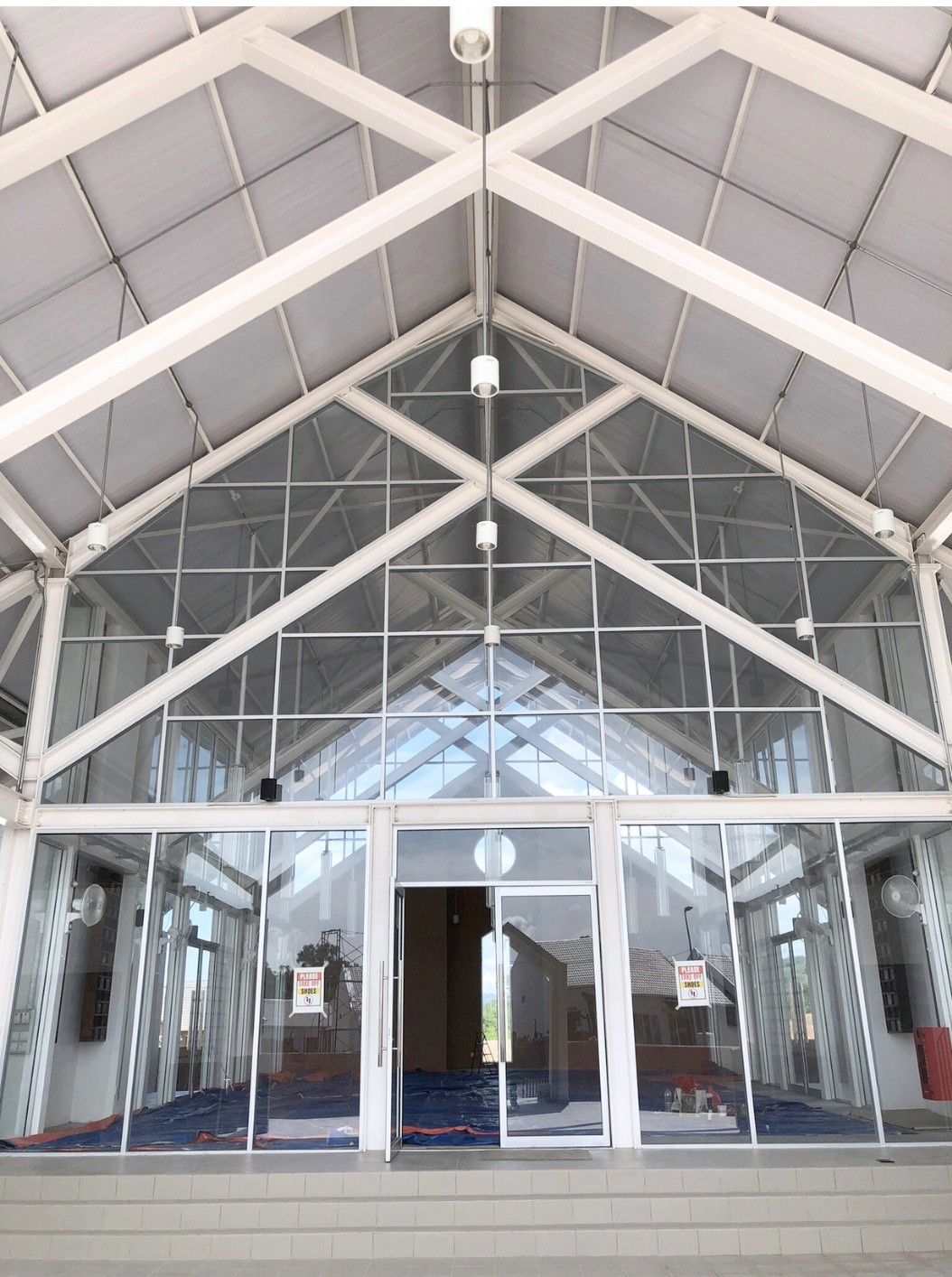
Exposed steel roof structure of Surau expressing honest construction and lightness
Climate acts as the project’s primary generator of form. In the hot, humid environment of northern Perlis, the architecture performs first as environmental infrastructure. Long roof overhangs temper the intensity of sun and rain, casting deep shadows that protect façades and circulation spaces. Narrow building plans allow interiors to remain breathable, while carefully positioned openings enable consistent cross ventilation across living areas. Shaded verandahs, covered corridors, and transitional spaces soften the boundary between indoors and outdoors, creating a layered environmental envelope that reduces heat gain and improves everyday comfort. Through these passive strategies, the buildings rely less on mechanical cooling, allowing shade, breeze, and daylight to shape the lived experience of the quarters.
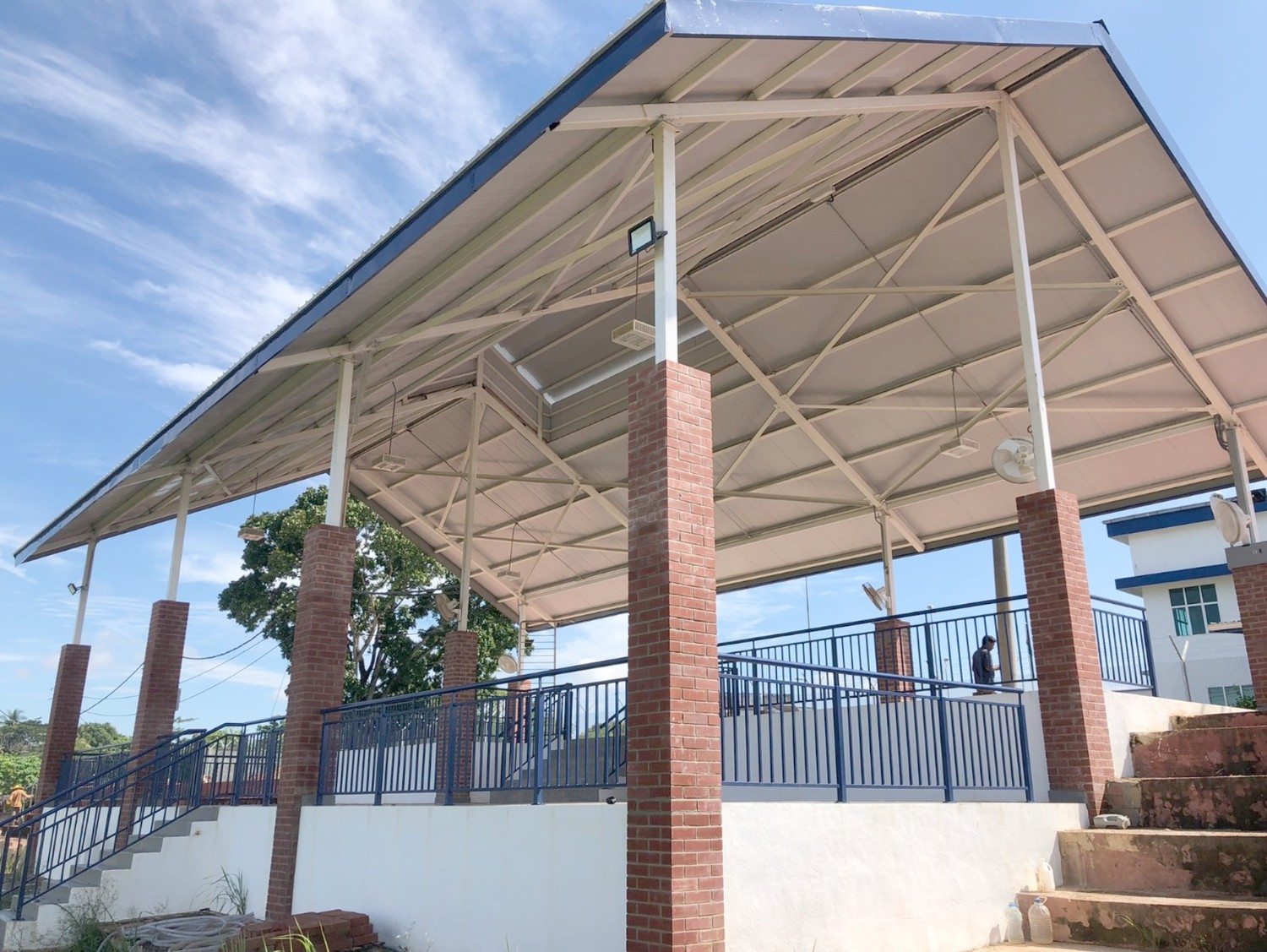
Open-air Astaka articulated by a lightweight roof and open perimeter, allowing continuous airflow and flexible pub
The architectural language emerges from a utilitarian vernacular grounded in clarity, restraint, and durability. Buildings are composed of simple, legible forms that reveal their construction logic without unnecessary embellishment. Ornamentation is deliberately restrained, allowing proportion, repetition, and the play of light and shadow to define character. Influenced by the ethos of tropical modernism, the architecture emphasises deep overhangs, breathable façades, and lightness in massing. Climate is therefore not treated as a constraint but as a generative force shaping the architecture’s rhythm, structure, and spatial identity.
Within this framework, legibility is achieved through repetition and variation. A controlled architectural language allows recurring elements such as roof forms, openings, and circulation galleries to establish clarity across the settlement. Subtle variations within these repeated elements prevent monotony while helping residents intuitively navigate the environment. The result is an environment that feels ordered yet lived in, where rhythm and variation reinforce both identity and familiarity.
Construction efficiency and structural clarity are reinforced through the adoption of an Industrialised Building System, achieving an IBS score of 70.84. The residential quarters employ a distinctive structural typology using Concrete Masonry Units as load-bearing walls reinforced by CMU pillars and bond beams. This rational structural system establishes a clear construction logic suited to large-scale government housing while also improving thermal mass, acoustic separation, and fire resistance. By integrating structure, enclosure, and performance into a coherent system, the IBS methodology enhances buildability and long-term resilience.
Sustainability is approached as both environmental and social continuity. The clustered masterplan supports everyday encounters between residents while preserving moments of privacy and retreat. Passive climatic strategies, responsible material selection, rainwater harvesting, and efficient construction systems collectively reduce operational demands and lifecycle costs. Recognised with a Three-Star JKR Green Rating, the project demonstrates how public housing can evolve beyond simple provision into a dignified, climate-responsive community where architecture is shaped by climate, structure, and the rhythms of everyday life.
Inventive detailing and honest material expression demonstrate how thoughtful architecture can emerge from a modest budget.
Aerial view highlighting the repetitive housing typology and clear spatial order