OLD SOUL, NEW LIFE

ASCEND RESIDENCE, A RENOVATION PROJECT BY DESIGN NETWORK ARCHITECTS, EMBODIES BOTH PHYSICAL
RESTORATION AND EMOTIONAL RECONCILIATION BETWEEN PAST AND PRESENT.
TEXT BY, WONG, M., FONG, A., & VOONG, E.
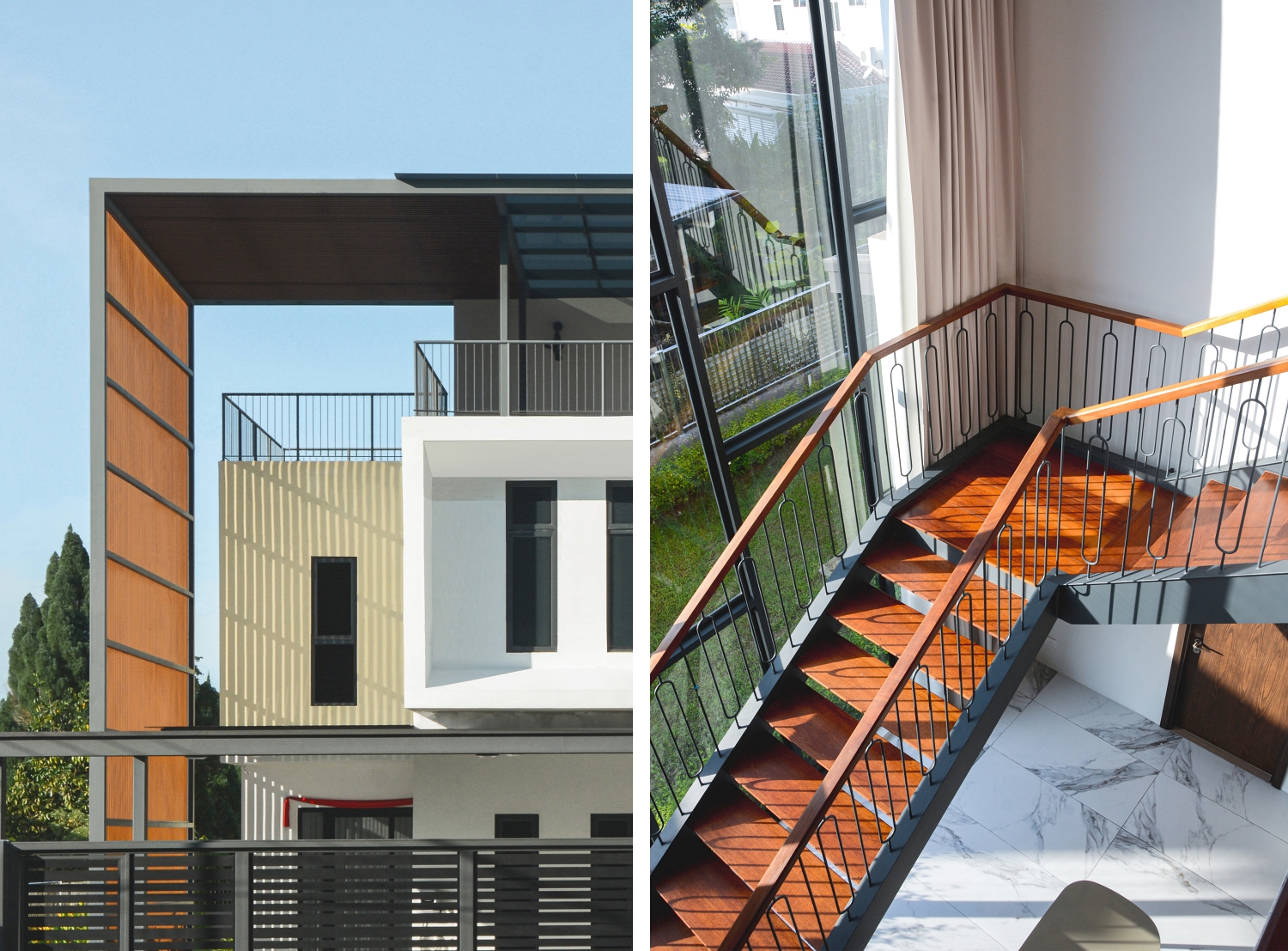
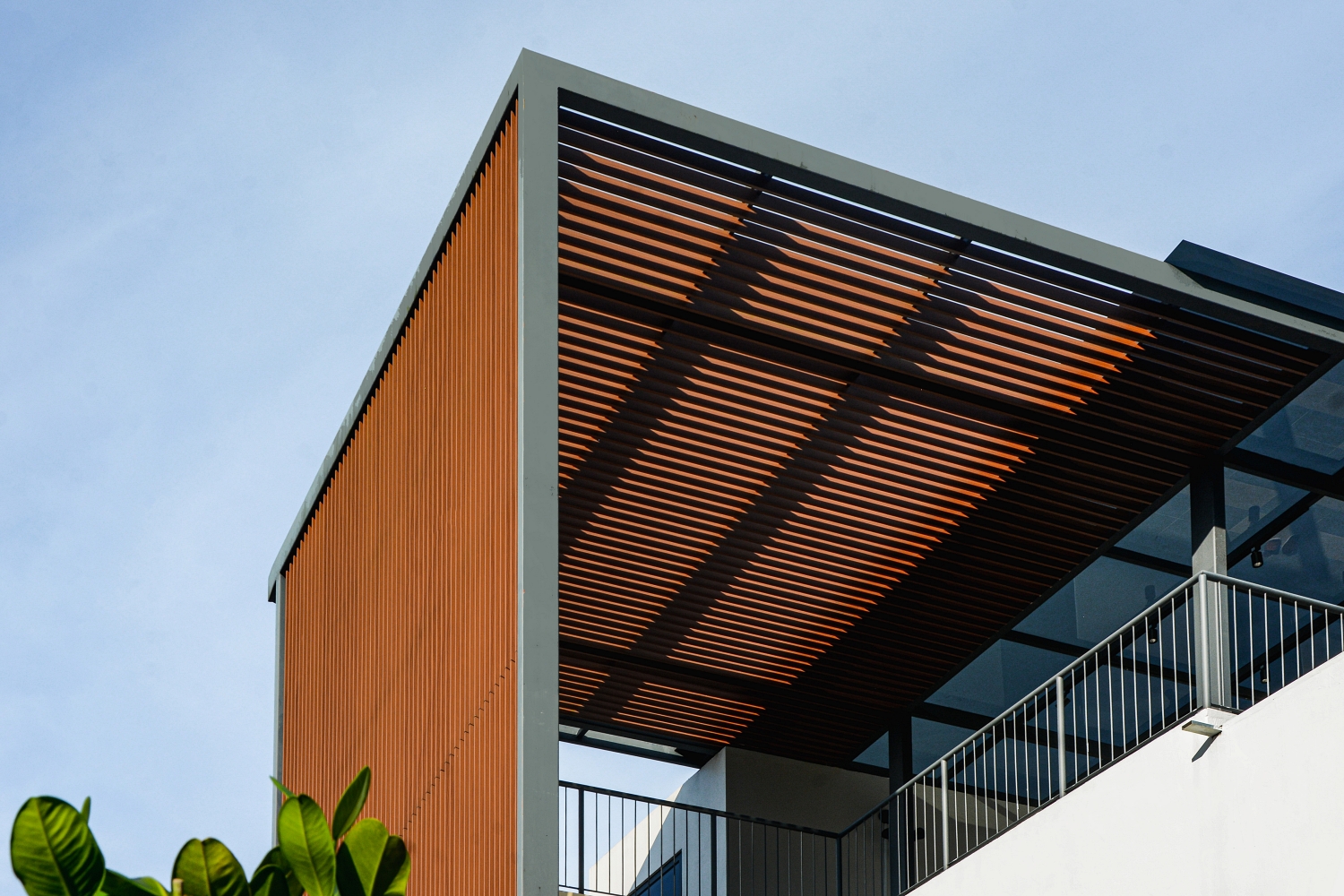
Screens, skylights, and large windows were designed to maximise the openness and natural light
In this project, the decision to retain the original building structure was guided by a deep sentimental connection. The house is a matrimonial home and an eventual childhood home to the children, whose lives were intimately tied to the rhythms of the home. The building itself, though aged and partially decayed, represented more than a physical shell-it was an archive of memories. To demolish it would have been to sever the emotional bond that anchored generations to the site. The design approach was grounded in the philosophy of adaptive preservation and refinement-maintaining the structural integrity and character of the existing building while adapting it to meet contemporary needs.
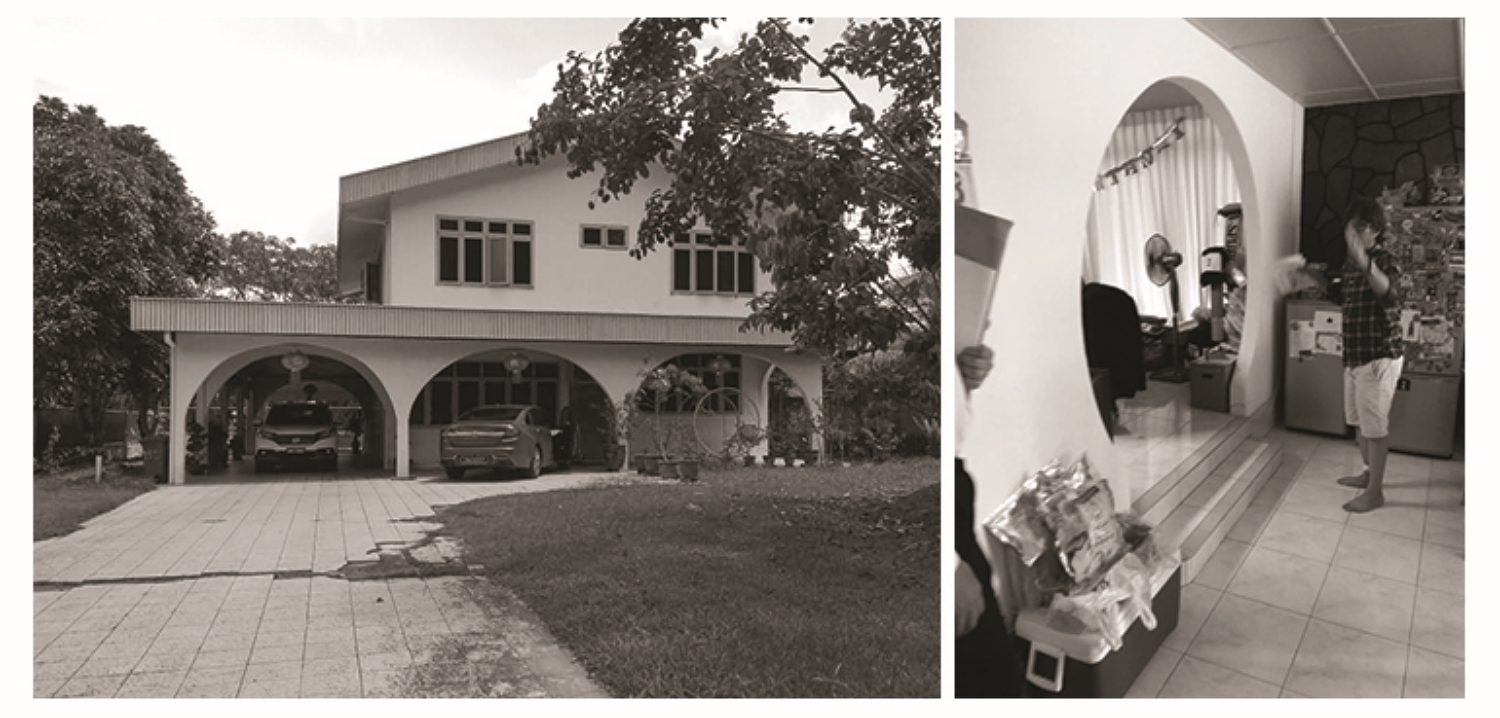
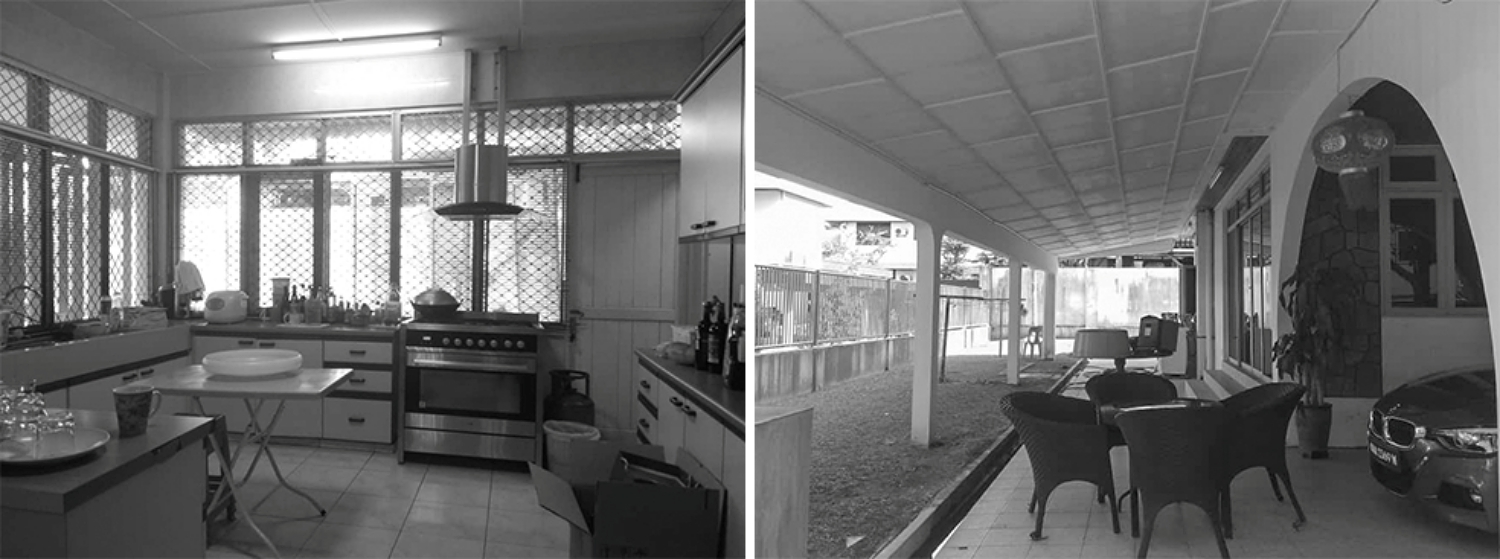
Pictures of the original old façade and past kitchen

The renovation plan was coined very early, about a year after they moved back to Kuching from abroad in 2005. The family wanted a home that they could truly call their own, and with it, a reflection of their hopes and dreams. Their views on what a modern home should be differed from what was typically seen in Southeast Asia.

“Ascend” comes from the Chinese phrase “bù bù gāo sheng (步步高升)” which has been part of their beliefs in all they did, friendships they made, teams they built, children they raised, knowledge they shared, skills that they developed, and experience that they gained. Their new home marked a new beginning, as they had waited almost 23 years for it to be completed-a solid yet straightforward foundation and design, and, most importantly, one that aligned with their personal values. Built on a hill, we envisioned the renovated house to rise above the existing building, both figuratively and literally, while integrating modern functionality into the original design.

The renovation presented a learning curve for all parties involved. DNA Architects understood their needs and requirements and designed patiently with a team of builders and contractors. They also taught them how to communicate their designs more in their architectural practices and language.

They had a simple groundbreaking ceremony in March 2020, just right before the COVID pandemic lockdown. From the very beginning, it proved to be an extremely challenging project for all involved. However, after the zeitgeist of the 5-year renovation period, the family moved in before Father’s Day in June 2025.

Pictures of the original old façade and past kitchen

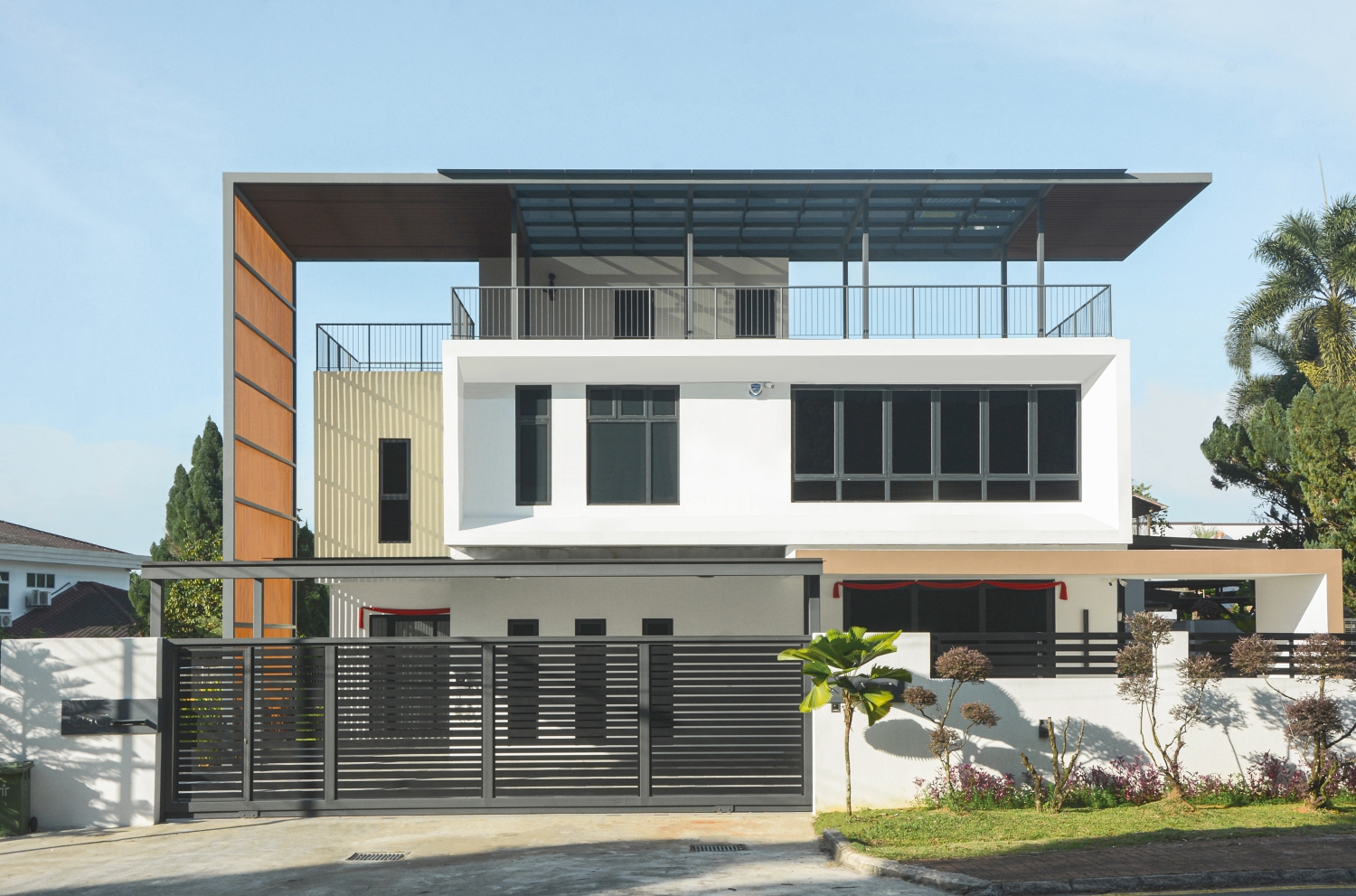
The original house was built in 1974. It had low ceilings and multiple floor levels, making the integration of the new building more challenging. This was overcome by the insertion of a high front block, while maintaining a visual and structural distinction from the existing block. The new entrance lobby bridges the past with the present.

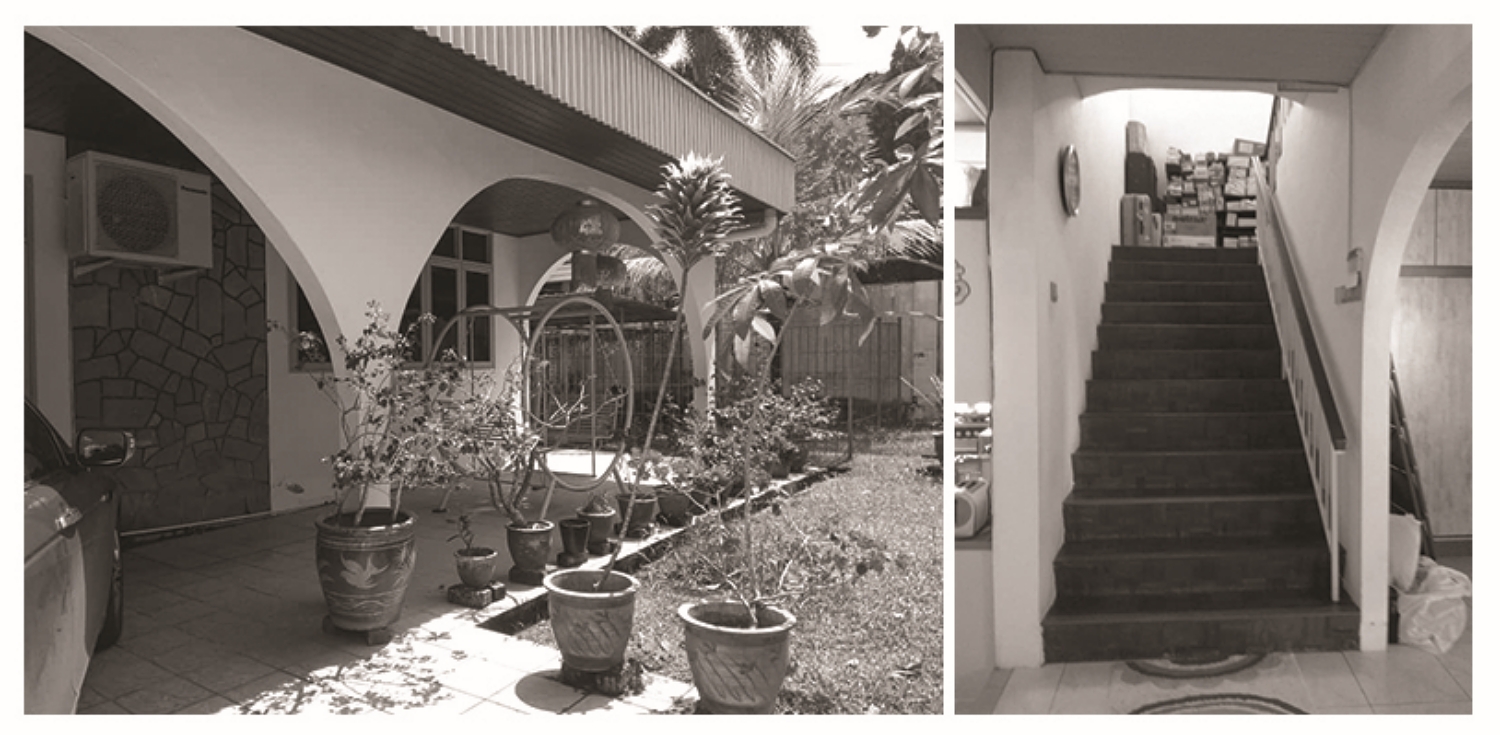
Inside, the design strategy focused on retaining as much of the existing spatial layout as possible. The original central hall- once the heart of family gatherings-was preserved as the main circulation spine. However, interior partitions were reconfigured to allow for more open, light-filled spaces suitable for contemporary living. Original steps inside the house were retained to maintain structural integrity; these structural relics serve as constant reminders of the building’s lineage.

Pictures of the original old façade and past kitchen
Front view of the house from Bampfylde Road
Rebuilding an old structure demands sensitivity to its spatial and atmospheric qualities. Many older houses were designed with smaller windows and compact rooms, responding to climatic and cultural contexts of their time. To adapt the home to contemporary expectations of openness and natural light, strategic interventions were made-larger apertures were carved into non-structural walls, and skylights were introduced above circulation spaces. However, these unique insertions were done with restraint. The goal was not to overwhelm the original character with excessive modernity but to refine its inherent charm.
Existing steps were retained to preserve the memory of the past
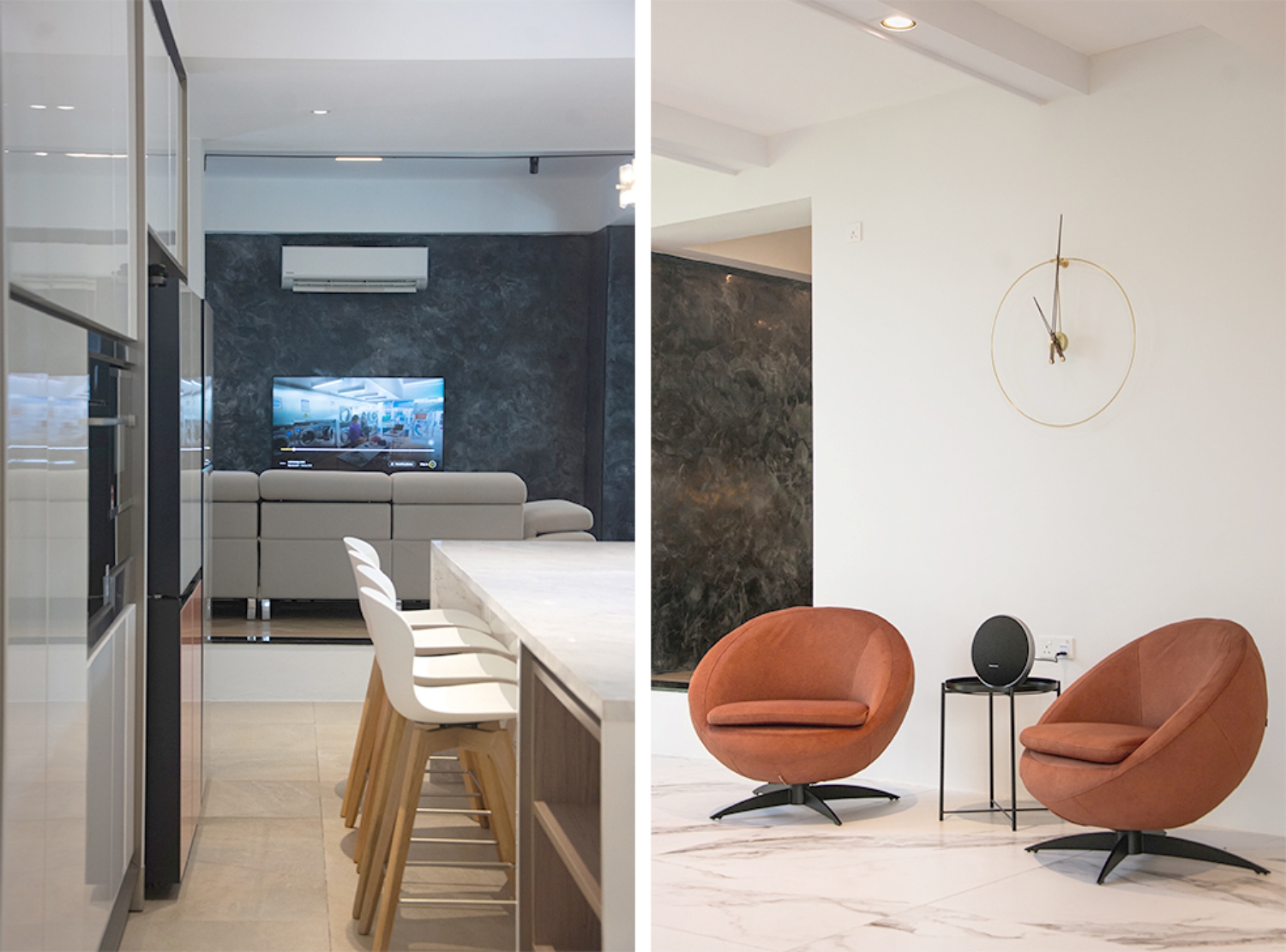
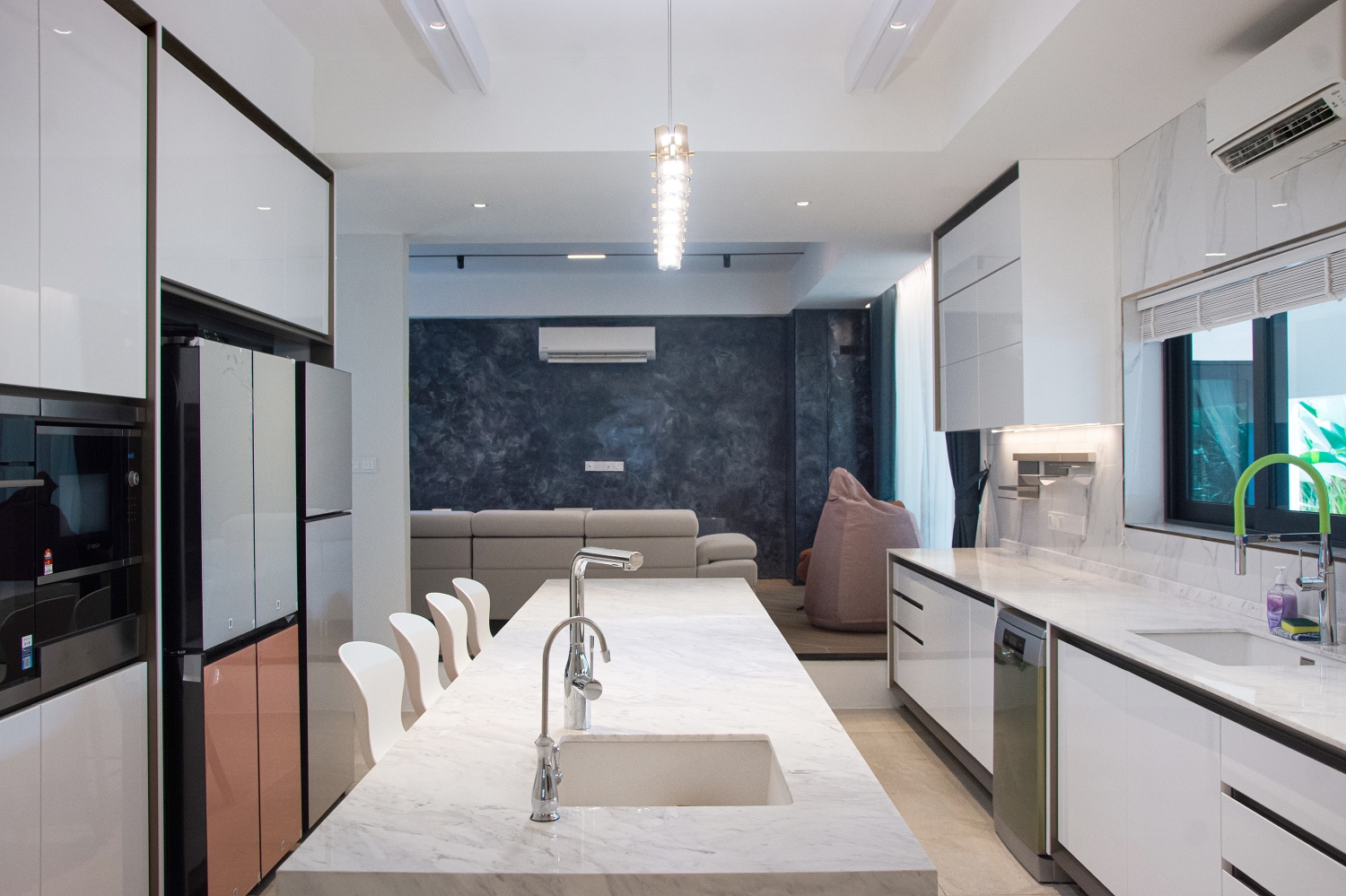
Beyond the architectural form, the project embodies emotional continuity with the new structure preserving the family name. Preserving the old structure became a way to preserve the family’s collective memory. Spaces once used by Baby Boomers, Gen-X, and Gen-Z generations – such as the front and back verandas, which the family used as an outdoor corridor- were respectfully retained and reimagined. The veranda now serves as an outdoor seating and recreational space. At the same time, the old kitchen has been transformed into a modern dry kitchen, linking the communal living area to a futuristic living space.
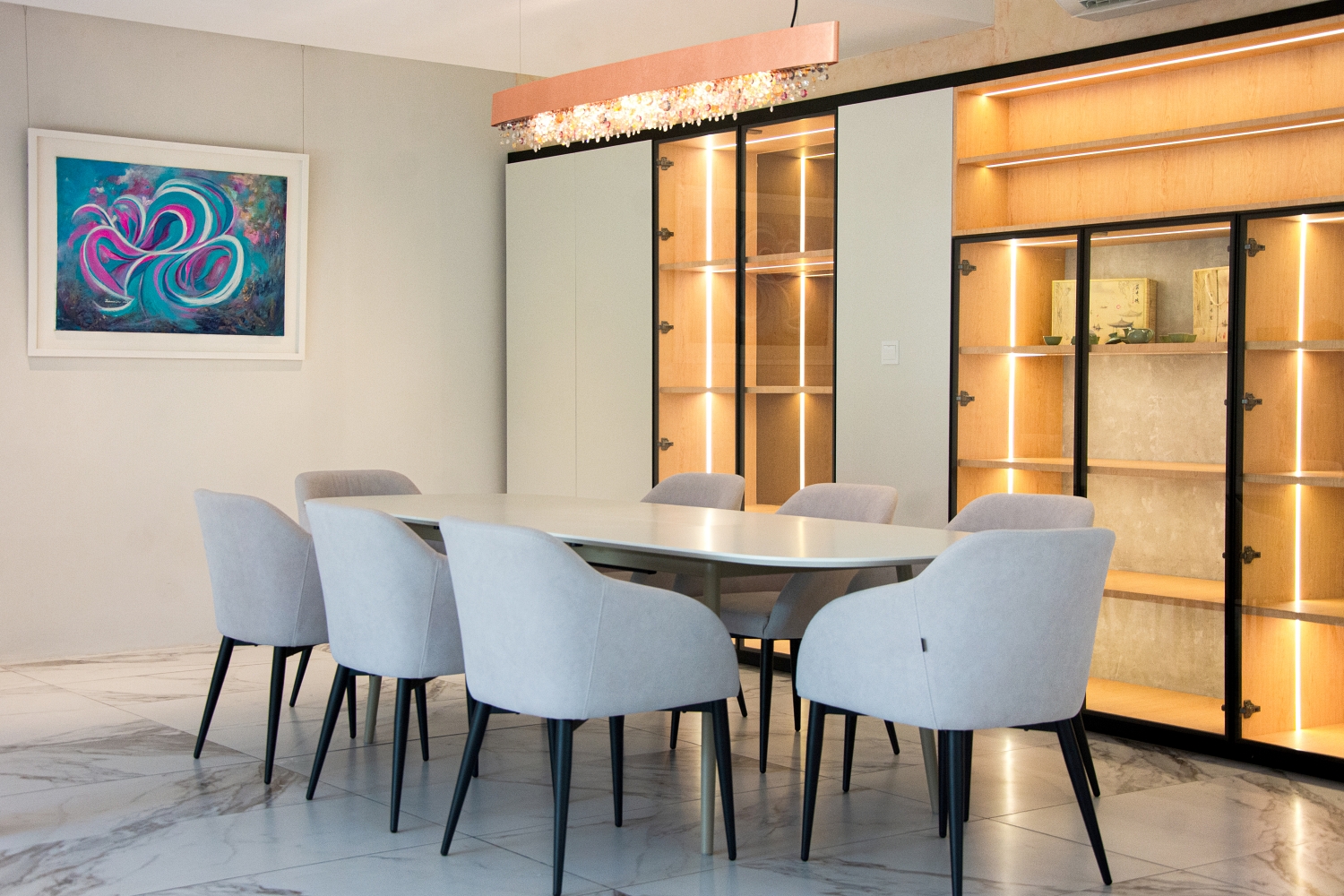
Dining area
The project stands as a testament to the idea that the essence of architecture lies not in what is built anew, but in what is remembered and reimagined. By retaining the old structure, we preserve not only a building, but also the stories that give it its soul.
The newly built dry kitchen and family space feature an exposed ceiling, maximising the height of the original structure
Triple volume screens over the main entrance

FEATURES

RELATED ARTICLES