
AM
SS
Practicing architects in Malaysia are the same as any other professional practice. Guided by respective governing bodies and codes of conduct, lawyers, engineers, doctors, and accountants, in principle, are all the same – providing professional services. To put it simply, we are selling our services. Therefore, it is crucial and important to understand that starting a practice is starting a “business”. Something that we did not learn in Architecture School.
Again, simply said, a business must be properly managed and looked after to be successful. A good architect or a good engineer may not be a good businessperson. One must have a clear understanding of architecture in practice in Malaysia. How the “game” is played, and who are the players and stakeholders. How do you market and sell your business?
All these, and many other important considerations, need to be addressed and understood before starting a business. Look at some successful practices in Malaysia, try to understand and learn from their experiences, and get their success stories out. I am sure that for all the big firms, the approach to doing business may be different, but some basic principles of doing business are in place. All these firms started small.
At the end of the day, some practices are successful while others are not. This cyclical pattern of growth and development of buildings in towns and cities development will continue to go on and on forever. To answer your question now, what are the key challenges facing Malaysian architects today? I think the answer is simple: it is “You”, the Architect. In Malaysia, laws and regulations by authorities are there, the building industry is ready and equipped, building resources and technology are available, players, developers, and government agencies are in place, supporting consultants are with you, playing fields are open, take up the challenge and play the game. That’s what Architects do in all cities all over the world.
The challenges are not new. Challenges have always been there and will continue to be there. It’s all in you, the person; your mindset must change, REBOOT in the way you look at things around you. To me, this is the real challenge for Malaysian architects today. Architect the profession practice – revisit:
• The mindset must change. Understand the real position of yourself as an architect in Malaysia’s building industry
• Knowledge and understanding of doing business
• Create your own Business Opportunities. Try not to be dependent on handouts.
• Professionalism in work practices in doing business
• 4 stages in LAM contract fee proposal – Restructure to current ways of doing business
AM
SS
Firstly, I think it is important to acknowledge the many success stories we as architects attribute to the building industry, government agencies, government policies, and developers. These are the people doing business pushing for better ideas that allow us to get passionate in our work and occasionally gush of adrenaline flowing through, especially when landed with a big project. As architects, we are responsible for designing and creating beautiful spaces and places in our cities.
Designing buildings, giving excellence to shapes and forms with present design tools, constructions, and technologies today has been made easy. However, there are many other factors that collectively will determine the success of a project, especially financial. To me, what is more important is to create beautiful spaces and places that are well-connected, easy to move about, comfortable, and pleasing to be in.
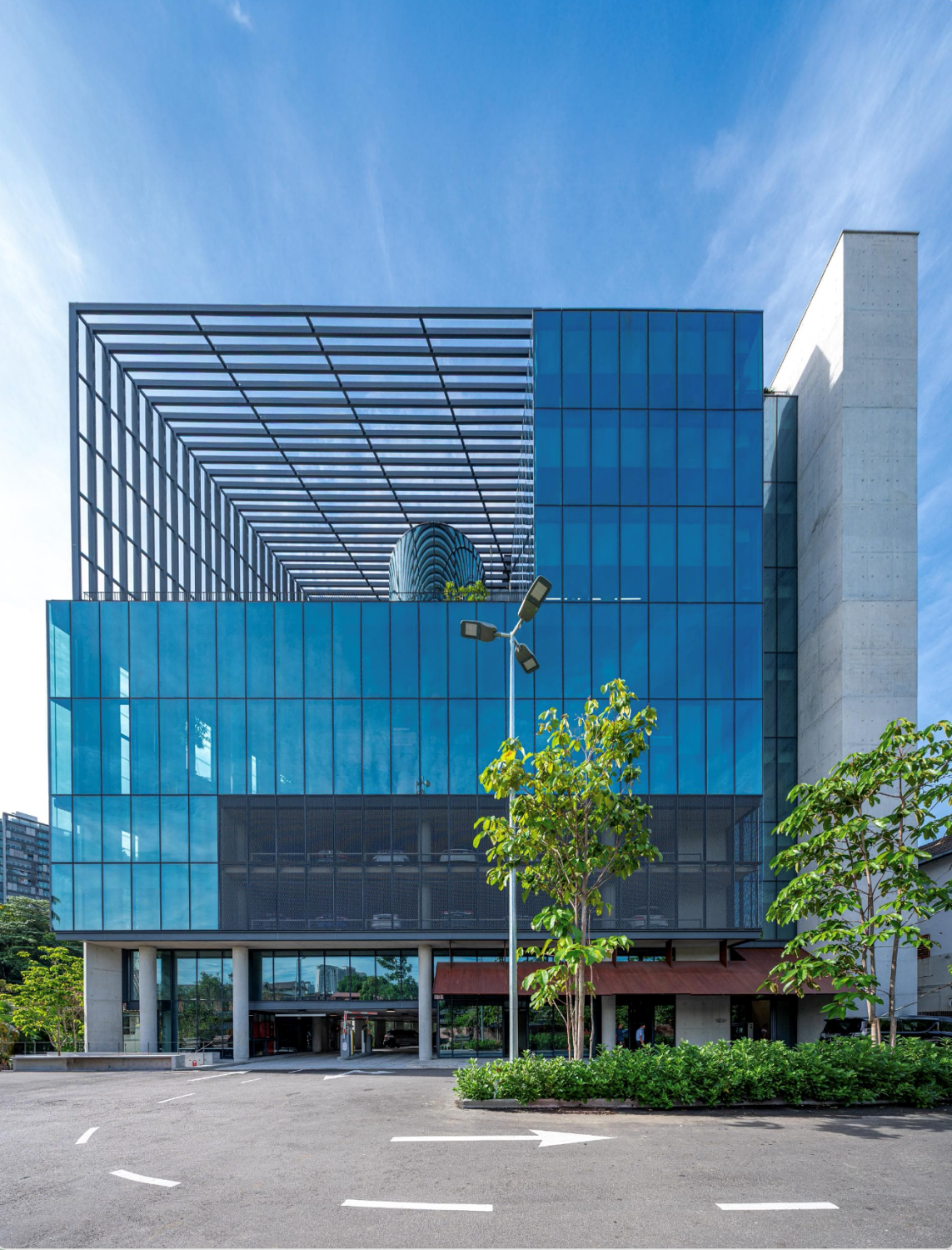
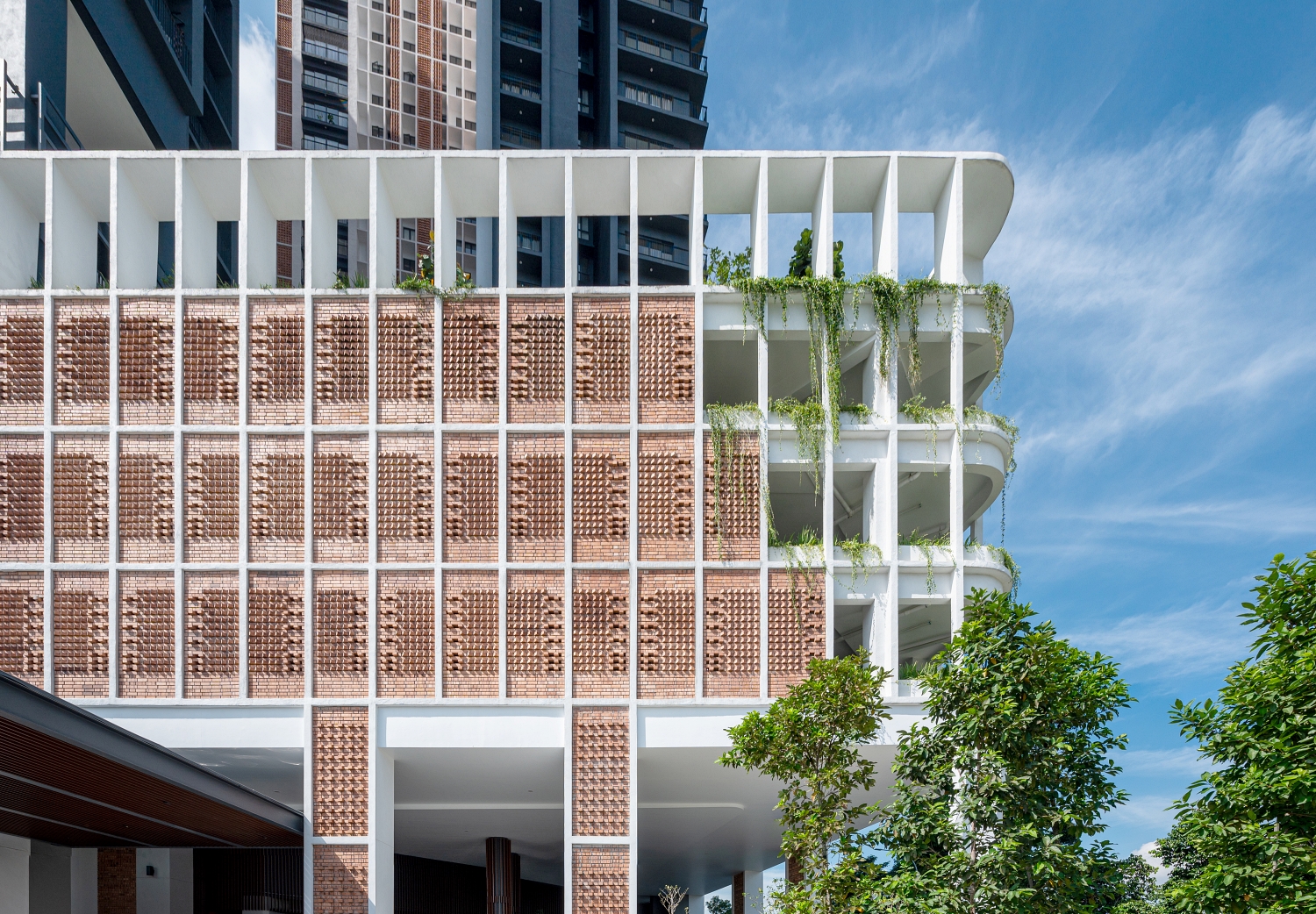
In Malaysia, the most important consideration that we must always remember and be mindful of is our hot, humid climate with heavy rainfall all the time. Double skin layering should be the answer to all good design practices in Malaysia. Bukit Bintang (Pavilion – by GDP Architects haha!!) is a good example of making places and spaces in Kuala Lumpur. Always crowded and on the ground level, Pavilion is well-connected to other malls in the vicinity.
Sometimes being a good design architect is not good enough when overpowered by a client’s egocentric desire. “I want my corporate tower building to be the best iconic building in the whole of Southeast Asia, including Batam.” And as architects, we’re tempted to take on the challenge, push our creativity, and design something grand. But at what cost? A glass tower fully exposed to the tropical sun? That’s where common sense has to prevail.
ESG – Environmental, Social, and Governance – is no longer a trend. It’s the new standard. ESG principles are shaping global business practices, and architects must play their part. We need to rethink our approach to design. If we’re serious about sustainable architecture in this region, double-skin facades should be the norm, not the exception.
On this subject, I think all professional bodies and individuals in Malaysia, especially architects, have been commendable, receptive, and actively pushing and campaigning for the new ‘world’. On another subject matter, I think our design approaches, directions, and understanding of good design practice (GDP) need revisiting.
AM
It seems that young Malaysian architects are in a rush to start their own practices, perhaps without a complete grasp of the business side of the profession. Consequently, while a small percentage succeed, many others struggle. What is your advice to young architects to better prepare themselves for the challenges of running their own firm?
SS
I think upon graduation with a master’s degree in your hands, you will feel and behave like you have completed your studies and are ready to ‘take on the world’ as a full-fledged architect. Rightfully, there is another learning period of maybe 5 years on internship that is necessary to prepare and equip yourself in terms of knowledge, exposure, and understanding of the business of Architecture in practice in Malaysia.
The building industry is forever there, especially waiting for you to take your position and play your part in nation-building. If that is what you want to do. So, don’t rush. Prepare and equip well before you take on your first job, a 2-storey bungalow project in Melaka with a professional fee of RM20K (full service). Malaysia is a developing country, commonly referred to as a third-world country. It will take maybe another 30 years or so to become a developed Nation.
We as architect has an important role to play in our Nation Building. The architect’s role in the building industry is not limited to designing buildings only. The greatest role would be to create beautiful places and spaces to make a city. An architect does not necessarily have to be in practice. There are many job opportunities related to architects in the building industry and beyond. Eventually, you can start small if you know how to play the game. Always take the lead and find your place in the building industry. You can be a developer if you so desire.
Lastly, some advice for you to carry with you as you step into the business world. Some basic advice for those starting their own practice: Understand the business, engage with the client, work with your client, be on their side, get them to trust and be comfortable with you, as a friend rather than as a consultant.
Lead them and guide them in their business world. You must stay ahead of them in all areas, all the time. Build yourself up in all activities relating you what you are doing. Be a good, honest person in commitment to duties and responsibilities. Be thoroughly professional in your work and strive for the best. Conduct yourself professionally. Always – push to the limit new ideas, carry yourself well, and be respectable, honourable, dependable, and trustworthy with all good values in a person, i.e. good character.