CAPTURING SPACE

AN INTERVIEW WITH DAVID YEOW
By Acacia Diana
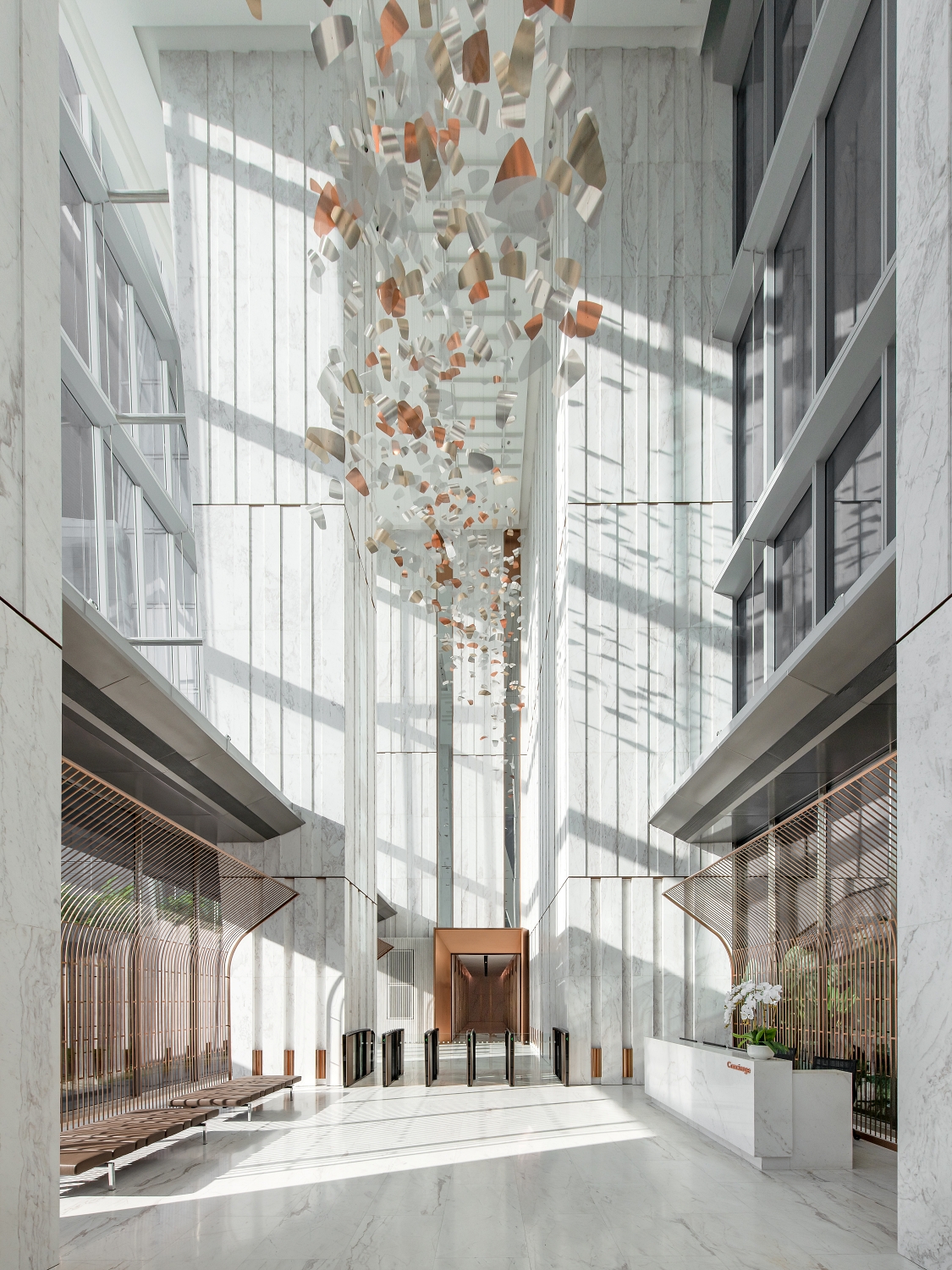
Atrium, Else Kuala Lumpur: Collaboration with clients allows David to identify key perspectives that reveal both the spatial logic and the atmosphere of a building
The sunlight hits at a certain time through a small opening, illuminating the ground-floor atrium with a pale glow. The shadows of a fragmented chandelier create geometric patterns on the wall. In a dark corner, a camera shutter snaps. The result is an image that will be published worldwide, inviting a global audience to immerse themselves in the space. You can feel the rough granite and smooth marble; you can almost hear the echoes of your footsteps. Miles away on the piece of paper and a digital screen, the space comes alive. This is the art of architectural photography, seen through the eyes of David Yeow.

Architectural photography has always existed in the paradox between documentary and interpretive, objective and highly subjective. The lens captures what is physically there, yet the photographer’s dexterity in framing, timing, and focus has the power to shape the way viewers understand the space. Architectural graduate turned full-time photographer, David Yeow, utilises a keen creative sensibility as the cornerstone of his practice. Since his pivot into the field over ten years ago, David has captured structures and installations around the world, turning buildings into a story.

From his academics, entering the imaging field felt like a natural transition. His initial forays in photography experimented with a wide set of genres, from travel to street, before he focused on architecture. His studies gave the advantage of understanding the best views to showcase from rendering 3D models, as well as the impact of camera lenses on certain views. Towards the end of his master’s at the University of Melbourne, he had joined several tours and competitions organised by Open House Melbourne, honing a deeper interest towards the arts. When a friend recommended him to Conde Nast Traveller China, he took the leap. The rest was history.

David’s process for architectural photography begins long before the camera clicks. Preliminary briefs with clients could involve a recce, a walkthrough, or just plans of the site. The discussion then goes deeper, marking areas that need to be captured, the hero shot, including points of interest and unique details.

“What would sell the project as an image? What helps dictate the space? How would you describe the space of its usage in terms of photos?” His inquiry studies the external variables like light, time of day, and weather, as well as internal factors such as spatial sequences, movement, and materiality.

Crucially, he resists reducing his work to sterile documentation. Every project is treated as a unique creative exercise, allowing room to explore a project intuitively and leveraging his background in spatial design. “The main focus on imagery is what best tells the idea or story of the project, whilst capturing moments or user interaction of the project,” he states. The ideal would have the visuals include a narration and a human element, to highlight the atmosphere and functionality in the images.

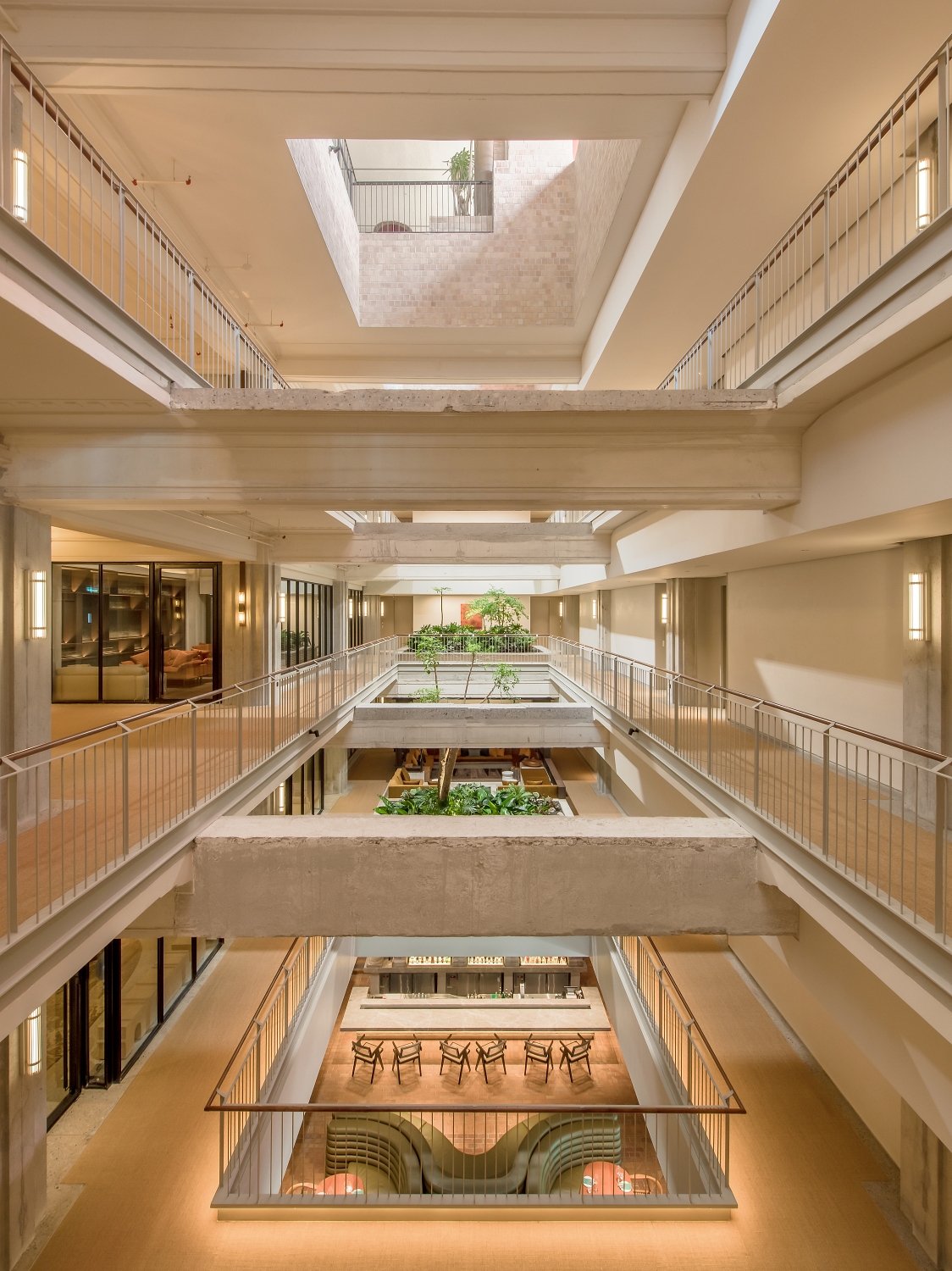
YTL Headquarters, Kuala Lumpur: Among David’s most challenging projects, requiring careful navigation of scale, location, and extensive post production to remove pandemic-era visual clutter

For his work, David’s stripped-down toolkit feels minimalist. Currently, he uses the Sony A7RV with a 12-24mm lens for wide architectural shots and a 50mm prime lens for more intimate details. His exercises in rendering 3D views throughout his studies and imaging work at firms helped hone his skill in crafting the required views with different lenses. For commercial interior projects, he would shoot tethered on a MacBook to allow the clients on-site to have immediate feedback on images.

His most utilised tool isn’t hardware at all; it’s his philosophy of deciphering and responding to space, and his communication with clients. It’s the human interpretation that no technology, including Artificial Intelligence, could replicate precisely.

“AI helps speed up tedious editing, but it won’t replace architectural photography,” he states when asked about generative imaging. “We are tasked with documenting projects to showcase them in a tangible and real presentation of the projects.”

While AI can simulate, clean, and polish, it cannot witness the way a camera captures. Photography’s value lies in its undeniable relationship to reality, enabling the full confidence of being able to declare that a project has been realised and exists in a physical location. For now, AI thrives as a useful tool in the arsenal of creative imaging, yet to replace the full nuance of architectural photography.

Atrium, Else Kuala Lumpur: Collaboration with clients allows David to identify key perspectives that reveal both the spatial logic and the atmosphere of a building

As with other creative fields, architectural photography has its challenges. But what separates extraordinary architecture from the ordinary? For David, it’s photographing a structure that has a layered interplay of design, form, and material.

“Spaces that give attention to scale and detail, from the minute to the grandeur of space, are notions of good design that allow great photography as well.” He particularly notes the impact of a good light and shadow combination, and how it adds a dynamic dimension to an image.

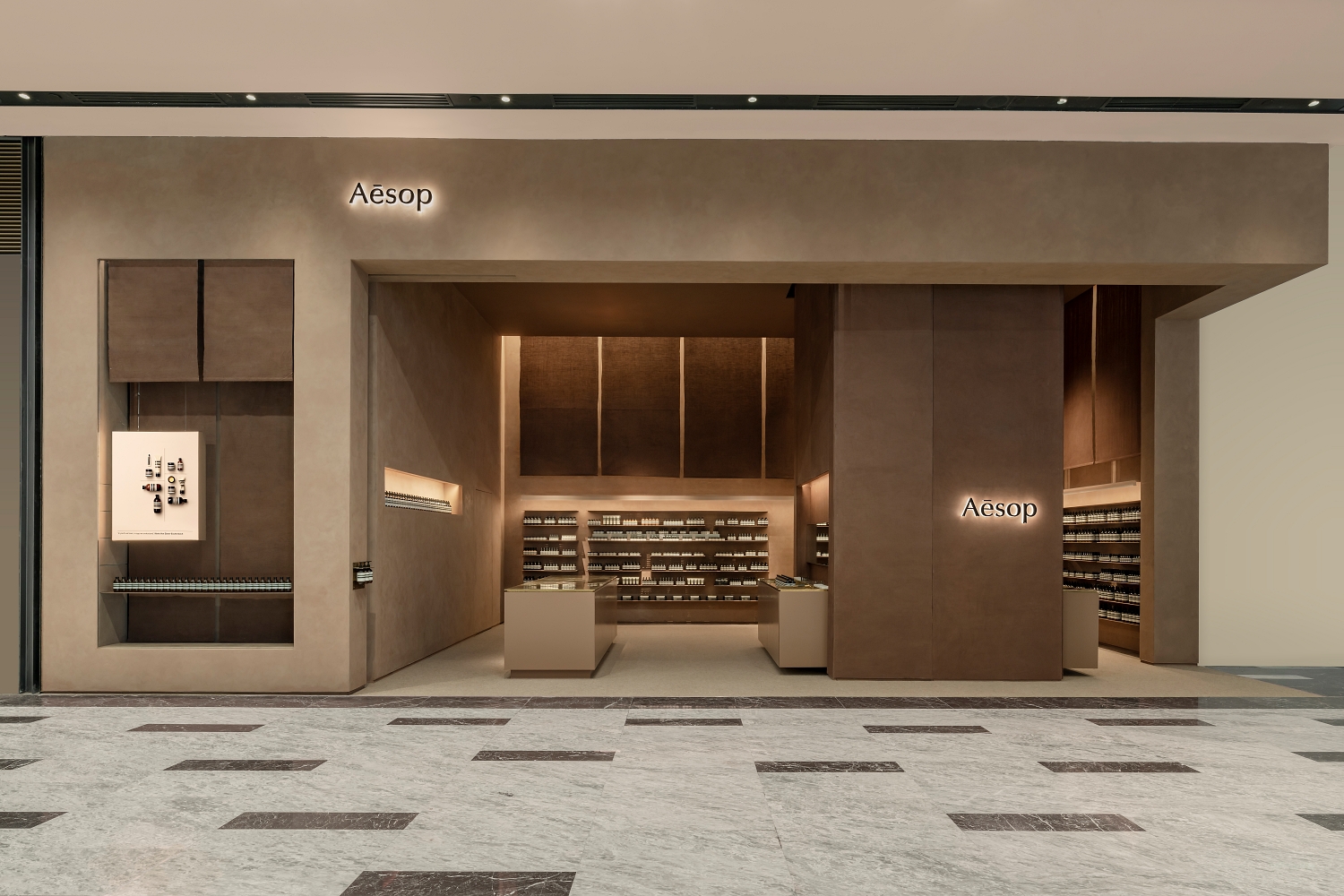
One of his most rewarding projects was photographing Aesop stores, a brand he’s admired since his stint in Australia. Aesop, a hallmark of retail art, emphasises a unique, sensorial design language in their stores. Each branch cultivates tactility, warmth, and restraint, evoking an ambience that is visceral in both experience and image. Translating that atmosphere into still photos demanded David’s precision and sensitivity. The project was “a steep but rewarding learning curve,” sharpening his skills and understanding how subtle material gestures and spatial mood can be rendered through the lens.

By contrast, one of his most challenging projects was documenting the YTL corporate headquarters in Kuala Lumpur. It was a complex undertaking due to its large scale, tight location, with added movement restrictions during the pandemic. While the key exterior shot could be operated with a drone, editing out the COVID signage and visual clutter required a painstaking effort in post-production.

Stunning images should appear effortless, but David stresses that much goes on behind the scenes. “There are a lot of preparations and plans that people don’t usually think about,” he shares. Timing for optimal lighting, decluttering the space, aligning furniture, and even subtle details like moving objects out of frame, all contribute to experiencing the final image. A perfectly clean image isn’t the goal, but the picture requires a harmony of lines, composition, and viability to appear both beautiful and realistic. It’s a meticulous step and requires a well-trained eye for balance.

Aesop Store, TRX: Photographing Aesop represents a full-circle moment for David, who admired the brand’s architectural sensibilities during his student years
Outside of architecture, David enjoys travel photography and astrophotography. He has also voyaged to snap Iceland’s dramatic landscape and Central Australia’s remote expanses. One of his side passions is experimenting with macro photography. His ‘marble universes’ is a playful and imaginative project that photographs bubbles and their colours, patterns, and shapes in high-definition zoom. True to the creative calling, David remains observant of the world around him. Asked what superpower he would choose, “The ability to fly would be great, then I could photograph projects from any height at any time!”
  • Just go out and shoot. “With cameras on most people’s phones, and plenty of interesting public spaces to photograph, it is the best time to explore the built world.”

  • Study the work of other photographers you admire and replicate shots. “That will give you a great insight into how other photographers see spaces,” he adds, emphasising learning by doing.

  • List down key shots.

  • Research for the best lighting of the day (or night).

  • For interiors, declutter the space and align furniture
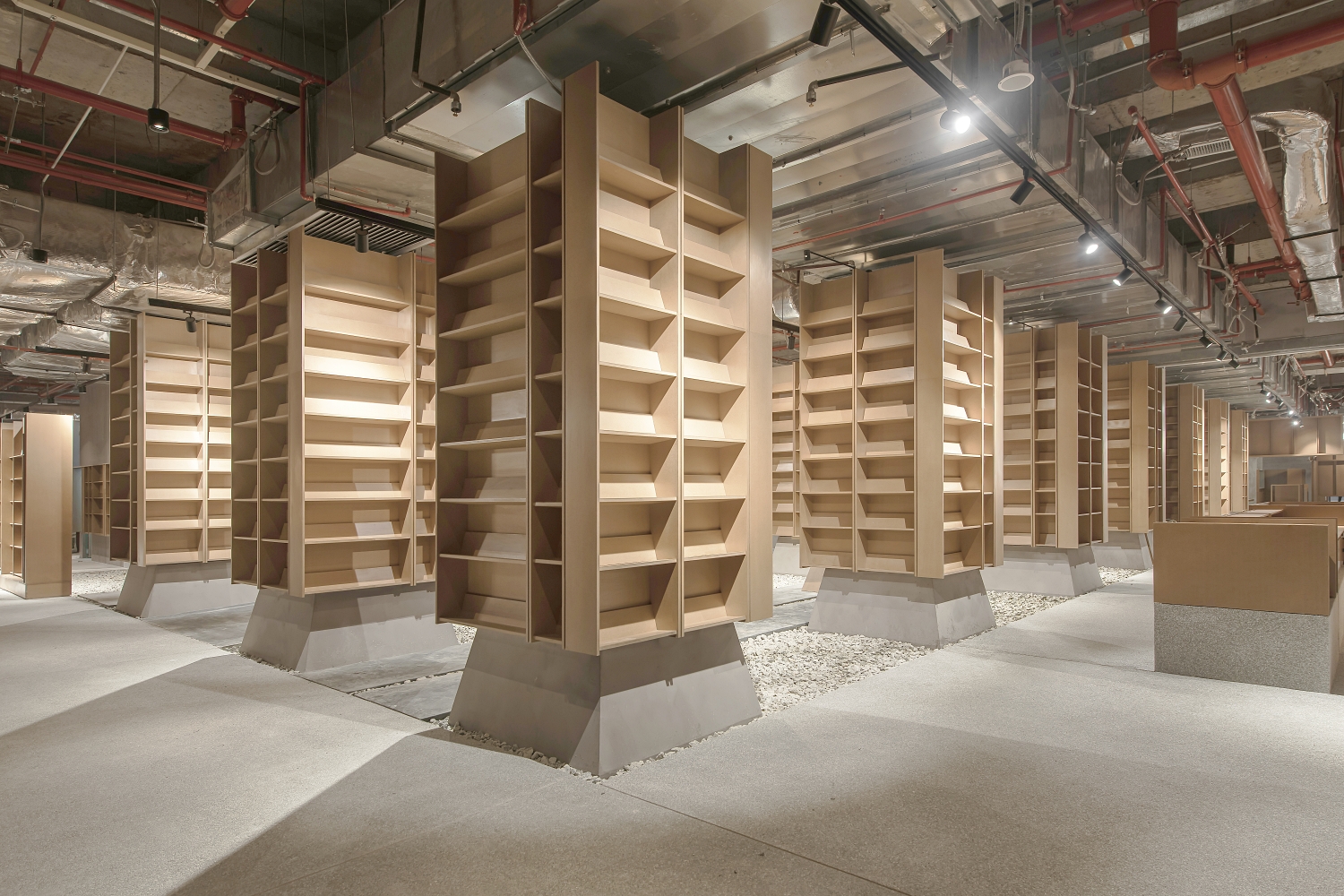
Wunderwall Design: For interiors, David emphasises the importance of decluttering and careful alignment of furniture, ensuring visual clarity and compositional balance

FEATURES

RELATED ARTICLES