DATUM 2025 Reportage

UNDER THIS YEAR’S THEME, “AUGMENTIC”, DATUM FOCUSES ON AUGMENTATION, INNOVATION, AND HOW ARCHITECTURE CAN AMPLIFY SOCIAL, ENVIRONMENTAL, AND TECHNOLOGICAL POTENTIAL. AR. QHAWARIZMI REPORTS.
by Ar. Qhawarizmi
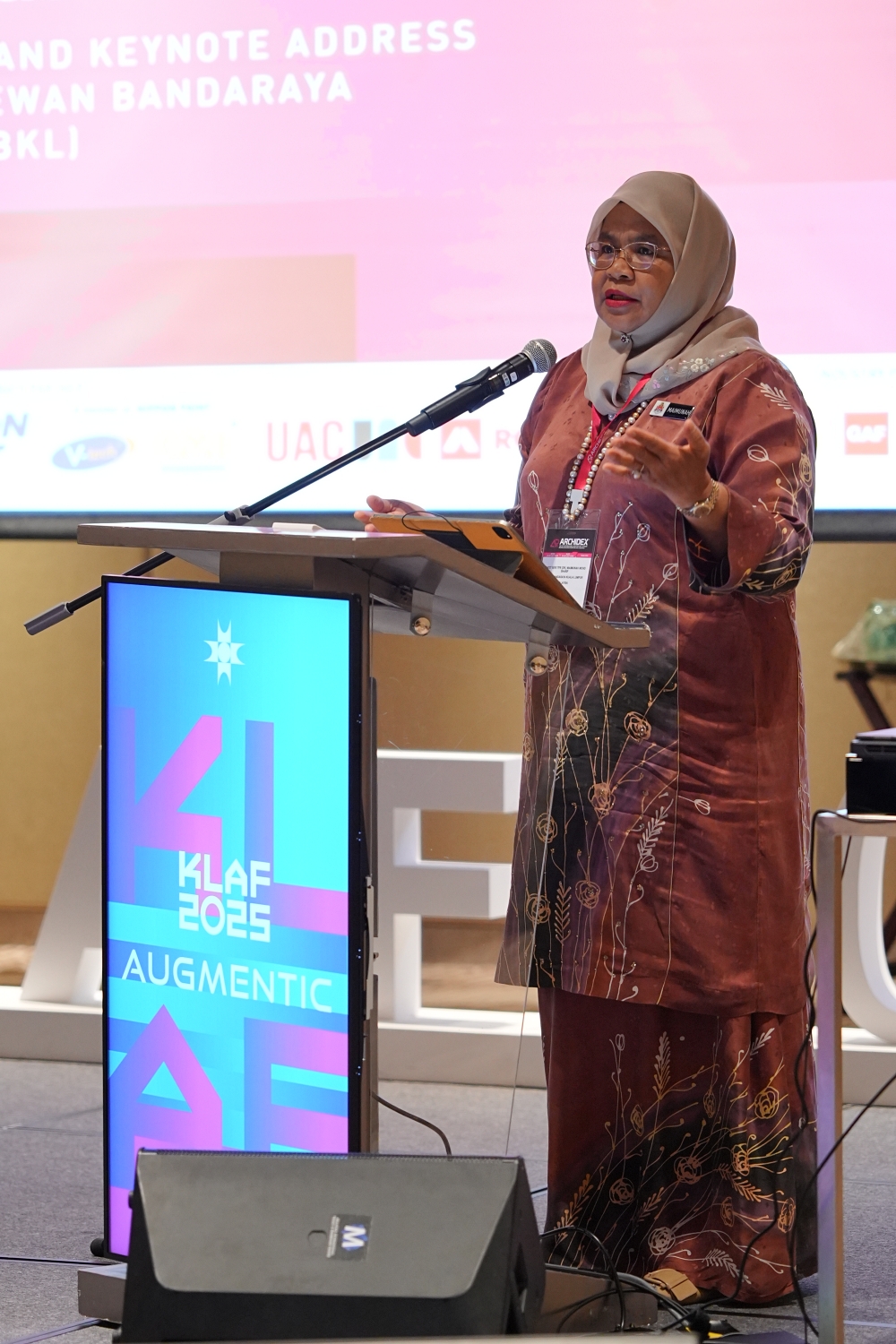
Datuk Bandar Kuala Lumpur, Dato’ Seri TPr (Dr.) Maimunah Mohd Sharif, sharing her vision on sustainable urban governance during DATUM: GOV
The DATUM 2025 flagship series of architecture conferences held under Kuala Lumpur Architectural Festival (KLAF) brought together architects, academics, policymakers, technologists, and industry players to explore critical themes in design, governance, technology, sustainability, and public policy, all through the lens of architecture. Under this year’s theme, “AUGMENTIC”, DATUM focuses on augmentation, innovation, and how architecture can amplify social, environmental, and technological potential. We’ve also expanded DATUM from three to seven distinct platforms spanning over five days across two venues. DATUM:KL itself marked its highest turnout since the pandemic, welcoming over 2000 attendees!
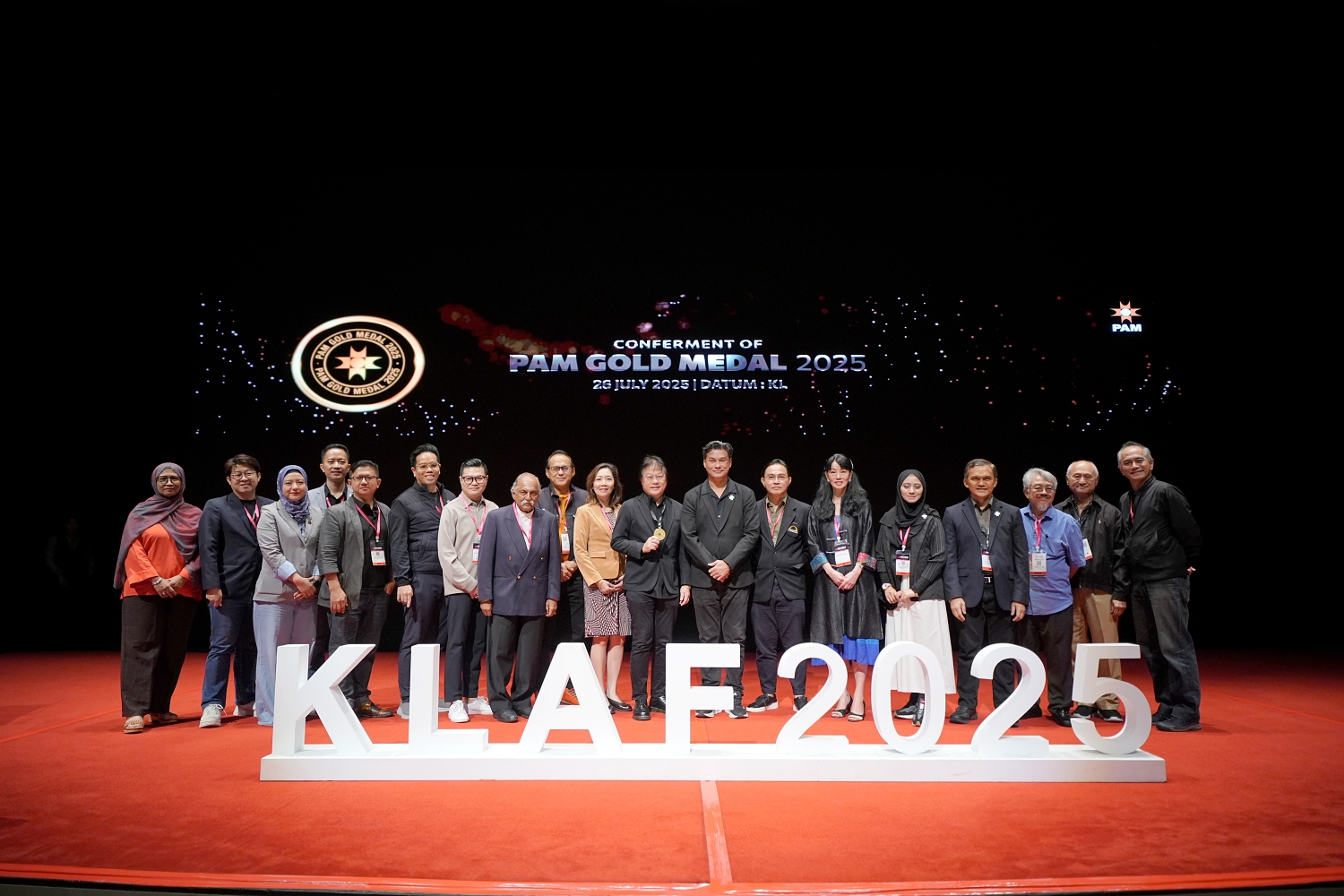
The conferment of the PAM Gold Medal 2025 to Ar. Dr. Tan Loke Mun during DATUM KL

The conference commenced on 21st July 2025 with DATUM: PAM-LAM & DATUM: EDU held at Malaysian International Trade and Exhibition Centre (MITEC). Jointly organised by Pertubuhan Akitek Malaysia (PAM) and Lembaga Arkitek Malaysia (LAM), DATUM PAM-LAM served as a platform for dialogue, professional reflection, and the exploration of the nation’s architectural direction.

Convened by Ar. Ridha Razak, the event opened with Ar. Adrianta Aziz, PAM President 2025/26, on Advancing PAM’s Vision, followed by a keynote from our LAM President, Dato’ Ar. Azman Md Hashim, who outlined LAM’s strategic vision for the future of the profession. Ar. Azim A. Aziz continued with a presentation on the current state of Malaysian architecture, addressing emerging challenges and opportunities. Engaging sessions by Ar. Chris Yap and Ar. Esmonde Yap explored innovative marketing strategies for ACPs and IDCPs, while Ar. Sharina Intan Abdullah emphasised the importance of firm succession planning in sustaining a professional legacy. The highlight of the day was Ar. Dr. Tan Loke Mun, this year’s recipient of the PAM Gold Medal 2025 he introduced the LAM-BOS system, a governance framework aimed at elevating professional standards and accountability.

Meanwhile, DATUM: EDU served as a platform for educators, students, and practitioners to explore the evolving landscape of architectural education. The session, convened by Dr. Prof. Veronica Ng, began with a presentation by Dr. Antika Sawadsri and Dr. Elena Denisenko, who shared perspectives on innovative design pedagogy and the challenges of aligning academic frameworks with professional practice.

Following an engaging Q&A, the second session included presentations by Dr. Alice Sabrina, Ar. Dr. Lee Sze Ee and Mr. Nazmi Anuar are highlighting progressive educational models and interdisciplinary collaboration in architectural learning. Discussions centred on tes while fostering creativity and critical thinking.

Closing with a session between speakers and participants, DATUM: EDU 2025 successfully bridged academia and practice. The event reaffirmed the importance of continuous dialogue, innovation, and adaptability in shaping the next generation of architects.
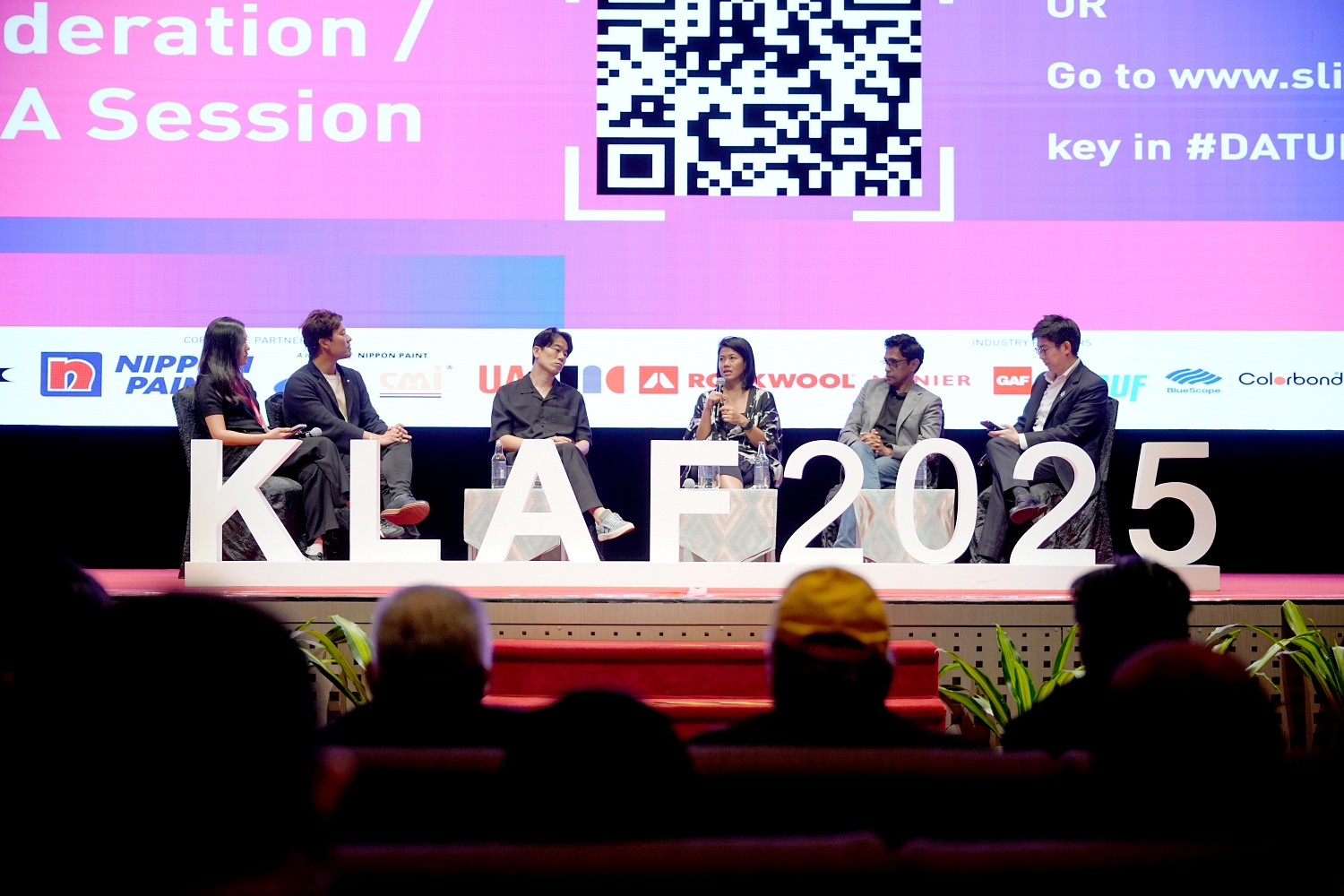
Moderation session by Ar. Esmonde Yap

The next day, DATUM: GOV, convened by Ar. Ellina Rahman examined the interplay of architectural practice, governance, and public policy, promoting collaborative frameworks between design professionals and government agencies.

Dato’ Bandar Kuala Lumpur, Dato’ Seri TPr (Dr.) Maimunah Mohd Sharif opened the conference as the first keynote speaker, inspiring all with her vision for sustainable urban governance. Next, Ys TPjB Datu Khirudin Drahman gave a fiery presentation on fire safety and regulatory imperatives.

After a coffee break, Sr Dr. Suraya Ismail of Khazanah Research Institute addressed the housing crisis affecting the B40 communities using data-driven insights. Ms. Lilian Tai Yee Chi from the Ministry of Housing & Local Government spoke on town planning challenges, while YB Tuan Haji Akmal Nasrullah of PETRA closed the session with perspectives on energy transition and water governance.

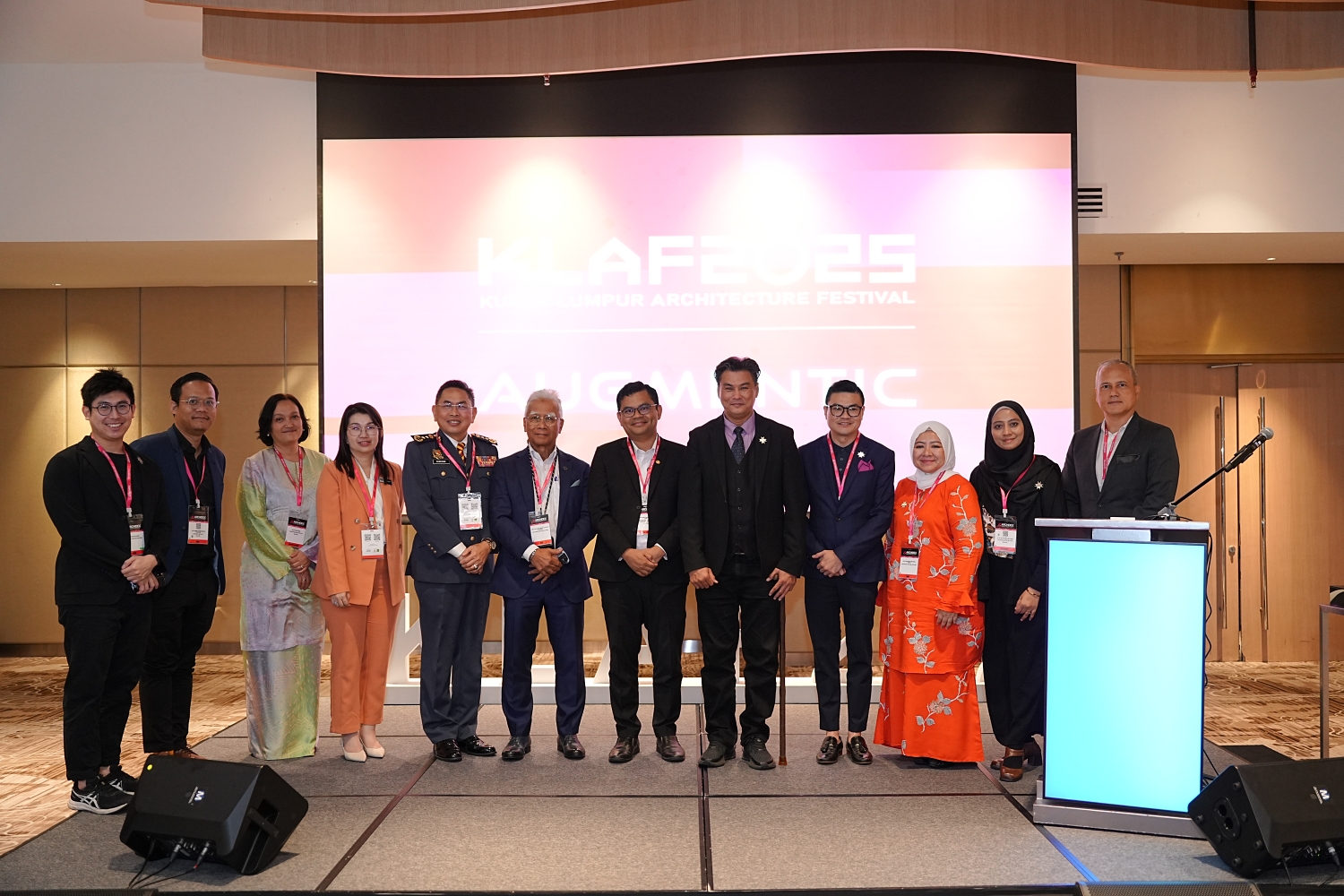
Fellow speakers of DATUM: GOV with Conveners from PAM at MITEC

With moderated Q&A sessions interspersed throughout, DATUM: GOV fostered meaningful dialogue on how architecture and governance can align to build more inclusive, resilient cities.DATUM: TECH, convened by Ar. Azlan Syarawi brought together architects, technologists, and innovators to explore how emerging technologies are reshaping the architecture and construction industries. The first speaker, Ms. Takbir Fatima of Design Aware, India, shared her initiative in generative design and fabrication, including the integration of artificial intelligence in construction, demonstrating how innovation can drive social change.

Following this, Mr. Abdul Shakir Abu Samah captivated audiences with his “colourful” insight into FILAMEN, a creative studio renowned for its light projection mapping on heritage architecture, blending technology and artistry to reimagine cultural landmarks.

After a short break, PlanRadar’s Mr. Avtandil Mekudishvili’s presentation from Austria explored the future of BIM and emerging digital tools shaping global construction trends. The event concluded with Mr. Mond Qu of United Make, Australia, showcasing interactive installations that blur the boundaries between the physical and digital realms.

Bringing together pioneers from around the world, DATUM: TECH illuminated how technology continues to transform architecture, not only in design and execution but also in purpose, collaboration, and creativity.

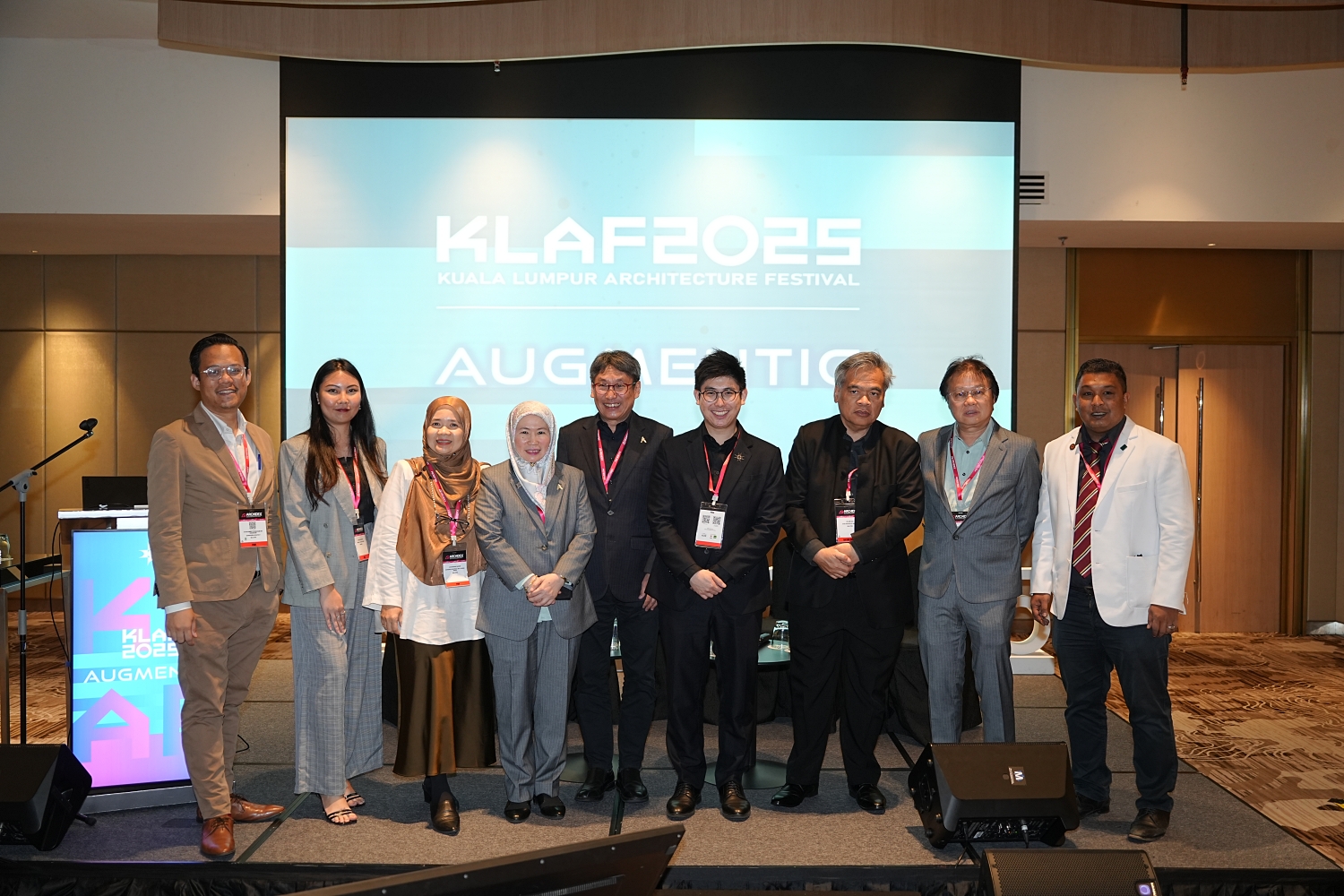
Fellow speakers of DATUM PAM LAM with Conveners from PAM at MITEC

On 24th July 2025, DATUM: GBI opened in the prestigious Plenary Hall, KL Convention Center (KLCC). As the convenor for this event, the invitation was extended beyond architects, welcoming the perspectives of engineers, developers, and sustainability experts who share a unified vision. With hope, DATUM:GBI is intended to go beyond performance metrics; it is about humanising sustainability and recognising our shared role in shaping the built environment responsibly.

The first presentation featured the Hershey Company building, a proud recipient of the GBI Gold Award, presented by Ir. Catherine Sim Siew Ping and Mr. Sashman Naidu Vengataraman. Their presentation detailed the building’s intricate systems and strategic decisions that turned challenges into opportunities, setting a benchmark for industrial sustainability.

Next came DXN Cyberville, a GBI Certified development, presented by Ar. Justin Lee Shyan Luen, Mr. Mahmood Hisham, and Ms. Chua Jian Wen. The team highlighted the collaborative relationship between client and designer, a crucial element in realising sustainable ambitions without compromising on innovation or practicality.

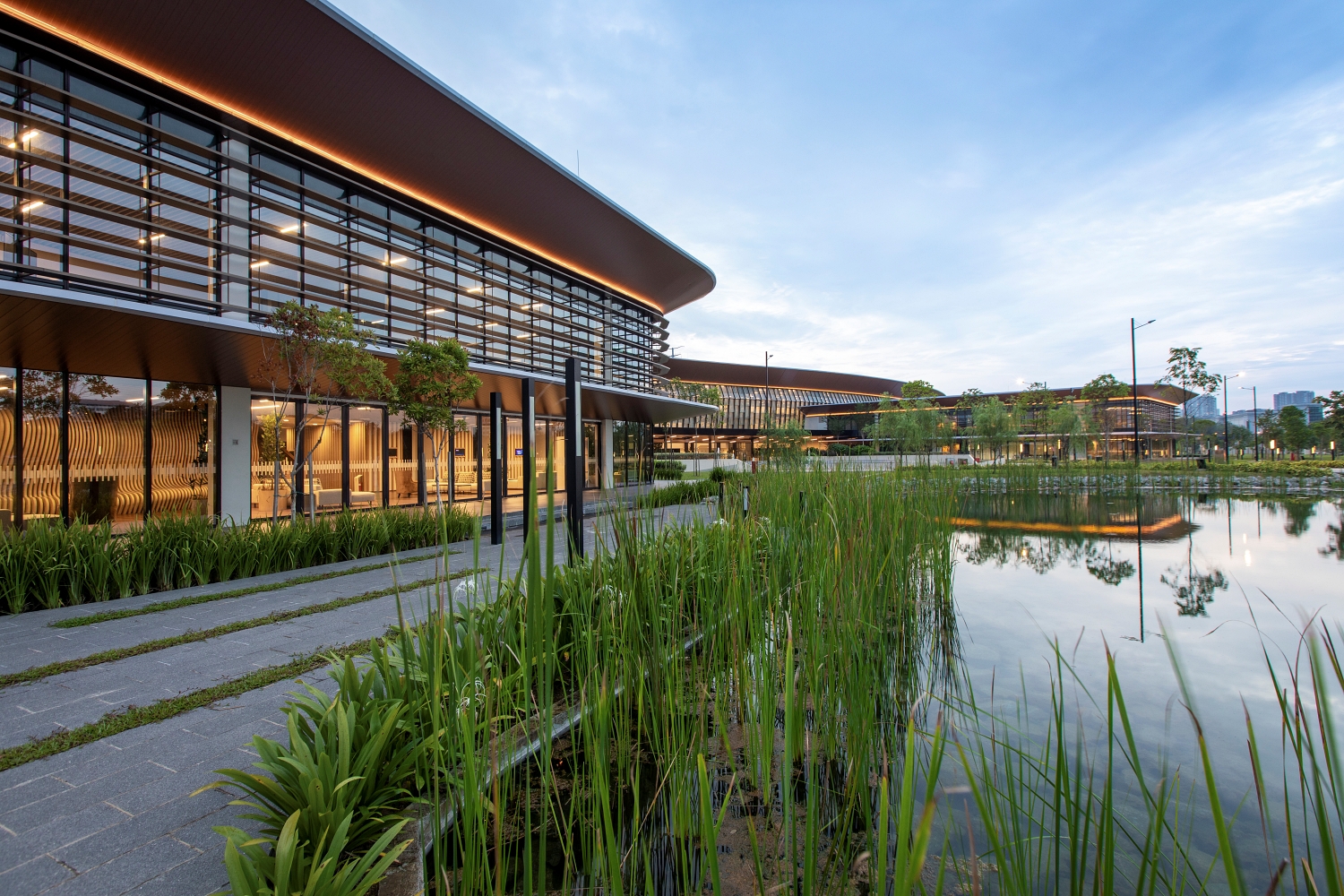
After a short coffee break, the spotlight turned to the Petronas Leadership Centre, a GBI Platinum Award winner. Ts. Ahmad Thibri Mashri and Ar. Azril Amir Jaafar shared how this project exemplified the integration of green strategies into both form and function, making it a model for institutional sustainability. Rounding off the day was the presentation of 10 Stonor, another GBI Certified building, by Ar. Michael Ching and Ir. Dennis Tan. Their discussion revealed how the project’s urban context within the heart of Kuala Lumpur influenced its sustainable design approach, balancing density, comfort, and energy efficiency amid a bustling cityscape.

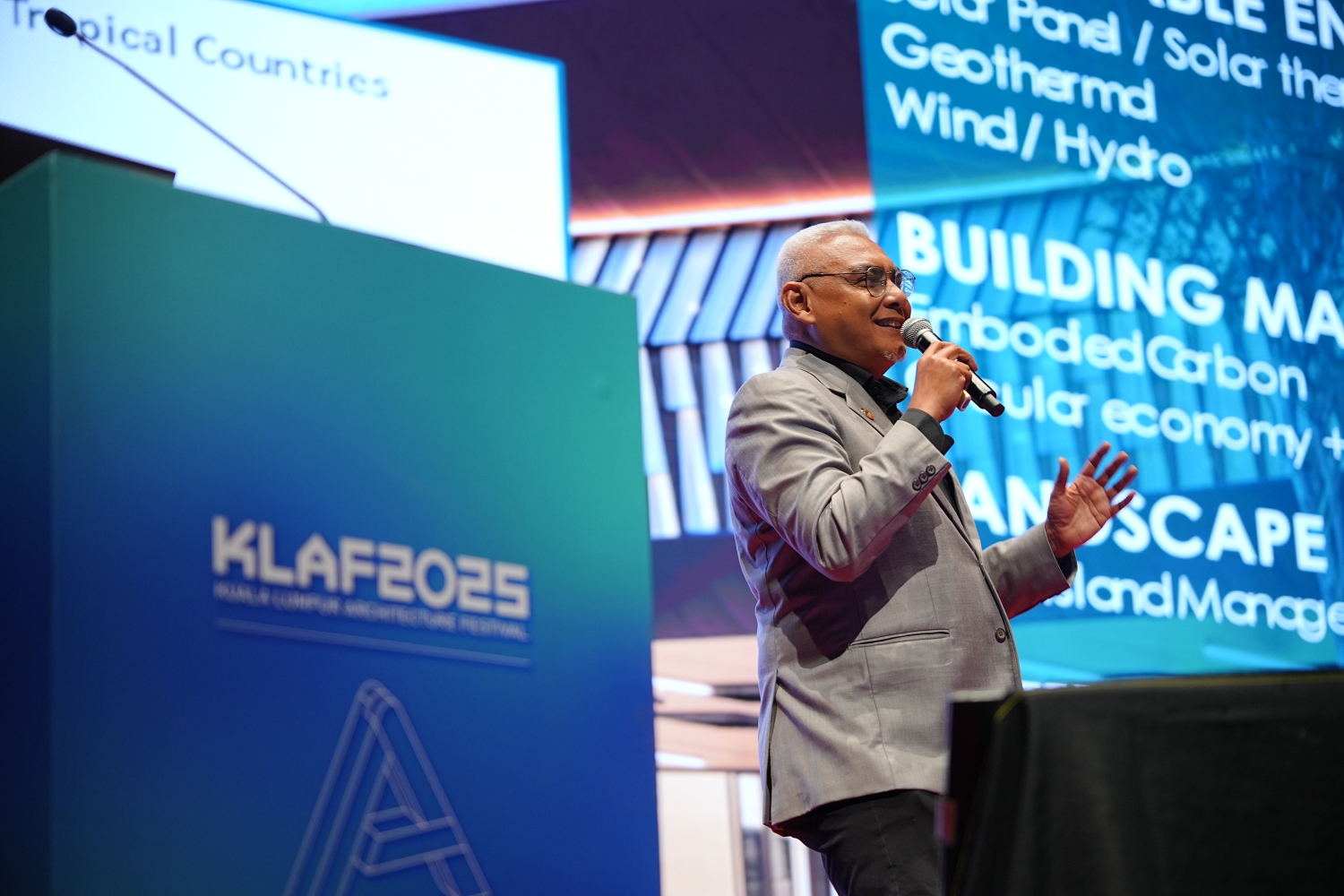
Ar. Azril Amir Jaafar shares on achieving the GBI Platinum certification for sustainable building practices in Malaysia

The day resumes with DATUM: PLUS, which served as a vibrant platform for architects, designers, and creative thinkers to explore new frontiers in architecture, design technology, and urban innovation. Convened by Ar. Firadaus Khazis, the session brought together a diverse lineup of speakers whose unique perspectives reminded audiences of the many ways design connects to life, culture, and storytelling.

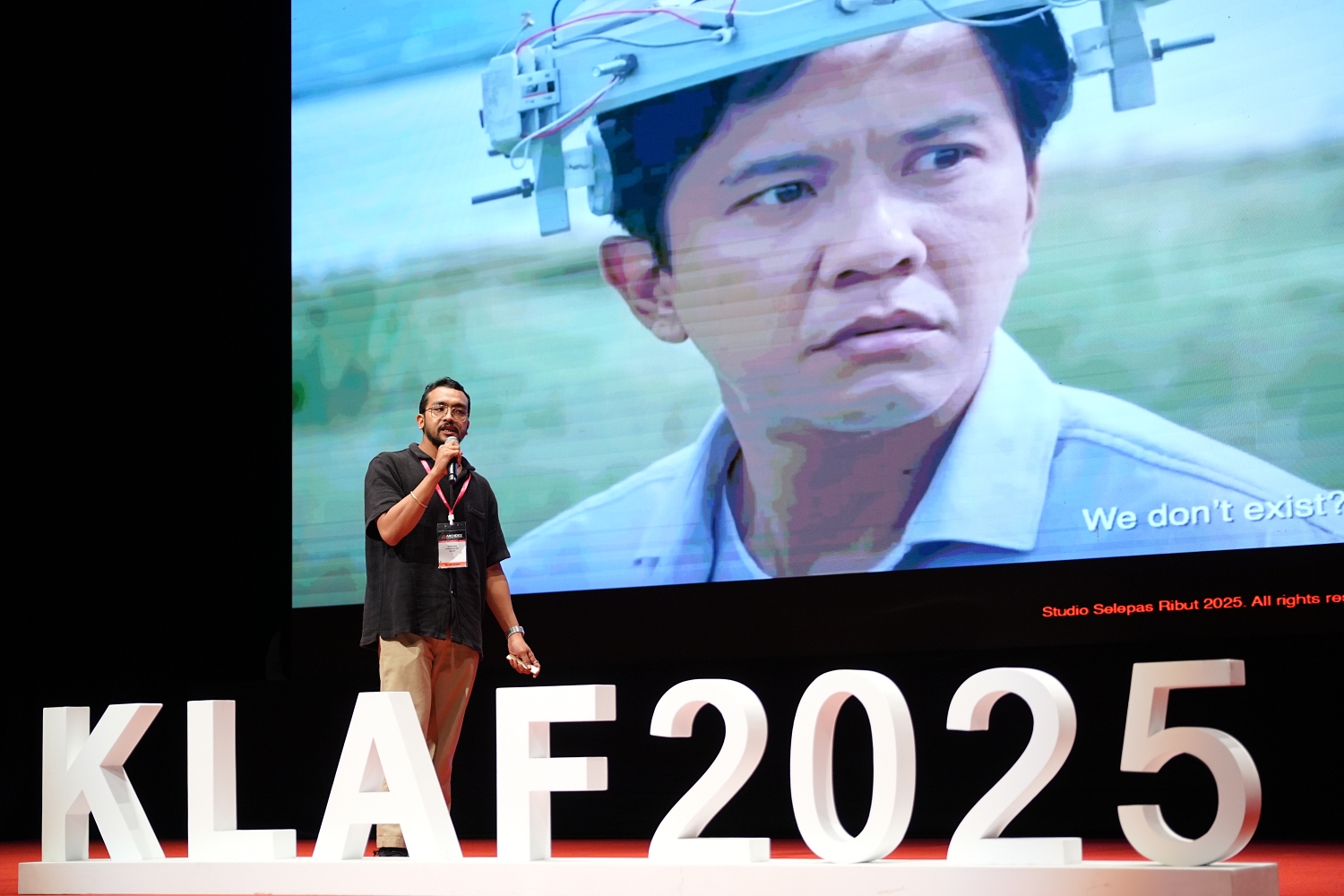
The evening began with Mr. Rabbani Sujak from Studio Selepas Ribut, who shared a rare glimpse behind the scenes of film production, including the making of the award-winning Imaginur. His talk highlighted how visual storytelling and architecture share the same language of space, emotion, and experience.

Adding a light-hearted twist, the ever-popular Leewardists duo, Mr. Anuj Kale and Ms. Shreya Khandekar, charmed the audience with their witty take on architectural life, turning everyday struggles into laughter and relatable moments. Mr. Inch Lim of Inchscape Sdn. Bhd. then grounded the discussion with his thoughtful insights on what it truly means to be a landscape architect.

Closing the day, Mr. Kevin Mark Low of Small Projects delivered a powerful reflection on Malaysian architecture, urging designers to think beyond Western influence and rediscover their own cultural authenticity.

Mr. Rabbani Sujak, passionately taking us behind the scenes for his film Imaginur that won in the Malaysian Film Festival

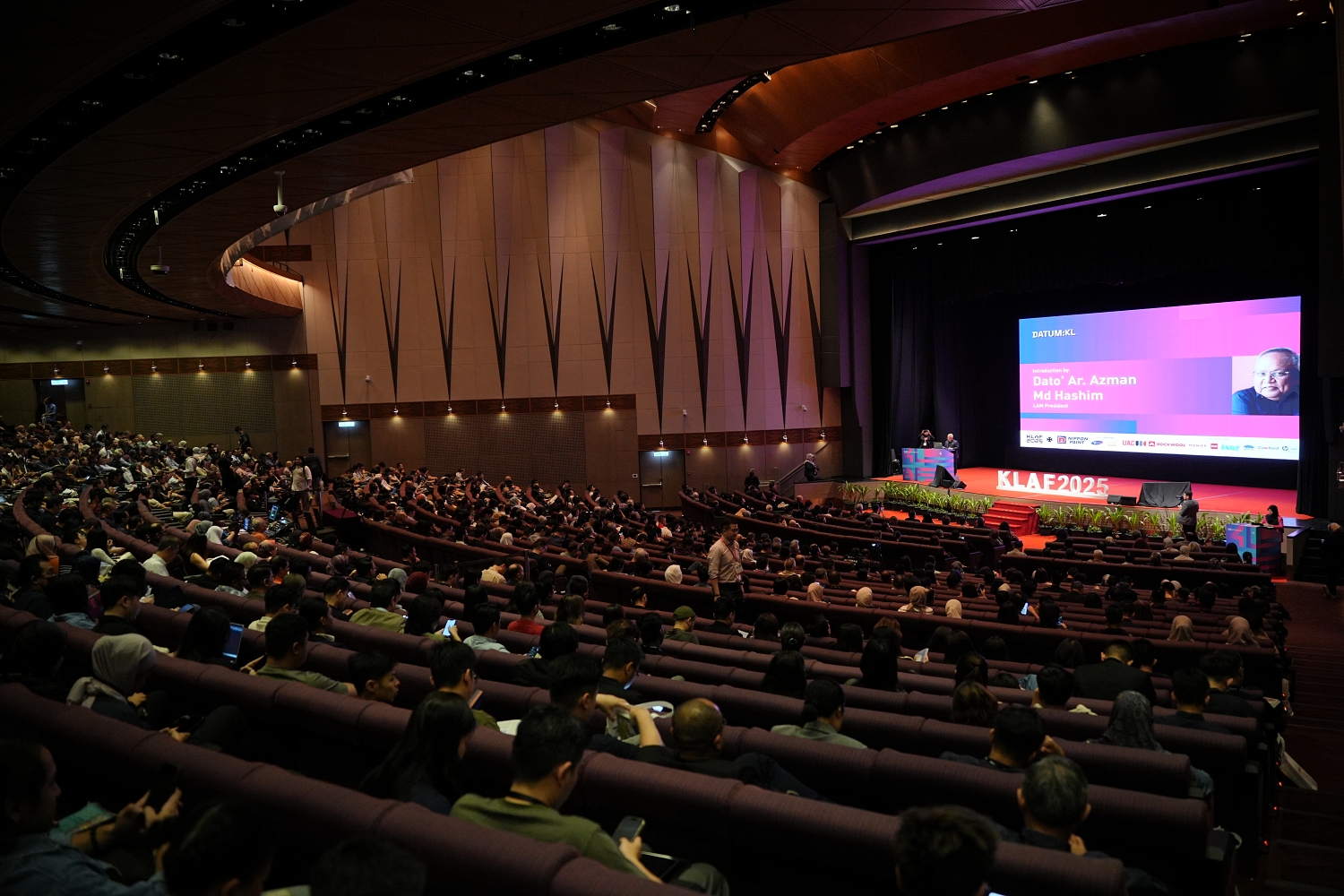
On 25th July 2025, the grand halls of the Kuala Lumpur Convention Centre (KLCC) came alive again with the energy of 2000 participants as DATUM: KL Day 1 opened its doors. Convened by Ar. Esmonde Yap, the much-anticipated session marked the pinnacle of the KLAF 2025, gathering some of the world’s most influential design voices under one roof.

The morning began with Ar. Chris Wong of C’Arch Architecture + Design proudly represents Malaysia. His presentation offered a deep dive into the design of a recently completed bungalow, unravelling the creative and technical process that balanced modern aesthetics with the tropical Malaysian context. His talk set the tone for a day filled with inspiration and intellectual rigor.

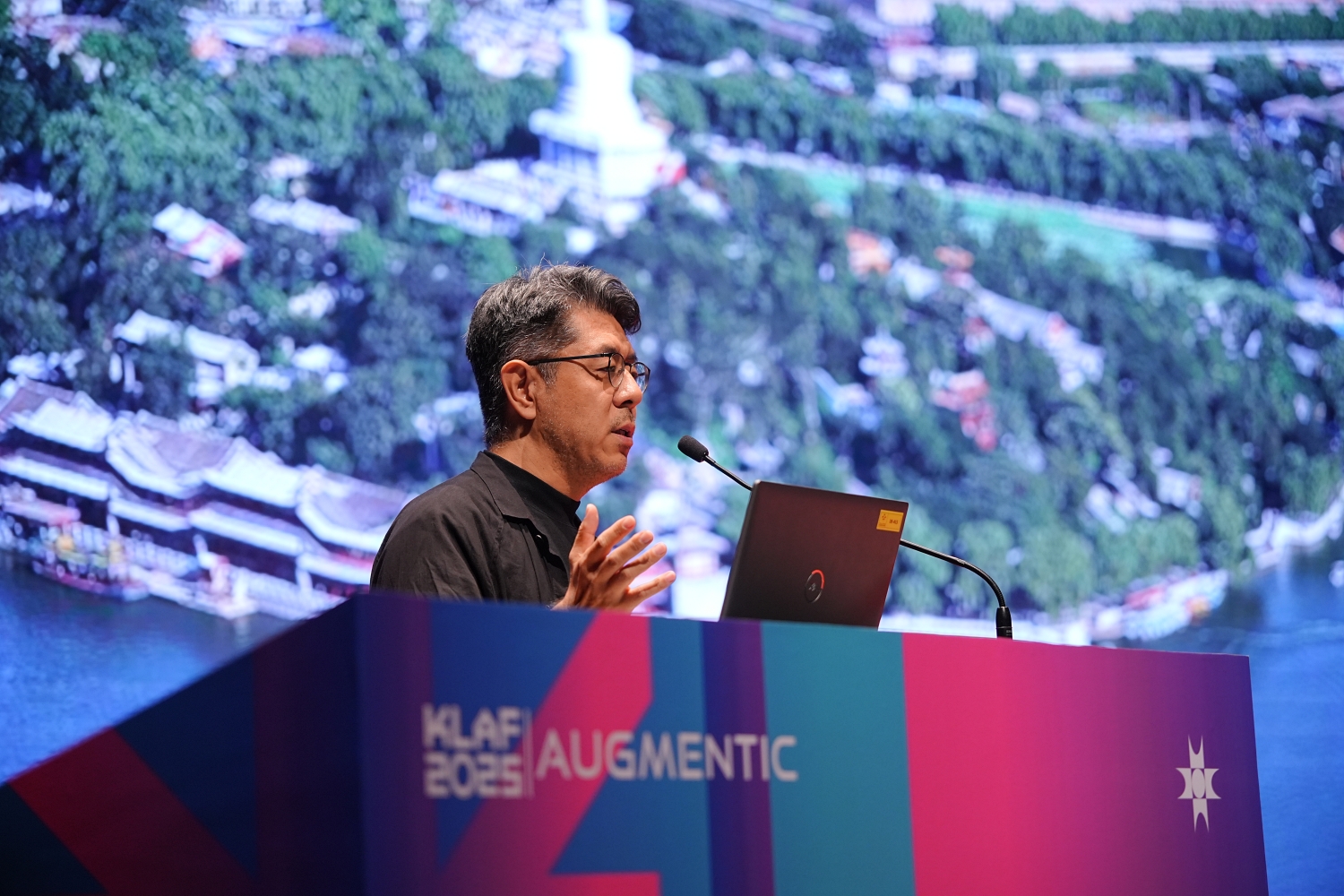
Next, the much-anticipated and visionary Ar. Ma Yansong, founder of MAD Architects (China), captivated the audience with his poetic yet futuristic design philosophy. This year, he has been named one of TIME magazine’s 100 most influential people. Through his projects, he revealed how architecture can exist harmoniously with nature while still pushing technological boundaries, embodying the spirit of a forward-thinking China. After a short intermission, the stage welcomed Ar. Mohamadreza Ghodousi of ZAV Architects (Iran) shared how his practice responds sensitively to the unique challenges of Iran’s climate and culture. His presentation offered a refreshing look at contextual design that respects both environment and heritage.

Ar. Ma YanSong of MAD Architects China sharing his latest work on stage

Shortly after DATUM, it was announced that he received the 2025 Aga Khan Award for Architecture for Majara Residence and Community Redevelopment on Hormuz Island, Iran. Attendees were thus given the rare privilege of witnessing a masterclass from an architect whose work was, even then, being recognised on the world stage for its profound social and cultural impact.

Continuing the global narrative, Ar. Mikako Oshima from Nihon Sekkei (Japan) reflected on the role of architecture in preserving local heritage amidst the aftermath of natural disasters. Her talk emphasised the resilience and cultural responsibility of architects in safeguarding identity through reconstruction and preservation.

The session reached its crescendo with Ar. Richard Wood, Managing Director of Snøhetta Asia, whose presentation was both insightful and awe-inspiring. He offered a closer look at iconic projects such as the Oslo Opera House and the Jesselton Docklands waterfront development, underscoring how design excellence can merge seamlessly with environmental and social consciousness.

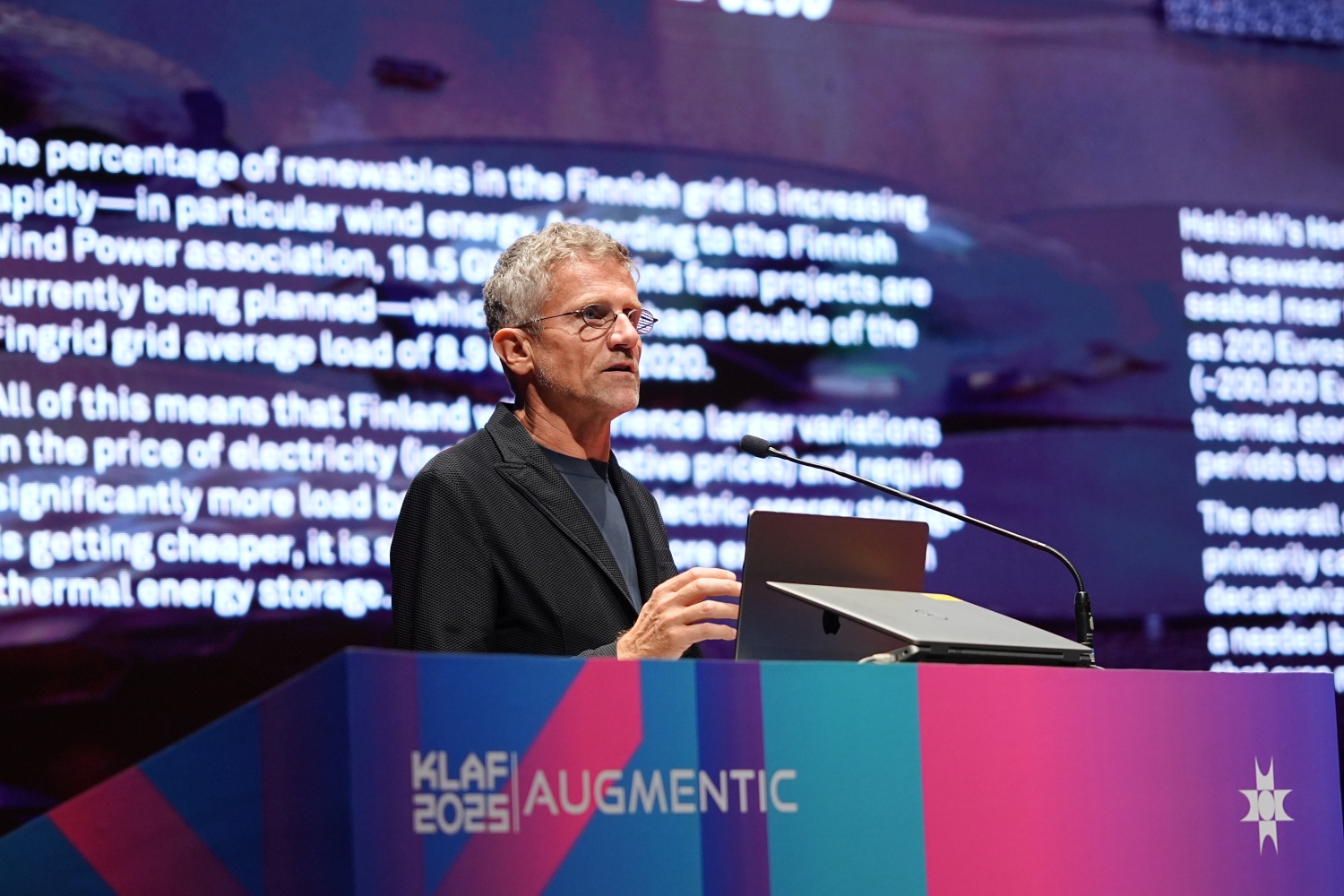
Ar. Carlo Ritto gives insights to Roboat, a research that transcends the definition of “delivery on water”

The energy was palpable as crowds gathered early for the last day of DATUM: KL. I took the opportunity to thank everyone in my closing speech before passing the stage to a dear friend, Ar. Kichul Lee of Architect K, South Korea, captivated the audience with his presentation on Grandpa’s House and other notable works. His reflections on intergenerational living and emotional design spoke to the power of architecture in nurturing memory and belonging – themes that deeply resonated with the crowd. Last month, on my visit to Incheon, Korea, it was a delight to see him receive ‘Building of the Year’ from the prestigious ARCASIA Awards for Architecture. His recent recognition reaffirmed that DATUM 2025 successfully showcased the highest calibre of contemporary Asian architectural thought.

Next, Ar. Zakiah Zuege of Populous Singapore commanded attention with her unveiling of the upcoming Shah Alam Stadium redevelopment, an ambitious reimagining of Malaysia’s once-iconic landmark. As a firm known for pushing the boundaries of engineering, most notably with the Las Vegas Sphere, her talk highlighted how adaptive reuse and innovative engineering can breathe new life into beloved civic spaces while preserving cultural identity.

As the sessions progressed, Mr. Alan Cheung of Onebite Studio, Hong Kong, shifted the dialogue toward inclusivity and community-driven spaces. His revitalisation projects showcased how design can transcend gender and social boundaries to create shared, empowering environments for all.

Ar. Milinda Pathiraja from Robust Architecture Workshop, Sri Lanka, followed with a heartfelt presentation that blended social conscience with architectural craftsmanship. His works, rooted in community engagement and sustainable construction, reminded attendees that architecture’s truest strength lies in its human impact.

Speech by LAM President, Dato' Ar. Azman Hashim to a sea of 2000 attendees

Bringing a touch of vibrancy to the stage, Ar. Yvette Koh, representing Gensler Singapore, shared the firm’s latest explorations in workplace, retail, and urban design, highlighting how innovation and user experience are reshaping the built environment in Southeast Asia and beyond.

Rounding out the international showcase, Ar. Yoshi Uchiyama of Koichi Takada Architects, Australia, discussed the studio’s nature-inspired approach that bridges continents through fluid, sustainable design. His projects exemplified a seamless dialogue between architecture, culture, and ecology.

The day concluded with a spectacular 45-minute finale by our Keynote speaker, Prof. Carlo Ratti, of Carlo Ratti Associati, Italy. His thought-provoking presentation on research-led design included Roboat, an autonomous water mobility project that redefines “delivery on water.” His vision for the intersection of technology and urban life left the audience awe-inspired. It was an honour to have him this year while still fulfilling his role as the ongoing 2025 Venice Biennale Curator.

I am truly thankful to all the convenors, speakers, sponsors, and PAM staff who contributed to the unparalleled success of DATUM 2025’s “AUGMENTIC” journey. It demonstrated that architecture is, at its core, a collaborative endeavour. The true takeaway is not just the ideas shared, but the collective realisation that the profession’s resilience and capacity for innovation reside in its network, ensuring that our next structures and policies are built on a foundation of shared insight and unified purpose.

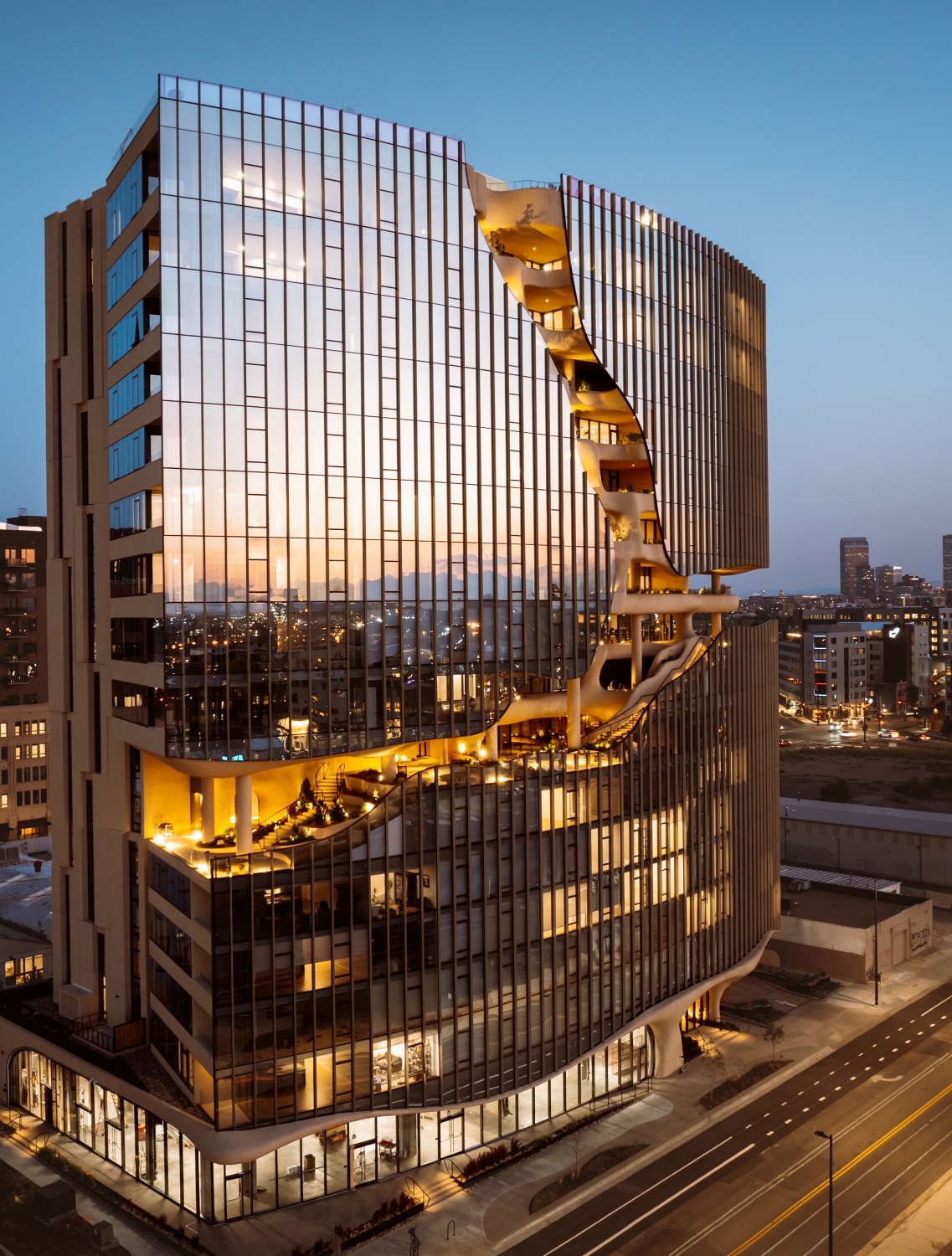
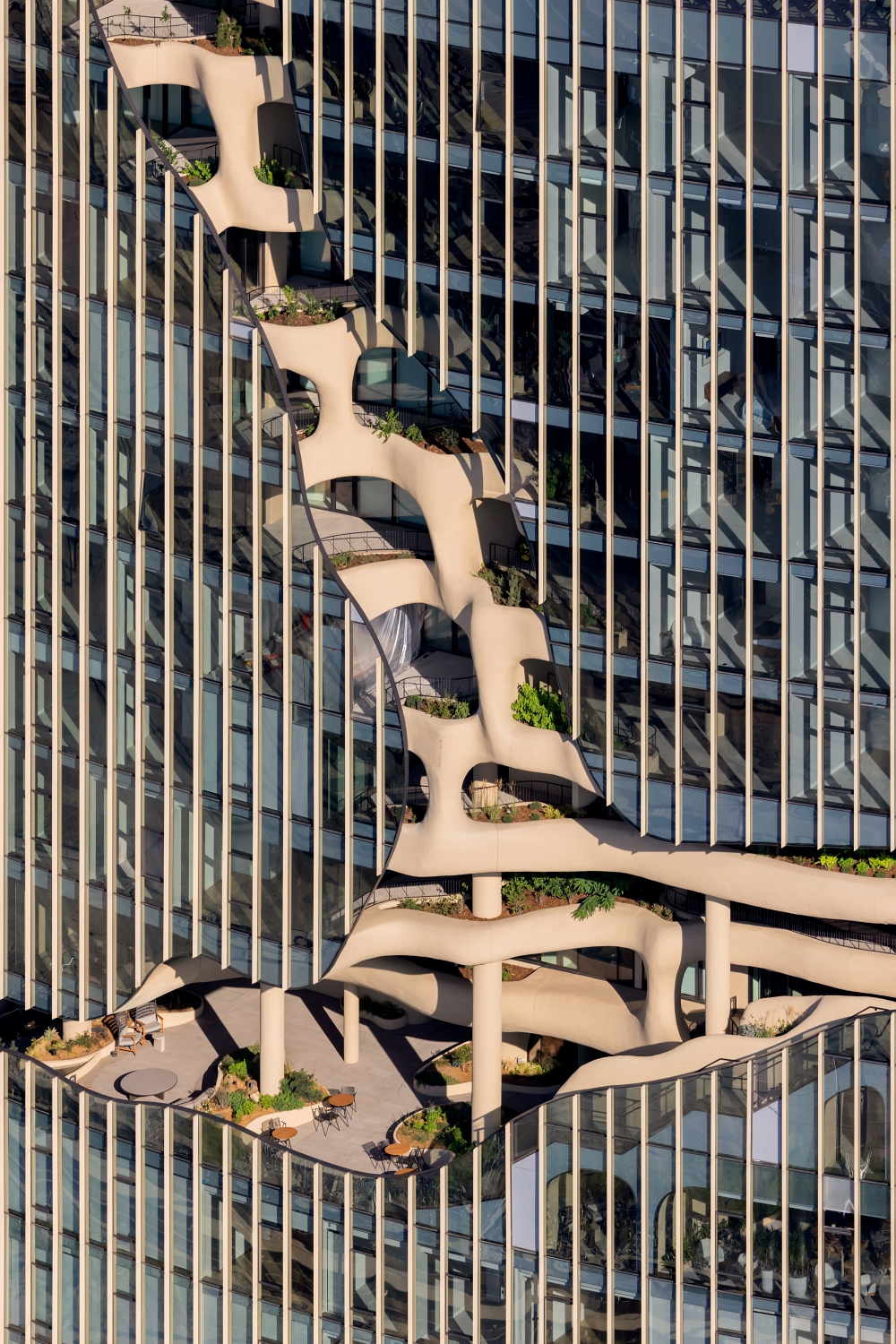
A crack of natural terrain carves through the glass facade of MAD Architects mixed-use development in Denver, Colorado
Ar. Ma Yansong expresses the spatial similarity to a canyon
The Petronas Leadership Centre, a Green Building Index (GBI) Platinum Award winner
Majara Residence and Community Redevelopment on Hormuz Island, which won the Aga Khan Architecture Award 2025

FEATURES

RELATED ARTICLES