Utilising passive solutions for a greener and more sustainable residence
Text by the architect
Combination of hexagon and six-pointed stars that infill the rotated arches form modern Islamic screening around the podium
INTRODUCTION
Located in a 1970’s neighbourhood in SS3, Petaling Jaya, the project consists of a 2-storey bungalow refurbishment.
DESIGN APPROACH
The Living, Dining and Guest Room of the original bungalow are facing West, which is the hottest part of the façade.
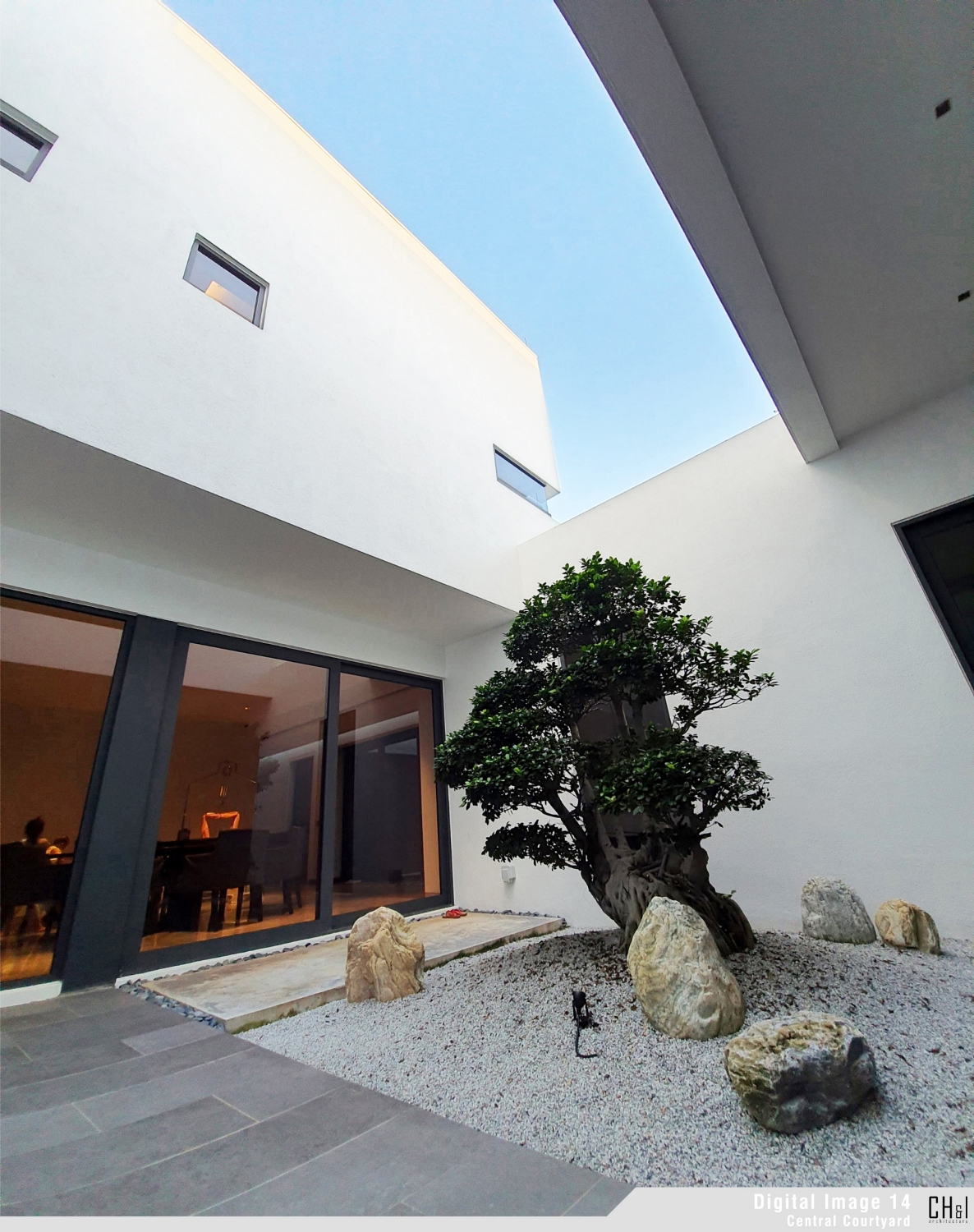
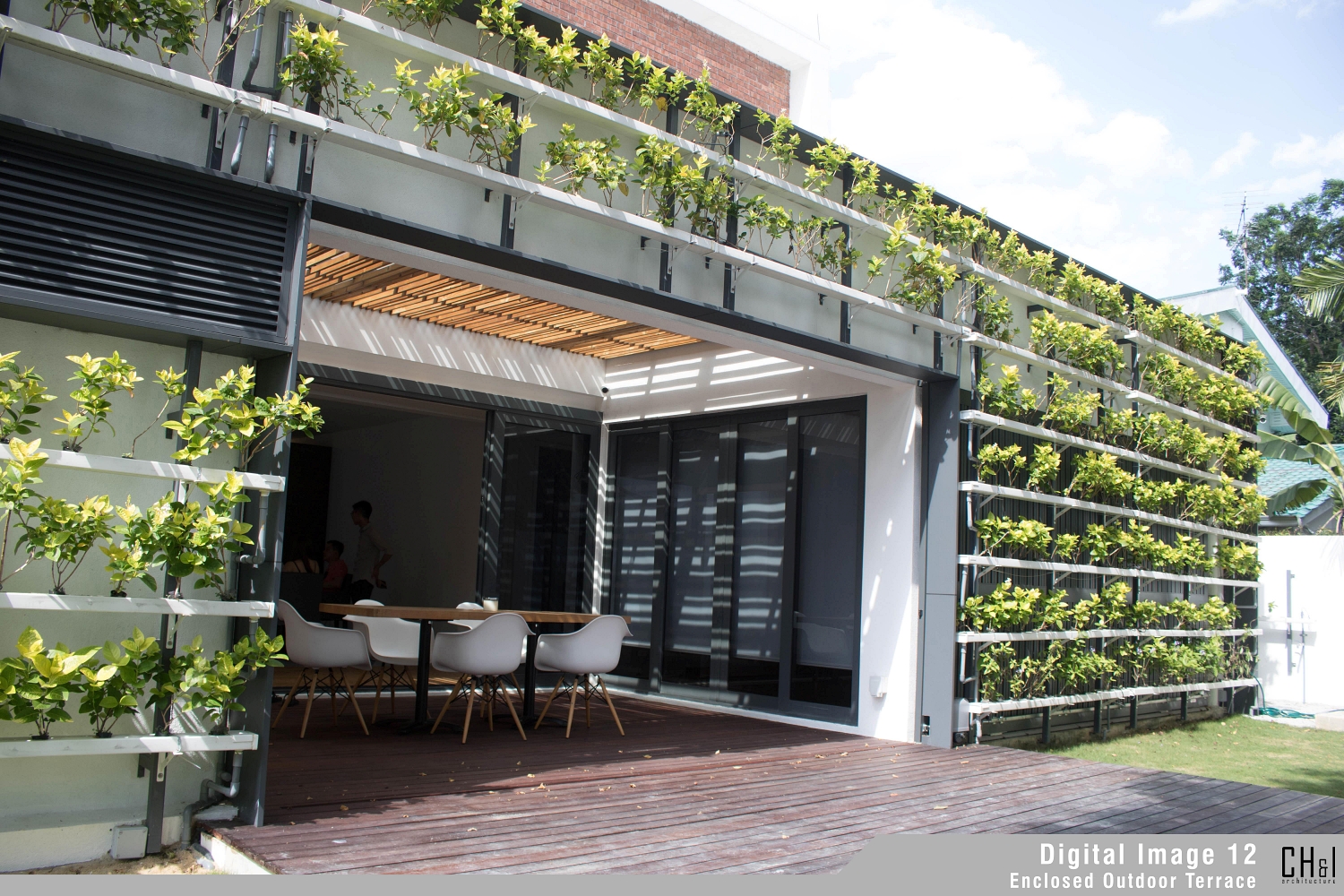
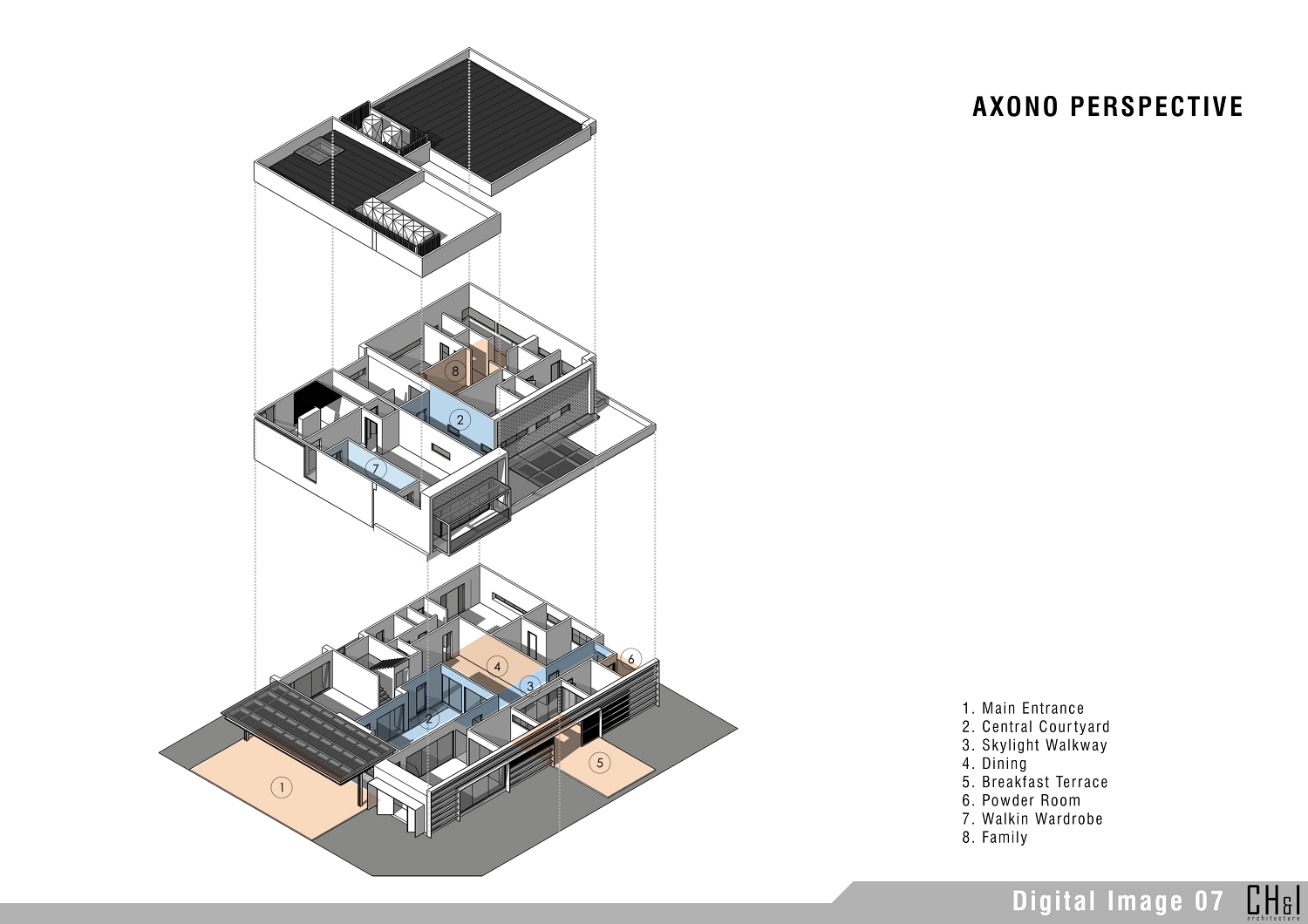
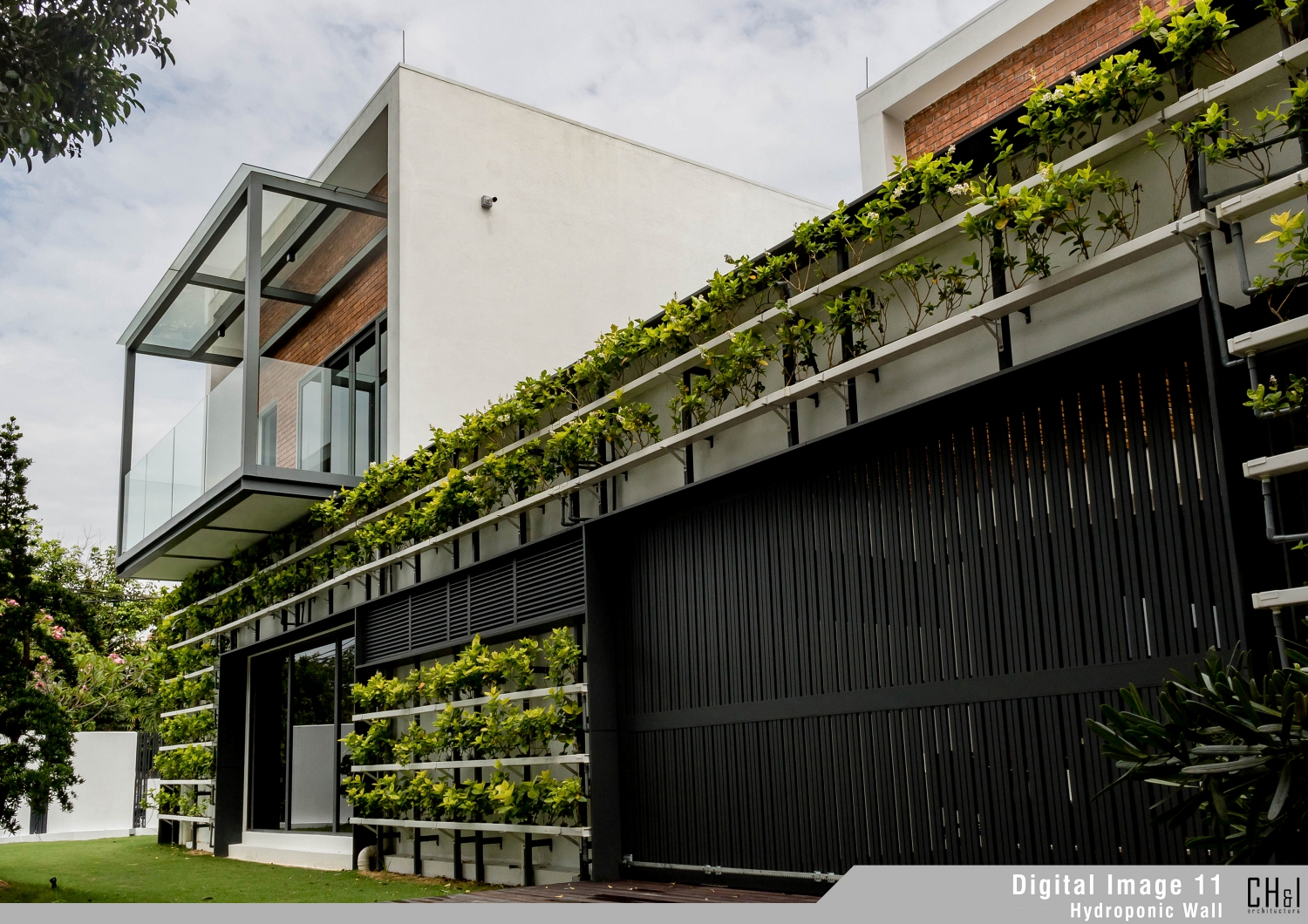
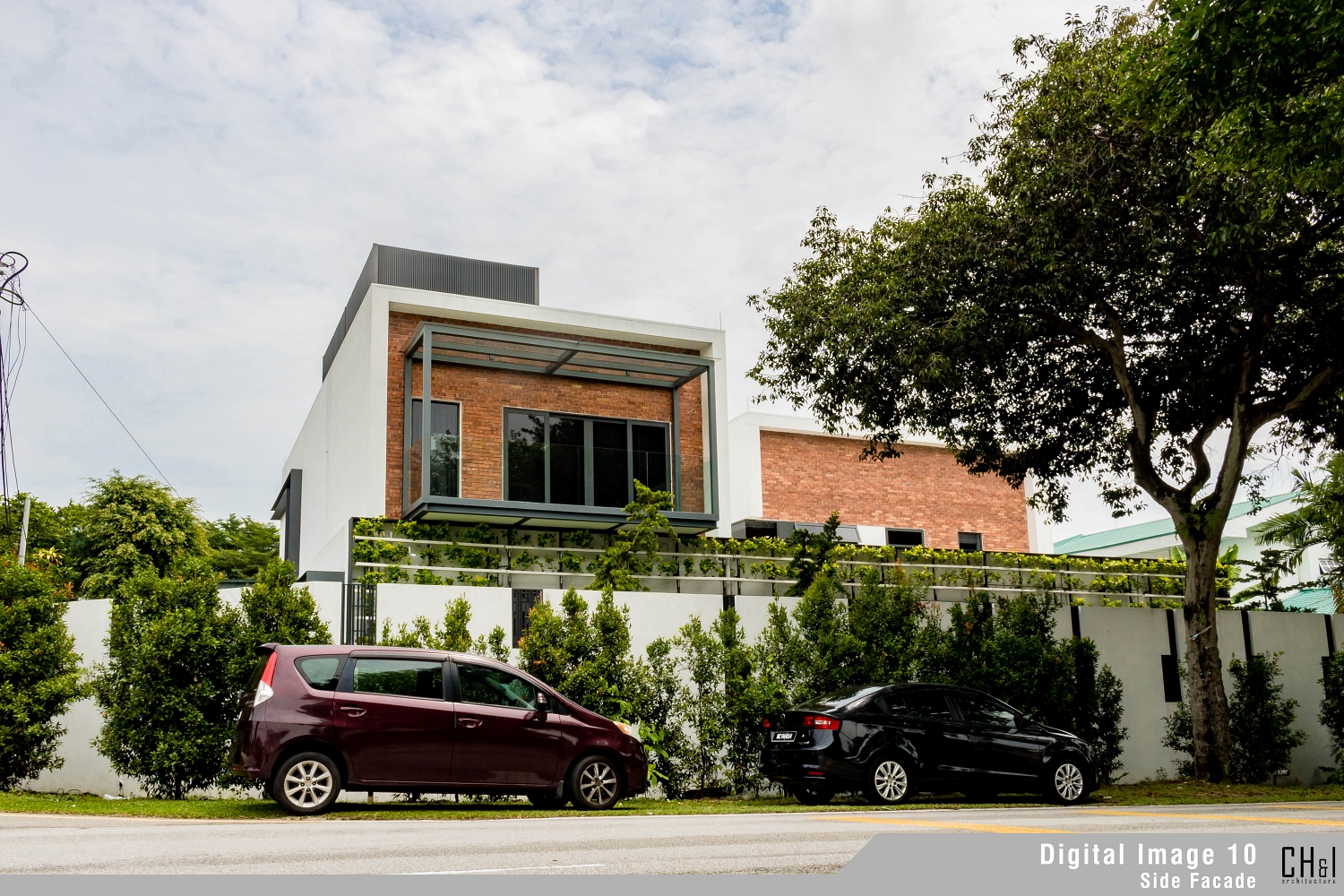
A new 1-storey pavilion with ‘Hydroponic Wall’ is introduced for new spaces and to screen the western sun from the existing Living and Dining. In creating this pavilion, a Central Courtyard was formed between the new and old to redefine the entrance sequence and as well to refine the character of existing spaces.
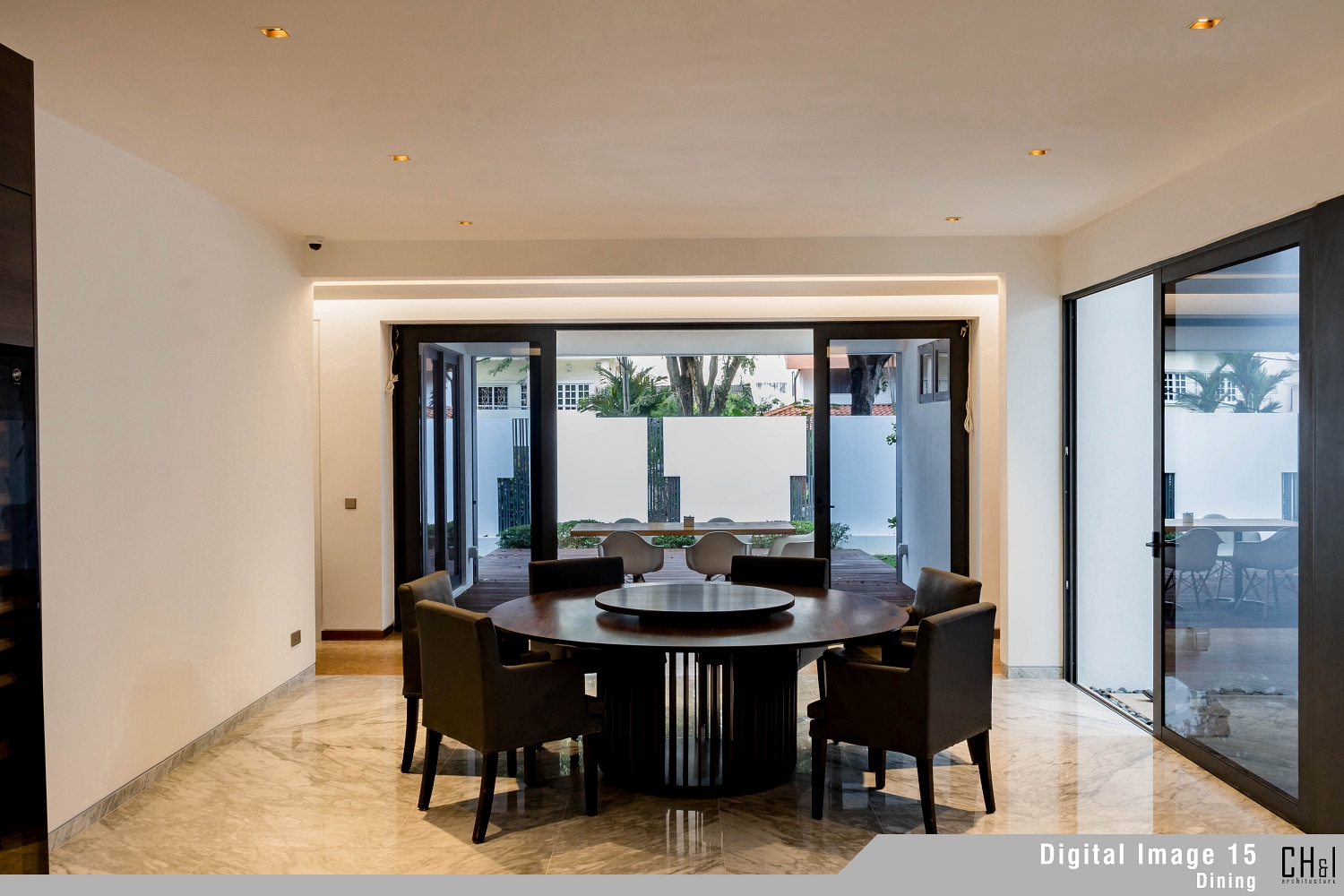
Spaces surrounding the courtyards are allowed to spread into it physically and visually by the permeable openings on multiple sides. This creates an ‘Integrated Space’, which has dual functionality, where each occupant can change the combined space settings and be used for other purposes. An example of this would be the Breakfast Terrace utilised in a social setting in conjunction with the Outdoor Garden, or as an expansion to the Dining Area and Gym.
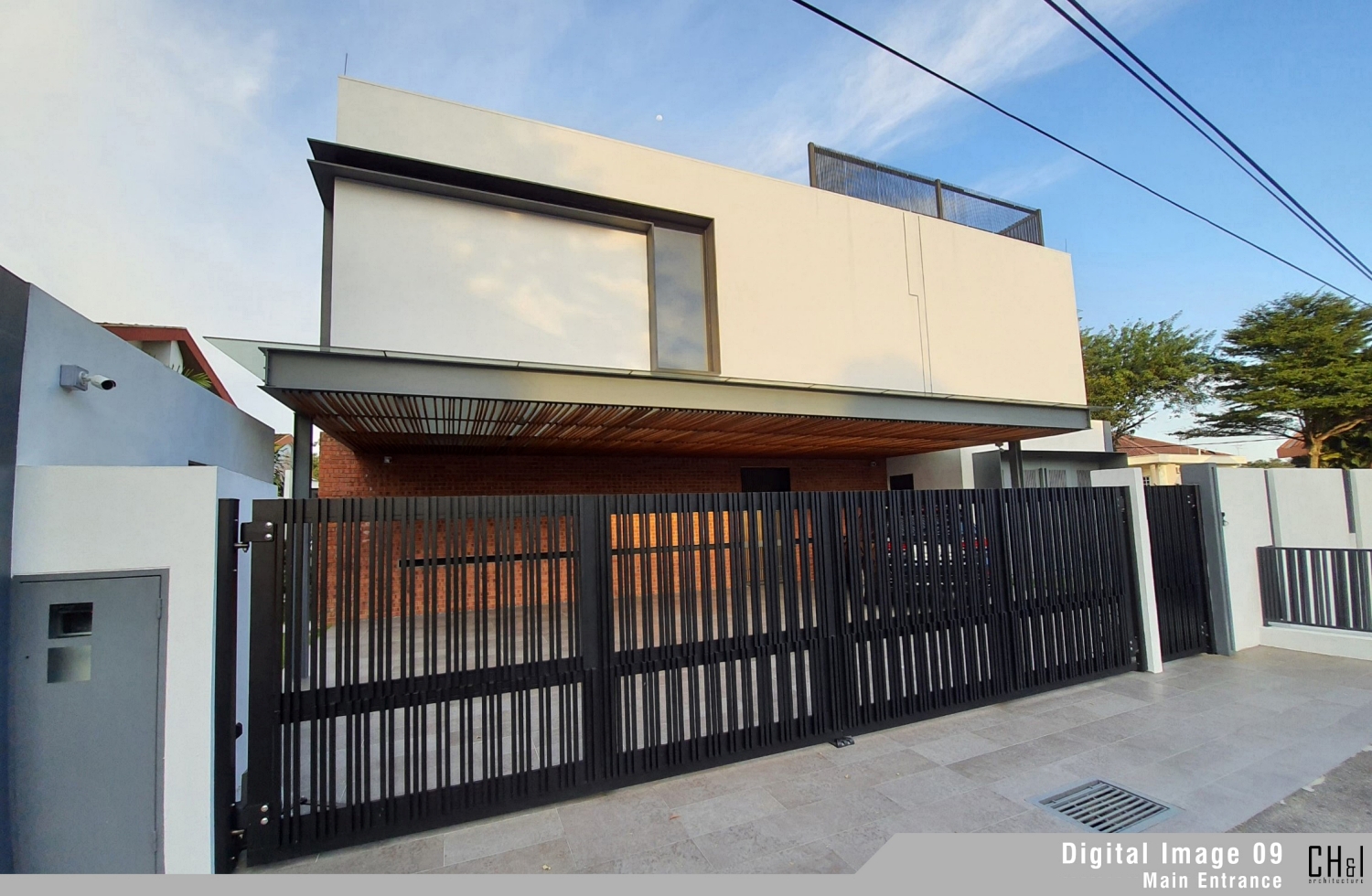
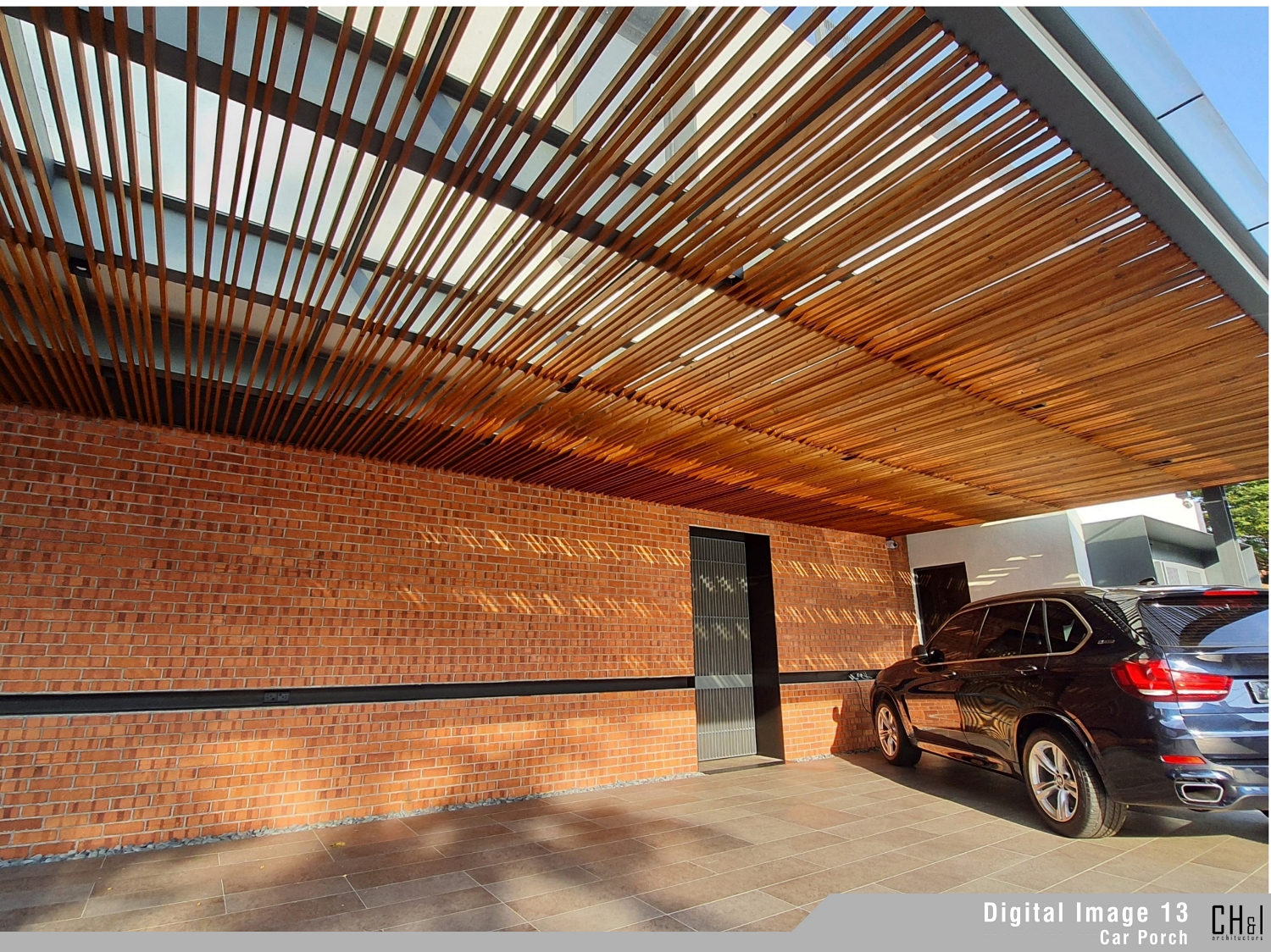
The main entrance
INNOVATION
The new 22m long and 4m high ‘Hydroponics Wall’ acts as a buffer between the house and the external. It reduces the solar heat gain from the sun.
The Overall Thermal Transfer Value (OTTV) is only 35 m²k, which is 30% lower than the national benchmark.
It increases the landscape area by an additional 88m², which reduces the heat island effect.
The mist from the irrigation system also increases the relative humidity, hence reducing the microclimate.
Enclosed outdoor terrace
SUSTAINABILITY
The following passive design strategies were employed: 1. Window-to-Wall (WWR) ratio of only 18% to minimise solar heat gain through the glazing area. 2. Double walls are introduced on the 1st Floor of the Western Façade to minimise solar heat gain through the wall. 3. The Roof is insulated with a U-value of 0.26 and 0.42 m²k/W for light and heavyweight roofs respectively, which is 30-35% lower than the national benchmark. 4 Ample natural daylighting is achieved from the central courtyard and 2 linear skylights. In overall spaces, the daylight factor achieved is more than 2%, which is double the minimum threshold. 5. Full height permeable openings at the courtyards induce cross and stack ventilation. 6. A volume of 45m³ Harvested Rainwater serves as the irrigation for the landscape. It reduces potable water consumption by 50%. 7. A galvanised water tank is designed to absorb solar heat from the sun. The pre-heated water will reduce the energy required to heat the water for showering. 8. Material – most of the building materials have been sourced locally to reduce their Carbon Footprint for transportation. Several materials are selected for their sustainable features such as cork flooring, FSC-certified timber floorings, and low-VOC paints, adhesives and sealants. All furniture fit-outs are formaldehyde-free. 9. Sanitary – Water-efficient sanitary wares and fittings are selected to reduce potable water consumption by 45%
Spaces surrounding the courtyards are allowed to spread into it physically and visually by the permeable openings on
multiple sides.
IMPLEMENTATION AND RELEVANCE TO THE COMMUNITY
With an approximate 0.04m² per plant spacing for the ‘Hydroponics Wall’, it is estimated that the system can generate 2200 numbers of edible plants. The extra harvest has been used as a means for community bonding.
Hydroponic wall
COST EFFICIENCY – REDUCTION OF ENERGY AND WATER
The strategy of using the new ‘bypass’ pavilion to reorganise the internal space configuration and maintain the existing building has kept demolition works and construction waste to a bare minimum, which were partially re-used as recycled material. Most of the building materials have been sourced locally to reduce the construction cost.
During habitation, the passive design strategies reduced the monthly TNB energy bill to around RM990, which is approximately 50% lower compared to a similar-sized bungalow. The average monthly energy used is only 1,950 kWh and the BEI is only 37 kWh/m²/yr.
Dining room
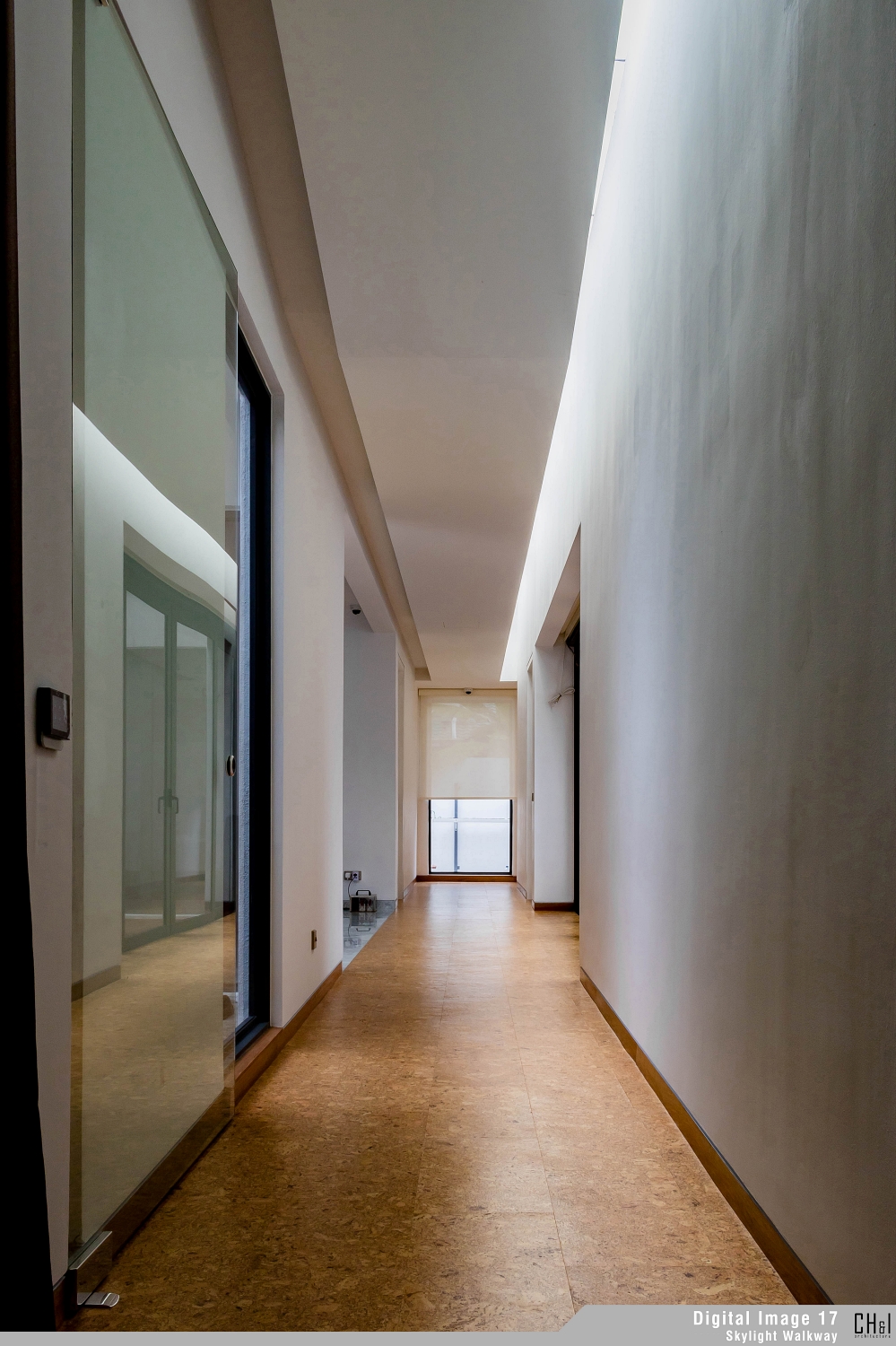
Ample natural daylighting is achieved from the central courtyard and two linear skylights.