
THE SIX (6) BUILDINGS
1981″1983 CYCLE, HOTELS & COMMUNAL FACILITIES
Tanjong Jara Beach Hotel and Rantau Abang Visitors’ Centre
Kuala Trengganu, Malaysia
Architects: Wimberly, Whisenand, Allison, Tong and Goo: Honolulu,
Hawaii U.S.A. with Arkitek Bersekutu: Kuala Lumpur, Malaysia
Interior Designer: Juru Haisan Consult: Kuala Lumpur, Malaysia
Master Cra smen: Abdul Latif and Nik Rahman:
Kuala Lumpur, Malaysia
Landscape Architects: Bert, Collins and Associates:
Honolulu, Hawaii, U.S.A.
Client: Tourist Development Corporation of Malaysia:
Kuala Lumpur, Malaysia
Date of Completion: 1980
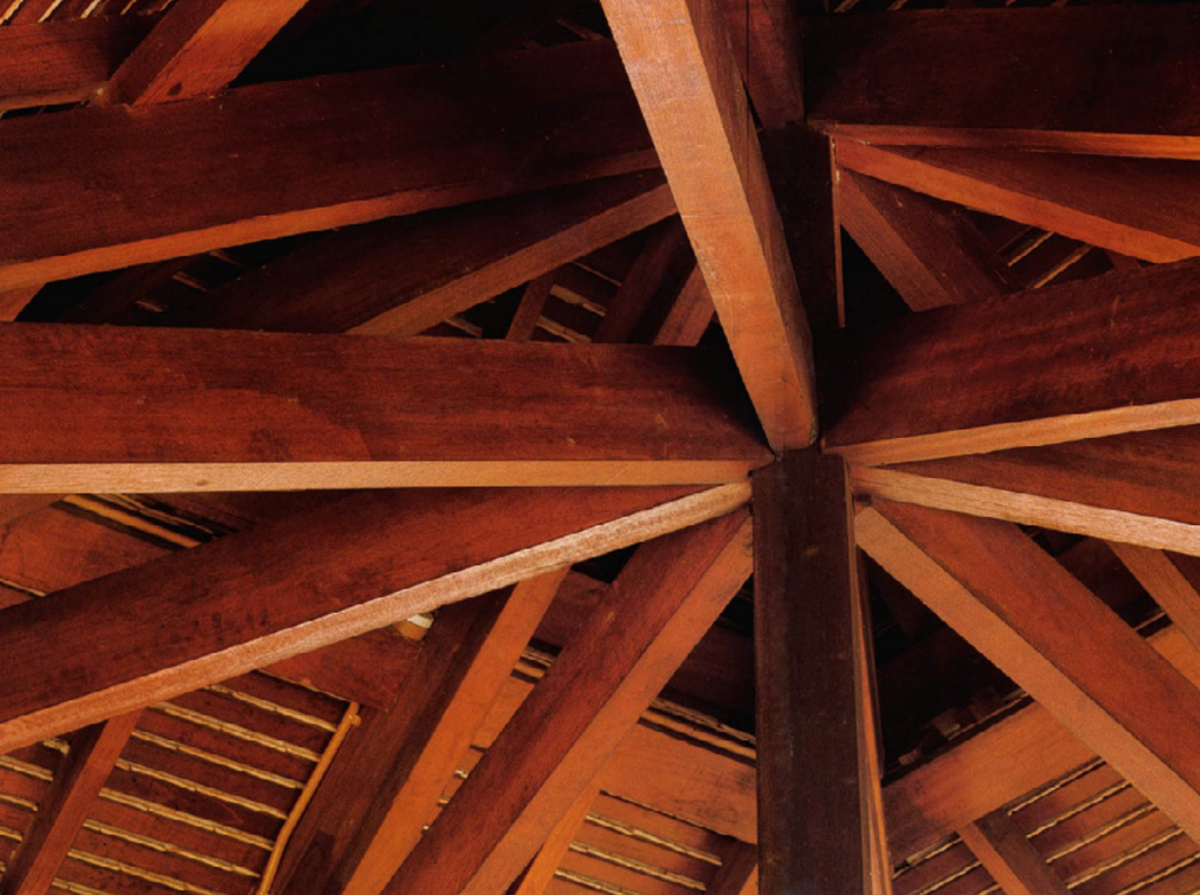
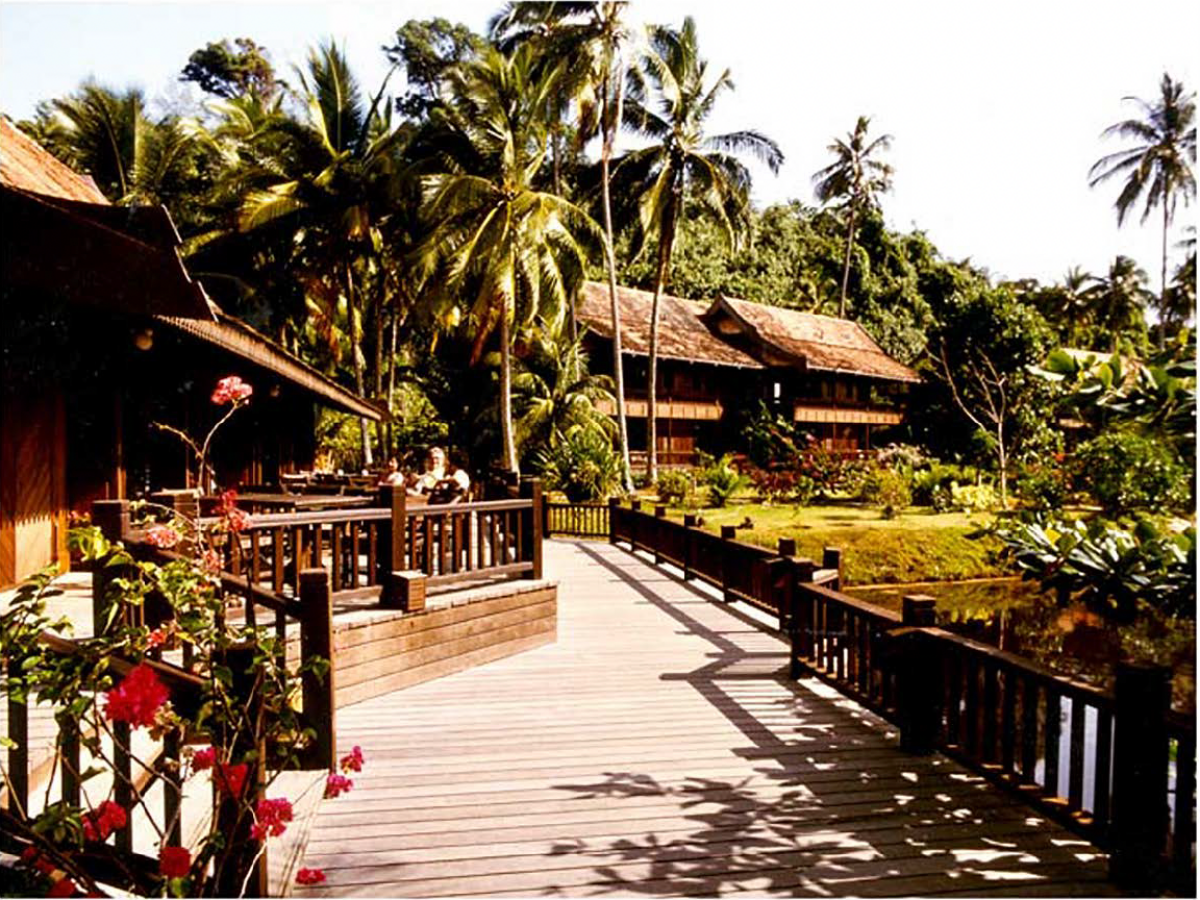
The Tanjong Jara Beach Hotel and Rantau Abang Visitors’ Centre is a beach resort hotel and a museum/arts and crafts centre on the Malaysian East Cost intended to provide international class accommodation and services to the local and international tourist.
Tanjong Jara was completed in 1980 and is an AKAA 1981 to 1983 cycle award recipient. AKAA jury awarded JARA with appreciation on the traditional palace design which had been successfully applied in the building. The jury’s comment is quoted as below:
“Although architecturally the adaptation of traditional forms to new uses raises several technical and ideological problems, the consistency and seriousness with which this approach has been pursued at all levels of design and execution has generated an architecture which is in keeping with traditional values and aesthetics, and of an excellence which matches the best surviving traditional examples.” (AKAA, 1983)
Currently, the Rantau Abang Visitors’ Centre has closed, while the Tanjong Jara Beach Hotel is operated by YTL Hotels as the Tanjong Jara Resort.
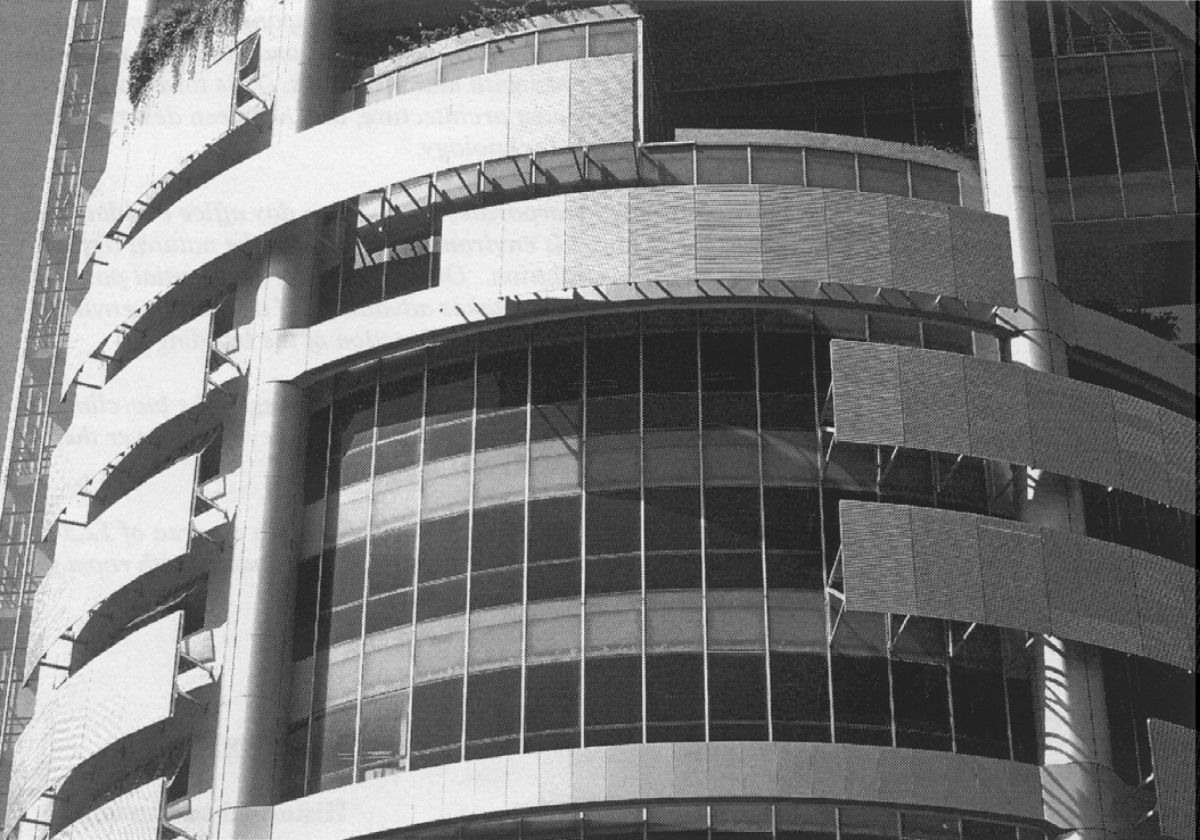
1993-1995 cycle, Office Facilities – Menara Mesiniaga, Selang
1996-1998 cycle, Private Residences – Salinger Residence, Selango
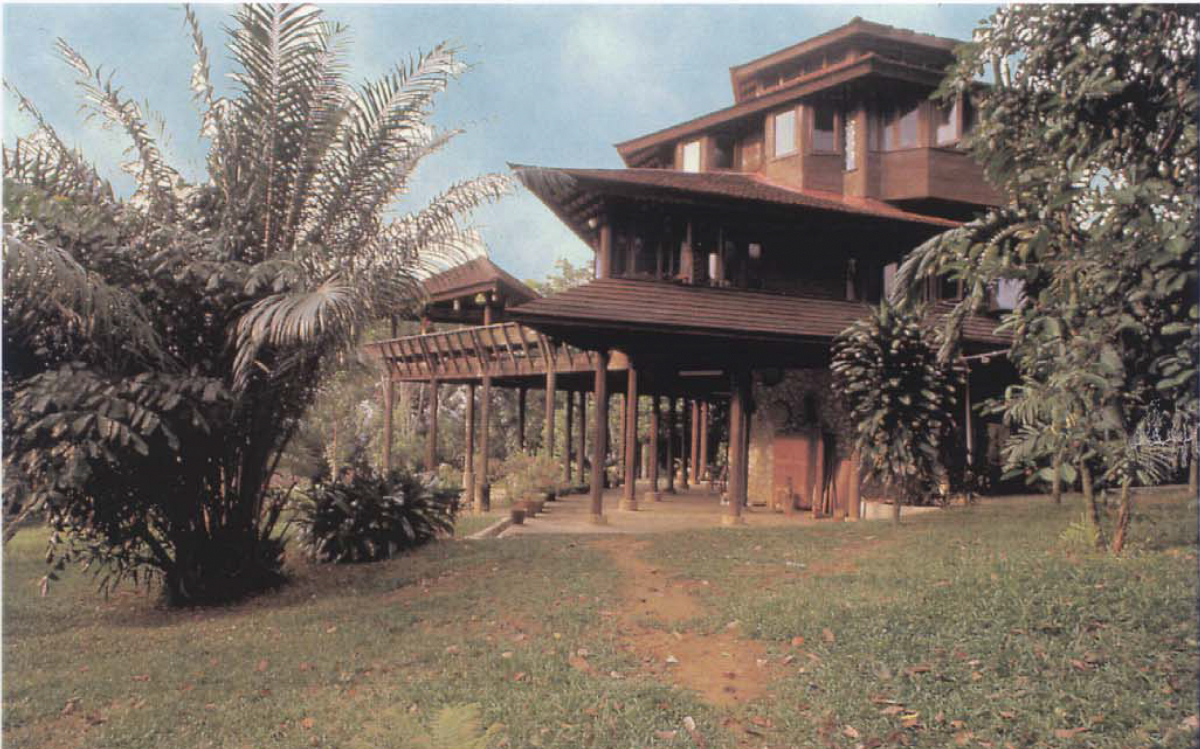
The Salinger Residence, or Rudinara, is a single-family residence built exclusively of timber in the traditional way of Malaysia, located in the district of Bangi. The main governing factor in the project was a concern with appropriate design and technology for climatic conditions in the tropics. The house is completely naturally ventilated and combines the uses of traditional construction system with a modern form and planning concept.
In the Jury Citation, it was cited that Salinger Residence was seen to respond in an exceptional way to specific social and environmental conditions. The Salinger Residence, an example of excellent architecture, uses local materials and skills to create a spatial vocabulary which is contemporary and yet not alienated from its specific cultural context.
In recent years, the Salinger Residence has been sold to its current owners, and moved and reconstructed in its new home near Seremban, Negeri Sembilan.
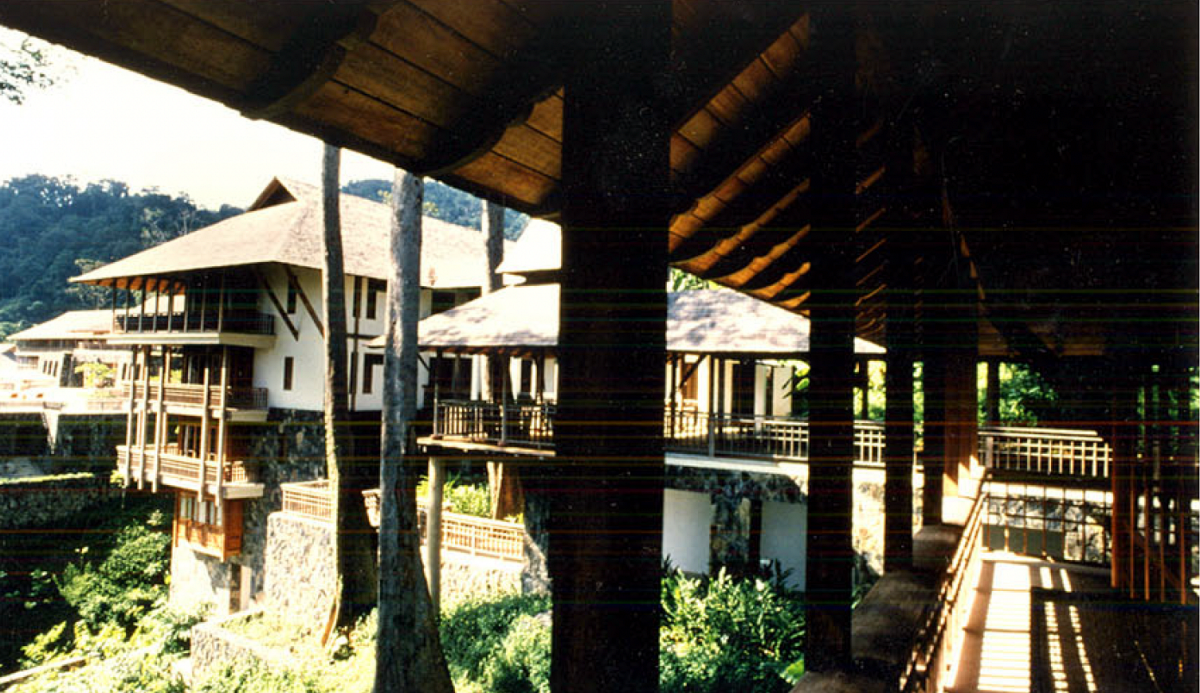
Currently the Datai Langkawi Resort is managed under Teluk Data Resorts Sdn Bhd.
It has been 27 years since its completion and the project is one of the nine Award recipients touted as exemplary representations of architecture that enhances the conditions of life in the 2001 Aga Khan Award for Architecture (AKAA) – His Highness the Aga Khan.
The Aga Khan Award jury citation of The Datai Hotel stated that this project has successfully portrayed the idea of being site-specific that corresponds to the intense topicality of the context together with the use of local materials and construction methods. The architect stated that this project aims to rejuvenate the essence of place-making within its broader regional context whereby he uses Malaysian architecture to make historical and cultural connections of Pulau Langkawi. The integration of buildings with the rainforest with the choice of materials has encouraged re-growth on the surrounding landscape to dedicate the sense of belonging back to nature (Mehrotra, 2001).The design of The Datai Hotel is to promote a journey of discovery and a sense of occasion which has a huge social impact on the guests. The structure is intentionally allowed to age so the building could blend into the forest naturally.
In 2017, the Datai Hotel underwent a 60-million-ringgit major renovation, a 10-month renovation started in September 2017, handled by interior designer Didier Lefort of DL2A and GDP Architects. The Datai hotel has expanded with a fitness centre, pavilion, dining room in restaurants, spa, studios, nature centre and tea corner together with more hotel rooms and 3 rainforest pool villas.
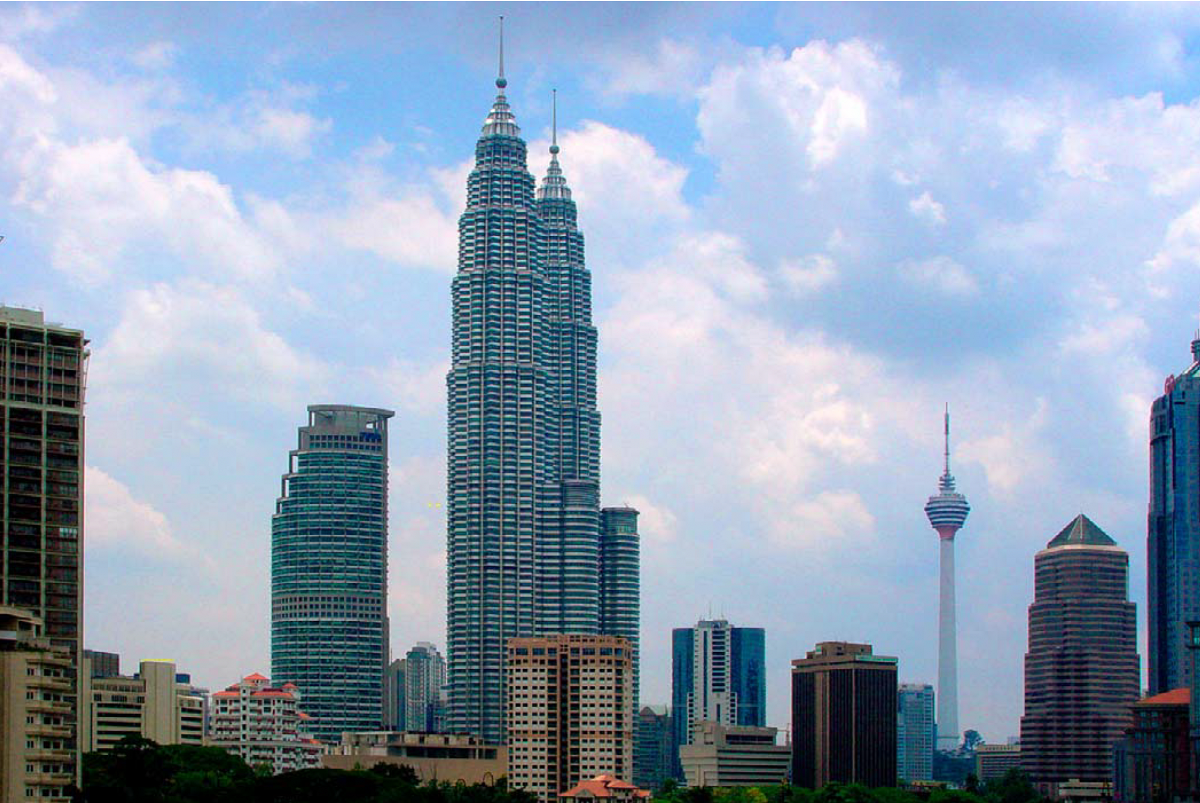
The Petronas Towers were designed to be the centrepiece of a larger complex called the Kuala Lumpur City Centre (KLCC), a mixed-use development with a site area of 14.15 acres, which includes the towers, two other office towers, underground parking and service facilities. The project site is well located in the heart of the commercial district of the city, the ‘Golden Triangle’.Each of the twin towers is eighty-eight storeys high and contains 218,000 square metres of floor space. Rising 452 metres, the towers were certified the world’s tallest buildings by the Council of Tall Buildings and Urban Habitat in 1996. The two towers are connected via a sky bridge at the forty-first and forty-second floors – the sky lobby levels – to facilitate inter-tower communication and traffic. A multi-storey shopping and entertainment galleria connects the office towers at their bases, integrating the entire complex. Other public functions within the complex include the Petroleum Discovery Centre, an art gallery, a 865-seat concert hall and a multimedia conference centre.
Petronas Office Towers won the Aga Khan Award for Architecture in the 2002–2004 Cycle due to its modern technology that combines with a sense of local cultural identity (Archnet, 2004).The design of the towers represents and introduces a new architectural standard in the design of skyscrapers which features an advanced use of technology while also symbolising local and national aspirations. The towers represent several innovations through the use of high-strength concrete to facilitate a soft-tube structural system. The design also uses an inventive vertical transportation system as well as advanced energy conservation systems. The simple geometrical pattern that generates the plan uses space efficiently to maximize exposure to natural light and also creates a rich spatial expression. The building has become an icon that expresses the sophistication of contemporary Malaysian society and builds on the country’s rich traditions to shape a world city.
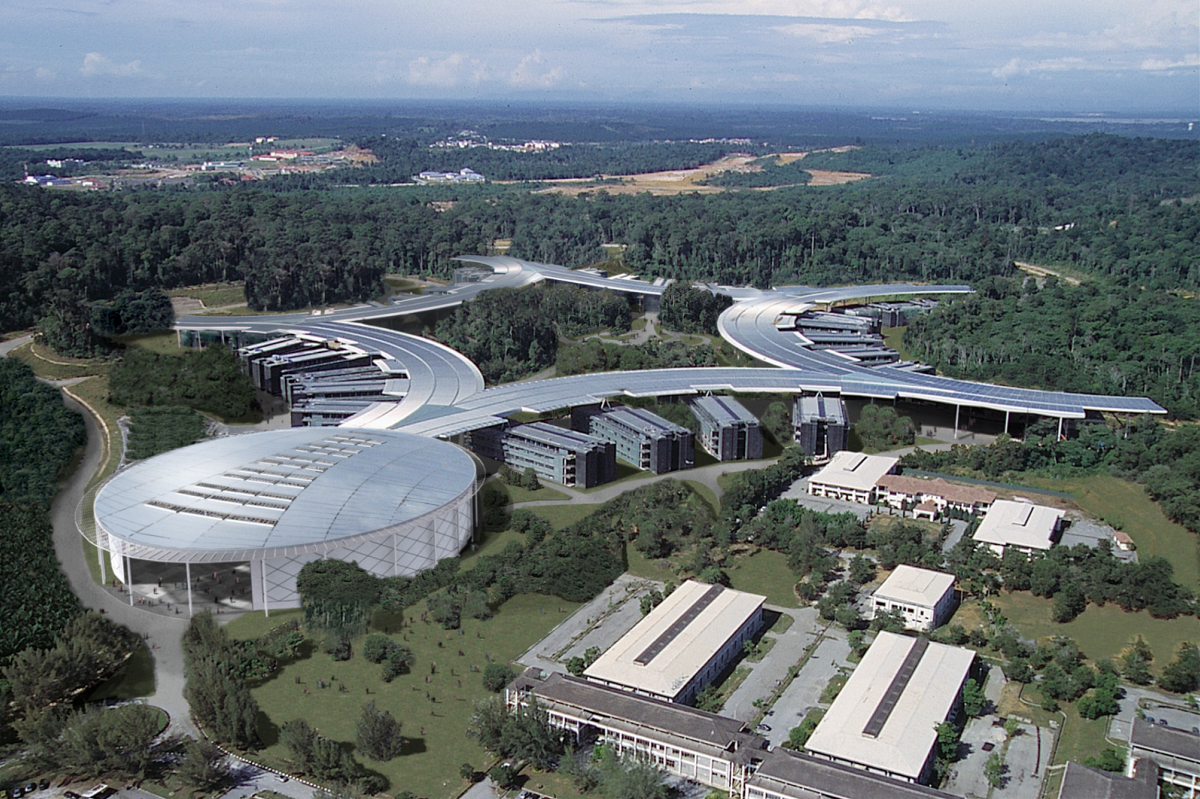
Set within the beautiful and dramatic landscape at Bandar Seri Iskandar, 300 kilometers north of Kuala Lumpur, the 450-hectare campus site is characterised by tropical jungles, undulating terrain and lakes formed by flooding disused mines.
On 4 September 2007, at a ceremony in Kuala Lumpur, Malaysia, His Highness the Aga Khan awarded Foster + Partners the prestigious 2005–2007 cycle Aga Khan Award for Architecture for the PETRONAS University of Technology, Malaysia. The 2005-2007 cycle Master Jury recognised how architecture and the built environment define the diverse and divergent paths that lead to the capacious life worlds of contemporary Muslim societies. The building was noted for having attained the highest standards of architectural excellence while reflecting the values of their specific environment and was cited as being an “inspiring structure for progressive education” (Bustler, 2007).
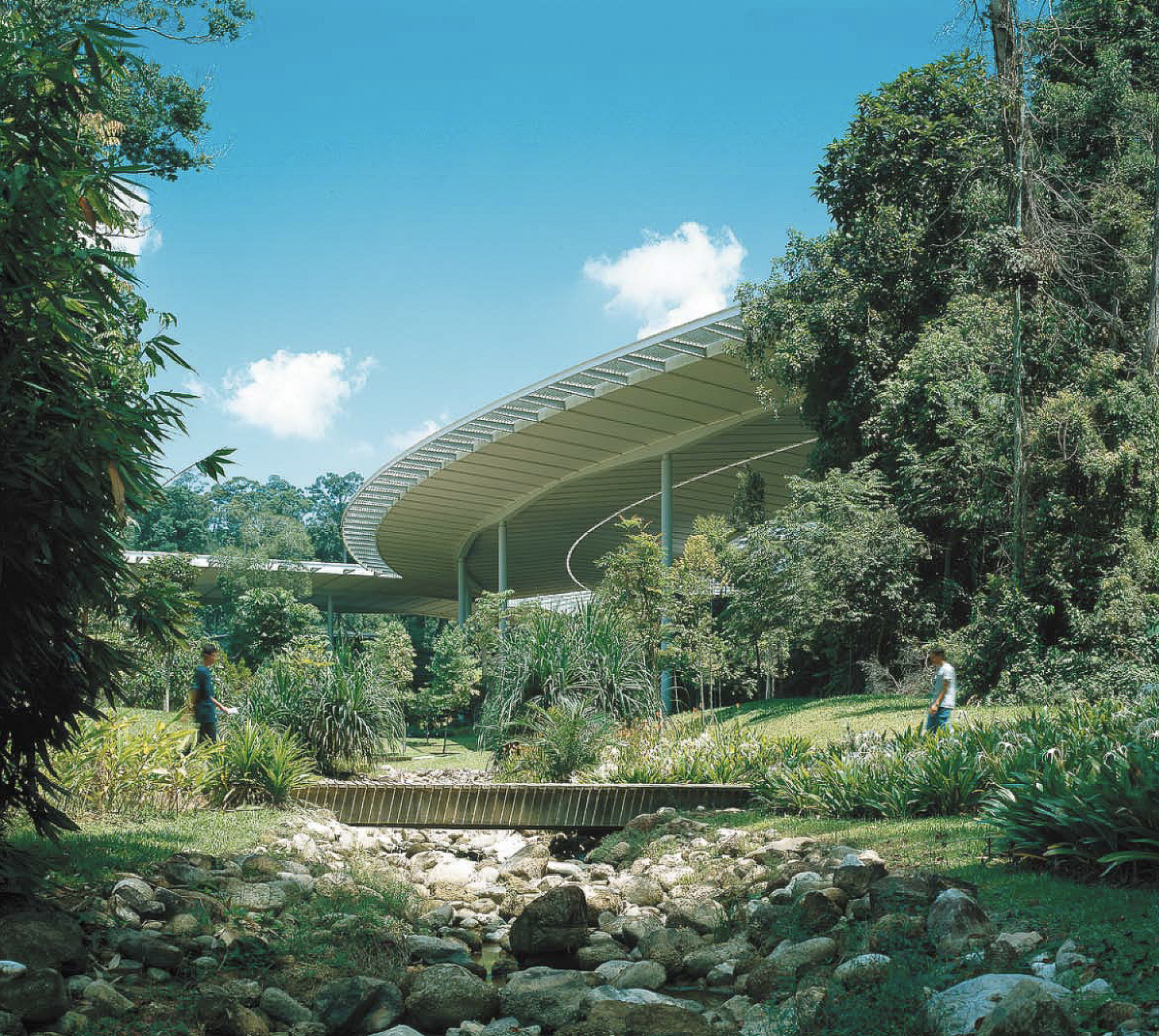
The award jury cited the project’s significance in four aspects. First, its prototypical built configuration, consisting of an all-encompassing shaped canopy with functional boxes inserted underneath, is a contemporary reinterpretation of the classic metaphor for tropical architecture – an umbrella that offers protection from the sun and rain. Second, the building provides a defined shaded zone for social interaction and circulation under an overhead enclosure. This is a high-tech, emblematic architecture appropriate for a scientific university in a rapidly developing nation (AKDN, 2007).Third, the careful physical integration of a complex educational structure with the existing landscape is achieved in an ingenious way, by wrapping the built forms around the base of a series of knolls. And fourth, this is an exemplary use of a performance-based approach to architectural design that goes beyond the diagram. The design has been carried through to completion with meticulous detail, rigour and persistence. It sets new standards in the quality of construction without significant cost premiums. In aggregate, the jury found the design to be instructive, aesthetically satisfying and technologically novel (AKDN, 2007)
While each building is different, one commonality that draws them together is the ethical role of architecture to respond to social issues and extend an architectural responsibility toward communities, culture and environment.
Recently, on 22nd September 2022, the winners for the 15th cycle (2020–2022) AKAA were announced. It has been 15 years since Malaysia’s last win. We will revisit the AKAA winners in the next AM issue.