PAM Kington Loo Medal Recipient AR. DR. TAN LOKE MUN

An interview with Ar. Dr. Tan Loke Mun on his distinguished lifetime
commitment, services and contributions to PAM and the profession of Architecture.
Interview by Ar. David Teoh.
Photos courtesy of Ar. Dr. Tan Loke Mun
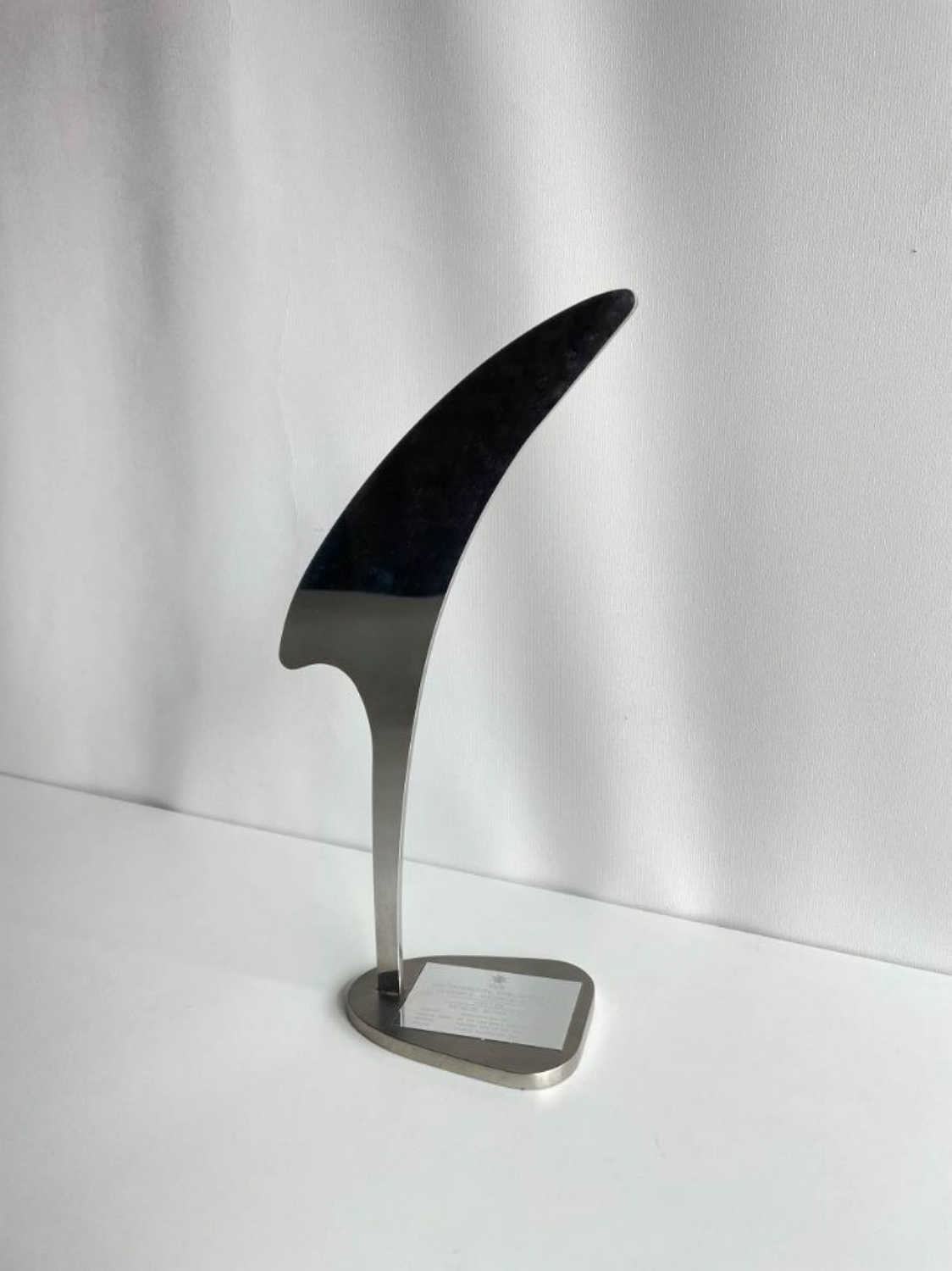
PAM Steel Award trophy

DT

Congratulations Dr. Tan on being awarded the PAM KLM. When your colleagues from the Institute approached you on this nomination, what were your thoughts about it?

TLM

I was pleasantly surprised and humbled. Especially since the award is named after my mentor and ex-boss at BEP Akitek, the legendary Dato’ Kington Loo. In fact, he was instrumental to get me involved in the Institute from 1993 onwards. I started serving in PAM Committees and later as PAM President from 2005-07. He taught me the importance of professionalism and to not settle for mediocrity, and archaic rules and laws but rather to strive to change them for the betterment of society. So, I am deeply honoured to accept this award.
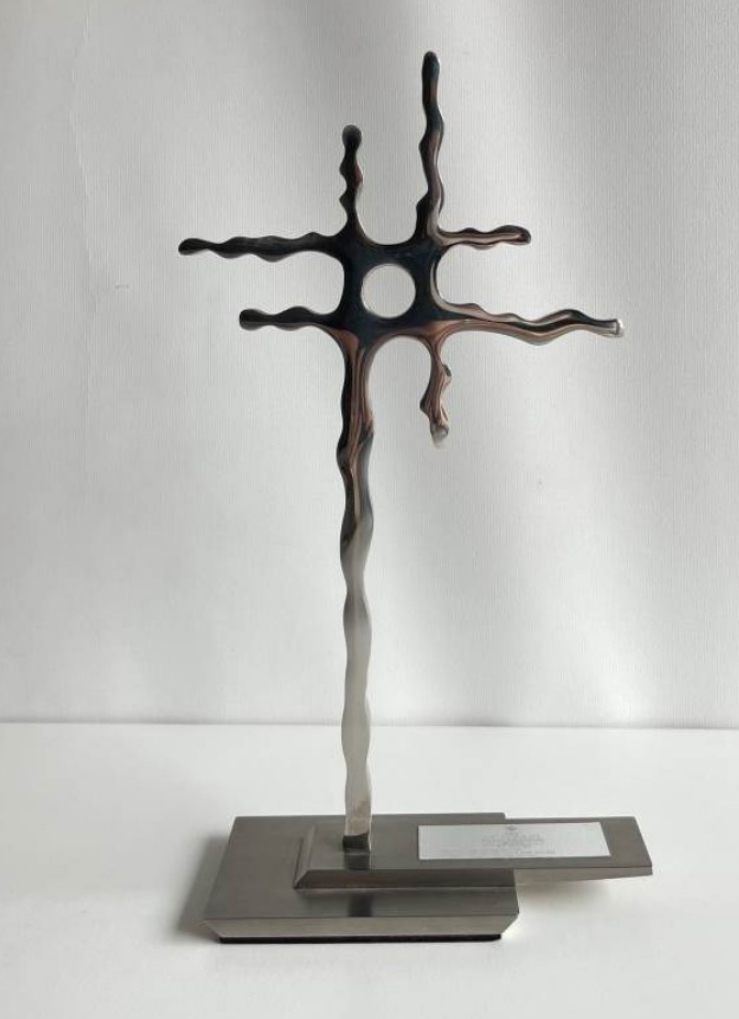
PAM Award trophy

DT

What would you deem to be the sources of inspiration on how you approach voluntarism and service?

TLM

I guess it comes from my Christian beliefs to live by giving. We have a great God who provides for all our needs and so we should never be worried to give of our time, talents and treasures. People who give up their lives for a just cause inspire me. “He is no fool who gives what he cannot keep gaining what he cannot lose” Jim Elliot

DT

Could you tell us more about your observations of the practice environment in Malaysia as a young architect? Was there anything that you were passionate about transforming?

TLM

I worked for several years in Australia as an architect and consultant to the State Government of Victoria and later became Team Leader of the Special Housing Branch of the Ministry of Housing and Construction Victoria. Along the way, I obtained my architect’s registration and my Builder’s Licence. Upon returning I was privileged to be employed by the late Dato’ Kington Loo at BEP Akitek. The first observation was the amount of time spent in meetings and the exceptionally long meetings in Malaysia and the lack of productivity. I vowed to always have short meetings!

At that time there was also a great lack of understanding about the environment, heritage and conservation, and there was little interaction between academia and those in practice. These were the days before CPD and knowledge sharing was kind of limited.

DT

Following up on that, when did you start becoming actively involved in PAM?

TLM

I have always been a man in a hurry. Almost immediately upon return to Malaysia in 1992, I applied to be a Graduate Member and then assisted whenever I was required to. Fay Cheah was nice and kind to introduce me to the workings of PAM and tralian RAIA model I saw a great challenge for the profession to catch up on issues involving heritage and conservation, education, and professional practice.

In Council, I got involved in almost every facet of PAM. Along the way, I was the Chair of the Education, Heritage, Information Technology, Awards and Green Sustainability committees. I drafted the policy for CPD and organised the first CPD program for PAM where we got the late Vincent Powell-Smith to speak on Building Contracts. CPDs were great opportunities not only for continued lifelong learning but also to network and catch up with fellow professionals and others in the building industry. CPD was later made mandatory through LAM.

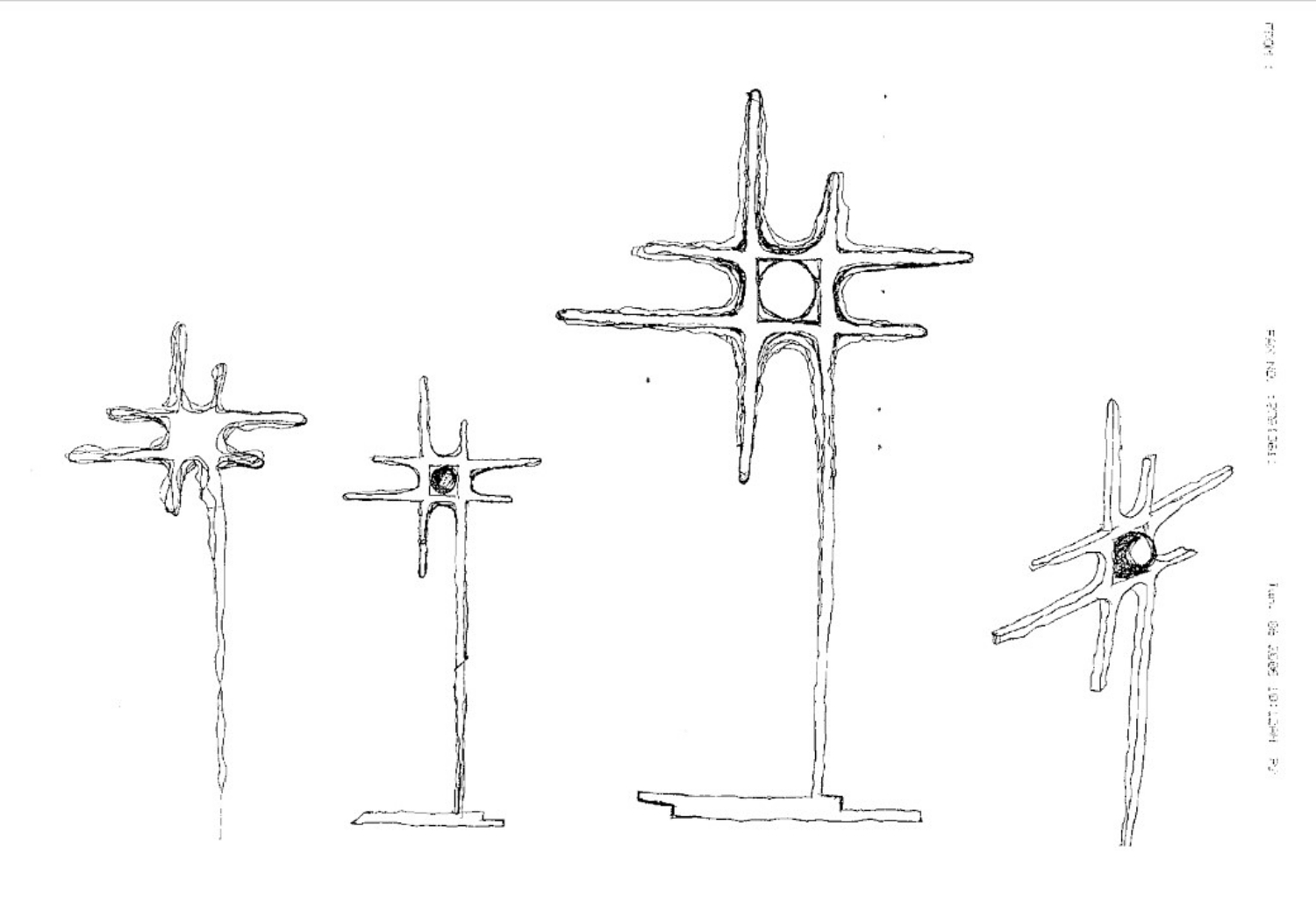
PAM Design Award design sketch

DT

Eventually, you become the PAM President for two terms. What were your objectives as PAM President then? What would you deem to be your key successes while in office?

TLM

Before taking up the PAM Presidency I had attended a meeting with others in the building and property industry. It was disheartening to see and hear the role of the architect diminishing from its respected position as the head of the industry. One property stalwart even boldly stated that he travels widely and just takes photos of whatever style that tickled his fancy and comes back to tell his architects to draw them up. Whatever happened to genius loci, architecture to suit the climate and cultural context? As PAM President I promoted that Good Design Creates Added Value. That it was worthwhile to hire architects as we were artists and designers and much more than just draughtsmen.

I also set about to make PAM a wealthier institute in a world where unfortunately money talks loudly. This gave birth to ARCHIDEX. By coupling it together with DATUM which had started a few years earlier we were able to bring Architects and the building industry together for one large annual event. It started as the PAM Convention and is now the Kuala Lumpur Architectural Festival (KLAF).

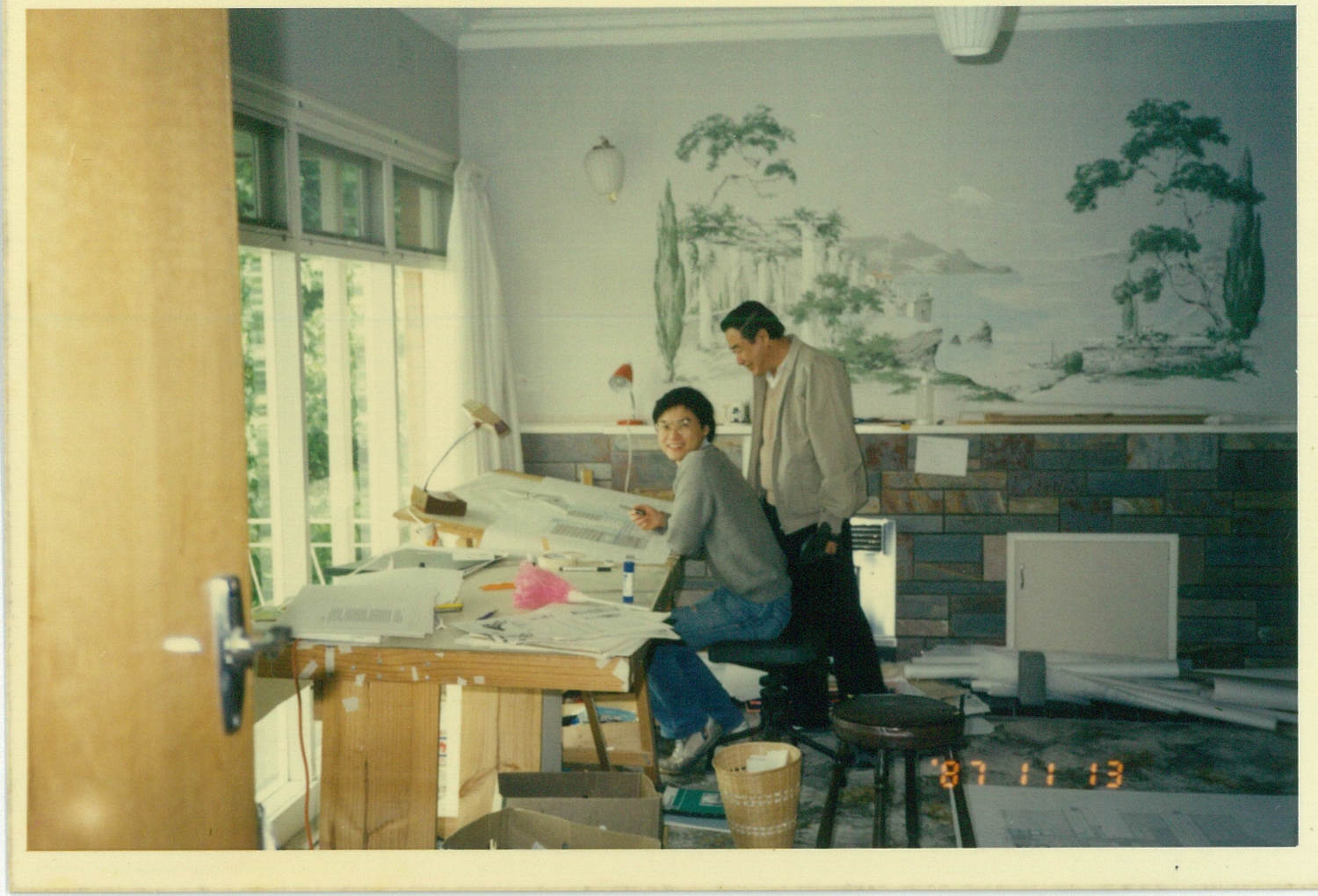
1987 - final year thesis. Tan Loke Mun with Tan Eng Hooi (father) at his home studio in Geelong

DT

Many passionate people are active contributors to PAM and there are bound to be conflicts between individuals. How did you approach difficult relationships and differing opinions when you were President?

TLM

Firstly, you can never please everybody. But I did not face any major conflicts or upheavals during my time. I shared the vision and laid out the objectives and we were all set about getting it done. Without a vision, the people perish or lead unrestrained lives. So, it was paramount for us to have a vision and set the goals to achieve it. I enjoyed working with the members of the Council and the many more outside the Council who volunteered their time and energy to help. Many are still great friends today. There is already so much negativity out there so it is always good to concentrate on doing positive and fun things.

DT

The role of PAM President is very much a demanding full-time job. How did you manage both your practice and your commitments at the institute when you were in council?

TLM

The role of the PAM Presidency is very demanding and becoming increasingly so. Discipline and stamina help. I continue to work long hours balancing meetings and design work usually finishing after 10 pm most days except weekends. I am extremely thankful for my partners, team leaders and staff who backed me up and continue to do so. It is important to have a strong and reliable team, and skilled wingmen to cover our adventures. In addition, I am grateful for my wife, May-Ann and my sons Matthew and Melvyn as it also takes a heavy toll on the family. It is a known fact that our profession is tough on families and relationships so we need to work harder on this.

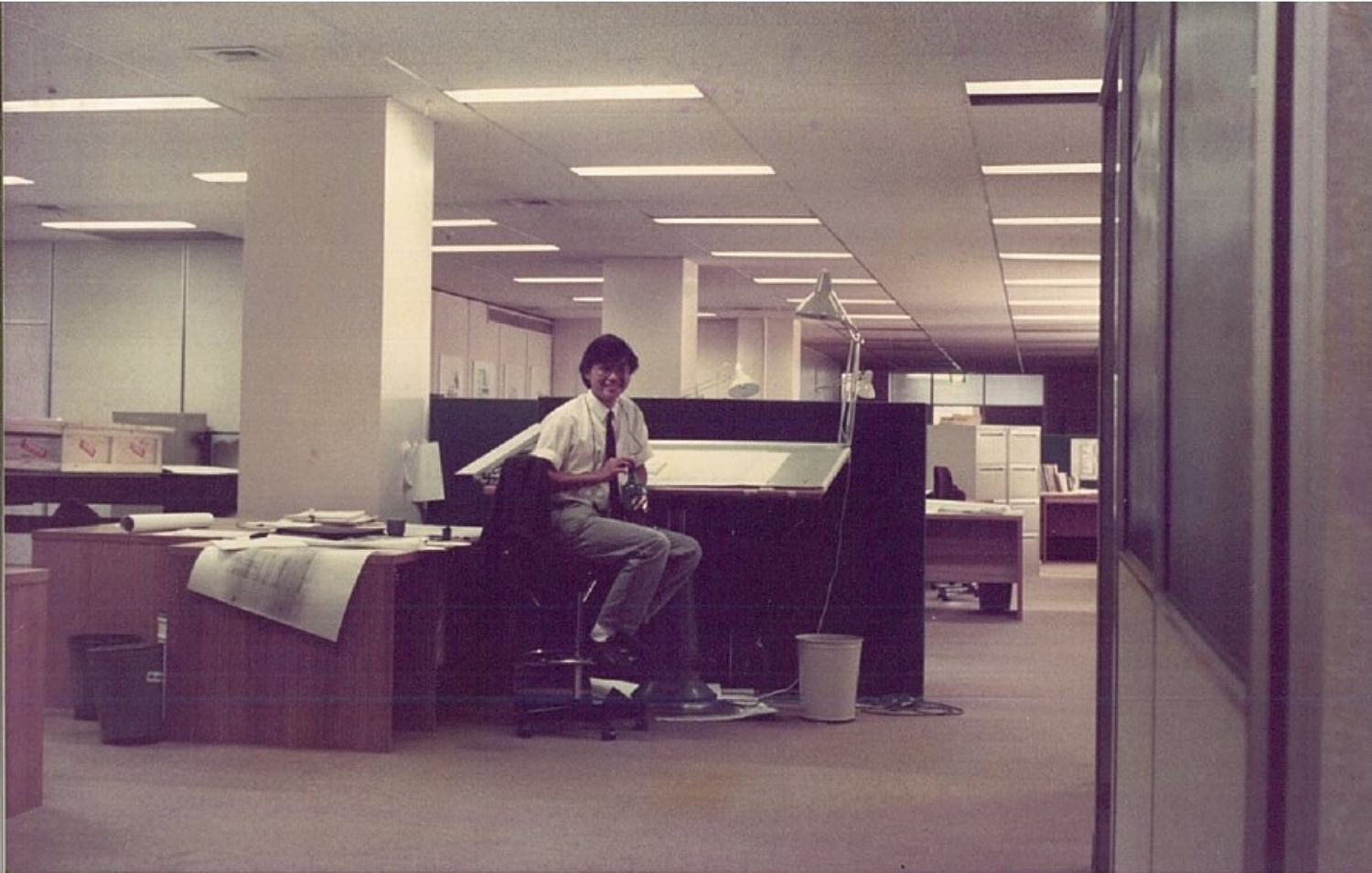
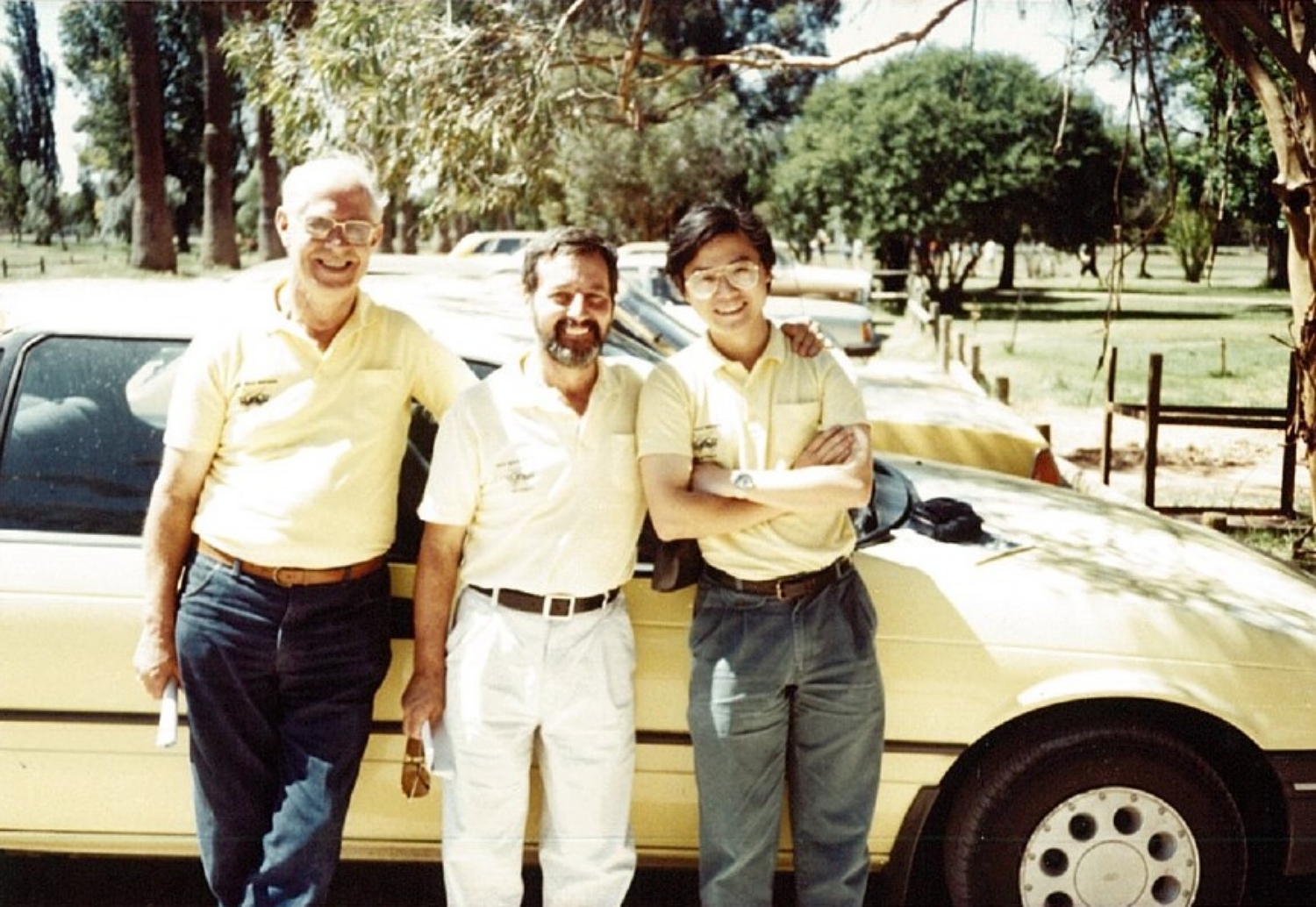
First job after graduation with the Commonwealth Govt Construction Services Group under Harry Leong in 1988

DT

Were there any loose ends from your time in office which you think remain unresolved?

TLM

Not so many loose ends but perhaps I did not think through deeply enough on issues of continuity and exit plans. Perhaps I was a bit younger when I was PAM President and had a whole life ahead of me and our profession famously teaches us how to start but never mentions anything about how to end. Or is it because architects are never meant to retire or call it a day?
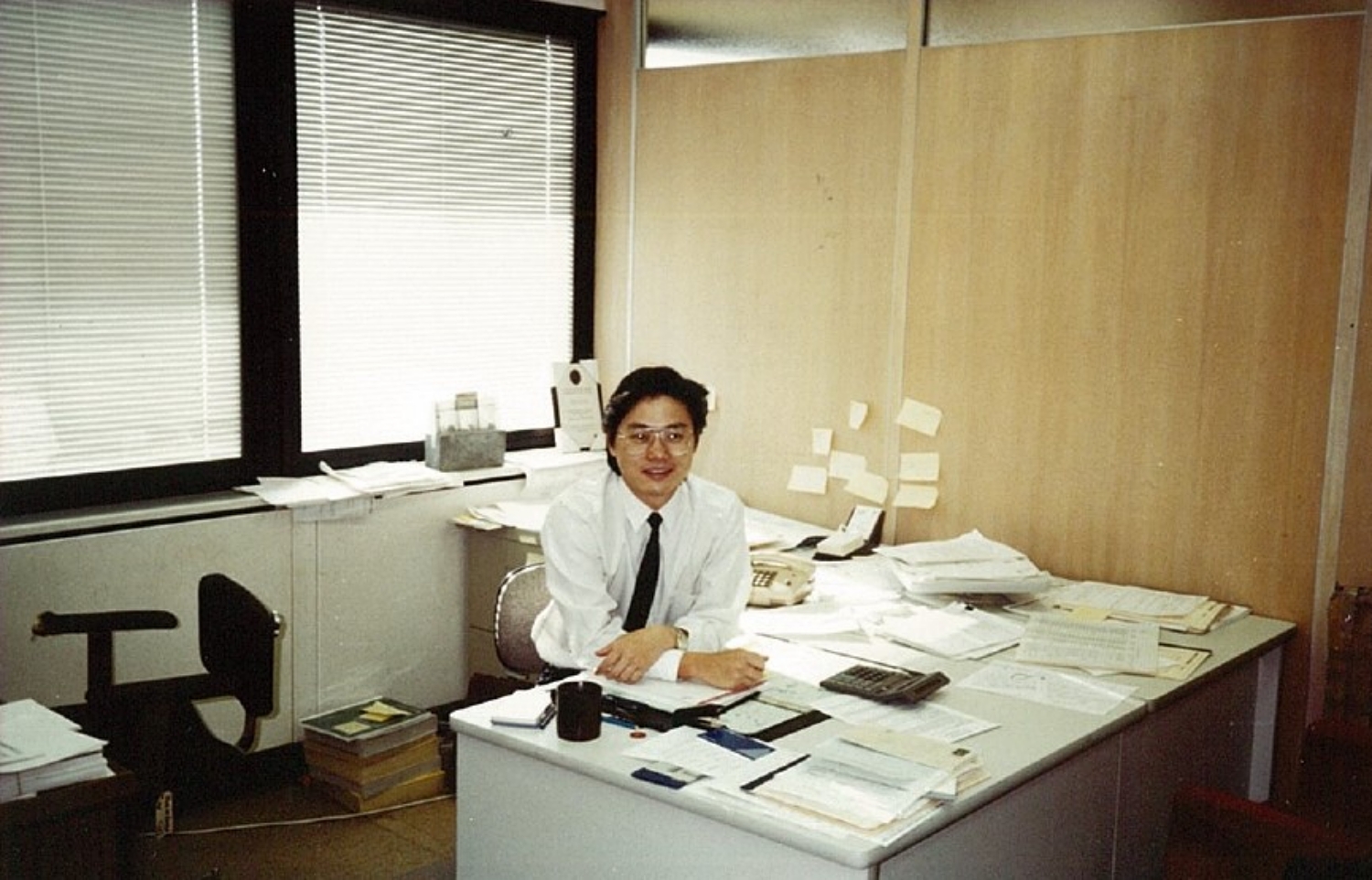
Team Leader Special Housing Branch Victoria, 1990

DT

A criteria of this award include the recipient’s contribution toward the protection and enhancement of both the built environment and the natural environment. You were one of the pioneers of the Green-building index. Please tell us more about how GBI came to be.

TLM

In 2008 as the subprime economic collapse was unfolding many multinational companies started to request green-rated buildings. Singapore had imposed mandatory green certification for all their buildings since 2005 and offered a plethora of opportunities for companies to relocate their HQs and offices there. We were caught a bit offguard as Malaysia did not have any green certification and so no green buildings. I brought this up in a client conversation with Datuk CJ Khor of SP Setia Bhd in one of our design meetings and he encouraged PAM to take the lead to develop GBI. They proposed and even offered to fund it. I brought this to PAM Council in their August 2008 meeting and they unanimously agreed that we needed to take the lead to get it done, and I offered to head the team to develop the tool within 6 months and PAM would fund it. ACEM subsequently joined us. The development of GBI gathered a team of more than 50 volunteers comprising senior experienced architects, engineers, academics, builders, developers, and manufacturers who put in their time, effort, and expertise; and GBI was born in 2009.
Team Leader of Special Housing Branch Ministry of Housing in Mildura Victoria, 1990

DT

We have come a long way from when GBI was established, do you see public awareness on matters of sustainability improving or declining over time? What more should be done now to address this?

TLM

Green and climate awareness have certainly grown. We have certified millions of square feet of buildings all over Malaysia. Unfortunately, climate action is now being muddled up by a lot of greenwashing and empty slogans and promises. We are now drowned by a sea of talkers but sadly few real doers and innovators. If this persists, then we are doomed.
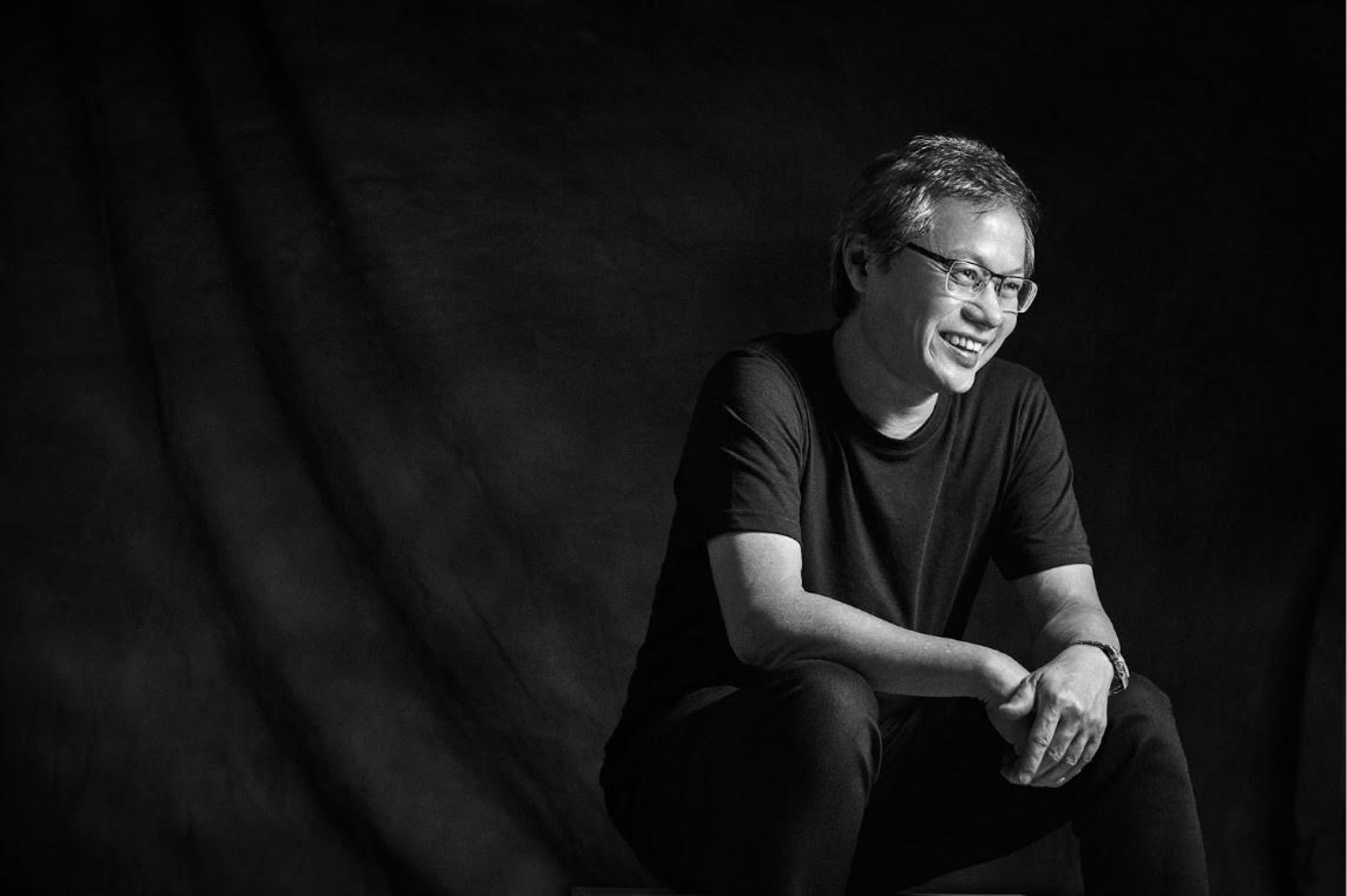
Ar. Dr. Tan Loke Mun

DT

What is your approach toward mentorship?

TLM

I practice discipleship. We learn, work and play together.

DT

What aspects of mentorship do you feel are lacking in our profession (or in society in general) today?

TLM

Bosses are distant from staff and the generational gap is widening and few know how to breach the gap. Bosses and team leaders need to be inspirational and spend actual rather than virtual time imparting their dreams and aspirations to others.
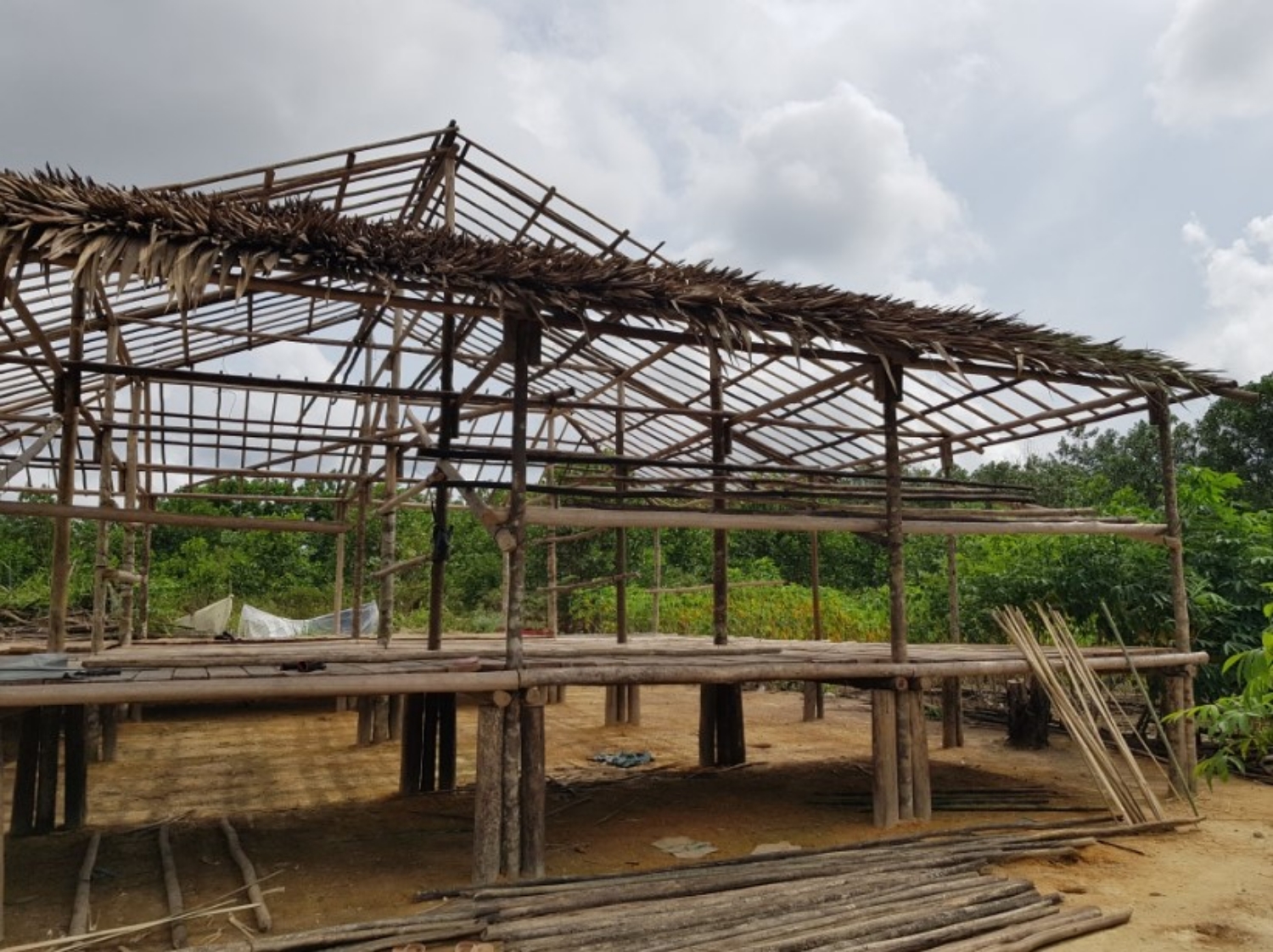
Community work: Ar Dr Tan Loke Mun with orang asli NGO volunteers in the jungles of Pahang

DT

In society today, we have observed a growing cynicism towards body politic – authority figures, politicians, organised religion, and even institutes such as PAM. Many young people are now reluctant to participate in established structures, happy to work in their groups on the fringe. Is there a place in the future for institutes such as PAM?

TLM

Yes of course. There is some form of power and authority bestowed upon established institutions like PAM. The problem is not with the institutions but rather with the calibre and motives of the people who offer to lead. When leaders fail to serve but rather start taking, then institutions start to fail. We should not have leaders who do not want to serve others and who only want positions for status or as a stepping stone to somewhere or something else. PAM needs honest and credible professionals. Strong and respected professional institutes can input to all levels of society without fear or favour on a galaxy of issues from climate change, food security, flooding, shelter, autonomous cars etc.

DT

Is altruism really for losers? We have heard many asking ‘what’s in it for me? What are your views on this?

TLM

Man is born into the world with his fists clenched hoping to gain all things. But when he dies his hands are open wide all things having passed him by. We are merely pilgrims on this road called life. We never own anything forever. And if you truly want to be the greatest, then please be the servant of all. It works. I have no regrets whatsoever in my time with PAM serving the profession. It has been an absolute joy to work alongside like-minded people who want to see a better tomorrow for all.
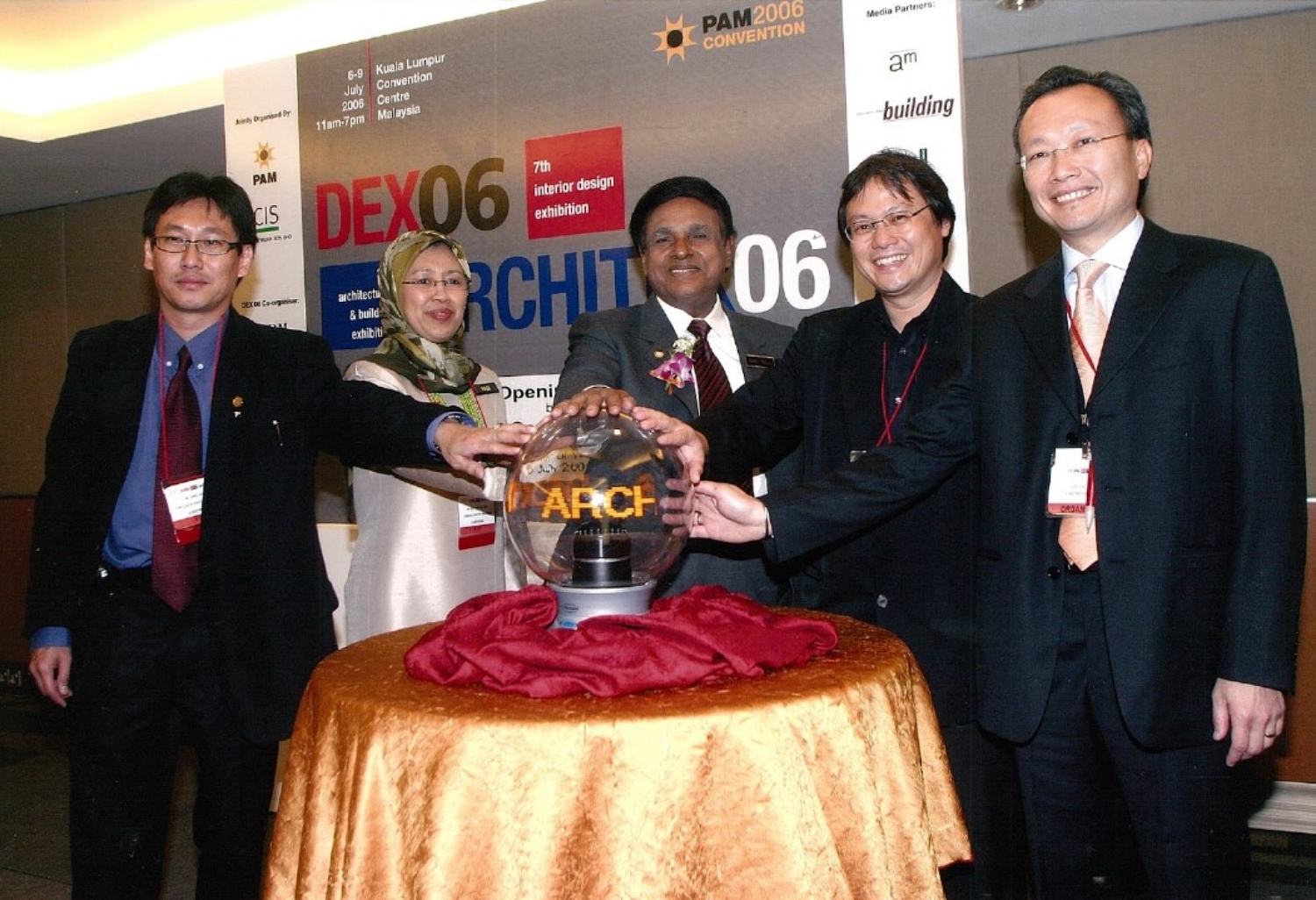
Developed and launched the PAM Convention to incorporate the ARCHIDEX Building Exhibition (a joint venture with CIS Network Sdn Bhd) held concurrently with DATUM / KL Design Forum 2006

DT

Throughout the many years of your involvement within the institute and beyond the institute, you have been involved as an advocate for various causes. What do you think are the skills needed to be an effective advocate?

TLM

Firstly, you must believe in the cause and be passionate about it. Honesty and integrity are crucial so people trust you. And credibility from an array of super skills you have acquired through practice and many adventures will make you a highly sought-after advocate. Drop all the legal jargon, less talk, action, and solutions, please.

DT

Today, it seems that the practice environment for architects is increasingly complex and with transformative new technologies, yet we are in constant battle with increasing bureaucratic impediments. What would you think is the best way forward for our profession?

TLM

The letter kills but the spirit gives life. The world system is prefaced upon more and more bureaucracy and red tape. Every new idea enjoys spring and summer of glee and prosperity soon to be cut down by news that winter is coming. So, the way to move forward is to keep creating and innovating. New ideas and technologies break the bond of existing bureaucratic impediments.
The Launch of GreenBuildingIndex in 2009

DT

Although the award acknowledges the recipient for their “distinguished lifetime commitment” – you are still relatively young. What are the causes you would like to champion in the next decade?

TLM

Thank you. I do feel young indeed and still raring to go. I would like to continue designing, writing, building, and innovating; and look forward to the new dawn when men (and women) become space-faring people.
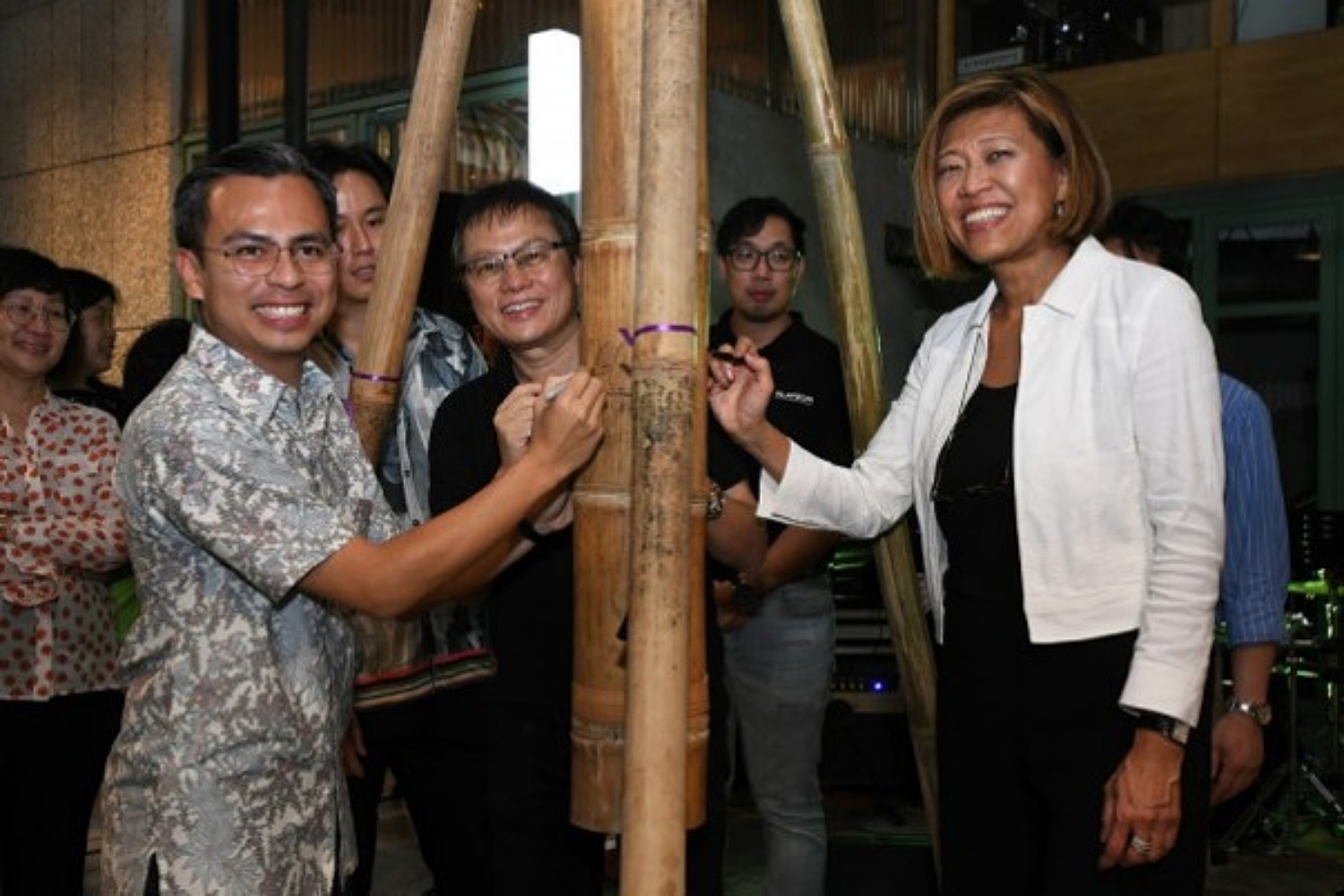
Launch of KLAF 2019 TOMORROW with YB Fahmi Fadzil and PAM President Lillian Tay.

It has often been said that Architecture is the oldest profession in the world. Thus, it is the genesis of professionals. Having lasted so long it would also mean that it has stood the test of time and the pressures of different world systems through the centuries. Challenges have come and gone but the profession has stayed almost intact throughout. Technologies and methodology for delivery have changed but the role of the Architect Professional has remained.

The Architect possesses a special skill and ability that sets him apart and lives by a set of rules and ethics bound by honour and integrity. His special skill that he possesses and his ability to succeed in delivering on his promises affords him the opportunity to offer his services for a fee. It is always the professional and not the amateur, apprentice or pseudo hitman that you call in each time if you need to get the job done properly and correctly.

In many aspects, he is like the classic hero in westerns, war and even kung fu movies. The professional man with a specialised skill that needs to be called in, to save the poor besieged pretty girl, family, town, city and even the world. And because he is the hero that saves the day, he also has a heart of gold and lives by a Godly set of ethics totally different from the greed, lust, jealousy and hatred of the people that he has to sort out. Unfortunately, and as in the movies the professional is a rare and unusual breed. But when he shows up, the action starts and things get sorted out and the world is left a better place when he rides off into the sunset. He reappears only when things start falling apart again or for another “no-one else can do it” project often known as the sequel.

In recent days I have had opportunity to reflect on the differences between the Professional and the Corporate Man. Much of the pressures today on the Professional can be attributed to the rise of bad corporate culture and the bad Corporate Man. The Corporate Man unlike the Corrupt Man who is a clear-cut baddie (the villain in movies) is often like a chameleon and is not as easily identified and tackled. In addition he is often cloaked with goodness, stature and of course some power. The Corrupt Man is often an individual loner whilst the bad Corporate Man has a whole rat race, cronies and Yes-men behind him.

The rise of corporate culture and corporations is putting new pressures on the remnant of Professionals serving the country. They often offer higher salaries, enticing packages, glitzier office environments and the promise that you can get more from doing less. Needless to say, these offers are often far too tempting and have convinced many to hang up their “light sabers” and leave the professional fraternity for a better dream life with more time for family and self. Some even promise that you can hire back your old boss and give the vintage professional a hard time.

There is however often a great clash of cultures and values. It would not be unfair to say that you would lose a lot of freedom as you are now under pay-roll. You can’t come and go as you please. You can’t walk away if you disagree and know that you are right and the road taken leads to Disaster. You can’t start your sentences with “But” anymore. You find yourself nodding even when you disagree. And often you find yourself working and surrounded by a bunch of others who are totally sold out as Corporate Men where politics overtake skills and ability. What place has a moral professional with SWAT skills got in a place where the lowest common denominator is often considered excellence? All the time living under the threat that if you do not toe-the-line you will promptly fall out of favour and be removed. Pretty soon you will feel the “force” leave you. “Light saber” skills will be lost and what was once obviously wrong is now acceptable.

In contrast, the Professional Architect lives almost by faith. When called upon he can do the job without fear or favour. He possesses a specialized skill and lives by a code of ethics cloaked in honour and integrity. He is expected to speak his mind and give his views. When faced with absolute wrong, he can resolutely disagree and walk away.

The Professional has lasted through the centuries. He is still the main character of many fables, stories, comics, movies and blogs. He is still as relevant and as needed today as ever before. The temptation of the corporations will come and surely go away. The Professional will stand the test of time and come out triumphant.
FEATURES

RELATED ARTICLES