Exploring form and texture with a series of sublime objects and drawings
fleshed from observation, collection, and memory and transmuted into physical form.
Text by Kenneth Cheong
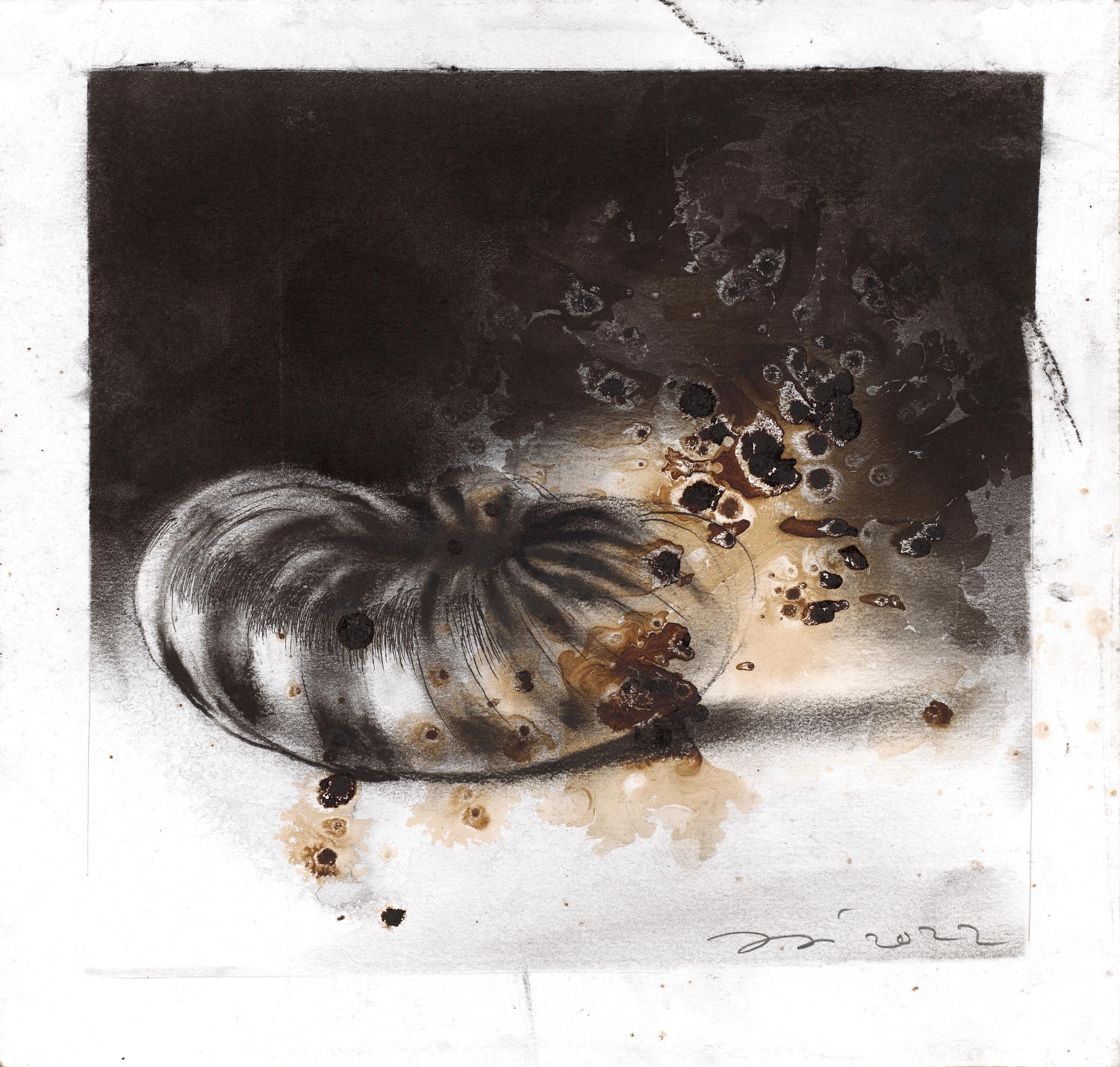
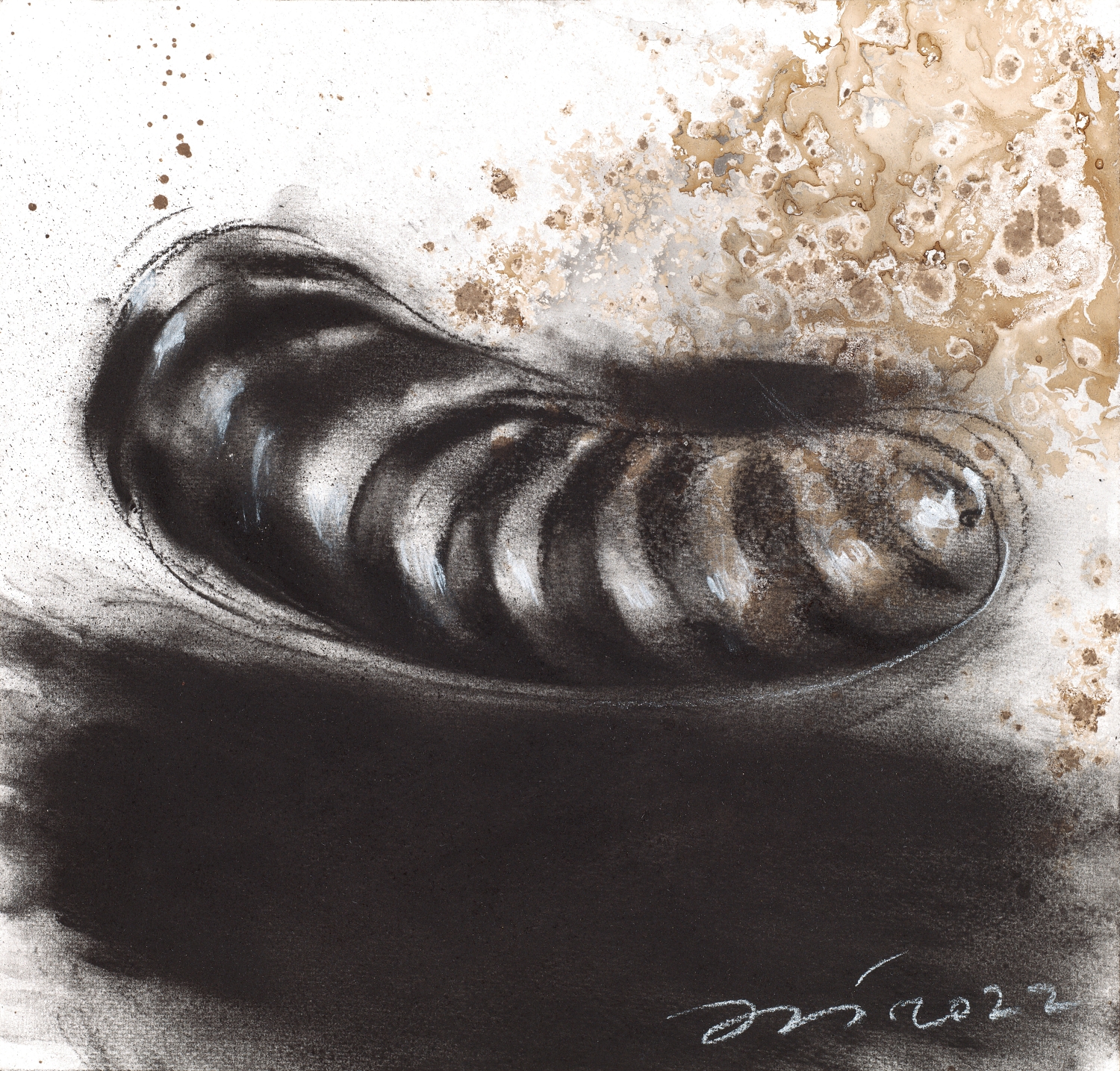
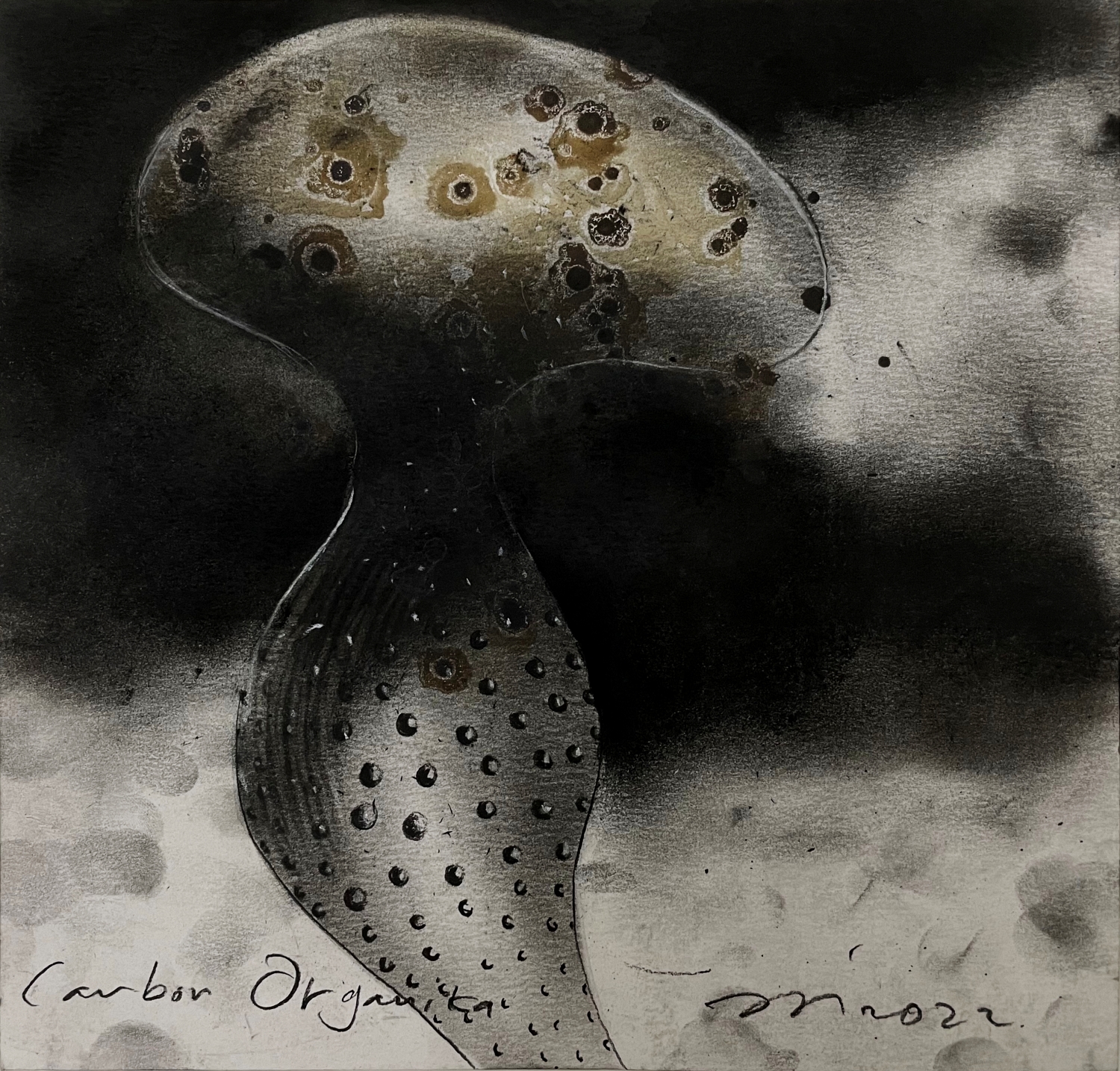
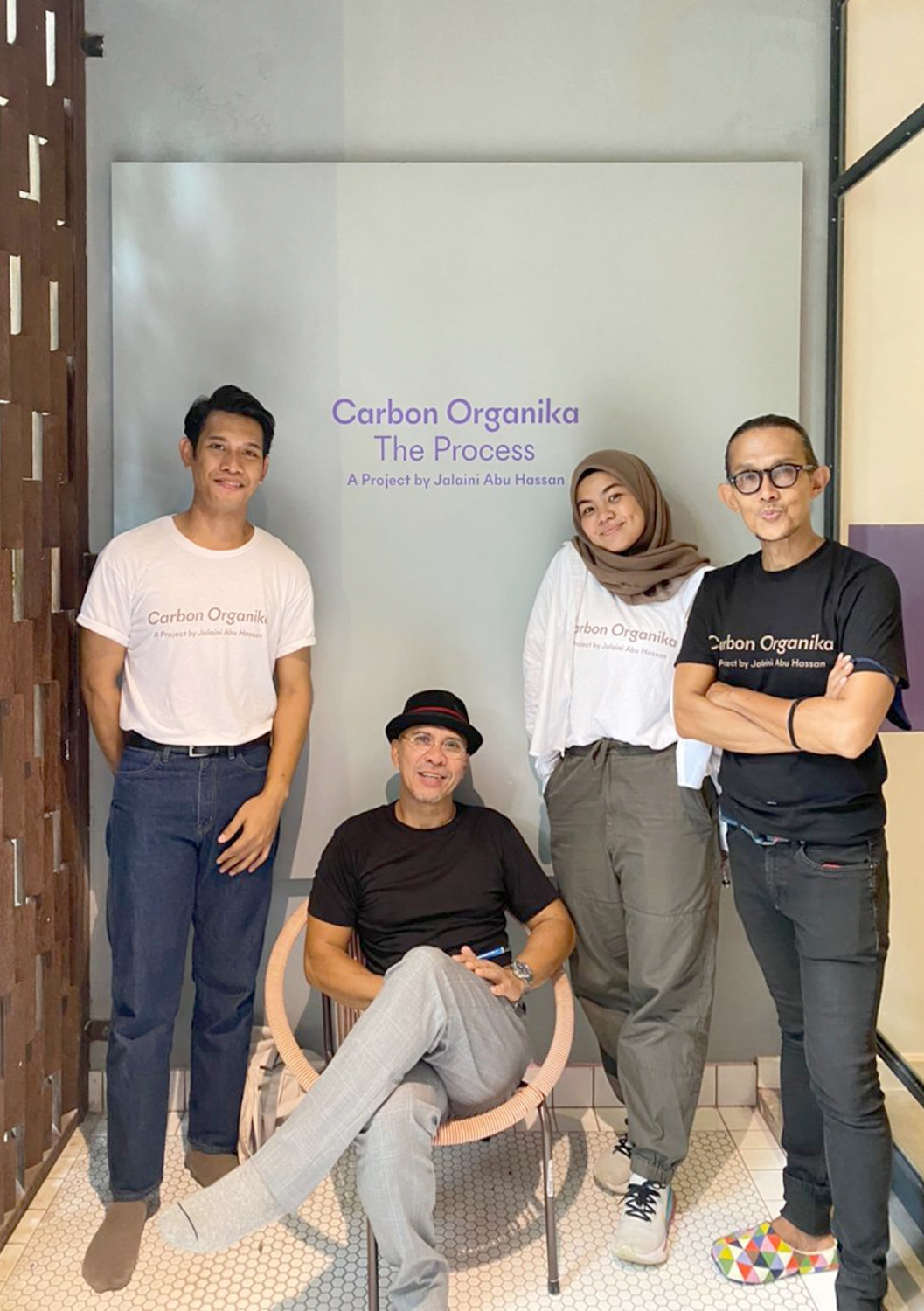
Carbon Organika is a project by Jailani Abu Hassan (or more affectionately known as Jai), exploring form and texture with a series of sublime objects and drawings fleshed from observation, collection, and memory and transmuted into physical form.
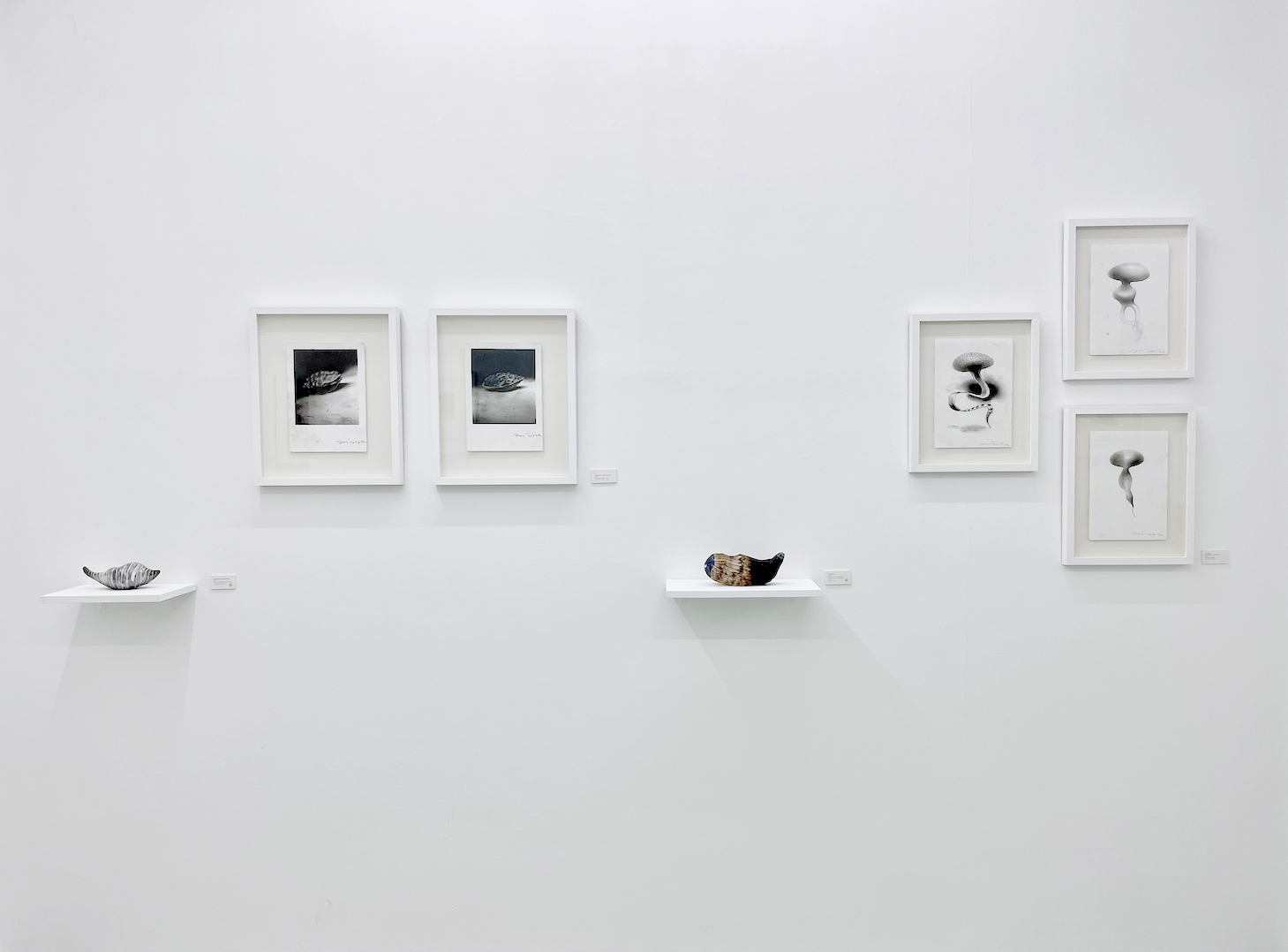
As a project, Carbon Organika spans a triptych of events in three separate timelines as distinct conditions for a fully immersive experience. Held in three separate spaces in different locations, the project hinges on the recently-concluded exhibition at The Back Room. The more casual unpretentious gallery space helmed by Liza Ho provides the perfect backdrop for this project. More familiarly hosting solo exhibitions of full-fledged large-scale oil canvases, the Back Room is the perfect counterpoint for this recent installation of small-scale hand drawings and intimate ceramic objects.
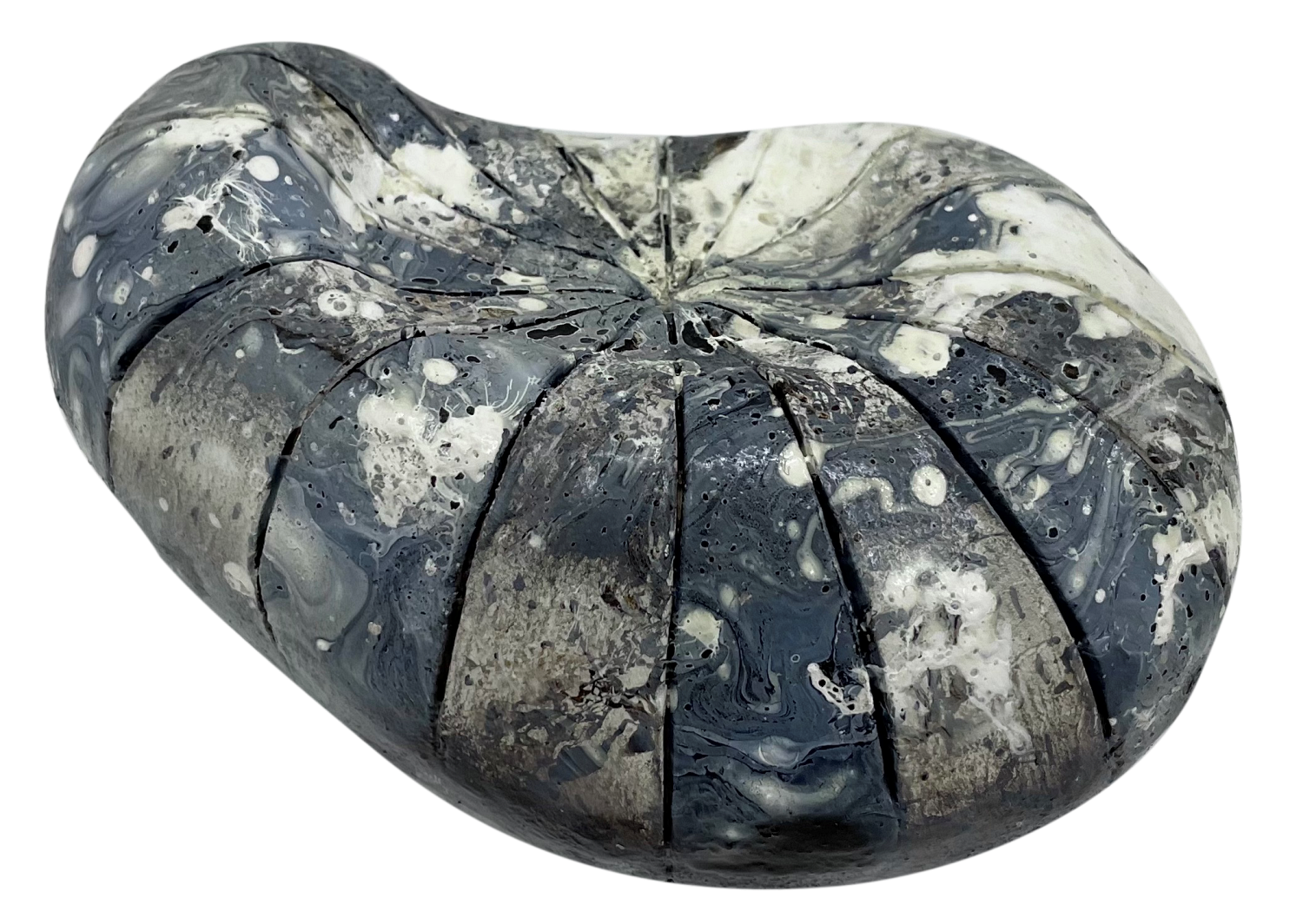
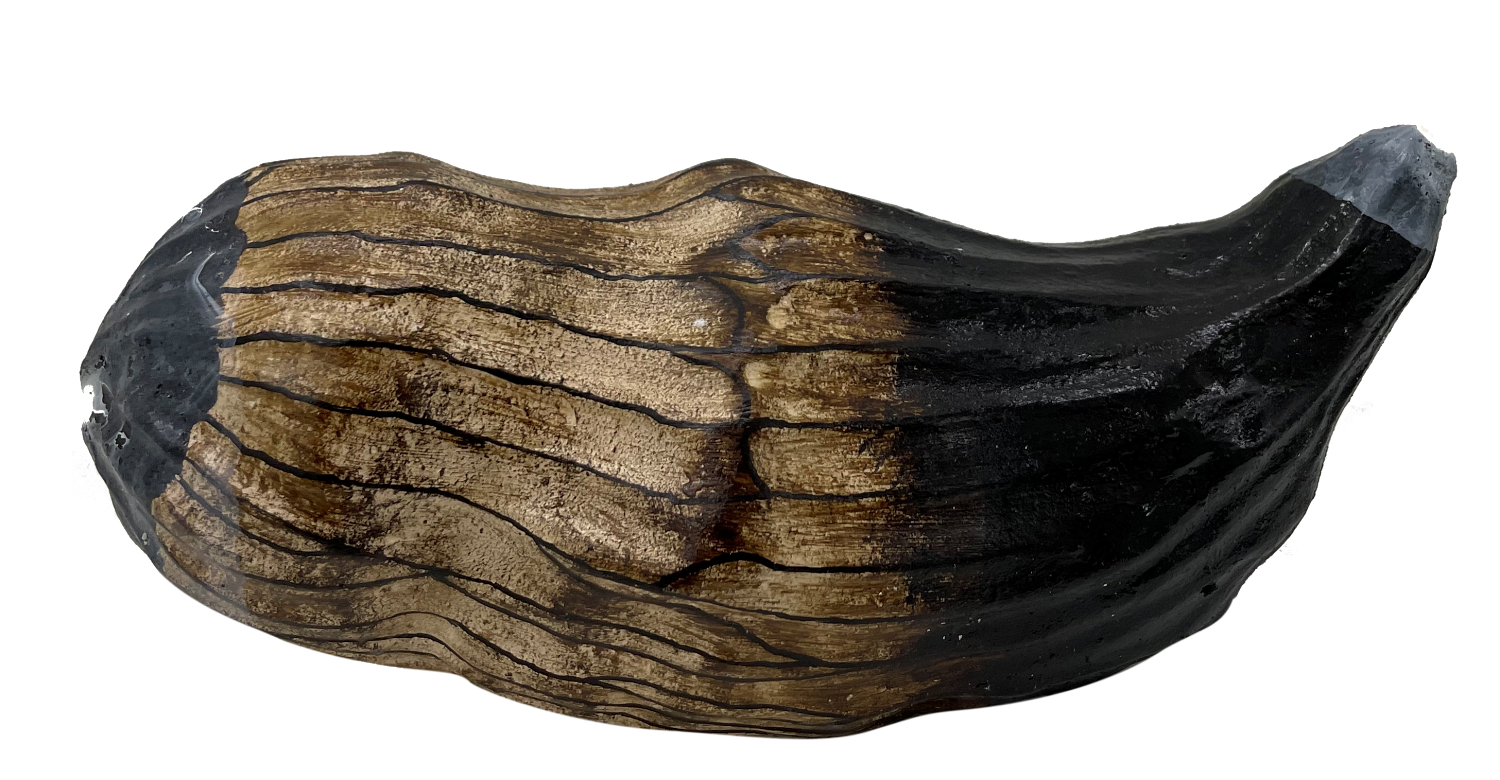
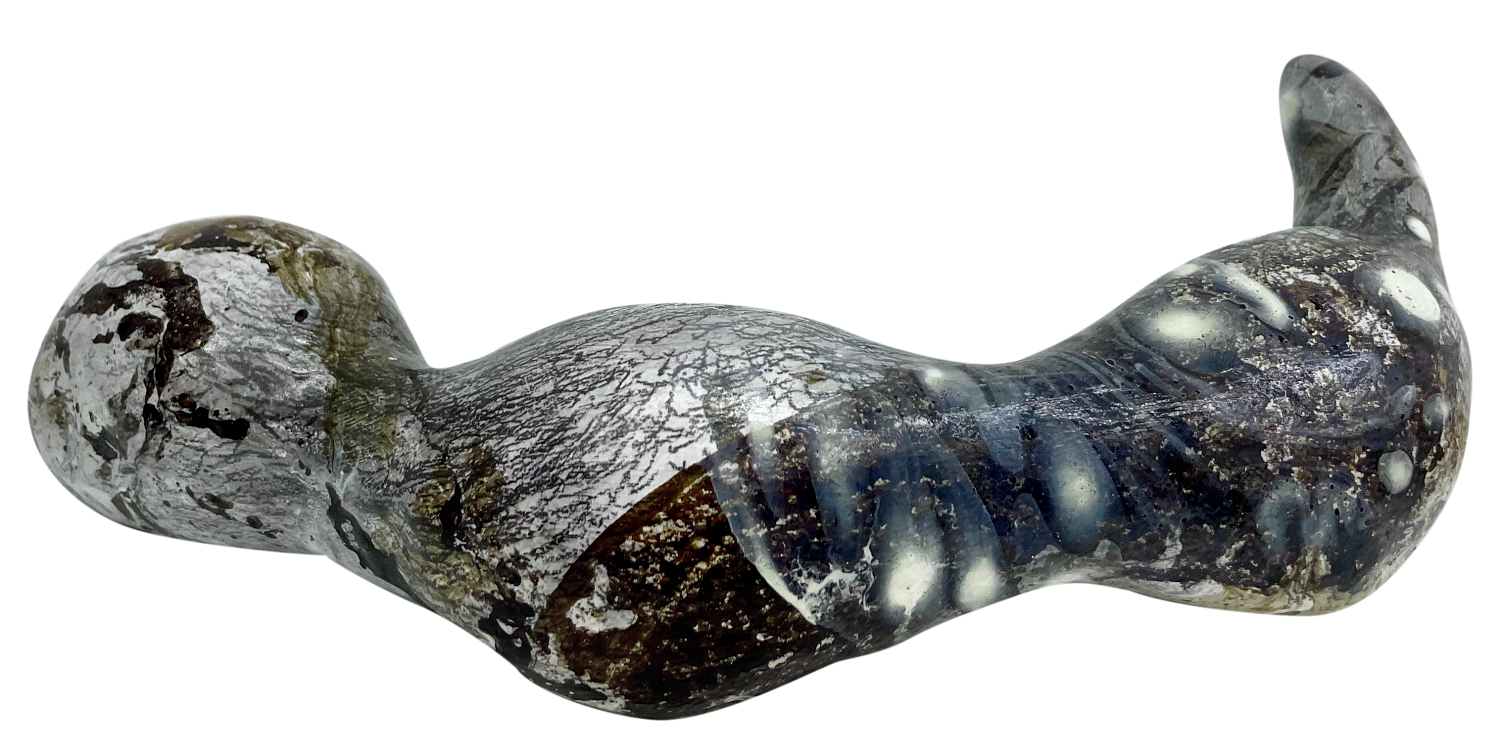
"Batu Berjalur" (2022) Gesso, bitumen, and enamel paint on fired clay with polyurethane finish 16.5 (L) x 8.5 (D) x8.5 (H) cm
From these original drawings and one-off objects exhibited at Back Room, giclee prints of Jai’s original drawings and a selection of ceramic objects inspired and reproduced from their original form are sold at Kasa Suasa for the work to reach a broader audience.
Concurrently, the exploratory sketches, a study of found organic material, inspiration and processes are documented in detail in an exhibition held at the Rumah Lukis.
"Bunting" (2022) Graphite on fired clay with polyurethane finish 16 (L) × 5.5 (D) × 7 (H) cm
A COLLABORATIVE PROCESS
There are two men inside the artists, the poet and the craftsman. One is born a poet. One becomes a craftsman – Emile Zola.
The quote from the French father of Naturalism perhaps sums up the essence of the collaborative nature of Carbon Organika.
Oil and acrylic canvases are the primary medium of expression for Jai. In Carbon Organika a multitude of collaborators specialised in their respective crafts come into play to make this wide-reaching triptych of events possible.
The Back Room
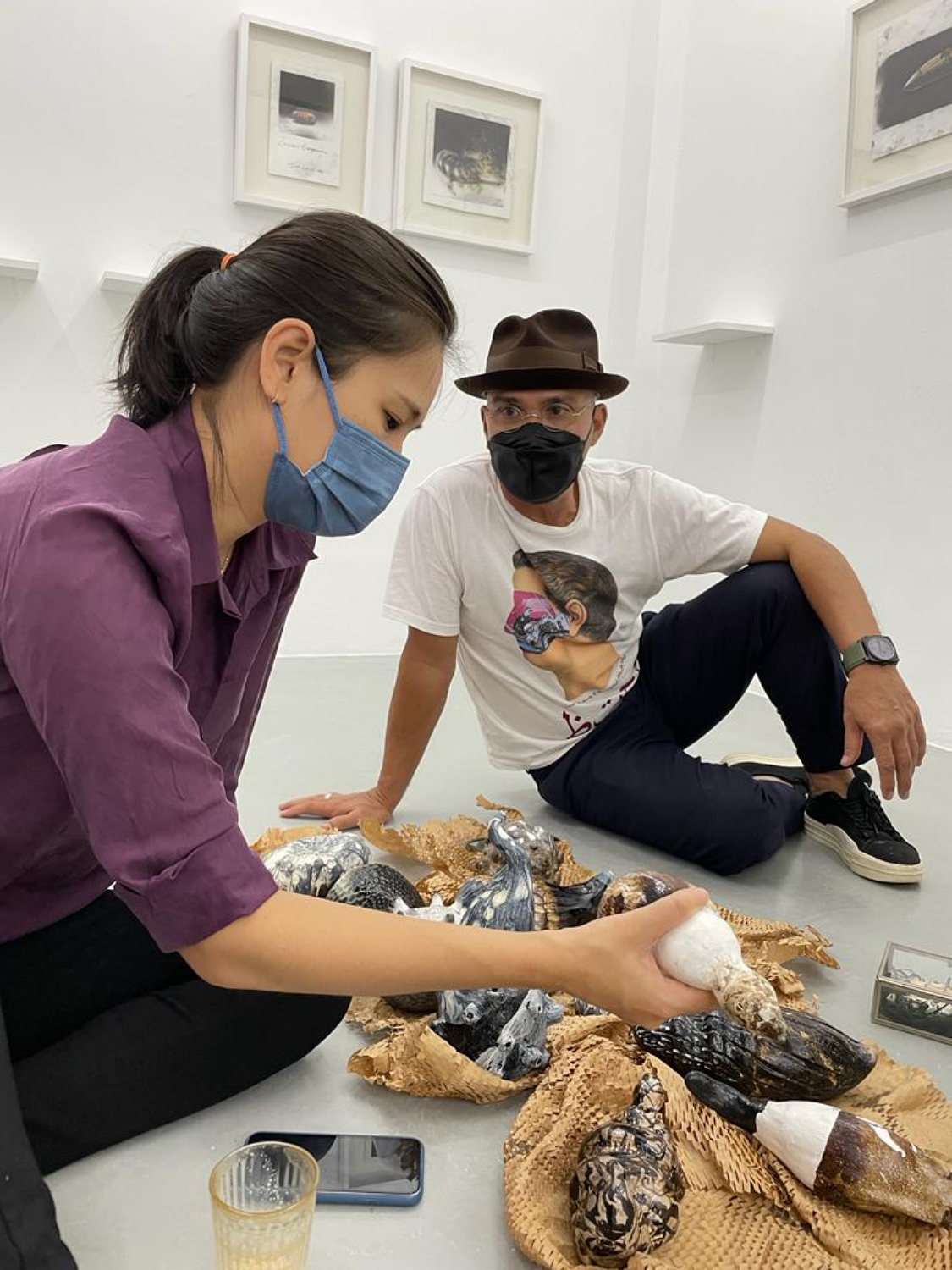
For the ceramic objects, Jai enlisted two of his former students from his academic work at UiTM: Malacca-based Rozana Musa of Bendang Studio and Kuala Lumpur-based fine artist Dani Omar who formalised Jai’s vision for the one-off ceramics for exhibition at The Back Room and ceramics merchandised at Kasa Suasa. According to Jai, and as documented at Rumah Lukis, a conversation oscillated on the limitations of the materiality of clay and a hands-on approach by Jai personally to test the three-dimensionality of the material between the three, to bring the vision in his imagination into reality.
For the reproduction of the original sketches, Jai enlisted Wesley Wong of Giclee Art Sdn Bhd to produce the deliciously detailed giclee prints.
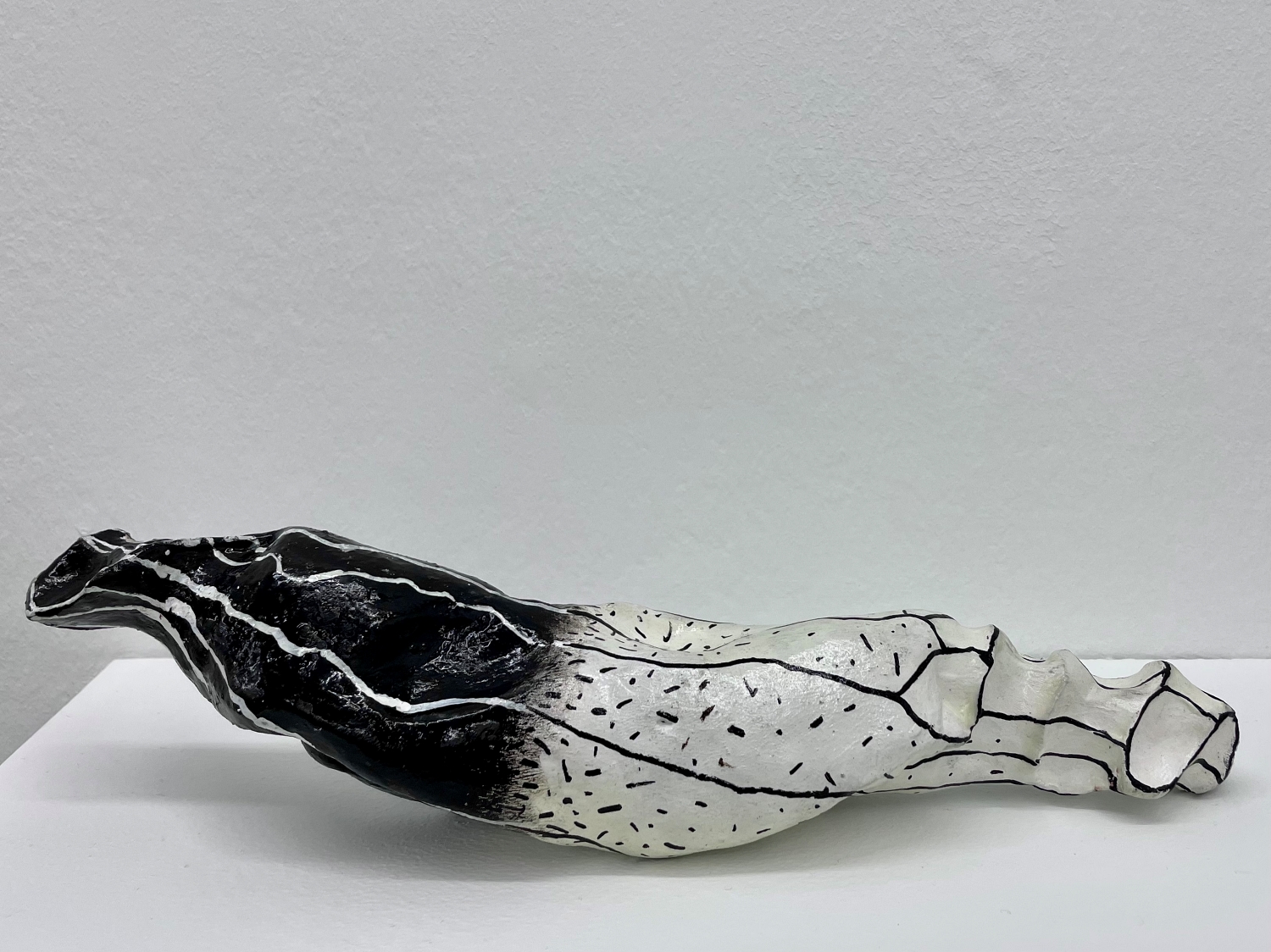
"Tunggul Bertuah" (2022) Gesso, enamel paint, and bitumen on fired clay vwith polyurethane finish 32 (L) × 6 (D) × 7.5 (H) cm
Similarly, in the field of architecture, parallels can be drawn in Jai’s central role in the scheme of things with master architects.
It is only with intense collaboration in alignment with the imagination and vision of the master architect with a team of architects, specialist consultants and suppliers that is it possible to give breath to a truly original new build.
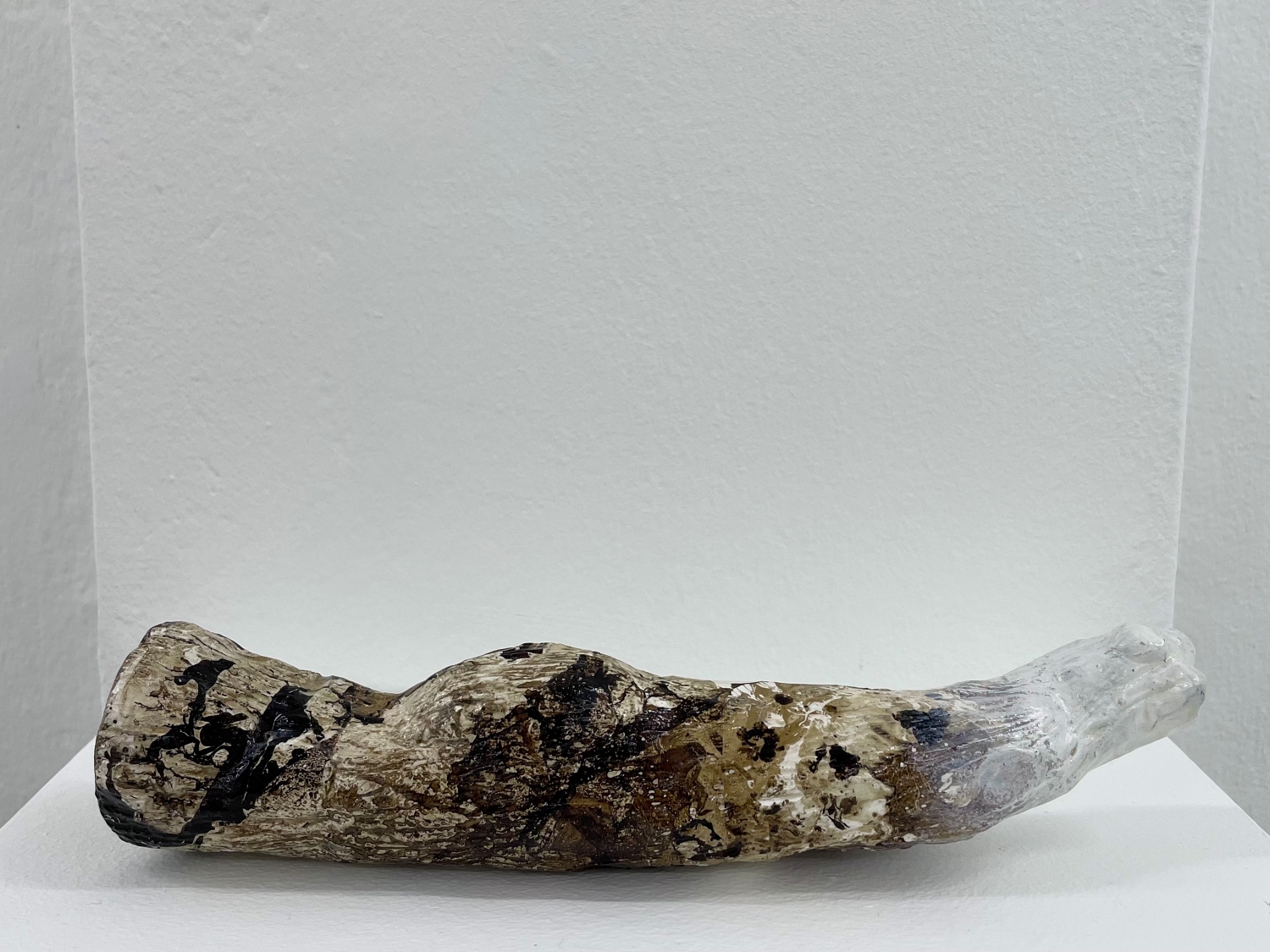
"Mempulur" (2022) Gesso and bitumen on fired clay with polyurethane finish 25 (L) × 5 (D) × 5.5 (H) cm
"Mempulur" (2022) Gesso and bitumen on fired clay with polyurethane finish 25 (L) × 5 (D) × 5.5 (H) cm
ORGANIKA
Jai’s solo exhibitions tend to fluctuate between joyful colourful visions and darker windows into a sinister realm rich with the allegory of Malay mythology and cultural appreciation. A common thread which runs in the narrative of Jai’s work is the imaginary organisms which lurk in the canvases. Be it floral monstrosities, fluid organisms pulsing with unknown intentions or inanimate geological formations of fantastical proportions, Jai can flesh out spirited magical organic geometry in colour, unseen in the real world.
For Carbon Organika’s ceramics, these organisms are bought to life in dilated detail and colour, somatic from the original drawings nuanced with the explorations from his previous works. The sublime beauty of the objects perhaps lies in their inherent nature as the poetic apparitions of Jai’s imaginary world.
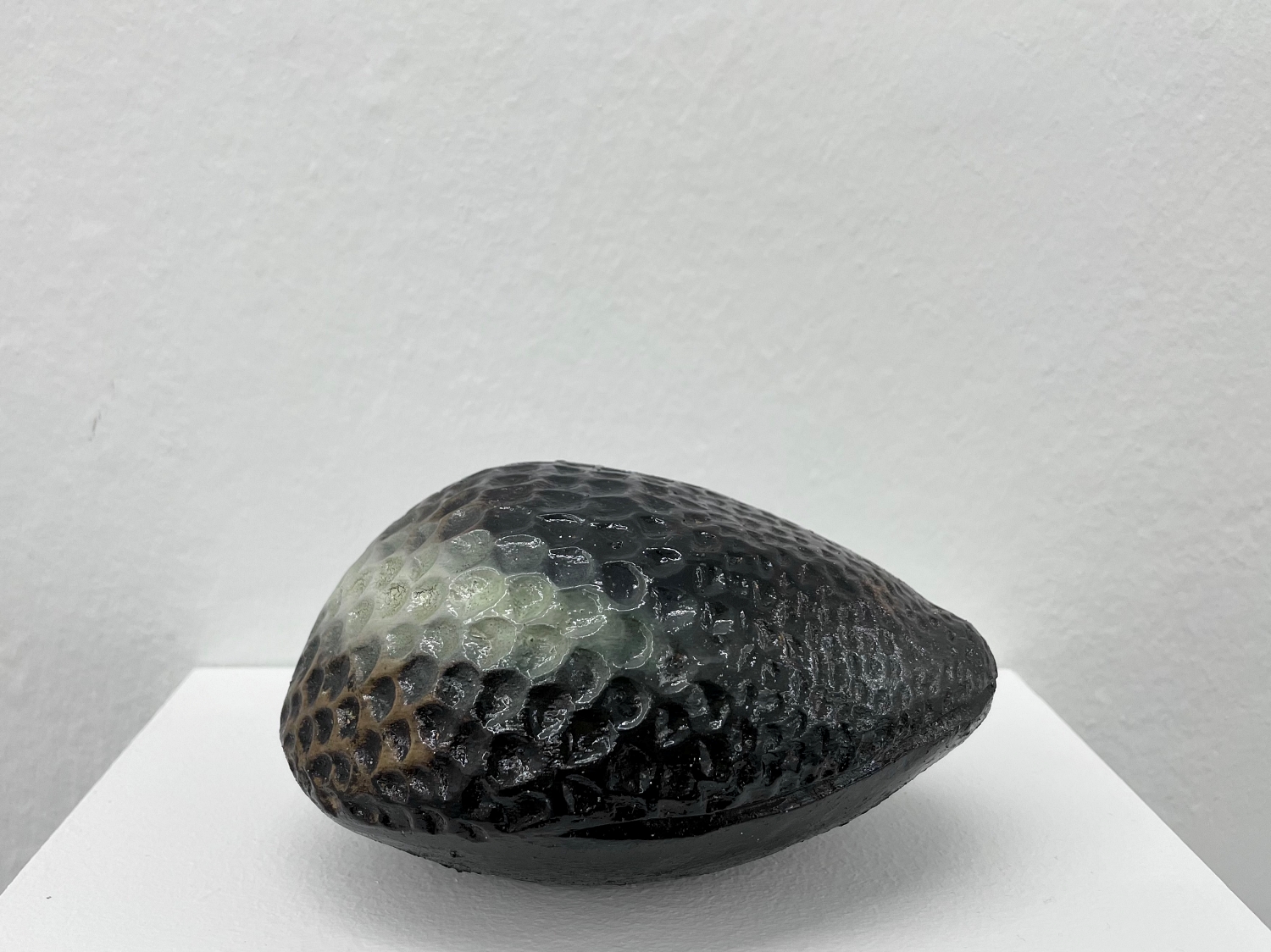
"Putik Pelik" (2022) Bitumen and enamel paint on fired clay with polyurethane finish 22 (L) × 8 (D) × 8 (H) cm
Similarly, with Phenomenology in architecture, the appeal of the geometry of space lies in its poetic nature. This brings us to the parallels between Carbon Organika and organic geometry in architecture.
There is a clear divergence in the form-making of organic geometry architecture from its origins when it first appeared in its wildest form in the collective consciousness – in the giant space slug of the Kunsthaus Graz by the beloved architecture academician, Peter Cook. This seminal work predates our current obsession with organic form-making in its most current iteration as Parametricism as spearheaded by the likes of Hani Rashid and the current ZHA helmed by Patrik Schumacher.
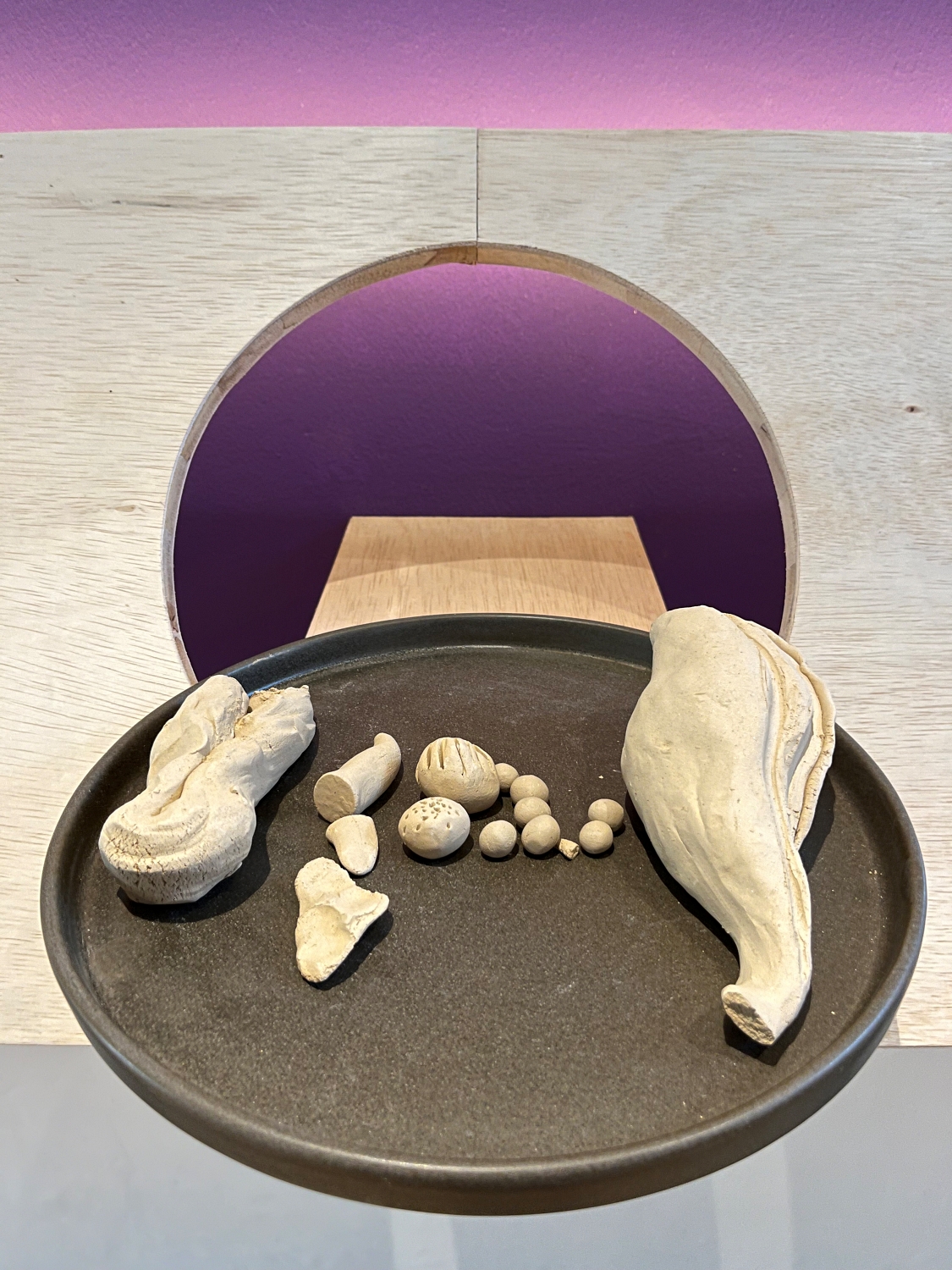
Ceramic pieces placed on the finished plates by Bendang Studio
Predicted copies of copies are beginning to appear, as computer-generated algorithms replace hand gestures in the process of form making. It could be argued that the work of pre-Parametricism Zaha Hadid had a depth of allure that the current output of the office lacks. The early works conceived from equally seductive hand drawings manifest as a translation of the human imagination.
It is no wonder that the contemporary Phenomenologist, Kengo Kuma did not see eye to eye with computer-generated presentations of Hani Rashid during his days at Columbia University, (Interview Kengo Kuma, D+A Issue 066, Feb 2012, Kenneth Cheong) stating that the computer-generated images lacked soul and imagination.
It is no wonder that the contemporary Phenomenologist, Kengo Kuma did not see eye to eye with computer-generated presentations of Hani Rashid during his days at Columbia University, (Interview Kengo Kuma, D+A Issue 066, Feb 2012, Kenneth Cheong) stating that the computer-generated images lacked soul and imagination.
Ceramic pieces placed on the finished plates by Bendang Studio
PROCESS – A WINDOW INTO THE
MAKING OF CARBON ORGANIKA
A crucial component of Carbon Organika is the understanding of the process of form-making. As a long-standing friend of Jai from his student days at Pratt, there is no better person to curate an exhibition on the process than Ar. Mohamad Pital Maarof, and is housed in Pital’s personal gallery space – Rumah Lukis.
As an avid art collector, one can only imagine the expanse of Ar. Mohamad Pital Maarof’s collection of Jai’s work is due to their enduring relationship.
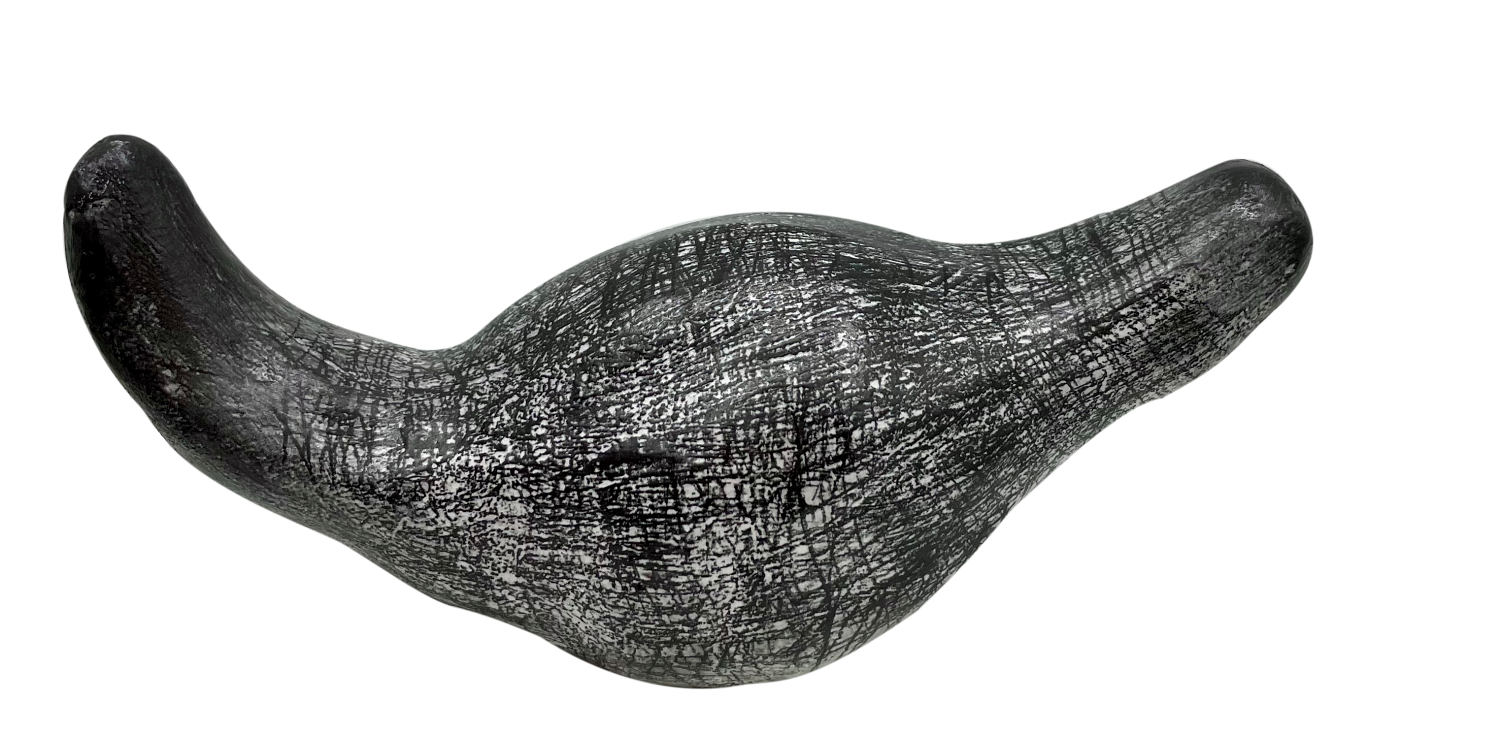
"Umbok Bentong" (2022) Gesso, graphite, and bitumen on f ired clay with polyurethane finish 22 (L) × 10 (D) × 8 (H) cm
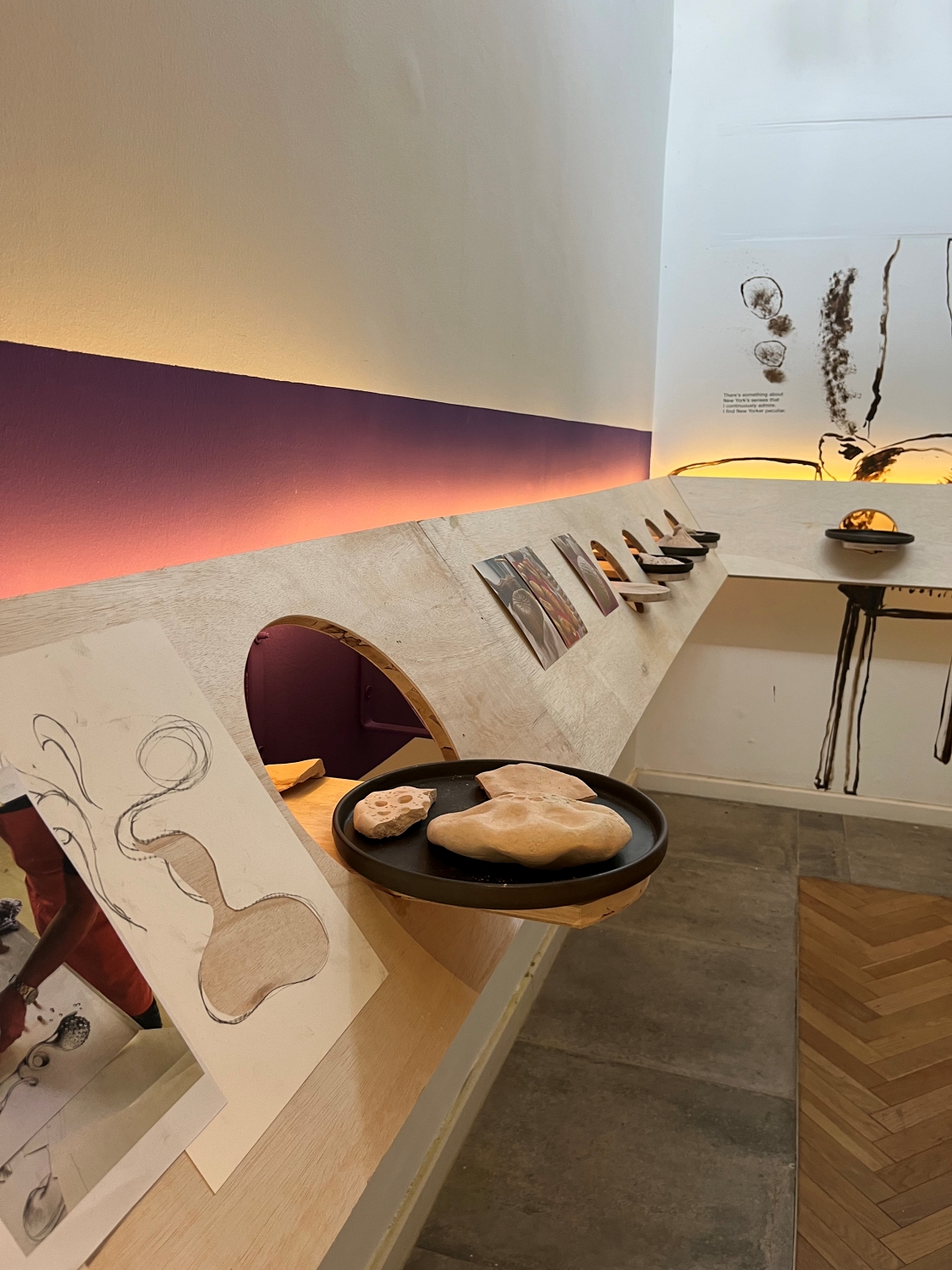
In the documentation of the process are studies of texture, materiality and form, laid out on a slither of plywood panels lining the open plan space, with photographic and video documentation. The sequence of timber panels provides an intimate viewing platform to fully appreciate the exhibits and artefacts close-up. Circular apertures interject this linear sequence with three-dimensional ceramic pieces placed on the finished plates by Bendang Studio.
To tie the space together, Pital chose a diffused purple tone painted along the strip lighting as a horizontal band to celebrate the opening and moving of the world after a period of confinement.