Be sure to make a detour to Las Coloradas on a day trip from Cancún.
Text and photos by Ar Shyuan Kuee, Kuee Architect
Scientific Research Innovation Centre (CADG), China cladded with Terracotta Panels and Baguette in beige. Photo credit: www.paneltekterracotta.com
“I love my city so much that I’ve always volunteered to become an architectural private tour guide in my free time,” said Roman, the local Mexican university architectural professor, amicably. Roman is a passionate architect, professional and tour guide combined. Sharing a Taco platter at a cosy fondas, we had just settled down from an exhaustive yet inspiring day-trip around Mexico City, looking at some of the most significant architectural marvels of the current century.
I have never really imagined myself travelling to the faraway land of Latin America. To change several flights totalling up to thirty hours appeared to be an impossible feat until I had to be there for an important personal mission. So, there I was, finding myself at Mexico City Airport in the winter months of 2019. The airport in Mexico City was one of the busiest in the world, so much so that the ambitious country was planning to build another bigger airport designed by Foster + Partners – a plan later regrettably scrapped during construction after a public vote.
BLUE. RED. PURPLE. YELLOW
As with any other travel destination, a large proportion of my time in Mexico was concentrated on visiting the local contemporary architecture. With my limited command of Spanish, I had to rely on someone local to take me around. Roman seemed like a perfect fit in this instance. To start the day, he took me to see the work of one of the most legendary Mexican Architects of all time – Luis Barragán’s Casa Gilardi. As the only Mexican recipient of the Pritzker Prize, this was the last house Barragán designed before he passed away in 1995.
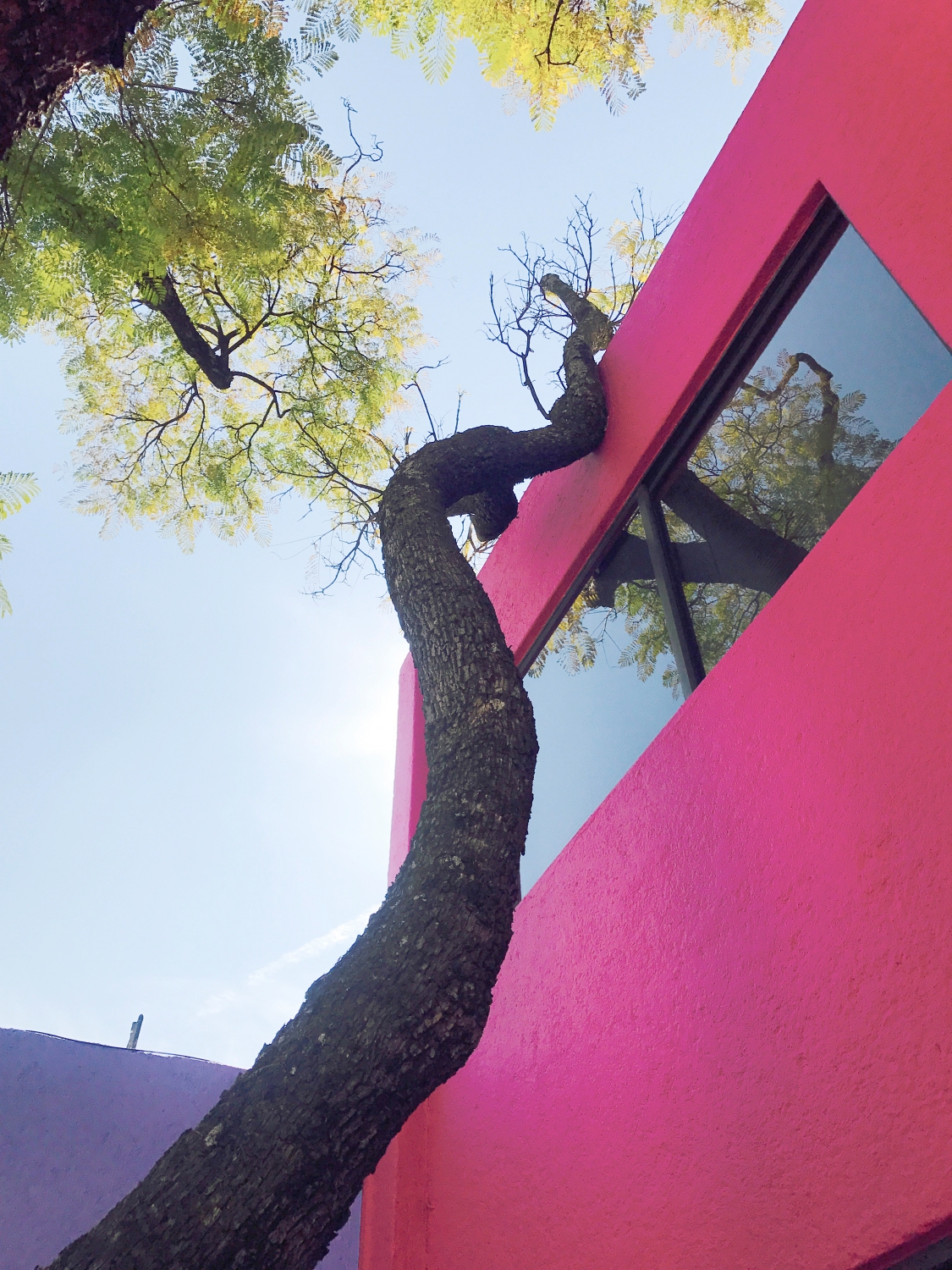
Having been captivated by the remarkably beautiful jacaranda tree when he first visited the site, Barragán immediately wanted the owner to keep the tree so he could build around it.“I want you to let me do all the ideas I still have in my head”, were his words to the client.
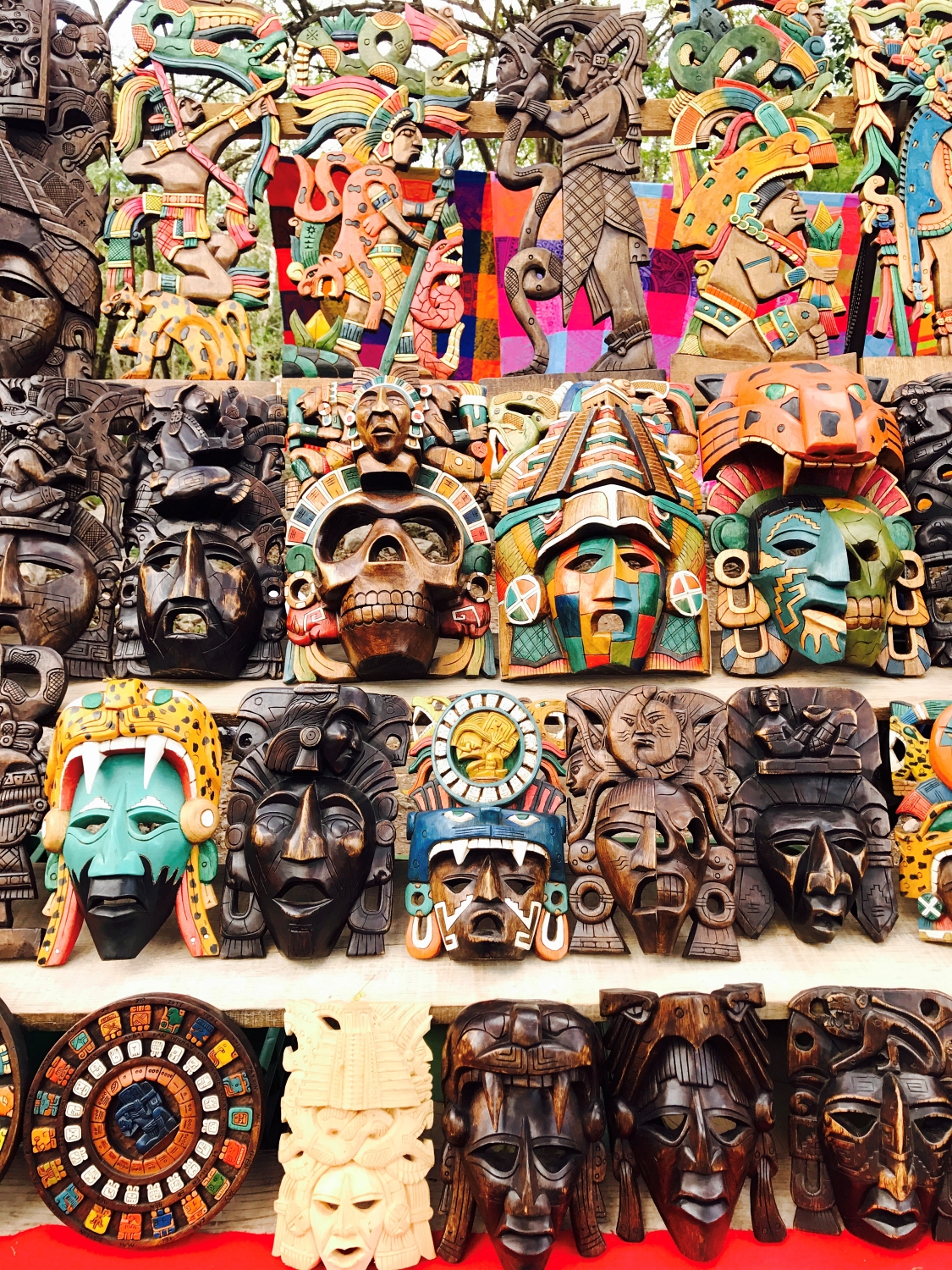
The Mexican indigenous masks serve to conceal the wearers’ soul, appearance and personality.
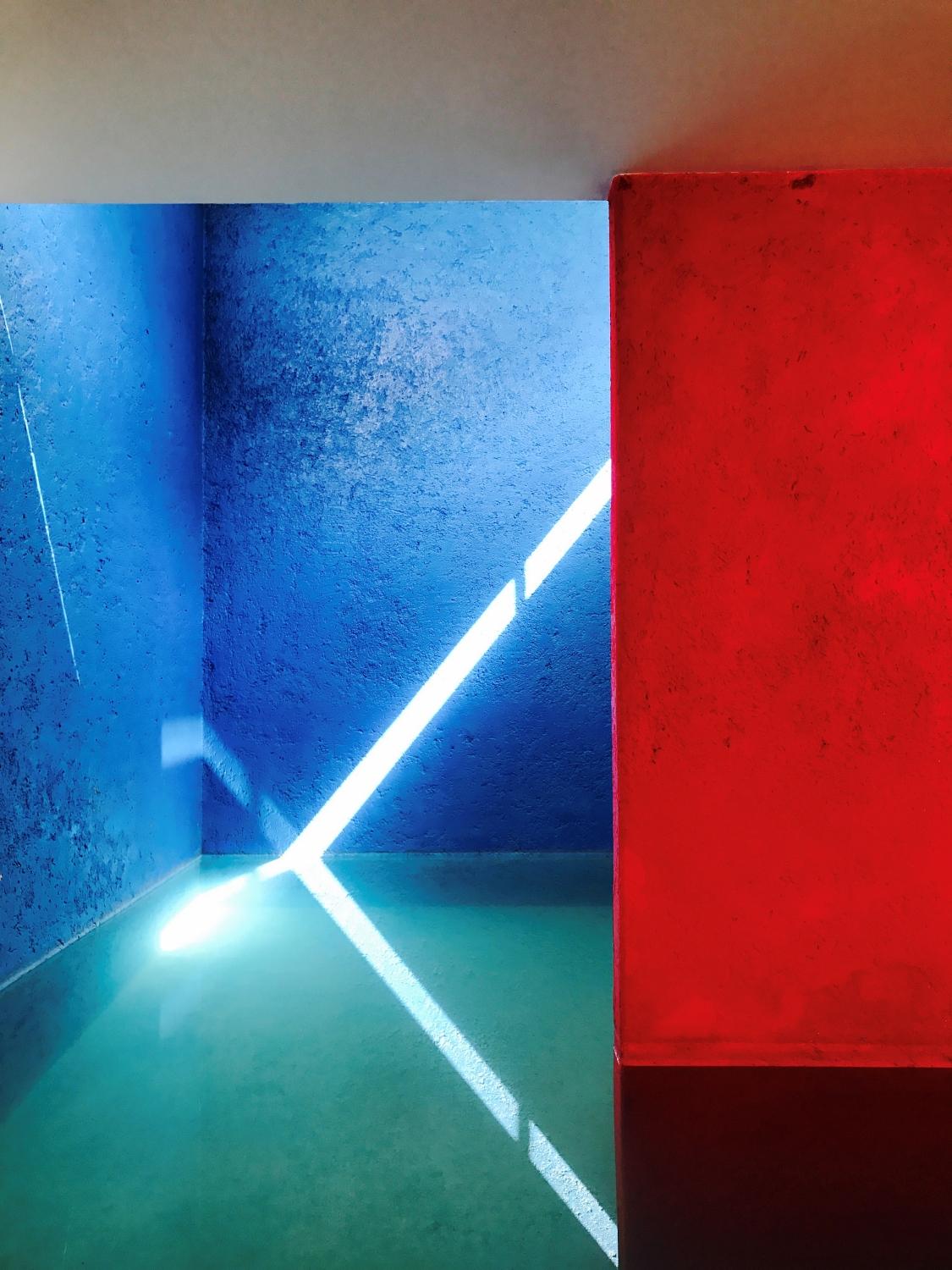
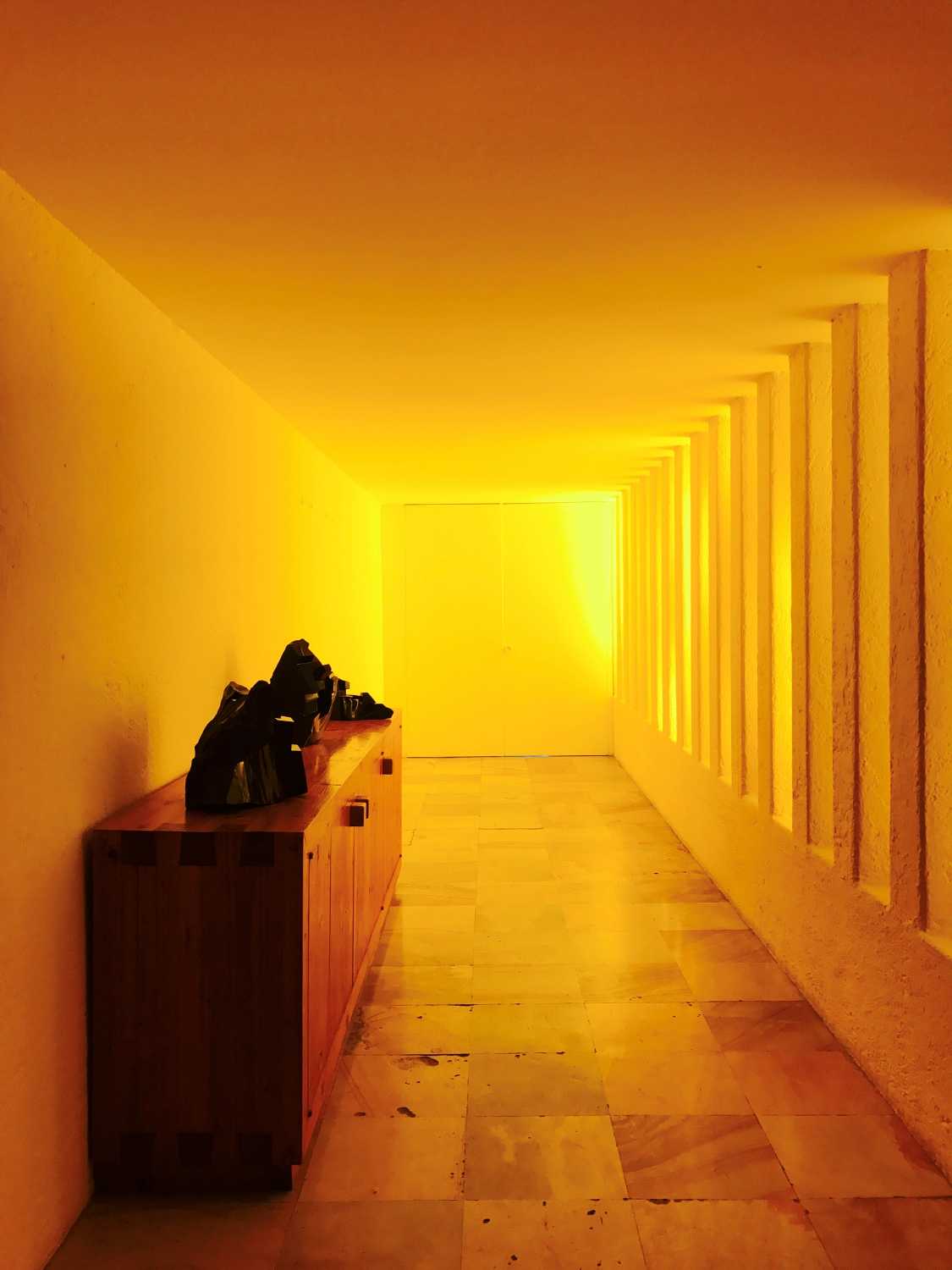
There were so many colours, textures and compositional elements in this house. From the purple patio to the bright blue walls of the pool, and just as you thought that was the end of it, you would find an almost blinding yellow corridor at the turn of a corner. Combined with the influence of painters e.g. Diego Rivera and Frida Kahlo, this house was a true product of Mexican culture.
I had to admit that the contrast in this house was too overwhelming and not really to my liking. I was nonetheless excited to be given bold inception as to what to expect for my Mexican exploration in the coming days.
BEIGE
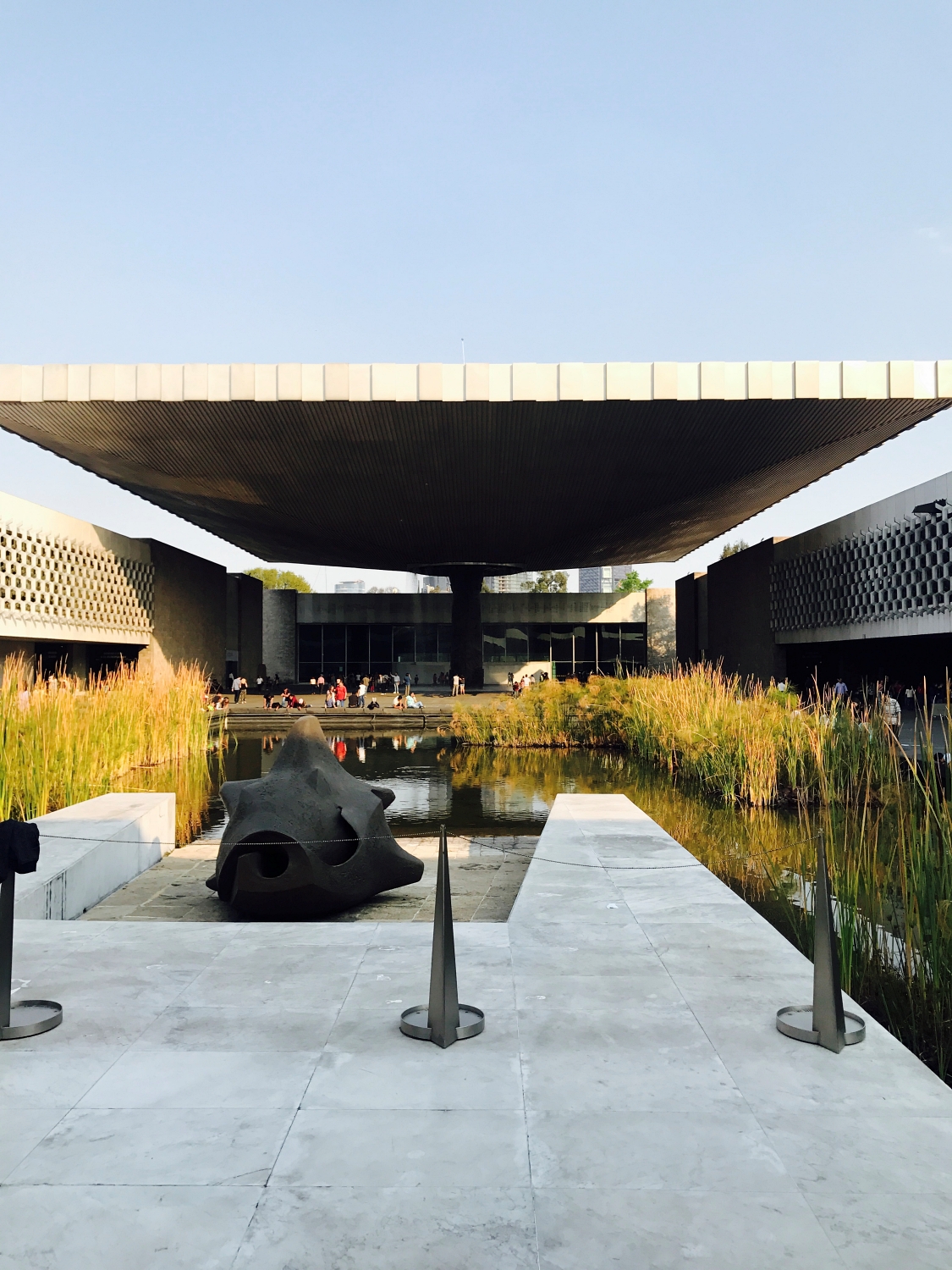
Designing museum buildings are of many architects’ dreams, and our city tours certainly would not be complete without visiting one. Mexico City is the second city in the world with the largest number of museums. I had to take the opportunity to look at as many as possible. We started with the modernist Museo de Antropologia – the largest and most visited one in the country.
As soon as you step into the museum compound, your eyes would be immediately drawn to the El Paraguas (The Umbrella) – a towering water feature dominating the sprawling minimalist building centred on a courtyard. To ensure the free-flowing of the visitors at the patio, the massive umbrella covering an area of 84m x 54m was lifted and supported solely by a concrete pillar anchored to the ground.
The beautiful jacaranda tree which the Casa Gilardi was built around.
The materials used throughout were simple. Flagstone was laid in the outdoor public area and transitioned to marbles in the interior exhibition spaces. The use of beige stone on the walls surrounding the great courtyard reflected a modern spirit of a Mayan palace. Albeit built in the 1960s, the pure modernist mammoth still looked avant-garde and relevant as today.
The varied colours combined with rays of sunlight into the pool of Casa Gilardi.
SILVER
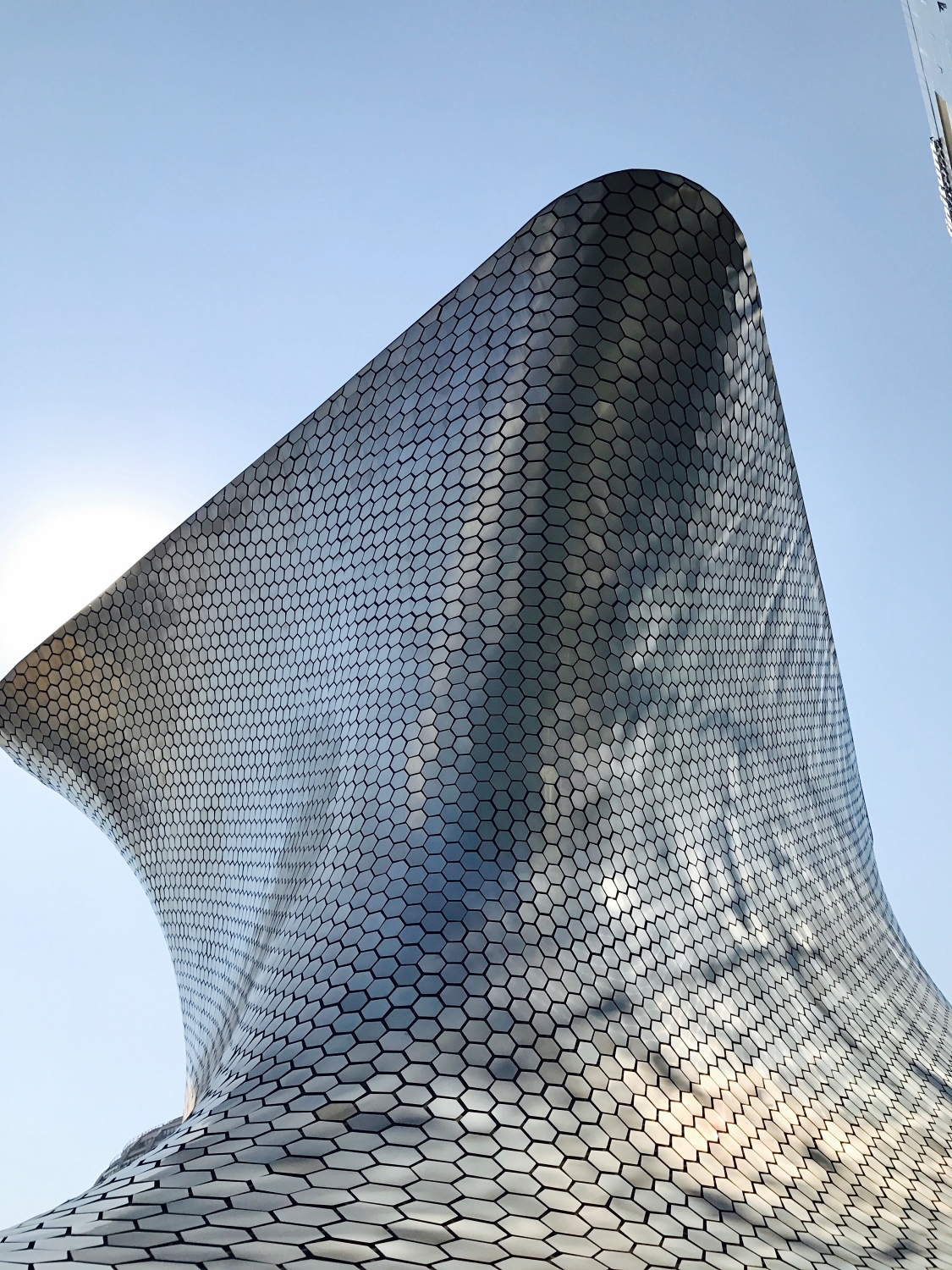
“Here comes the highlight!” said Roman as we got off the car. We found ourselves at Museo Soumaya – arguably one of the major museum buildings in Latin America. Standing at 150 feet, the rotated rhomboid structure was clad in a skin of 16,000 hexagonal mirrored-steel elements. The building appeared differently depending on the weather, time of the day and the direction of the viewer.
To design such an organic and asymmetrical shape was certainly a challenge. The building’s morphology and typology defined a new paradigm in international architecture. As a humble Architect from a developing South East Asian country, the humongous wonder served as a great inspiration for us to improve and delve further into parametric architecture.
Museo de Antropologia - the most visited museum in the country, boasting one of the world’s largest collections of pre-Columbian relics, artefacts and art
BLACK
Once you were done with Soumaya, it would be impossible to miss Telcel Theatre next door. Buried underground, the theatre was made dramatic with a large metallic structure lifted from ground level, named Dovela (Keystone) which acted as a lure. The Dovela, being formed by plates of calibrated steel that seem to defy gravity, was described as “a stone of air – it tried to collect all the resonances of the world emerging above it, to give them order,” by Roman.
“All work and no play makes Jack a dull boy”.After much indulgence in architecture marvels, it was time to take a break – as I did not intend to be dull. I am an all-time outdoorsy person, and a trip would not feel fulfilled without visits to some of God’s amazing creations. As an architect, it would also be sensible to take cues and inspirations from nature while designing buildings.
Bidding goodbye to Roman, I made a move to see Ik Kil – one of 20,000 beautiful cenotes scattered throughout Mexico.
The unexpected bright yellow corridor at the turn of a corner.
GREEN
Located on the Yucatan Peninsula, this cave cenote has fresh water exceptionally clear and pure, having been filtered by the earth. From the hanging ferns to the clear water and glimpse of sunlight into the cave, there was something so magical and surreal about being here that no words could describe the experience.“It was beyond amazing to see it in real life,” said some fellow travellers.
I had the most calming dip in the cenote, imagining myself sinking deeper to Xibalba, or translated as the underworld – a place where the Mayan Gods would visit.
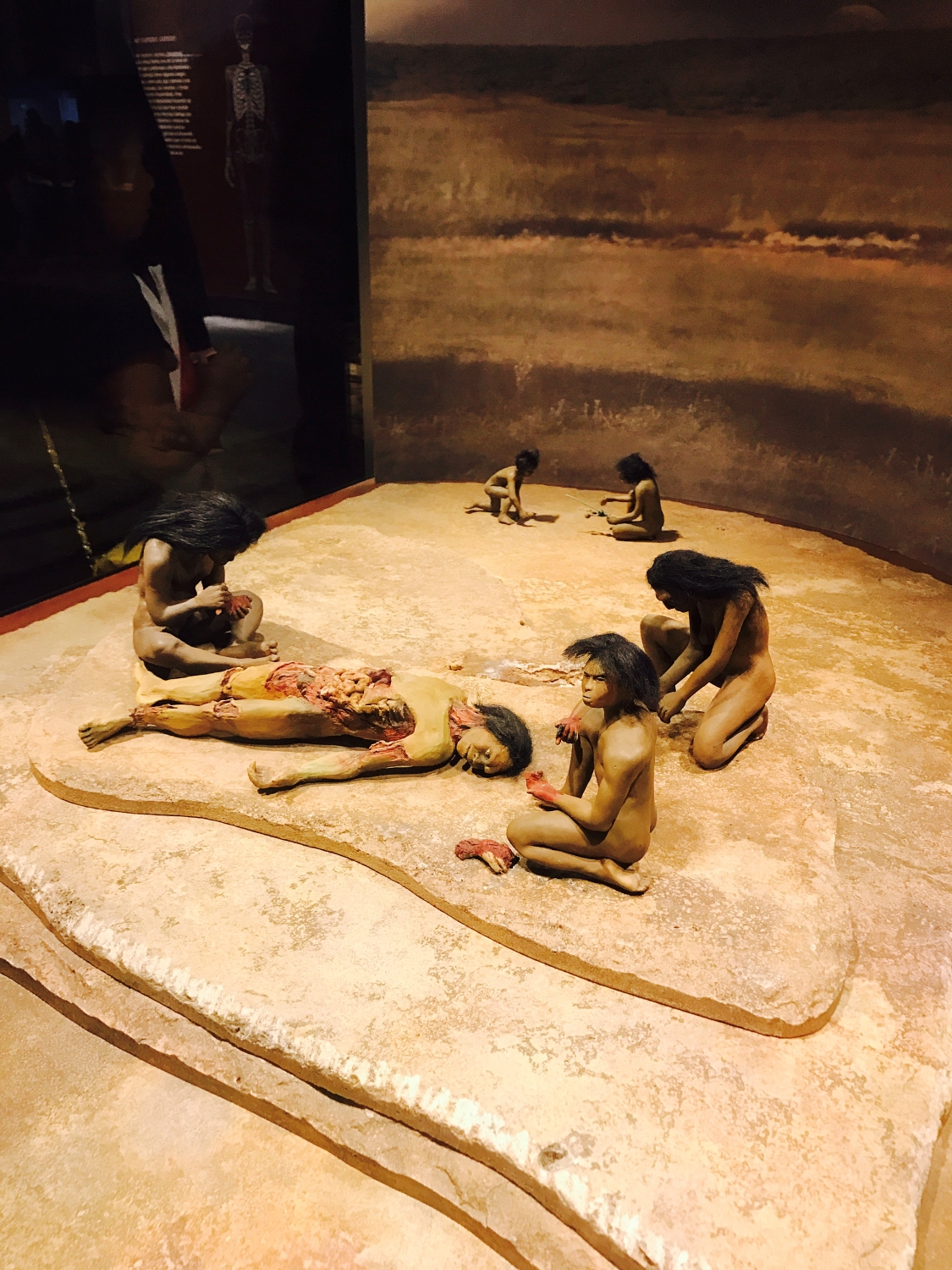
23 exhibition rooms of the Museo Nacional de Antropología cover everything from the Toltecs and Zapotecs to the Maya and Aztecs. Photo shows some of the jaw-dropping exhibits.
PINK
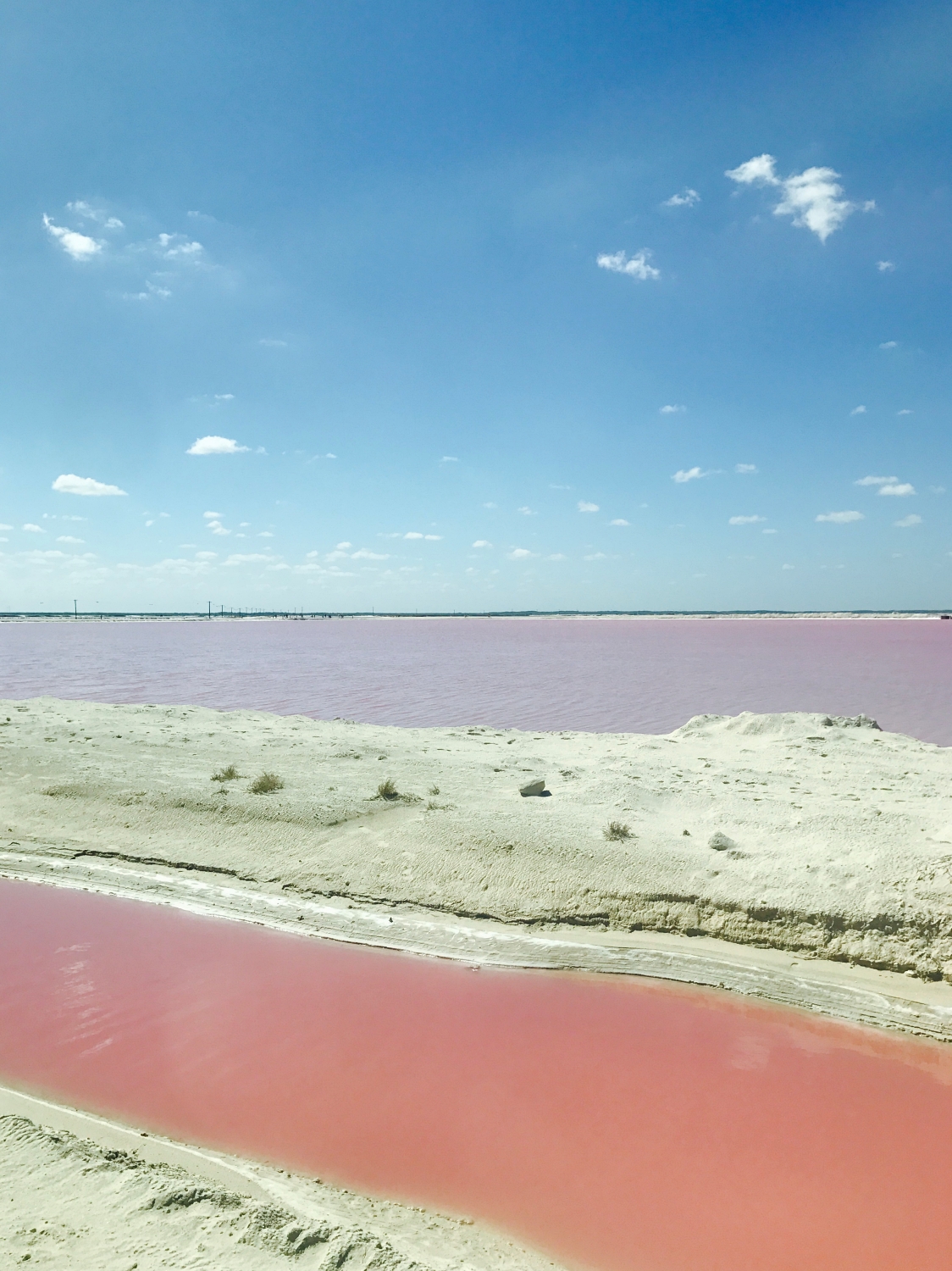
Pink has always been one of my favourite colours, and seeing the incredible Pink Lakes at Las Colorados almost brought tears to my eyes. Las Coloradas, meaning ‘blush red’ in Spanish, got its unique tint from red-coloured algae, plankton and brine shrimp that use the salty water as their habitat, creating the magenta pink hue. Regardless of how tempting it may seem, do not consider taking a swim at the lakes, as they are protected for many reasons.
Mexico is a vast country – the length of its lands from left to right is almost equivalent to the European continent. It is so diverse in terms of culture, architecture, weather and landscape that my two-week trip was barely scratching the surface of this amazing country. There are other experiences e.g. exotic coastlines, the pyramids and mouth-watering food which I have yet to cover here. I would certainly recommend my fellow architect friends to pay a visit for a longer duration to see more of the country – at least a month if at all possible!
Dramatic, organic geometry of Museo Soumaya standing proud in the city centre, displaying its 16,000 hexagonal mirrored-steel clad elements.