Malaysian Architects in Barcelona

Reflections from the XXX UIA World Congress from 27 June to 5 July 2026
By Dato’ Zulkhairi Md Zain (delegate) and Nor Hayati Hussain (observer). Photos by Garispixel, Dato’ Zulkhairi Md Zain and PAM
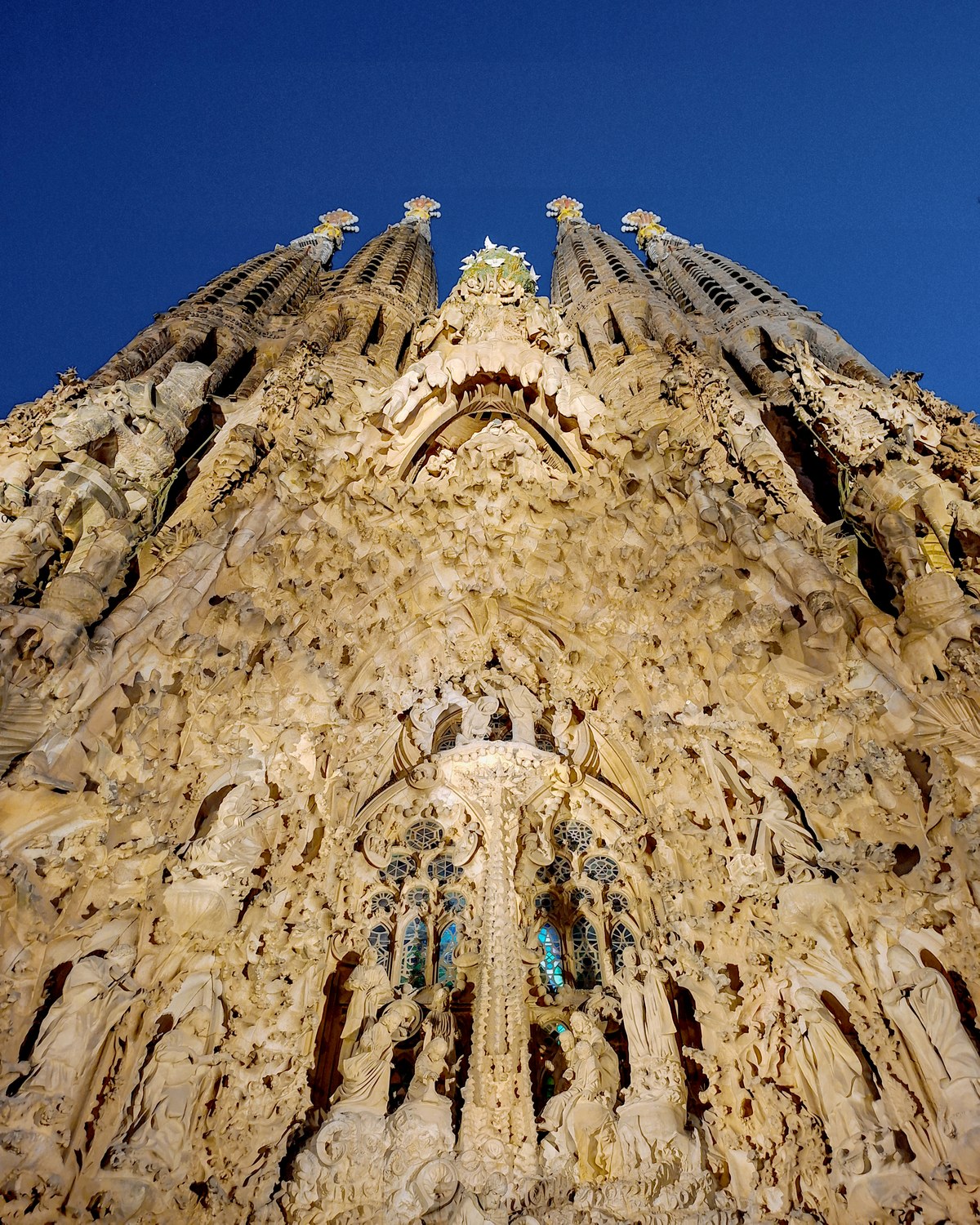
Nativity Façade of the Basílica de la Sagrada Família

Barcelona is one of those rare cities that rewards every return visit. Although this was not my first visit, experiencing it again during the XXX UIA World Congress revealed another layer of its remarkable urban story. The congress provided the reason for travelling, but the city itself became the greatest classroom.

Every walk between congress sessions became an architectural lesson. Roman walls stand comfortably beside Gothic churches. Medieval streets unexpectedly open into Modernist masterpieces. Former industrial districts have been transformed into vibrant cultural quarters without erasing their history. Barcelona demonstrates that cities need not choose between preservation and progress; they can embrace both.

It is perhaps for this reason that the UIA recognised Barcelona as a World Capital of Architecture. The title is not about the city’s size, but about more than two thousand years of continuous urban evolution, in which every generation contributes another chapter without erasing the previous ones.

THE CONGRESS ACROSS THE CITY

Unlike many international conferences that remain confined within a single convention centre, the UIA deliberately dispersed its programme across Barcelona, encouraging delegates to experience different parts of the city.

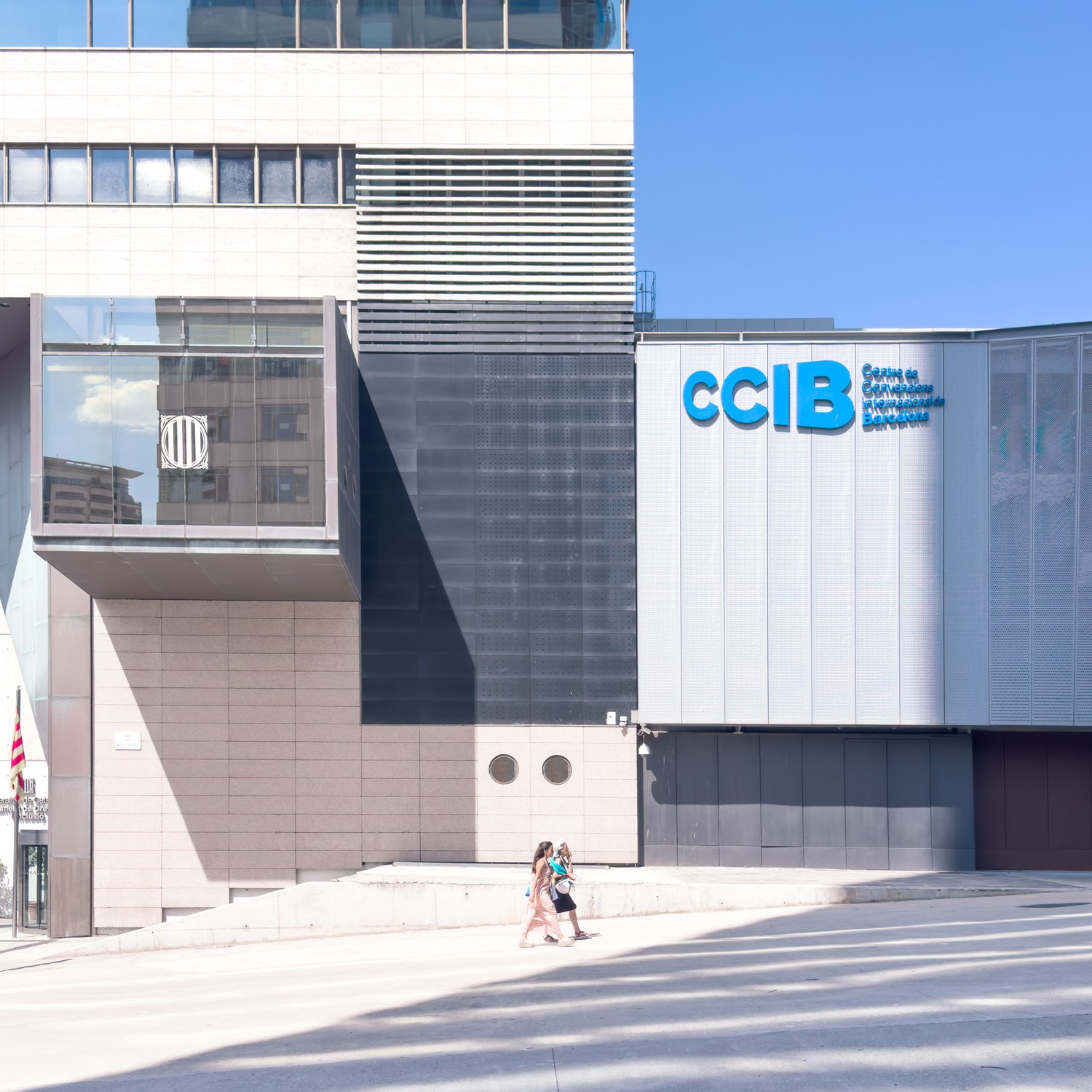
The Barcelona International Convention Centre (CCIB), overlooking the Mediterranean, hosted the main plenary sessions. Discussions on climate adaptation, digital technologies, architectural education and resilient cities felt particularly appropriate against the backdrop of Barcelona’s evolving waterfront, a reminder of the similar coastal challenges faced by Kuala Lumpur, Penang and other Malaysian cities.

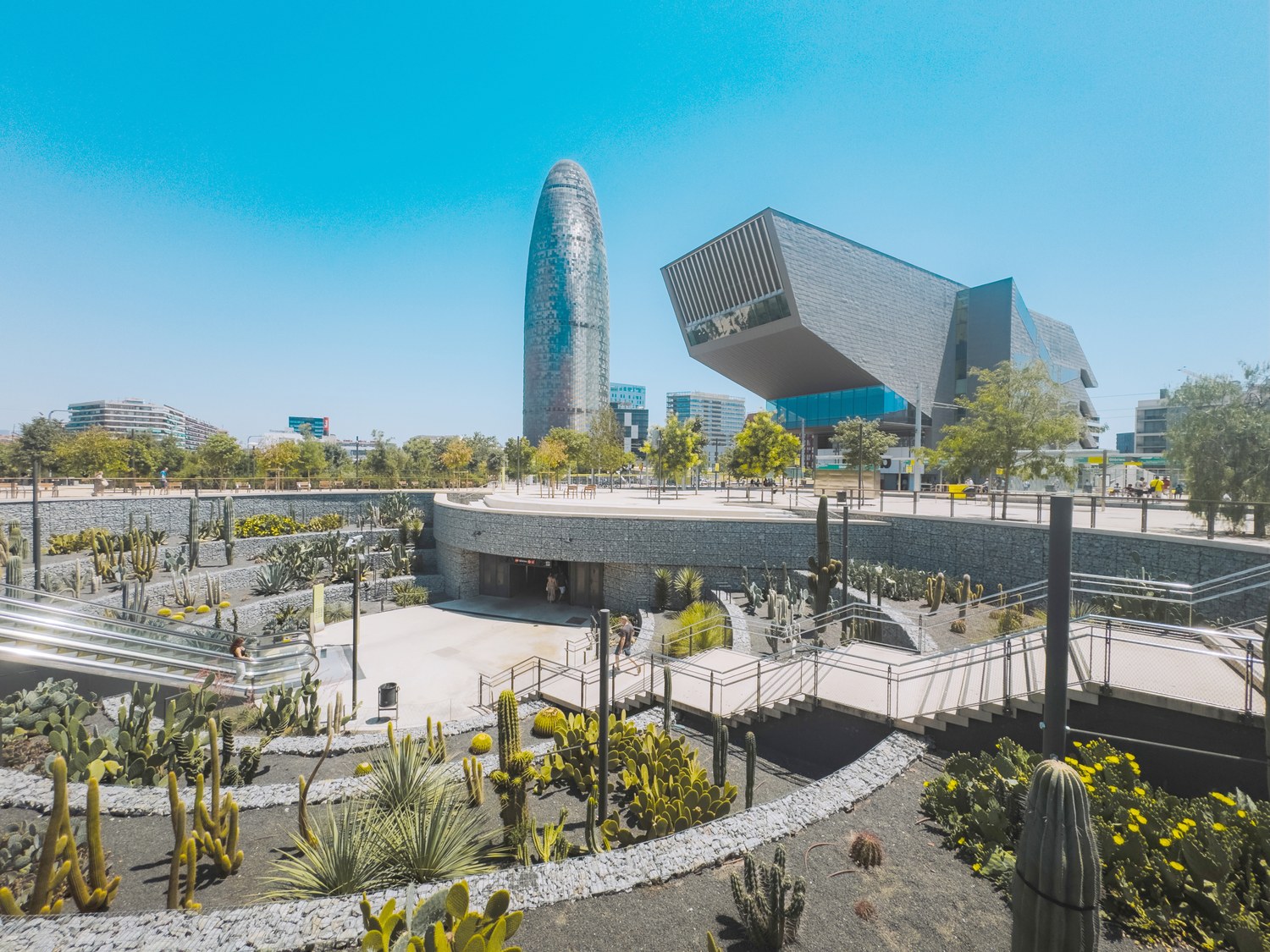
At Disseny Hub Barcelona, located within the rapidly transforming Plaça de les Glòries district, exhibitions and professional forums explored innovation in design practice. Surrounded by contemporary landmarks such as Torre Glòries while retaining traces of its industrial past, the precinct perfectly illustrates Barcelona’s philosophy of urban regeneration: adapt, rather than erase.

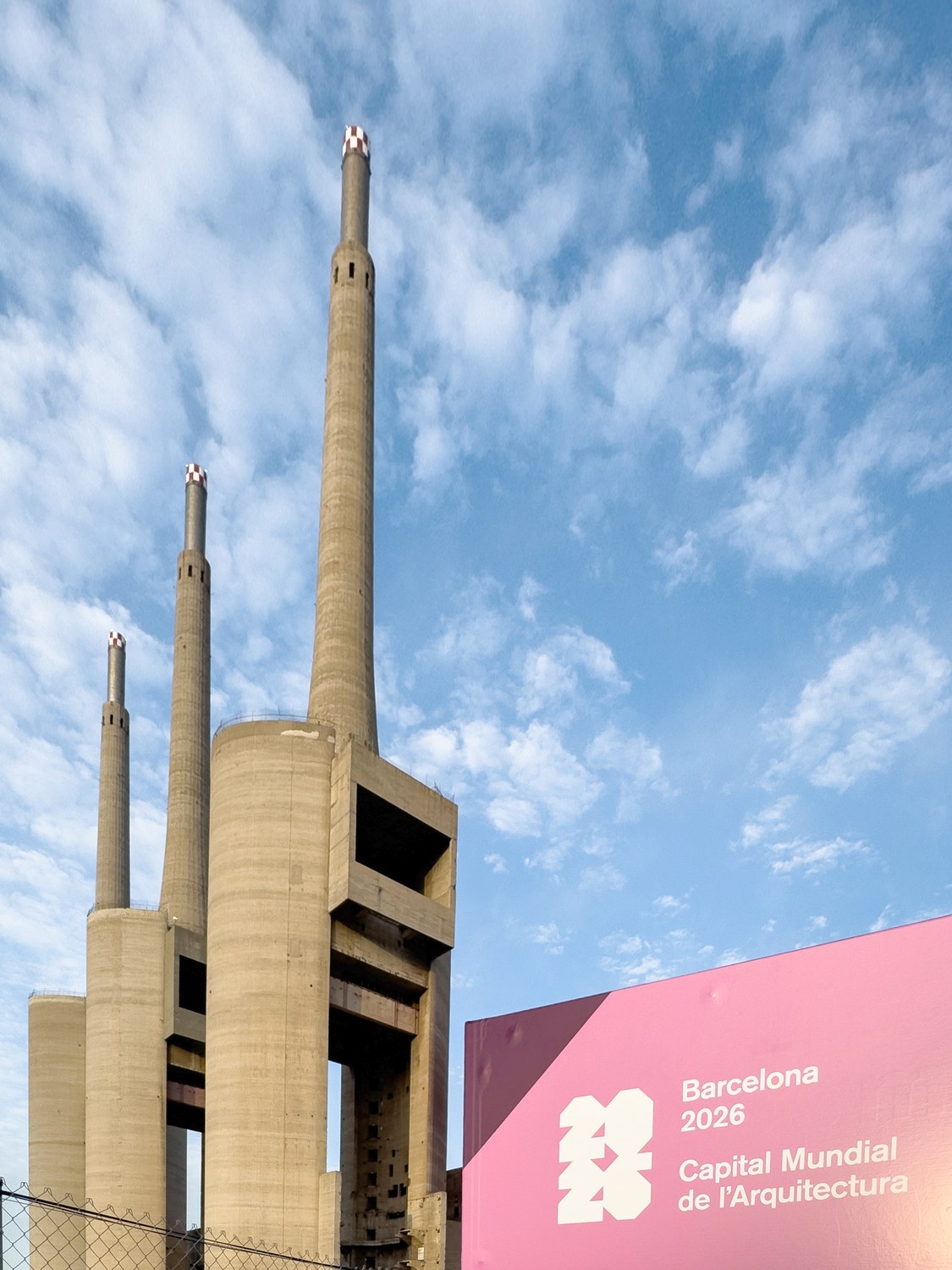
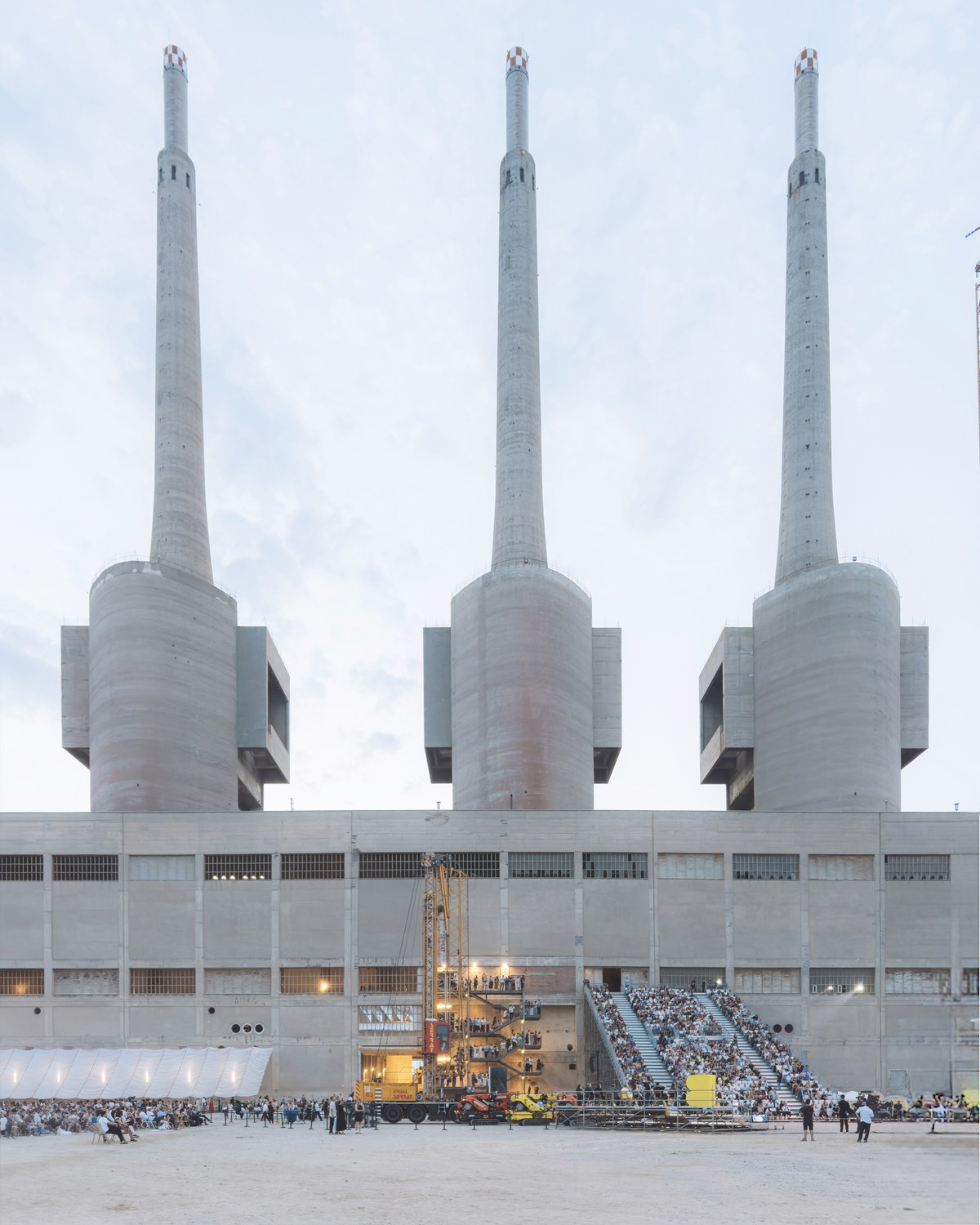
The third venue, Les Tres Xemeneies, perhaps left the strongest impression. Once a power station, it now features iconic chimneys that frame a cultural venue hosting youth programmes and evening events. Rather than demolishing industrial heritage, Barcelona has given it a new civic life, a lesson highly relevant as Malaysia continues to debate the future of our own industrial and colonial heritage.

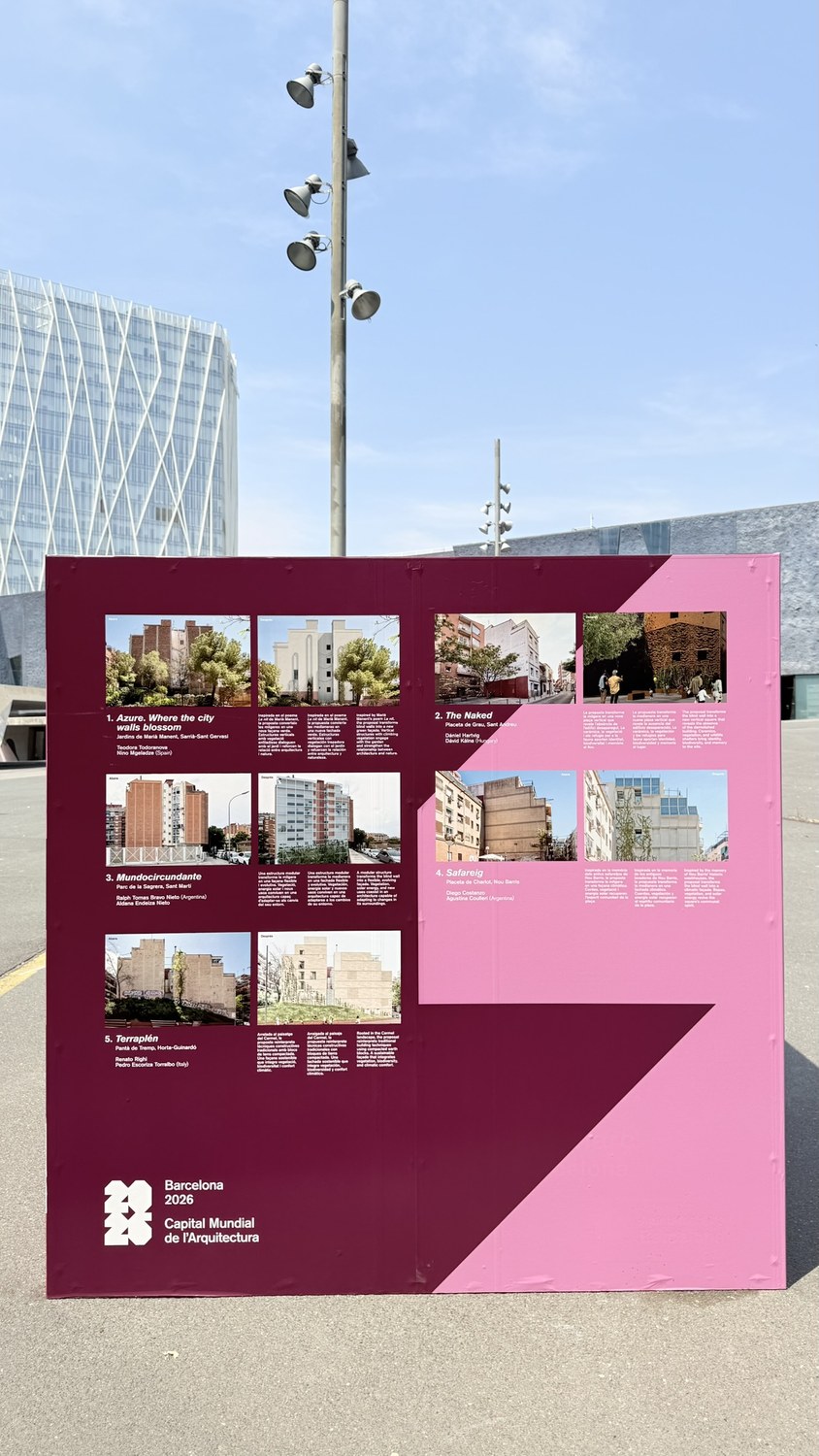
Barcelona 2026: Capital Mundial de l'Arquitectura
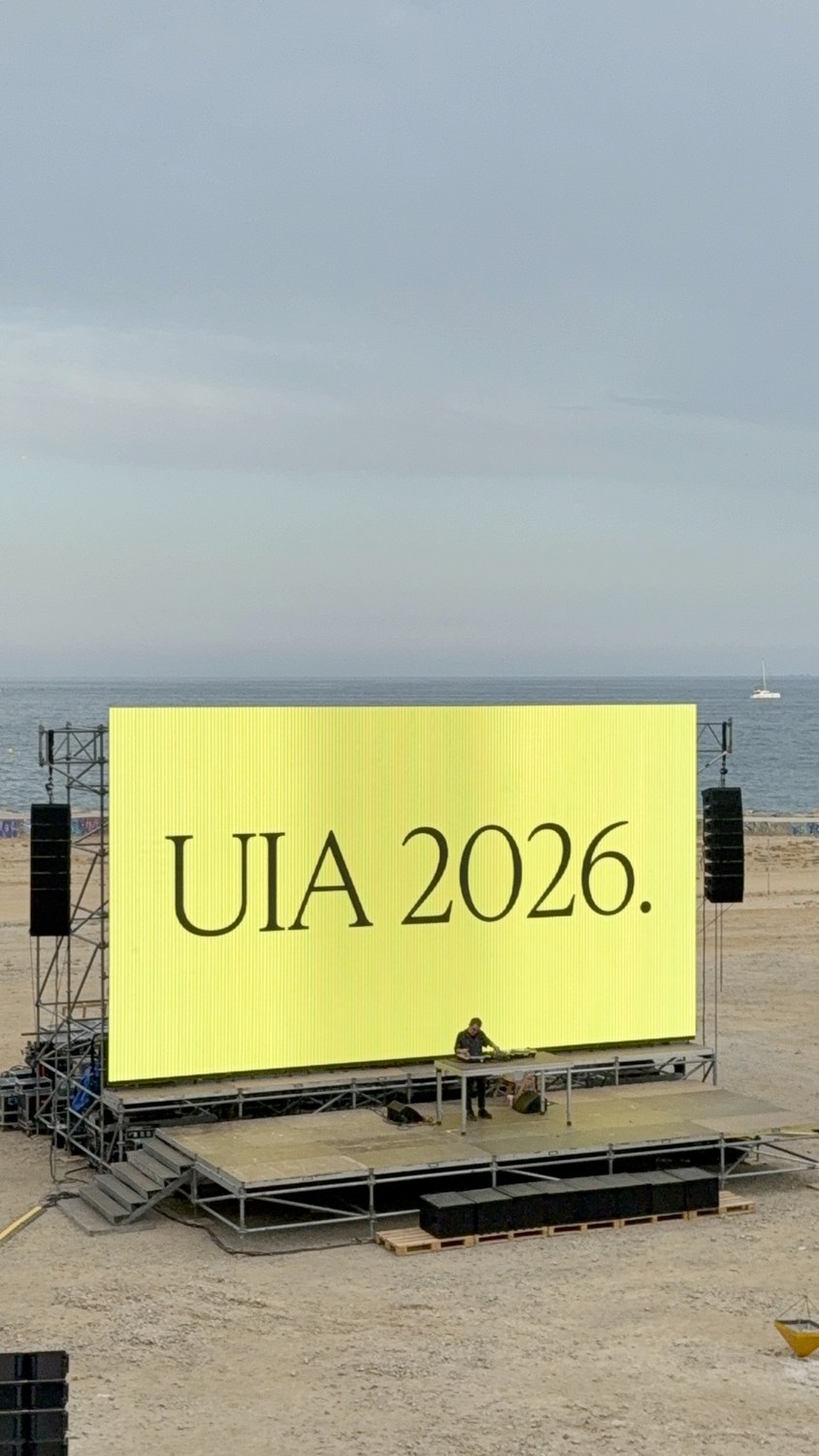
The XXX UIA World Congress of Architects, Barcelona
Industrial heritage meets the future: Les Tres Xemeneies standing tall for Barcelona 2026

WALKING THROUGH AN ARCHITECTURAL TIMELINE

What made Barcelona unforgettable was not simply its celebrated buildings but the experience of discovering them as you walked through the city. Leaving the congress each evening, the streets themselves became extensions of the day’s discussions. Cafés spilt onto generous pavements, cyclists shared streets comfortably with pedestrians, and public squares remained lively long after sunset. Architecture here is never isolated from everyday life; it provides the setting for it.

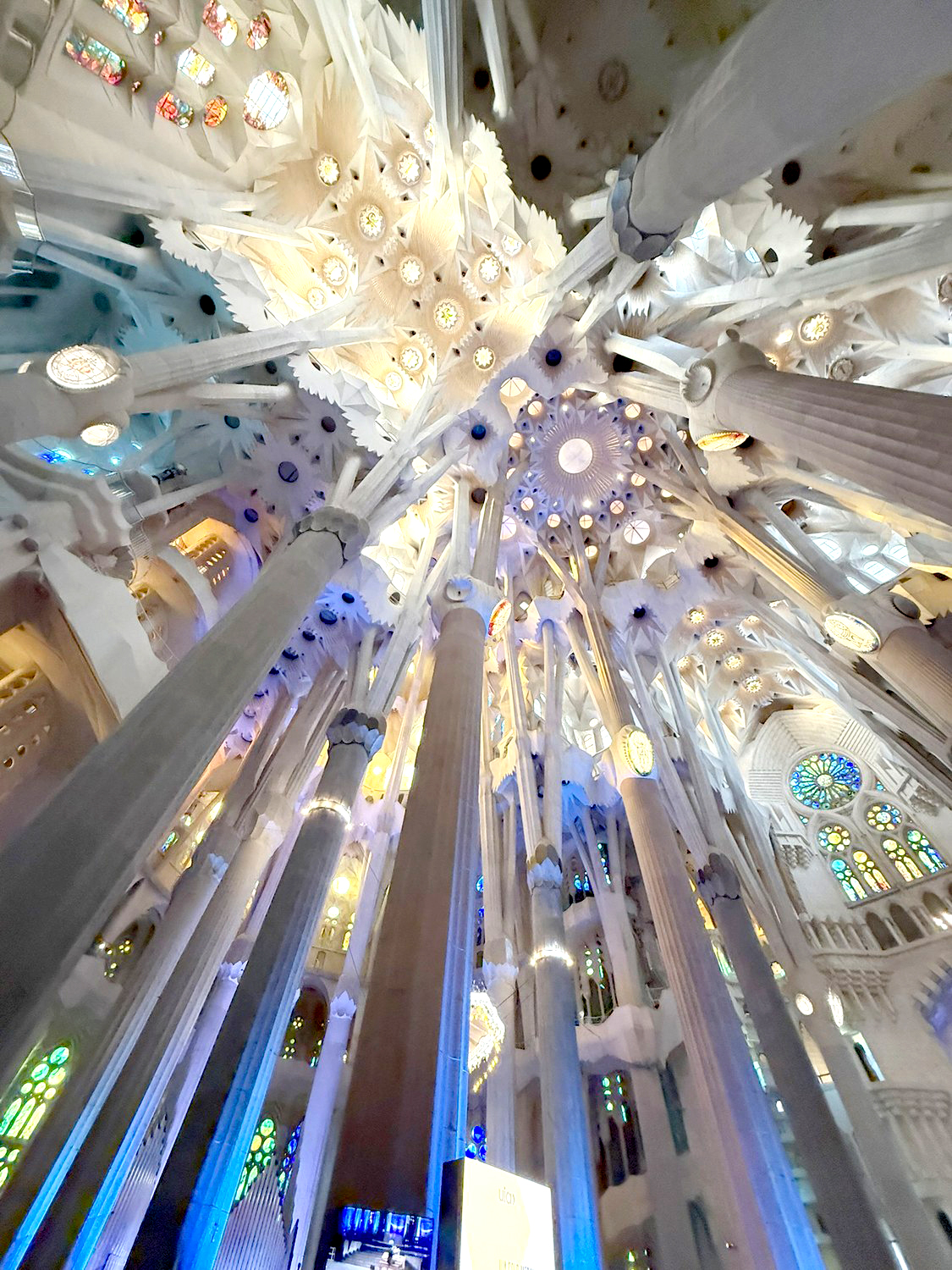
Our first evening visit to the Sagrada Família, attending the 2026 UIA Gold Medal and Triennial Prizes Ceremony, remains unforgettable. Arriving just before sunset, we entered the basilica as coloured light streamed through the stained-glass windows. The soaring columns branched overhead like a forest canopy, transforming stone into something almost organic. Standing beneath them, one appreciates that Antoni Gaudí was designing not merely a building but an experience where structure, nature and spirituality become inseparable.

Equally compelling, though entirely different, was the Mies van der Rohe Barcelona Pavilion. Where Gaudí celebrates complexity, Mies demonstrates extraordinary restraint. A single plane of marble, glass and water creates a composition whose elegance lies in proportion rather than ornament. It remains one of the clearest lessons in architectural clarity and discipline.

The Gothic Quarter offered another perspective. Rather than functioning as a preserved museum, it continues to thrive as a living neighbourhood where residents, visitors, cafés and small businesses coexist within centuries-old streets. Heritage here is not frozen in time; it continues to evolve.

Elsewhere, the Arc de Triomf and Montjuïc reminded us how international expositions permanently shaped Barcelona’s urban identity. The 1888 and 1929 World’s Fairs left behind more than exhibition grounds; they created enduring public spaces that continue to serve generations of citizens. Watching families gather around the illuminated Magic Fountain on a warm summer evening, it became clear that successful public spaces are measured less by monumental architecture than by the quality of life they support.

THE CONGRESS

Perhaps the greatest value of attending the UIA Congress was not confined to formal presentations. Equally enriching were the conversations shared over coffee, while walking between venues, and during evening gatherings with architects from around the world. Delegates exchanged ideas on heritage conservation, architectural education, digital transformation and climate resilience, discovering that despite our different cultures, many of our professional challenges are remarkably similar.

For the Malaysian delegation, the congress reaffirmed that our architectural community has much to contribute internationally while remaining rooted in our own diverse cultural identity.
A full house in Barcelona to kick off the XXX UIA World Congress of Architects
Lost in Antoni Gaudí’s stone forest inside the Sagrada Família
Barcelona International Convention Centre (CCIB)

WHAT BARCELONA MEANS FOR MALAYSIA

Barcelona’s greatest strength is not its collection of iconic buildings. Its greatest achievement is continuity. Roman, Islamic, Gothic, Modernism and contemporary architecture exist not in competition but in conversation. Each generation respects what came before while confidently adding something new.

For Malaysian architects, this lesson resonates deeply. Our cities similarly weave together indigenous traditions, colonial legacies, Islamic influences and contemporary development. The challenge before us is not whether to preserve or to modernise, but how to achieve both with sensitivity and imagination.

Barcelona demonstrates that adaptive reuse can be a catalyst for regeneration, that public spaces deserve as much attention as buildings, and that heritage should remain an active participant in shaping the future rather than merely an object of nostalgia. After a week moving between congress halls and streets shaped by more than two millennia of history, one reflection remained with me. Barcelona is a world city not because it possesses the newest buildings or the tallest skyline.

It is a world city because it refuses to choose between its past and its future. It lives both, every single day.

Disseny Hub, Torre Glòries and surrounding buildings

FEATURES

RELATED ARTICLES