In the heart of Ampang, Selangor, nestled among quiet residential streets, stands a modest yet profoundly transformative structure-Yellow House KL. What began in the 1980s as a family-built home has evolved into a beacon of social architecture, embodying the power of design to uplift, heal, and bring people together. Reborn through a visionary collaboration between YTL Construction, YTL Foundation, and SEAD (Stewards of Environmentally Aware Developments), Yellow House KL is not merely a building-it is a living testament to architecture’s capacity to serve humanity.
Founded in 2011 by social entrepreneur Shyam Priah, Yellow House KL emerged from a deeply personal mission: to provide shelter, dignity, and opportunity to Malaysia’s homeless, urban poor, and refugee communities. Over the past decade, the house has welcomed more than 6,000 individuals, offering not just a roof over their heads but a space for healing, learning, and growth. Volunteers from over 40 countries have passed through its doors, drawn by a shared belief in the transformative power of compassion and community engagement.
Yet, as the years wore on, the physical structure of Yellow House began to falter. Leaking roofs, cracked walls, and limited space threatened its ability to serve. Recognising the urgent need for renewal, YTL Construction and YTL Foundation stepped in, aligning the project with their “Building the Right Thing” ethos- a philosophy rooted in sustainable development, social impact, and nation-building.
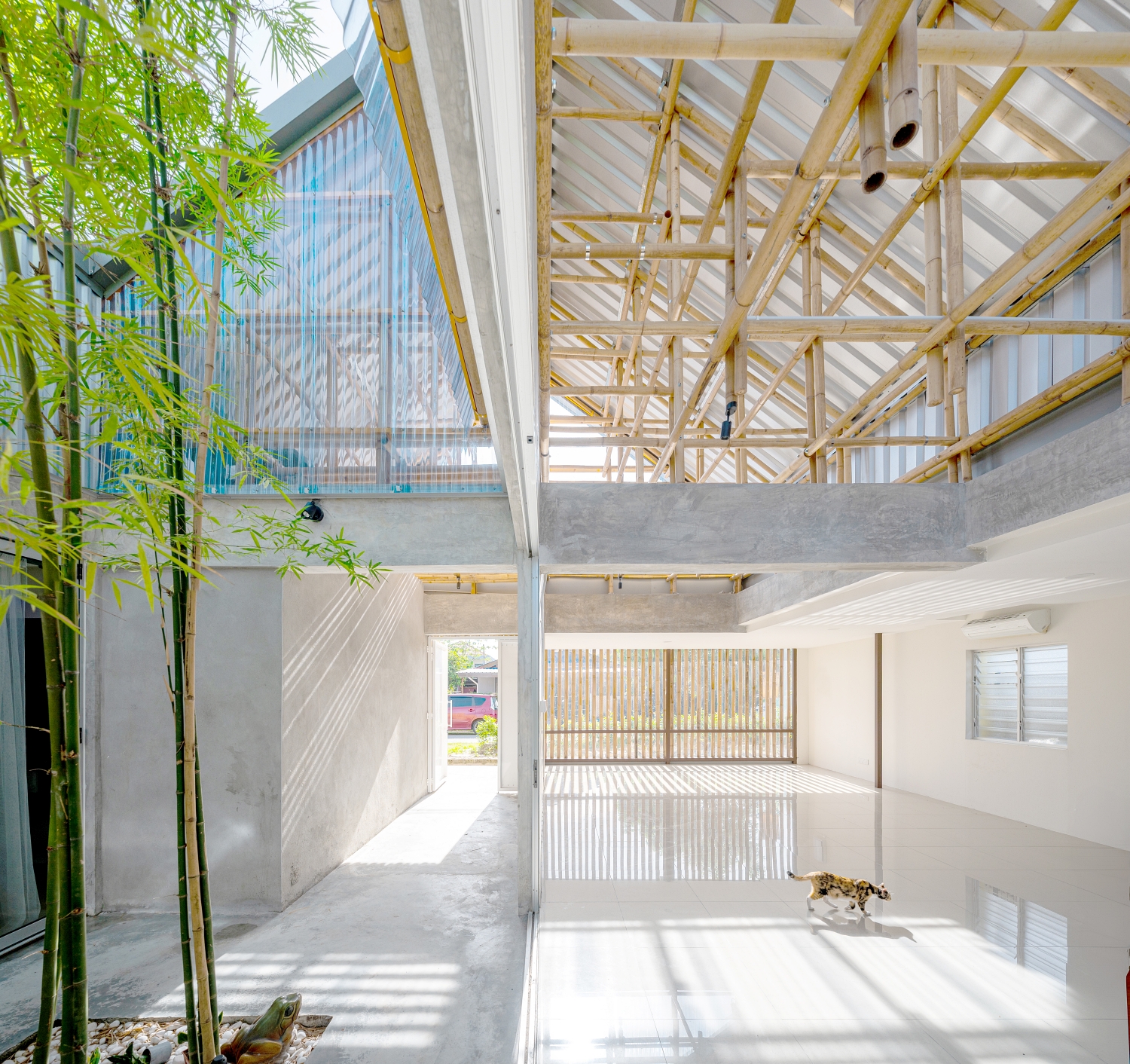
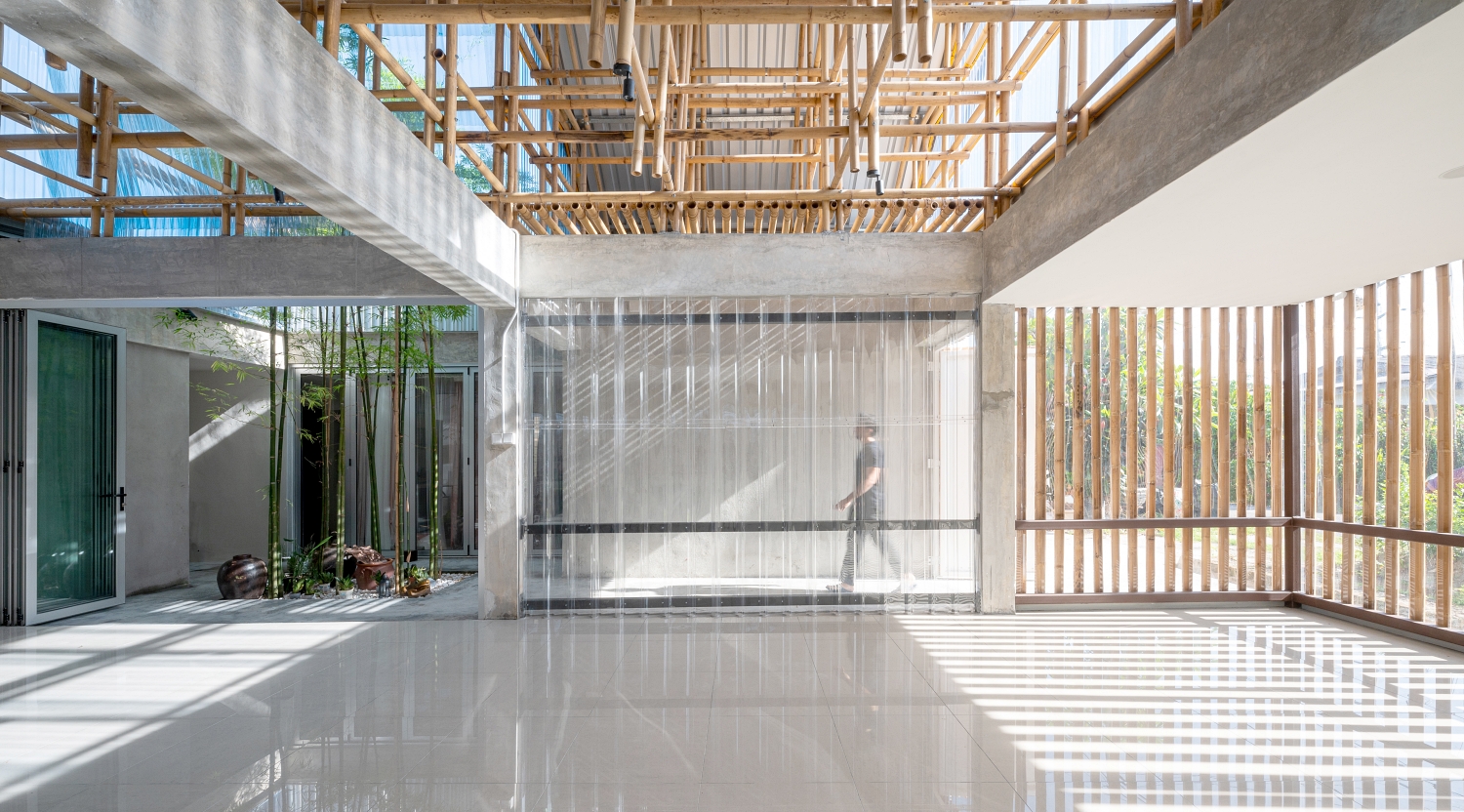
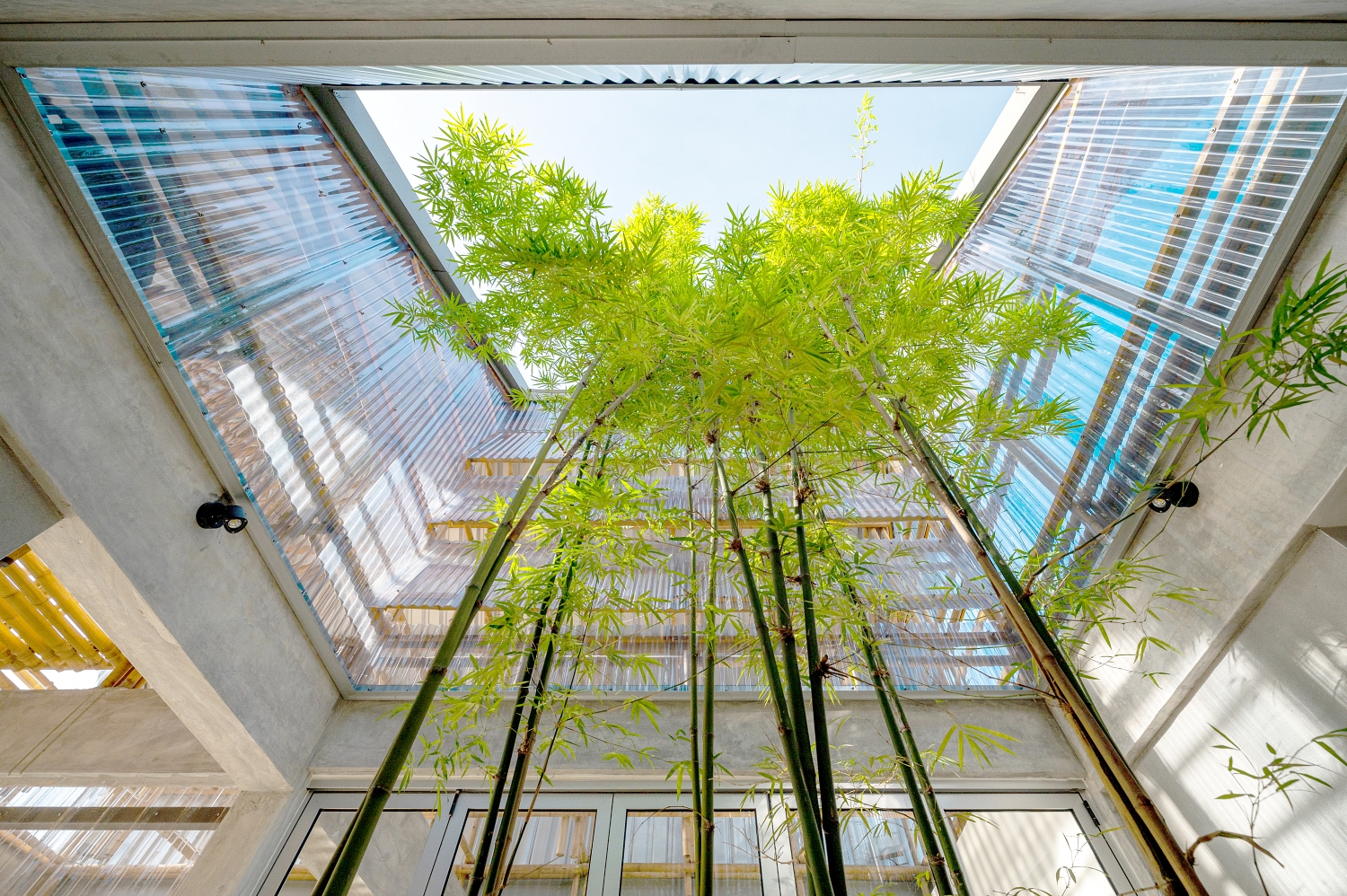
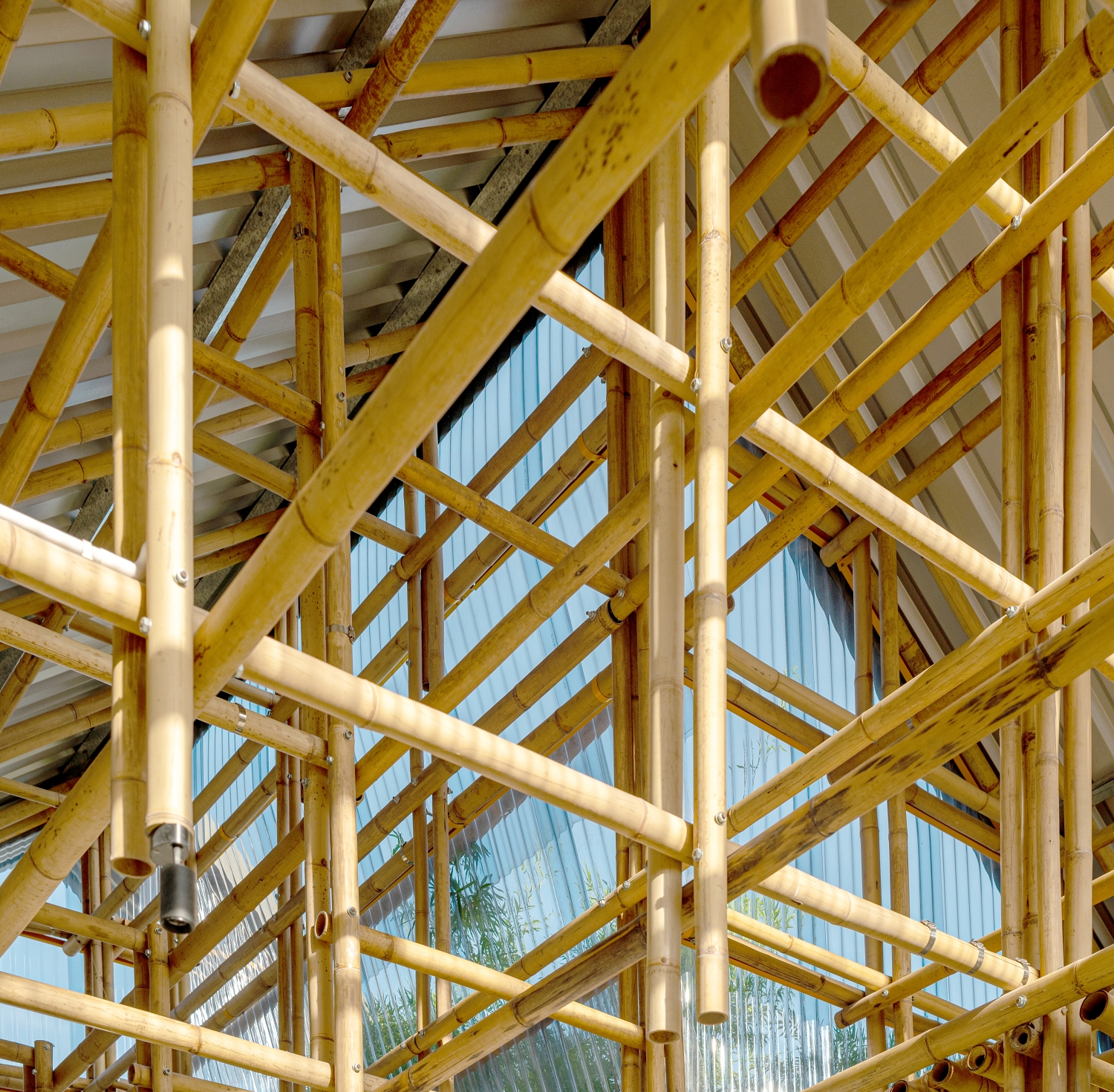
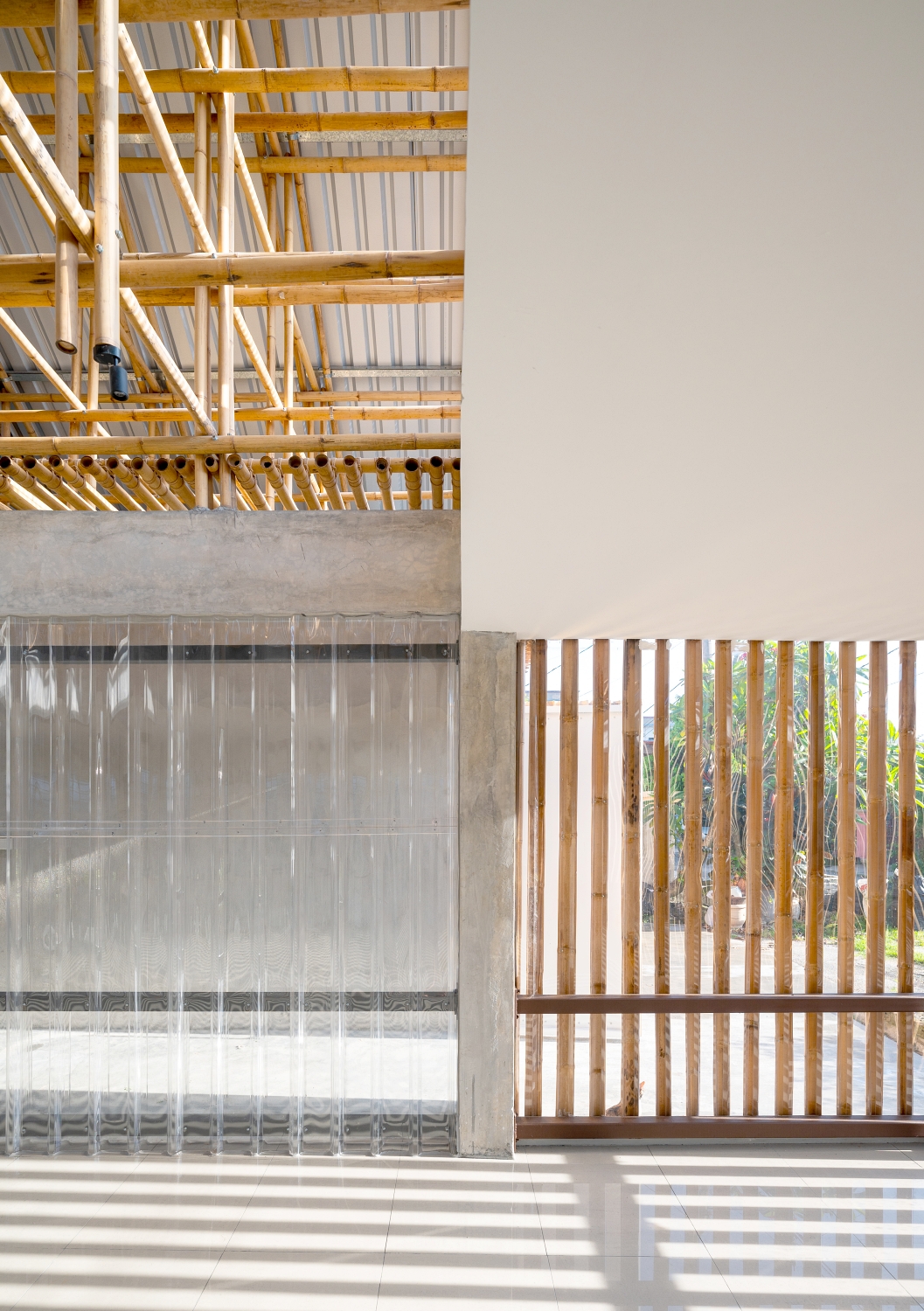
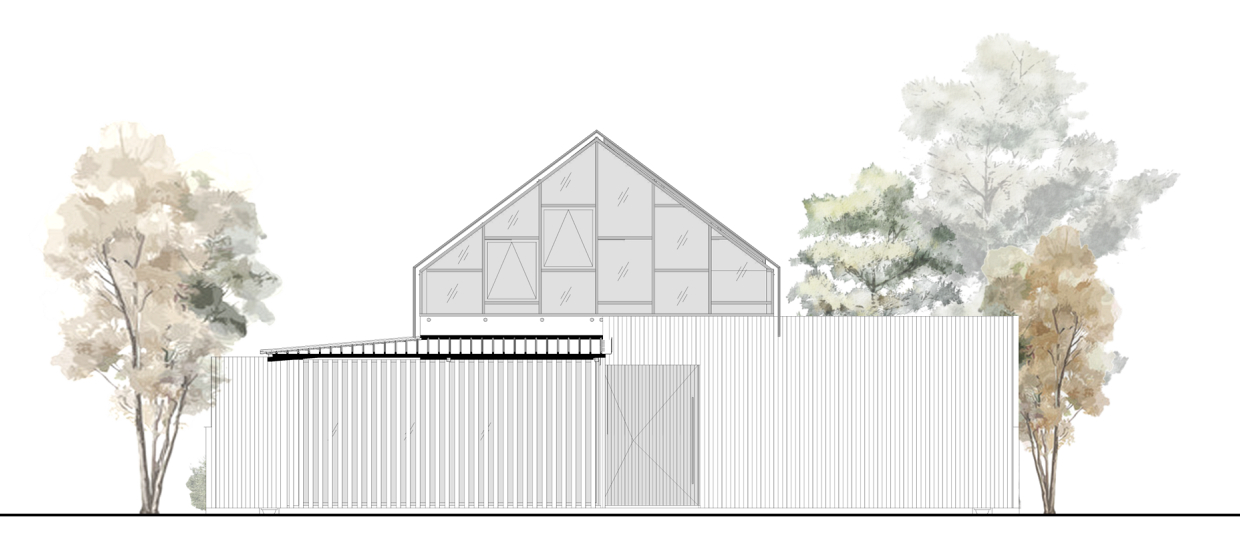
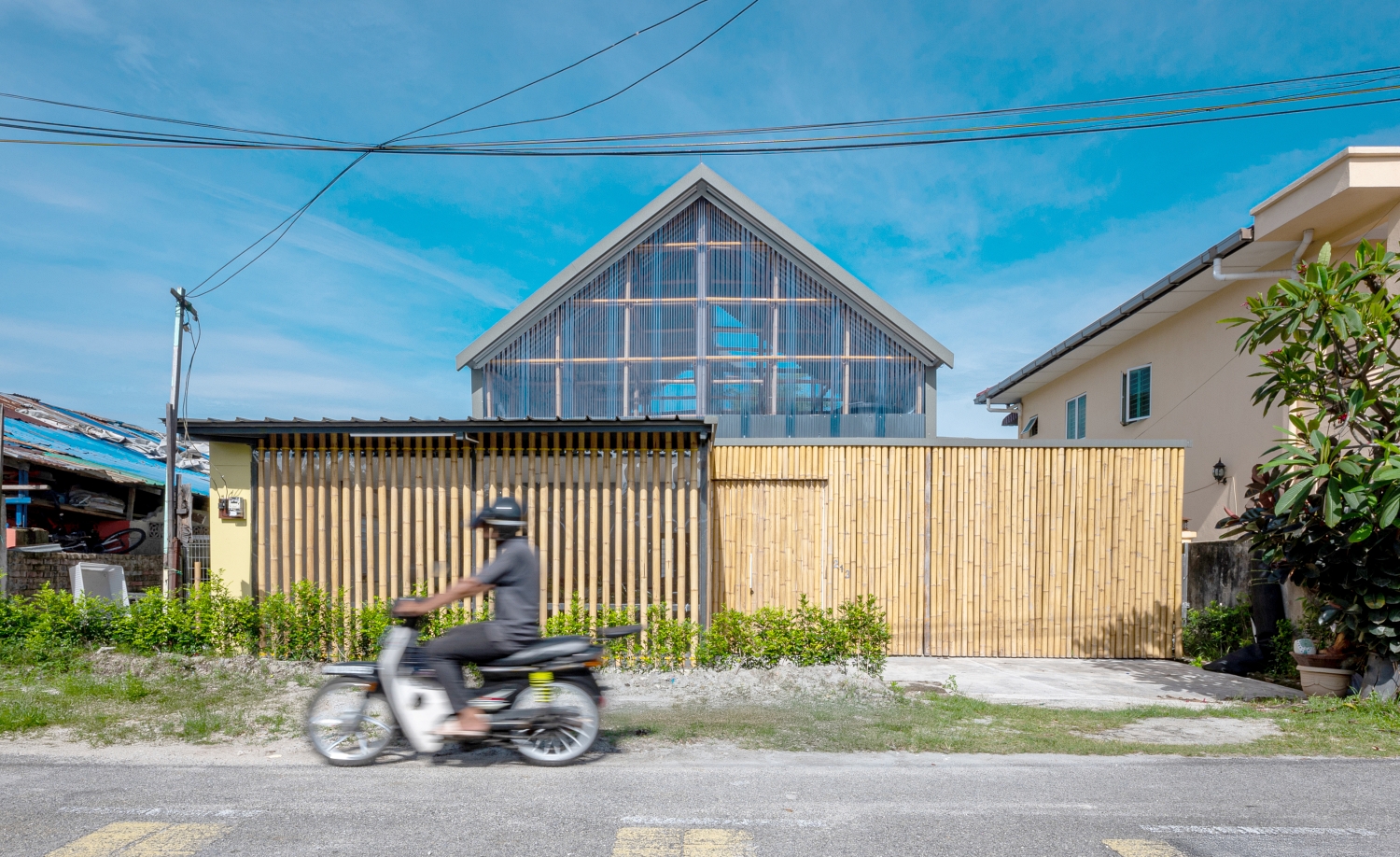
The rejuvenation of Yellow House KL is not a mere renovation; it is a reimagining. The design team, led by YTL Construction and supported by SEAD, approached the project with reverence for its legacy and a bold vision for its future. Their architectural intervention centres on sustainability, warmth, and inclusivity. Bamboo-a material celebrated for its strength, renewability, and aesthetic grace-was chosen for the roof structure and façade. This choice not only reduces the environmental footprint but also infuses the space with a tactile sense of natural serenity. Inside, the spatial planning reflects a deep understanding of communal dynamics. Open layouts encourage interaction and collaboration, while natural colour palettes foster a sense of calm and welcome. The design prioritises flexibility, allowing the house to adapt to diverse functions-from co-working and skill-building workshops to farm-to-fork initiatives and creative gatherings. In this way, Yellow House KL transcends its role as a shelter to become a hub of empowerment.
“We’re not just fixing a building,” said Yeoh Pei Tsen, Director of YTL Construction. “We’re creating a space that feels like home-a place where people can find hope, learn, and connect with one another. It’s about creating a community within these walls, where everyone can be uplifted and supported”. This architectural philosophy resonates with a growing global movement that views buildings not as static objects but as dynamic participants in social ecosystems. Yellow House KL exemplifies this shift, demonstrating how thoughtful design can catalyse social change. Its bamboo-clad walls are more than structural elements-they are symbols of resilience, care, and continuity.
The project also reflects a broader trend in Malaysian architecture: the integration of cultural storytelling and environmental stewardship. By drawing on vernacular materials and community-centric design principles, Yellow House KL aligns with the nation’s evolving architectural identity-one that honours tradition while embracing innovation. It is a model for how architecture can respond to pressing social issues, from housing insecurity to refugee integration, with empathy and creativity.
This extensive revitalisation effort became the ground of convergence between the designers, builders, and the communities of Yellow House KL. A bond forged by compassion and stewardship for the vulnerable brought together the teams at YTL Construction – Design Group, SEAD Build, and Yellow House KL in a holistic collaboration. Other notable contributors include European Profiles, LTL Corporation Sdn Bhd, Federal International Holdings Berhad, UAC Berhad, Eky Metal Works Sdn Bhd, and Axis Stone, all of which played key roles in realising Syam Priah’s vision to enrich the livelihoods of the unfortunate.
Reopened in February 2025, the rejuvenated Yellow House KL promises to be more than a physical space-it is a sanctuary of possibility. Its new design invites users not only to inhabit but to co-create, fostering a culture of shared responsibility and mutual support. Whether through urban farming, vocational training, or artistic expression, the house will continue to serve as a launchpad for lives in transition.
For architects, planners, and social innovators, Yellow House KL offers a compelling case study in purpose-driven design. It challenges us to ask: What does it mean to build the right thing? How can architecture respond to human vulnerability with grace and strength? And how might our buildings become instruments of healing in a fractured world?
In answering these questions, Yellow House KL stands tall-not in scale, but in spirit. It reminds us that architecture, at its best, is not about grandeur but about generosity. It is not about permanence but about presence. And it is not about form alone, but about the lives it shapes. As Malaysia continues to grapple with urban inequality and displacement, projects like Yellow House KL illuminate a path forward-one where design meets compassion, and where every brick laid is a step toward a more inclusive future.