
In the heart of Ampang, Kuala Lumpur, a bold reimagining of a former educational institution has embraced an emerging new architectural typology for Malaysia. Once home to the International School of Kuala Lumpur (ISKL), the site has now been transformed into The Campus Ampang—a vibrant, naturally ventilated lifestyle and community hub that has set a new benchmark for adaptive reuse.
Led by HL Design Group’s architectural team, HL Architecture Sdn Bhd, The Campus represents a shift in mindset, a departure from conventional enclosed malls toward open, community-first spaces. This unique project weaves together the past and the future, celebrating heritage while embracing sustainability and inclusivity.
The ISKL campus has been established in Ampang since 1976.Over the decades, it became more than just a place of learning; it was a familiar landmark, building lasting memories for generations of students and their families, both Malaysian and International.
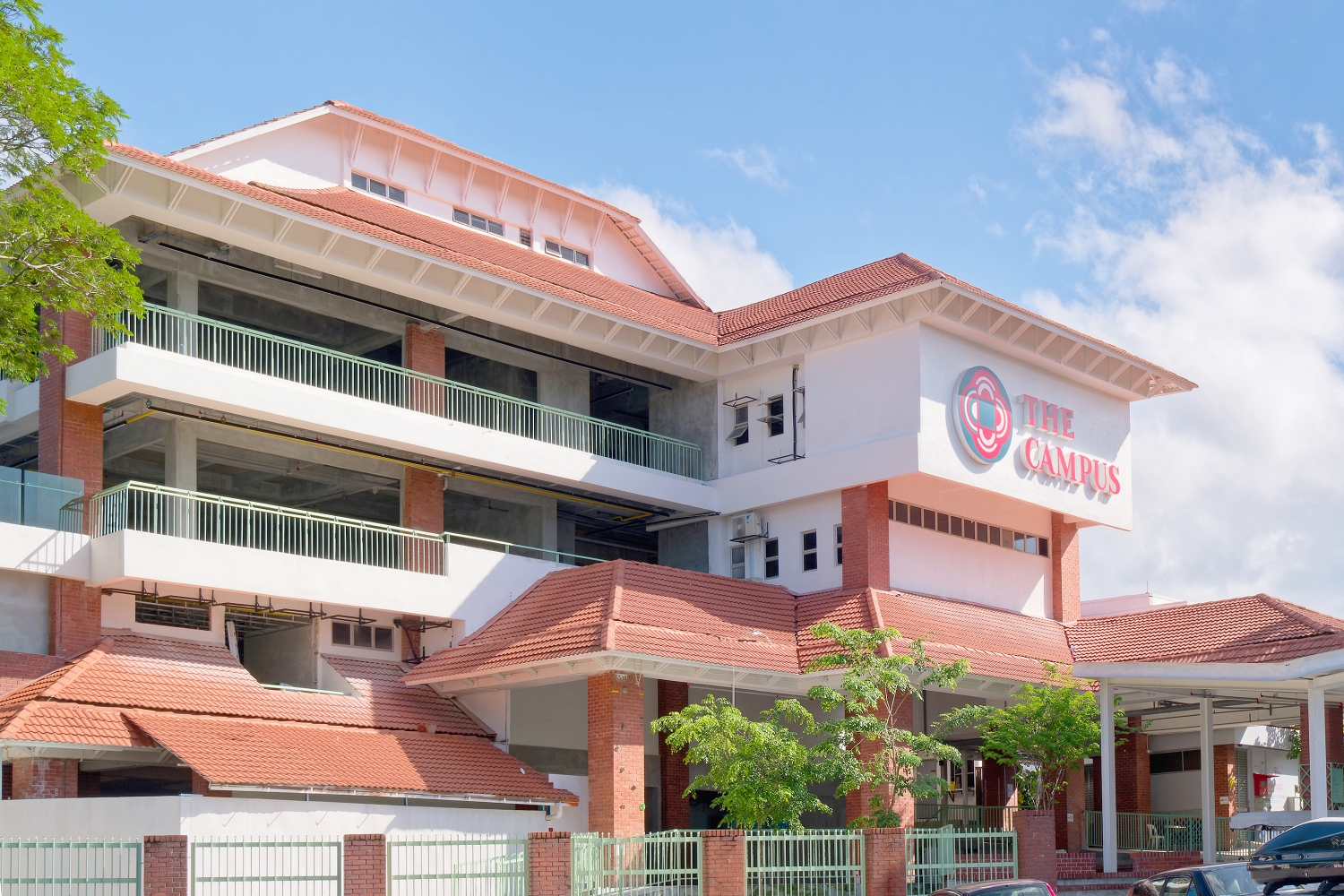
When the school relocated to a new campus in Ampang Hilir in 2018, its departure left behind a unique urban footprint, one that the team at HL Architecture viewed not as a blank canvas, but as an opportunity to create a new lease of life.“As we engaged more deeply with the site and its well-preserved amenities, we found ourselves captivated by its simple, vernacular architecture and human-scale proportion,” says Martin Haeger, Director of HL Architecture.“We saw not a limitation, but an opportunity to reimagine the space without erasing its identity.”
Transforming a school into a retail and lifestyle hub required a meticulous balancing act.The typology of a school is typically comprised of narrow corridors, cellular classrooms, and enclosed spaces, somewhat at odds with the openness and intuitive circulation required of a retail or community venue.As such, our team approached the project as an exercise in subtle transformation rather than wholesale redevelopment.
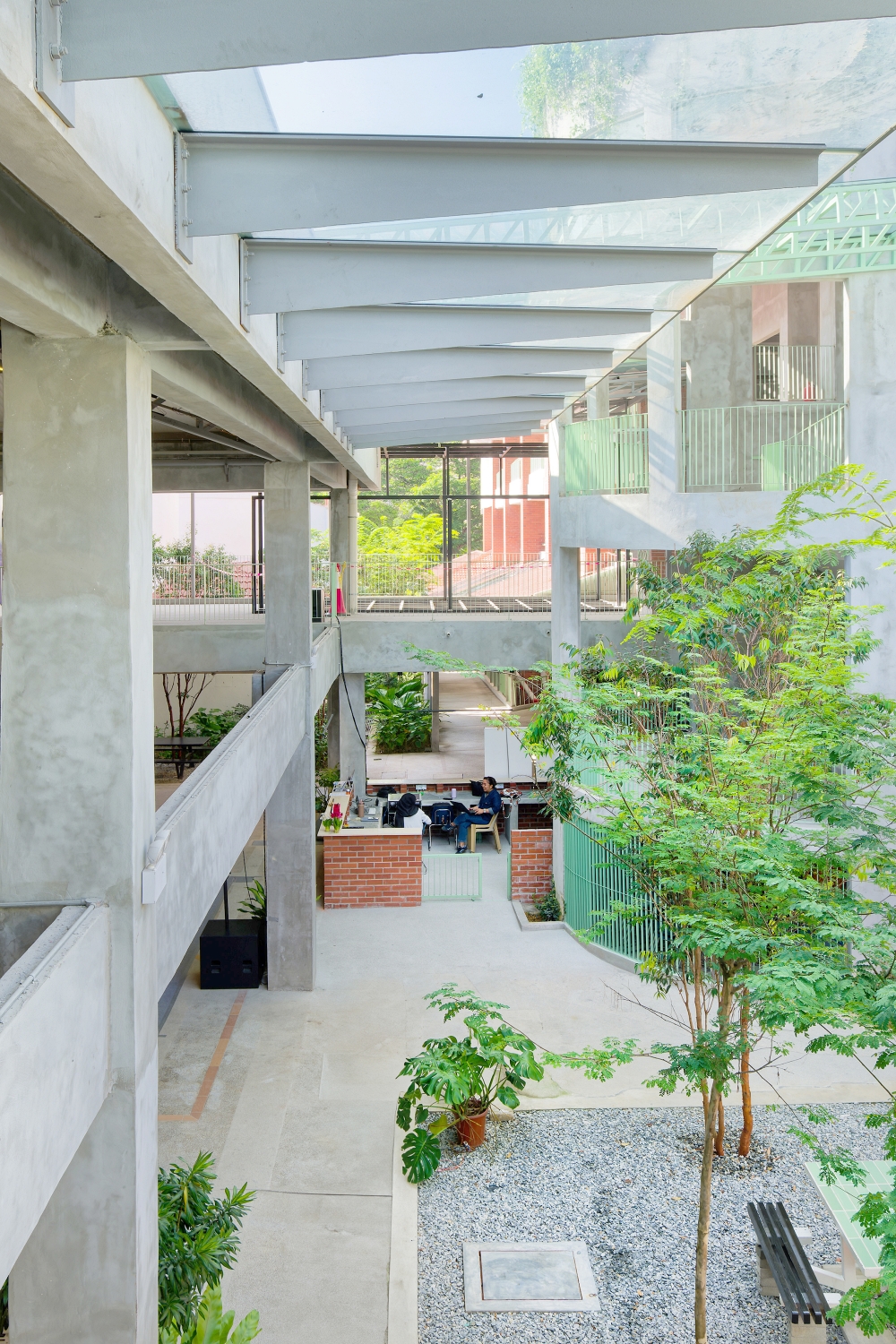
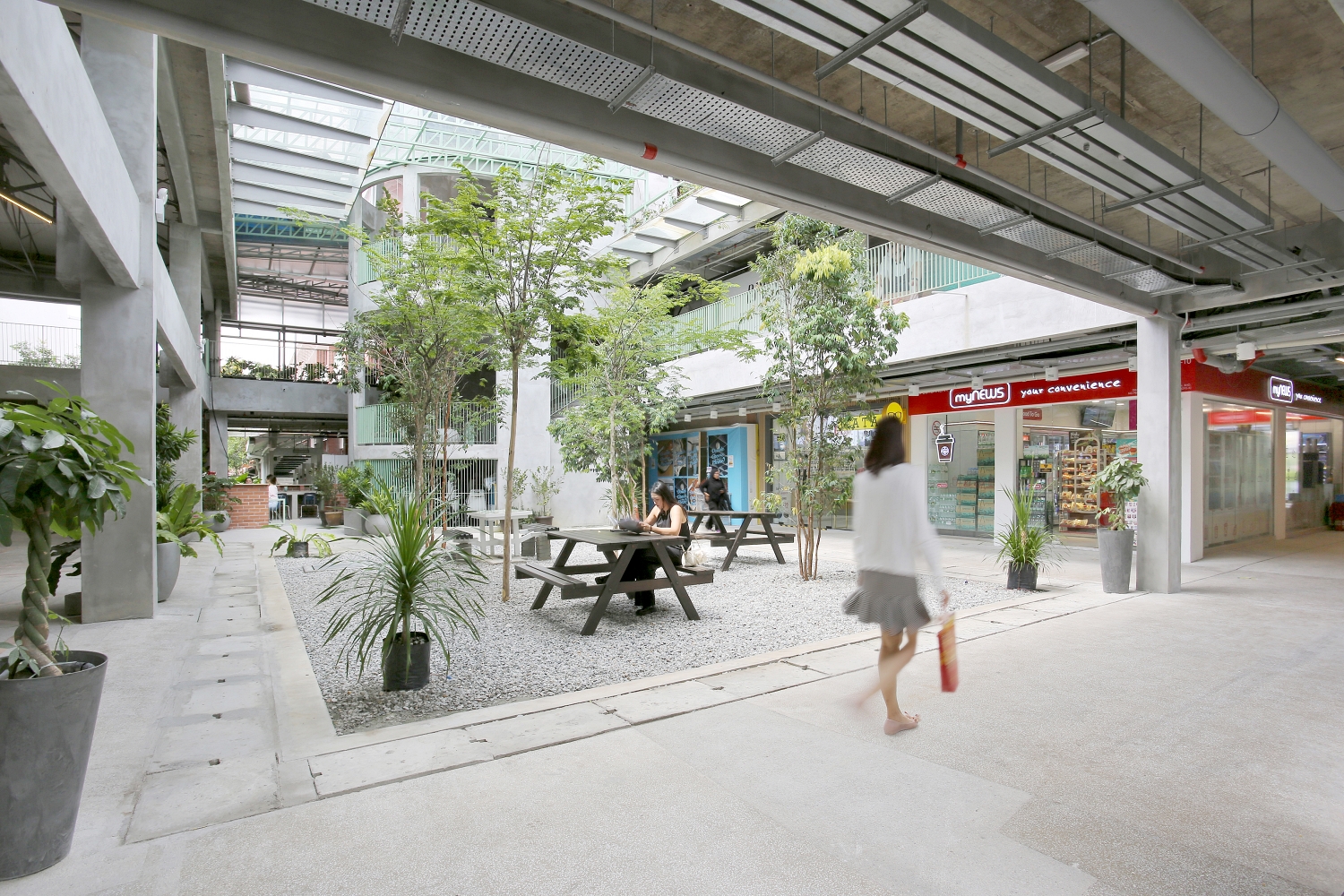
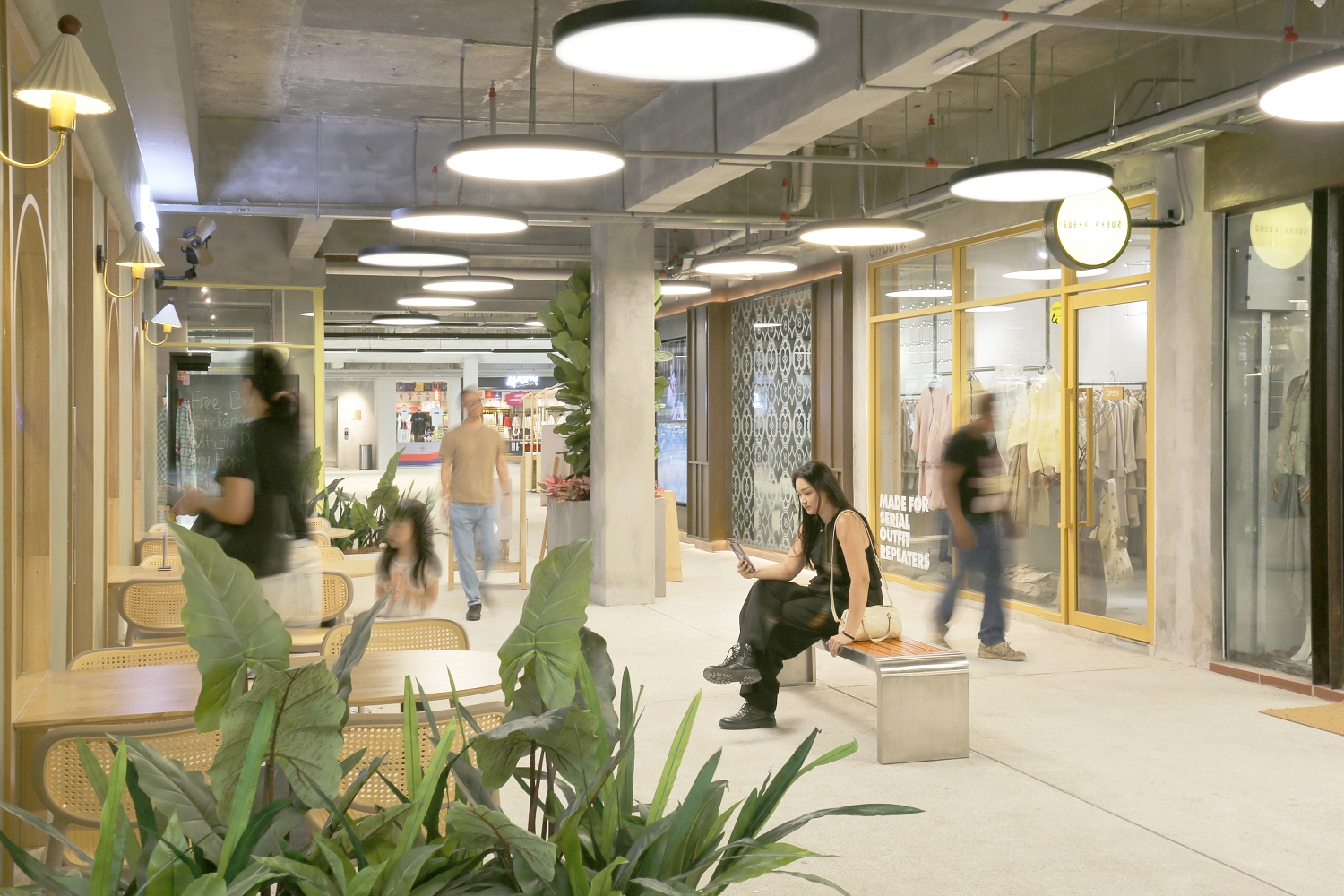
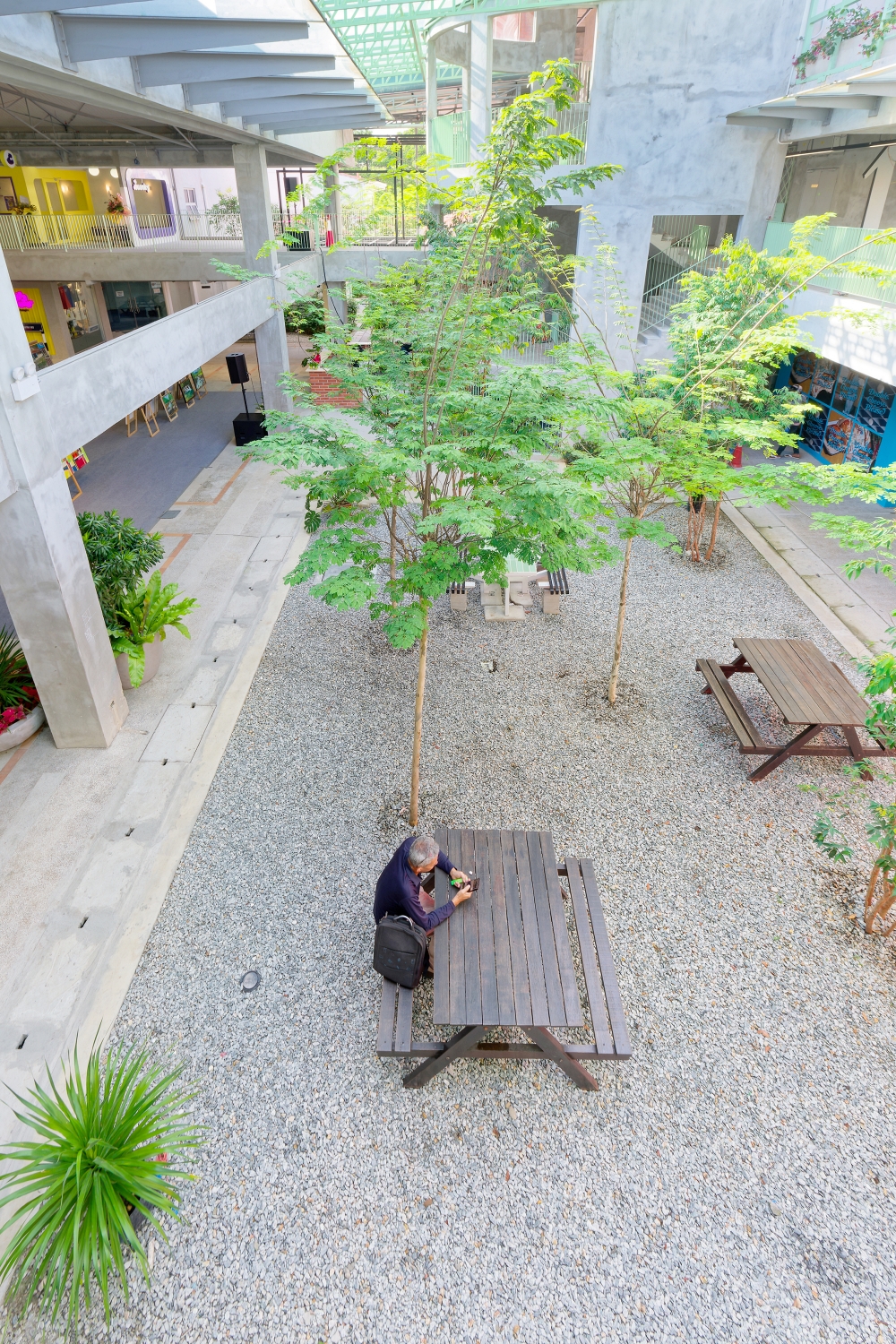
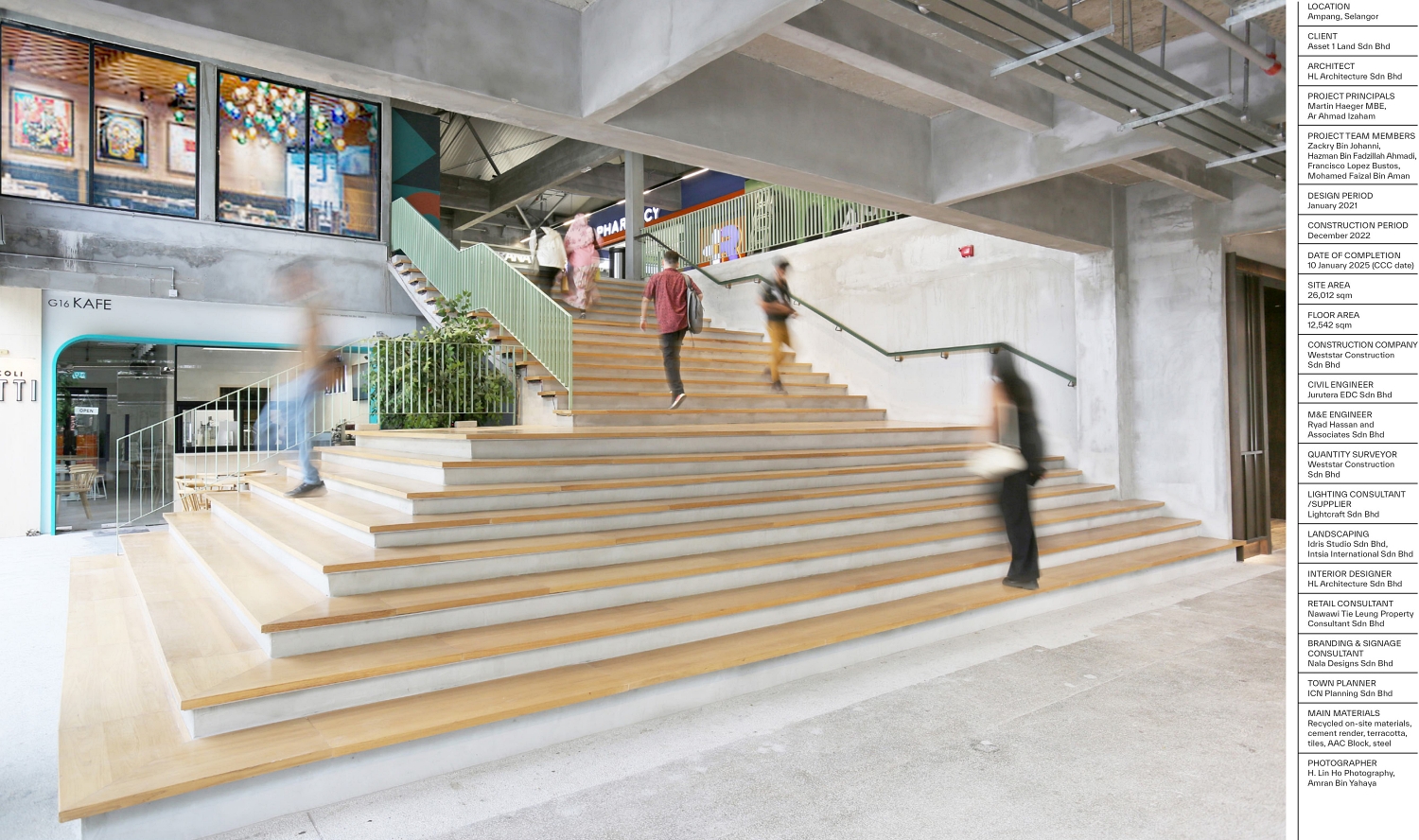
At the heart of the new masterplan is a central courtyard, carved out by demolishing existing rooms over two levels, to create the social heart of the campus.Amphitheatre-style steps invite pause and gathering, while improved sightlines enhance orientation and encourage exploration.Corridors once used for student movement have been opened up, and the original solid classroom walls were removed to create welcoming retail frontages.
Iconic new folded roof canopies, inspired by origami, define drop-off points and entrances, creating a strong visual identity while offering shelter and encouraging natural ventilation.These architectural interventions consciously juxtapose the original vernacular structures with contemporary elements, bridging the past and present in both form and function.
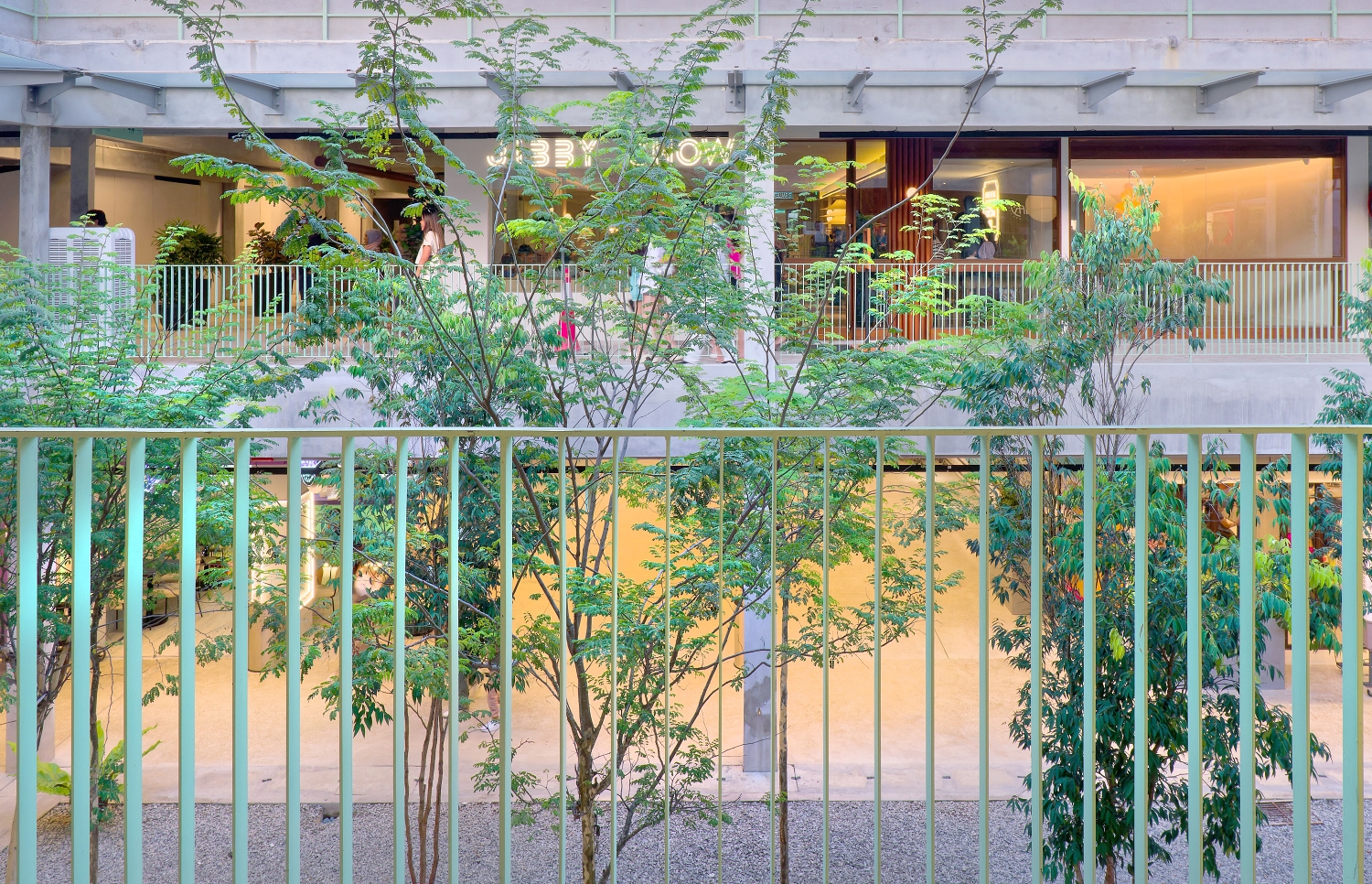
In a region where high humidity and heat often drive design toward air-conditioned indoor environments, The Campus takes a bold stand.Avoiding full mechanical cooling in favour of naturally ventilated spaces, HL Architecture looked to Malaysia’s tried and tested vernacular traditions for clues; in particular, shaded walkways, breezeways, verandas, and passive ventilation and landscape.
“Natural ventilation was a principle, not a feature,” Martin Haeger emphasises.“By opening up the corridors, carving out the courtyard, and introducing shaded zones beneath generous roof overhangs, and ensuring a substantial integrated landscape, we encouraged airflow and made the environment comfortable year-round.”
The design team adopted a rigorously resource-conscious approach to construction.Demolition was minimised, with core structures such as stairwells, beams, slabs, and signature architectural features like the swimming pool, theatre, and football field retained and repurposed.
Finishes such as fair-faced brick, pebble-wash, and concrete were restored rather than replaced, and original materials were creatively upcycled.For example, salvaged glass panels from old classrooms were repurposed to allow natural light into new communal areas.Security grilles were re-purposed as part of the signage programme, and original school dining tables became an integral part of the new courtyard landscape.Where landscaping was added, native species were prioritised to reduce irrigation needs and long-term maintenance.
The result is a built environment that not only honours its past but attempts to dramatically reduce construction waste and environmental impact in its redevelopment.
One of the most remarkable aspects of The Campus Ampang is its deliberate departure from the “mall” typology.Instead of aiming to maximise leasable area or footfall alone, the whole development team focused on creating a platform for community life.The Campus now hosts more than 80 retail units, ranging from specialty grocers like Qra and cafés such as Universal Bakehouse to pop-up boutiques and homegrown brands.These are interwoven with legacy facilities, like the football field, basketball courts, and swimming pool, now available for community use.
The central courtyard, now known as “The Playground,” was the original canteen, and now forms the new heart of The Campus, with curated performances and market-style events.The original 500-seat auditorium and multipurpose halls remain in use, ensuring that the arts and educational programming continue to thrive on-site.
“This project was never about just building another mall,” Martin Haeger noted.“It was about breathing life into an existing structure and offering spaces that reflect our observations of how people prefer to relax and interact today.”
The success of The Campus is not solely architectural.Key collaborations brought richness and coherence to the project.Retail consultants Nawawi Tie Leung (NTL) helped choreograph the placement of tenants to ensure the appropriate overall tenancy mix and activation of key zones.Nala Designs, led by alumna Lisette Scheers, brought emotional resonance through branding, wayfinding, and signage rooted in memory and narrative.
Landscape Designer Intsia International, led by Gary Nai, softened the hardscape of the former school environment with layered plantings and green zones that reinforce the site’s openness and humanity.“The project was a convergence of multiple perspectives; all aligned on a shared vision of meaningful reuse and long-term community value.” says Martin Haeger.
Since opening, The Campus has become a case study in how architecture can serve the public.It’s been featured in Monocle Magazine, Tatler Asia, and regional publications as an example of climate-resilient and socially inclusive design.Its blend of architecture, commerce, and culture sets a new precedent for Malaysia and the broader Southeast Asian region.
The project has helped catalyse a growing awareness of the value of adaptive reuse, and not just as a niche idea but as a mainstream, commercially viable alternative to demolition and rebuild.In a city like Kuala Lumpur, where vacant commercial spaces are growing and greenfield sites are in short supply, projects like The Campus may well become the blueprint for the next generation of developments.
Perhaps what makes The Campus Ampang most special is that it remains a work in progress by design.Its spaces are flexible, open-ended, and ready to evolve with the community they serve.Future programming may include co-working spaces, educational initiatives, or youth-focused events.
What’s certain is that the architecture allows for and embraces change.
“Sustainability isn’t just about materials or energy use,” says Martin Haeger.“It’s about building something that remains relevant, that adapts, and that resonates with people over time.”
For HL Architecture Sdn Bhd, The Campus is not just another completed project; it represents a turning point.Their past work, from the Royal Selangor Visitor Centre to Subang Skypark, has shown a consistent commitment to purposeful transformation.But The Campus raises the bar, rethinking not just the built form, but the very purpose of design in today’s world.
With upcoming projects such as the transformation of Carcosa Seri Negara into a public gallery and F&B space, the practice continues to push boundaries, balancing heritage, functionality, and innovation.
LOCATION: Ampang, Selangor
CLIENT: Asset 1 Land Sdn Bhd
ARCHITECT: HL Architecture Sdn Bhd
PROJECT PRINCIPALS: Martin Haeger MBE, Ar Ahmad Izaham
PROJECT TEAM MEMBERS: Zackry Bin Johanni, Hazman Bin Fadzillah Ahmadi, Francisco Lopez Bustos, Mohamed Faizal Bin Aman
DESIGN PERIOD: January 2021
CONSTRUCTION PERIOD: December 2022
DATE OF COMPLETION: 10 January 2025 (CCC date)
SITE AREA: 26,012 sqm
FLOOR AREA: 12,542 sqm
CONSTRUCTION COMPANY: Weststar Construction Sdn Bhd
CIVIL ENGINEER: Jurutera EDC Sdn Bhd
M&E ENGINEER: Ryad Hassan and Associates Sdn Bhd
QUANTITY SURVEYOR: Weststar Construction Sdn Bhd
LIGHTING CONSULTANT /SUPPLIER: Lightcraft Sdn Bhd
LANDSCAPING: Idris Studio Sdn Bhd, Intsia International Sdn Bhd
INTERIOR DESIGNER: HL Architecture Sdn Bhd
RETAIL CONSULTANT: Nawawi Tie Leung Property Consultant Sdn Bhd
BRANDING & SIGNAGE CONSULTANT: Nala Designs Sdn Bhd
TOWN PLANNER: ICN Planning Sdn Bhd
MAIN MATERIALS: Recycled on-site materials, cement render, terracotta, tiles, AAC Block, steel
PHOTOGRAPHER: H. Lin Ho Photography, Amran Bin Yahaya