The Twist Potato isn’t a building.It isn’t even a distinct entity with a clear purpose.It’s a question, a wink, a mischievous interruption in the everyday rhythm of two crossing alleys.
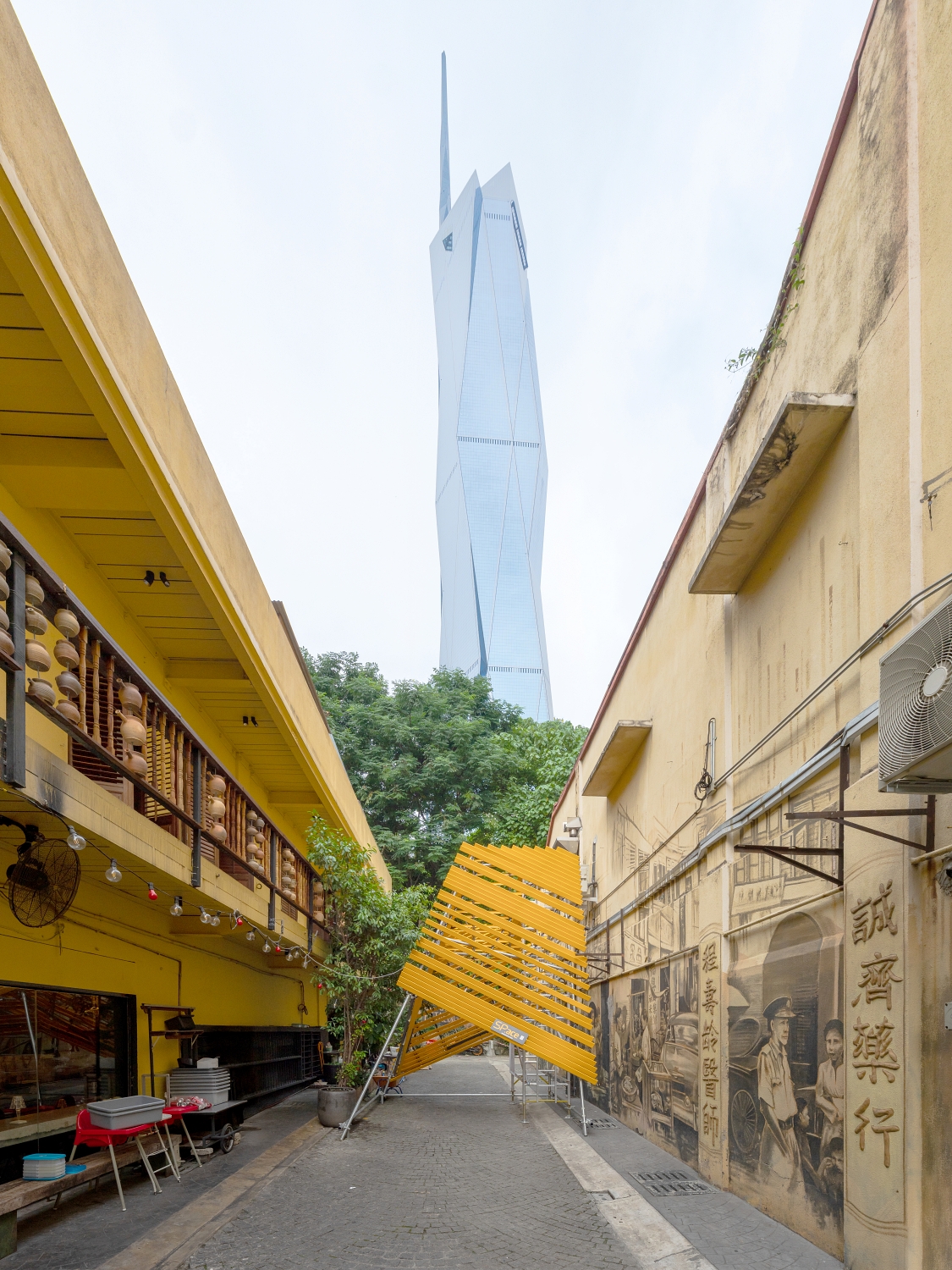
At first glance, it sits there like a peculiar landmark – part stage, part barricade, part oversized snack twisted into architectural form.On one side, it’s the full stop at the end of the alley’s sentence, a sculptural punctuation mark that says: “You’ve reached the end of this story.”But look closer and the folly whispers otherwise: maybe it’s not the end at all, but the beginning.For those who dare, it’s a rabbit hole – step past the object, slip into the fold, and you’ll discover a quieter, hidden space waiting beyond.
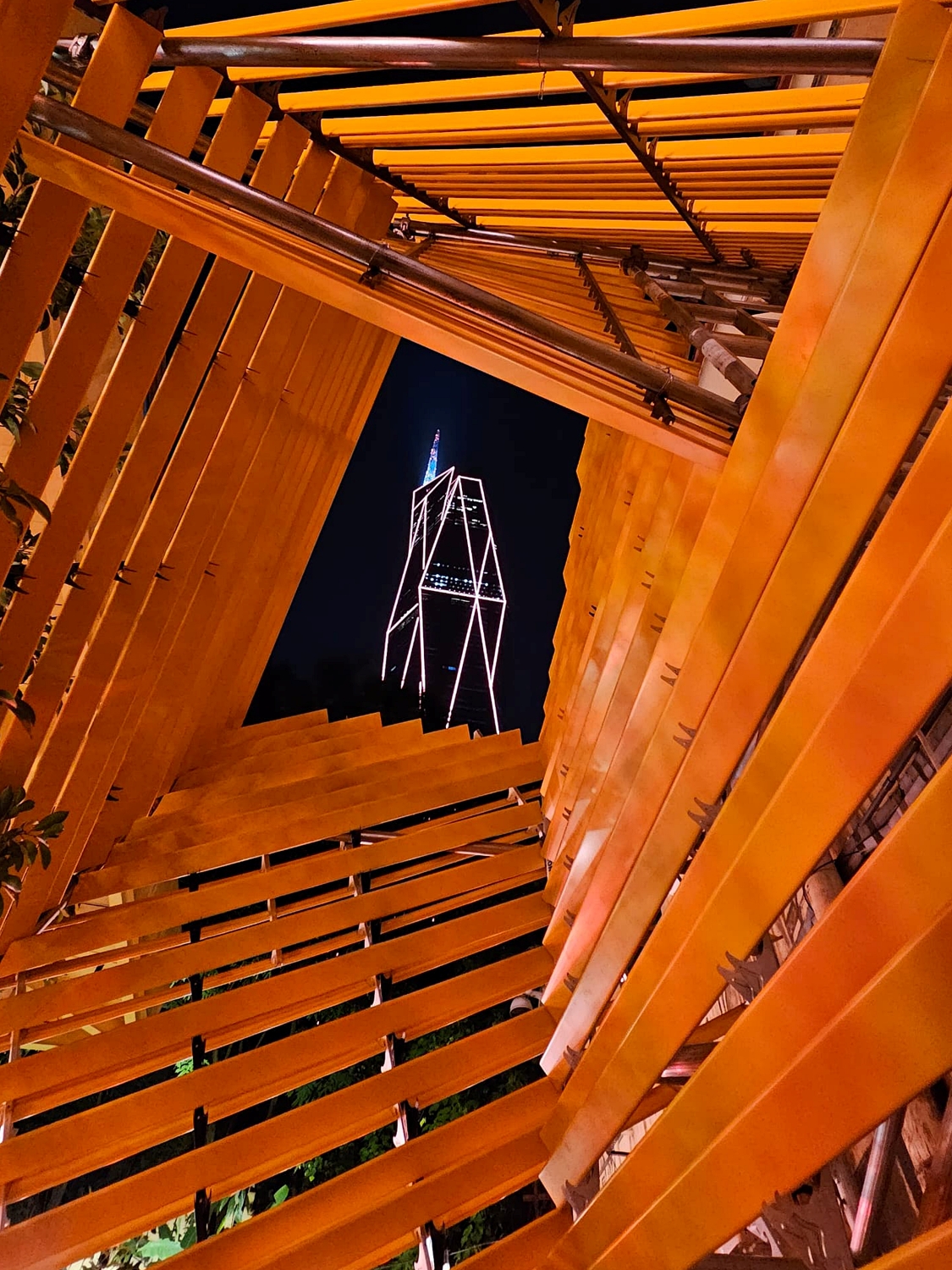
Suddenly, it became a trickster.From some angles, it reveals.From others, it hides.It flashes glimpses, then snatches them away.It teases you into moving around, peeking through, and wondering what lies just out of sight.
This playful ambiguity is the heart of the folly.It doesn’t explain itself, it doesn’t serve a fixed function, and that’s the point.Instead, it transforms an overlooked urban leftover – two alleys crossing paths – into a stage for curiosity.It turns passersby into performers, onlookers into explorers.
Like the stories of secret gardens and rabbit holes, the Twist Potato thrives on the joy of stumbling into the unexpected.It’s a folly that makes the city feel less predictable, less serious, and a little more magical.After all, who wouldn’t want to chase a rabbit, or a potato, into another world?