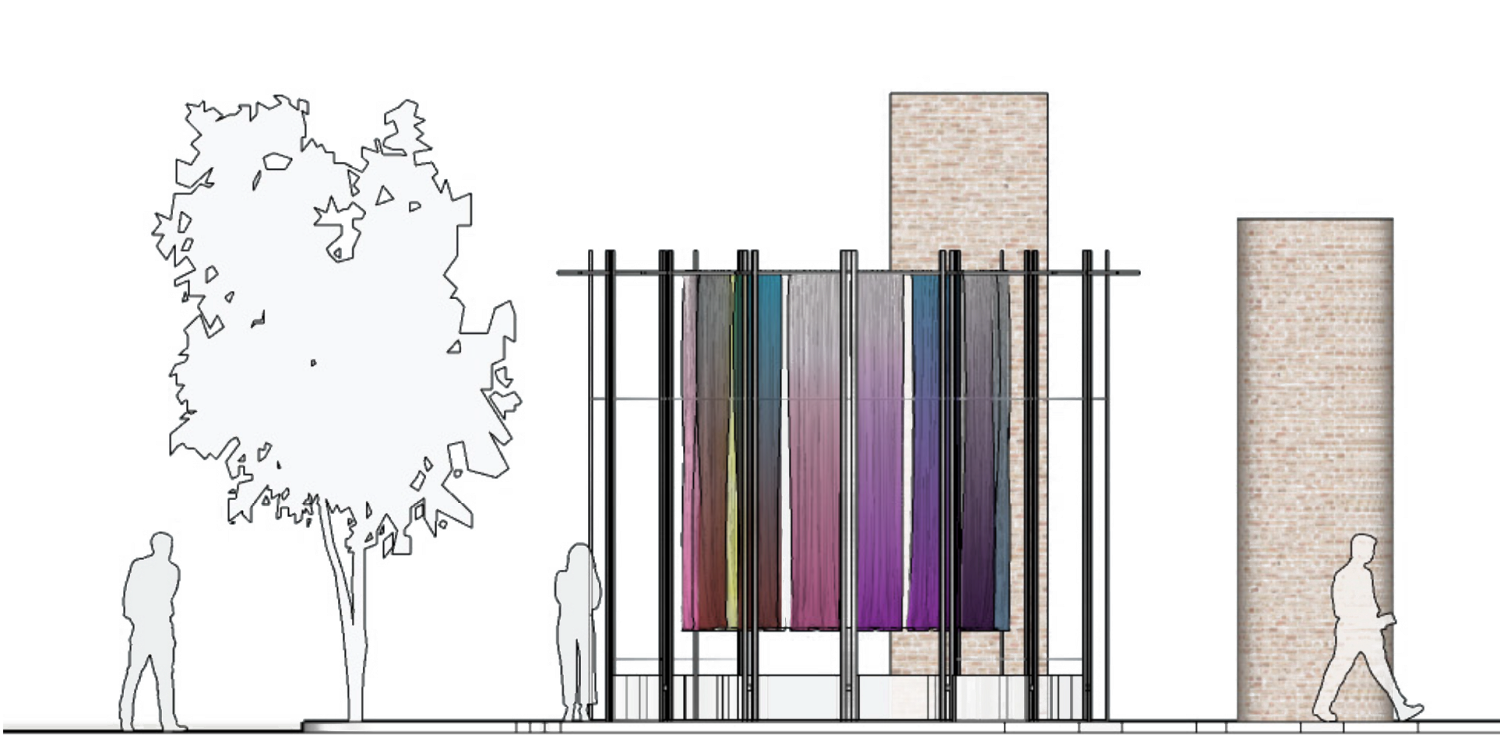
This installation, titled ngo-kha-ki – a Hokkien term referring to the “five-foot way”- pays homage to one of Southeast Asia’s most distinctive architectural forms: the traditional shop house.Originating during the early formation of Kuala Lumpur, this typology has been a cornerstone of urban life across Malaysia for more than a century.
Unique to the Southeast Asian urban fabric, the shop house is a hybrid architecture – where commerce and domestic life are tightly interwoven.The ground floor, fronted by the covered pedestrian arcade known as the ngo-kha-ki, accommodates various commercial and social activities.
The upper floors traditionally serve as living quarters, making these buildings not only functional spaces but cultural vessels that have supported generations of city dwellers, traders, and artisans.
As our cities evolve rapidly with modern developments, the traditional shop house continues to endure.While its internal activities and occupants may have transformed, its architectural essence-especially the spatial rhythm and communal layers it fosters – remains relevant.This poses an essential question for contemporary urbanism: How do we preserve the characteristic spirit and spatial quality of the shop house in the face of relentless urban change?
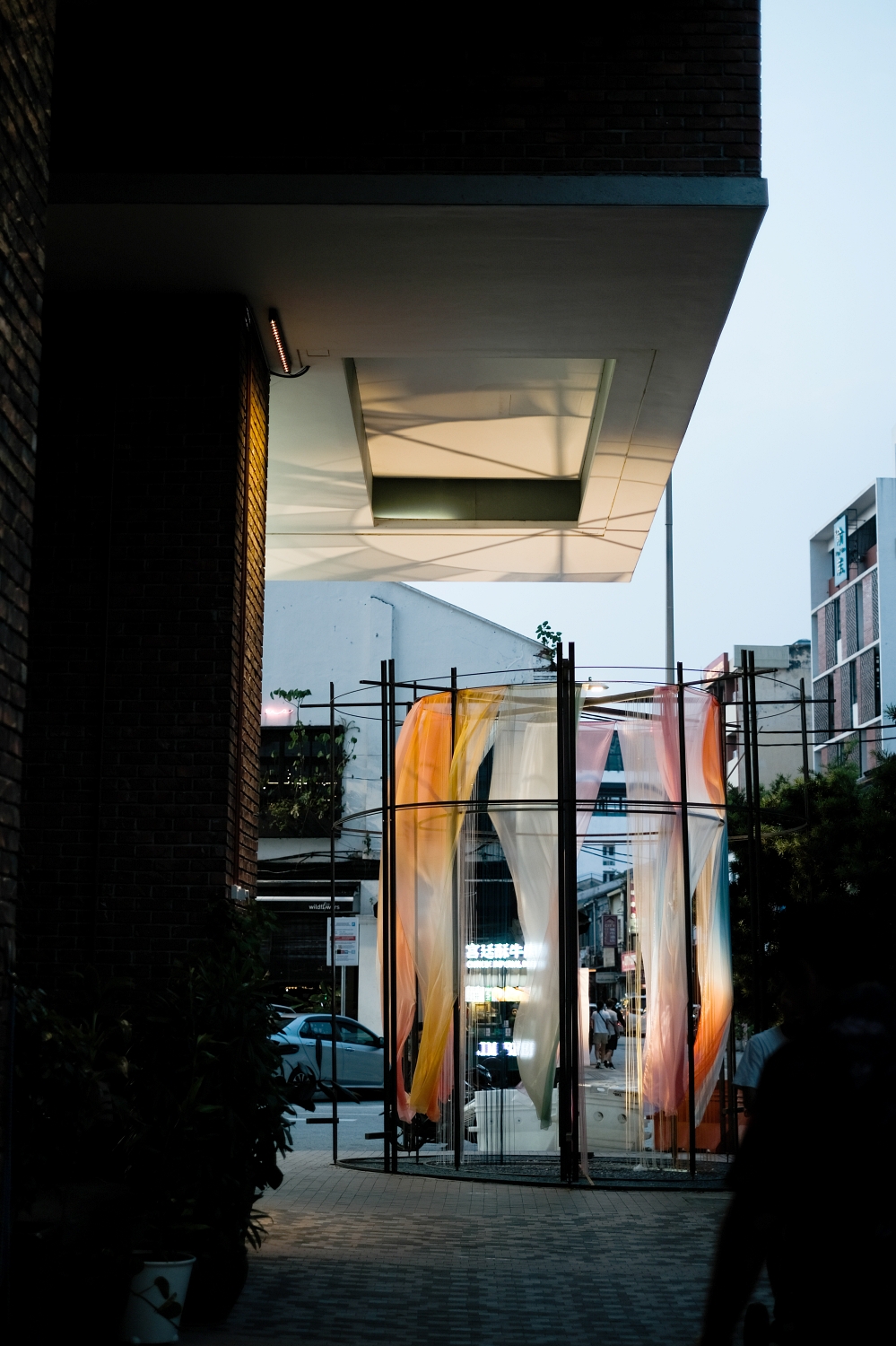
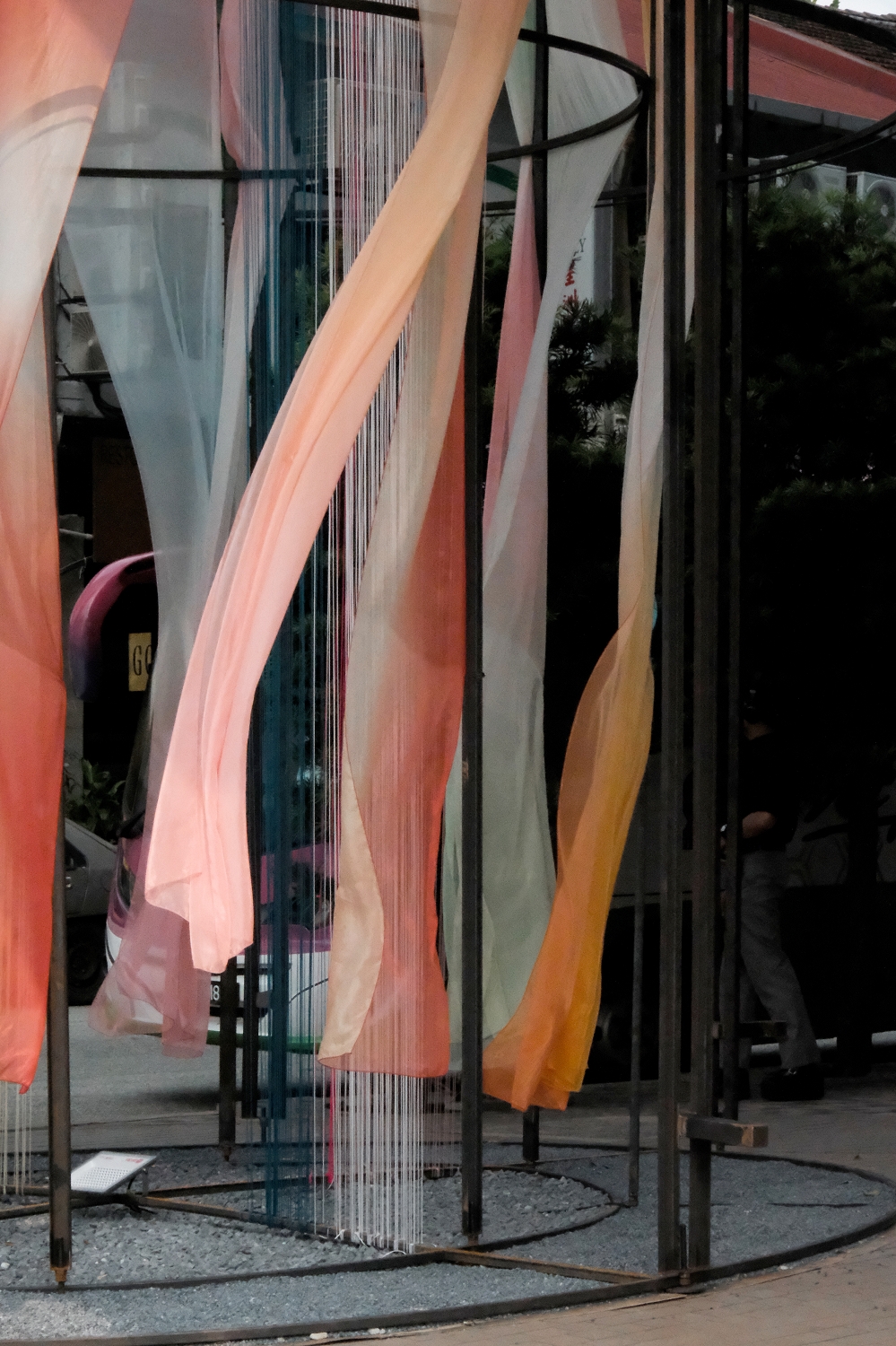
In this installation, the outer ring symbolises the five-foot way -a threshold between public and private, commerce and residence.The use of a steel framework is intentional: it embodies both strength and fragility.Steel, while robust, serves here as a metaphor for the vulnerability of the shop house form – constantly reshaped, sometimes carelessly replaced, in the face of modern development.It reminds us how easily this heritage can be lost without thoughtful preservation and stewardship.
The hanging colourful fabrics evoke the vibrant façades of shop houses and the diversity of life that flows through them.As visitors step further inside, the web of strings captures the narrow spatial layout of the shop lot, guiding movement and light, while an opening above recalls the internal courtyard – a key architectural element allowing air, light, and social connection to permeate these deep spaces.
ngo-kha-ki invites reflection on the layered history of the shop house and its lasting role in shaping cultural identity.It is a tribute to the everyday spaces that have quietly supported over a century of community life, commerce, and cultural evolution.Through this installation, we remember, reimagine, and celebrate the shop house-not just as architecture, but as living heritage.